Review · FOOD WALKING TOURS
Madrid Tapas & Wine Tasting Walking Tour – Small Group Local Bars
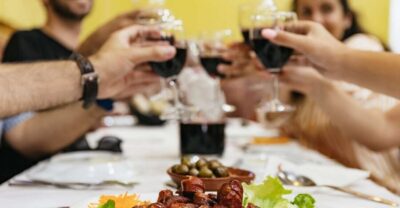
Come hungry, leave with dinner plans. This three-hour walk through Madrid’s Literary Quarter gives you a tasty introduction to local tapas bars, Spanish wines, and the city’s eating customs. I like the small maximum group of 12, which gives guides such as Noemí, Carlos, and Juan Felipe room to explain each dish and answer questions. I also like the mix of old taverns, wine shops, and family-run places. The main consideration is that the food and bar lineup can change, and one published account found the tapas underwhelming, so this is best viewed as a broad introduction rather than a carefully fixed restaurant crawl.
At $93.12 per person, the tour is not cheap, but four drinks and more than 10 tapas make the price reasonable if you would otherwise order several small plates and drinks on your own. The tour is especially useful early in your Madrid stay, when you still need help understanding what to order and where to return later.
Key points to know before booking
- Four local bars in about three hours: You move through the Literary Quarter on foot, usually stopping for a drink and food at each venue.
- A full Spanish tasting menu: Expect dishes such as Iberian ham, Spanish omelet, cod brandade, chickpea stew, and eggplant with honey.
- Spanish wines with useful context: Tastings may include Tempranillo, Malvar, Garnacha, and Parellada.
- Maximum 12 people: The smaller format makes it easier to hear the guide and meet the rest of the group.
- A strong choice for your first Madrid evening: You get food, neighborhood orientation, restaurant ideas, and local customs in one outing.
- The route can shift: Bars and the final stopping point depend on the day, time, guide, venues, and weather.
Starting at Plaza de Santa Ana
The tour begins at the Federico García Lorca statue in Plaza de Santa Ana, a central meeting point in Madrid’s Centro district. Arrive ready to walk and ready to eat. The opening briefing introduces the group, the guide, and the basic rhythm of the evening.
From here, you move into the Literary Quarter, an area linked with Spanish writers and filled with traditional bars, restaurants, and narrow streets. The walking is not just a way to get from one plate to the next. Your guide explains how Madrid’s food culture developed and how people from different parts of Spain helped shape what you find on local menus.
That context matters. Madrid is not tied to one single regional cuisine. It is Spain’s capital, so its cooking reflects Castilian traditions along with dishes and ingredients brought by people who moved to the city. A guide can point out why a dish appears in a Madrid tavern, how it is normally served, and what makes it different from the version you may have eaten elsewhere.
The tour is offered in the afternoon or evening. The afternoon option can work well if you want a substantial late lunch and a gentle introduction to the city. The evening outing feels more like a Madrid night out, especially since the route finishes near the city center and leaves you close to more places to eat and drink.
More Food Walking Tours in Madrid
- Toledo Tour & Vineyard Walk with Wine Tasting from Madrid
★ 5.0 · 2,546 reviews - Madrid: Tapas & Wine Tasting Tour with Local Guide
★ 4.8 · 2,171 reviews - Madrid by Night Small Group Tour: Stories, Sights and Tapas Bites
★ 5.0 · 1,956 reviews
Bar one: an old Castilian sherry stop
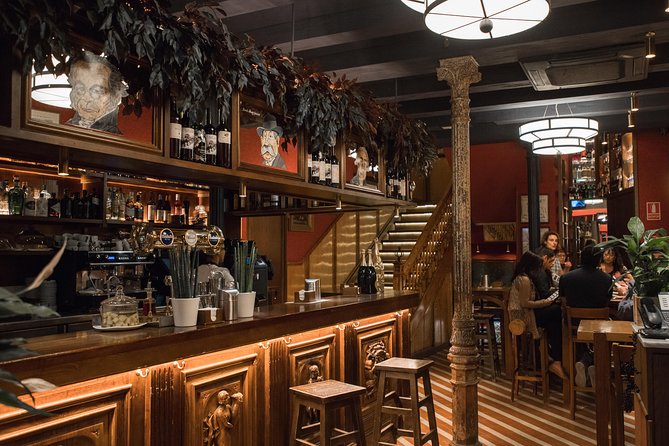
The first bar is described as a traditional Castilian sherry bar with an old-fashioned interior and a chalkboard listing the day’s tapas. This is the sort of setting that gives the tour its local character. You are not simply tasting wine in a formal room. You are learning how fortified wines fit into an ordinary Madrid bar.
Your guide may explain the difference between crisp finos and older olorosos. These wines can be unfamiliar if your usual Spanish order is a glass of red, so this stop adds useful variety. It also gives you a chance to ask practical questions about sherry, including how it is served and what food suits it.
The food changes, but the stated examples include Iberian ham, Spanish omelet, cod brandade, eggplant with honey, and chickpea stew. The meal is built around small portions, though the total amount can be substantial. One person found the combined food more than enough to cancel a later dinner, while another felt the meal was not quite dinner-sized. That difference likely comes down to appetite, portion size, and how much you drink.
Bar two: wine behind the bottle shop
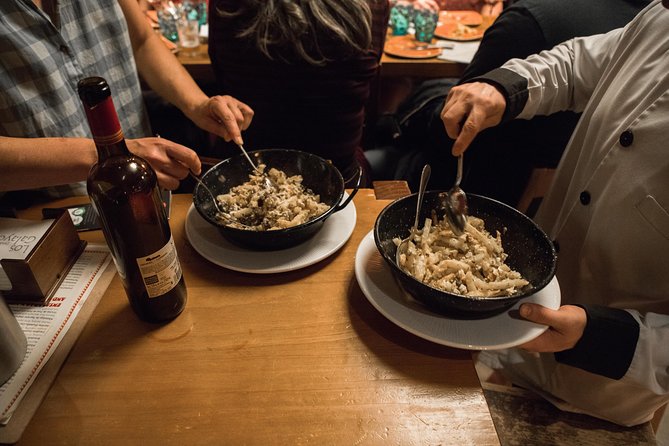
The second stop is a wine bar that also operates as a shop. Bottles form part of the setting, and the tasting gives you a chance to see products you might want to buy for later. If you discover a wine you enjoy, this is the most practical stop for taking a bottle home.
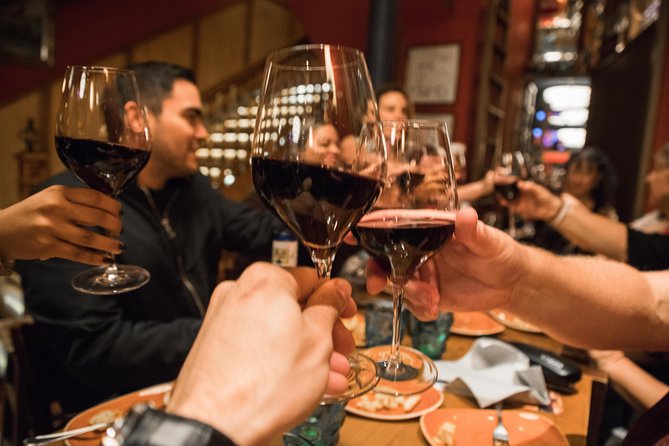
The tasting may include Tempranillo, Malvar, Garnacha, or Parellada. These names give you a useful starting point for ordering wine during the rest of your time in Spain. Rather than treating the wines as anonymous drinks, the guide connects them with Spanish regions and styles.
You receive one drink at each bar. Wine is the focus, but you can choose beer or a soft drink instead. Vermouth and water are also listed among the drink choices. Cocktails and spirits are not included, so you should expect a straightforward food-and-wine format rather than a cocktail tour.
This stop also helps explain the value of the experience. Four separate drinks plus more than 10 tapas can become expensive when ordered independently, especially in central Madrid. You are also paying for the guide’s explanations, reserved or prepared seating arrangements, and the time saved by not having to search for suitable places yourself.
Bar three: an open kitchen on Calle de la Cruz
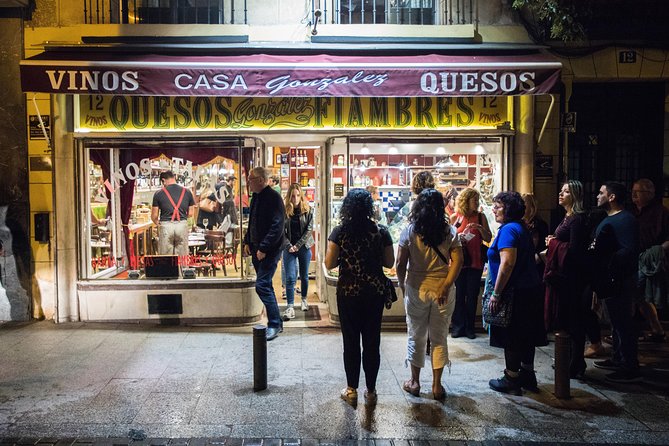
The third bar has an open kitchen, allowing you to see some of the dishes being prepared. That small detail adds interest because you can connect the food on your plate with the work happening behind the counter.
The menu is not fixed. You might receive more cod, eggplant, chickpea stew, ham, tortilla, or another tapa selected by the venue. The guide explains what you are eating and how it fits into Madrid’s food traditions. This is particularly helpful if you are unsure about ordering dishes such as cod brandade or eggplant with honey on your own.
The tour also works well for people who want to try food outside the most familiar Spanish staples. You could easily find tortilla española and ham by yourself. A guide is more likely to encourage you to try something you might otherwise skip, then explain the ingredients and background before you decide how you feel about it.
Food preferences should be raised when booking or at the start. A vegetarian guest was accommodated successfully, and another group had food allergies addressed. Still, the supplied information does not promise a specific menu for every dietary need, so you should make your requirements clear before the tour begins.
More Food Walking Tours in Spain
- Madrid Historic Centre Food Tour with Authentic Tapas & Wines
★ 5.0 · 814 reviews - Madrid: Street Food Walking Tour in the Plaza Mayor Area
★ 5.0 · 119 reviews - Madrid: Old Madrid Walking Food and Wine Tour
★ 4.9 · 111 reviews - Barcelona: Tapas Walking Tour with Food, Wine, and History
★ 4.8 · 4,261 reviews
Bar four: a century-old Madrid tavern
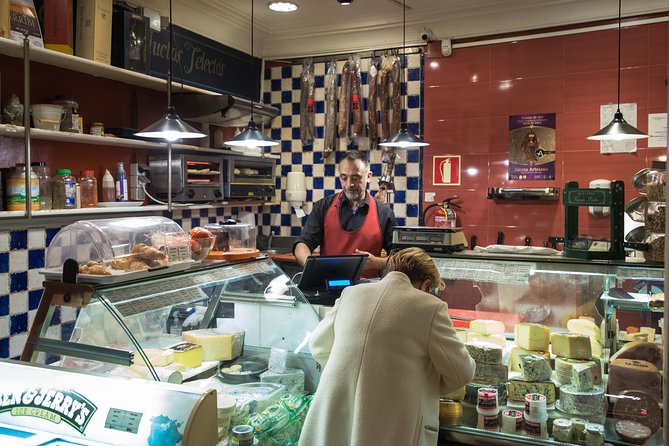
The final bar is described as a dark, bohemian tavern that has been operating for more than 100 years. It provides a fitting finish to a route built around old Madrid drinking places and long-running food traditions.
Here you receive another drink and a final serving of food. The atmosphere may feel more historic and atmospheric than polished. That is part of the appeal, though anyone seeking bright, modern restaurants should set expectations accordingly.
The guide’s role becomes especially useful at this point. Guides such as Noemí and Carlos are praised for combining food explanations with stories about Madrid, while Juan Felipe is noted for sharing personal insight into the area around Plaza Mayor. The best part of a small-group food walk is often not the list of dishes. It is the conversation that helps you understand why these particular places matter.
The tour generally ends in or near the central area around Plaza Mayor, though the precise final point can change. The meeting information also lists Plaza de Santa Ana, so confirm the current start and end instructions with your booking details. Either way, you finish in a useful part of town for continuing your evening.
What the food is really like
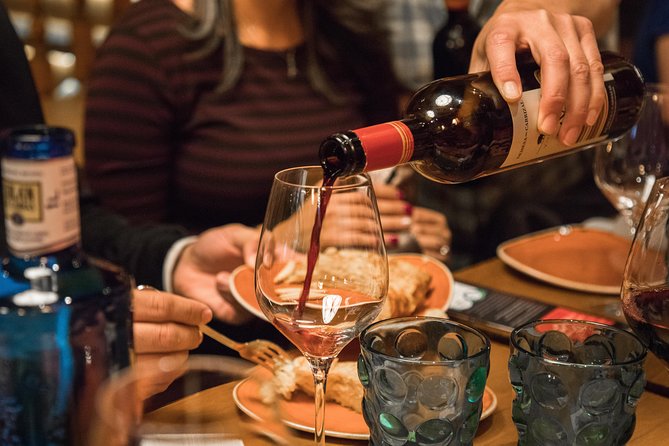
This is not a sit-down tasting menu with one carefully measured bite per course. It is a moving meal. You eat at several bars, receive a drink at each one, and sample a range of traditional dishes.
The advertised examples cover several types of Spanish cooking:
- Iberian ham offers a simple taste of one of Spain’s best-known products.
- Spanish omelet gives you a familiar, filling tapa made with egg and potato.
- Cod brandade brings a softer, savory fish preparation.
- Chickpea stew provides a hearty Madrid-style dish.
- Roasted eggplant with honey shows how sweet and savory flavors can work together.
Some tours also include dishes such as garlic shrimp, which one guide described as a favorite pairing. Menus depend on the bars, so do not book this expecting a guaranteed checklist.
The amount of food is one area where expectations differ. The included tasting is described as enough for a full dinner, and some people have found it more than sufficient. Others wanted more food. If you have a large appetite, treat this as a generous tasting rather than a promise of a long restaurant dinner.
The value of a 12-person group
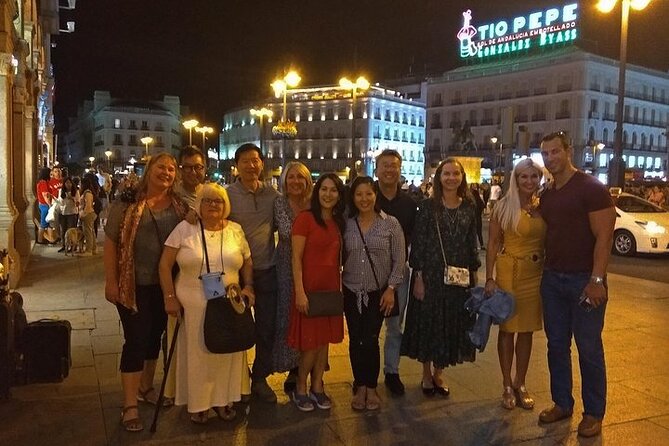
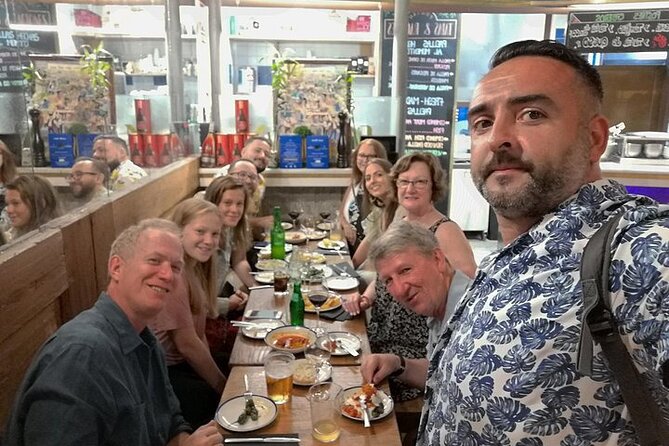
A maximum of 12 people is one of the tour’s strongest features. Larger food tours can become a line of people standing outside bars while the guide speaks to the first few people in the group. Here, the guide has a better chance of reaching everyone.
The small format also helps socially. Solo participants have found it easy to meet people from different countries, and couples can join without feeling lost in a crowd. The group can share dishes, compare reactions, and exchange ideas about where to eat next.
Your experience will still depend on the guide. Names praised in connection with this tour include Noemí, Carlos, Muna, Eva, Jolanda, and Juan Felipe. Noemí is repeatedly credited with clear food and wine explanations, while Carlos is noted for his enthusiasm about Spanish wine and his ability to make the stops feel local.
The tour is bilingual in English and Spanish if needed. The advertised language is English, so English-speaking visitors should be comfortable following the explanations.
Is $93.12 a fair price?
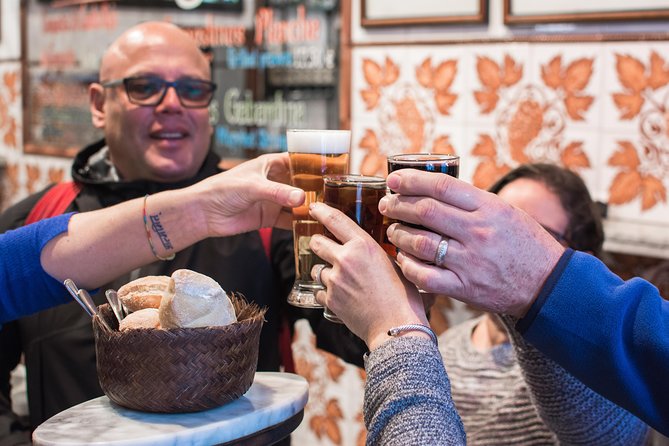
At $93.12, this is an activity for people who value guidance and variety. If you only want a cheap plate of tapas, you can spend less by ordering from one bar. That approach will not give you four different venues, a walking route through the Literary Quarter, a drink at each stop, or a guide explaining the food.
The price makes more sense if you are new to Madrid, enjoy trying several dishes in one sitting, or want to avoid guessing your way through unfamiliar menus. It also has practical value early in a trip because the guide can point you toward places you may return to later.
The tour is usually booked well ahead, with an average booking lead time of about 33 days. That suggests you should reserve early if your dates are fixed, particularly if you want a specific afternoon or evening.
Who should book this Madrid food walk?
I would recommend it to first-time visitors, solo visitors, couples, and anyone who wants a social evening with food built in. It is also a good fit if you want cultural context but do not want a formal cooking class or a long museum tour.
It suits wine drinkers, though you do not need to be a wine expert. You can choose beer or a soft drink at each stop. The minimum age for wine tasting is 18, and children under four cannot take part.
You should think twice if you need a fixed menu, dislike walking between venues, or want a single large meal at a known restaurant. You should also allow flexibility because the bars and final stop can change with the weather, time, guide, and availability.
As with any food outing, food safety and allergies deserve attention. One person reported becoming ill after the tour, while the provider stated that other people eating the same dishes did not report a problem and that the venues had long operating histories. That does not prove what caused the illness, but it is a fair reminder to state allergies clearly and to use your own judgment with unfamiliar foods.
My final take on the Literary Quarter tour
Book this tour if you want a friendly introduction to Madrid’s food customs, several traditional bars, and enough tasting to shape the rest of your trip. The strongest reasons are the small group, the four-stop format, the local wine choices, and guides who add personal stories rather than simply naming dishes.
I would book it near the start of your Madrid stay, preferably when you can return to a favorite bar afterward. Go hungry, wear comfortable shoes, and leave the rest of the evening open. If you prefer a controlled menu or a guaranteed dining experience, choose a restaurant reservation instead.
FAQ
How long does the Madrid tapas and wine tour last?
The tour lasts about three hours.
How many people can join the group?
The group has a maximum of 12 participants.
How many bars do you visit?
The route visits up to four local tapas bars.
How much food is included?
More than 10 tapas are included, with some tour information describing the total as more than 12 authentic tapas. The exact dishes and portions can vary.
What drinks are included?
One drink is included at each bar. Options may include wine, beer, vermouth, a soft drink, or water.
Which Spanish wines might I taste?
The listed examples include Tempranillo, Malvar, Garnacha, and Parellada.
Where does the tour start?
It starts at the Federico García Lorca statue in Plaza de Santa Ana, Madrid.
Is the tour suitable for vegetarians or people with allergies?
Dietary needs can be accommodated in some cases. You should state your requirements clearly when booking or before the tour begins.
What is the cancellation policy?
You can cancel at least 24 hours before the start time for a full refund. Cancellations or changes made less than 24 hours before the start time are not refunded.
More Wine and Tapas Walks in Madrid
- Authentic Parisian Gourmet Food Tour with 10 Local Dishes & Wines
★ 5.0 · 4,754 reviews - Lisbon: Food and Wine Small Group Walking Tour
★ 4.9 · 4,082 reviews - Rome: Guided Food Walking Tour with Wine in Trastevere
★ 4.9 · 3,105 reviews - Montmartre Hill French Gourmet Food and Wine Tasting Walking Tour
★ 5.0 · 2,588 reviews
More Wine and Tapas Walking Tours in Spain
- Barcelona Tapas and Wine Experience Small-Group Walking Tour
★ 5.0 · 5,804 reviews - Barcelona: Food Walking Tour with Tapas and Wine
★ 4.9 · 2,180 reviews - Barcelona Tapas Walking Tour: Food, Wine & History
★ 4.5 · 1,928 reviews - Barcelona Food Tour: Tapas, Paella, Sangria & 8+ Local Tastings
★ 5.0 · 1,275 reviews
Just added around Madrid
- Madrid: Visit to the Royal Palace & Walking Tour of the City★ 4.4 · 288 reviews
- Madrid: Street Food Walking Tour in the Plaza Mayor Area★ 5.0 · 119 reviews
- Madrid: Old Town & Poets District Guided Walking Tour★ 4.6 · 188 reviews
- Madrid: Welcome to Madrid Guided Walking Tour in English★ 4.9 · 263 reviews
- Madrid: Private Walking Tour with a Local★ 4.4 · 161 reviews
- Madrid: Old Madrid Walking Food and Wine Tour★ 4.9 · 111 reviews
- Madrid: Enchanted Evening Walking Tour in Spanish★ 4.4 · 120 reviews
- Madrid: Sunset Walking Tour with Optional Flamenco Show★ 4.2 · 76 reviews
Food Walking Tours, compared.
Reykjavik Food Walk – Local Foodie Adventure in Iceland
Read our review →
New Orleans Food Walking Tour of the French Quarter with Small-Group Option
Read our review →

Authentic Parisian Gourmet Food Tour with 10 Local Dishes & Wines
Read our review →
Tapas Walking Tour with Food, Wine, and History
Read our review →