
Review · JEWISH HERITAGE WALKING TOURS
Amsterdam: Anne Frank Walking Tour (French)
History feels close here. This two-hour French walking tour connects Anne Frank’s story with Amsterdam’s Jewish past and the Nazi occupation, moving from Dam Square to the Anne Frank House. I like the clear focus on people and places, and I like that the walk begins centuries before the war, with Jewish life in Amsterdam from the 16th century onward. At $28 per person, it offers a useful historical overview without the cost of a full museum visit.
The main limitation is important: entry to the Anne Frank House is not included. You finish outside the museum, so this tour works best as a thoughtful introduction rather than a replacement for visiting the Secret Annex itself. You should also expect a serious subject, cold or wet streets, and a steady two-hour walk.
Key points to know before booking
- French-language history walk: The guide explains Amsterdam’s Jewish history, the Nazi occupation, Anne Frank’s family, and local Resistance efforts in French.
- Begins near Rokin and Dam Square: Meet in front of the Van Stapele cookie shop, beside the Manders Rokin Fountain Statue, where the guide carries a black umbrella with the company logo.
- Covers more than Anne Frank: The route includes Royal Palace, Nieuwe Zijde, the western canal belt, the Homomonument, and the Anne Frank House.
- Ends at the museum, without museum admission: You receive the wider context outside the Anne Frank House, but you need a separate ticket to enter.
- Strong recent feedback for the guides: Alessio is praised for being clear, approachable, attentive, and easy to listen to.
- Good practical value at $28: Two hours of live guiding and several historically important areas make this a reasonable choice for a first visit.
Why Amsterdam needs more than an Anne Frank story
Before the Second World War, about 80,000 Jewish people lived in Amsterdam. After the war, only around 12,000 remained alive. Those figures give the tour its weight, but the experience aims to show more than a single family’s tragedy.
You hear about Jewish life in Amsterdam from the 16th century, including the arrival and development of the community. That long view matters. It helps you understand that Anne Frank’s story did not begin with the Nazi occupation. Her family was part of a much older Jewish presence in the city.
The tour also explains how German occupation changed daily life. Laws, fear, registration, deportation, hiding, and resistance affected the whole city. You hear about Jewish people forced into hiding and about Amsterdam citizens who resisted, helped, or faced impossible choices.
I appreciate that wider frame. It keeps Anne Frank from becoming only a famous name attached to one house. You learn about the setting around her, the family’s move to Amsterdam, and the sad fate that followed.
More Jewish Heritage Walking Tours in Amsterdam
- Amsterdam Anne Frank: Small-Group Walking Tour & Local Guide
★ 4.8 · 12,789 reviews - Anne Frank’s Story – Guided Walking Tour through Amsterdam
★ 5.0 · 11,619 reviews - Amsterdam: Anne Frank Guided Walking Tour in DE/EN/IT/ES
★ 4.9 · 3,107 reviews
Meeting at Rokin and walking toward Dam Square
The official starting point is Rokin 17. More specifically, meet in front of the Van Stapele cookie shop, next to the Manders Rokin Fountain Statue. The guide should be easy to spot with a black umbrella carrying the company logo.
Arrive 15 minutes early. Rokin is central, but Amsterdam’s busy streets and many nearby landmarks can make a last-minute meeting harder than it sounds. Look for the fountain and cookie shop rather than relying only on a street number.
From here, the group heads toward Dam Square. This opening section gives you a central Amsterdam orientation while setting up the occupation story. Dam Square is not just a postcard stop. It is one of the city’s major public spaces, and its location helps the guide explain how the war affected ordinary urban life.
You will spend time listening rather than simply taking photos. The walk is designed around stories, so keep your attention on the guide. A camera is welcome, but the useful details are in the spoken explanation.
Dam Square and the Royal Palace
Dam Square brings together several layers of Amsterdam history. The Royal Palace gives the route a landmark most first-time visitors recognize, while the square provides a broad setting for discussing the occupation and the city’s public life.
The tour does not present the palace as a stand-alone royal attraction. Instead, it forms part of a wider walk through central Amsterdam. That approach suits the subject. You are not moving from one isolated monument to another. You are following a city route where architecture, public spaces, and wartime memory sit close together.
The pace should feel manageable for most people, but this is still a walking tour. Comfortable shoes are a must. There are no indications of a seated break, and you are advised to use the bathroom and refill your water before reaching the later parts of the route.
Nieuwe Zijde and Amsterdam under occupation
The Nieuwe Zijde section adds another central area to the walk. Here, the guide focuses on the effect of Nazi German occupation on Amsterdam and on the lives of Jewish residents.
This is where the tour’s subject becomes more personal. You learn how the occupation altered the choices available to Jewish families. Hiding was not a simple escape. It meant secrecy, dependence on others, fear of discovery, and long periods away from normal life.
The guide also discusses the resistance of Amsterdam citizens. The point is not to turn the city into a simple story of heroes and villains. The occupation created danger for everyone, and the tour gives you a chance to consider both the help offered and the terrible risks involved.
French-language explanation is a real benefit here. Historical terms and sensitive details are easier to follow when presented in your strongest language. Recent comments praise Alessio for giving the right level of information, listening carefully, and making the material accessible. That balance matters on a serious tour. Too little information feels superficial, while too much can turn a walk into a lecture.
More Jewish Heritage Walking Tours in the Netherlands
- Amsterdam: Anne Frank Guided Small Group Walking Tour
★ 4.8 · 2,722 reviews - Anne Frank Walking Tour Amsterdam Including Jewish Cultural Quarter
★ 5.0 · 1,879 reviews - Anne Frank’s Last Walk & See Anne Frank House in Virtual Reality
★ 5.0 · 957 reviews - Anne Frank and Jewish Quarter Amsterdam Private Walking Tour
★ 5.0 · 684 reviews
From the western canal belt to the Homomonument
The route continues through the western canal belt, known here as Grachtengordel-West. The canals offer a change of pace from the larger central squares. You walk through a more intimate part of Amsterdam while continuing to hear about wartime events and hidden Jewish lives.
Do not expect every stop to be a preserved wartime building or a dramatic memorial. Much of the value comes from connecting normal-looking streets with events that are no longer visible. The city has changed, but the guide helps you imagine how fear and concealment shaped life in these same areas.
The Homomonument adds another memorial layer. It is a place connected to the persecution and remembrance of gay people, and its inclusion broadens the walk’s discussion of discrimination and oppression under Nazi rule.
That stop may surprise people booking an Anne Frank tour, but it makes sense within the route. The tour examines how the Nazi regime targeted groups, how Amsterdam responded, and how public memory works today. If you want only a narrow account of Anne Frank’s family, this broader stop may feel like a detour. If you want a fuller picture of persecution in wartime Amsterdam, it adds useful context.
Anne Frank’s family and the hidden life
The heart of the tour is the story of the Frank family. You hear about their arrival in Amsterdam, their life before hiding, and the events that led to their terrible fate.
The guide also places Anne’s writing dream within the story. She was a young girl who wanted to become a writer, and her diary later became one of the best-known personal accounts of the Holocaust. The tour treats her as a real person rather than only as a symbol.
You also learn about other Jews who went into hiding. This is essential because Anne’s story was not unique, even though her diary made it widely known. The tour’s focus on hidden lives helps you understand the practical and emotional strain of hiding during the war.
Expect a sober tone. This is not a light sightseeing stroll with a few historical facts added in. Some people will find the subject emotionally difficult, especially near the end of the route. That is part of the value, but it is worth knowing before you book.
Finishing outside the Anne Frank House
The tour ends at the Anne Frank House Museum, also referred to as Casa di Anna Frank in the meeting details. The final location gives you a natural chance to continue with your own visit, take in the exterior, or move on to another part of Amsterdam.
The crucial point is that the tour does not provide entry. The guide cannot take you inside as part of the $28 price. You need a separate museum ticket, and the walking tour does not replace that visit.
Still, ending here has practical value. You arrive with the historical background already in mind. The museum’s rooms and exhibits can make more sense after you have heard about Jewish life in Amsterdam, the occupation, the Frank family, and the network of people involved in hiding.
If you already have a separate Anne Frank House reservation, this walk can be a useful lead-in. If you do not, do not assume you will enter after the tour. Treat the outside of the museum as the endpoint and plan your museum visit separately.
What $28 buys you
At $28 per person, the price is fair for a two-hour guided walk in central Amsterdam, especially if French is important to you. You are paying for a live guide, a focused subject, and a route that links several areas rather than stopping at one monument.
The value depends on what you want. If your goal is simply to see the Anne Frank House, the tour may feel unnecessary, since admission is not included. If you want background before visiting the museum, the cost is easier to justify.
You also receive a broader look at Amsterdam’s Jewish history, not just a short account of Anne’s diary. That wider approach gives the walk more substance than a quick photo stop outside the museum.
The cancellation terms help reduce the risk. You can cancel up to 24 hours before the start for a full refund, and you can reserve now while paying later. Those options are useful when weather, museum plans, or your Amsterdam schedule remain uncertain.
Who should take this French walking tour?
I would choose this tour for French-speaking adults, couples, families with older children, and anyone who wants historical context before visiting the Anne Frank House. It is also a good fit if you prefer learning through a city walk rather than sitting in a museum from the start.
The tour suits people who want a balanced account of Amsterdam during the war. You hear about Jewish life, hiding, resistance, occupation, and Anne’s family within one route.
It may be less suitable if you want a private tour, a very slow walk, or a detailed museum-style examination of every wartime site. The duration is only two hours, so the guide must cover a lot of ground. The route is wheelchair accessible, but you should still be prepared for an outdoor walk and changing weather.
Recent feedback gives the guides high marks for warmth and clarity. Alessio, in particular, is described as attentive, easy to listen to, and comfortable with the right amount of information. One French-language comment also praised the experience despite the cold, which is a useful reminder to dress for Amsterdam rather than for the calendar.
Practical ways to get more from the walk
Wear comfortable shoes, bring water, and dress for the forecast. Amsterdam weather can make a pleasant walk feel much harder if you are cold or wet.
Use the bathroom before you start. The tour information specifically recommends making a stop before reaching the later part of the route, and there is no promise of a scheduled break.
Arrive 15 minutes early at the Rokin meeting point. Find the Van Stapele cookie shop, the Manders Rokin Fountain Statue, and the black company umbrella. That is more reliable than wandering around looking for a generic group.
Bring a camera if you want to record the streets and memorials, but use it thoughtfully. The subject calls for attention and respect. You will get more from the walk if you listen closely during the explanations.
If you plan to visit the Anne Frank House afterward, arrange that separately. The tour’s final stop makes the pairing convenient, but the museum entry is not part of the booking.
Should you book it?
Book this tour if you want a serious, French-language introduction to Anne Frank’s Amsterdam and the wider story of Jewish life under Nazi occupation. The two-hour route gives you more context than visiting the museum alone, and the $28 price is reasonable for a live guide across several central districts.
Skip it if you only need Anne Frank House admission or prefer to explore independently. The museum ticket is separate, the subject is heavy, and the tour moves through the city rather than focusing on one building.
For most French-speaking visitors interested in history, I think it is a strong choice. Arrive early, wear warm shoes, and treat the Anne Frank House as a separate part of your plan.
FAQ
Is entry to the Anne Frank House included?
No. The tour ends at the Anne Frank House Museum, but museum entry is not included.
How long does the walking tour last?
The tour lasts two hours.
What language is the tour in?
The live tour guide speaks French.
Where does the tour begin?
The meeting point is at Rokin 17, in front of the Van Stapele cookie shop, beside the Manders Rokin Fountain Statue.
How can I identify the guide?
The guide waits with a black umbrella displaying the company logo.
Where does the tour finish?
The tour finishes at the Anne Frank House Museum, also listed as Casa di Anna Frank.
Is the tour wheelchair accessible?
Yes, the activity is listed as wheelchair accessible.
What should I bring?
Bring comfortable shoes, water, a camera if desired, and clothing suitable for the weather.
Can I cancel for a refund?
Yes. You can cancel up to 24 hours before the tour for a full refund.
Just added around Amsterdam
- Small Group Walking Tour in Amsterdam with Friendly and Fun Guide★ 5.0 · 281 reviews
- Amsterdam: Private Introduction Walking Tour (TOP RATED)★ 5.0 · 223 reviews
- Humans of Amsterdam: Cultural Walking Tour incl. meeting 2 locals★ 5.0 · 320 reviews
- Amsterdam Private Historical Walking Tour★ 5.0 · 75 reviews
- Private Tour: Amsterdam City Walking Tour and Canal Cruise★ 4.5 · 142 reviews
- Anne Frank and Jewish Quarter Amsterdam Private Walking Tour★ 5.0 · 684 reviews
- Amsterdam: Anne Frank and World War II Walking Tour (TOP RATED)★ 4.5 · 72 reviews
- Small Group Walking Tour – Hello Amsterdam★ 5.0 · 505 reviews
Jewish Heritage Walking Tours, compared.

Amsterdam Anne Frank: Small-Group Walking Tour & Local Guide
Read our review →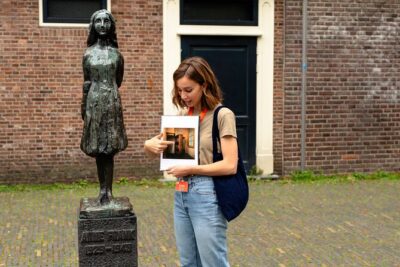
Anne Frank’s Story – Guided Walking Tour through Amsterdam
Read our review →
Jewish Quarter Walking Tour with Admission Tickets
Read our review →
Anne Frank Guided Walking Tour in DE/EN/IT/ES
Read our review →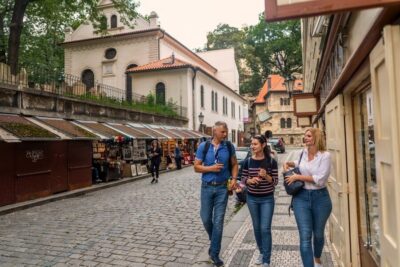
Old Town and Jewish Quarter Guided Walking Tour
Read our review →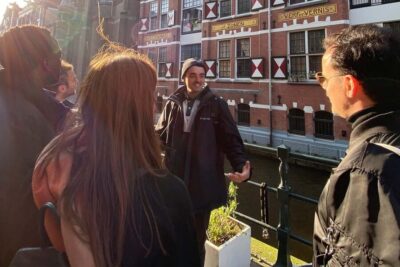
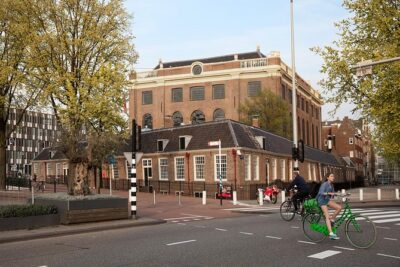
Anne Frank Walking Tour Amsterdam Including Jewish Cultural Quarter
Read our review →