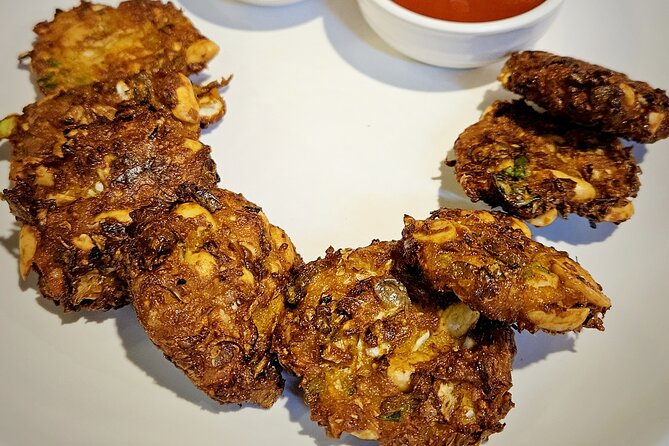
Review · FOOD WALKING TOURS
Kathmandu: Food and Drink Walking Tour
Kathmandu tastes better one small plate at a time. This three-hour walk takes you through Thamel and nearby local eateries for at least nine tastings, from momos and noodles to sweets, drinks, and regional snacks. I like the generous amount of food and the chance to enter places you might skip on your own. The main catch is simple: come very hungry, because these are not token samples.
I also like the cultural side of the tour. Deepak, the local guide most often named in the feedback, explains where dishes come from, how they are made, and what they mean in Nepali life. The route can be social and relaxed, but food preferences still matter: not every flavor will suit every palate, and some stops include fried or unfamiliar foods.
Key points at a glance
- Nine or more tastings in three hours: Expect enough food for a full meal, not just a few bites.
- Deepak brings the local context: He explains Nepali and Newari dishes, ingredients, customs, and the history of the places you visit.
- Thamel beyond the tourist menu: The walk includes local restaurants, stalls, and small shops you might not find by yourself.
- A wide range of flavors: Try momos, chhatamari, panipuri, noodles, lassi, sugarcane juice, tea, coffee, sweets, and snacks.
- Good for a first evening in Kathmandu: The walk helps you get your bearings while giving you ideas for later meals.
- Strong value at $28: Food, drinks, and a guide are included, while transport to the meeting point and personal spending are not.
Why this Kathmandu food walk works so well
Kathmandu has plenty of food, but finding the right first bite can be tricky. Menus may not explain the difference between familiar-looking dishes, and a small local shop can feel intimidating when you do not know what to order or how the room works.
That is where this tour earns its keep. Deepak takes you from one carefully chosen eatery to another, helping you understand what is in front of you before you taste it. You are not simply buying dinner. You are learning how food connects to Nepal’s communities, festivals, regions, and daily routines.
The experience is built around eating while walking through central Kathmandu, especially the Thamel area. You may pass temples, shops, busy lanes, and ordinary street scenes between stops. The food gives the walk its purpose, but the route also helps you get a feel for the city.
I especially like the social setup. Some departures may be small, and solo visitors can still enjoy the experience without feeling stranded. Deepak’s style is friendly and conversational, with several people describing the evening as more like walking around with a local friend than joining a formal lecture.
More Food Walking Tours in the world:
- Reykjavik Food Walk – Local Foodie Adventure in Iceland
★ 5.0 · 18,952 reviews - Little Havana Food and Walking Tour in Miami
★ 5.0 · 8,882 reviews - New Orleans Food Walking Tour of the French Quarter with Small-Group Option
★ 5.0 · 6,118 reviews
Meeting at Kaiser Library and getting started
The listed meeting and drop-off point is Kaiser Library in Kathmandu. You are responsible for getting to the meeting point, so allow extra time if you are staying outside central Kathmandu. Pickup arrangements and updates may be handled by phone call, message, or email, so keep an eye on your booking contact details.
The tour lasts three hours, although the detailed route describes about two and a half hours of active touring. That difference may simply allow time for meeting, settling in, or moving between stops. Starting times vary, and evening departures are available.
An evening walk has a particular appeal. Thamel takes on a different look after dark, with bright signs and busy lanes leading you toward restaurants and snack stalls. A daytime departure may be better if you want to take photographs of temples and street scenes, while an evening tour can feel more social and atmospheric.
The guide introduces the plan, explains how the tastings work, and begins with a local stop. Do not eat a full meal beforehand. Several people finished feeling thoroughly full, and the guide may keep offering food unless you make it clear that you have reached your limit.
Newari food, local noodles, and the first big flavors
The route includes a mixture of Nepali and Newari food. Newari cuisine comes from the Kathmandu Valley and is known for bold seasoning, varied textures, and dishes that are often served in small portions as part of a larger spread.
One possible highlight is chhatamari, a thin rice pancake sometimes described as a Nepali version of a savory crepe. It can come with toppings or fillings, and it gives you a quick lesson in how rice is used beyond the usual steamed bowl.
Another stop may feature keema noodles or noodles served with soup. Buffalo noodles have also been a favorite for some people on the tour. These dishes show a side of Nepali food that many first-time visitors miss when they stick only to dal bhat or momos.
The noodle stop is also a reminder to ask questions. You can find out what meat is used, how spicy the broth is, and how the dish differs from versions elsewhere in Asia. If you avoid meat, tell the guide early. Vegetarian options are available, and the tour has worked well for people who do not eat meat, but the exact selection can change.
At Thirsty Newari Restaurant, you might encounter small Newari bites in a setting that makes the food easier to understand. The point is not only to sample one plate. Deepak explains the dish, its place in local food culture, and why that particular restaurant is worth visiting.
Momos, panipuri, and the pleasure of small bites
No Kathmandu food walk would feel complete without momos. These savory dumplings are a major part of the city’s food life, and the tour includes them in at least one form. Paneer momos and other variations may appear, depending on the route and the day.
Momos are useful for comparing styles. The dough, filling, dipping sauce, and cooking method all affect the final bite. Deepak can help you notice those differences instead of treating every dumpling as the same.
Panipuri brings a completely different experience. These crisp shells are filled with spiced water and other ingredients, creating a quick burst of heat, tang, and crunch. If you are cautious about street food, this is one of the stops where the guide’s choice of vendor matters.
The food stops are described as clean and safe, and the restaurants are selected with care. That does not remove every personal concern, of course. If your stomach is sensitive, start slowly, drink water, and tell the guide about allergies or restrictions before eating. The tour is designed to make local food easier to approach, not to pressure you into trying anything you cannot eat.
A few more walks around the world worth a look
- Magical London: Harry Potter Guided Walking Tour
★ 4.7 · 22,044 reviews - History and Hauntings of Salem Guided Walking Tour
★ 5.0 · 14,564 reviews - New Orleans Premier Ghost, Voodoo and Vampire Walking Tour
★ 4.5 · 12,856 reviews - Amsterdam Anne Frank: Small-Group Walking Tour & Local Guide
★ 4.8 · 12,789 reviews
Sugarcane juice, lassi, tea, and sweet finishes
The drinks help break up the heavier dishes. Sugarcane juice with lemon has been one of the most praised combinations, offering a cool, sweet, citrusy pause between savory foods. It is a particularly memorable stop because it feels tied to everyday street life rather than a standard restaurant meal.
Lassi may also appear, along with tea or coffee. Lassi gives you a creamy, cooling option, while tea connects with Nepal’s familiar hospitality. The activity description also mentions a tea ceremony, though the exact format can vary by departure.
Save room for the sweet course. Cookies, donuts, pancakes, desserts, and local snacks are all part of the possible spread. This is not a tasting menu with tiny chef-sized portions. The combination of drinks, savory plates, and sweets can add up quickly.
The food is served over the course of the walk rather than placed in front of you all at once. That pacing helps, but you can still become full before the final stop. If you are traveling with a partner, sharing portions may help you sample more without feeling overfed.
What Deepak adds beyond the food
Deepak is the strongest reason to choose this particular walk. His role goes beyond naming dishes. He talks about the origin of foods, the way they are prepared, the history of the premises, and wider aspects of Nepali culture.
He also helps with the social details that can make a local food visit awkward. You do not have to wonder how to enter a tiny shop, where to sit, or what to order. He introduces you to the setting and makes the whole process feel natural.
His language range is another practical plus. The activity offers guides in English, Nepali, Chinese, Hindi, French, Japanese, Russian, German, Korean, and Spanish. The guide for your departure may vary, so check the available language when booking. Deepak has been praised for speaking English and Mandarin well.
The tone appears flexible rather than stiff. On one occasion, a delayed flight was accommodated with a later tour. On another rainy evening, the route was adjusted when a planned place had unexpectedly closed. Those details suggest a guide who can keep the evening moving instead of treating the itinerary as fixed.
How much food do you really get?
The honest answer is a lot. The advertised minimum is nine samplings, and the included food covers noodles, momos, pancakes, cookies, donuts, tea or coffee, snacks, drinks, and desserts. The exact menu changes, but you should think of this as dinner with a walking component.
People who enjoy trying many foods will find the quantity generous. You can sample several dishes without paying separate restaurant prices, and you get help choosing what is worth returning to later.
The same generosity can be a drawback. If you have a small appetite, you may feel overfed by the end. The tour works best when you arrive with little or no food in your stomach and pace yourself. Tell the guide clearly if you need smaller portions or want to stop eating while continuing to listen.
Food preferences also deserve attention. Vegetarian choices are available, but the menu is not presented as exclusively vegetarian. Some dishes may include buffalo or other meat, and fried foods may appear. This is a good tour for curious eaters, but strict dietary restrictions should be discussed before booking.
Is $28 a fair price?
At $28 per person, the tour offers solid value if you use the included food and drinks as your dinner. Nine or more tastings across several stops would cost money on its own, and you would still be guessing what to order and where to go.
The guide adds the part that is harder to price. You receive explanations about Nepali and Newari cuisine, help entering local eateries, and a route through places you might not discover independently. The tour can also save you from spending your first evening on a safe but forgettable meal near your hotel.
You still need to pay for transportation to and from the meeting point and any personal expenses. The listing shows Kaiser Library as both a pickup and drop-off point, so do not assume a private hotel transfer is included. Check the exact arrangements before setting out.
The free cancellation window is 24 hours before the activity, with a full refund available inside that limit. Reserve now and pay later is offered, which is useful if your Kathmandu plans may change.
Who should book this food tour?
I would recommend it most strongly to people arriving in Kathmandu for the first time, especially if you want a useful introduction on your first evening. You will learn what dishes to seek out later and gain a better sense of how Thamel fits into the city.
Solo visitors should also consider it. The format gives you company without requiring a large group, and the guide can make the evening feel comfortable and easy to manage. The activity is wheelchair accessible, though the practical experience of moving between eateries may depend on the exact route and street conditions.
Food fans will get the most from the tour, but you do not need expert knowledge. Curiosity matters more than a trained palate. You should be willing to try unfamiliar textures, local snacks, drinks, and dishes that may not match your usual idea of comfort food.
I would be more cautious if you have severe dietary restrictions, a very small appetite, or little interest in street food. The guide chooses clean and safe places, but the experience still centers on local food in ordinary restaurants and stalls rather than a controlled hotel dining room.
My recommendation for booking
Book this tour if you want your first Kathmandu meal to come with context, company, and plenty of food. The strongest points are the generous tastings, Deepak’s warm guidance, and the chance to visit local places that are easy to overlook.
Arrive hungry, wear comfortable walking shoes, bring a phone for possible meeting updates, and tell the guide about dietary needs before the first stop. At $28, it is a practical way to get fed and get oriented at the same time.
I would skip it only if you want a quiet, single-restaurant dinner or need a tightly controlled menu. For most curious eaters, this is a friendly and filling introduction to Kathmandu’s food culture.
FAQ
How long does the Kathmandu food and drink walk last?
The activity lasts three hours. The detailed route describes about two and a half hours of touring, with the remaining time allowing for meeting and other parts of the experience.
How many tastings are included?
At least nine samplings are included. Possible foods and drinks include momos, noodles with soup, pancakes, cookies, donuts, tea, coffee, snacks, drinks, and desserts.
What food can I expect to try?
The route can include Nepali and Newari dishes, local noodles, savory dumplings, chhatamari, panipuri, sweets, drinks, and snacks. The exact selection can vary.
Is this a full meal?
The tastings are substantial enough to serve as a full dinner for many people. Arrive hungry, since the food is served across several stops and can be plentiful.
Where does the tour meet?
Kaiser Library in Kathmandu is listed as the meeting point and drop-off point. Transportation to and from the meeting point is not included.
Is transportation included?
Transportation to and from the meeting point is not included. Pickup and drop-off are listed at Kaiser Library, and you should watch for phone calls, messages, or emails about arrangements.
Are vegetarian options available?
Vegetarian options are available. Tell the guide about your dietary needs before the tour so the food choices can be handled as well as possible.
What languages are offered?
Live guides may be available in English, Nepali, Chinese, Hindi, French, Japanese, Russian, German, Korean, or Spanish. The available language depends on the selected departure.
Can I cancel the booking?
You can cancel up to 24 hours in advance for a full refund. Reserve now and pay later is also available.
Just added around the world
- Walking Tour of Boston’s Freedom Trail★ 4.5 · 77 reviews
- Downtown Freedom Trail Walking Tour – History & Architecture★ 4.5 · 194 reviews
- Boston Seafood Lovers Food and History Walking Tour★ 5.0 · 208 reviews
- Boston “Death and Dying” Walking Ghost Tour★ 4.5 · 223 reviews
- Boston Food of the North End Private Walking Tour★ 5.0 · 174 reviews
- Boston Movie Mile Walking Tour★ 4.5 · 119 reviews
- 1 If By Land Walking Tours★ 5.0 · 95 reviews
- Boston History and Freedom Trail Private Walking Tour★ 5.0 · 117 reviews
Food Walking Tours, compared.
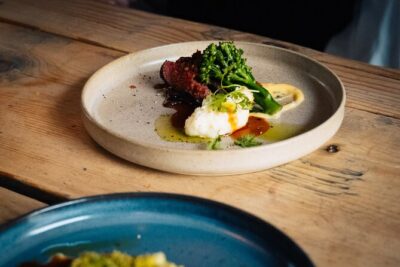
Reykjavik Food Walk – Local Foodie Adventure in Iceland
Read our review →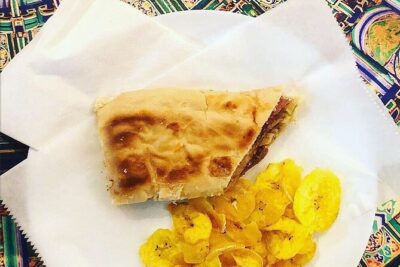

New Orleans Food Walking Tour of the French Quarter with Small-Group Option
Read our review →

Authentic Parisian Gourmet Food Tour with 10 Local Dishes & Wines
Read our review →
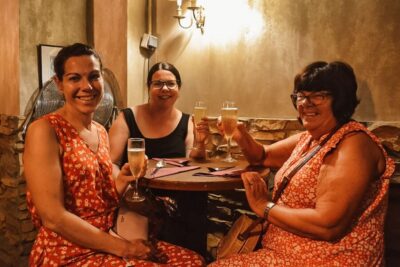
Tapas Walking Tour with Food, Wine, and History
Read our review →