
Review · ICELAND WALKING TOURS
Reykjavik: Guided City Walking Tour
Start Reykjavik on foot. This three-hour walk links Viking-era stories, colorful houses, street art, and major sights with the kind of local detail you will miss from a bus window. I especially like the small groups of no more than 10 people and the tasting stop with dried fish, sweets, and Icelandic schnapps.
I also like the route’s mix of famous places and quieter corners, from Parliament and Lake Tjörnin to old residential lanes near Hallgrimskirkja. The main drawback is clear: the tour covers about 4 kilometers, includes stairs, and finishes uphill, so it is not a good choice if walking is difficult.
Key points at a glance
- A compact route with real variety: You move from Arnarhóll and Iceland’s settlement stories to Parliament, old homes, street art, and Hallgrimskirkja.
- Small groups matter: With a maximum of 10 participants, it is easier to hear Luca, ask questions, and keep a comfortable pace.
- Local tastes are part of the tour: Dried fish, Icelandic sweets, and schnapps add a simple but memorable cultural touch.
- A strong first-day activity: The route helps you get oriented and gives you useful ideas for restaurants, breweries, and other things to do.
- Plan for a proper walk: The route is about 4 kilometers, with a final uphill section and some stairs.
- Excellent guide feedback: Luca is repeatedly praised for his humor, clear storytelling, Icelandic history, and practical local advice.
Why this walk works well in Reykjavik
Reykjavik is easy to explore on foot, but it does not always explain itself. A colorful house may look like a pleasant photo stop, while a square or statue may seem ordinary until you understand its place in Iceland’s story. This tour gives you that context as you move through the city.
The route is not just a march between postcard sights. You hear about the Norse settlement of Reykjavik, see public buildings and churches, walk through old residential streets, and pause for Icelandic snacks. That combination makes the city feel more connected. History is not kept behind museum doors here. It is built into the streets you are walking through.
The small group size is another real advantage. A maximum of 10 people is far better than a large crowd when the guide is explaining a building detail or pointing out art on a side street. Luca is the named guide most often associated with this experience, and the strongest praise centers on his animated delivery, humor, and ability to answer questions about history, geography, politics, and culture.
I would book this near the beginning of your stay. The route gives you a useful mental map of central Reykjavik, and Luca has also provided restaurant, brewery, and attraction suggestions after the walk. That advice can help shape the rest of your time in the capital.
More Guided Walks in the world:
- Magical London: Harry Potter Guided Walking Tour
★ 4.7 · 22,044 reviews - History and Hauntings of Salem Guided Walking Tour
★ 5.0 · 14,564 reviews - Amsterdam Anne Frank: Small-Group Walking Tour & Local Guide
★ 4.8 · 12,789 reviews
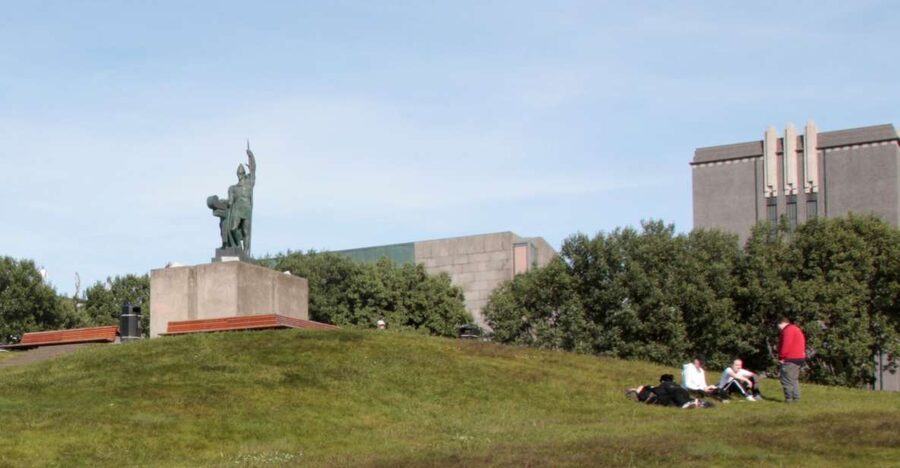
Beginning at Arnarhóll and the Founder Statue
The meeting point is Arnarhóll Hill, beside the statue of Ingólfur Arnarson. This is a fitting place to begin because Ingólfur is regarded as the first settler of Reykjavik, and the opening talk connects the modern capital with Iceland’s early Norse history.
You start with a short introduction to the hill, the statue, and the settlement story before setting off. This gives the tour a clear thread from the beginning. You are not simply looking at a monument. You are learning why this particular figure and place matter.
The hill is also a practical starting point. It puts you close to central Reykjavik, with several major sights within walking distance. Do not expect a long historical lecture before moving on. The tour keeps progressing, which helps maintain energy during a nearly three-hour route.
From here, you pass the National Theatre of Iceland. The stop is brief, about five minutes, so this is mainly a chance to hear about the building, take a photograph, and understand its place in the city rather than go inside for a performance or interior visit.
Republic Park and the early city story
The route continues to Lýðveldisgarðurinn, or Republic Park. This stop adds another piece of national history before the tour heads into the old center.
I like this part of the route because it prevents the experience from becoming a simple list of central landmarks. The guide uses places such as the park to explain how Iceland’s political and national identity developed. You get a sense of the country’s past before turning to the shops and streets most people associate with Reykjavik.
The walk then reaches Laugavegur, one of the city’s best-known streets. Here, the focus shifts from national history to urban life. You can expect a short sightseeing stop and an explanation of the street’s character, followed by more walking through the center.
The tour does not treat Laugavegur as the whole of Reykjavik. That is important. The street is popular, but the experience continues beyond the obvious shopping and dining strip, leading you toward public squares, older buildings, and residential lanes.
Parliament, Austurvöllur, and City Hall
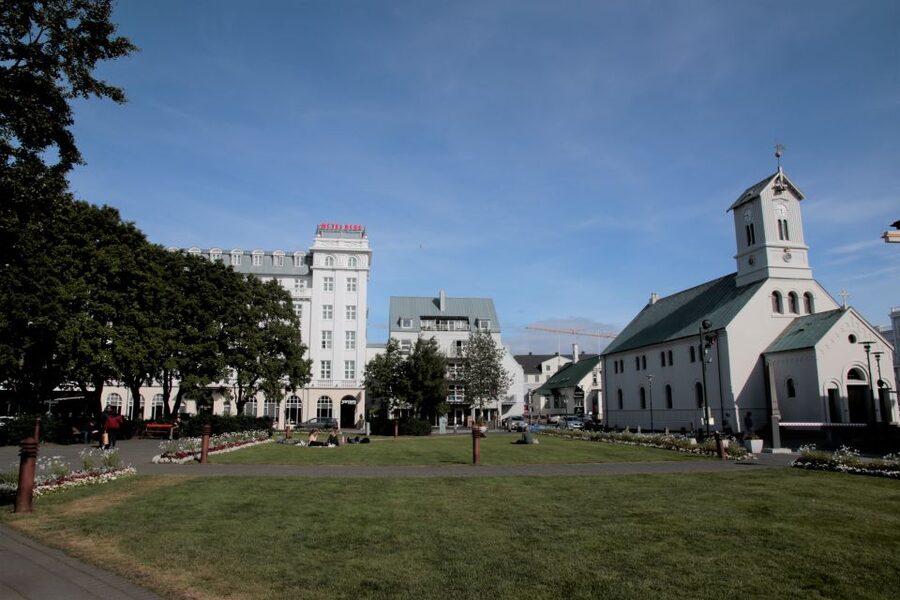
Austurvöllur gives the walk a strong civic center. The tour stops near Parliament and explains the role of the square and the surrounding buildings. This is one of the places where a guide adds real value because political buildings can be easy to photograph and then forget.
You also pass Reykjavik City Hall. The stop is short, around five minutes, but it helps place the city’s administration within the older center. This section of the walk shows how Reykjavik’s public life is gathered around a fairly compact area.
The pace matters here. You are not spending long periods inside attractions, and the tour does not include entry to Parliament or City Hall. Instead, you get outside explanations, photographs, and the wider story of how the city functions.
For me, that format suits a first visit. You see a good number of important locations without losing the rhythm of the walk. If you want detailed interior visits or long museum stops, this is not that kind of tour. It is a guided orientation with plenty of local context.
A few more walks around the world worth a look
- Reykjavik Food Walk – Local Foodie Adventure in Iceland
★ 5.0 · 18,952 reviews - New Orleans Premier Ghost, Voodoo and Vampire Walking Tour
★ 4.5 · 12,856 reviews - Edinburgh: Harry Potter Magical Guided Walking Tour
★ 4.8 · 11,944 reviews - Edinburgh Castle: Guided Walking Tour with Entry Ticket
★ 4.7 · 11,699 reviews
The old streets and Reykjavik’s colorful homes
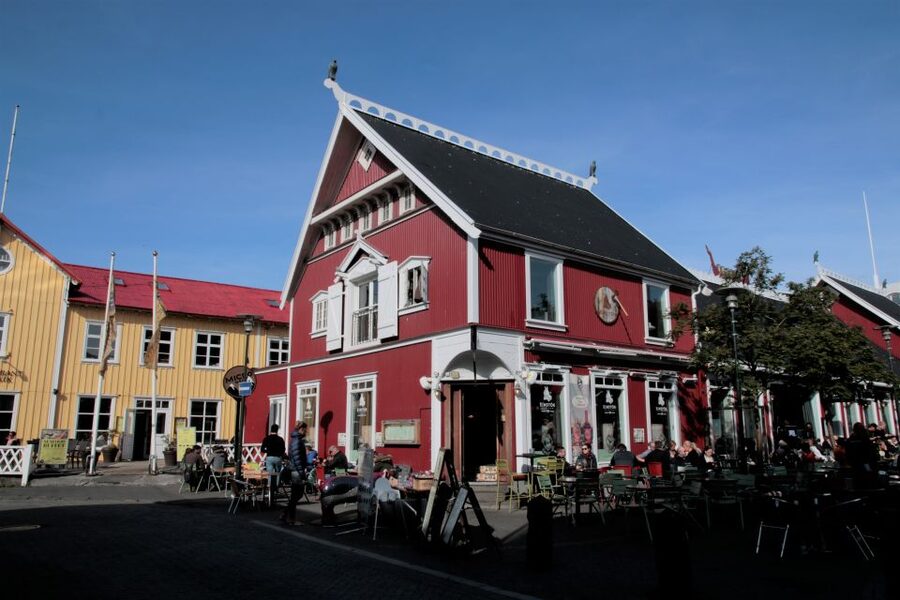
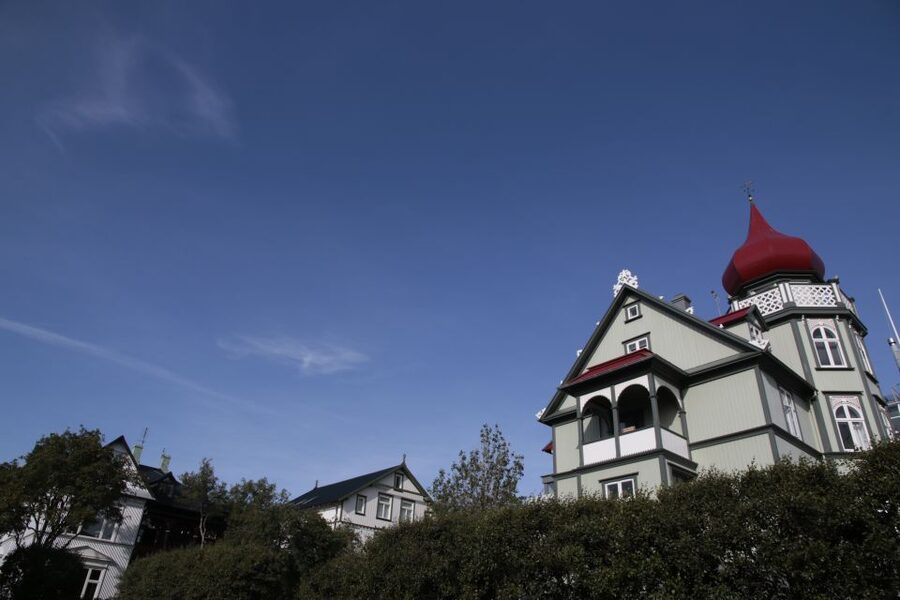
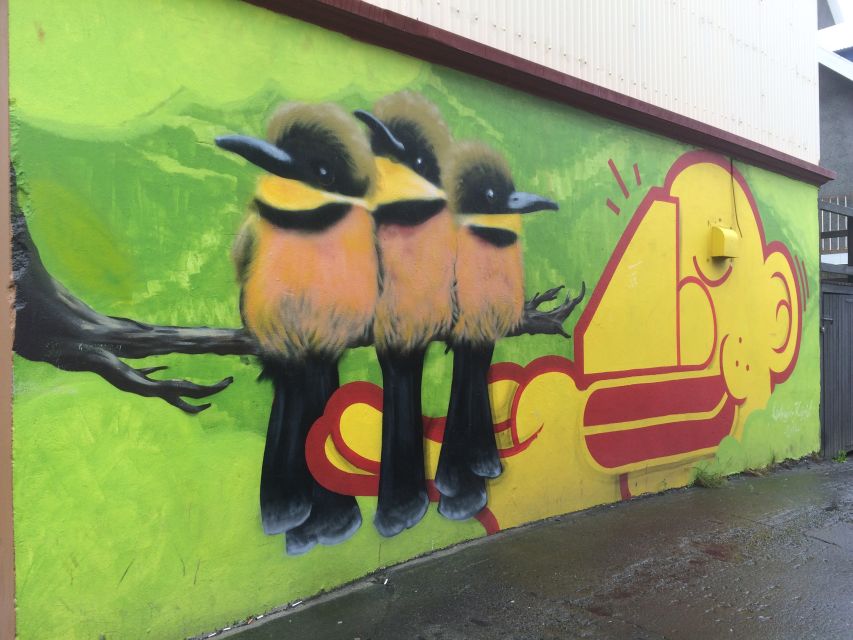
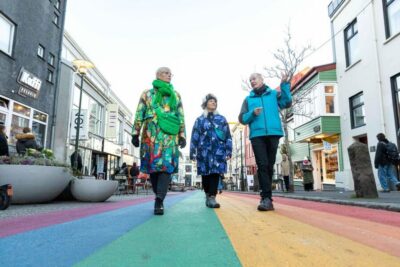
One of the nicest parts comes when the route leaves the main roads and moves through narrow streets lined with traditional, colorful homes. These quieter lanes offer a different view of Reykjavik than the central shopping streets.
The houses, backyards, and small architectural details give the guide plenty to discuss. You may see a mixture of older and more modern homes, with bright paint and practical designs shaped by Iceland’s climate. The tour draws attention to architectural curiosities rather than asking you to admire buildings without explanation.
This is also where the experience feels most personal. A busy city street can tell you that Reykjavik is a capital. A peaceful residential lane shows you how the city feels at ground level. The route describes this area as almost hidden behind the main roads, and that is a useful reason to join a guided walk rather than follow only the standard map.
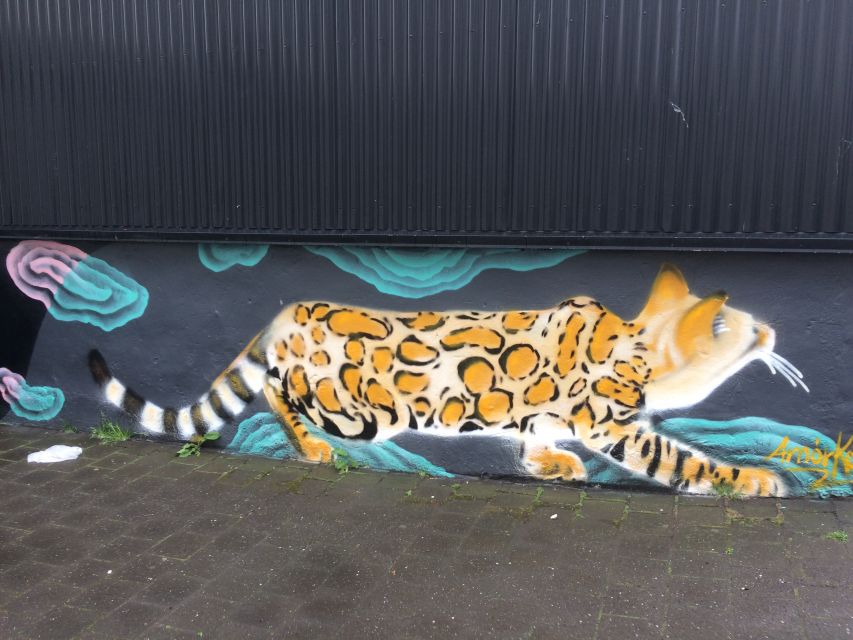
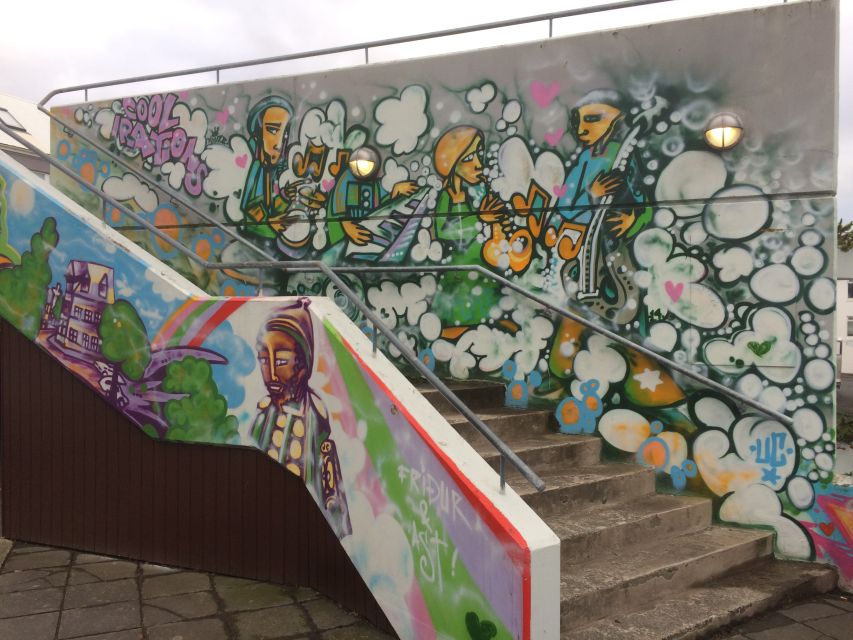
You should keep your camera ready, but do not rush through this section. Some of the pleasure comes from small details: a house color, a garden, a bit of street art, or the way old and new buildings sit next to each other.
Lake Tjörnin and the Icelandic tasting stop
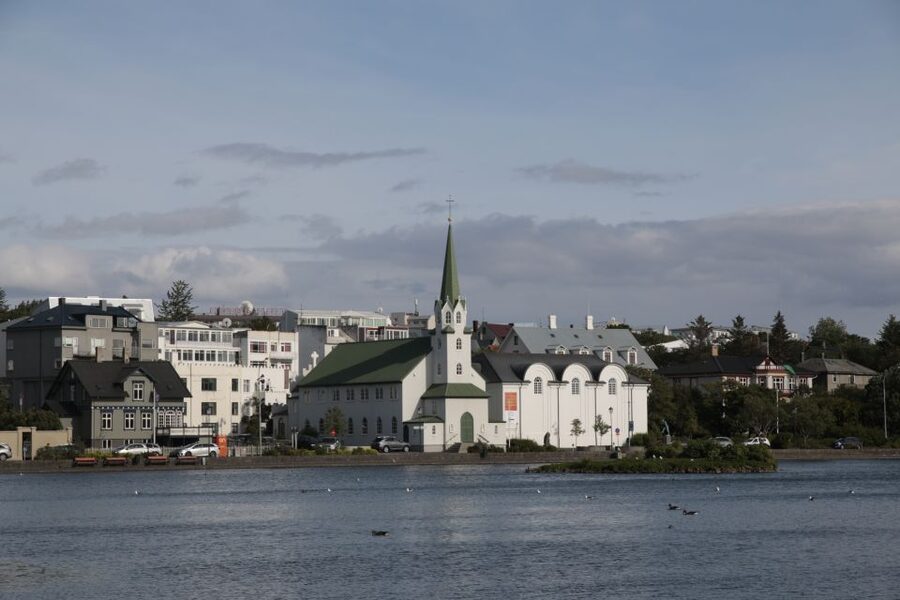
Lake Tjörnin is one of the more relaxed stops on the route. You have a break of about 15 minutes, with time to look across the pond, take photographs, and enjoy a small taste of Icelandic food and drink.
The included treats are dried fish, local sweets, and Icelandic schnapps. The dried fish is a particularly useful introduction to a traditional Icelandic snack. It is simple, salty, and quite different from the usual packaged treats offered on city tours. The schnapps adds another local note, though anyone who does not drink should bear that in mind.
This stop is more than a novelty. Food gives you another way to understand a place, and the relaxed pause breaks up the walking. One guide has been praised for carrying the snack and drink in his backpack and serving them in a pleasant park setting near the water. That small touch helps the tour feel less scripted.
The pond also gives you a quieter pause between the civic center and the uphill section toward Hallgrimskirkja. If the weather is cold or windy, as it can be in Reykjavik, you will appreciate having a short chance to stop and regroup.
Walking toward Hallgrimskirkja
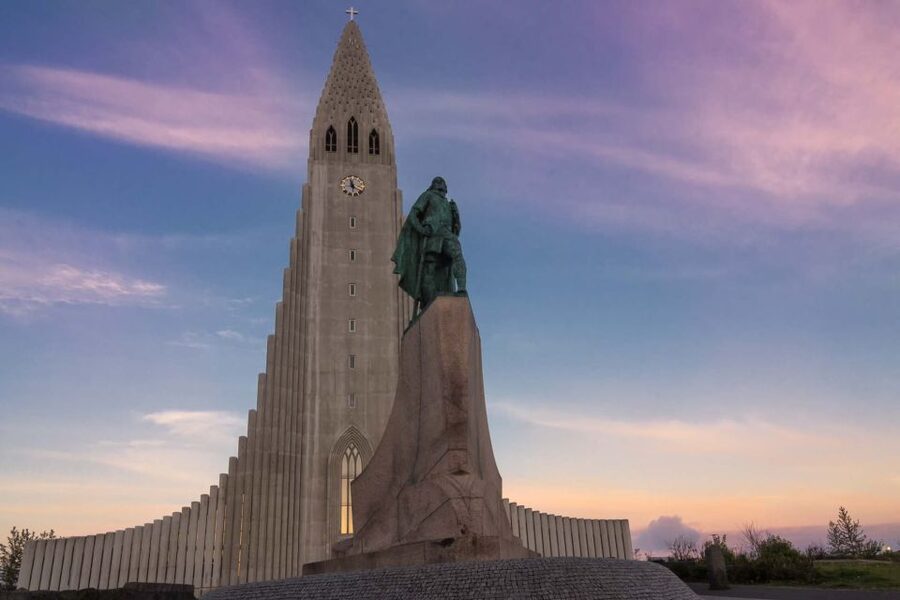
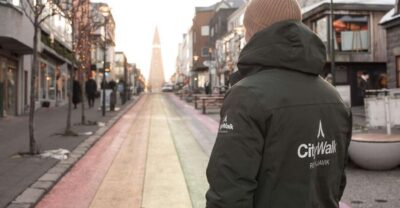
The route then heads toward Hallgrimskirkja, Reykjavik’s famous church and one of its clearest landmarks. You approach it through a picturesque neighborhood rather than walking directly along the fastest route.
That choice improves the experience. You see backyards, street art, charming homes, and a mix of old-fashioned and modern city design before reaching the church. The neighborhood works like a visual introduction to Reykjavik, showing how the capital combines practical houses with bold public architecture.
The Hallgrimskirkja stop lasts about 10 minutes. You should expect an exterior visit and guided explanation, not a lengthy interior tour. The church is a major photo stop, and the guide helps explain why it has such a strong place in Reykjavik’s identity.
The final approach is uphill. It is not a mountain climb, but it is enough to matter if you have knee, heart, or mobility problems. The tour also includes a few steps and stairs along the way, so wear sturdy shoes and do not underestimate the 4-kilometer distance simply because the route is within the city center.
Einar Jónsson Museum and the sculpture park
The tour ends at the Einar Jónsson Museum, specifically around the interesting sculpture park behind it. This is a fitting final stop because it shifts attention from buildings and political history to Icelandic art.
The sculpture park provides a calmer ending than a busy commercial street. You can look at the works, hear about their setting, and finish near Hallgrimskirkja. The tour does not include a museum admission, so think of this as an outdoor sculpture visit and final sightseeing stop.
Ending here is also practical. You are close to one of Reykjavik’s best-known areas, with time afterward to explore nearby streets on your own. The guide can also offer suggestions for the rest of your day, which is especially useful if this is your first few hours in the city.
The guide and the value of a small group
The strongest feature of this experience is the guide. Luca is praised again and again for being friendly, animated, funny, and well informed about Icelandic history and culture. He also seems comfortable moving beyond prepared facts, answering questions about geography, politics, restaurants, breweries, and other local activities.
That matters because a walking tour can be either a pleasant introduction or a long list of dates. Luca’s approach appears to lean toward stories and useful explanations. You hear about the first settlement, the development of the city, architecture, local habits, and places to visit after the tour.
The capped group size of 10 makes this style possible. You can hear the guide more easily, ask a question without holding up a large crowd, and stay together on narrow streets. One minor point to keep in mind is that one participant found some of the guide’s speech difficult to understand. The overall response has been very strong, but accents and outdoor noise can affect any walking tour.
At $51 per person, the price is not bargain-basement, especially if you are traveling as a family. Still, you receive about 165 minutes of guiding, a small group, several major sights, quieter streets, local tastings, and practical advice for the rest of your stay. For me, that is fair value if you want a useful introduction rather than a free stroll with little context.
Who should book this Reykjavik walk?
I would choose this tour if you:
- Are visiting Reykjavik for the first time
- Want history and local stories along with major sights
- Prefer a small group to a large bus or crowded walking tour
- Like trying traditional snacks in a simple, informal setting
- Want restaurant and activity suggestions for the rest of your stay
- Can comfortably walk about 4 kilometers, including an uphill finish
I would skip it if you have a mobility impairment, heart problems, serious walking difficulty, or use a wheelchair. The route is not designed for those needs, and the stairs and uphill finish are stated clearly.
Dress for changing weather. The tour takes place outdoors for most of its duration, and strong cold winds can make a city walk feel harder than the distance suggests. Comfortable shoes are essential, and you should leave enough energy for the final climb toward Hallgrimskirkja.
Should you book the Reykjavik Guided City Walking Tour?
Yes, if you want to understand Reykjavik before rushing off to Iceland’s natural sights. The tour covers the major city landmarks, but its real strength is the connective tissue between them: settlement stories, civic life, architecture, residential streets, street art, and local tastes.
Book it early in your visit so you can use the guide’s suggestions afterward. The $51 price is reasonable for a nearly three-hour, English-language tour capped at 10 people, especially when the guide is as engaged and helpful as Luca. Just be honest about your walking ability. If 4 kilometers, stairs, and an uphill finish sound tiring, choose a less demanding way to see the capital.
You can cancel up to 24 hours before the start for a full refund, and reserve now while paying later. The tour is offered in English and has received a 4.9 rating from 72 bookings, with particular praise for Luca’s storytelling, humor, pacing, and practical advice.
FAQ
Where does the Reykjavik walking tour start?
It starts at Arnarhóll Hill, next to the statue of Ingólfur Arnarson.
Where does the tour finish?
The tour finishes at the Einar Jónsson Museum, near the outdoor sculpture park behind the museum.
How long is the tour?
The listed duration is 165 minutes. The practical description gives a duration of about 2 hours and 40 minutes to 3 hours.
How far do you walk?
The route is approximately 4 kilometers.
Is the tour conducted in English?
Yes. The live guide conducts the tour in English.
What food and drink are included?
The tour includes dried fish, local sweets, and Icelandic schnapps.
Is the tour suitable for people with mobility problems?
No. It is not suitable for wheelchair users or people with mobility impairments, heart problems, or difficulty walking. The route includes an uphill final section and a few steps or stairs.
Just added around the world
- Bern Private Walking Tour with a Local★ 4.5 · 75 reviews
- Berlin Walking Tour★ 4.5 · 378 reviews
- Bern Walking Tour: Explore Top Sights & Hidden Gems★ 5.0 · 108 reviews
- Small Group Walking Tour of East Berlin with a French Guide★ 5.0 · 176 reviews
- Berlin Street Art Walking Tour – Off The Grid★ 5.0 · 270 reviews
- Berlin Highlights Private Guided Walking Tour★ 4.5 · 89 reviews
- Private Walking Tour: World War 2 and Cold War Sites in Berlin★ 5.0 · 230 reviews
- Kreuzberg Berlin: Off the Beaten Track PRIVATE Walking Tour★ 5.0 · 128 reviews
Iceland Walking Tours, compared.
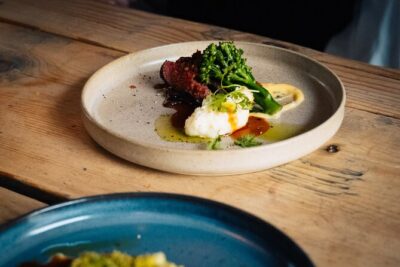
Reykjavik Food Walk – Local Foodie Adventure in Iceland
Read our review →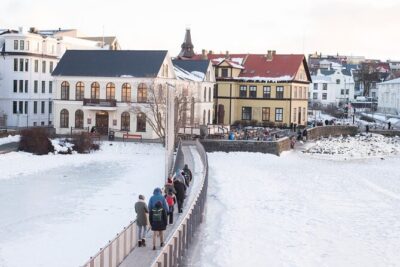
Reykjavík Small group Walking Tour – by CityWalk
Read our review →
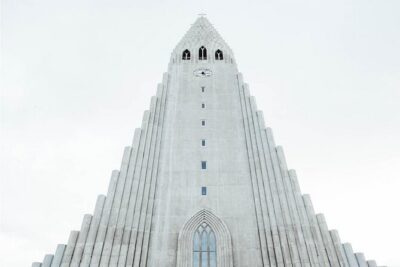
City Walking tour in Small Group with Local Guide
Read our review →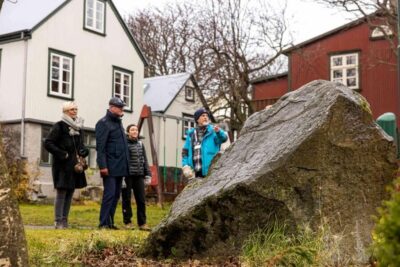
Browse the lists this tour appears in