Review · HALF-DAY
Rio De Janeiro: Half-Day Rocinha Favela Walking Tour
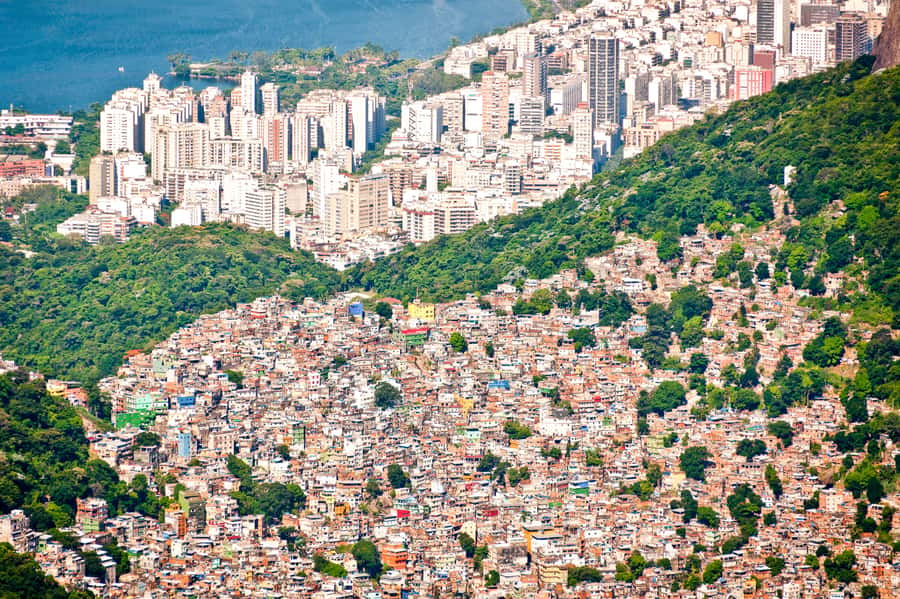
Rocinha changes the way you see Rio. This three-hour walking tour takes you through South America’s largest favela with local guides who explain daily life, history, work, culture, and the challenges residents face. I like the small-group walking format because it feels far more respectful than riding through the neighborhood in a vehicle, and I like that local hosts, including guides such as Wellington, Alberto, Daniel, and Martin, can speak from personal experience.
The tour also brings you to a striking viewpoint and may include a capoeira presentation, samba, local music, or a rooftop stop. Those details give the visit warmth and context. The main drawback is physical: Rocinha has steep stairs, narrow alleys, and uneven walking surfaces, so this is not a good choice if you have mobility limits, recent surgery, or serious knee trouble.
Key points to know before you book
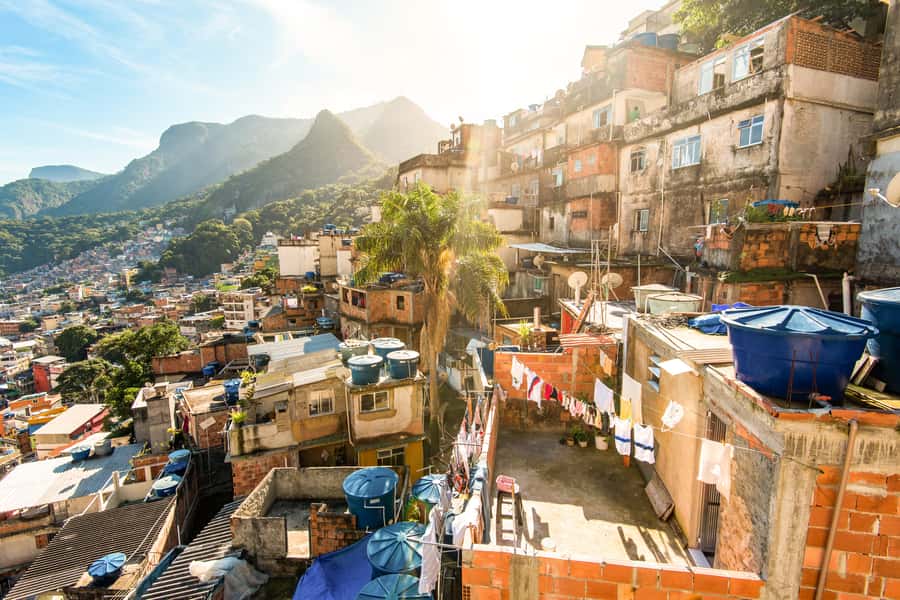
- Local guides shape the experience: Guides such as Wellington and Alberto have lived in Rocinha for years, giving the tour a personal feel.
- You walk rather than ride: The route passes through narrow lanes, stairways, viewpoints, shops, homes, and community spaces.
- Capoeira can be a highlight: Local performers and children may demonstrate the art and explain its cultural meaning.
- The city views are excellent: A rooftop stop or high viewpoint can reveal the sharp contrast between Rocinha, wealthy neighborhoods, and Rio’s mountains and coast.
- Safety depends on the guided setting: The tour is designed to keep you with local hosts and away from unnecessary trouble, but no tour can remove every risk.
- The $35 price is fair: It includes the local guide and walking tour, while food, drinks, and some optional stops cost extra.
Why Rocinha is worth seeing with a local guide
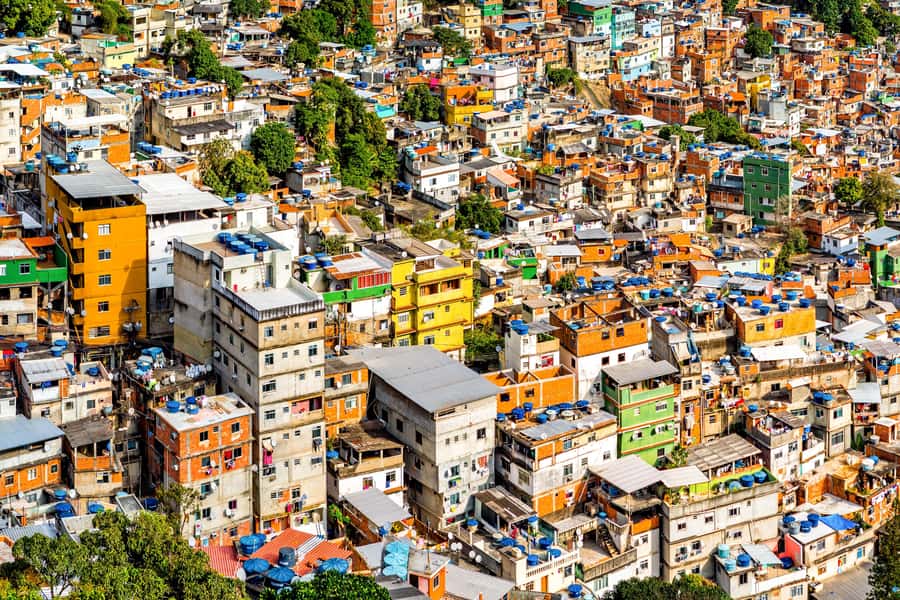
Rocinha is often reduced to a headline about poverty or crime. That tells you very little about the people who live there, raise families, run businesses, attend school, create music, and build community life.
A good visit should not turn residents into scenery. This tour tries to avoid that by using local guides and walking through the neighborhood in small groups. Instead of looking at Rocinha from a vehicle window, you get time to notice the ordinary details: people moving through the lanes, small businesses serving residents, children at cultural activities, and homes built up the steep hillside.
I especially like the use of guides with a long connection to the area. Alberto is described as having grown up in Rocinha and lived there for more than 60 years. Other guides, including Wellington and Daniel, are praised for explaining the neighborhood in clear English and sharing personal stories.
That local connection matters. A guide can explain not only what you are seeing, but why the neighborhood developed as it did, how residents deal with limited services, and how outsiders often misunderstand favela life. You should still listen carefully and avoid treating one guide’s account as the only version of Rio, but it is a far better starting point than sensational news coverage.
More Half-Day Walks in the world:
- Discover Berlin Half-Day Walking Tour
★ 5.0 · 9,624 reviews - Istanbul: Fener Balat Half-day Guided Walking Tour
★ 4.9 · 1,711 reviews - Berlin Third Reich Sites: Half-Day Walking Tour
★ 5.0 · 835 reviews
Meeting at Copacabana and beginning the walk
The meeting point is outside the Belmond Copacabana Palace Hotel at 13:25. Look for the statue of journalist Ibrahim Sued beside the main entrance, on the same sidewalk. There is no hotel pickup, so plan your route to Copacabana before the meeting time.
This arrangement is simple, but it requires attention. The hotel is a clear landmark, while the statue gives you a more exact place to wait. Arrive early enough to find it without rushing, especially if you are coming from another part of Rio.
From there, the tour moves toward Rocinha. The supplied information does not give a detailed transport plan, so confirm how the group reaches the neighborhood when you book. The important practical point is that the paid experience covers the local guide and walking tour, not hotel pickup, meals, or drinks.
Walking through Rocinha instead of taking a vehicle
The tour’s strongest feature is its walking format. Some favela excursions pass through neighborhoods in jeeps or on motorbikes. That can cover ground quickly, but it can also make residents feel as if they are being watched from a moving display.
Walking is slower and more demanding, but it gives you a better sense of the place. You can pause for explanations, ask questions, and notice how daily routines fit into tight spaces. The group is expected to remain respectful, and your guide can tell you when photography is appropriate.
Do not expect a polished sightseeing route. Rocinha is a working residential neighborhood, not an open-air attraction designed for tourists. You will walk through narrow alleys and use stairs, sometimes steeply up or down. That is part of the point, but it also means you need comfortable shoes and steady footing.
The physical side is easy to underestimate. Wear shoes with good grip, leave large bags behind if possible, and avoid carrying anything you do not need. The tour is not suitable for wheelchair users or people with mobility impairments. The booking information also lists restrictions for people over certain ages and weights, though the limits are inconsistent, with different figures given for age and weight. If any of those limits might apply to you, confirm the current rule before paying.
Hearing how favela life works

A central part of the tour is the explanation of Rocinha’s history and social and economic challenges. Your guide should help connect what you see in the streets with larger issues such as housing, work, public services, policing, and the way favelas are portrayed from outside.
This is where guide quality matters most. A guide who simply points out buildings will leave you with snapshots. A guide who explains local life can help you understand why Rocinha feels different from the beach districts and why residents may have strong views about government, police, the media, and tourism.
Wellington receives especially strong praise for his English, humor, patience, and ability to answer questions. Daniel is also noted for giving personal and respectful explanations. Martin is praised for offering a realistic account of favela politics and community life, sometimes with humor. Alberto’s long personal connection gives his interpretation unusual depth.
Expect different guides to bring different personalities and priorities. One may focus more on history, another on family life, and another on social issues. That variation is normal. The best approach is to ask thoughtful questions and listen without expecting a simple good-versus-bad story.
A few more walks around the world worth a look
- Magical London: Harry Potter Guided Walking Tour
★ 4.7 · 22,044 reviews - Reykjavik Food Walk – Local Foodie Adventure in Iceland
★ 5.0 · 18,952 reviews - History and Hauntings of Salem Guided Walking Tour
★ 5.0 · 14,564 reviews - New Orleans Premier Ghost, Voodoo and Vampire Walking Tour
★ 4.5 · 12,856 reviews
The viewpoint and rooftop stop
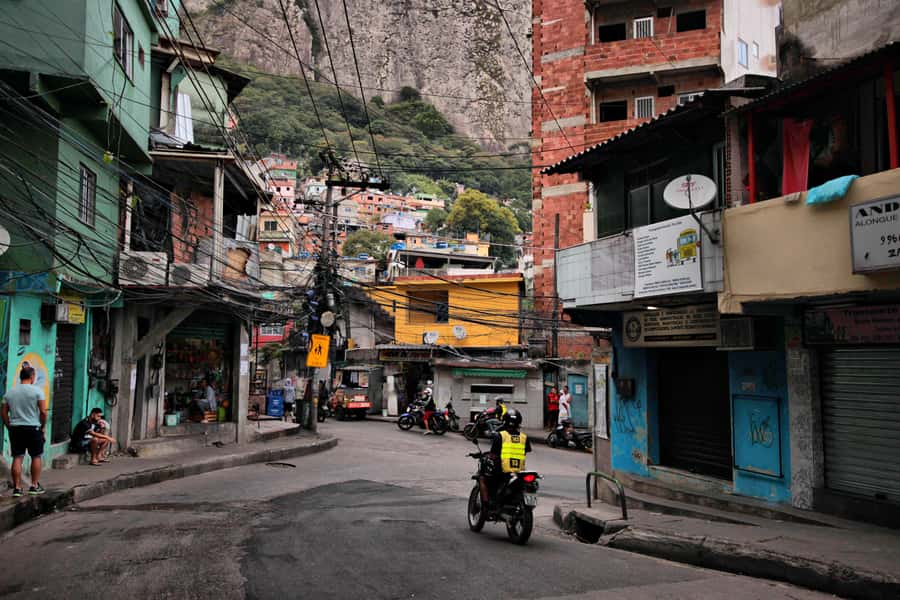
The high points of Rocinha offer some of the tour’s best visual moments. From above, you can see the dense neighborhood spread across the hillside and compare it with Rio’s more affluent districts nearby. The contrast can be striking, especially when you notice how close very different kinds of housing and wealth are to one another.
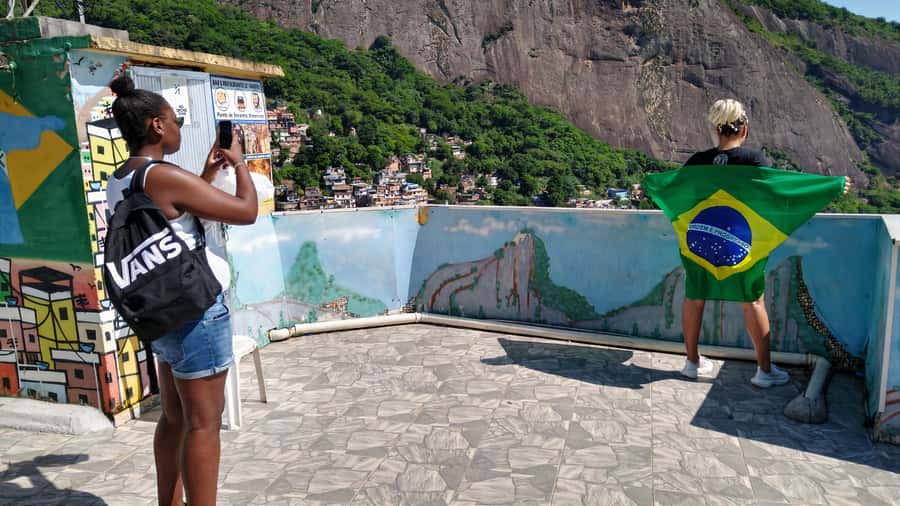
A rooftop stop at Novo Visual Rocinha is mentioned as a particular highlight. You may have the chance to buy a drink there, including a caipirinha, and take in a wide view over the community and the city. One optional drone video has been offered for around R$200, but that is an extra purchase, not part of the $35 tour price.
That distinction is worth keeping in mind. The rooftop stop can be a pleasant part of the afternoon, but drinks and videos are separate expenses. You should not feel pressured to buy anything. The value of the stop is the view and the chance to pause, not the add-ons.
Bring a camera if you like taking city views, but use it with care. Photographing rooftops and broad scenery is one thing. Pointing a camera at residents, private homes, or children is another. Ask before taking close portraits and follow your guide’s advice.
Capoeira, samba, and the human side of the visit
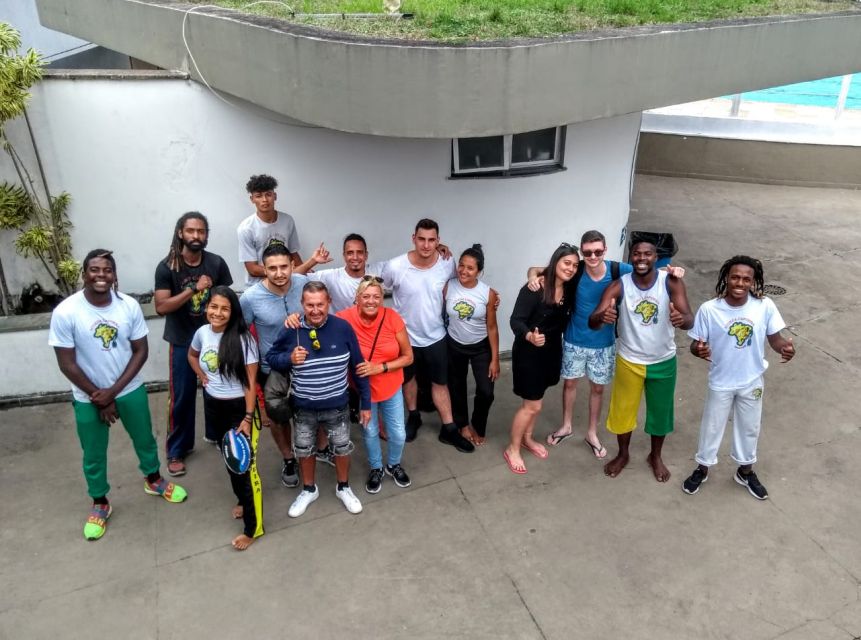
Capoeira is often one of the most memorable parts of this tour. Local performers may demonstrate the combination of martial arts, music, movement, and history, sometimes through a school or community project. You may also get to play instruments, try basic movements, or take part in samba.
The capoeira presentation with Tiane and her group receives particularly warm praise. Her work with local children gives the performance a purpose beyond entertainment. You are not simply watching a staged show. You are seeing a cultural practice tied to community, identity, discipline, and local pride.
Some visitors find the performance the emotional center of the tour. Others prefer the conversations about housing, work, and everyday life. Both parts matter. Culture helps you see the creativity of the neighborhood, while the social discussion keeps the visit from becoming a cheerful but shallow stop.
A suggested donation may be requested at the capoeira activity. Budget a little extra if you want to support it, but remember that the donation is not listed as part of the tour fee.
Is the tour really non-intrusive?
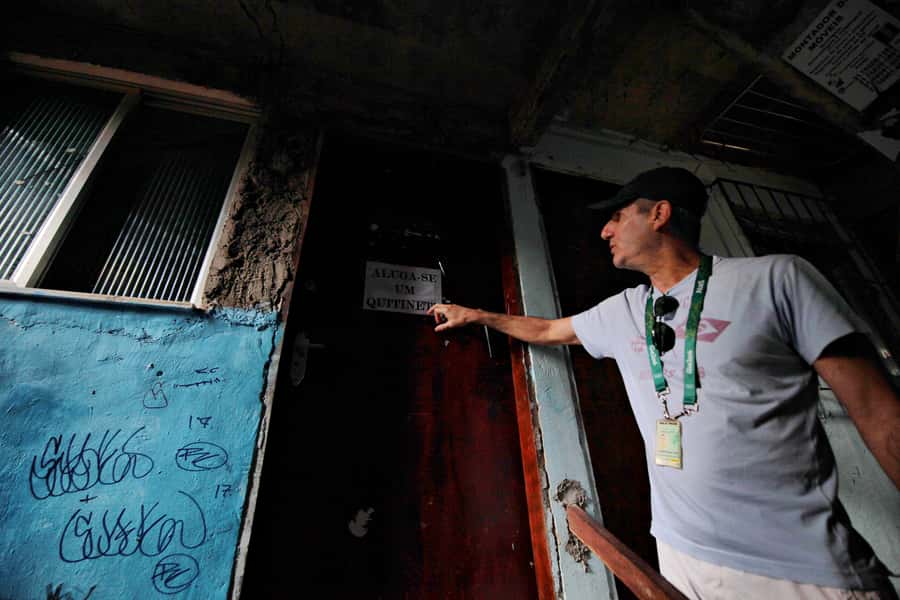
No tour that brings outsiders into a residential neighborhood is completely free of ethical questions. The right question is whether the visit is organized with respect and whether your behavior supports that goal.
This experience makes several sensible choices. It uses local guides, takes you on foot in small groups, explains community life rather than only displaying poverty, and includes a contribution to the favela community. Those details make it more considerate than a drive-by excursion.
Your conduct still matters. Keep your voice down near homes, do not photograph people without permission, do not touch private property, and do not treat poverty as a photo opportunity. Buy something only if you genuinely want it, not because you feel awkward saying no.
I would also avoid making sweeping claims about Rocinha after one afternoon. A three-hour visit can correct stereotypes and introduce you to local culture, but it cannot explain every part of life in the neighborhood. Think of it as a guided introduction, not a complete social study.
Safety, group atmosphere, and guide choice
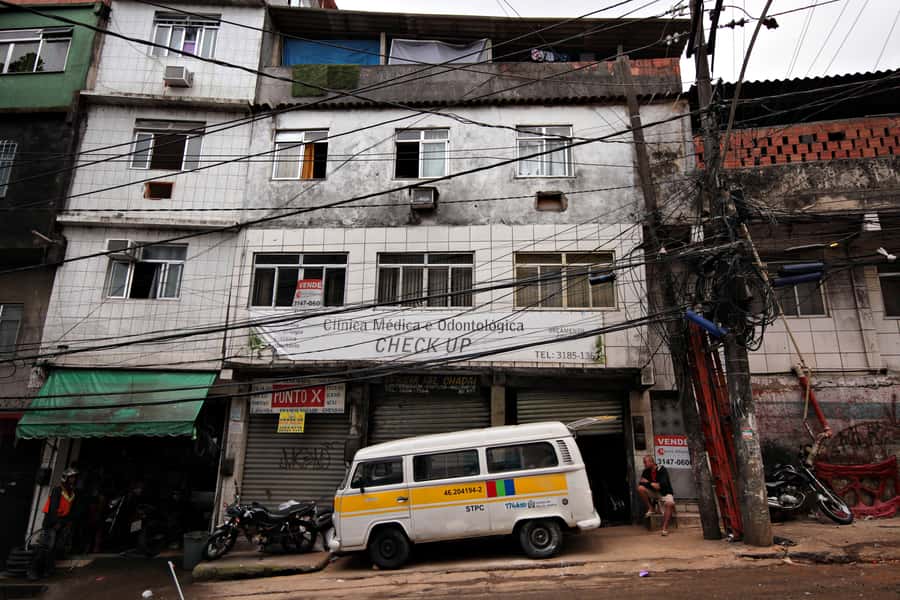
Safety is one of the most repeated strengths of this experience. Visitors describe feeling looked after by Wellington, Alberto, Daniel, Roberto, Martin, and other guides. Several say they felt more comfortable with their guide in Rocinha than they sometimes did on Copacabana Beach.
That does not mean Rocinha is risk-free, or that you should wander away from the group. The setting changes quickly, and your guide’s local relationships and judgment are important. Stay close, follow instructions, and do not enter side streets alone after the tour.
Small groups make a real difference. They are easier for a guide to manage and less disruptive to residents. A small group also gives you more room to ask questions and hear explanations. Group size can vary, so ask about it if that matters to you.
You can request or hope for a particular guide, but assignments are not guaranteed. Wellington is often singled out for his friendly style and strong English. Alberto offers long-term local experience. Daniel is praised for personal storytelling. Roberto is described as witty and well informed, while Martin brings a thoughtful explanation of politics and community life.
What $35 gets you
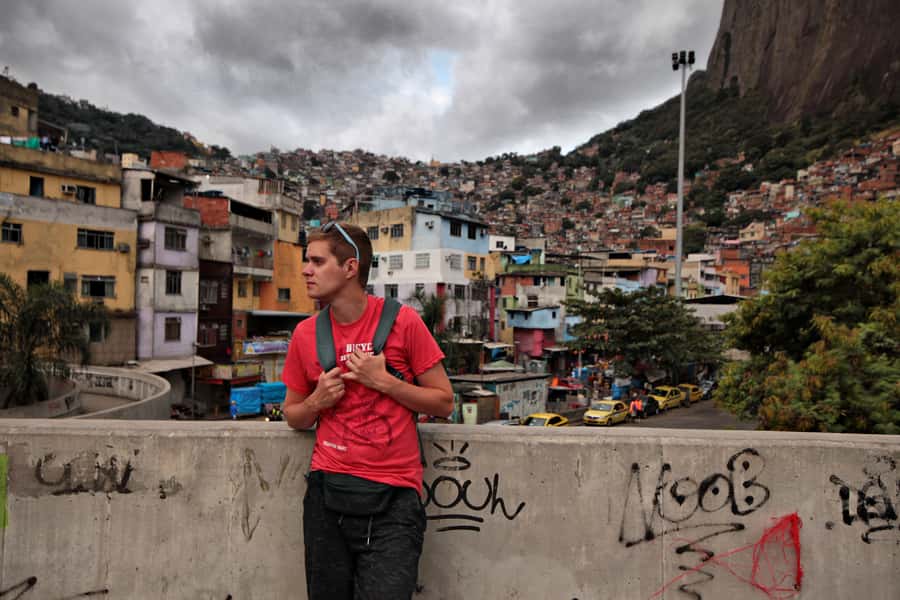
At $35 per person, the tour is reasonably priced for three hours with a local guide and a structured walking route through a place you should not explore alone. The community contribution also adds value, provided it is handled clearly and reaches local projects as promised.
The price does not cover food, drinks, hotel pickup, rooftop purchases, drone videos, or possible donations connected to the capoeira presentation. That is not a problem, but you should budget for optional extras if you want to enjoy the full afternoon.
The tour offers better value if you want context, conversation, and direct contact with local culture. It is less useful if you only want a quick panoramic photo or a brief look from a vehicle. The walking format asks more of you physically, but it gives you more in return.
Free cancellation is available up to 24 hours before the start, and you can reserve now and pay later. Those terms are useful if your Rio schedule is still shifting.
Who should book this experience?
This tour suits you if you are curious about how Rio works beyond beaches, viewpoints, and famous monuments. It is a strong fit for people who value local guides, social context, cultural activities, and a slower look at a residential neighborhood.
It is also a good choice if you are uneasy about the ethics of favela tourism but still want to learn. The local leadership, walking format, community contribution, and emphasis on ordinary life make it a more respectful option than a vehicle tour that treats the area like a spectacle.
You should skip it if stairs are difficult, if you have serious knee or mobility problems, or if you want a relaxed afternoon with little physical effort. Children under six are not accepted, and the booking information gives age and weight restrictions that you should check carefully before booking.
Should you book the Rocinha walking tour?
Yes, if you want a guided and respectful introduction to Rocinha and can manage steep stairs. The combination of local storytelling, neighborhood walking, city views, capoeira, and small-group contact gives you a fuller picture of Rio than the usual postcard route.
Book it with realistic expectations. You are entering a real community, not a theme park, and the experience may feel confronting as well as enjoyable. Go ready to listen, keep your camera under control, follow your guide, and leave room for the neighborhood to be more complicated than the headlines suggest.
FAQ
Where does the tour meet?
Meet at 13:25 in front of the Belmond Copacabana Palace Hotel at Av. Atlantica 1702 in Copacabana. Wait beside the statue of journalist Ibrahim Sued, on the same sidewalk as the hotel’s main entrance.
How long does the Rocinha tour last?
The walking tour lasts three hours. Starting times should be confirmed when you check availability.
Which languages are available?
Live guides are available in English, Spanish, and Portuguese.
Is hotel pickup included?
No. Hotel pickup is not included. You must reach the meeting point outside the Belmond Copacabana Palace Hotel.
Is the tour suitable for people with mobility problems?
No. The route includes narrow alleys and stairs and can be physically demanding. It is not recommended for people with knee problems, mobility impairments, recent surgery, or wheelchair users.
What should I bring?
Wear comfortable clothes and sturdy, comfortable shoes. Bring a camera if you want to take photographs, but ask permission before photographing residents or children.
Just added around the world
- Bern Private Walking Tour with a Local★ 4.5 · 75 reviews
- Berlin Walking Tour★ 4.5 · 378 reviews
- Bern Walking Tour: Explore Top Sights & Hidden Gems★ 5.0 · 108 reviews
- Small Group Walking Tour of East Berlin with a French Guide★ 5.0 · 176 reviews
- Berlin Street Art Walking Tour – Off The Grid★ 5.0 · 270 reviews
- Berlin Highlights Private Guided Walking Tour★ 4.5 · 89 reviews
- Private Walking Tour: World War 2 and Cold War Sites in Berlin★ 5.0 · 230 reviews
- Kreuzberg Berlin: Off the Beaten Track PRIVATE Walking Tour★ 5.0 · 128 reviews
Half-Day, compared.



Berlin Third Reich Sites: Half-Day Walking Tour
Read our review →


Marseille: Half-Day City Highlights Guided Walking Tour
Read our review →
Nara: Half-Day UNESCO Heritage & Local Culture Walking Tour
Read our review →