
Review · NATIONAL PARKS
Stewart Island: Ulva Island Guided Wilderness Walk & Cruise
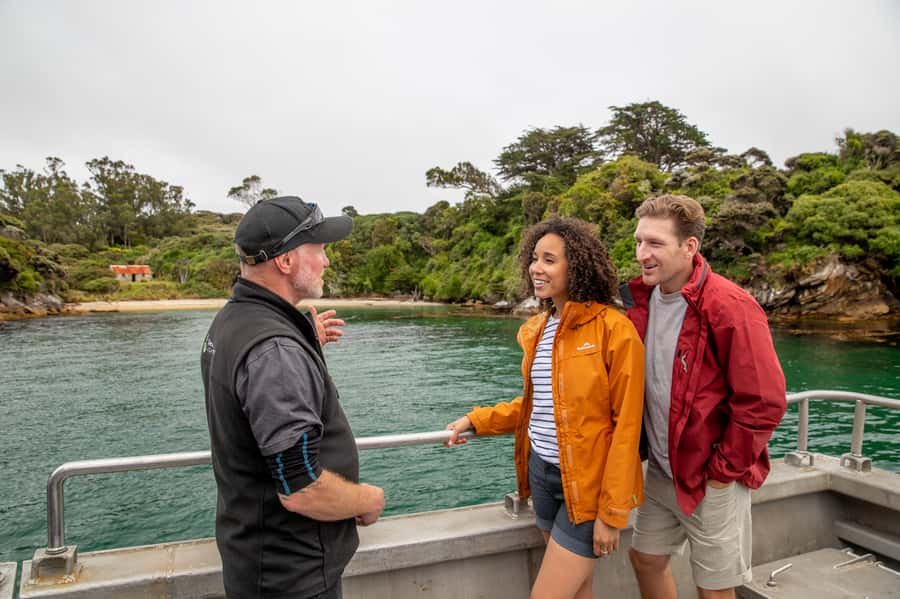
Birdsong is the real welcome here. This 150-minute Stewart Island outing combines a comfortable cruise through Paterson Inlet with an easy guided walk on Ulva Island, a protected sanctuary known for rare native birds and plant life. I like the mix of water and forest, and I especially like having a specialist nature guide point out sounds, tracks, trees, and birds you could easily miss alone. The main consideration is time: about 90 minutes on Ulva Island can feel short if you want a longer walk or more time to search for birds.
The cruise adds real value, too. You pass beaches, coves, and historic sites while hearing about Maori history and European settlement, then keep watch for seals, penguins, sea birds, and perhaps an albatross. At $86 per person, this is not the cheapest way to reach Ulva Island, but it makes sense if you want interpretation rather than simply transport.
What makes this Stewart Island trip worthwhile
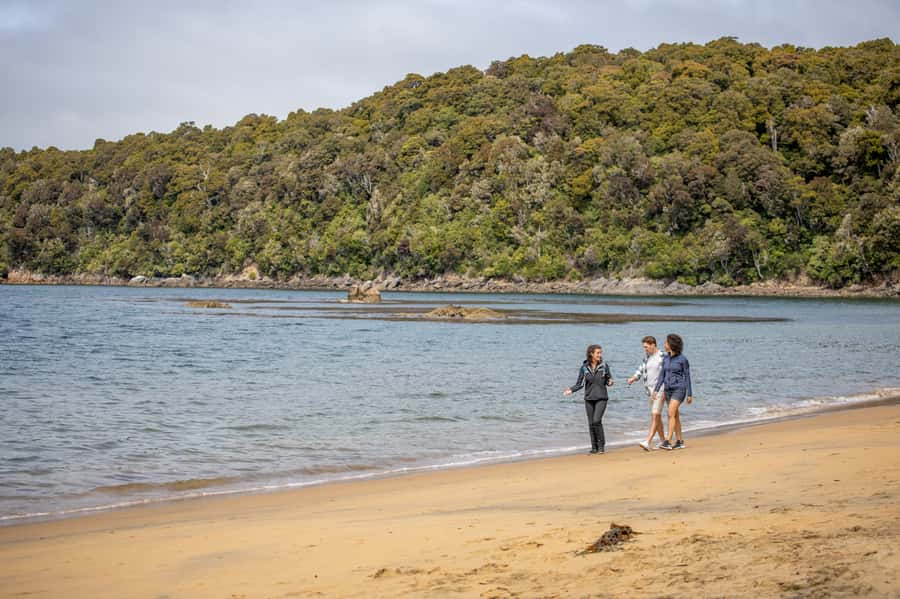
- Paterson Inlet by catamaran: See sheltered coves, unspoiled beaches, and coastal scenery from the water rather than only from the road or walking tracks.
- Ulva Island’s rare birdlife: Keep watch for weka, Stewart Island robins, saddlebacks, yellowheads, kaka, penguins, sea lions, and other native species.
- A slow, easy forest walk: The pace suits people who want time to listen and look, including older walkers who may not want a strenuous hike.
- Guides who notice the small things: Guides such as Jan, Karen, Natasha, Britney, Sarah, and Jac have been praised for identifying bird calls and explaining native trees and plants.
- History along the way: The boat commentary connects Paterson Inlet’s scenery with early Maori history and European settlement.
- Weather flexibility: The crew may adjust the outing when conditions change, and departures have sometimes been modified or fully refunded when Ulva Island was unreachable.
Meeting the boat at Halfmoon Bay
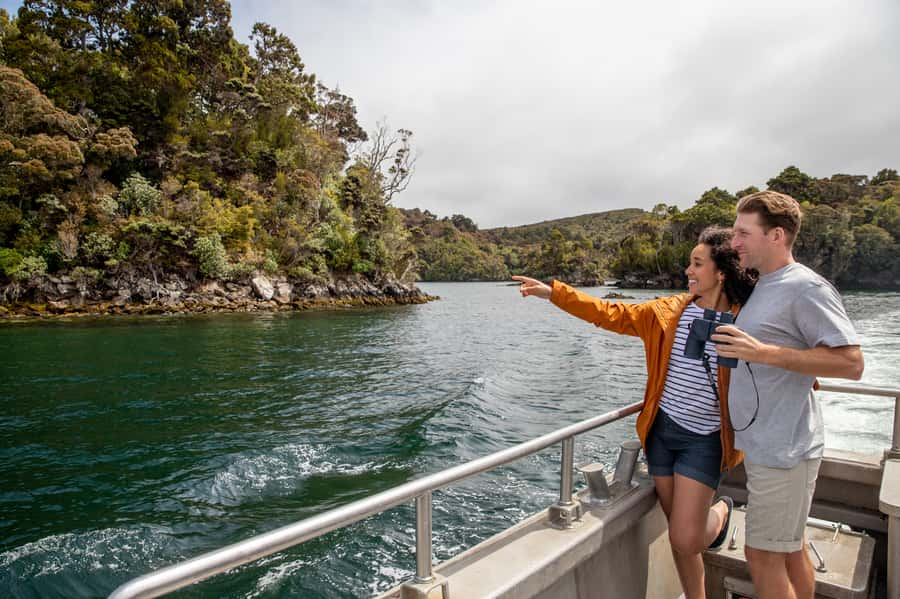
You meet at the Stewart Island Visitor Terminal on the Main Wharf in Halfmoon Bay. Arrive 20 minutes before departure for check-in. That extra time matters on an island trip, where the boat crew needs everyone accounted for before leaving the wharf.
The tour runs in English and takes 150 minutes from start to finish. The boat is described as a comfortable catamaran, with passengers also praising its clean toilets and, on some departures, complimentary tea and coffee. You should still dress for the weather rather than assuming the vessel will make the day feel warm. Stewart Island weather can change quickly, and the open water may feel cool even when Halfmoon Bay looks calm.
Wear non-slip shoes or boots, bring a waterproof jacket and a warm sweater or fleece, and pack sunscreen, sunglasses, insect repellent, and a camera. Insect repellent is particularly sensible for the forest walk. You will be moving between exposed boat decks, beach areas, and shaded bush, so layers are more useful than one heavy coat.
A few more walks around New Zealand worth a look
- Abel Tasman National Park: Sailing and Self-Guided Walk
★ 4.8 · 238 reviews - Abel Tasman National Park: Cruise, Walk & Sailing Tour
★ 4.7 · 100 reviews - Bayahibe: National Park Jungle Walk & Snorkeling in Cenotes
★ 4.7 · 171 reviews
Cruising into Paterson Inlet
The first part of the outing takes you through Paterson Inlet, a broad and scenic waterway on the eastern side of Stewart Island. The pleasure here is not speed. It is the chance to see the coast from a changing angle as the boat passes hidden coves, beaches, and small bays.
The crew provides commentary along the way. You hear stories about early Maori use of the area and later European settlement, with local landmarks giving those stories a physical setting. That makes the history easier to follow than a general talk delivered without anything in view.
Keep your eyes on the water and the shoreline. Fur seals, penguins, sea birds, and sea lions may appear, and some departures have produced close views of mollymawks and a Northern Royal Albatross. One particularly memorable outing included penguins, dolphins, and a mollymawk flying close to the boat. Wildlife is never guaranteed, so treat these sightings as a bonus rather than the main promise of the trip.
The boat ride is also a useful part of the experience for anyone who does not want every minute spent walking. You can sit, listen, and take in the scenery before reaching Ulva Island. On a wet or windy day, the cruise may become the more comfortable part of the outing, although you will still want your waterproof layer close at hand.
Stepping ashore on Ulva Island
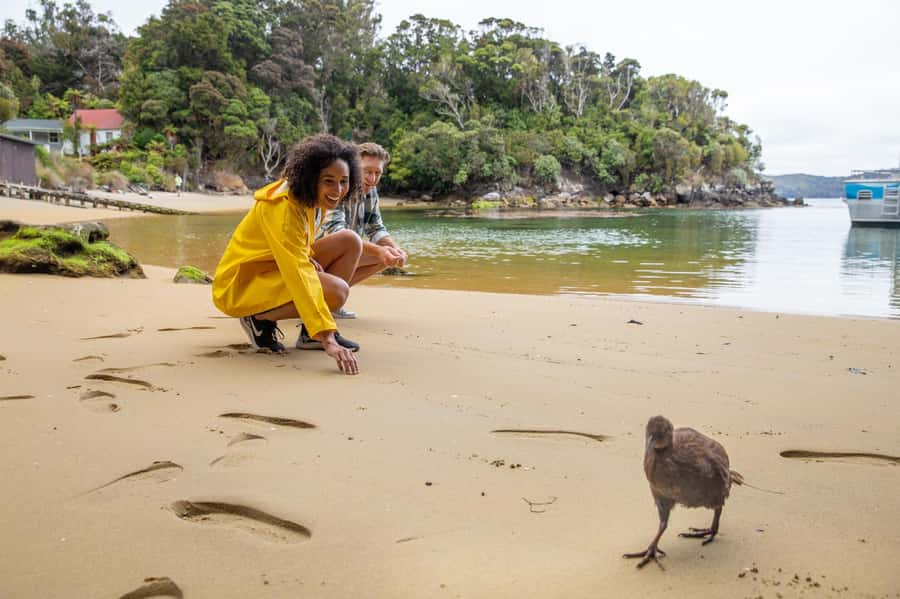
Ulva Island is a protected wildlife sanctuary within Paterson Inlet. It has no introduced predators, which helps native birds and plants survive in a region where many species face serious pressure elsewhere in New Zealand.
The guided walk lasts approximately 1.5 hours. This is not a hard hike. The pace is described as easy and leisurely, making it a practical choice for families, casual walkers, and people who would rather focus on natural details than cover a lot of ground. An 84-year-old participant found the pace comfortable, which gives you a useful sense of the walking style.
Do not expect a long wilderness trek. The guide pauses often, and that is the point. You may stop to listen for a call, study a native tree, or wait for a bird to appear. If you want vigorous exercise or a full-day exploration, a self-guided visit or a longer walking option may suit you better.
The island includes both forest and beach sections. The forest is the star for most people, with dense native growth, bird calls, and small details that are easy to overlook when walking alone. The beach adds a change of scenery and can bring unexpected wildlife encounters. One guide handled a sea lion pup that approached people on the beach, a reminder that wild animals need space even when they look curious or harmless.
The birds you might find

Ulva Island gives you a better chance of seeing native New Zealand birds than many ordinary forest walks, but birding still requires patience. The best part of the guided approach is not simply being told the names of species. A good guide hears a call, locates its direction, and helps you find the bird in the branches.
The island is home to weka, Stewart Island robins, rare saddlebacks, and yellowheads. Kaka may be heard before they are seen, and guides can help you recognise their loud calls. Sightings have also included morepork, penguins, sea lions, and several types of mollymawk.
Some outings produce many close bird encounters. Others are quieter. Several people were pleased with saddlebacks, Stewart Island robins, yellowheads, or kaka but wished for more birds overall. That variation is normal for a wildlife trip. You are visiting a living forest, not a bird enclosure.
I would book this tour if you enjoy hearing and watching as much as photographing. The guide’s ability to identify bird calls can turn a quiet patch of bush into an active search. If your only goal is a long list of species, you may leave disappointed on a slow day.
More Guided Walks in New Zealand:
- Waitomo Caves: Ruakuri Glowworm Cave Guided Walking Tour
★ 4.7 · 1,249 reviews - Rotorua: Hell’s Gate Outdoor Mud Spa & Guided Walk
★ 4.7 · 1,140 reviews - Fox Glacier: Half Day Walking & Nature Tour with Local Guide
★ 4.7 · 170 reviews - Lake Te Anau: 3-Hour Boat Cruise with Guided Walk
★ 5.0 · 164 reviews
Why the guide changes the walk
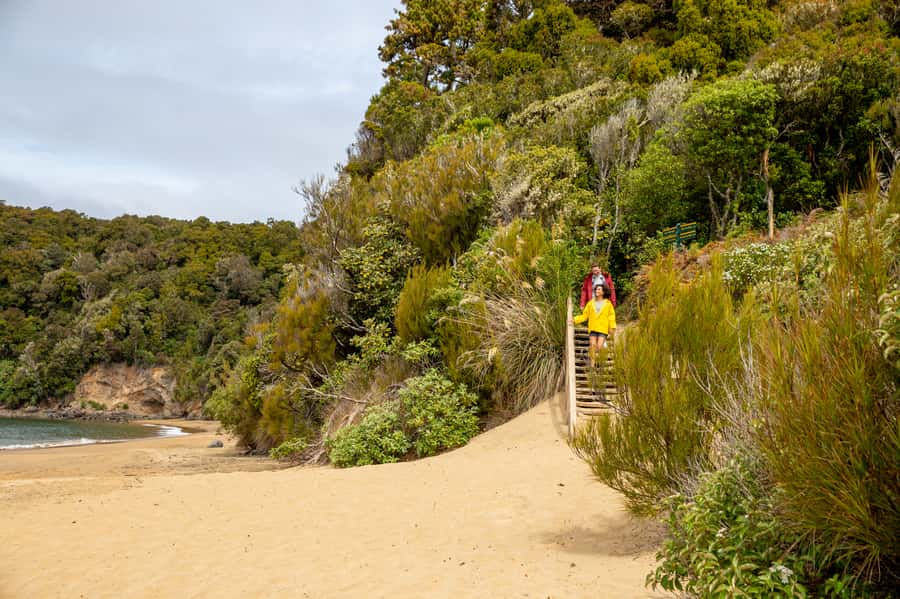
The guide is the strongest reason to choose this organized outing instead of simply taking transport to Ulva Island. Guides explain the island’s birds, trees, plant life, and history while keeping the group moving at an easy pace.
Jan has been praised for her energy and strong understanding of the island. Karen is frequently singled out for her friendly manner, humour, and ability to answer questions. Natasha helped one group see several birds at close range, including an endangered species. Britney was praised for explaining history, wildlife, trees, and flora in a way that made the walk enjoyable.
Other guides, including Sarah, Jac, Grace, and India, have also been described as patient, passionate, and alert to bird calls. The exact guide depends on the departure, but the pattern is clear: the walk works best when you want a human interpreter beside you.
Small groups can make a difference. One outing had only five people, allowing the guide to respond to questions and direct everyone’s attention without shouting. Group size may vary, so do not assume every departure will be that intimate. Still, the format is more personal than simply receiving a map and wandering off.
Native plants and the quieter side of Ulva

Birds receive most of the attention, but the island’s plant life deserves time, too. The sanctuary protects some of New Zealand’s rarest plant species, and guides explain the native trees and forest growth along the track.
This is where a slower tour earns its keep. On your own, it is easy to walk past a tree without noticing its role in the forest or its connection to the island’s birdlife. A guide can direct your attention to the shape of leaves, the character of the bush, or the sound coming from above.
People who enjoy botany may find the plant commentary as rewarding as the bird spotting. One outing produced fewer birds than hoped, but the explanation of the trees made the experience worthwhile. That balance is important: Ulva Island is not only a place to tick off rare species. It is also a protected forest with its own quiet appeal.
How the 150 minutes are divided

The total duration is 150 minutes, but the exact division between cruising, landing, and returning around Paterson Inlet can vary. The walk itself lasts about 90 minutes, leaving roughly an hour for the boat journey and coastal cruising.
That timing gives you a useful taste of Ulva Island rather than a complete day on the island. You can see forest, beach, and some wildlife, but you will not have unlimited time to explore every track or wait patiently at each bird call.
This shorter format works well if you are fitting Ulva Island into a brief Stewart Island stay. It is also easier for people who want a gentle outing rather than a full walking day. On the other hand, visitors who already know they want extended time in the sanctuary should compare this guided trip with a cheaper water taxi and self-guided visit.
Weather, changes, and practical comfort

Weather is part of any Stewart Island boat trip. Rain does not automatically ruin the experience. One wet-day outing was still described as magical, and winter conditions have produced enjoyable trips with calm water, hail nearby, and plenty of interest around Ulva Island.
The crew may alter the plan when conditions require it. One departure was modified so the group could still enjoy a good outing, while another could not reach Ulva Island because the water was too rough and was fully refunded. That flexibility is reassuring, but you should still keep your schedule open enough to handle a weather-related change.
Bring a waterproof jacket, not just an umbrella. An umbrella is awkward on a boat and of little use under forest cover. Non-slip footwear matters on wet surfaces, and a fleece or warm sweater gives you comfort when the boat is underway.
The tour offers free cancellation up to 24 hours before departure, and you can reserve now and pay later. Those policies are useful when your Stewart Island plans depend on weather and transport connections.
Is $86 good value?
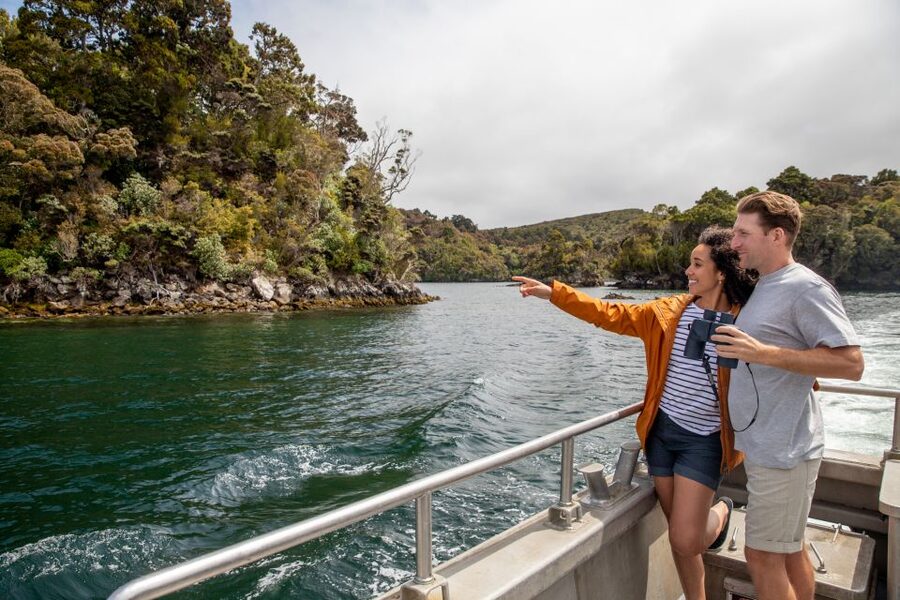
At $86 per person, the price reflects three parts of the outing: the Paterson Inlet cruise, transport to Ulva Island, and the guided walk. It is fair value if you want commentary and help finding birds, trees, and plants.
The price is less attractive if you only need a ride to Ulva Island. A water taxi and self-guided visit can cost less, and you may prefer that option if you want to set your own pace or remain on the island longer.
I would think of the fee as payment for interpretation. The boat commentary adds local history, while the forest guide helps you notice calls and species that you could easily miss. The value rises sharply for first-time visitors, bird lovers, and anyone who enjoys learning as they walk.
Who should book this outing?
This tour suits you if you want:
- An easy walk rather than a strenuous hike
- A mix of boat scenery, history, forest, and beach
- Help identifying native birds and bird calls
- A short but well-organized visit to Ulva Island
- A guided experience suitable for older walkers
- A flexible plan that can adapt to changing weather
You may prefer another option if you want a long day on Ulva Island, complete solitude, or the lowest possible transport cost. You should also allow for a quiet wildlife day. Even in a sanctuary, birds may stay hidden, and the most rewarding sighting may be a call from the canopy rather than a perfect photograph.
Should you book the Ulva Island guided walk?
I would book it for a first visit to Stewart Island, especially if your time is limited and you want more than a boat transfer. The guides are the heart of the experience, and their ability to identify bird calls and explain native plants gives the walk a purpose beyond sightseeing.
Choose it with realistic expectations. The pace is gentle, the island visit is brief, and wildlife sightings vary. If you want a longer, more active walk, arrange independent transport and spend more time on the island. If you want an easy introduction with coastal views, local stories, and a strong chance of seeing New Zealand birdlife, the $86 fare is a sensible choice.
FAQ
Where does the Ulva Island tour meet?
The meeting point is the Stewart Island Visitor Terminal at the Main Wharf in Halfmoon Bay.
How long does the experience last?
The total duration is 150 minutes. The guided walk on Ulva Island lasts approximately 1.5 hours.
What is included in the price?
The price includes the Paterson Inlet cruise, the guided walk on Ulva Island Wildlife Sanctuary, and an English-speaking specialist nature guide.
What wildlife might I see?
You might see weka, Stewart Island robins, saddlebacks, yellowheads, kaka, penguins, seals, sea lions, sea birds, mollymawks, or an albatross. Sightings are not guaranteed.
Is the Ulva Island walk difficult?
The walk is described as easy and leisurely rather than strenuous. Wear non-slip shoes or boots suitable for outdoor conditions.
What should I bring?
Bring sunscreen, sunglasses, insect repellent, a camera, weather-appropriate clothing, a waterproof jacket, and a warm sweater or fleece jacket.
What language is the tour conducted in?
The live tour guide provides commentary in English.
Can I cancel the booking?
You can cancel up to 24 hours before departure for a full refund. A reserve-now, pay-later option is also available.
Just added around New Zealand
- Kawiti Glow Worm Cave Tour & Opua Forest Walk★ 4.5 · 124 reviews
- Auckland Small-Group Walking Tour with Treats★ 5.0 · 182 reviews
- Auckland: Flavours of our City Food Walk★ 5.0 · 371 reviews
- Auckland Food Walking Tour★ 5.0 · 73 reviews
- Stevensons Island 2-Hour Cruise and Nature Walk★ 4.6 · 160 reviews
- Rotorua: Waimangu Volcanic Valley Ticket & Self-Guided Walk★ 4.8 · 104 reviews
- Rotorua: 6 Ziplines, 400m Tandem, Cliff Walk & Swing Bridges★ 4.9 · 93 reviews
- Napier: Art-Deco + Te Mata Peak+ Garden Walk + Wine Tasting★ 4.7 · 99 reviews
National Parks, compared.
Abel Tasman National Park: Sailing and Self-Guided Walk
Read our review →
Bayahibe: National Park Jungle Walk & Snorkeling in Cenotes
Read our review →
Abel Tasman National Park: Cruise, Walk & Sailing Tour
Read our review →
Browse the lists this tour appears in