
Review · FOOD WALKING TOURS
Antigua Guatemala: Street Food Walking Tour with Tastings
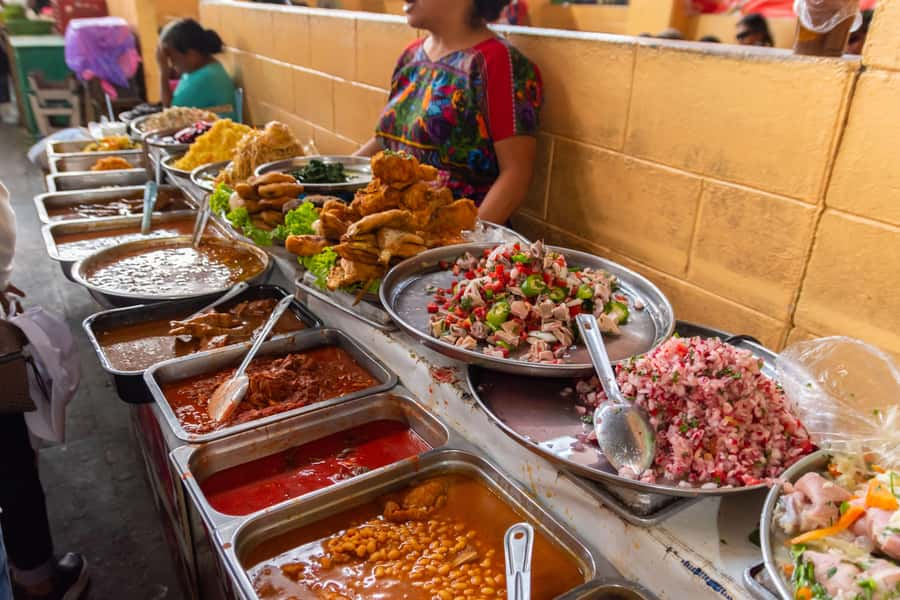
At first bite, Antigua makes more sense. This three-hour walking tour connects local street food with colonial architecture, Mayan traditions, and daily life. I like the mix of six to seven savory and sweet tastings, plus coffee, atol, fruit, and sweets. I also like the chance to explore the market with a guide who knows the vendors and can explain what you are seeing.
The main consideration is the walking. Antigua’s cobblestones can be hard on your feet, and one afternoon group found rain made the experience less comfortable. The tastings may also lean sweet, depending on the day. Still, guides such as JJ, Esteban, Roberto, and Felix have earned strong praise for their warmth, local insight, and ability to adjust the route.
Key points to know before you book
- Six to seven food samples: Expect a generous series of small tastings rather than a sit-down lunch.
- A local market with context: Your guide helps you understand how people shop, choose produce, and find trusted vendors.
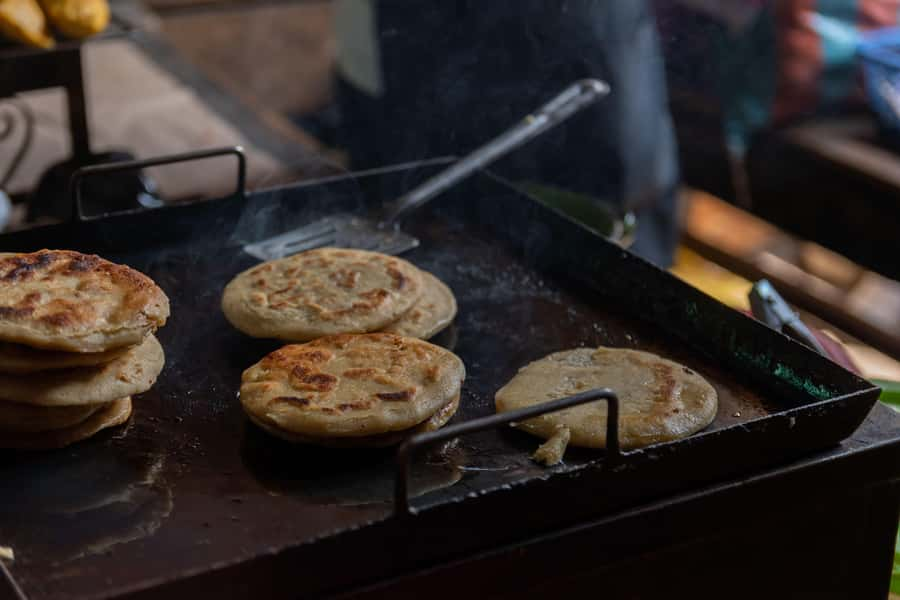
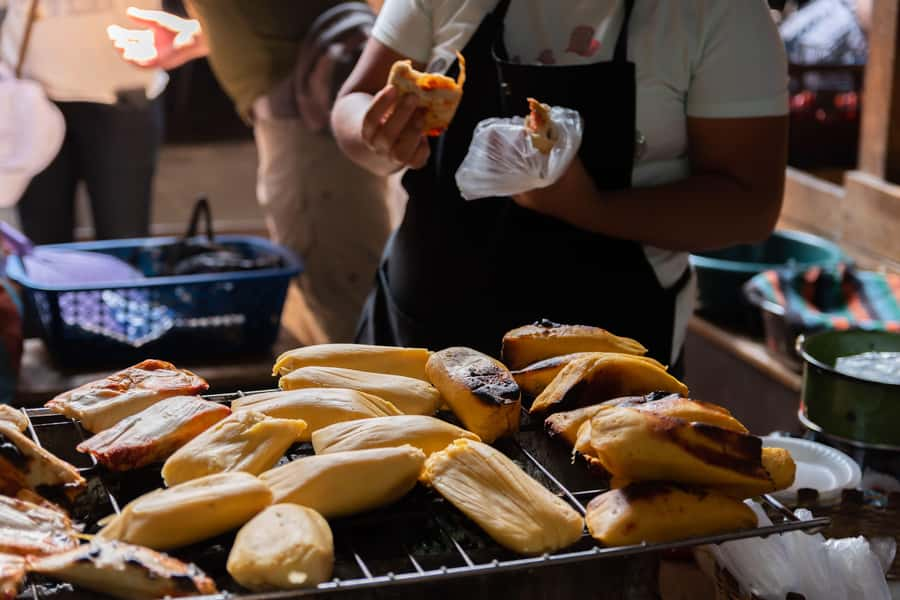
- Mayan food traditions: Corn-based dishes, cacao fruit, seasonal produce, sweets, coffee, and atol connect the meal to Guatemala’s past and present.
- More than eating: The route also covers Antigua’s colonial buildings, architecture, history, and volcano views.
- Come hungry and wear proper shoes: Several people finished full, and the cobblestones make comfortable footwear important.
- Useful for the first day: Restaurant and bar suggestions at the end can help shape the rest of your stay.
Starting at Casa Mandarina and entering Antigua’s food scene
The experience begins at Columbus Guatemala Travel, at 2a Calle Poniente 2, near Casa Mandarina, described as a traditional colonial house. This is a practical starting point because Antigua’s food culture is spread through the town rather than confined to one market or restaurant.
From the first minutes, the aim is not simply to hand you food. Your guide places each taste in context. Corn, for example, is treated as a foundation of Guatemalan cooking and a symbol of Mayan continuity. The tour’s phrase Mayan gold points to the importance of corn-based dishes, not to anything flashy or expensive.
That cultural thread gives the tour more weight than a simple snack crawl. You might taste something familiar, then learn how the local version differs, how it is prepared, or why it matters in Guatemalan life. The exact dishes change with availability, local preferences, and dietary needs, so you should not book expecting a fixed menu.
The guide also introduces Antigua as you walk. The city is known for its 17th-century buildings, colonial streets, and views toward surrounding volcanoes. The food gives you a reason to move from one part of town to another, while the buildings and stories keep the walk from feeling like a string of unrelated tastings.
More Street Food Walking Tours in the world:
- Naples: Street Food Walking Tour with Local Guide
★ 4.9 · 4,976 reviews - Private Street Food Evening Walking Tour in Ho Chi Minh City
★ 5.0 · 3,175 reviews - Rome: Trastevere & Campo de Fiori Street Food Walking Tour
★ 4.9 · 2,768 reviews
Exploring the market with a trusted local guide
The market is one of the most useful parts of the outing. Antigua’s market can feel large and confusing if you enter alone, especially when unfamiliar fruits, vegetables, sweets, and prepared foods compete for attention. With a guide, you get help reading the scene.
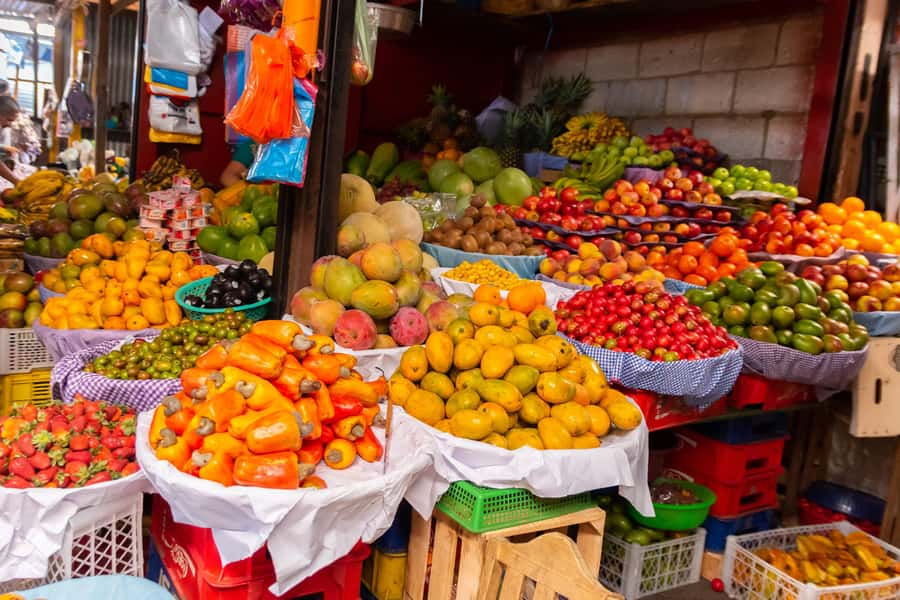
You may see seasonal fruit, produce used in home cooking, and vendors who have served local customers for years. Guides have taken groups to preferred sellers and, in at least one case, disinfected fruit before tasting it. That small act matters if you are cautious about fresh produce but still want to try several kinds.
The market visit also shows how food fits into ordinary life. Instead of seeing Guatemala only through restaurants aimed at tourists, you get a look at where people shop and which ingredients appear in everyday meals. The route may be especially worthwhile on a Saturday, when the larger local market is open.
Do not expect a formal market lecture at every stall. The experience depends partly on the day, the vendors, and the guide. One person who toured in rainy weather felt the route did not provide a full sense of Antigua’s layout, while another found the market the highlight of the entire walk. That difference makes sense: weather and market activity can change the feel of the afternoon.
Corn, fruit, sweets, coffee, and atol
The tasting sequence is designed to cover more than one kind of Guatemalan food. You can expect a combination of salty and sweet samples, with six to seven food tastings included. Two local drinks and bottled water are also provided.
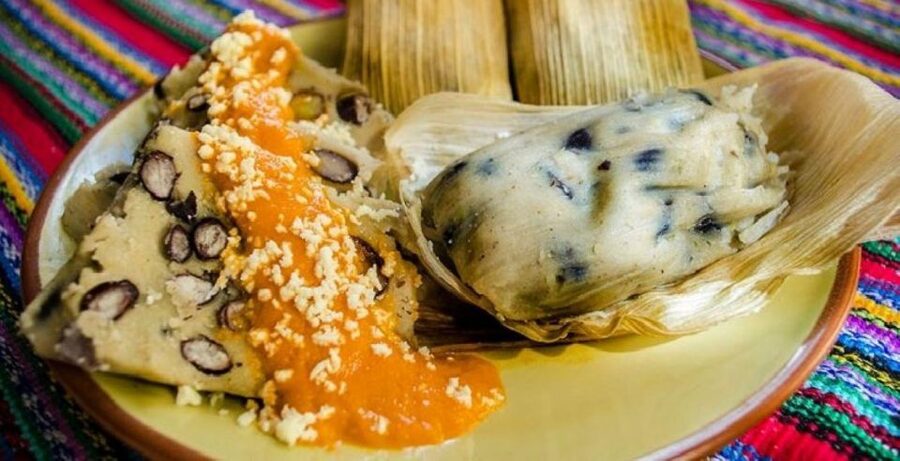
Corn-based dishes are central to the experience. The tour presents them as part of Guatemala’s Mayan roots, giving you a chance to taste food connected to a tradition that reaches back many centuries. The supplied information does not promise a precise list of dishes, and that is useful to remember. Availability and dietary restrictions can change the order and selection.
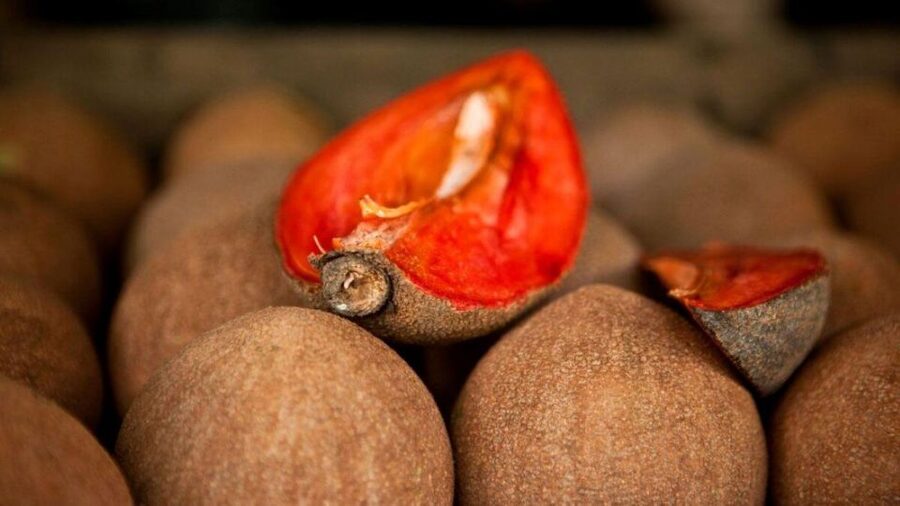
Fruit is another strong point. The tour includes exotic seasonal fruit, and one guide introduced a group to cacao fruit. That is a different experience from eating chocolate, since you are tasting the fruit itself rather than a finished confection. Other stops may include several types of mangoes, plums, and similar produce.
Guatemalan sweets appear along the way, along with coffee or atol. Atol is a traditional warm drink, and it gives the tasting a more local feel than simply stopping for a standard coffee. The balance can vary. One group found its route leaned toward sweet foods, so I would pace yourself rather than treating the early pastries or candies as a complete meal.
The food is plentiful enough that some people finished with leftovers or felt completely full. Lunch is not included as a separate meal, but the combined samples may be enough to replace lunch for some appetites. If you have a large appetite, think of the tour as a substantial snack session rather than a guaranteed full lunch.
Small local spots instead of a polished food show
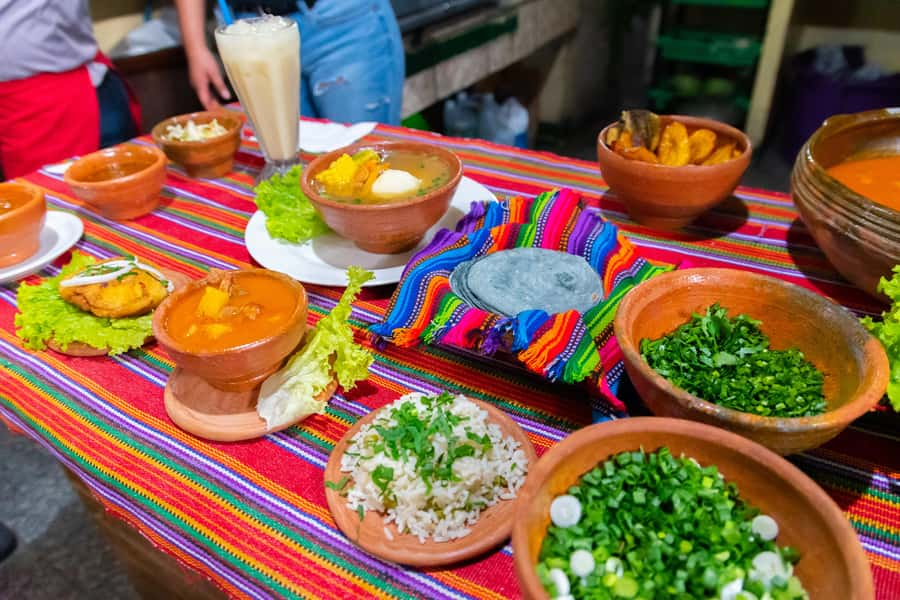
The route visits traditional food locations, small places, and trusted contacts connected with local families and vendors. That is one of the tour’s strongest features. You are not only seeing what is presented for visitors in central Antigua. You are being led to places you might not recognize or feel confident trying alone.
This is where the guide makes the difference. JJ, also called Juan Jesus in some bookings, has been praised for his energy, personal connection to Antigua, and friendly relationships around town. Esteban has been singled out for explaining food alongside architecture, Mayan customs, and the city’s past. Roberto has been appreciated for explaining food, culture, exports, and history. Felix has helped groups understand market produce and local art.
The guide assigned to you will vary, so you cannot assume you will get a particular person. Still, the repeated pattern is clear: the best part is not just the number of samples. It is the explanation and confidence you gain when trying foods that would be easy to miss on your own.
The tour can also be personalized. The order of stops may change according to dietary restrictions, preferences, and what is available that day. This flexibility is useful for cautious eaters, though it also means your experience may not match someone else’s route exactly.
More Food Walking Tours in the world:
- Reykjavik Food Walk – Local Foodie Adventure in Iceland
★ 5.0 · 18,952 reviews - Little Havana Food and Walking Tour in Miami
★ 5.0 · 8,882 reviews - New Orleans Food Walking Tour of the French Quarter with Small-Group Option
★ 5.0 · 6,118 reviews - Greek Food Walking Tour in Athens
★ 5.0 · 4,740 reviews
Antigua’s streets, buildings, and volcano views
Between tastings, you walk through the historic center. Antigua’s cobblestones are attractive but demanding. One person specifically advised wearing comfortable walking shoes, and that is sound advice. Sandals with thin soles or stiff dress shoes could make three hours less pleasant.
The route combines food with the city’s colonial character. You may pause near 17th-century buildings or other major architectural sites while your guide explains why the town looks as it does. The history is not treated as a separate museum lesson. It comes up as you move through the streets and connect what you see with the foods you are eating.
Several guides have also explained Mayan art, traditions, and customs. This is valuable because food can otherwise be reduced to a list of unfamiliar names. Here, the meal becomes a way to understand people, place, and continuity.
The route is also a useful orientation walk. You cover enough ground to notice restaurants, markets, streets, and places you may want to revisit. Some people wished they had taken the tour on their first day rather than their last, since the recommendations would have been useful throughout the stay.
There are limits. This is not a dedicated architecture tour, and one group did not feel it received a full lay of the land. If your main goal is detailed church history or a complete survey of Antigua’s monuments, book a specialist walking tour instead. If you want food to lead you through the city, the balance works well.
The guide can turn a good tasting into a memorable afternoon
The guide’s role is especially important because the group moves through public streets, markets, and small food stops. Guides have been praised for making people feel safe while crossing roads, helping with unfamiliar locations, and adjusting the pace or selection to the group.
The personal quality comes through in different ways. JJ has been described as fun, fresh, and full of local stories. Esteban has been compared to a friend showing you his town. Roberto has been praised for his warmth and clear explanations. Felix has been particularly strong with market produce, art, history, and practical food safety.
That does not mean every moment will be equally polished. The meeting point can be confusing if you are unfamiliar with Antigua’s street system. One group had trouble finding the office and needed a phone call before meeting the guide near the cathedral. Give yourself time to locate the Columbus Guatemala Travel office and keep your phone available.
The tour is offered in English or Spanish. It is also listed as wheelchair accessible, but cobblestones and the changing route are worth considering when deciding if the format suits your mobility needs.
Is $68 a fair price for three hours?
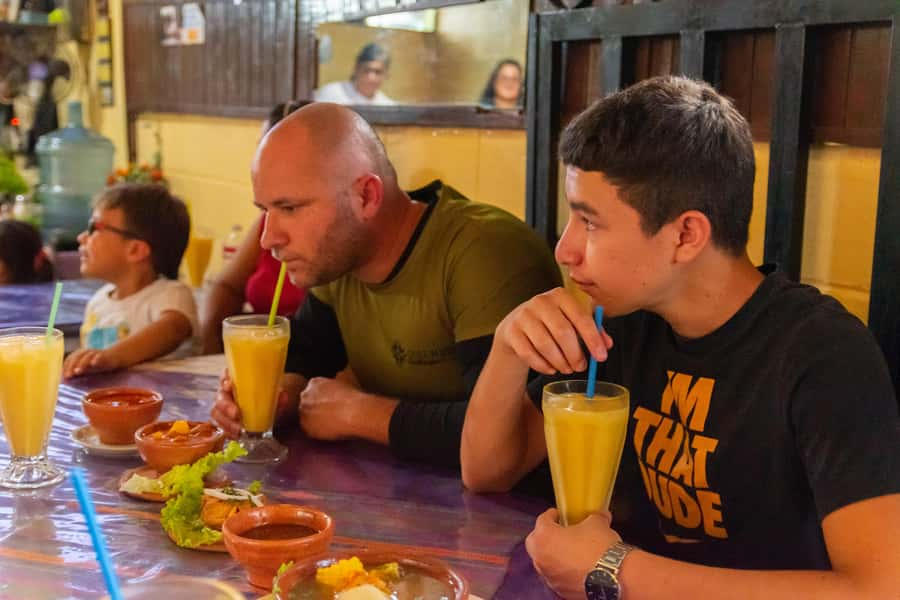
At $68 per person, this is not the cheapest way to eat in Antigua. You could certainly buy individual snacks for less. The value comes from the combination of food, guidance, market access, cultural explanation, bottled water, two local drinks, and restaurant and bar recommendations.
I think the price works best if you want both a meal introduction and a town orientation. Six to seven samples can add up quickly, especially when the route includes drinks, fruit, sweets, and more filling local dishes. You are also paying for the confidence to try places you might otherwise skip.
The value is weaker if you want a formal sit-down lunch, a fixed menu, or a purely historical walk. Lunch is not included, and the stops can change. You should also remember that a private version is available by contacting the provider, but the supplied information does not give a separate private-tour price.
For most first-time visitors who want to understand what and where to eat, the price is reasonable. Take the tour early in your visit and use the final recommendations. That timing lets you turn the advice into several more meals.
Practical advice for making the most of the walk
Eat lightly beforehand, but do not arrive after a huge breakfast. The samples are generous, and several people finished very full. Pace yourself, especially if your route contains many sweets or pastries.
Wear comfortable shoes and loose clothing. Bring sunglasses, a sun hat or hat, sunscreen, and any personal medication. Antigua can be bright, and the walk spends much of its time outdoors.
Tell the guide about dietary restrictions before the tasting begins. The order of stops and food choices can change according to preferences and availability. Since this is a walking route through public streets, flexibility helps.
If you are uncertain about unfamiliar fruit or market food, ask how it is cleaned and prepared. The guides can point you toward trusted vendors and explain what you are tasting. That is more useful than trying to guess from appearance alone.
The tour allows free cancellation up to 24 hours before the start for a full refund, and you can reserve now and pay later. Starting times depend on availability. Smoking, alcohol, and drugs are not allowed during the activity.
Who should book this Antigua food tour?
You should consider it if you enjoy small local eateries, like trying unfamiliar produce, and want history explained in plain language while you walk. It suits first-time visitors particularly well, since the recommendations can guide the rest of your stay.
It is also a good match if you want a flexible route. Dietary restrictions and preferences can shape the stops, and the guide may adjust the order based on what is available.
You may want another option if you dislike cobblestones, need a guaranteed indoor meal, or prefer to know every dish in advance. Rain can affect the experience, and the balance of sweet and savory foods is not fixed.
Should you book it?
I would book this tour early in an Antigua visit, arrive hungry, and wear sturdy walking shoes. Its best qualities are the local guide, the market access, the Mayan food context, and the chance to find small places you may not discover alone.
Book it for cultural understanding served with food, not for a carefully scripted restaurant meal. If JJ, Esteban, Roberto, Felix, or another local guide brings the same warmth and street-level knowledge, you will get a useful introduction to Antigua that continues paying off after the three hours end.
FAQ
How long is the Antigua street food tour?
The tour lasts three hours.
How much does the tour cost?
The listed price is $68 per person.
How many food samples are included?
The experience includes six to seven food samples.
Are drinks included?
Yes. Two local drinks and bottled water are included. Coffee or atol may be part of the tasting route.
Is lunch included?
No. Lunch is not included, although the food samples may leave you quite full.
Where does the tour meet?
You meet the guide at the Columbus Guatemala Travel office at 2a Calle Poniente 2 in Antigua Guatemala.
What languages are available?
The tour is offered in English and Spanish.
Can the food stops change?
Yes. The order and selection of stops can change based on availability, preferences, and dietary restrictions.
Is the tour wheelchair accessible?
The activity is listed as wheelchair accessible.
What should I bring?
Bring comfortable shoes, sunglasses, a sun hat or hat, sunscreen, comfortable clothing, and any personal medication.
Just added around the world
- Bern Private Walking Tour with a Local★ 4.5 · 75 reviews
- Berlin Walking Tour★ 4.5 · 378 reviews
- Bern Walking Tour: Explore Top Sights & Hidden Gems★ 5.0 · 108 reviews
- Small Group Walking Tour of East Berlin with a French Guide★ 5.0 · 176 reviews
- Berlin Street Art Walking Tour – Off The Grid★ 5.0 · 270 reviews
- Berlin Highlights Private Guided Walking Tour★ 4.5 · 89 reviews
- Private Walking Tour: World War 2 and Cold War Sites in Berlin★ 5.0 · 230 reviews
- Kreuzberg Berlin: Off the Beaten Track PRIVATE Walking Tour★ 5.0 · 128 reviews
Food Walking Tours, compared.
Reykjavik Food Walk – Local Foodie Adventure in Iceland
Read our review →
New Orleans Food Walking Tour of the French Quarter with Small-Group Option
Read our review →

Authentic Parisian Gourmet Food Tour with 10 Local Dishes & Wines
Read our review →
Tapas Walking Tour with Food, Wine, and History
Read our review →
Browse the lists this tour appears in