
Review · USA WALKING TOURS
Chicago: Treasures of the Golden Age Walking Tour
Chicago’s grandest buildings tell a comeback story. This two-hour walk through the Loop follows the city’s push to become a cultural capital after the 1893 World’s Columbian Exposition, with stops at ornate museums, department stores, hotels, concert halls, and early skyscrapers. I like the way the tour connects architecture to the people who funded, designed, and fought to preserve these buildings. I also like that the guides can take you inside several landmarks, not just point at façades from the sidewalk.
The main caution is simple: you will be on your feet for two hours, often in city weather. Winter can be bitter, summer can be warm, and rain does not cancel the tour. The listing says the route is wheelchair accessible, yet also notes that it may not suit people with mobility impairments, so I would contact the Chicago Architecture Center before booking if that is a concern.
Key points at a glance
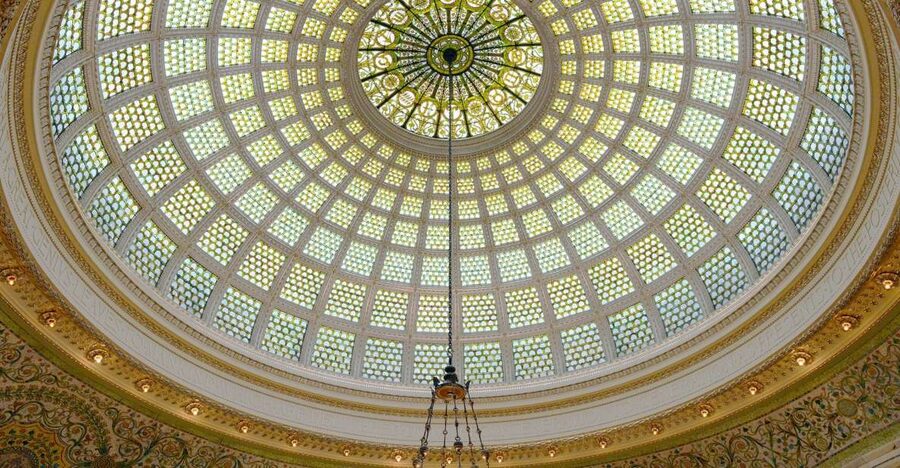
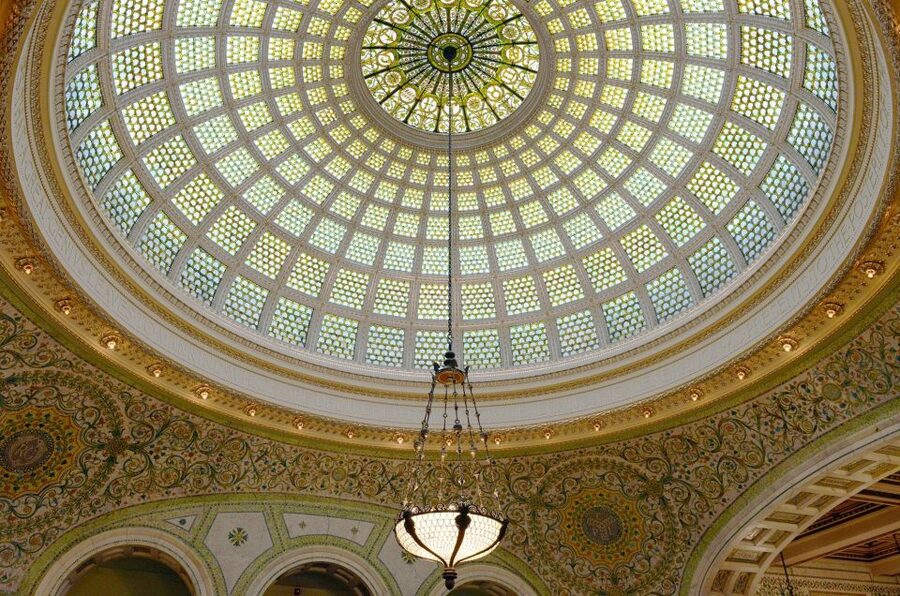
- The Chicago Cultural Center includes the world’s largest Tiffany glass dome, a dazzling indoor stop that gives you a break from the street.
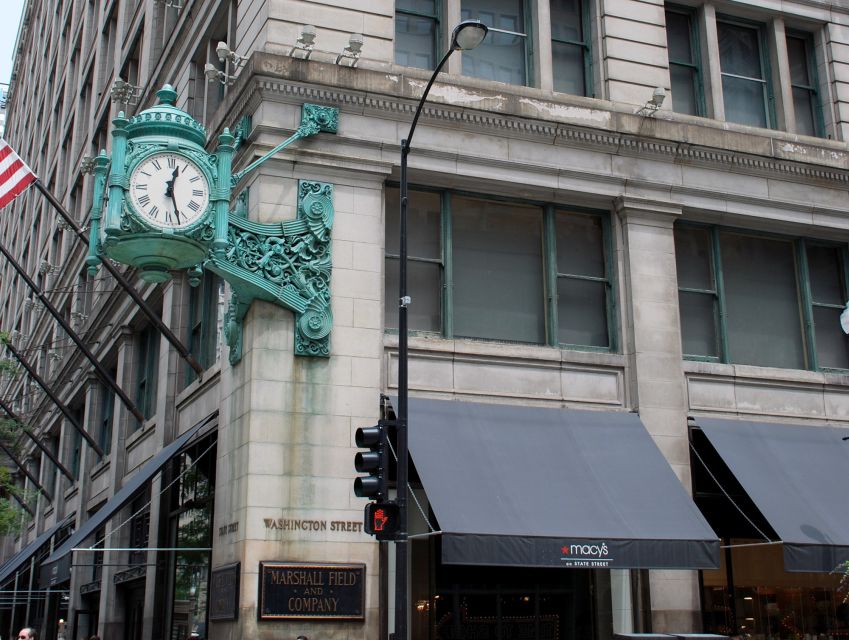
- Marshall Field’s, now Macy’s on State, reveals how department stores helped shape Chicago’s commercial and civic life.
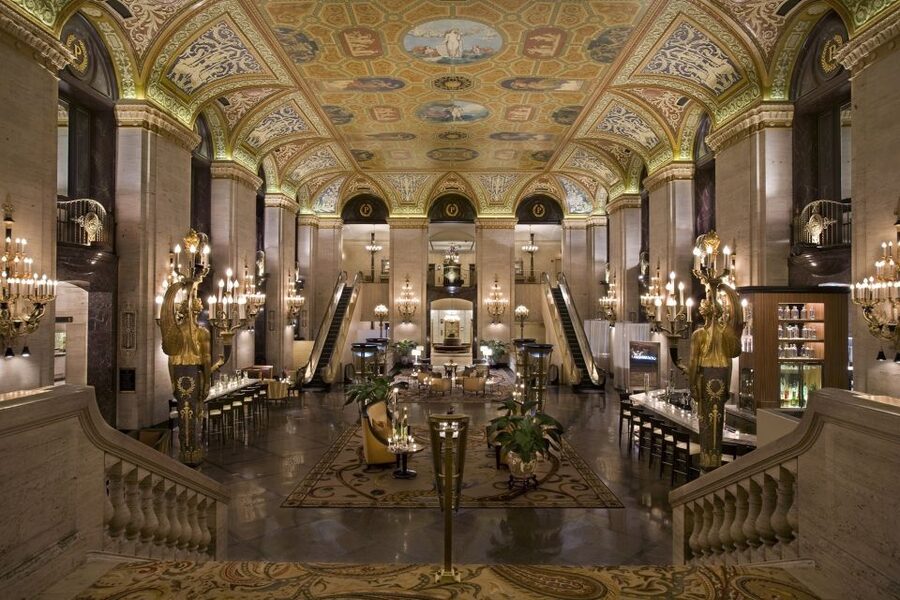
- The Palmer House offers a look at a beautifully restored hotel dating from the 1920s.
- Daniel Burnham, Louis Sullivan, and Holabird and Roche are among the major architects placed in context.
- Chicago Architecture Center guides bring local experience and training from the city’s leading architecture organization.
- The $35 price is strong value if you want interpretation, interior access, and a focused Loop route rather than a quick photo walk.
Why Chicago’s Golden Age deserves two hours
Chicago changed at remarkable speed in the late 19th and early 20th centuries. The city was growing, rebuilding, and trying to prove that it belonged among the great cultural capitals of the world. The 1893 World’s Columbian Exposition gave Chicago an important push in that direction.
This tour focuses on the decades after that event, roughly the 1890s through the 1930s. You will see buildings designed in Beaux Arts, neo-Georgian, and neo-Gothic styles, along with structures that helped define the modern city. Many were deliberately old-fashioned in appearance, borrowing from European or American traditions while using new construction methods.
That tension is what makes the route interesting. Chicago was not simply copying the past. Its architects were using revival styles to express confidence, wealth, education, and civic ambition. Your guide helps connect the decorative details above you with the larger question of what Chicago wanted to become.
I especially like this approach for repeat visitors. One person who had already taken several Chicago architecture tours still learned new things here. The route is not only about spotting famous buildings. It gives you a way to read the Loop, so an ordinary-looking entrance or upper story may suddenly make sense.
A few more walks around Chicago worth a look
- Chicago: Gangsters and Ghosts Walking Tour
★ 5.0 · 7,155 reviews - Chicago Favorites Ultimate Food and Walking Tour
★ 5.0 · 1,962 reviews - Chicago: Gangsters and Ghosts Guided Walking Tour
★ 4.7 · 1,697 reviews
Starting at the Chicago Architecture Center
The tour begins inside the Chicago Architecture Center at 111 East Wacker Drive. That is a useful meeting point because you check in indoors before heading outside, and admission to the Center’s exhibits is included with the ticket.
The Center is also a good place to begin if you want more architectural context during your Chicago visit. The tour itself concentrates on historic buildings in the Loop, while the exhibits can help you understand how the city developed beyond this specific walk.
Your guide is certified by the Chicago Architecture Center and trained by the organization, which matters here. Architecture tours can easily become a parade of dates and names. The best guides make the buildings readable without turning the walk into a lecture.
Past guides have included Doug, Dan, Jackeline, Maureen, Paul S, John, Ingrid, Tony, and Matthew. The strongest praise goes to guides who mix facts with personal stories and keep the pace moving. One guide used a microphone system, allowing the group to look around while still hearing the explanation. That is a small feature, but it makes a real difference on a city sidewalk.
The Chicago Cultural Center and its Tiffany dome
The Chicago Cultural Center is one of the tour’s strongest stops. Its interior includes the world’s largest Tiffany glass dome, an astonishing piece of work that rewards a slow look upward.
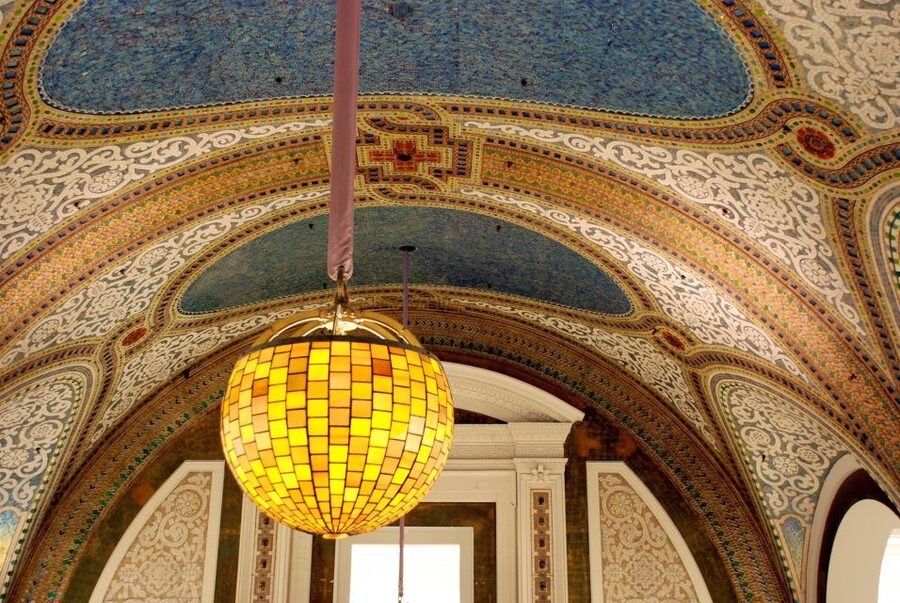
This is where the tour shifts from street-level city walking to close attention to craftsmanship. You may notice how much decoration, color, and formal detail went into a public building meant to express civic pride. The interior also gives you a welcome chance to get out of the weather.
The Cultural Center helps explain the city’s Golden Age in practical terms. Chicago was not satisfied with factories, rail lines, and commercial power. It wanted cultural buildings that could announce refinement and ambition. A grand interior like this was part of that campaign.
You should bring your eyes upward and allow time for the guide’s explanation. It is easy to walk into a beautiful room, take one photograph, and move on. The guide adds the useful layer: why the building mattered, what style it uses, and how it fit Chicago’s plans for a major cultural center.
Marshall Field’s and the retail city
The former Marshall Field’s department store, now Macy’s on State, shows another side of Chicago’s Golden Age. This was not a museum built only for civic ceremony. It was a commercial institution designed to attract shoppers, display wealth, and make buying goods feel like a grand public occasion.
The building is especially useful for understanding how department stores shaped the city. They were places of business, but also social spaces where people encountered impressive architecture, polished interiors, and new ideas about urban life.
The tour includes the building’s history and architectural character rather than treating it as merely a current store. That is one reason the experience can surprise people who have walked State Street many times. A façade that seems familiar begins to reveal its scale, details, and purpose.
If the group goes inside, pay attention to the contrast between the modern retail setting and the older design elements. The building’s current use is part of the story. Chicago has preserved many major structures by allowing them to keep serving the public in updated forms.
Same streets, a different way to see them:
- Chicago Loop District Food Tour with Deep Dish & Beef Sandwich
★ 5.0 · 870 reviews - Chicago: Secret Interiors Architecture Walking Tour
★ 4.9 · 498 reviews - Chicago: Underground Pedway & Downtown Secrets Walking Tour
★ 4.7 · 268 reviews - Chicago: Gangsters and Food Tasting Walking Tour
★ 4.6 · 228 reviews
The Palmer House and the hotel as civic theater
The Palmer House brings you into the world of grand hotels. This beautifully restored 1920s building reflects the period when hotels were more than places to sleep. They were meeting points for business, politics, entertainment, and social life.
The Palmer House is valuable on this walk because it shows how different architectural ambitions could coexist. The department store projected commercial power. The Cultural Center projected civic and artistic ideals. The hotel projected hospitality and status.
A guide can make these connections quickly, and that is where the tour earns its price. You are not just collecting façades. You are learning how different types of buildings supported the city Chicago wanted to become.
The Palmer House is also one of the places where interior access can make the tour feel more special. You should not expect every part of every building to be open in the same way on every departure, but getting inside even a few of these landmarks changes the experience. You see the scale of the rooms, the decorative materials, and the way the original design works at human height.
Burnham, Sullivan, Holabird and Roche
The names Daniel Burnham, Louis Sullivan, and Holabird and Roche are central to the story. Their work represents different approaches to a city being reshaped by new technology, new wealth, and new expectations.
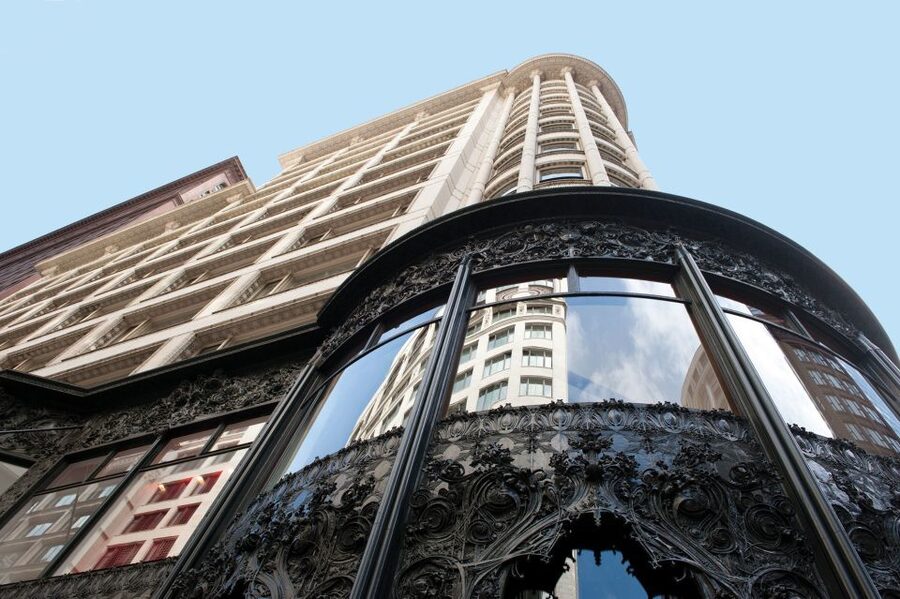
Daniel Burnham is tied to Chicago’s larger civic vision. His work and ideas helped frame the city as a place that could be planned, beautified, and presented to the world. Louis Sullivan is essential to any discussion of Chicago architecture because of his bold treatment of structure and ornament. Holabird and Roche add another important chapter to the city’s development.
You do not need to arrive with an architecture degree. The guide’s job is to show you what to look for, then explain why it matters. Look for the relationship between the lower floors and upper stories, the way windows are grouped, the use of stone and terra cotta, and the details borrowed from older styles.
The tour covers revival architecture, including Beaux Arts, neo-Georgian, and neo-Gothic examples. These terms are useful only if they help you see something. Beaux Arts may bring grand symmetry and elaborate decoration. Neo-Georgian can suggest order and restraint. Neo-Gothic often draws your attention upward through pointed forms and vertical lines.
The best moments come when the guide uses a detail to explain a larger idea. A carved entrance may reveal a building’s intended audience. A grand interior may show what the owner wanted visitors to feel. A preserved façade may point to Chicago’s long effort to keep important structures in daily use.
What the two-hour pace feels like
Two hours is enough time to create a strong picture of the Loop without taking over your entire day. You see a number of buildings in a compact area, with the guide moving between major stops and smaller details along the way.
The pace appears to be steady rather than rushed. One guide was praised for stopping at a natural rhythm and leaving room for questions. Another kept the group moving during a cold day while finding indoor opportunities to warm up.
You should still wear comfortable shoes. A past participant specifically warned that there is a lot of walking, and that advice is worth taking seriously. The route includes outdoor pavement, standing while listening, and moving between buildings.
I would schedule the tour early in your Chicago visit. The information helps you make more sense of later walks through the Loop, the river area, and Michigan Avenue. It also pairs well with a Chicago river architecture cruise, but it is not simply a repeat of what you hear from a boat. The walking route lets you examine details at close range and enter some buildings.
Weather, accessibility, and what to carry
Tours depart rain or shine, and weather does not qualify you for a refund. Check the forecast and dress for the season. A winter tour can be worthwhile, but gloves, a warm coat, and shoes suited to cold pavement will improve the experience. On rainy days, bring proper rain gear rather than relying on a small umbrella.
The tour is listed as wheelchair accessible, but the activity is also marked as not suitable for people with mobility impairments. That mixed information deserves a direct question before you reserve. Ask the Chicago Architecture Center about the current route, standing time, entrances, and any steps on the day’s walk.
Do not bring luggage or large bags. There is no secure storage for luggage or strollers, and there is no coat check. Pets are not allowed, although service animals are welcome.
An identification card or passport is listed among the suggested items to bring. The tour is conducted in English, with a live guide.
What makes the guides worth the price
The guide is the main reason to choose this experience instead of walking the same streets with a phone in hand. The buildings are free to see from outside. The value comes from knowing where to look, hearing the stories behind the design, and getting context that would be hard to assemble on your own.
The strongest guide feedback centers on a few traits: clear explanations, local experience, humor, patience, and an ability to answer questions. One guide had lived in Chicago for more than 30 years. Another was praised for making difficult details easy to understand. A few guides were singled out for personal anecdotes that made the city feel less like a textbook.
There is one fair caution. One participant had trouble understanding a guide’s accent. That seems to be an isolated concern in an otherwise very strong pattern of praise, but if spoken English is difficult for you, ask where the group will meet and whether a microphone is used.
The Chicago Architecture Center is a nonprofit, and ticket purchases support education and community programs, including Girls Build!, Teen Fellows, the Newhouse Architecture + Design Competition, and Open House Chicago. That does not replace the need for a good tour, but it adds a useful civic benefit to the purchase.
Is $35 a fair price?
The listed price is $35 for a group of up to one person, so check the booking details carefully if you are reserving for more than one participant. At that price, I see good value if you care about architecture, city history, preservation, or design.
You are paying for two hours with a trained guide, the Chicago Architecture Center exhibits, and the chance to enter some important buildings. You are not paying for transportation, food, hotel pickup, or drop-off. This is a focused walking experience, not a general city sightseeing tour.
For a first visit, the price is reasonable because it gives you a clear introduction to Chicago’s historic core. For a repeat visit, it remains useful if you want more detail than a standard sightseeing route provides. If you only want photographs and prefer to set your own pace, you may find the guided format less appealing.
Free cancellation is available up to 24 hours before the start time, and you can reserve now and pay later. Those options help if your schedule is still shifting, but remember that poor weather does not bring a refund once the tour operates.
Who should book this walk?
I would choose this tour if you enjoy buildings, urban history, preservation, or the human stories behind public spaces. It suits first-time visitors who want a solid introduction to the Loop and repeat visitors who suspect they have been walking past important details.
It is also a good solo activity. One solo participant found the group format enjoyable, and the guide gives you a natural way to learn without needing a travel companion with the same interests.
Families with older children may enjoy the visual side of the route, especially the Tiffany dome and ornate interiors. Very young children may struggle with two hours of walking and listening. People with mobility limitations should ask detailed questions before booking because the accessibility information is not entirely consistent.
Should you book the Treasures of the Golden Age tour?
Yes, if you want Chicago’s architecture explained rather than simply photographed. The Chicago Cultural Center, Marshall Field’s, and Palmer House give the route memorable interiors and exteriors, while the stories of Burnham, Sullivan, and Holabird and Roche provide the larger picture.
I would skip it only if you dislike guided walks, cannot manage two hours on foot, or need a weather-proof plan. For everyone else, the tour offers a well-focused look at the Loop, thoughtful local guidance, and a useful connection to Chicago’s effort to become a great cultural city.
FAQ
Where does the tour meet?
Check in inside the Chicago Architecture Center at 111 East Wacker Drive, Chicago, Illinois 60601.
How long does the walking tour last?
The walking tour lasts two hours.
What language is the tour conducted in?
The live tour is conducted in English.
What buildings are highlighted?
Highlights include the Chicago Cultural Center, the former Marshall Field’s department store, now Macy’s on State, and the Palmer House.
Will I go inside any buildings?
The tour offers a glimpse inside some of Chicago’s beloved buildings. Interior access can vary, so do not assume every building will be open in the same way on every departure.
Is admission to the Chicago Architecture Center included?
Yes. Admission to the Chicago Architecture Center exhibits is included.
Is the tour wheelchair accessible?
The activity is listed as wheelchair accessible, but it is also marked as not suitable for people with mobility impairments. Contact the Chicago Architecture Center before booking to discuss the current route and access needs.
Can I bring luggage or a stroller?
No secure storage is available for luggage or strollers, and large bags are not allowed. There is also no coat check.
Can I cancel the booking?
You can cancel up to 24 hours in advance for a full refund. Tours operate rain or shine, and weather does not qualify for a refund.
Just added around Chicago
- Chicago: The Ultimate Foodie Walking Tour with Tasty Stops★ 4.6 · 92 reviews
- Chicago: Underground Pedway & Downtown Secrets Walking Tour★ 4.7 · 268 reviews
- Chicago: Must See Chicago 90 minute Walking Tour★ 4.7 · 73 reviews
- Chicago: Prohibition Speakeasies Bus Tour or Walking Tour★ 4.8 · 168 reviews
- Chicago: Secret Interiors Architecture Walking Tour★ 4.9 · 498 reviews
- Chicago: Classic Food & Walking Tour with Free Bike or Kayak★ 4.9 · 145 reviews
- Chicago: Gangsters and Food Tasting Walking Tour★ 4.6 · 228 reviews
- Chicago: Taste of Chinatown Food and Cultural Walking Tour★ 4.9 · 97 reviews
USA Walking Tours, compared.
History and Hauntings of Salem Guided Walking Tour
Read our review →
New Orleans Premier Ghost, Voodoo and Vampire Walking Tour
Read our review →
Freedom Trail History Small Group Walking Tour
Read our review →
Historic Charleston Guided Sightseeing Walking Tour
Read our review →
New Orleans Food Walking Tour of the French Quarter with Small-Group Option
Read our review →
St. Louis Cemetery No. 1 Official Walking Tour
Read our review →Browse the lists this tour appears in