Review · TOURS
Hong Kong: Dark Side of Hong Kong Caged Homes Walking Tour
Hong Kong has a side most visitors never see. This two-hour walking tour leaves the postcard skyline behind and enters Sham Shui Po, where subdivided flats, cage homes, and soaring rents explain the human cost of Hong Kong’s success. I like its clear focus on housing policy, and I like that it finishes with SoCo, a charity working for marginalized residents rather than ending with poverty as a spectacle. The main consideration is emotional: this is a serious tour about hardship, not a light sightseeing walk.
At $31 per person, the experience offers strong value if you want context instead of another view from a skyscraper. Guides such as Stephen, Alice, Summer, Michael, Isaac, and Wind have been praised for explaining difficult subjects with care. You should still expect busy streets, staircases, older buildings, and a few uncomfortable truths.
Key points to know before you go

- A 100-square-foot home shows the housing crisis at human scale: You see how a kitchen, bed, toilet, and living area can occupy one tiny room.
- A typical 500-square-foot apartment may be divided into five units: The guide connects cramped homes to land scarcity, population growth, capitalism, and housing policy.
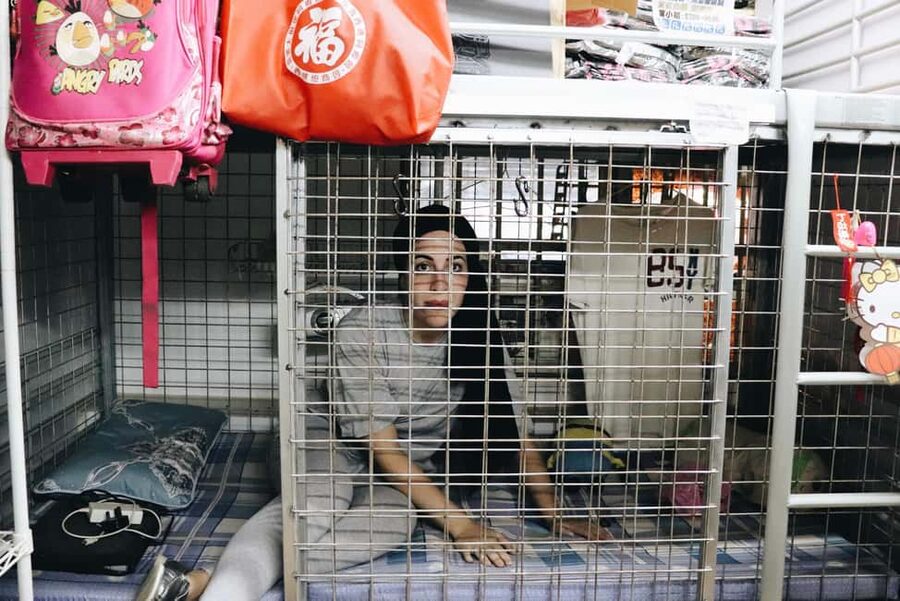
- The caged home is an empty teaching space: It is maintained for the tour, so you are not entering a resident’s private home.
- The route links Prince Edward, Mong Kok, and Sham Shui Po: You move through busy streets rather than viewing the issue from a bus window.
- The rooftop slum is a striking contrast: From above, you may see makeshift dwellings set against Hong Kong’s polished towers.
- SoCo gives the tour a practical ending: The charity has spent more than 50 years advocating for people on the margins.
Why this tour matters in a city of skyscrapers

Hong Kong is easy to admire from a distance. The towers are dramatic, the harbor is famous, and the city’s transport system gets you almost anywhere quickly. Yet the same city has about 1.5 million people living in poverty, and the housing problem is not tucked away in some remote suburb. It appears in ordinary neighborhoods, behind old façades and above crowded streets.
This tour helps you connect the pieces. It does not simply point at a small room and ask you to feel shocked. The guide explains how limited land, a growing population, high property prices, and government policy have shaped daily life.
That context is the strongest reason to book. Without it, a cage home can seem like an isolated curiosity. With it, you begin to understand why a city with enormous wealth can also have residents paying heavily for a few square meters.
I especially like the focus on the paradox. Hong Kong can be a global financial center and still be a place where a minimum-wage worker may live in a metal enclosure. The point is not that every resident lives this way. The point is that extreme wealth and extreme housing pressure exist side by side.
A few more walks around the world worth a look
- Magical London: Harry Potter Guided Walking Tour
★ 4.7 · 22,044 reviews - Reykjavik Food Walk – Local Foodie Adventure in Iceland
★ 5.0 · 18,952 reviews - History and Hauntings of Salem Guided Walking Tour
★ 5.0 · 14,564 reviews
Meeting inside Prince Edward MTR Station
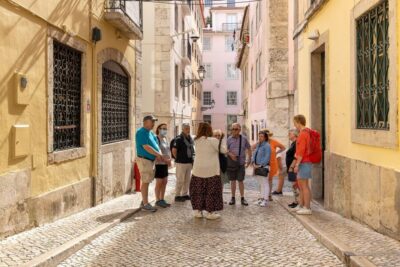
The tour begins inside Prince Edward MTR Station at Exit D, near Playing Field Road. Pay close attention to the word inside. Meeting outside the station can leave you searching among busy streets and multiple entrances.
Prince Edward is a useful starting point because it puts you close to the neighborhoods discussed during the walk. You do not spend the first part of the tour sitting in a vehicle or crossing the city. After introductions, the guide begins setting out the key question: why is Hong Kong considered the world’s least affordable city?
The guide’s own connection to the subject adds a human layer. Several guides have brought personal stories and local experience into the discussion. Stephen, for example, has been praised for explaining the property market in a clear way, while Summer has been especially noted for her passion about affordable housing. Guide assignments vary, so you may meet someone else, but the common thread is a local perspective rather than a script delivered from a distance.
This first section is also where expectations are set. The tour visits poor neighborhoods and discusses difficult living conditions. You are expected to watch your behavior, listen carefully, and treat the area as a home for real people, not as a film set.
The secret stop and the economics of a tiny apartment
One early stop is described as a secret stop, and it lasts about ten minutes. Its purpose is to make the housing problem easier to picture before you walk deeper into the district.
A typical 500-square-foot apartment can be subdivided into five small units. That figure changes the way you look at floor plans. Five households may share what many people elsewhere would consider a modest apartment. The guide uses this example to show that the issue is not simply a shortage of luxury housing. It reaches into the basic space needed for sleep, cooking, washing, and privacy.
The tour also uses photographs and material from a social organization to explain tenement buildings and subdivided flats. That helps you see conditions beyond the one room you physically enter. You get a picture of how older buildings have been altered to create more rentable units, often at the cost of light, storage, personal space, and comfort.
I like this part because it gives you a framework. You are not just hearing that property prices are high. You are learning how the pressure moves through the market and affects the shape of a home.
The ten-minute stop may feel brief, especially if the group has many questions. Still, the tour has only two hours, and the short explanations keep the walk moving.
Inside the 100-square-foot subdivided flat
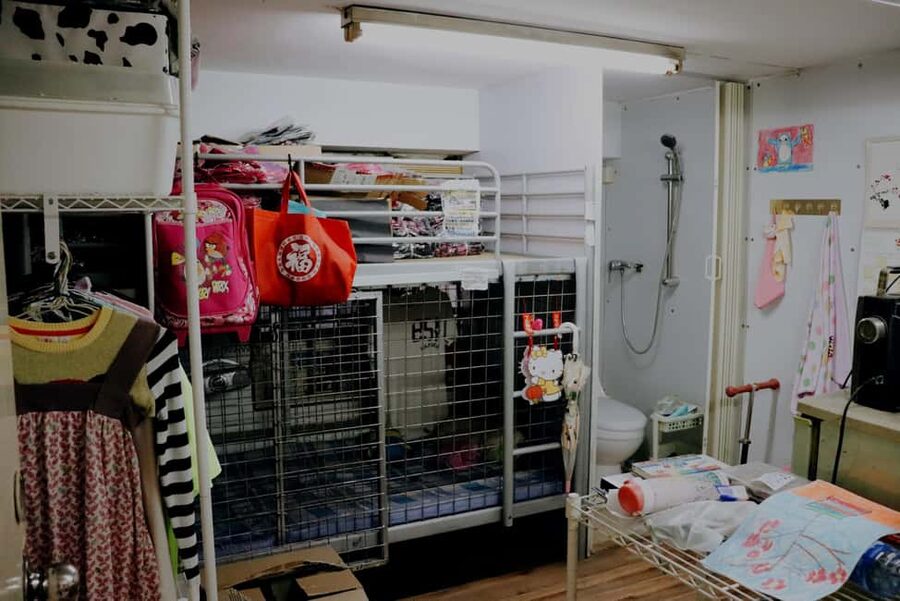
The most memorable stop is the small unit measuring about 100 square feet, or roughly 10 square meters. Here, a family may need to cook, sleep, eat, and live in one cramped space. The unit brings an abstract statistic down to the size of a room you can see and enter.
The layout is the lesson. A kitchen, bed, toilet, and living area can all sit within the same limited footprint. There is little room for separation between activities, and even ordinary household tasks become questions of timing and space.
You should not expect a polished museum exhibit. Its value comes from its scale. Standing in such a room helps you understand why the housing problem affects family life, privacy, health, and a sense of security.
An important ethical detail makes this visit more comfortable. The subdivided flat used for the tour is vacant and maintained by the tour company. You are not walking through an occupied home or watching a resident go about daily life. It functions more like a small teaching display showing how people previously lived in similar conditions.
That distinction matters. Poverty tours can easily become intrusive. Here, the vacant unit allows the guide to explain the setting without putting a current resident on display. You should still avoid treating the room as a novelty and follow the guide’s instructions about photographs.
Same streets, a different way to see them:
- New Orleans Premier Ghost, Voodoo and Vampire Walking Tour
★ 4.5 · 12,856 reviews - Amsterdam Anne Frank: Small-Group Walking Tour & Local Guide
★ 4.8 · 12,789 reviews - Edinburgh: Harry Potter Magical Guided Walking Tour
★ 4.8 · 11,944 reviews - Edinburgh Castle: Guided Walking Tour with Entry Ticket
★ 4.7 · 11,699 reviews
Mong Kok and Sham Shui Po on foot
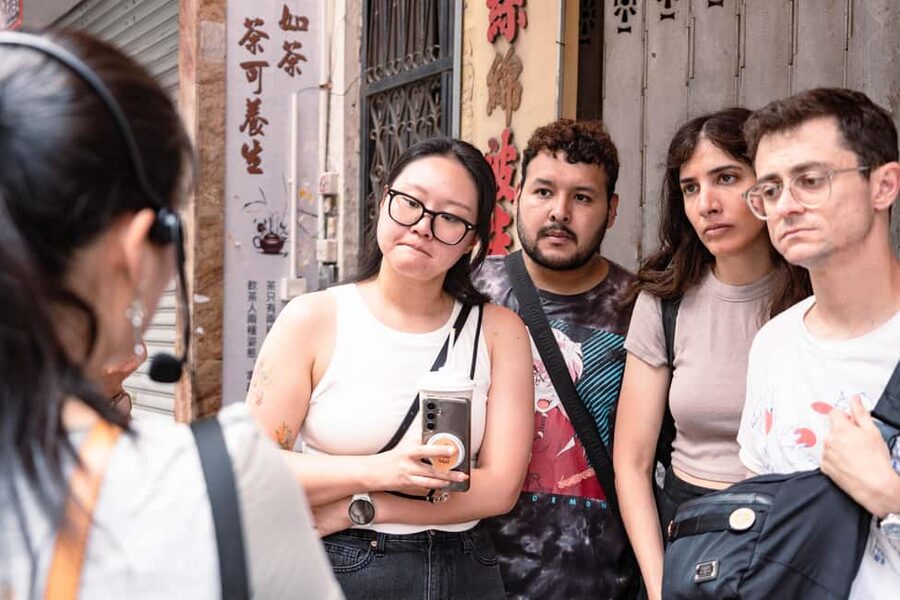
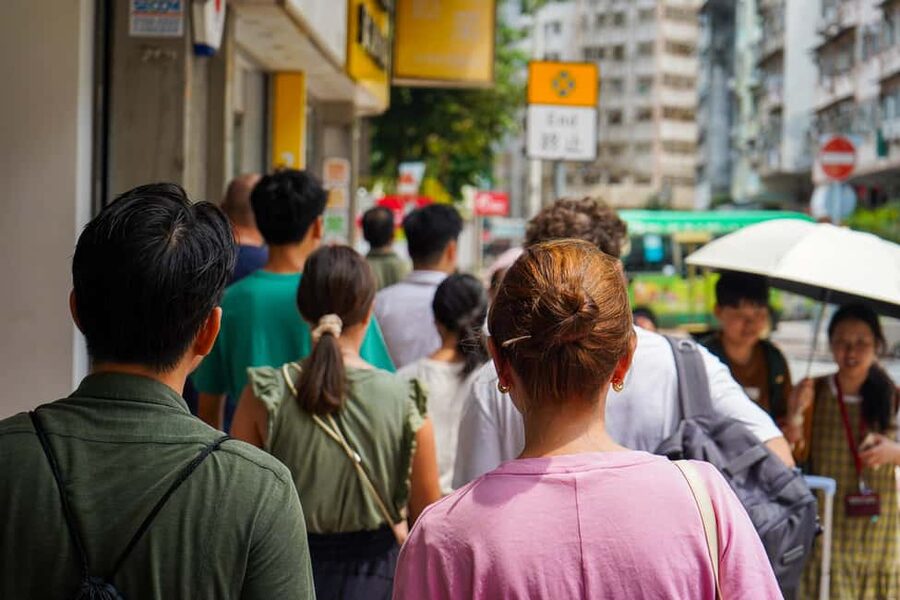
The route passes through Mong Kok and then continues into Sham Shui Po, with short visits listed for each area. Mong Kok gives the discussion a busy urban setting. Shops, apartment buildings, traffic, and people moving through narrow streets show how little open space the city has.
Sham Shui Po is the heart of the tour. It is one of Hong Kong’s poorest districts and a place where dense clusters of subdivided flats sit close to newer and more expensive housing. The contrast can be sharp: one block may suggest investment and rising property values, while another reveals old buildings and rooms divided into tiny units.
You will walk through backstreets and older buildings, not just along the main tourist routes. The guide may also discuss the area’s underworld and the pressures affecting migrants and low-income residents. This part rewards curiosity, but you need to stay with the group. Hong Kong sidewalks can be crowded, and the route includes stairs.
The short stops listed in the schedule should not be mistaken for the full experience. Much of the value comes while moving between them, when the guide connects what you see to the housing story. A two-hour tour cannot explain every street or policy, but it can give you a useful lens for exploring the district afterward.
The rooftop slum and the city below
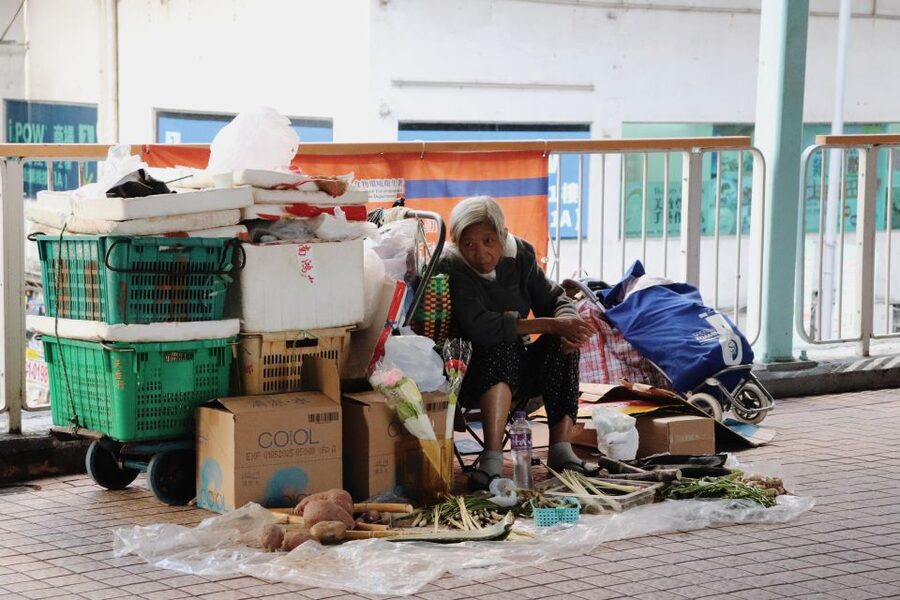
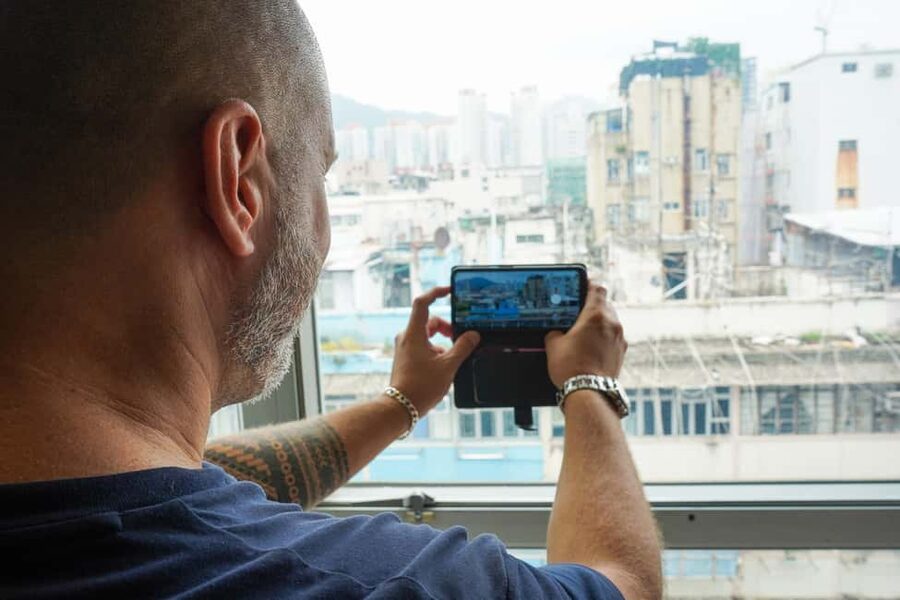
One of the tour’s most unusual features is access to a rooftop slum. From above, you may see hidden dwellings that are easy to miss from street level, set against Hong Kong’s modern skyline.
The view creates one of the tour’s strongest contrasts. Down below are dense streets and old tenements. Beyond them are polished towers and the prosperous image most people associate with Hong Kong. The rooftop setting shows how poverty can remain almost invisible even when it is physically close to wealth.
This stop is also a reminder that space in Hong Kong is valuable at every level. The city uses rooftops, old buildings, narrow rooms, and subdivided interiors because land is scarce and demand is intense.
The rooftop may be one of the more powerful moments, but it also comes with practical limits. You will be climbing stairs and moving through older buildings. If you have limited mobility, this walking tour may not suit you. Wear shoes with a good grip, and be prepared for weather changes.
Caged homes without turning poverty into a show
The caged home is the image most closely associated with this experience. These metal enclosures can serve as entire living quarters for single residents on minimum wage. A bed, storage area, and personal possessions may all fit inside a space closer to a large cage than a conventional room.
The subject is uncomfortable, and the tour does not soften it. At the same time, the better guides keep the focus on systems and human dignity. Ewa, Lesley, Tania, and others specifically praised guides for presenting the subject respectfully rather than exploiting people’s hardship for shock value.
That tone is crucial. You are not being invited to stare at residents. You are being shown how low-income housing can become the final option for someone priced out of ordinary apartments.
The tour also makes clear that the caged-home example is not simply a strange feature of Hong Kong architecture. It connects to wages, rent, migration, available housing, and the lack of affordable options. I appreciate that the discussion leaves room for questions instead of forcing a single emotional response.
Still, this is not an easy subject. If you prefer light cultural walks, markets, or food tours, choose something else. If you want to understand the costs behind Hong Kong’s prosperity, this section is likely to stay with you.
Finishing at SoCo and thinking about solutions

The final stop is SoCo, a local charity that has advocated for marginalized communities for more than 50 years. This gives the tour a needed change of direction. You have spent the morning learning what is wrong, and now you hear about people working for better conditions.
The visit is not presented as a magical fix. Hong Kong’s housing crisis is too large for a short tour or one charity to solve. But ending with an organization that supports rights and advocacy keeps the experience from becoming a parade of grim images.
This is also where you can ask broader questions about the city’s future. What should affordable housing look like? How should land be used? What happens to people who cannot keep pace with rent? The guide’s discussion helps you think beyond the small rooms you have just seen.
Some sessions may offer books or a chance to donate, so carrying a little cash could be useful. The activity fee supports the guided experience, but any donation or purchase is separate.
The tour ends at the North River Street Market and Cooked Food Centre, near Sham Shui Po MTR Station. That is a practical finish. You can continue exploring the district, stop for food, or take the MTR to your next stop.
Is $31 a fair price for two hours?
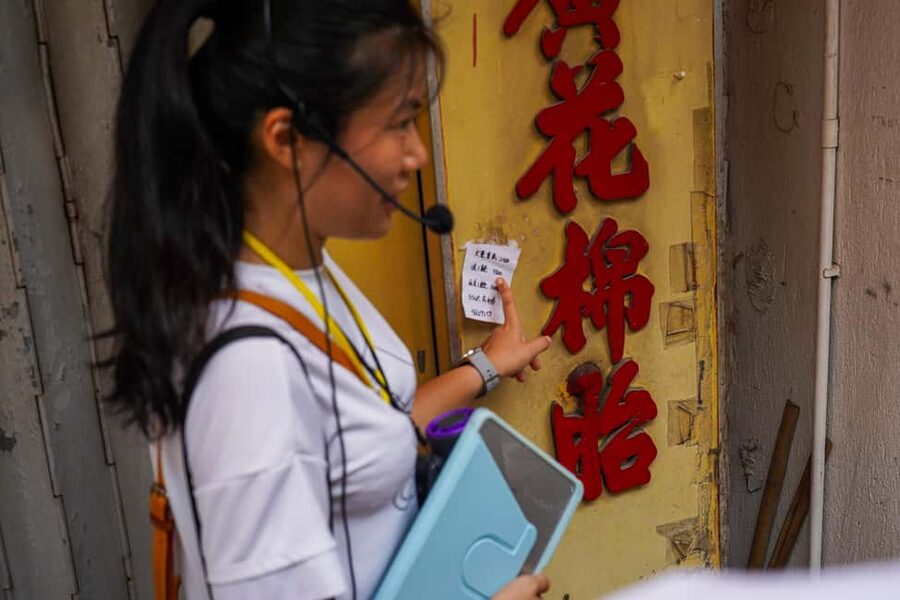
At $31 per person, this is not the cheapest way to spend two hours in Hong Kong. You could walk through Mong Kok and Sham Shui Po on your own for nothing beyond transport and food.
The value comes from access and interpretation. You get a local English-speaking guide, a prepared route, entry to the vacant subdivided flat, the rooftop slum viewpoint, and a discussion at SoCo. More important, you get help connecting land policy and property prices to the rooms around you.
I would call it good value for anyone interested in housing, economics, social policy, or modern Hong Kong. It is less good value if you only want a quick neighborhood stroll or attractive photo spots.
The rating of 4.8 from 790 reviews suggests that the format works for many people, but guide quality remains part of the equation. Names frequently praised include Stephen, Alice, Summer, Michael, Isaac, Wind, Simeone, and Wing Man. The praise is consistent: clear explanations, patience with questions, and care for the people being discussed.
Practical advice for making the walk worthwhile
Allow extra time to find Prince Edward Station Exit D, since the meeting point is inside the station. Check the starting time when booking, and remember that hotel pickup and drop-off are not included.
Wear comfortable shoes. The route uses busy streets, stairs, and older buildings, and it may not work well for anyone with limited mobility. The tour is conducted in English, so you should be comfortable following a fairly detailed discussion in that language.
Weather can affect the walk. If poor weather causes cancellation, you can reschedule or receive a full refund. You can also cancel up to 24 hours ahead for a full refund, and the reserve-now, pay-later option helps if your Hong Kong schedule is still shifting.
I would avoid placing this tour immediately before a relaxed beach outing or a celebratory dinner. The subject matter is heavy, and you may want time afterward to think, eat, or continue exploring Sham Shui Po at your own pace.
Should you book the Hong Kong caged homes tour?
Book it if you want to see how Hong Kong works below the glossy surface. The tour is especially useful for first-time visitors who want social context, and for repeat visitors who have already seen the skyline, harbor, shopping streets, and major sights.
I would also recommend it to anyone interested in economics, urban planning, housing rights, or the gap between wealth and poverty. The vacant flat and rooftop view make the subject tangible, while SoCo adds a practical human-rights angle.
Skip it if you want a cheerful morning, dislike walking through poor neighborhoods, or feel uncomfortable discussing poverty in a tour setting. This is not a standard sightseeing experience, and it should be approached with respect.
For the right person, $31 buys more than a look inside a tiny room. It gives you a sharper understanding of why Hong Kong can feel both extraordinarily successful and painfully hard to live in.
FAQ
Where does the tour begin?
It begins inside Prince Edward MTR Station at Exit D, near Playing Field Road.
Where does the tour finish?
The tour ends at North River Street Market and Cooked Food Centre, near Sham Shui Po MTR Station.
How long does the walking tour last?
The tour lasts two hours.
What language is the tour conducted in?
The live tour guide speaks English.
Will I enter an occupied home?
No. The subdivided flat used for the visit is vacant and maintained by the tour company for educational purposes.
Is the tour suitable for people with limited mobility?
The route includes busy streets, staircases, and older buildings, so it may not be suitable for people with limited mobility.
What happens if bad weather cancels the tour?
You can choose to reschedule or receive a full refund if the tour is canceled because of poor weather.
Just added around the world
- Walking Tour of Boston’s Freedom Trail★ 4.5 · 77 reviews
- Downtown Freedom Trail Walking Tour – History & Architecture★ 4.5 · 194 reviews
- Boston Seafood Lovers Food and History Walking Tour★ 5.0 · 208 reviews
- Boston “Death and Dying” Walking Ghost Tour★ 4.5 · 223 reviews
- Boston Food of the North End Private Walking Tour★ 5.0 · 174 reviews
- Boston Movie Mile Walking Tour★ 4.5 · 119 reviews
- 1 If By Land Walking Tours★ 5.0 · 95 reviews
- Boston History and Freedom Trail Private Walking Tour★ 5.0 · 117 reviews
Tours, compared.

Magical London: Harry Potter Guided Walking Tour
Read our review →
History and Hauntings of Salem Guided Walking Tour
Read our review →
New Orleans Premier Ghost, Voodoo and Vampire Walking Tour
Read our review →
Amsterdam Anne Frank: Small-Group Walking Tour & Local Guide
Read our review →

Edinburgh Castle: Guided Walking Tour with Entry Ticket
Read our review →
Anne Frank’s Story – Guided Walking Tour through Amsterdam
Read our review →