
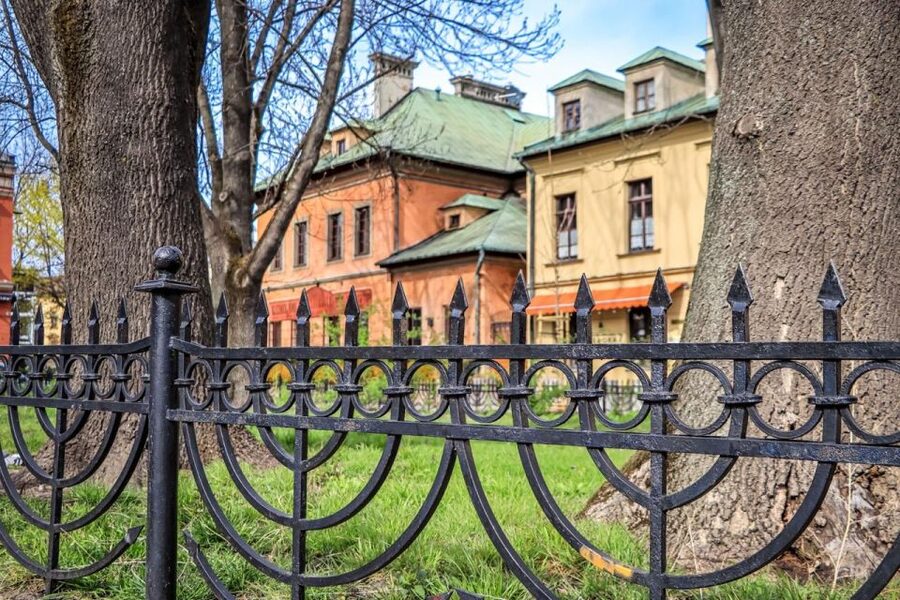
Review · JEWISH HERITAGE WALKING TOURS
Jewish Krakow Walking Tour in English
Kraków’s Jewish story rewards a slower walk. I like the way this 150-minute tour links Kazimierz with Podgórze, moving from Jewish life before the war to the Holocaust and the community’s present-day return. I also like its strong storytelling, praised by guests who enjoyed guides such as Max, Maciek, Pawel, Lucy, and Krzysztof. The main drawback is that the walk can finish across the river from the starting point, and two and a half hours on cobblestones may feel long for some people.
You meet on the stairs in front of the Old Synagogue, on the main street of Kraków’s Jewish quarter. From there, an English-speaking local guide sets the scene with a carefully prepared narrative, not just a string of dates and buildings. The tour covers difficult material, so it suits you best if you want context and reflection rather than a light sightseeing stroll.
Key points to know before you go
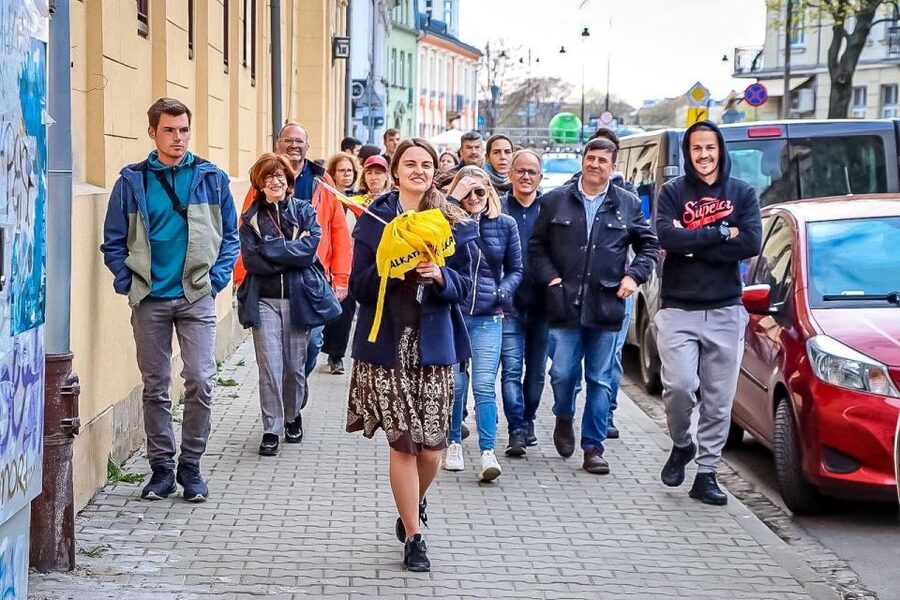
- Seven surviving synagogues: Kazimierz’s old synagogues help you picture the district as a center of Jewish life before World War II.
- Two districts, one connected story: The walk begins in Kazimierz and continues toward Podgórze, the former Jewish ghetto.
- Holocaust history on city streets: You learn where wartime persecution and destruction took place, with buildings and streets providing the setting.
- Strong guide-led storytelling: Guides including Max, Maciek, Pawel, Lucy, and Mateusz have been praised for clear explanations, humor, and care.
- A practical mid-tour pause: Some departures include time for coffee or a drink, a welcome break during a serious and lengthy walk.
- Good value at $26: The price covers the reservation and guide payment, making this a relatively inexpensive way to gain context you would likely miss alone.
Starting beside the Old Synagogue in Kazimierz
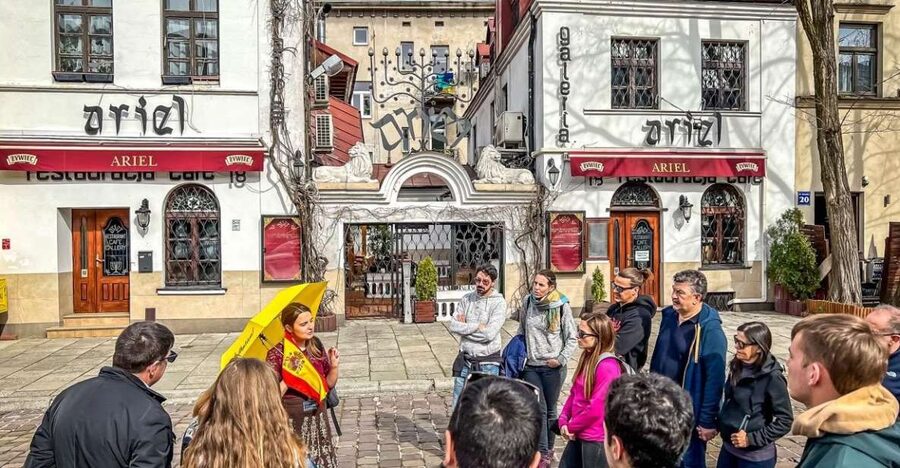
The meeting point is easy to identify once you are on the main street of Kazimierz: look for the stairs in front of the Old Synagogue. Arrive 10 minutes early. One person had trouble finding the meeting point in rainy weather, although the guide redirected the group quickly, so give yourself extra time if the weather is poor.
Kazimierz is the natural place to begin. Before World War II, Kraków was home to one of the largest Jewish communities in the world, and this district was its center. The streets and religious buildings give the opening part of the tour a clear physical setting.
You are not simply looking at old façades. The guide explains how the local Jewish community developed, how religious and cultural life shaped the district, and why the area matters to Kraków today. That background is important because the later wartime story becomes more understandable when you first learn what was lost.
The district contains seven ancient synagogues that survived the destruction of World War II and the Holocaust. The tour uses these buildings as evidence of an earlier community, rather than treating them as isolated photo stops. You gain a sense of Kazimierz as a lived-in Jewish neighborhood, not merely a historic quarter.
More Jewish Heritage Walking Tours in Poland
- Krakow: Kazimierz Jewish Quarter Walking Tour
★ 4.8 · 571 reviews - Krakow: Jewish Ghetto Walking Tour
★ 4.6 · 349 reviews - Krakow: Jewish Quarter Guided Walking Tour
★ 4.8 · 119 reviews
Seven synagogues and the story before 1939
The synagogues are the strongest visual part of the Kazimierz section. Even if you have read about Kraków’s Jewish population, the concentration of old religious buildings makes the subject more immediate. Their survival is striking, but the guide’s explanation of what once surrounded them is just as important.
Expect the focus to be on historical context rather than a full interior visit. One person specifically wished the tour included a short visit to a working synagogue. That is a fair limitation to keep in mind: this is a walking and interpretation tour, not a synagogue access tour.
I like this approach for a first visit because it gives you a framework. You learn to read the district through its streets, synagogues, and former community spaces. You also hear about the Jewish culture that is returning to contemporary Kraków, including the small but active Jewish community that remains today.
The best guides add personality without making light of painful subjects. Maciek was praised for passionate storytelling, while Pawel was appreciated for his care and grasp of the area. Other guides, including Natalia, Damian, Michael, and Johanna, were praised for mixing warmth, humor, and clear explanations.
That range matters. A serious subject can become flat if the guide only recites facts. Here, the strongest departures appear to give you a person who can answer questions, keep the group moving, and explain why each place matters.
From Jewish life to the destruction of World War II
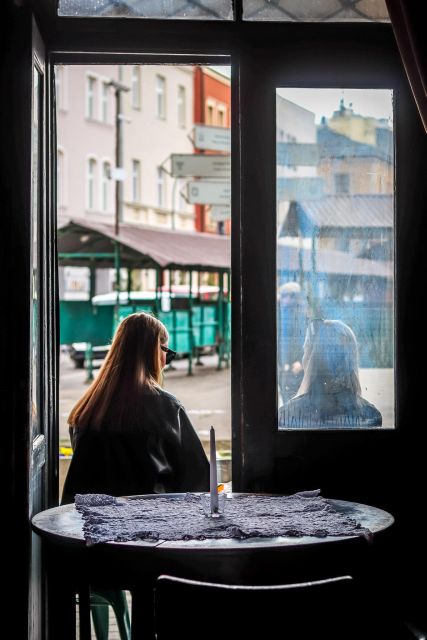
The tour then shifts from the prewar community to the destruction brought by World War II and the Holocaust. This change in tone is central to the experience. You are asked to understand both the life that existed before the war and the machinery of persecution that destroyed it.
The route focuses on places connected with the Jewish community and the Holocaust in Kraków. The value is not in seeing grand memorials alone. It is in learning how ordinary streets and buildings became part of a tragic period between 1941 and 1943.
The supplied route description connects Kazimierz with Podgórze, the area of the former Jewish ghetto. That transition gives the history a physical direction. You leave the old Jewish district and move toward the area where Kraków’s Jewish population was forced into the ghetto.
This section can be emotionally heavy. The guide discusses death and destruction directly, but the tour also returns to Jewish culture and life. That balance helps prevent the experience from becoming only a sequence of grim facts. You see a community before the war, the damage inflicted during the war, and signs of cultural renewal today.
If you plan to visit Auschwitz, this walk can provide useful preparation. One person took the tour before visiting Auschwitz and felt the background was important. The tour does not replace Auschwitz, but it can help you understand Kraków’s local story before confronting the larger camp system.
Podgórze and the former Jewish ghetto
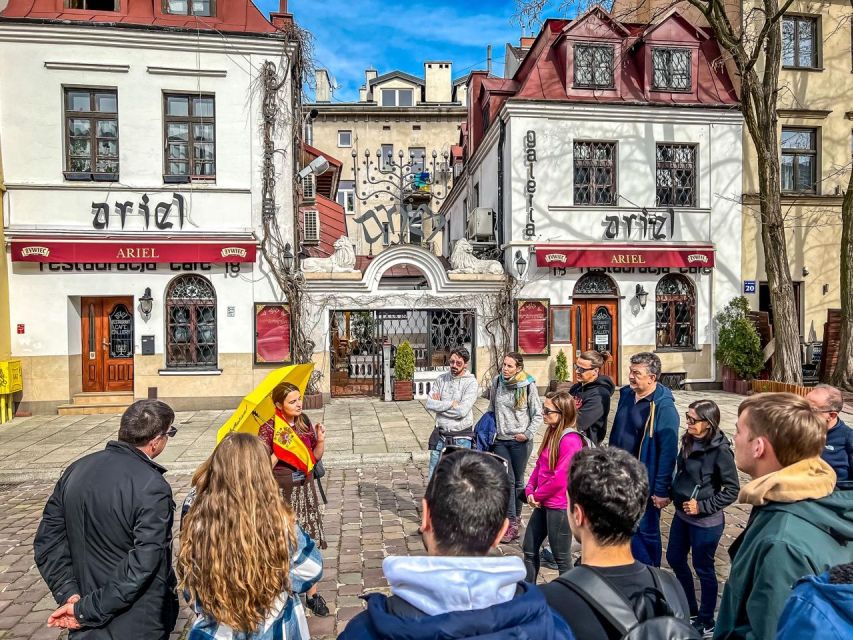
Podgórze is where the tour’s historical message becomes especially direct. It was the site of Kraków’s former Jewish ghetto, and original buildings still carry the memory of events from 1941 to 1943.
You learn where the Holocaust took place in Kraków, rather than hearing about it as something distant and abstract. The value here comes from the connection between the guide’s words and the urban setting around you. Streets, walls, and surviving structures help you understand the ghetto as a real part of the city.
One useful warning concerns the route’s ending. The group starts at the Old Synagogue but may finish across the river in or near Podgórze. One person expected to return to the starting point and was surprised to finish some distance away. You should be ready to make your own way back afterward.
Another person wished the tour had included a surviving section of the ghetto wall, located roughly 200 meters farther from the endpoint. This is a specific point worth checking with your guide on the day. If the wall matters to you, ask whether the route will pass it before the group disperses.
That small omission does not erase the strength of the Podgórze section, but it shows why you should read the walk as an overview rather than a complete visit to every Holocaust site in Kraków.
More Jewish Heritage Walking Tours in Krakow:
- Krakow: Jewish Ghetto Guided Walking Tour
★ 4.7 · 78 reviews - Krakow: 2h Kazimierz (Jewish Quarter) Walking Tour
★ 4.5 · 75 reviews - Amsterdam Anne Frank: Small-Group Walking Tour & Local Guide
★ 4.8 · 12,789 reviews - Anne Frank’s Story – Guided Walking Tour through Amsterdam
★ 5.0 · 11,619 reviews
A serious walk with a useful coffee break
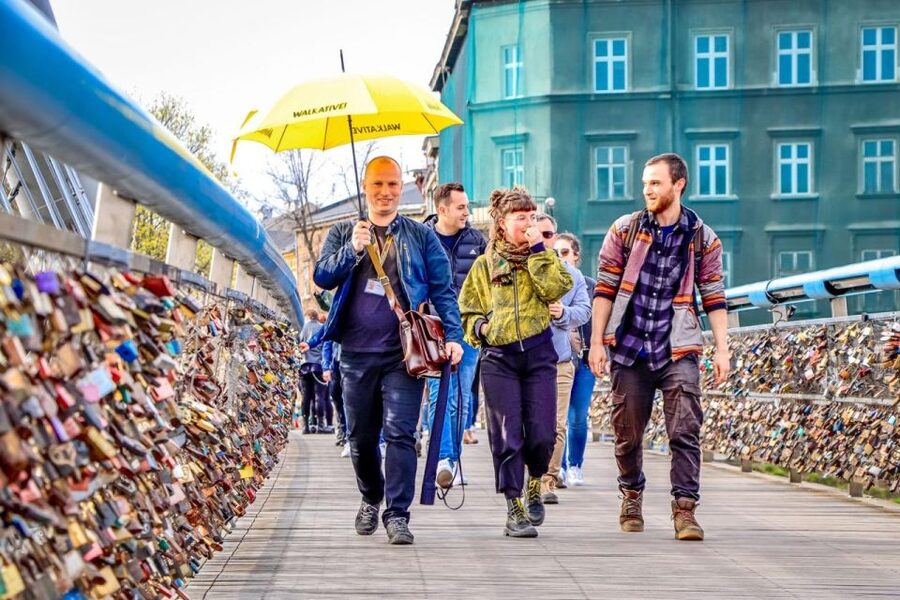
Two and a half hours is a substantial amount of time for a walking tour. The pace appears manageable for many people, and one person called it perfectly paced and not too strenuous. Still, the route uses cobblestones, and comfortable shoes are essential.
A mid-tour break can make a real difference. One group stopped at a pleasant bar for mulled wine on a gray afternoon, while another group had time for coffee before continuing. These pauses are not guaranteed as a fixed attraction, but the experience may include a chance to sit and rest.
That break also helps with the emotional weight of the subject. You get a moment to collect yourself before moving into the next part of the story. If you are traveling with a young child, plan carefully. A four-year-old became tired and the family stopped after the coffee break, even though they would have liked to continue.
The walk is listed as wheelchair accessible, but the mention of cobblestones is still worth noting. Accessibility in a historic district can feel different from accessibility on a smooth modern pavement. If you have particular mobility needs, confirm the exact route and stopping points before you go.
Why the $26 price offers good value
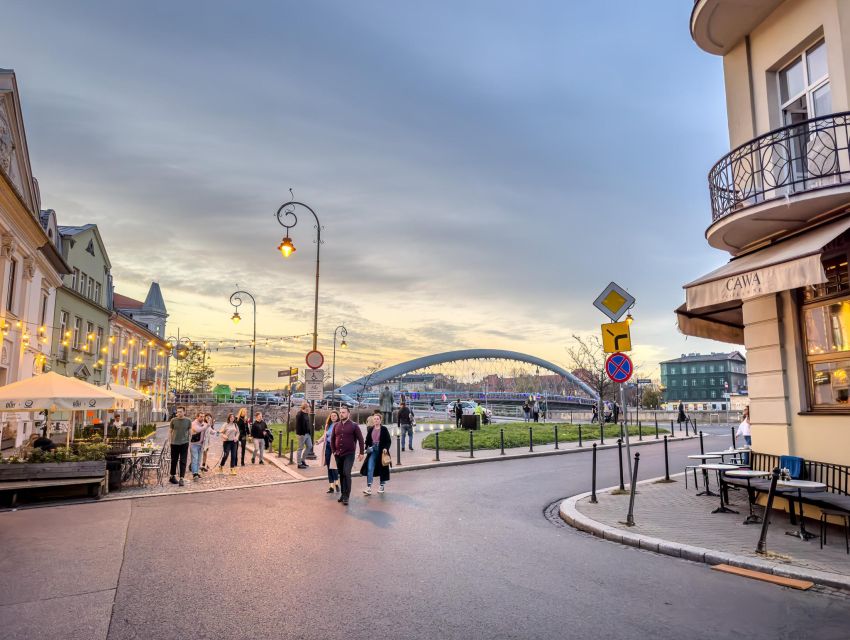
At $26 per person, this is a good buy if you want historical explanation rather than a quick drive past the sights. A self-guided walk costs less, but you would need to research the community, identify the significant places, and connect Kazimierz with Podgórze yourself.
The tour’s price structure needs a little attention. It is described as a general pay-as-you-wish tour, but the amount paid when booking covers the reservation fee and the guide’s payment. One person was confused about paying the guide after already paying online. Read the booking terms carefully so you understand what is included and what, if anything, is expected at the end.
You receive an expert local guide and a carefully constructed narrative. Snacks, hotel pickup, and hotel drop-off are not included. Those omissions are easy to manage because you meet in the city center, but you should eat beforehand or bring water if you prefer not to pause for refreshments.
The value is strongest for a first visit to Kraków. If you already know the history and have visited the synagogues, ghetto area, and related museums, the tour may repeat some material. For most people, though, the guide’s interpretation is the reason to book.
The guides make or break this experience
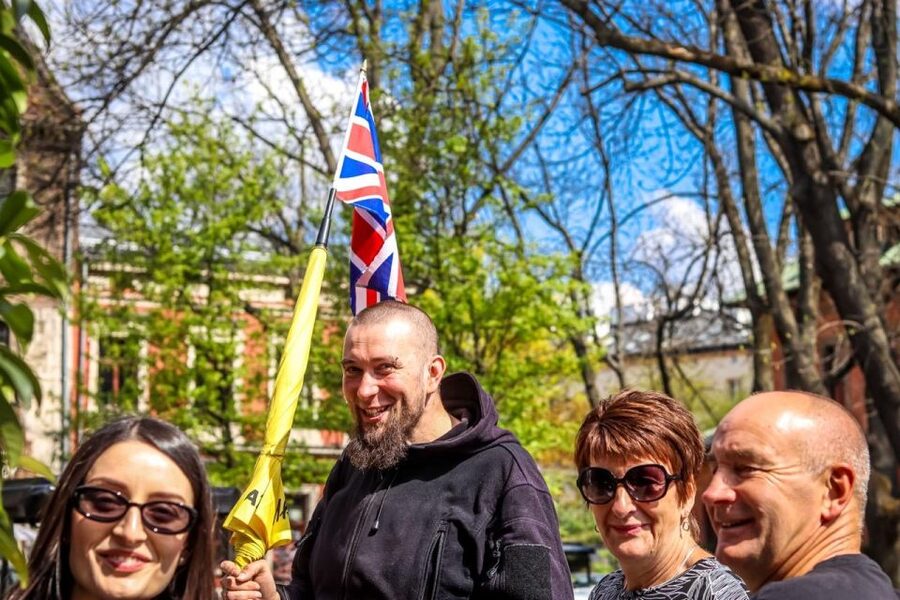
The strongest pattern in the feedback is praise for the guides. Max was repeatedly described as engaging, passionate, and well informed. Maciek received especially warm praise for his storytelling and personal commitment to the subject.
Other guides also made a strong impression. Lucy answered questions clearly, Krzysztof explained the material without becoming dull, and Matthew added friendliness and humor. Pawel was praised for his command of the area and for caring about what he described.
Guide quality can vary on any scheduled walking tour, so I would not book expecting one particular person unless the operator confirms the name. Still, the number of positive comments about different guides suggests a solid training approach rather than one lucky personality.
The best guide style here is not theatrical. You want someone who can explain difficult history with respect, keep the group involved, and allow quiet moments when needed. The most successful comments point to exactly that combination.
Who should book the Jewish Krakow Walking Tour?
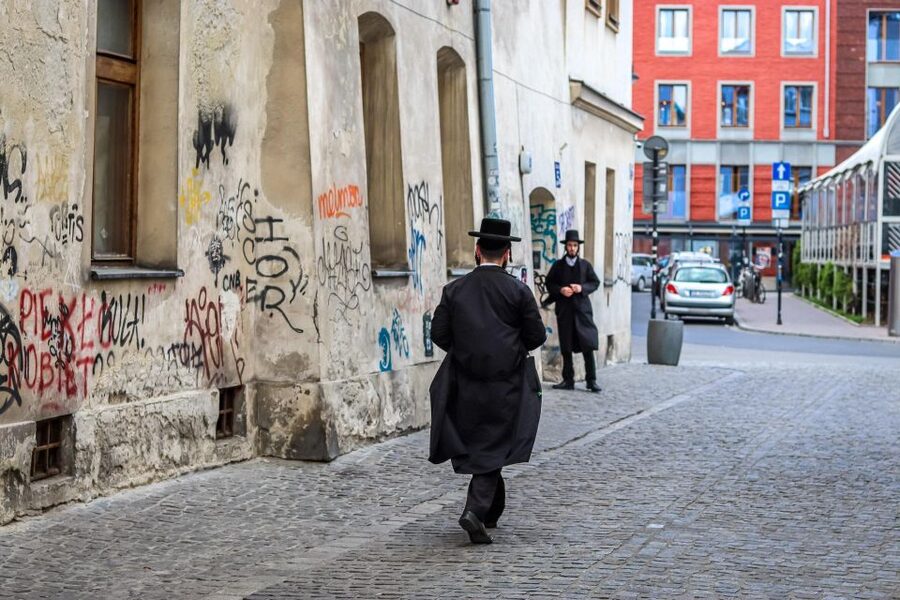
I would choose this tour if you want to understand Kraków’s Jewish quarter instead of merely photographing it. It is especially useful early in your stay, before visiting Auschwitz or exploring Kazimierz on your own.
It suits adults and older children who can manage a 150-minute walk and engage with Holocaust history. Families with very young children should think carefully about the length and subject matter. The included break may help, but it is still a serious tour.
You should also book it if you value local explanation over private touring. The experience is in English, uses a live guide, and appears designed for a general group rather than a private family itinerary.
I would skip it if you want to enter several synagogues, return to the starting point, or visit every important ghetto remnant. The tour may not include a working synagogue visit, and the surviving wall section may not be part of the route. Those are reasonable limits for a broad walking overview, but they matter if you have a very specific checklist.
Final verdict: book it for context and human storytelling

I recommend the Jewish Krakow Walking Tour in English for most first-time visitors who want a serious, clear introduction to Kazimierz and Podgórze. The $26 cost is fair, the route connects two essential districts, and the guide-led story gives meaning to places you could easily pass without noticing.
Wear comfortable shoes, arrive early at the Old Synagogue, and prepare for an ending away from the starting point. If you want Jewish life before the war, the Holocaust in Kraków, and the city’s modern Jewish renewal in one walk, this is a sensible choice. If you need a shorter, lighter outing or a tour built around synagogue interiors, choose something more specialized.
FAQ
How long does the Jewish Krakow Walking Tour last?
The tour lasts 150 minutes, or two and a half hours.
What language is the tour conducted in?
The tour is conducted in English with a live guide.
Where does the tour meet?
The meeting point is on the stairs in front of the Old Synagogue, on the main street in Kraków’s Jewish quarter.
How early should I arrive?
You should arrive 10 minutes before the tour begins.
Does the tour visit Kazimierz?
Yes. The tour explores Kazimierz, Kraków’s historic Jewish district, including its Jewish heritage and ancient synagogues.
Does the tour cover the former Jewish ghetto?
Yes. The route includes Podgórze, the area of Kraków’s former World War II Jewish ghetto.
Are hotel pickup and drop-off included?
No. Hotel pickup and drop-off are not included.
Are snacks included?
No. Snacks are not included, although the tour may include a break for coffee or a drink.
Is the tour wheelchair accessible?
The activity is listed as wheelchair accessible.
Can I cancel for a full refund?
Yes. You can cancel up to 24 hours before the activity for a full refund.
Just added around Krakow
- Krakow: Jewish Quarter Guided Walking Tour★ 4.8 · 119 reviews
- Krakow: Old Town Guided Walking Tour★ 4.6 · 94 reviews
- Krakow: Old Town Highlights Walking Tour★ 4.5 · 173 reviews
- Krakow: Street Food Walking Tour★ 4.8 · 285 reviews
- Kraków: Old Town & Wawel Castle Walking Tour in English★ 4.8 · 532 reviews
- Krakow: 2h Kazimierz (Jewish Quarter) Walking Tour★ 4.5 · 75 reviews
- Krakow: Legends and Tales of Old Town Walking Tour★ 4.8 · 227 reviews
- Krakow: Spooky Tales Guided Walking Tour★ 4.6 · 164 reviews
Jewish Heritage Walking Tours, compared.

Amsterdam Anne Frank: Small-Group Walking Tour & Local Guide
Read our review →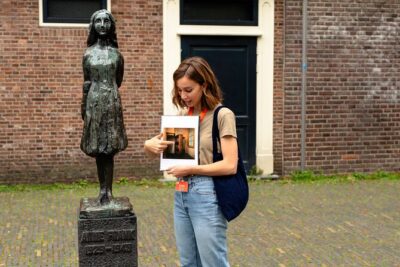
Anne Frank’s Story – Guided Walking Tour through Amsterdam
Read our review →
Jewish Quarter Walking Tour with Admission Tickets
Read our review →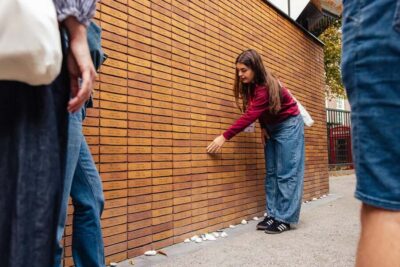
Anne Frank Guided Walking Tour in DE/EN/IT/ES
Read our review →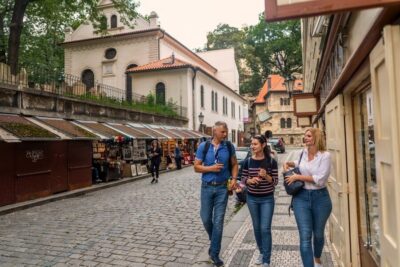
Old Town and Jewish Quarter Guided Walking Tour
Read our review →
Anne Frank Walking Tour Amsterdam Including Jewish Cultural Quarter
Read our review →
Anne Frank’s Last Walk & See Anne Frank House in Virtual Reality
Read our review →Browse the lists this tour appears in