
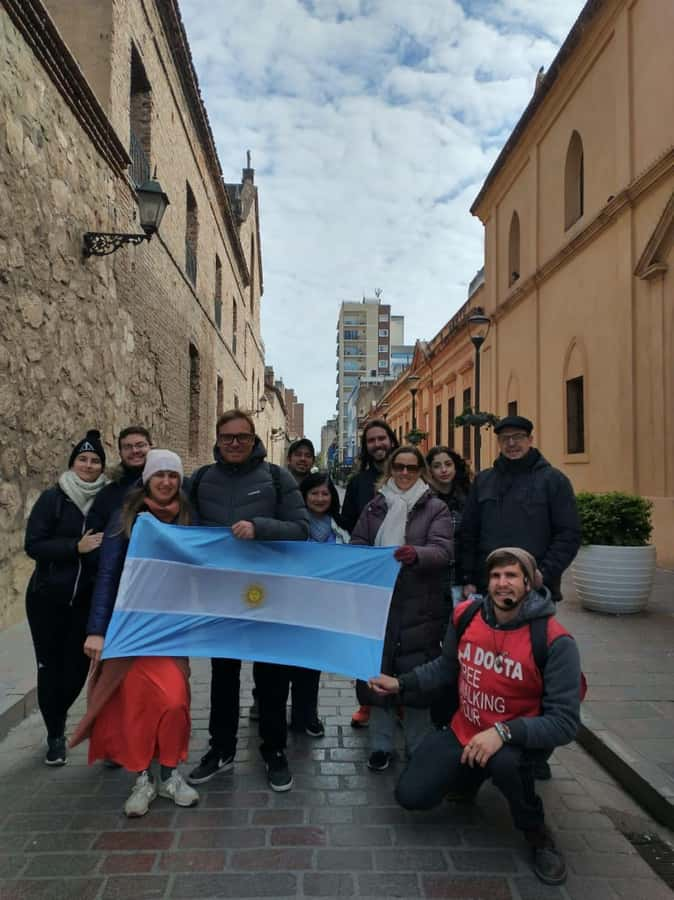
Review · FREE WALKING TOURS
La Docta Free Walking Tour “Córdoba La Antigua”.
Córdoba’s old center rewards curious walkers. I like the tour’s clear historical route, which links colonial buildings, Jesuit landmarks, and modern city life in 150 minutes. I also like the lively guide style: Tomy, Tomas, Valeria Velez, and Aldy have each been praised for humor, warmth, strong explanations, and helping the group connect.
The main drawback is the walking pace and the extra museum costs. You cover many stops in two and a half hours, and admission to museums is not included. The small booking deposit is only $0.50, but the final price is up to you, so you should plan to pay a fair tip at the end.
Key details before you go
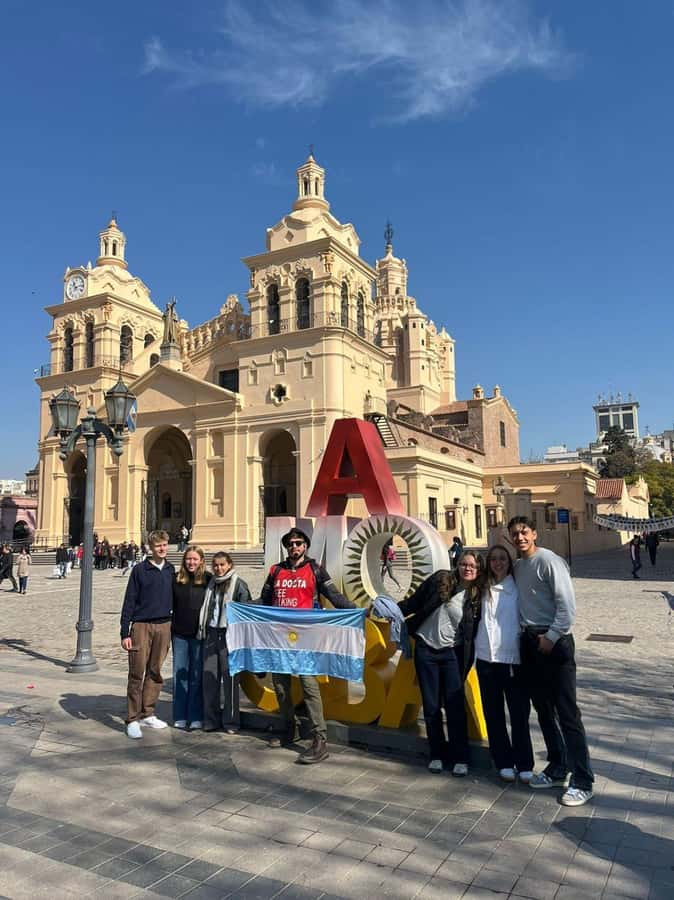
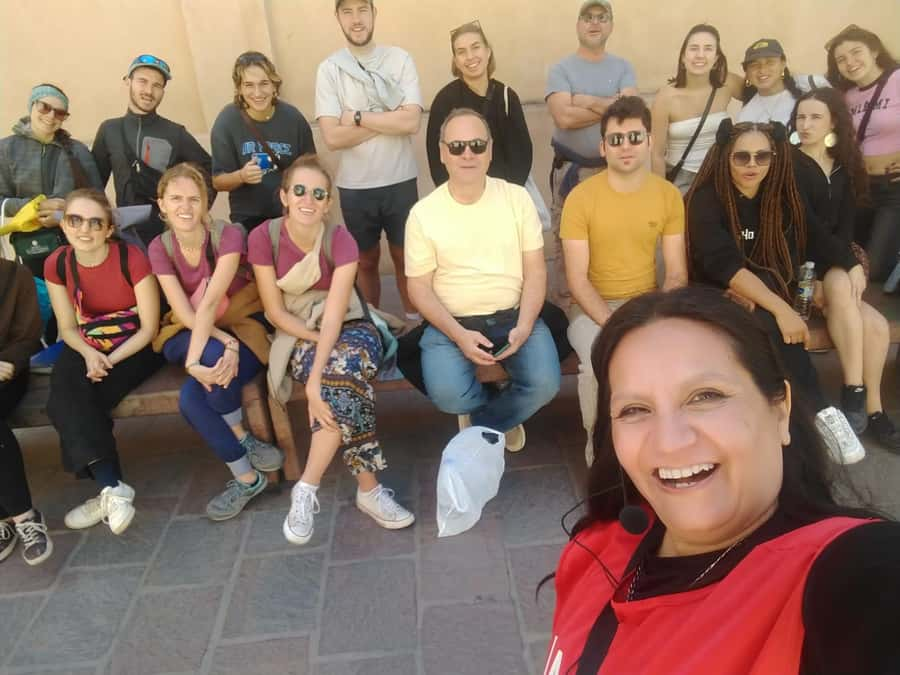
- Meet beside the statue in Plaza San Martin: Look for the guide wearing a red T-shirt.
- See Córdoba’s historic core on foot: The route includes the Cathedral, Cabildo, Jesuit Crypt, Sobremonte house, and more.
- Expect 150 minutes of guided walking: The tour finishes at Patio Olmos shopping mall.
- Pay what you think the tour is worth: A $0.50 deposit reserves your place, then you choose the final amount.
- Choose English or Spanish: Live guides lead the tour in both languages, with some material presented in its original language.
- Bring water and comfortable shoes: There are several stops, but the experience remains a city walk rather than a bus tour.
Why this is a smart first look at Córdoba
Córdoba can feel hard to read at first. Its central streets mix colonial churches, university buildings, government offices, shopping arcades, and newer city life. A walking tour gives those pieces an order.
La Docta Free Walking Tour begins in Plaza San Martin, the natural starting point for understanding the city center. From there, you move through places tied to Córdoba’s founding, colonial period, religious institutions, political life, and present-day culture.
I like this format because it does not treat each building as an isolated photo stop. The route connects them. The Cathedral leads naturally toward the Cabildo. The Jesuit Crypt helps explain the city’s religious past, while the university buildings show why Córdoba became such an important center of learning.
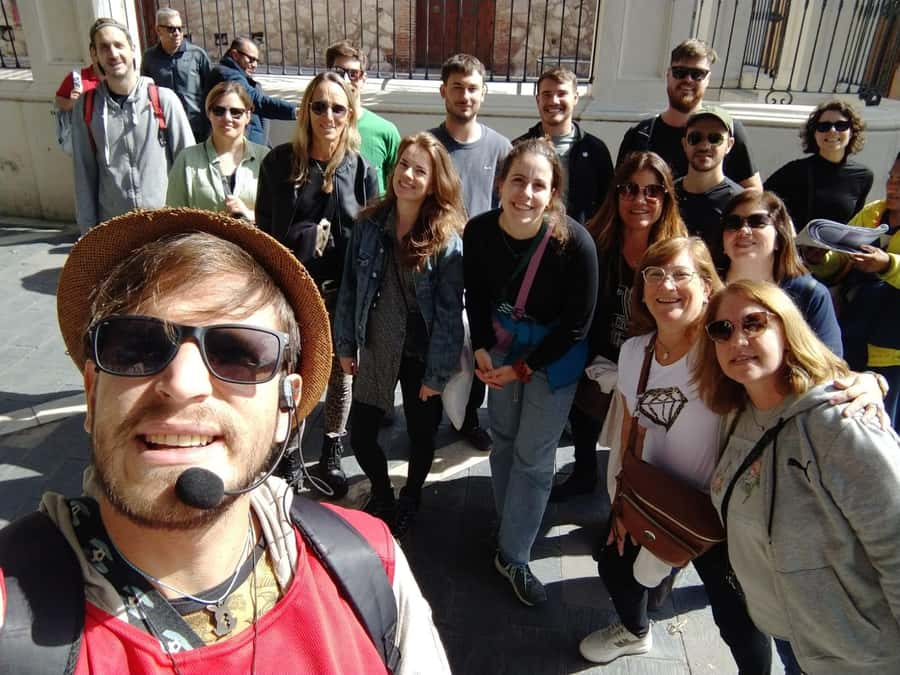
The group setting also adds something useful. You share the walk with people from different countries, and several guides use humor, questions, games, and conversation to keep the experience social. Valeria Velez was especially praised for adding games and helping people get to know one another. That can make a long walking tour feel less like a lecture.
More Free Walking Tours in the world:
- Paris City Center Free Walking Tour (Tip-Based)
★ 5.0 · 1,340 reviews - Budapest Historical Sightseeing – Free Walking Tour
★ 5.0 · 1,302 reviews - Downtown Asheville Tip-Based Sightseeing Walking Tour
★ 5.0 · 360 reviews
Meeting at Plaza San Martin in the red T-shirt
Your meeting point is next to the statue in Plaza San Martin. The guide wears a red T-shirt, which gives you a simple visual marker in a busy central square.
Arrive ready to walk. The route lasts about two and a half hours, and the tour ends at Patio Olmos, not back at the starting point. That is useful if you want to continue shopping, eating, or exploring from a different part of central Córdoba.
The tour is offered in English and Spanish. If you need English, it is worth confirming the starting time and language when you reserve. The guides have received strong praise for clear English, including Tomy and Tomas, while some guides also speak with people in their native languages when possible.
This is not a private visit. You share the guide’s attention with a group, which helps keep the price flexible but can make the experience feel less tailored. The upside is the chance to meet other people and hear questions you might not think to ask.
UNC Historical Museum and the Jesuit block
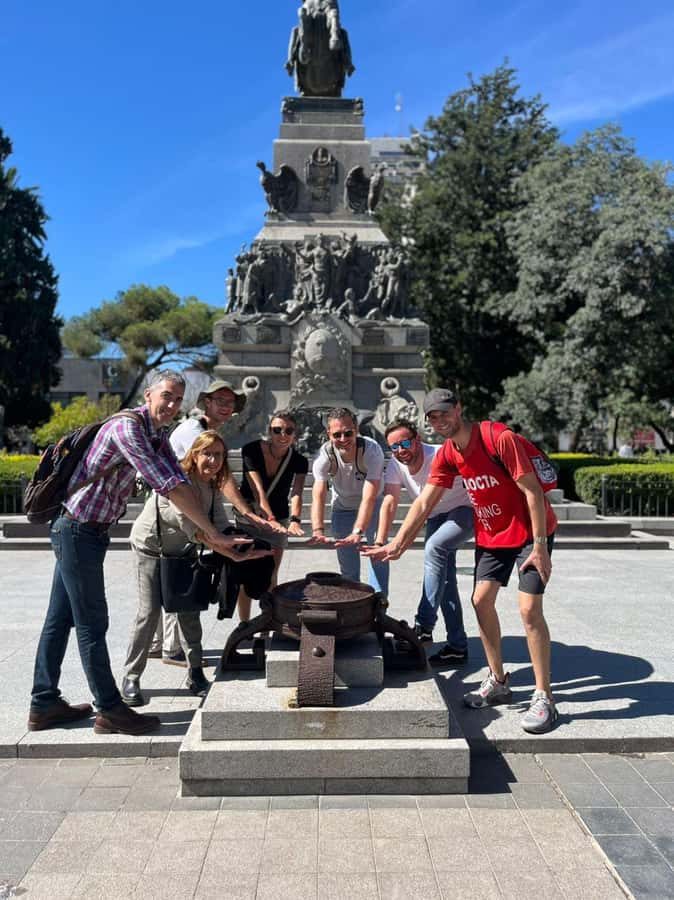
The first major stop is the UNC Historical Museum in the Jesuit block, often known as the Manzana Jesuítica. You have about 15 minutes here, including a photo stop and guided explanation.
This is one of the most important areas on the route because it links Córdoba’s religious and educational identities. The University of Córdoba is part of the city’s long story, and the Jesuit block gives you a look at the institutions that shaped local life.
Do not expect a full museum visit during this short stop. The tour does not include museum admission, and the schedule is designed to give you an introduction rather than an exhaustive look at every room. If this area interests you, note it as a place to revisit later.
I like having this stop near the beginning. It gives you a frame for the rest of the walk: Córdoba is not only a colonial city with old facades. It is also a university city whose institutions still affect its character.
Cabildo and the civic heart of Córdoba
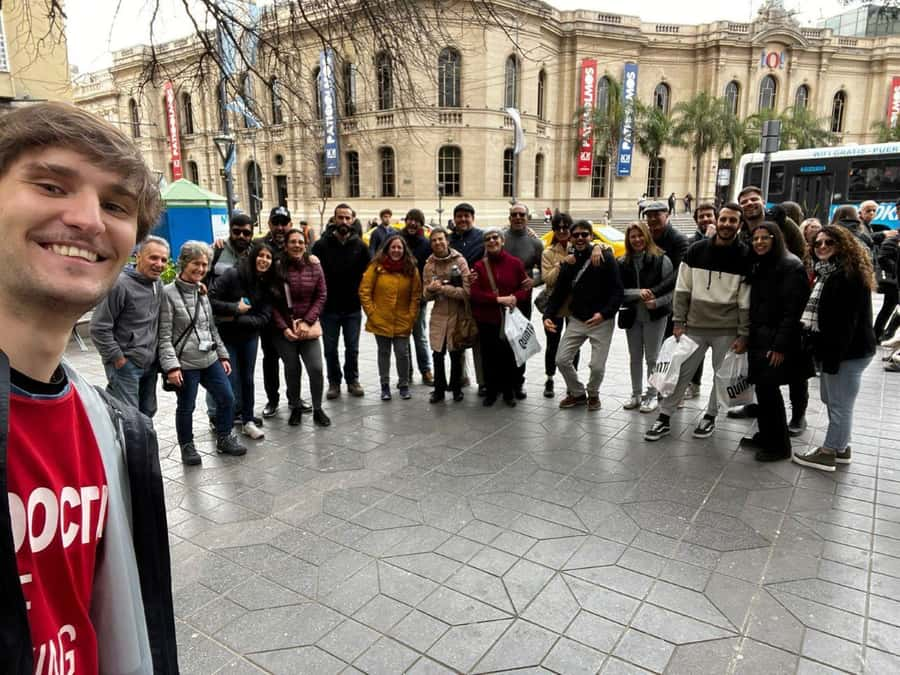
The Cabildo receives about 10 minutes. This historic building represents the city’s civic and administrative past, making it a useful counterpoint to the religious sites nearby.
Your guide explains what happened here and why the building matters, while you get time to look at its exterior and absorb the setting. The short visit is practical because the route has many stops, but it also means you should listen closely. Ten minutes passes quickly.
This is where a strong guide makes a real difference. Several guides, including Tomas and Tomy, have been praised for focusing on key moments rather than overwhelming the group with dates. That is the right approach for a city introduction. You need a clear story first, then you can return for more detail.
A few more walks around the world worth a look
- Magical London: Harry Potter Guided Walking Tour
★ 4.7 · 22,044 reviews - Reykjavik Food Walk – Local Foodie Adventure in Iceland
★ 5.0 · 18,952 reviews - History and Hauntings of Salem Guided Walking Tour
★ 5.0 · 14,564 reviews - New Orleans Premier Ghost, Voodoo and Vampire Walking Tour
★ 4.5 · 12,856 reviews
Córdoba Cathedral and Plaza San Martin
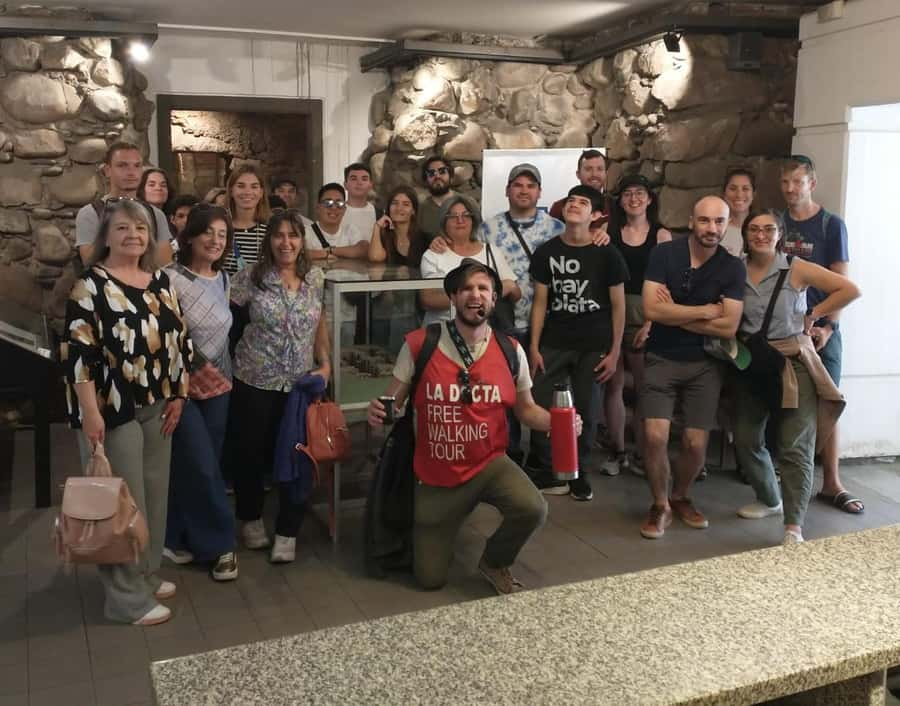
The Cathedral of Córdoba, Nuestra Señora de la Asunción, is another 10-minute stop. Its location near Plaza San Martin makes it one of the easiest landmarks to include in a first walk around the city.
You will hear about the building’s place in Córdoba’s religious and civic life. The cathedral also helps you understand the scale of the historic center, since so much of the route unfolds within a compact area around the plaza and nearby streets.
The time here is enough for an introduction and photographs, but not for a slow architectural study. If you care about church interiors, architecture, or religious art, you may want to return independently after the tour.
The value of seeing it with a guide is context. A large old church can otherwise become just another stop on a phone camera. The guide helps explain how it fits into the city’s development.
The Jesuit Crypt below the modern street
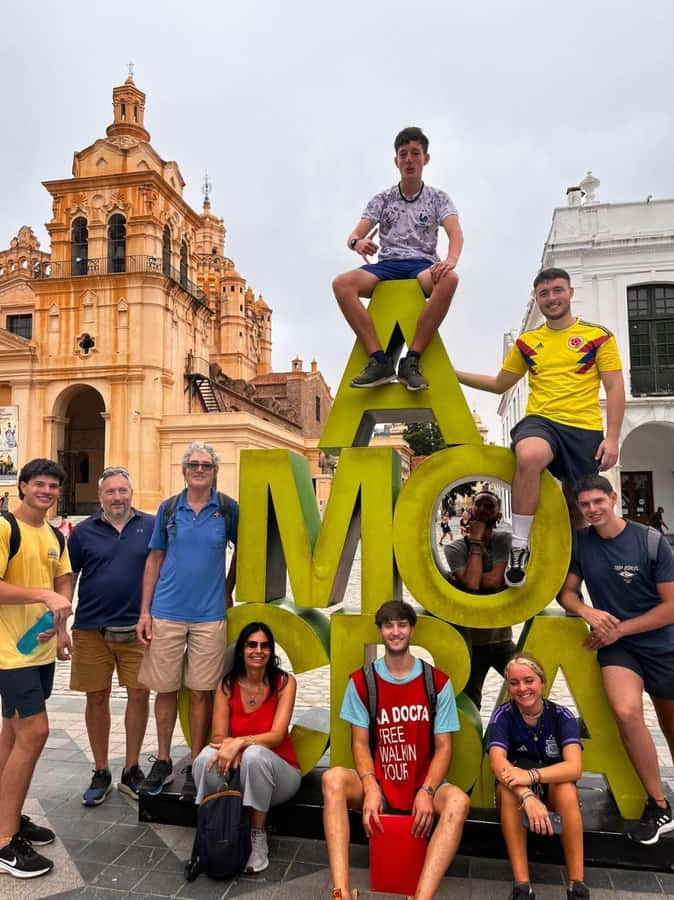
The Jesuit Crypt provides one of the route’s more unusual stops. It brings you below street level and adds a different kind of historic setting to the churches and civic buildings above.
You receive about 10 minutes here. That is enough to understand the site’s basic importance and notice how much of Córdoba’s past sits beneath its present-day streets.
Because the crypt is a separate type of space, it breaks up the walk nicely. You are not looking at one facade after another. Still, the brief stop means the guide’s explanation carries much of the experience. Stay near the group and listen for the details that explain how this place relates to the Jesuit presence in Córdoba.
The Marquis of Sobremonte’s house
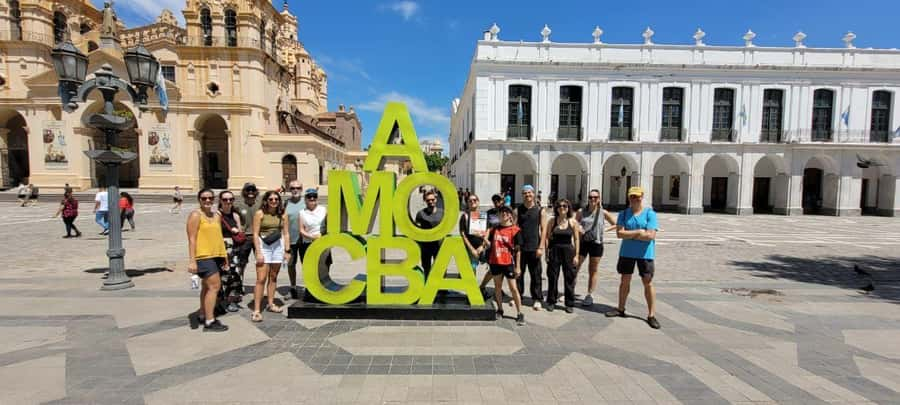
The Marquis of Sobremonte Provincial Historical Museum gets another 10-minute visit. The house connects the tour to one of Córdoba’s prominent colonial-era figures and gives you a sense of how elite domestic life once fit into the city.
Museum admission is not included, so the guided stop should be viewed as an introduction. If the museum is open and you want to go inside at greater length, you may need to arrange that separately.
This is a good example of the tour’s overall design. You get a broad look at several kinds of history: religious, political, educational, and domestic. You will not study any one place in great depth, but you leave with a better map of what Córdoba offers.
The Church of the Society of Jesus
The Church of the Society of Jesus receives about 15 minutes, one of the longer stops on the route. That extra time makes sense. The church is central to Córdoba’s Jesuit story and one of the key historic buildings in the old center.
Here, the guide can slow down and explain more than at the 10-minute stops. Look closely at the architecture and the details around the church. One participant with an interest in masonry especially appreciated the old brickwork and archways around Córdoba, so this stop may appeal to anyone who likes construction details as much as formal history.
The church also helps bring earlier stops together. After seeing the Jesuit block and crypt, you have more context for the role of the Jesuits in the city. This is one of the places where the route feels most connected rather than simply sequential.
The National College of Monserrat
The National College of Monserrat is scheduled for about 10 minutes. Along with the nearby university museum, it shows the importance of education in Córdoba’s identity.
You see another side of the city here, one shaped by schools, institutions, and intellectual life. The building is not just an attractive old structure. It belongs to the story of how Córdoba became known as a center of learning.
The visit is short, so expect an outside explanation or brief stop rather than a full academic tour. Still, it gives you a useful final piece of the historical puzzle before the walk moves toward the modern end point.
Finishing at Patio Olmos
The tour ends at Patio Olmos shopping mall. This is a practical finish because you can continue your day from there instead of retracing your steps to Plaza San Martin.
The contrast is useful. You begin among central civic and religious landmarks, then finish in a modern shopping setting. That movement mirrors the tour’s wider theme: Córdoba is an old city still used as a living place, not a preserved stage set.
From Patio Olmos, you can decide what kind of afternoon you want. The tour itself does not include a meal or shopping activity, but the location gives you an easy place to pause after two and a half hours on foot.
The guides are a major part of the value
The strongest part of this experience is the human delivery. Tomy and Tomas are repeatedly praised for being funny, energetic, friendly, and clear. One description of Tomy highlighted his ability to speak with people in their native languages, while Tomas was praised for making the old town easy to understand.
Valeria Velez received especially warm praise for her emotional connection to the city, her answers to questions, and her use of games to help the group socialize. Aldy was described as full of life and highly entertaining.
Guide quality can vary from one departure to another, so you should not book expecting one specific person unless the operator confirms it. Still, the pattern is clear: this is designed as a lively, people-focused tour rather than a dry recitation of dates.
That style will suit you if you like stories, jokes, questions, and local perspective. If you prefer to move silently at your own pace and spend 30 minutes inside every building, you may find the format too brisk.
Price, timing, and what you actually receive
The booking deposit is $0.50 per person, but the tour does not have a fixed final price. You decide what to pay at the end. That arrangement can offer excellent value if the guide gives you a useful introduction to Córdoba.
I would treat the deposit as a reservation charge, not as the full cost. Bring enough money to give a fair tip based on the length, language, guide quality, and amount of information you receive.
The 150-minute duration is long enough to cover the historic core without taking your entire day. You visit at least nine major places, though several are short stops. The tradeoff is clear: broad coverage instead of long visits.
Museum admission is not included. If you want to enter the museums rather than simply see them as part of the route, budget separately. Comfortable shoes and a drink are sensible because the experience is entirely built around walking and standing.
You can cancel up to 24 hours in advance for a full refund, and the reserve-now, pay-later option keeps your plans flexible. Starting times vary, so check availability before you commit your morning or afternoon.
Who should book this Córdoba walking tour?
I would recommend it to first-time visitors who want a quick orientation before exploring Córdoba alone. It is also a good match for solo visitors and couples who like meeting people from different countries.
History fans will appreciate the number of colonial and Jesuit sites packed into one route. Architecture fans should pay attention to the churches, old brickwork, arches, and institutional buildings. You will also get local sounds, tastes, and planned surprises, although the exact details are not specified in advance.
Families and older walkers should consider the two-and-a-half-hour length and the number of standing stops. The tour is not described as difficult, but comfortable shoes and water are important.
I would skip it if you want a private guide, a slow museum visit, or a tightly fixed price. The pay-what-you-want model asks you to make your own judgment at the end.
Should you book La Docta Free Walking Tour?
Yes, if you want a friendly introduction to Córdoba’s historic center at very low upfront cost. The route covers the city’s main colonial, religious, civic, and educational landmarks, and the best guides add humor and personal warmth.
Book it early in your visit, then use the route to choose which places deserve a second look. Just remember that the $0.50 deposit is not the whole payment, museums cost extra, and the walk moves at a steady pace. For a first look at Córdoba, that is a fair trade.
FAQ
Where does the La Docta Córdoba walking tour meet?
The meeting point is next to the statue in Plaza San Martin. The guide wears a red T-shirt.
How long does the tour last?
The tour lasts 150 minutes, or two and a half hours.
Where does the tour finish?
The walk finishes at Patio Olmos shopping mall.
What languages are available?
The live tour is offered in English and Spanish. Some content is presented in its original language.
Are museum admission fees included?
No. Admission to museums is not included in the tour price.
How much does the tour cost?
A $0.50 deposit is required to reserve your place. The tour has no fixed final cost, and you decide what to pay at the end.
Just added around the world
- Bern Private Walking Tour with a Local★ 4.5 · 75 reviews
- Berlin Walking Tour★ 4.5 · 378 reviews
- Bern Walking Tour: Explore Top Sights & Hidden Gems★ 5.0 · 108 reviews
- Small Group Walking Tour of East Berlin with a French Guide★ 5.0 · 176 reviews
- Berlin Street Art Walking Tour – Off The Grid★ 5.0 · 270 reviews
- Berlin Highlights Private Guided Walking Tour★ 4.5 · 89 reviews
- Private Walking Tour: World War 2 and Cold War Sites in Berlin★ 5.0 · 230 reviews
- Kreuzberg Berlin: Off the Beaten Track PRIVATE Walking Tour★ 5.0 · 128 reviews
Free Walking Tours, compared.


Discover Helsinki – Tip-based Tour by RED UMBRELLA – 2026
Read our review →
Downtown Asheville Tip-Based Sightseeing Walking Tour
Read our review →
Ghosts, Legends & Mysteries of Rome Tip-Based Walking Tour
Read our review →
English Hamburg City Center Pay-What-You-Want Walking Tour
Read our review →
Browse the lists this tour appears in