Review · TOURS
La Paz and El Alto: Cable Car Rides and Walking Tour
La Paz looks different from the sky. This $10 tour joins cable car rides with a guided walk through markets, colonial streets, and major city squares, giving you a useful first look at both La Paz and El Alto. I especially like the way the cable cars avoid the city’s traffic and give you time to understand how the two cities fit together.
I also like the local detail. The Witches’ Market, San Pedro Square, Jaen Street, and Plaza Murillo each reveal a different side of La Paz. The main drawback is the pace: steep streets, high altitude, and several cable car connections can make 150 minutes feel full. People with a fear of heights, claustrophobia, or altitude sickness should choose another outing.
Key Points Before You Book
- Four cable car lines may be included: The route uses the Teleférico system to reach El Alto and return to La Paz, with several lines providing wide city views.
- The Witches’ Market is more than a souvenir stop: Your guide explains Andean beliefs, ritual objects, and the role of witch doctors in local life.
- El Alto offers a different view of Bolivia: Its market and streets feel distinct from central La Paz, and a ritual may be taking place at the El Alto Witches’ Market.
- The tour starts and ends at San Francisco Church: Meet your guide at the main door, looking for a beige vest with orange pockets and the HanaqPacha Travel logo.
- Guides add the real value: Guides including Carolina, Luis, Marcia, Fernando, Nickey, Fabian, and others have been praised for clear English, local insight, and practical advice.
- The price is unusually low for the coverage: At $10, cable car tickets and guiding are included, but hotel pickup, food, and drinks are not.
Why the Cable Cars Are the Right Introduction to La Paz
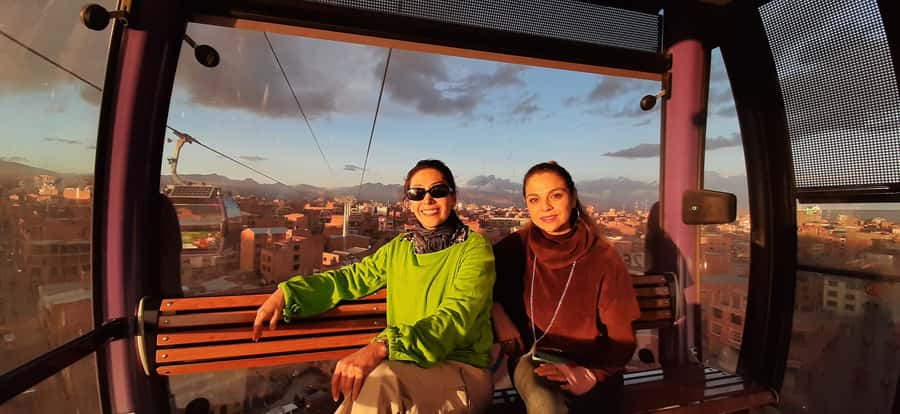
La Paz is not an easy city to understand from street level. It rises and drops sharply, with steep roads, crowded markets, and neighborhoods spread across a huge basin. A normal walking route shows you one small slice. The cable car lets you see the whole arrangement at once.
From the cabins, you look across rooftops, hillsides, busy roads, and tightly packed neighborhoods. The view also helps explain why the system matters to local people. It is not just a sightseeing ride. It is public transport that links parts of La Paz and El Alto above the traffic.
I like this part of the tour because the city becomes easier to read. Your guide can point out areas below, explain where you are heading, and connect the view to Bolivia’s social and political life. Several people who took the tour with Luis, Carolina, Fernando, and Fabian especially valued the explanations given between stations.
The cable cars also give you a break from walking. That matters in La Paz, where the altitude can make a short uphill stretch feel much longer than expected. You will still walk between markets, squares, and stations, but the ride divides the route into manageable sections.
The tradeoff is that the cabins may feel uncomfortable if you dislike heights or enclosed spaces. The route is also shared public transport, not a private sightseeing vehicle, so the experience is practical and local rather than polished or theatrical.
A few more walks around the world worth a look
- Magical London: Harry Potter Guided Walking Tour
★ 4.7 · 22,044 reviews - Reykjavik Food Walk – Local Foodie Adventure in Iceland
★ 5.0 · 18,952 reviews - History and Hauntings of Salem Guided Walking Tour
★ 5.0 · 14,564 reviews
Meeting at San Francisco Church
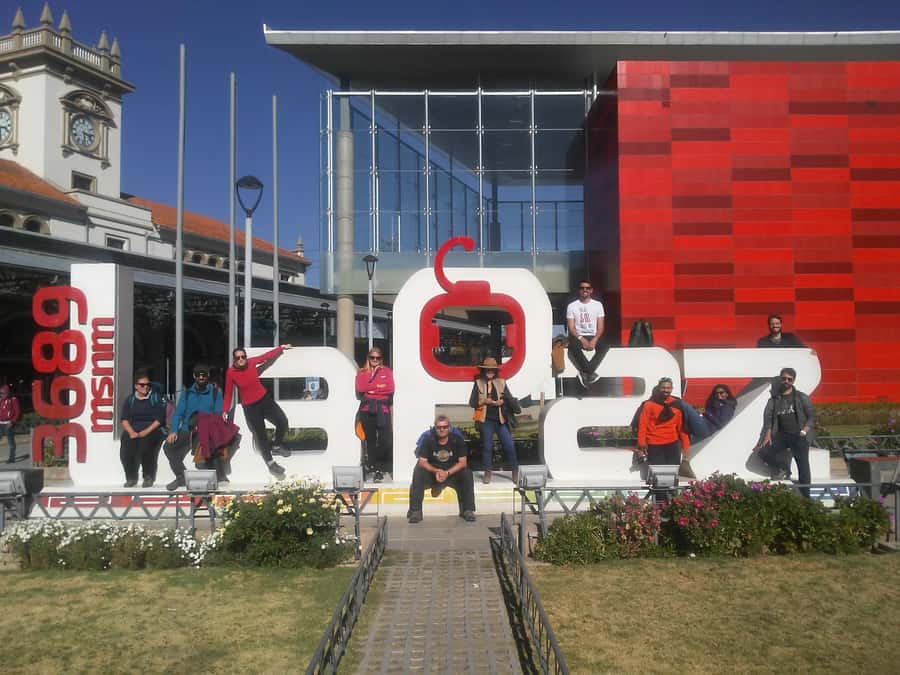
The tour begins beside the main door of San Francisco Church. Look for the guide wearing a beige vest with orange pockets and a HanaqPacha Travel logo on the back. Since the meeting point is in a busy central area, arrive with enough time to identify the guide without rushing.
San Francisco Church gives the outing a fitting starting point. From here, you are already close to the central streets, markets, and older parts of La Paz. The tour finishes at the same church, which makes the route easy to use as an orientation walk on your first day.
Hotel pickup and drop-off are not included. You should also leave large bags and luggage behind, since they are not allowed on the tour. Wear shoes that can handle uneven streets and inclines. Sunglasses, a sun hat, and comfortable clothes are sensible choices, and you should be ready for changing weather because the tour runs rain or shine.
The Witches’ Market and the Meaning Behind Its Objects
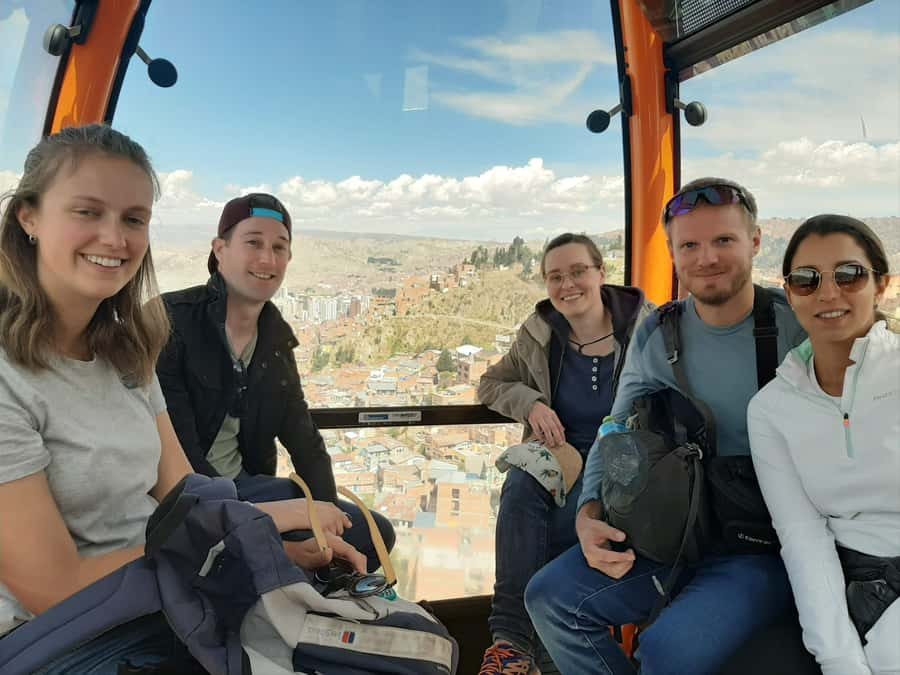
The first major stop is La Paz’s Witches’ Market. It is one of the city’s most recognizable sights, but it is easy to misunderstand if you only browse the stalls on your own.
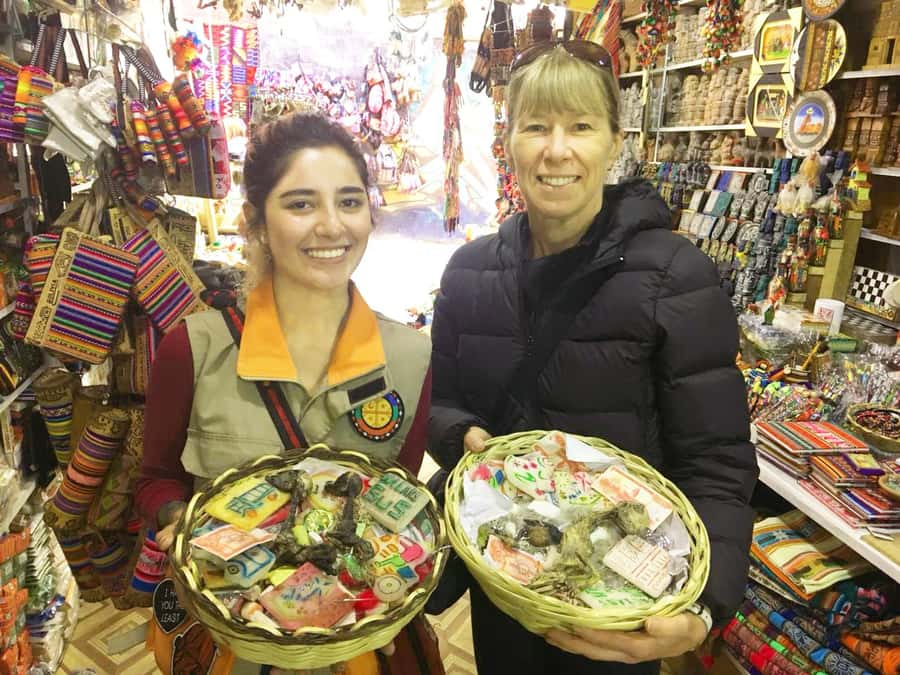
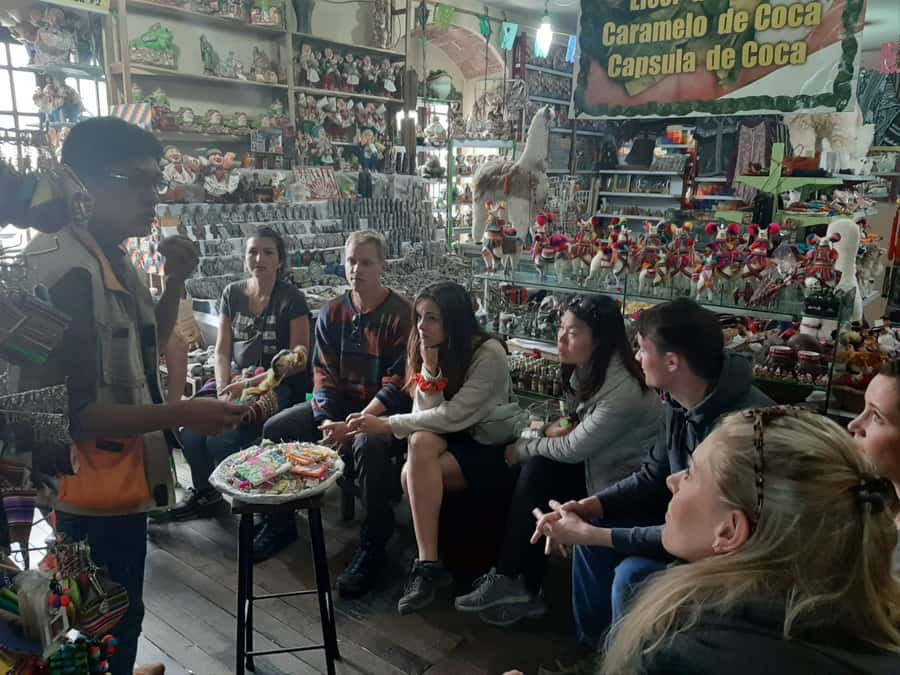
The market sells ritual items and objects connected with Andean beliefs. Some products look unusual to outsiders, and a guide helps explain their place in local traditions rather than treating them as mere curiosities. Luis was praised for explaining the witchcraft process, and that kind of context makes the stop far more useful.
You will have time to look at the stalls, ask questions, and possibly buy souvenirs. One guide, Urvashi’s guide, also helped with souvenir shopping and photographs, which can be useful in a crowded market setting. Still, keep your expectations realistic. This is a short city tour, not a long market visit, so you will not have unlimited time to browse.
The market is also a good example of the tour’s general approach. It combines a popular attraction with cultural explanation. You get the picture, but you also learn why the place matters.
San Pedro Square and the Prison’s Unsettling Story
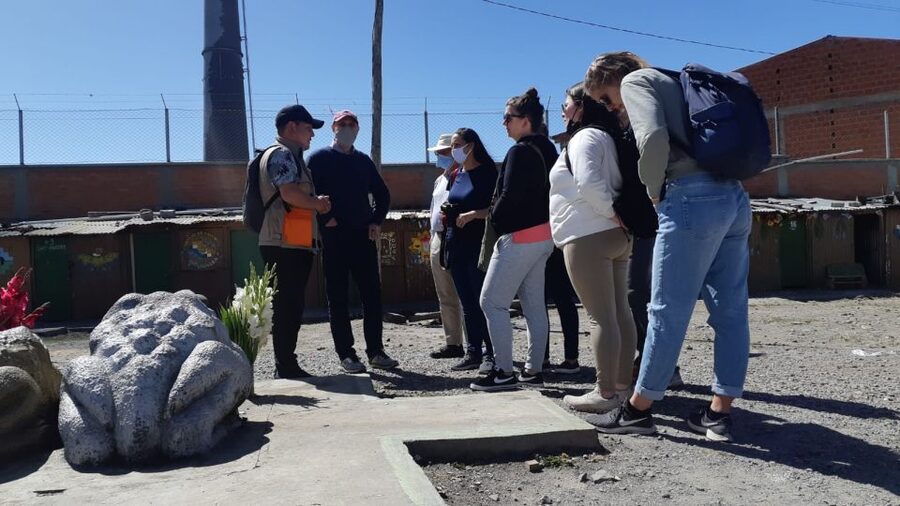
From the market, the route continues to San Pedro Square. Here, the guide explains the history surrounding San Pedro Prison, an infamous part of La Paz’s modern story.
This stop is less visually dramatic than the cable cars or the market, but it adds weight to the walk. You get a glimpse of the city beyond churches and souvenir stalls, including some of the social realities that have shaped La Paz.
The value depends heavily on the guide’s explanation. The square itself is not likely to be the highlight for everyone. One useful advantage of taking a local-led route is that the guide can place the prison’s story within Bolivia’s wider history and current social conditions. Guides such as Valeria and Luis have also been praised for discussing politics and social issues in a clear, accessible way.
If you prefer nonstop scenery, this portion may feel slower. I think it earns its place because it prevents the tour from becoming only a collection of postcard stops.
Same streets, a different way to see them:
- New Orleans Premier Ghost, Voodoo and Vampire Walking Tour
★ 4.5 · 12,856 reviews - Amsterdam Anne Frank: Small-Group Walking Tour & Local Guide
★ 4.8 · 12,789 reviews - Edinburgh: Harry Potter Magical Guided Walking Tour
★ 4.8 · 11,944 reviews - Edinburgh Castle: Guided Walking Tour with Entry Ticket
★ 4.7 · 11,699 reviews
Riding Toward El Alto on the Teleférico
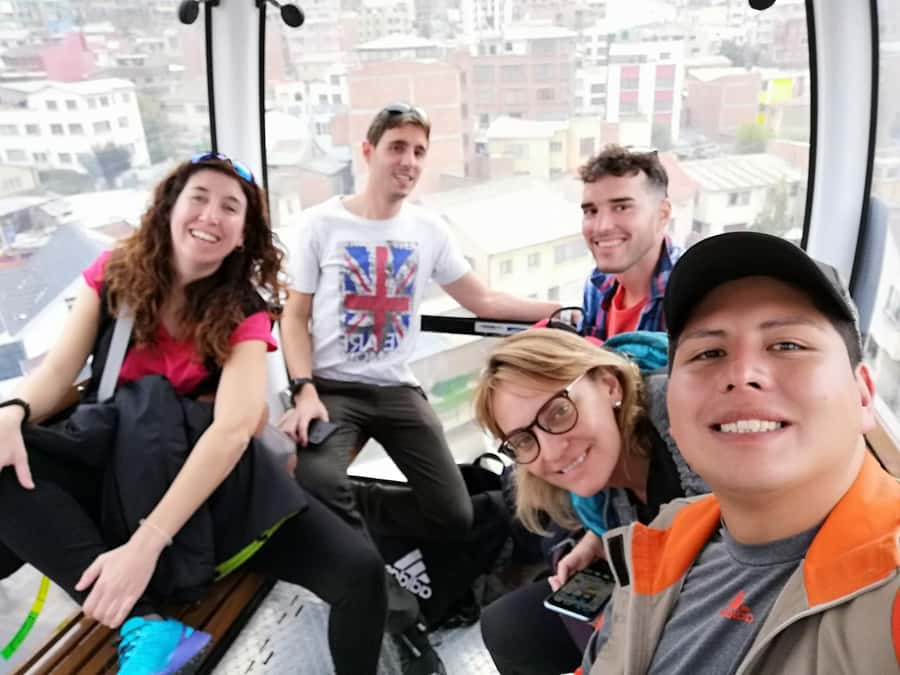
After San Pedro Square, you head to a cable car station and ride toward El Alto. This is the point where the tour shifts from central La Paz sightseeing to a broader look at the urban area.
The ride itself is the main event. As the cabin moves above the streets, you can watch the city change below. The system gives you long views that are impossible to get from a taxi or a normal walking route. Several people described the cable cars as the highlight, and that is easy to understand: the ride is simple, memorable, and included in the low tour price.
Some routes use four cable car lines, though the exact operating pattern can depend on the day and the guide’s route. The important point is that you are not taking one short ride and returning immediately. You use the system to cross between areas and to see La Paz from several angles.
Fabian was praised for pointing out sights during the rides and answering questions along the way. That is exactly what you want here. Without commentary, you get a nice view. With a good guide, you learn how the city is organized and why the cable car system is so important.
El Alto’s Market and a More Active Ritual Setting
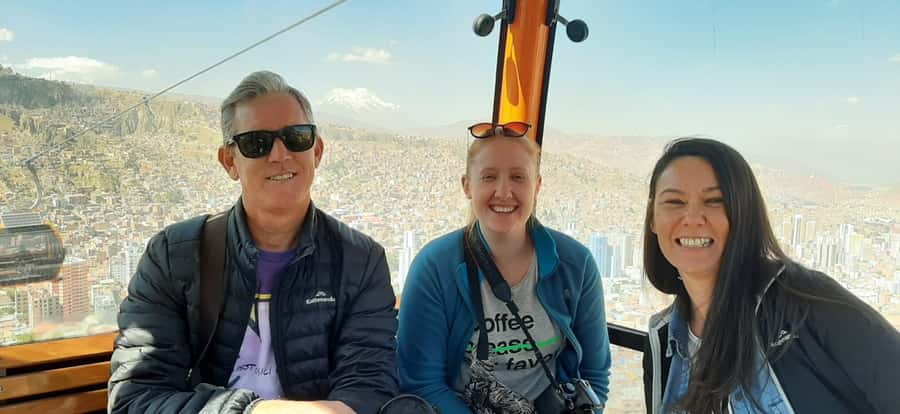
El Alto feels different from central La Paz, and the tour gives you a short chance to experience that difference. The El Alto Witches’ Market is not simply a repeat of the La Paz market.
You might see a witch doctor performing a ritual, which gives this stop a more active and immediate feel. The experience can be fascinating, but it also calls for respect. Listen to your guide, avoid treating ceremonies as a joke, and follow any instructions about where to stand or when to take photographs.
This part is useful because it moves you beyond the standard central-city route. El Alto is not presented only as a cable car destination. You see another city with its own market culture and local character.
The stop is brief, so you should not expect a full neighborhood tour. It works best as a compact introduction before the return journey. The altitude and open exposure may also be tiring, particularly if you have only recently arrived in Bolivia.
Returning Through Jaen Street
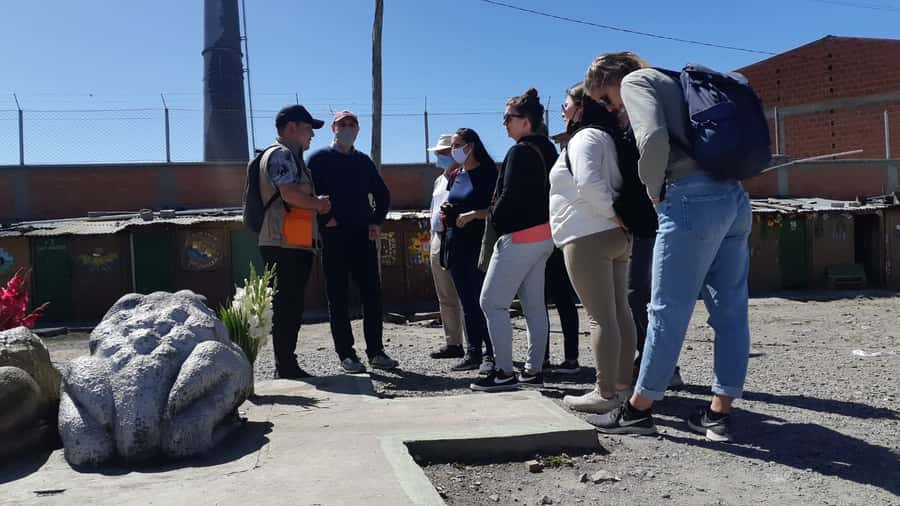
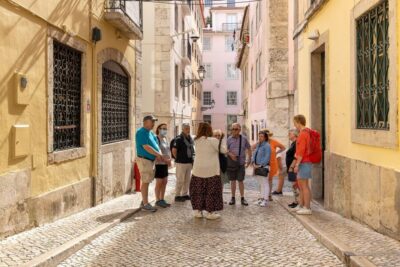
The return cable car route brings you back toward La Paz, after which the walking portion continues along Jaen Street. This is one of the more attractive sections of the route, with colonial architecture and a quieter feel than the central market streets.
Jaen Street gives the tour a visual change after the broad views from the cabins. You move from rooftops and hillsides to close views of façades, doorways, and older city details. It is a pleasant place to slow down and listen.
The guide’s role matters here because the street is easy to walk through without understanding its place in La Paz. Carolina, Marcia, and Fernando were repeatedly praised for making the historical material clear and engaging. You can ask questions as you go, rather than simply following a route with no explanation.
The walk includes some steep sections. Nicole described the hills as manageable because they were broken into shorter sections, but you should still take the altitude seriously. Comfortable shoes are essential, and a slower pace is sensible if you are adjusting to the city.
Plaza Murillo, Kilometer 0 of La Paz
The route then reaches Plaza Murillo, the main square and Kilometer 0 of La Paz. This is the city’s central civic space, surrounded by important government buildings and the cathedral.
The square gives you a useful frame for Bolivia’s political history. Your guide can explain the buildings, the role of the plaza, and the events that have shaped the country. Several guides have been praised for covering history, politics, and social issues without turning the walk into a lecture.
This is also a good place for photographs, although the tour does not promise a long free period. If you want extended time inside a museum or cathedral, this outing may feel too quick. Its aim is to connect several key places rather than explore one attraction in depth.
From Plaza Murillo, the route continues through open-air markets and shops before finishing back at San Francisco Church. That final stretch keeps the tour grounded in everyday city life instead of ending only at a formal monument.
What the $10 Price Really Gets You
At $10 per person, this is strong value if you want an orientation to La Paz. The fee includes a live guide and cable car tickets, and the route covers central La Paz, El Alto, two witches’ markets, San Pedro Square, Jaen Street, Plaza Murillo, and multiple cable car lines.
You would pay more for a private guide or a longer, more specialized history walk. The low price also makes this a sensible first-day activity, especially if you want help understanding the city before exploring alone.
There are limits. Food and drinks are not included, and hotel pickup is not provided. Large bags are not allowed, so plan to carry only what you need. The 150-minute schedule also means each stop receives an introduction rather than a full visit.
I see the value in the route rather than in any single attraction. You get transport, viewpoints, markets, history, and local orientation in one short outing. For a modest price, that is a lot of ground to cover.
The Guides Make the Difference
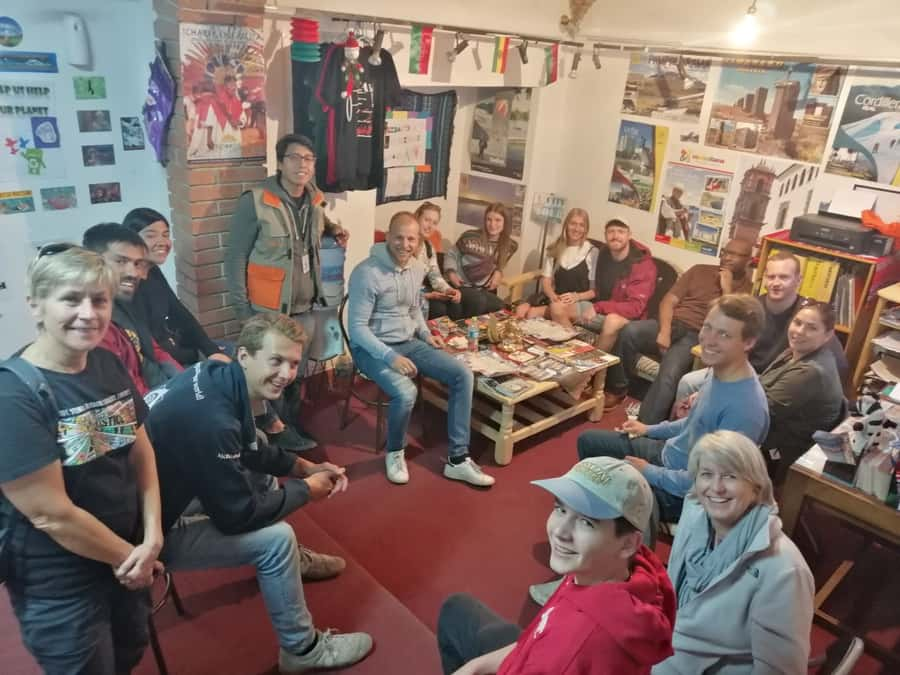
The strongest part of this experience is the guide. Names that appear repeatedly in the guide team include Carolina, Luis, Marcia, Fernando, Nickey, Fabian, Abraham, Veronica, Valeria, Gloria, and Kevin. You cannot request a particular person from the information provided, so treat those names as examples rather than a promise.
Good guiding matters here because the route crosses languages, neighborhoods, and subjects quickly. A clear English-speaking guide can explain a market ritual, point out a building from the cable car, discuss safety, and suggest places to eat or museums to visit.
Fabian was especially helpful with food suggestions, safe areas, and places to avoid. Abraham also offered practical tips about eating and museums. Those small details can make the tour useful beyond its scheduled finish.
The tour is offered in English and Spanish. The strong rating of 4.8 from 790 ratings fits the experience’s main strengths: clear explanations, friendly guides, and a well-planned route. Still, your enjoyment will depend partly on your pace, fitness, and interest in cultural history.
Who Should Book This La Paz Tour?
I would choose this tour if you have just arrived in La Paz and want to get your bearings quickly. It is also a good choice for solo visitors, couples, and families with older children who can manage hills and a two-and-a-half-hour outing.
It suits you particularly well if you want:
- A first look at both La Paz and El Alto
- Cable car views without working out the route alone
- A guide who can explain markets and local customs
- A short overview rather than a full-day excursion
- Practical advice about food, museums, and safe areas
I would be cautious if you have altitude sickness, a strong fear of heights, or claustrophobia. The route also may not suit anyone who wants lots of free time for shopping, photography, or museum visits.
Bring water for your own use, comfortable shoes, sunglasses, and a hat. Food and drinks are not allowed in the vehicle, and the tour proceeds in all weather, so a light rain layer may be sensible even though it is not specifically listed among the required items.
Should You Book It?
Book this tour if you want an affordable, active introduction to La Paz that includes El Alto and the city’s cable car system. The best parts are the views, the cultural explanation at the markets, and the chance to understand the city’s shape from above.
Skip it if you want a slow museum tour, a private vehicle, or a relaxed route with little uphill walking. For most visitors who can handle the altitude and heights, I think the combination of cable cars, markets, historic streets, and local guidance makes this one of the better-value ways to begin exploring La Paz.
FAQ
How long does the La Paz and El Alto tour last?
The tour lasts 150 minutes, or two and a half hours. The route includes walking, cable car rides, market visits, and stops at historic squares and streets.
Where do I meet the guide?
Meet the guide by the main door of San Francisco Church. Look for a beige vest with orange pockets and the HanaqPacha Travel logo on the back.
Are cable car tickets included?
Yes. Cable car tickets and a tour guide are included in the price.
Is hotel pickup included?
No. Hotel pickup and drop-off are not included, so you need to reach the meeting point at San Francisco Church yourself.
What languages are available?
The tour is available with a live guide in English or Spanish.
What should I bring?
Wear comfortable shoes and clothes, and bring sunglasses and a sun hat. Large bags and luggage are not allowed, and the tour runs rain or shine.
Just added around the world
- Walking Tour of Boston’s Freedom Trail★ 4.5 · 77 reviews
- Downtown Freedom Trail Walking Tour – History & Architecture★ 4.5 · 194 reviews
- Boston Seafood Lovers Food and History Walking Tour★ 5.0 · 208 reviews
- Boston “Death and Dying” Walking Ghost Tour★ 4.5 · 223 reviews
- Boston Food of the North End Private Walking Tour★ 5.0 · 174 reviews
- Boston Movie Mile Walking Tour★ 4.5 · 119 reviews
- 1 If By Land Walking Tours★ 5.0 · 95 reviews
- Boston History and Freedom Trail Private Walking Tour★ 5.0 · 117 reviews
Tours, compared.

Magical London: Harry Potter Guided Walking Tour
Read our review →
History and Hauntings of Salem Guided Walking Tour
Read our review →
New Orleans Premier Ghost, Voodoo and Vampire Walking Tour
Read our review →
Amsterdam Anne Frank: Small-Group Walking Tour & Local Guide
Read our review →

Edinburgh Castle: Guided Walking Tour with Entry Ticket
Read our review →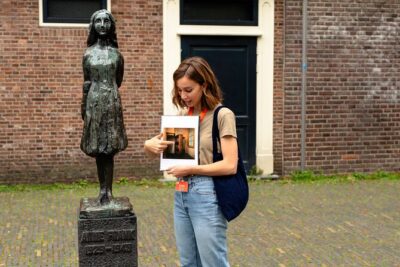
Anne Frank’s Story – Guided Walking Tour through Amsterdam
Read our review →