
Review · FOOD WALKING TOURS
Manila: Street Food and Drinks Walking Tour with Tastings
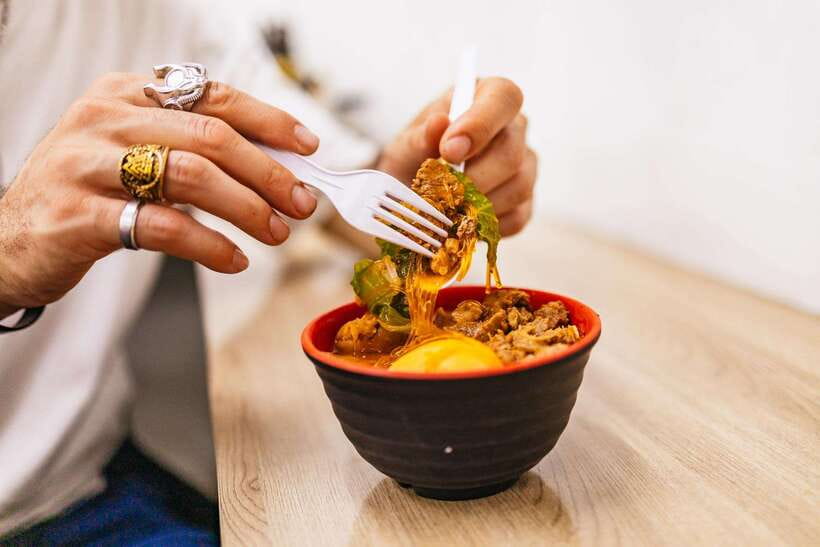
Come hungry, leave with a fuller view of Manila. This two-hour food walk through Binondo and nearby neighborhoods combines Filipino street food, local transport, and the kind of small food stalls you could easily miss alone. I like the generous range of tastings, from banana cue and kwek kwek to pancit palabok and halo-halo, and I like that guides such as Mari add context about the food, streets, and daily life.
The tour also keeps things personal, with a small group limited to around 10 participants, though the activity details also mention a maximum of 12. My main caution is simple: this is not a vegetarian-friendly experience, and much of the food is meat, seafood, or cooked with animal products. The pace involves plenty of walking, crowded streets, and a rain-or-shine schedule.
Key points at a glance
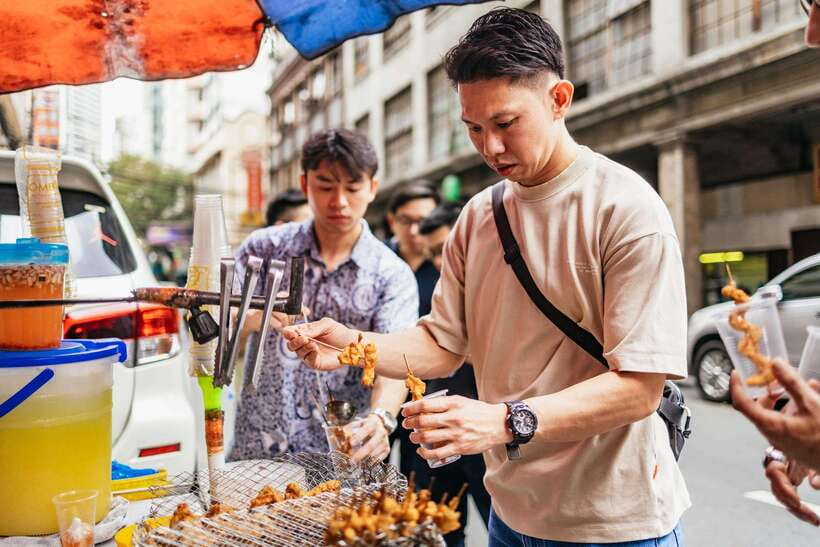
- A full Filipino tasting menu in two hours: Expect six to ten food stops or tastings, with portions that can add up quickly.
- Binondo beyond the usual tourist route: The walk leads through local market streets and food areas around old Manila, with stops chosen by the guide.
- Street food with a safety net: Guides introduce dishes, explain how they are eaten, and direct you toward stalls they consider suitable for the group.
- Local transport is part of the fun: Depending on the route and availability, you may ride a jeepney or the tour’s much-mentioned limousine-style tricycle.
- Guides make the experience: Mari receives especially strong praise for her humor, warmth, organization, and love of Filipino food.
- Best for adventurous eaters: Come hungry, wear good walking shoes, and expect the menu to change with what is available.
Starting at Grand Cafe 1919 in Binondo
The meeting point is Grand Cafe 1919 on Juan Luna Street in Manila. That is a useful place to begin because you can meet the guide, settle in with a drink if you wish, and use the facilities before heading into the streets.
From there, the tour moves on foot through Binondo and, depending on the day’s route, other parts of old Manila such as Santa Cruz or Quiapo. The exact path is not fixed like a museum tour. Food availability, traffic, weather, and street conditions all shape the experience.
That flexibility is part of the appeal. You are not being marched from one polished restaurant to the next. You are moving through working neighborhoods where food is prepared for local customers, often in compact stalls or modest shops.
The tradeoff is that the surroundings can be crowded and chaotic. On Chinese New Year, one group found the parade crowds made walking harder. That is not a flaw in the tour, but it is worth remembering when you picture the afternoon. Binondo is a real city district, not a staged food village.
More Street Food Walking Tours in the world:
- Naples: Street Food Walking Tour with Local Guide
★ 4.9 · 4,976 reviews - Private Street Food Evening Walking Tour in Ho Chi Minh City
★ 5.0 · 3,175 reviews - Rome: Trastevere & Campo de Fiori Street Food Walking Tour
★ 4.9 · 2,768 reviews
The tasting list: sweet, savory, grilled, and cold
The food selection is the heart of the tour. The published menu includes six to ten tastings, though the exact dishes depend on what is available. This is not a single sit-down meal. You will take small portions as you move from one stop to another.
Banana cue, kamote fries, and turon
The opening or early tastings may include banana cue, kamote fries, and turon. These are useful introductions because they show how Filipino street snacks turn inexpensive ingredients into something satisfying.
Banana cue is banana cooked with brown sugar, and it was a favorite for more than one person on the tour. Turon is another fried banana snack, usually wrapped before cooking. The difference between the two is easy to appreciate when tasted close together.
Kamote fries bring sweet potato into the mix. These foods are approachable, but do not mistake them for filler. The fried snacks give you a quick sense of the sweet, crisp, filling style common in Filipino street food.
Kwek kwek and siomai
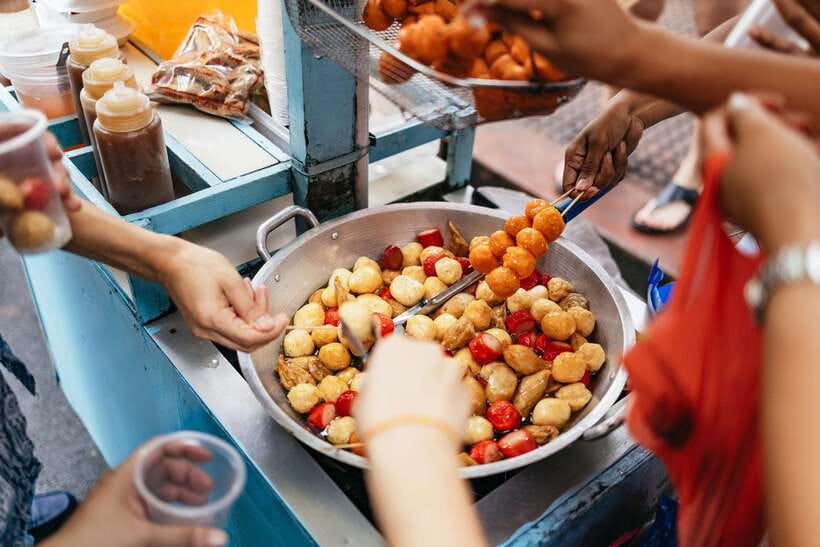
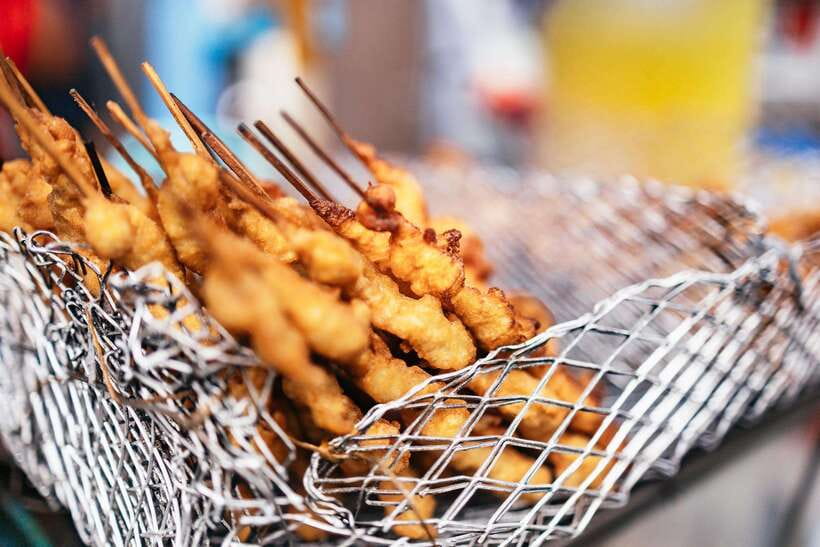
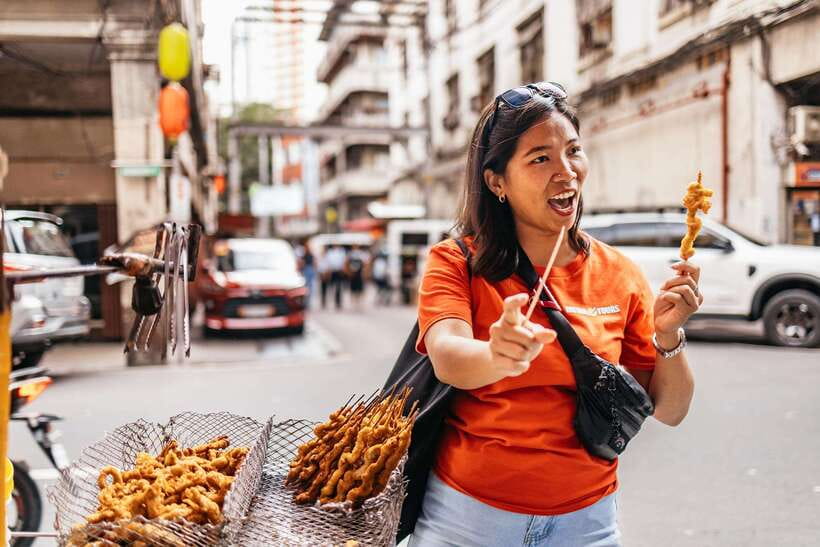
Kwek kwek is one of the tour’s most recognizable stops. It consists of quail eggs coated in orange batter and fried. The bright color may look alarming at first, but the dish is more playful than intimidating.
Siomai adds a familiar dumpling-style bite. It also reflects Binondo’s Chinese Filipino food culture, which makes this stop more than a simple snack break. The guide can help explain how the dishes fit into the area’s food traditions and how locals typically eat them.
More Food Walking Tours in the world:
- Reykjavik Food Walk – Local Foodie Adventure in Iceland
★ 5.0 · 18,952 reviews - Little Havana Food and Walking Tour in Miami
★ 5.0 · 8,882 reviews - New Orleans Food Walking Tour of the French Quarter with Small-Group Option
★ 5.0 · 6,118 reviews - Greek Food Walking Tour in Athens
★ 5.0 · 4,740 reviews
Soup, noodles, and palabok
The savory part of the tour may include sotanghon soup, palabok, and Filipino pansit. These dishes help balance the fried snacks and give you a better sense of everyday Filipino cooking.
Sotanghon is a noodle soup, and several participants particularly enjoyed the soup stop. Pancit palabok was another favorite, with its sauce and toppings offering a stronger, more substantial flavor than the lighter snacks.
The tour may also include other forms of pancit. Do not expect a carefully separated course structure. One bite may be a noodle dish, followed soon by grilled seafood or fruit with shrimp paste. That informal rhythm suits the street setting, but anyone who prefers a measured meal may find the volume and variety a lot to manage.
Grilled squid, calamari, and meat snacks
Grilled squid and fried calamari can appear on the route, along with pork or chicken skewers and other meat-based snacks. One tasting menu described by participants included chicken intestine, barbecue, and pork on a stick.
This is where the tour becomes less suitable for cautious eaters. You can ask questions, and the guide can explain each item, but the experience is built around trying food that may be unfamiliar.
Balut has also appeared on some outings, although it is not listed as a guaranteed inclusion. This duck embryo egg is a well-known Filipino food challenge. You are not required to eat it, and one person simply chose not to try it while a partner did. The guide’s role is to make the choice easier, not to pressure you.
Mango with shrimp paste and halo-halo
Mango with shrimp paste gives you a sharp sweet-salty combination. It is a good reminder that Filipino snacks often play with strong contrasts rather than keeping every flavor mild.
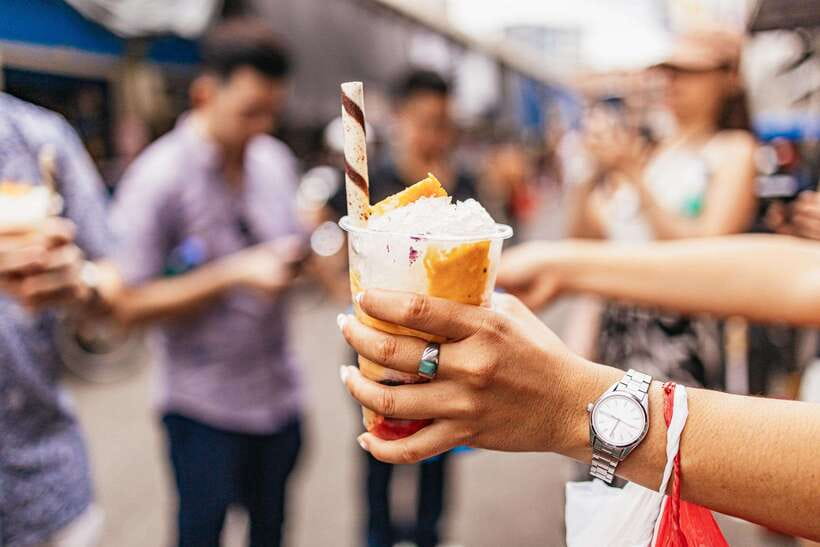
Halo-halo usually provides the finish. This cold dessert combines several sweet ingredients, and it is especially welcome after a warm walk and a sequence of fried foods. Ending with halo-halo gives the tour a clear final note instead of leaving you with one more savory snack.
Water or a refreshing juice is included. Additional drinks may vary, with buko juice appearing on some outings. The guide may also pace drinks around the heat, which matters in Manila, especially when you are walking between stops.
Why the guide matters more than the menu
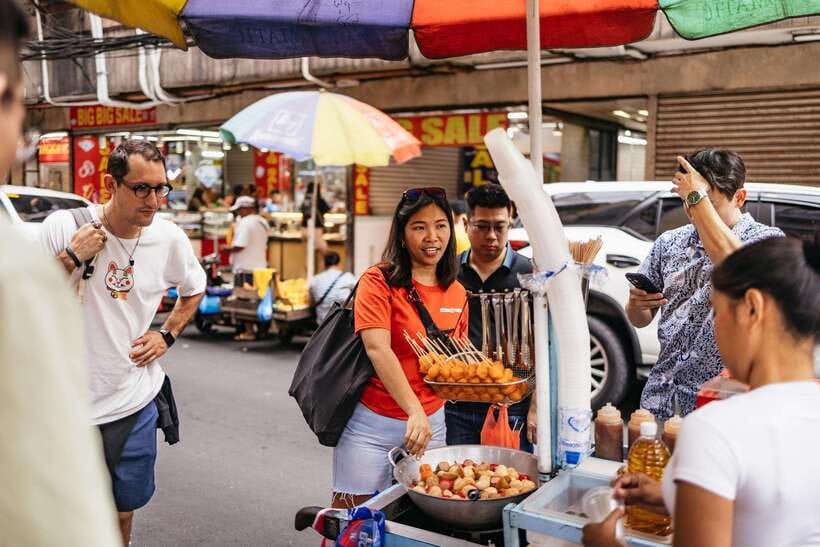
The food is a reason to book, but the guide is what turns the outing into a useful introduction to Manila. Mari receives repeated praise for her energy, humor, organization, and ability to explain both dishes and neighborhoods without turning the walk into a lecture.
A strong guide is particularly helpful in a crowded market area. Mari has been described as keeping the group together through busy streets, helping people cross and board transport, and supplying hand sanitizer during the walk. That practical care matters more than a rehearsed speech.
Other guides named in the feedback include Tess, Tessie, Jessie, and Chai with an assistant. The style may vary by guide, but the common aim is a friendly, personal food walk. Tess was praised for making the outing both fun and informative, while Chai’s tour included several kinds of local transport.
You should also bring questions. The activity specifically encourages it, and the best value comes from asking about ingredients, Filipino eating habits, the neighborhood, and the vendors. Without those conversations, you would still receive food, but you would miss much of what makes the route worthwhile.
Walking through the local side streets
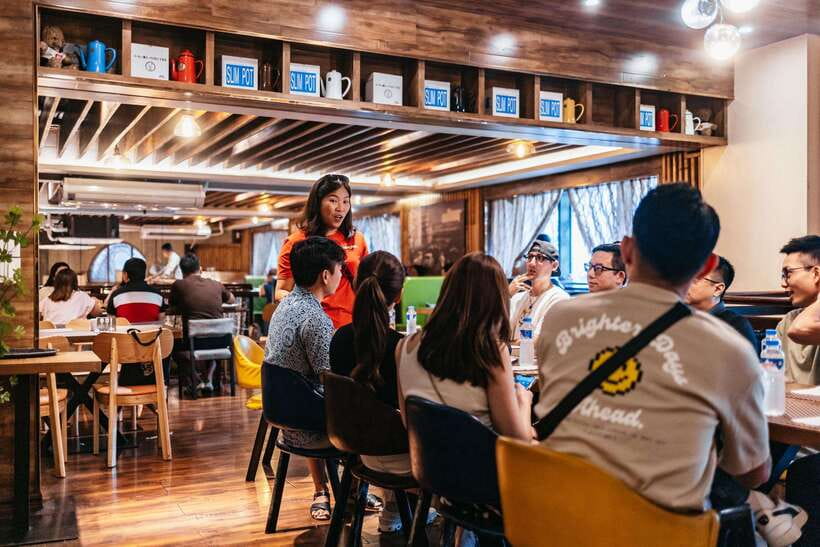
This is not a food court tour. You will walk through open areas, narrow passages, market streets, and crowded parts of Binondo and nearby districts. The streets are part of the experience, including the noise, traffic, changing pace, and occasional difficulty getting around.
I like this format because it gives you a sense of how food fits into daily life. You are not only tasting a dish. You are seeing where people shop, where stalls operate, and how a neighborhood feeds itself.
The downside is physical. Comfortable shoes are essential, and you should expect the tour to continue in rain or shine. The total walking load is not listed in distance, but the repeated references to walking, crowded streets, and moving between food stops make this unsuitable for anyone who needs step-free access. The tour is not suitable for wheelchair users.
Young children aged three to seven may join with guidance. Parents should remember that the route includes street traffic, crowded areas, hot food, and an adult-oriented menu. The two-hour length helps, but this is not designed as a children’s attraction.
Jeepney and limousine-style tricycle rides
Local transport adds a memorable layer to the outing. The experience may include a jeepney ride or what the tour calls a Lamborghini tricycle, a playful name for a decorated local tricycle with a more unusual look.
Several people enjoyed the tricycle ride, and one person described it as an excellent way to end the tour and return toward the cafe. Others appreciated getting around by jeepney and tricycle because these are difficult to arrange confidently on your own during a short visit.
The word may matters here. One outing did not include the promised jeepney ride, so you should not treat every transport option as guaranteed. Routes and vehicles depend on the day. If riding a jeepney is a priority, ask the guide at the start.
Boarding and getting off local transport can be less polished than a standard tour bus. That is part of the point, but it can be awkward for anyone with limited mobility or a dislike of tight spaces.
A good value at $68?
At $68 per person, this is not the cheapest way to eat in Manila. You could buy individual snacks for less, especially if you already know where to go and feel confident ordering from stalls.
The price makes more sense when you count what it bundles: six to ten tastings, drinks or water, a live English-speaking guide, a walking route through several neighborhoods, and possible local transport. You are also paying for the guide’s judgment about where to stop and how to navigate the area.
For a solo visitor or first-time arrival, that support can be worth more than the food itself. The guide removes much of the hesitation around unfamiliar dishes, language, ordering, and crowded streets. It also saves you from spending half a day wandering without a clear idea of what to try.
One point to consider is portion size. You are told to come hungry, and that advice is serious. Several outings included so much food that skipping breakfast made sense. One person even felt the tasting portions could be reduced while keeping the same price. If you prefer quality over quantity, you may find the amount excessive.
Who should book this Manila food walk?
You should consider it if you:
- Want a first introduction to Filipino street food
- Prefer local stalls to polished restaurants
- Enjoy trying unfamiliar food with guidance
- Like walking tours with cultural context
- Are interested in jeepneys and tricycles
- Have only a short time in Manila
- Want a small group rather than a large bus tour
It is less suitable if you are vegetarian, vegan, pregnant, or highly selective about meat and seafood. The activity specifically excludes vegetarians and vegans because several dishes cannot be adapted.
I would also think twice if you dislike heat, crowds, uneven street conditions, or eating several tastings in quick succession. This is a lively, hands-on food outing, not a quiet culinary lecture.
Practical advice before you go
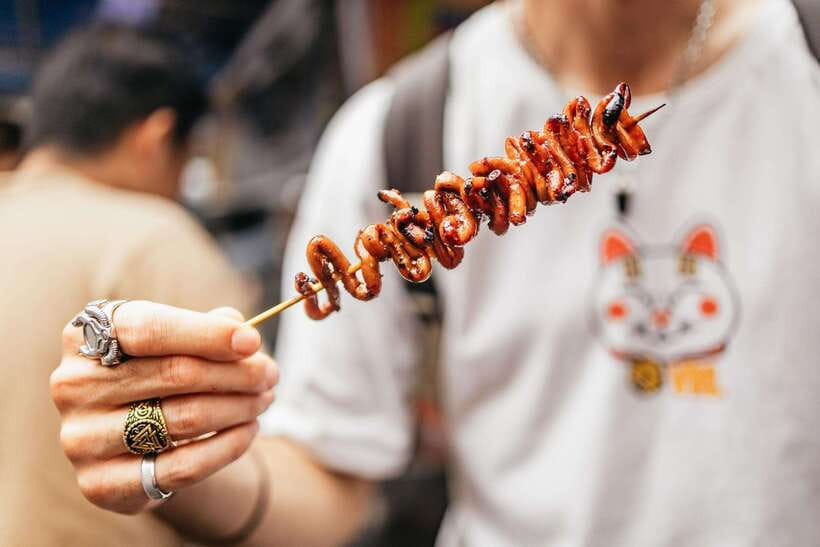
Book at least 24 hours before the start time. You can cancel up to 24 hours ahead for a full refund, and the reserve-now, pay-later option keeps your schedule flexible.
Wear comfortable shoes and arrive genuinely hungry. You should also carry only what you need, since you will be walking and boarding local transport. The tour is in English, with the guide also speaking Tagalog.
Ask at the beginning which dishes are planned that day. The menu changes with availability, and that can help you decide how adventurous you want to be. If balut is offered, for example, you can choose in advance whether you want to try it.
Bring an open mind, but not blind confidence. Street food can be exciting, yet you should still follow the guide’s advice about vendors, food handling, and what to eat. One participant had an upset stomach the next morning, so even a well-run tasting tour cannot remove every risk connected with unfamiliar food.
Should you book it?
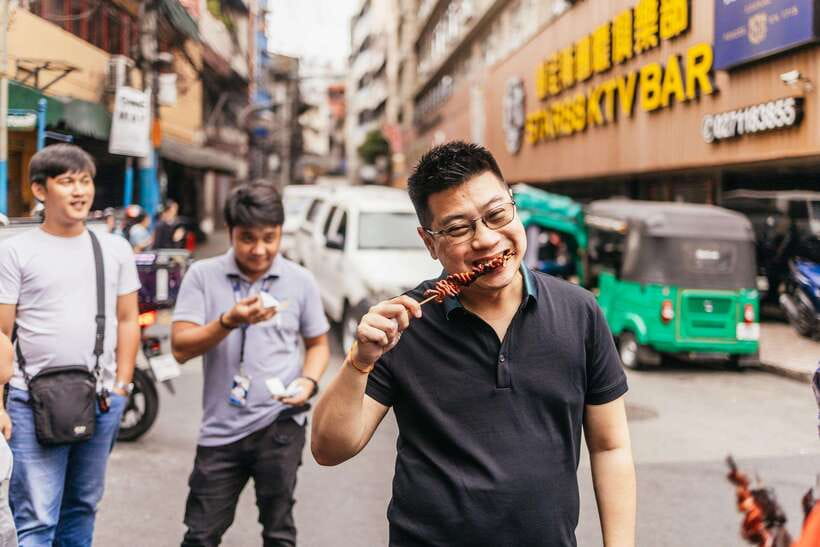
Book this tour if you want Manila explained through food, neighborhoods, and local transport rather than through monuments alone. The strongest reason to go is the combination of generous tastings and a warm guide such as Mari, who can make unfamiliar dishes feel approachable and help you see parts of Binondo and old Manila you might otherwise skip.
At $68, it is best viewed as a guided introduction, not a bargain meal. I would choose it early in a Manila visit, then return to the dishes you liked most with more confidence. Skip it if you need vegetarian options, wheelchair access, or a predictable restaurant-style menu.
FAQ
Where does the Manila street food tour meet?
The meeting point is Grand Cafe 1919 Binondo on Juan Luna in Manila.
How long does the tour last?
The tour lasts two hours.
How many people are in the group?
It is advertised as a small-group experience. The information gives both a limit of 10 and a limit of 12 participants, so you should confirm the final group size when booking.
What food is included?
The tasting may include banana cue, kamote fries, turon, kwek kwek, siomai, sotanghon soup, palabok, Filipino pansit, grilled squid, mango with shrimp paste, halo-halo, water, and refreshing juice. The exact selection depends on availability.
Is transportation included?
The experience includes the chance to ride local transportation, such as a jeepney or a limousine-style tricycle. The exact vehicle is not guaranteed on every outing.
Is the tour suitable for vegetarians or vegans?
No. The tour is not suitable for vegetarians or vegans because several dishes contain meat, seafood, or other animal products and cannot be replaced.
What should I bring?
Wear comfortable shoes. The tour runs rain or shine, includes walking, and requires you to come hungry. Children aged three to seven may join with guidance.
Just added around the world
- Bern Private Walking Tour with a Local★ 4.5 · 75 reviews
- Berlin Walking Tour★ 4.5 · 378 reviews
- Bern Walking Tour: Explore Top Sights & Hidden Gems★ 5.0 · 108 reviews
- Small Group Walking Tour of East Berlin with a French Guide★ 5.0 · 176 reviews
- Berlin Street Art Walking Tour – Off The Grid★ 5.0 · 270 reviews
- Berlin Highlights Private Guided Walking Tour★ 4.5 · 89 reviews
- Private Walking Tour: World War 2 and Cold War Sites in Berlin★ 5.0 · 230 reviews
- Kreuzberg Berlin: Off the Beaten Track PRIVATE Walking Tour★ 5.0 · 128 reviews
Food Walking Tours, compared.
Reykjavik Food Walk – Local Foodie Adventure in Iceland
Read our review →
New Orleans Food Walking Tour of the French Quarter with Small-Group Option
Read our review →

Authentic Parisian Gourmet Food Tour with 10 Local Dishes & Wines
Read our review →
Tapas Walking Tour with Food, Wine, and History
Read our review →
Browse the lists this tour appears in