
Review · ITALY WALKING TOURS
Matera Walking Tour with Casa Grotta & Rock Church Entry
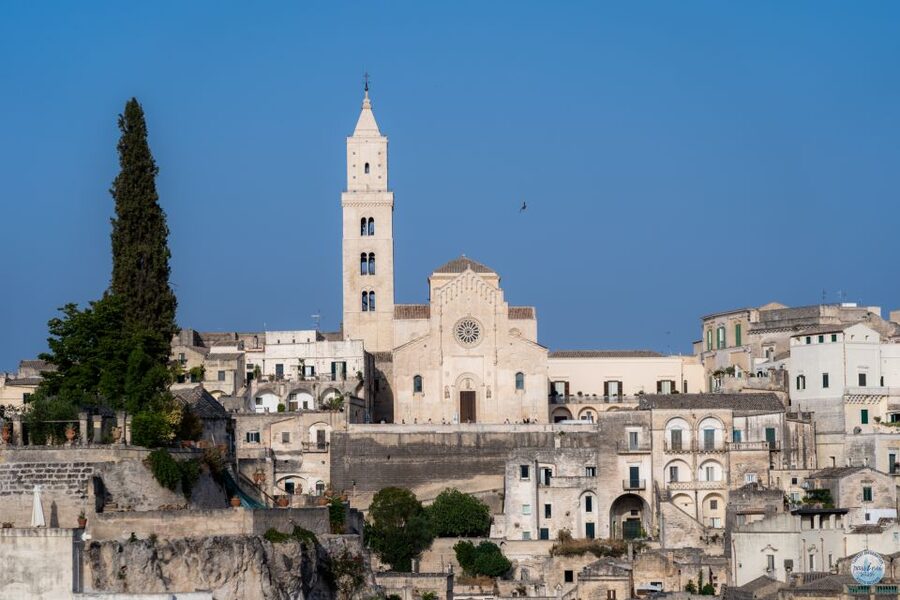
Matera makes history feel close enough to touch. This two-hour walk is a smart way to meet the Sassi, with a local guide leading you through cave homes, rock churches, old communal lanes, and broad views over the city. I especially like the included entries to Santa Maria de Idris, San Giovanni in Monterrone, and the Museum of Peasant Civilization. I also like that the route begins in the modern historic center and gradually explains how Matera’s old quarters fit together. The main drawback is physical: steep streets, steps, uneven stone, and heat can make this a tiring outing.
The price is $35 per person, which feels fair for a licensed regional guide and several entrance tickets. Guides such as Lorenza, Patrizia, Anna, Annalisa, and Vita have earned especially warm praise for clear explanations, local insight, and careful pacing. You should still bring sturdy shoes and avoid the midday slot in hot weather if possible.
Key points to know before you book
- The tour links three sides of Matera: You see the historic center, the Civita, Sasso Barisano, and Sasso Caveoso rather than only one scenic corner.
- Two rock churches are included: Santa Maria de Idris and San Giovanni in Monterrone give you a look at Matera’s unusual cave-built religious art.
- A furnished cave home makes the past tangible: The Casa Grotta shows how families lived in the Sassi until the 1950s.
- The guide is the main value: Local guides explain the geography, family life, religious sites, and communal layout far better than a map can.
- Expect a genuine walk, not a gentle stroll: The route includes slopes, stairs, narrow lanes, and exposed areas with little shade.
- The tour finishes at Piazza Giovanni Pascoli: You do not return to the starting office, so plan your next stop from the finish point.
Why Matera is easier to understand with a guide
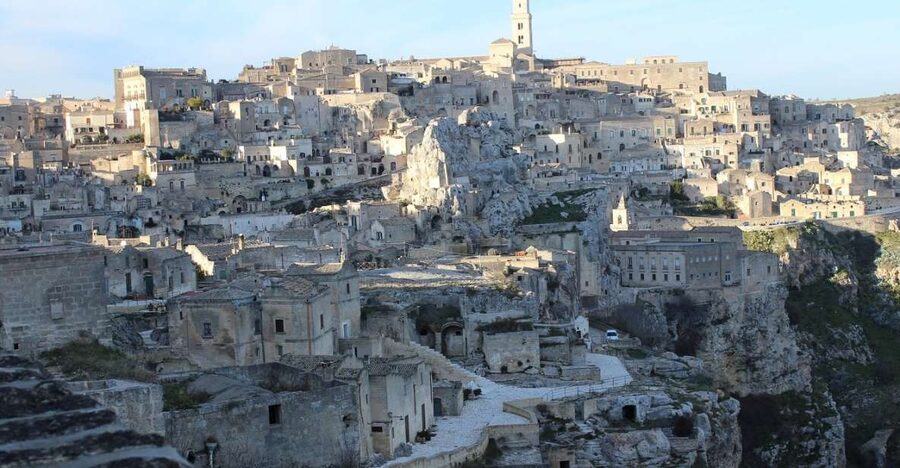
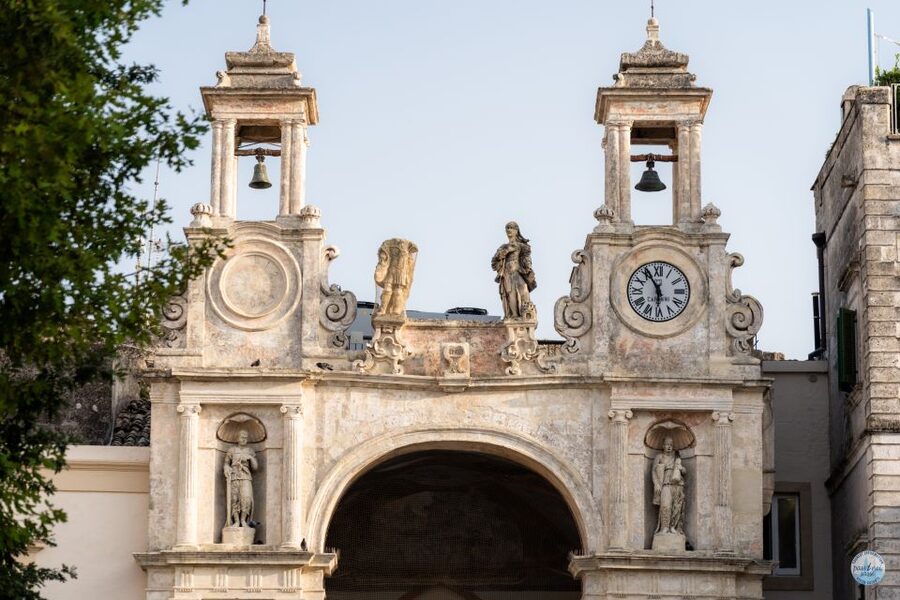
Matera can look simple from a viewpoint: rows of pale stone houses cut into a ravine, church facades tucked into rock, and stairways slipping out of sight. On foot, though, the place quickly becomes a puzzle. One lane may lead to a courtyard, another to a church, and a third to a sudden view across the gorge.
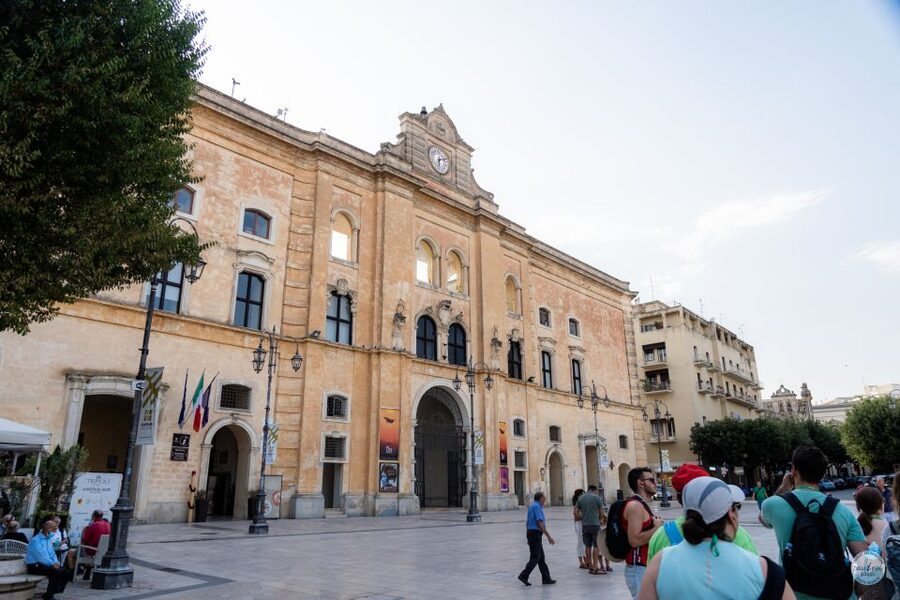
I like this tour because it gives you the city’s basic structure before you wander on your own. You begin at the Passi nei Sassi office on Via Don Giovanni Minzoni, 13, then walk a short distance to Piazza Vittorio Veneto. From there, the tour moves through the historic center before reaching the older Sassi districts.
A good guide turns the setting into a human story. You learn why people built homes into the rock, how neighbors shared courtyards and facilities, and how daily life changed when the Sassi were abandoned in the 1950s. The most praised guides have been local women and men with strong ties to Matera, including a guide whose grandparents lived in the caves. That kind of connection can add useful detail without turning the tour into a dry lecture.
The experience has a 4.7 rating from 1,078 reviews, and the strongest pattern is clear: people value the guides. They are repeatedly praised for speaking clearly, answering questions, managing groups, and making the history easy to follow. That matters in Matera, where the stone setting can distract you from the details that explain what you are seeing.
A few more walks around Italy worth a look
- Venice: Doge’s Palace and St Mark’s Basilica Walking Tour
★ 4.4 · 6,291 reviews - Milan: Guided Walking Tour & Last Supper Visit with Ticket
★ 4.7 · 5,409 reviews - Naples: Street Food Walking Tour with Local Guide
★ 4.9 · 4,976 reviews
Piazza Vittorio Veneto and the historic center
Piazza Vittorio Veneto is where the official walk begins after the short approach from the meeting point. It is a useful starting place because it introduces Matera as a living city, not just an old quarter preserved for photographs.
As you walk through the historic center, you see churches, noble palaces, and smaller corners shaped by centuries of use. This section helps you notice the contrast between the more formal town above and the cave-built districts below. I appreciate that order. If you start immediately among the Sassi, the views may impress you, but you may not yet understand how the districts connect.
Your guide should also help you get oriented. Matera’s old quarters are full of narrow passages, staircases, and sudden turns. One guide was praised for creating a logical route with manageable ups and downs, while another took an easier path when the climb back toward the main plaza seemed too demanding. That does not remove the physical work, but it can make a big difference.
The exact pace depends on the group and the weather. Tours in summer have sometimes lasted longer than two hours because guides added shade breaks and pauses for water. That is a good adjustment, but you should not treat this as a flat city walk.
The Civita and views across Sasso Barisano
The route continues toward the Civita, the old medieval core set above the Sassi. From here, you look toward Sasso Barisano, one of Matera’s two best-known cave districts.
This is one of the tour’s strongest teaching points. From above, the arrangement of homes, churches, stairways, and rock walls becomes easier to read. You can see how the city was shaped around the natural stone rather than imposed on top of it.
The views are excellent for photographs, but the guide’s explanation gives them meaning. You begin to notice the difference between a natural cave, a modified dwelling, a religious space, and a later building front. Small details in the rock can tell you how a space was used.
Sasso Barisano is often associated with a denser pattern of buildings and lanes. The route does not simply lead you to a lookout and move on. It uses the view as a way to explain Matera’s geography and social life. You see the city from the outside, then continue into areas where the old communal pattern becomes easier to picture.
A practical note: sunlight can be fierce on open sections, especially around midday. The tour has no food or drink included, so carry water. Comfortable shoes are essential, and sandals with thin soles are a poor choice for uneven stone.
Sasso Caveoso and the old communal lanes
Sasso Caveoso is the more dramatic part of the walk for many people. Here, the architecture feels less polished and more closely tied to the rock itself. You move through the vicinati, shared residential spaces that offer a glimpse of how neighbors lived together.
The vicinati are important because they correct a common misunderstanding about the Sassi. These were not simply isolated caves scattered across a hillside. They formed communities, with homes arranged around shared spaces and daily routines shaped by close contact between families.
The tour also reaches the so-called barbarian cemetery, an archaeological site with an unusual and mysterious character. The stop is brief, but it adds another layer to the area. Matera is not only a story about homes and churches. The rock has been used for burial, worship, storage, work, and shelter across different periods.
You should expect to walk through narrow lanes and along stone surfaces that may be irregular. The route has been praised for avoiding too many unnecessary climbs, but it still requires a reasonable level of fitness. The official guidance says the tour is not suitable for people with mobility impairments, and that warning deserves attention.
Families with strollers should also take note. Baby strollers, baby carriages, and electric wheelchairs are not allowed. A guide may be able to choose an easier route in some situations, but you should not count on the full walk being step-free.
Same streets, a different way to see them:
- Florence: Highlights Walking Tour with Expert Guide
★ 4.6 · 4,662 reviews - Venice: San Marco to Rialto Walk & Spritz Like a Local
★ 4.2 · 3,651 reviews - Venice Walking Tour and Gondola Ride
★ 3.5 · 3,630 reviews - Uffizi & Accademia Timed Entry: Small Group Duomo Walking Tour
★ 4.5 · 3,630 reviews
Santa Maria de Idris and San Giovanni in Monterrone
The Monterrone rock is home to two of the tour’s most memorable stops: Santa Maria de Idris and San Giovanni in Monterrone. Their inclusion is a major reason the $35 price works well.
Santa Maria de Idris is cut into the rock and has a striking setting above the Sassi. Inside, the atmosphere changes at once. The rough stone, dim light, and surviving frescoes create a quieter experience than the open viewpoints outside.
San Giovanni in Monterrone is included with the same entry arrangement. Together, the two churches show how religious spaces were adapted to the natural rock. Your guide can point out the relationship between the carved interiors, painted decoration, and the surrounding settlement.
Photography may be the first thing on your mind, but I would give yourself time to listen. The churches are not just scenic caves. They help explain the spiritual life of the communities that used them, and they show how art was made in spaces with very different conditions from a conventional church.
Crowds can affect this part of the walk. One guide was particularly helpful on a busy Saturday, assisting the group when the entrance became crowded and disorganized. That is a quiet but real benefit of joining an organized walk. You are not left to work out the entrance procedure or queue by yourself.
Rain does not automatically cancel the tour. It operates in light rain, and one winter group still had a worthwhile experience during heavy rain because the guide adjusted the route and spent more time indoors. Still, wet stone can be slippery, so take extra care.
The Casa Grotta and Museum of Peasant Civilization
The Casa Grotta is the most useful stop for understanding ordinary life in Matera. A furnished cave home shows how several members of a family could share a small space with household objects, work areas, and animals. The original furnishings make the visit more concrete than a bare room would.
This is where the tour moves beyond grand buildings and scenic views. You see the practical side of life in the Sassi, including how people organized a home inside the rock and how limited space affected family routines.
The Museum of Peasant Civilization adds a wider view. Instead of focusing on one home, it helps explain local work and customs. Together, the museum and Casa Grotta give you a stronger sense of what life was like before the Sassi were cleared and abandoned in the 1950s.
I consider these stops essential. Without them, it is easy to admire Matera as an unusual film setting or a remarkable collection of old stone buildings. With them, you are reminded that real families lived here, worked here, and dealt with difficult conditions here.
The Casa Grotta visit is listed as about 15 minutes, and the church visit is also listed at about 15 minutes. The wider walking route takes most of the two hours, with time divided between explanation, movement, views, and entries.
Pace, group size, and the heat factor
The advertised duration is two hours, but the experience may run longer. Several guides have extended the walk during very hot weather, added shade stops, or slowed the pace for the group. That is helpful, but it also means you should avoid scheduling something immediately afterward.
Group size can vary. One guide handled a group of 15 effectively, while another tour became almost a private walk when only two people attended. You cannot assume a small group, but the repeated praise for clear voices and good group management is reassuring.
Summer heat is the biggest practical concern. A midday departure can feel hard on the exposed stone streets, particularly in July and August. Choose an earlier or later start when availability allows, and bring water, a hat, and shoes that feel secure on steps.
The route does not include a refreshment stop. One person specifically wished for a drink break, and that is a fair suggestion. You can enjoy the walk more if you arrive prepared rather than expecting food or beverages along the way.
The guides often adjust their style to the group. Some have offered easier routes, extra pauses, or longer explanations in shade. That flexibility is valuable, but you still need to judge your own stamina honestly.
Languages, price, and what you receive
The tour is offered with a live guide in English, Spanish, Italian, German, and French. An optional audio guide is available in Spanish. English-language guides have been praised for clear speech, humor, patience, and the ability to explain architectural details without making the walk feel like a classroom.
At $35 per person, you are paying for more than a street walk. The price includes the licensed regional guide, admission to Santa Maria de Idris, San Giovanni in Monterrone, and the Museum of Peasant Civilization. If you planned to visit those places separately, the convenience of one route and one explanation adds real value.
The experience also gives you a useful first look at Matera. Several people used the walk to decide which churches, viewpoints, and neighborhoods deserved a longer return visit. I think that is the best way to use it: let the guide provide the framework, then explore at your own pace afterward.
There is no meal or drink included. The tour ends at Piazza Giovanni Pascoli, not back at the Via Don Minzoni office, so keep that in mind when planning lunch, transport, or your next museum visit.
Free cancellation is available up to 24 hours before the start, and you can reserve now and pay later. Those terms are useful if your Basilicata plans are still shifting.
Who should book this Matera walk?
I would choose this tour for a first visit to Matera, especially if you have only a short time in the city. It covers the main historic zones, explains the Sassi’s layout, and includes the key interior visits that are easy to miss when you wander alone.
It suits people who enjoy history, architecture, photography, and local stories. It is also a good choice if you want a guide to point out the best views and explain the difference between the Civita, Sasso Barisano, and Sasso Caveoso.
I would be more cautious if you have difficulty with steps, slopes, uneven ground, or long periods of walking. The official guidance says it is not suitable for people with mobility impairments, and the route is not designed for strollers or electric wheelchairs.
You should also reconsider a midday booking during hot months. The route is rewarding, but shade is not always available. Spring, autumn, winter, or a cooler morning would make the physical side easier.
Should you book it?
Yes, if you want a well-priced introduction to Matera that combines the major views with real context. The strongest reason to book is the quality of the local guiding. Names such as Lorenza, Patrizia, Anna, Annalisa, and Vita appear repeatedly in praise for warm delivery, strong local knowledge, clear English, and thoughtful pacing.
The tour will not replace a full day of wandering through every lane, church, and museum. That is not its job. It gives you the map in your head, the story behind the caves, and a solid list of places to revisit.
Book it early in your stay, wear proper shoes, carry water, and pick a cooler time if you can. For $35, the combination of licensed guiding, three included entries, and a route through Matera’s most important districts makes this a sensible first step into the City of the Sassi.
FAQ
Where does the Matera walking tour begin?
The meeting point is at the Passi nei Sassi office on Via Don Giovanni Minzoni, 13. The meeting point may vary depending on the option booked, so check your selected option carefully.
How long does the tour last?
The scheduled duration is two hours. In hot weather or difficult conditions, guides may add shade stops and the walk may last longer.
Which rock churches are included?
Entry is included to Santa Maria de Idris and San Giovanni in Monterrone.
Does the tour include a cave home and museum?
Yes. The route includes a typical Casa Grotta furnished with original objects and the Museum of Peasant Civilization.
What languages are available?
Live guiding is available in Spanish, Italian, German, English, and French. An optional audio guide is available in Spanish.
Is the tour suitable for people with mobility impairments?
The tour is not suitable for people with mobility impairments. It involves walking through historic areas with steps, slopes, narrow lanes, and uneven stone. Baby strollers, baby carriages, and electric wheelchairs are not allowed.
Just added around Italy
- Private Bologna Food & Market Tour with 6 Tastings & Wine★ 5.0 · 102 reviews
- Bologna Walking Tour with Audio and Written Guide★ 4.5 · 132 reviews
- Bologna historical art walking tour with hidden gems and tastings★ 5.0 · 108 reviews
- Bergamo: Digital guide made by a local for your walking tour★ 5.0 · 184 reviews
- Full Day Tour by Car and Walking among the Apulian Beauties★ 4.5 · 182 reviews
- The Original Street Food Walking Tour in Bari★ 4.5 · 226 reviews
- Bari Walking City Tour★ 4.5 · 511 reviews
- Bari: Street Food Walking Tour with a Local Guide★ 5.0 · 160 reviews
Italy Walking Tours, compared.
Doge’s Palace and St Mark’s Basilica Walking Tour
Read our review →
Guided Walking Tour & Last Supper Visit with Ticket
Read our review →
San Marco to Rialto Walk & Spritz Like a Local
Read our review →
Uffizi & Accademia Timed Entry: Small Group Duomo Walking Tour
Read our review →
Browse the lists this tour appears in