
Review · CITY HIGHLIGHTS WALKING TOURS
Florence: Highlights Walking Tour with Expert Guide
Florence makes sense when someone connects the dots. This 90-minute walk gives you a useful first look at the Duomo, Medici landmarks, and Ponte Vecchio, while guides such as Eduardo, Julia, Rachel, and Giovanni bring the city’s art and politics to life. I especially like the small-group format and the way the tour adds stories about Dante, Michelangelo, Botticelli, and the Medici family instead of simply naming buildings.
The $27 price is fair for a guided introduction, particularly if you are new to Florence. I also like that the route is not a forced march. Much of the time is spent in piazzas listening to the guide, which makes it manageable for families and people who do not want a long hike. The main drawback is the short length: you will see the headline sights, but you will not have time for a full museum visit or detailed interior tour.
Five useful things to know before you go
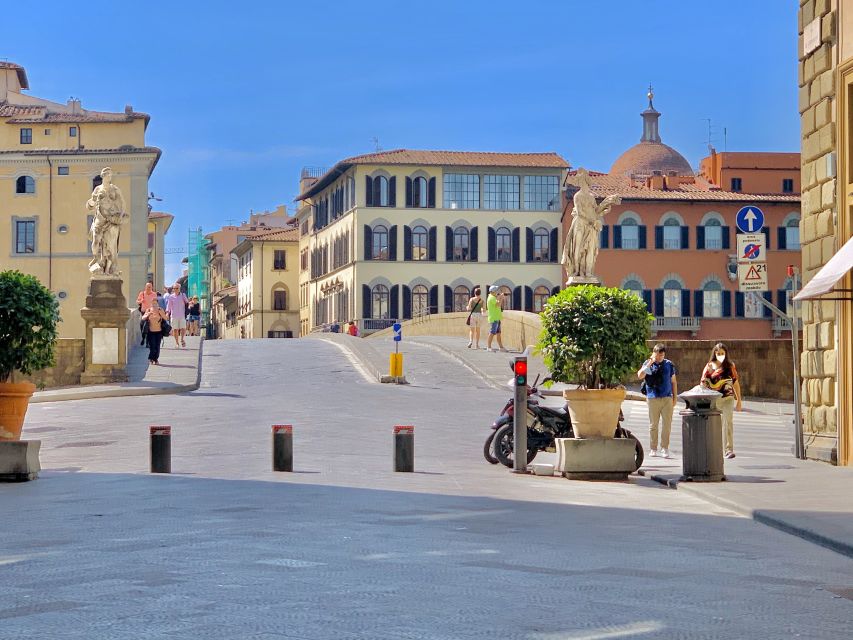
- The tour covers Florence’s central sights in 90 minutes: You see Palazzo Medici Riccardi, San Lorenzo, the Duomo area, Piazza della Repubblica, Piazza della Signoria, and Ponte Vecchio.
- The Medici family provides the main thread: Their money, ambition, and political influence help explain why Florence became a center for art and architecture.
- It is more of a talking tour than a long-distance walk: Several stops take place in piazzas, so you can listen without constantly keeping pace.
- Guide quality is a major strength: Eduardo, Julia, Rachel, Raffaello, Giovanni, and others are praised for clear explanations, humor, and practical suggestions.
- Bring proper shoes and prepare for weather: The tour operates rain or shine, and Florence’s stone streets are not kind to flimsy footwear.
- It is best used near the beginning of your stay: The advice on museums, galleries, food, wine, and sightseeing can help shape the rest of your time.
Why this $27 introduction works
Florence is compact, but it is not simple. A short walk can take you from Roman foundations to medieval guild power, Medici politics, Renaissance painting, and modern tourism. Without context, the center may feel like a collection of beautiful façades. With a good guide, the buildings begin to relate to one another.
That is the real value here. You are not paying $27 to be shown a cathedral you could find on a map. You are paying for the explanation of why the cathedral dominates the city, how the Medici family shaped the streets around it, and why Florence mattered far beyond Tuscany.
The route uses several of Florence’s most recognizable locations. That makes it a practical orientation walk, especially if this is your first visit. You will learn where the major squares are, see how close the sights sit to one another, and get ideas for what deserves more time later.
The format also keeps the experience approachable. The tour lasts only 90 minutes, and several people praised the pace as relaxed. One guide was especially appreciated for choosing convenient places to stand away from traffic and the worst crowds. That detail matters in Florence, where a busy square can make a simple explanation hard to hear.
The tour is not designed for detailed art analysis. It also should not be treated as a substitute for the Uffizi, Accademia, or a full Duomo interior visit. Think of it as a city primer that helps those later visits make more sense.
More City Highlights Walking Tours in Italy
- Skip-the-Line Florence Highlights and David Walking Tour
★ 5.0 · 1,127 reviews - Florence: City Highlights Walking Tour & Wine Windows Option
★ 4.6 · 174 reviews - Florence: City Highlights and Street Food Walking Tour
★ 4.8 · 83 reviews
Starting near Palazzo Medici Riccardi
The starting options are on Via de’ Martelli, including numbers 33 and 33r, with My Green Tour also listed as a meeting location. Check the exact option you book, since the meeting point may vary.
From there, the walk heads toward Palazzo Medici Riccardi. This is an excellent place to begin because the Medici story explains so much of Florence. The family was not merely wealthy. It used banking, alliances, patronage, and political skill to gain enormous influence over the city.
A good guide can make this subject lively rather than turning it into a list of names. The most praised explanations connect the family to the art and buildings around you. You may hear about the way patronage helped artists and architects work, while also learning about the rivalries and power struggles behind the polished façades.
The Medici material is one of the tour’s strongest features. Several guides were singled out for explaining how the family influenced Florence and the art world. One guide even mixed historical facts with modern tips about what is worth seeing now, which is exactly the balance you want at the start of a city break.
San Lorenzo and the working heart of Florence
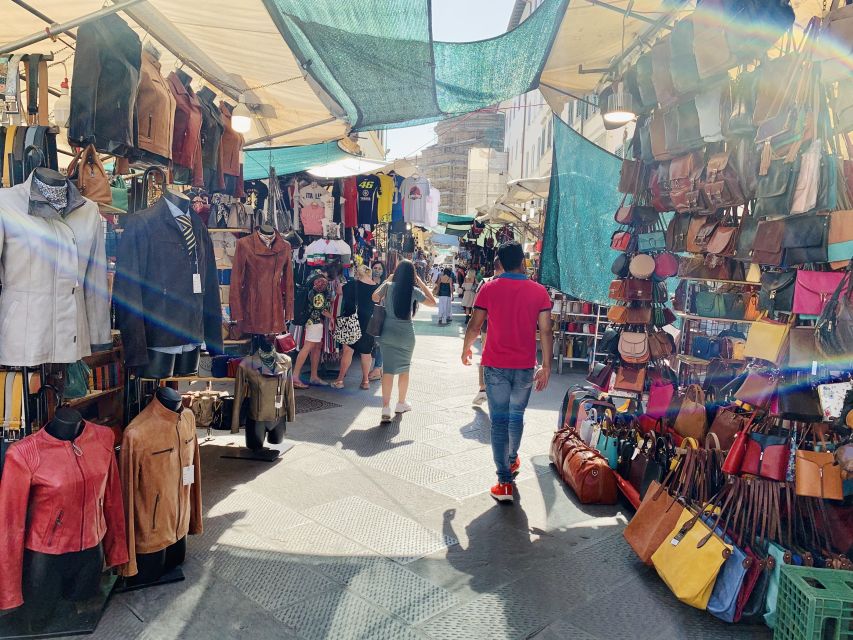
The route continues to the Basilica of San Lorenzo after about ten minutes of walking. San Lorenzo is closely tied to the Medici family and offers another chance to understand the relationship between political power, religion, and art.
This stop helps broaden the story beyond the famous cathedral. Florence was not shaped by isolated masterpieces. Churches, markets, family chapels, workshops, and public squares all formed part of city life. The guide’s job is to show how those pieces fit together.
Do not expect a long interior visit based on the information provided. The experience is a guided walking tour, and the listed stops are outdoor landmarks and public areas. If entering San Lorenzo is a priority, confirm what your chosen booking includes rather than assuming the walking tour covers admission.
The route is suitable for people who prefer a steady pace. One recent visitor described the tour as focused mainly on the cathedral and not too demanding physically. Another called it more of a talking tour than a walking tour. That is useful to know: you will walk between sights, but the emphasis is on explanation, not distance.
The Duomo complex, Florence’s great visual anchor
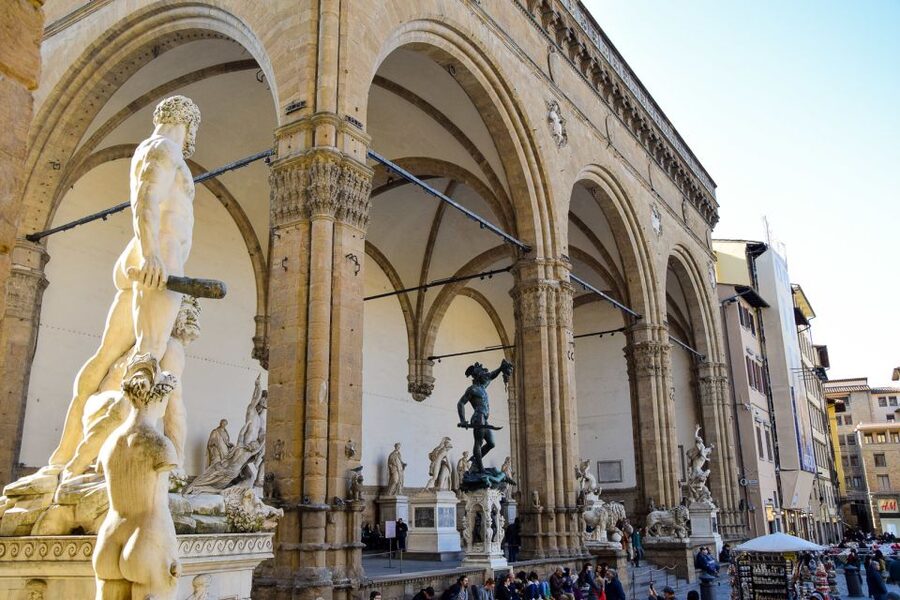
The Florence Duomo complex is the central highlight. Santa Maria del Fiore, with its enormous dome, is one of those buildings that can overwhelm you before you know what you are looking at. A guide gives you a framework for the scale, design, and role of the cathedral.
The stop includes Piazza del Duomo, where the cathedral, bell tower, and baptistery create one of Europe’s most memorable architectural groupings. You will have time to look upward, take photographs, and hear about the building’s place in Florence’s development.
The tour description includes skip-the-line access, but the supplied details do not specify a full interior visit or which admission areas are covered. Treat this as a useful convenience, not a promise that you will climb the dome or enter every part of the complex. Those activities usually require separate timing and tickets, so check the exact option before booking if they are essential to you.
This is also where the guide’s storytelling matters most. The strongest comments describe guides who made architecture easier to understand, explained why buildings were constructed, and placed Florence’s Renaissance achievements in a wider setting. You should come away with more than a photograph. You should understand why this square became the city’s visual and religious center.
Families may appreciate the short format here. One family specifically praised the tour for working well with children. A clear story about a huge dome, famous artists, and powerful families is easier for younger listeners to follow than a long museum lecture.
More City Highlights Walking Tours in Florence:
- Historic Charleston Guided Sightseeing Walking Tour
★ 5.0 · 6,216 reviews - Dublin Highlights and Hidden Gems Guided Walking Tour
★ 5.0 · 6,020 reviews - Vienna: Guided Walking Tour of City Center Highlights
★ 4.7 · 4,989 reviews - Bangkok: City Highlights Temple and Market Walking Tour
★ 4.5 · 3,990 reviews
Piazza della Repubblica and the changing city
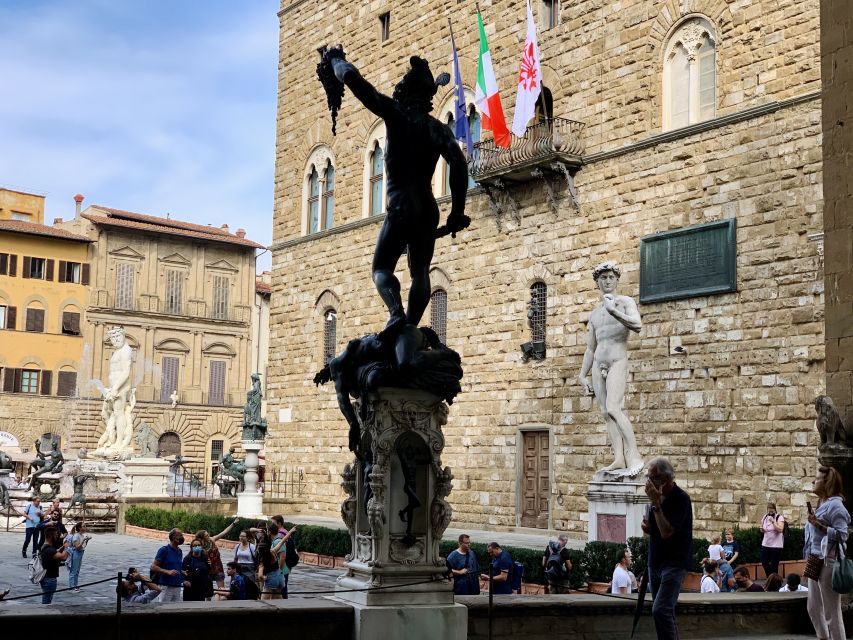
The walk then reaches Piazza della Repubblica. This broad square offers a different view of Florence from the medieval lanes and Renaissance buildings earlier in the route.
Here, the guide can explain how the city changed over time. Florence is often presented as if the Renaissance arrived fully formed, but the modern center reflects many periods of construction and redevelopment. The square helps show that the city you see today is not frozen in the fifteenth century.
The listed walking time between points suggests a route with plenty of pauses, though the whole activity is advertised at 90 minutes. Do not read each timing as a separate full-length walk. The important point is that the route links nearby central sights without sending you far across town.
Piazza della Repubblica is also a practical orientation point. You can use your location here to understand how Florence’s main pedestrian areas connect. The tour is useful on a first day because the guide may also suggest museums, galleries, food, wine, and other places to visit later.
Piazza della Signoria and the Medici stage
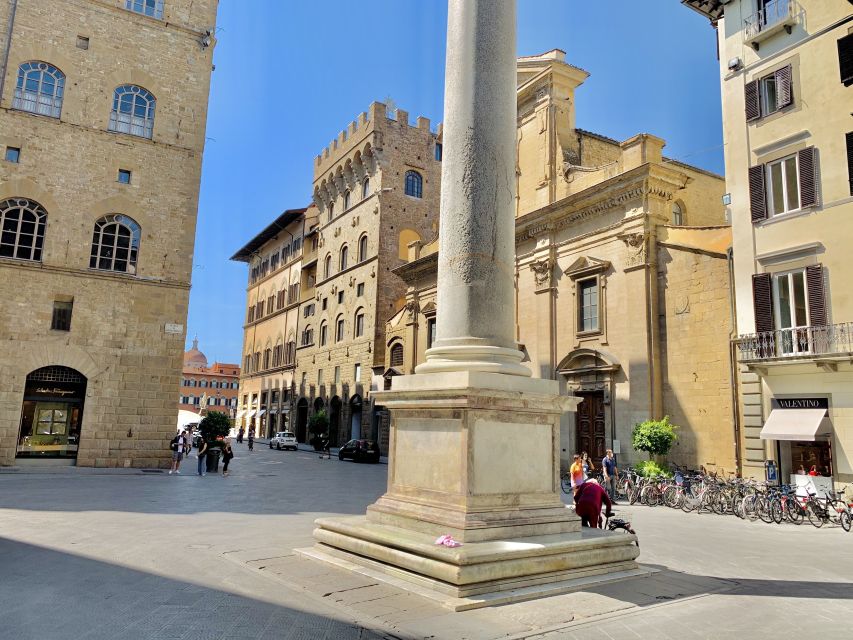
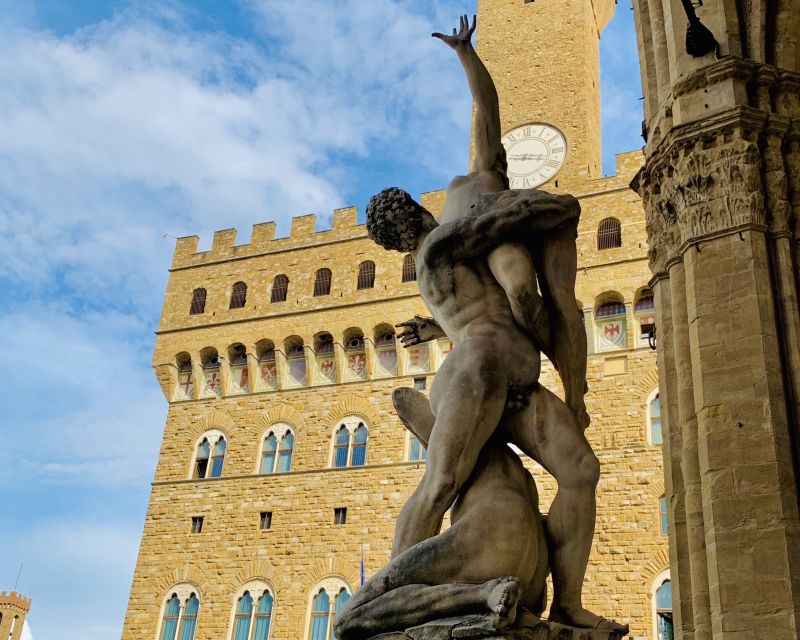
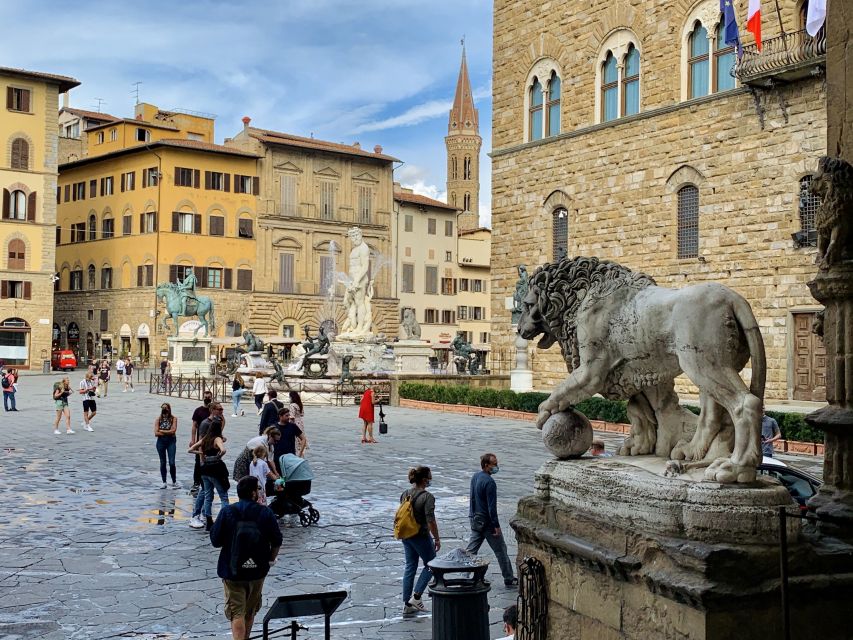
Piazza della Signoria is one of the most rewarding outdoor stops. It is both an open-air display of sculpture and a place where Florence’s political life unfolded.
This is where the Medici story becomes especially concrete. Instead of hearing about power in the abstract, you are standing in a square shaped by public authority, ceremony, art, and conflict. The surrounding buildings and sculptures make it easier to see how Florence used art to communicate strength.
Several guides received praise for making this part of the city come alive. Eduardo was repeatedly appreciated for combining humor with strong historical explanations. Julia was praised for her storytelling and for placing the Medici family within Florence’s wider story. Other guides, including Raffaello and Rachel, were noted for keeping the atmosphere relaxed while still providing plenty of information.
That variety is worth noting. The individual guide can shape the tone of the tour. The available languages include English, French, German, Italian, Russian, Spanish, Armenian, and Portuguese. The guide assigned to your departure may differ, but the repeated strength of the feedback is clear: explanations tend to be engaging, personal, and easy to follow.
Ponte Vecchio and the final view
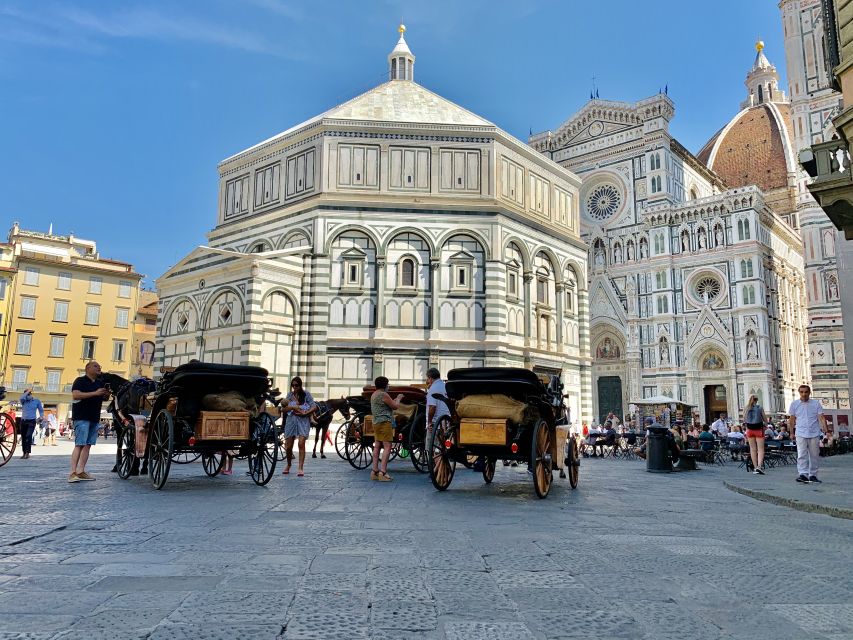
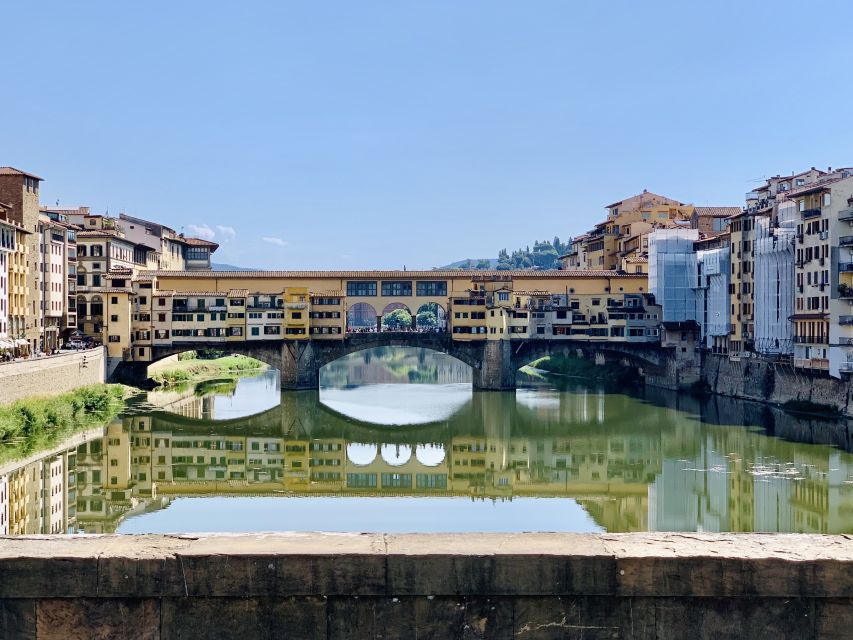
The walk finishes with sightseeing at Ponte Vecchio, Florence’s famous bridge over the Arno. Its shops, river views, and unusual structure make it a natural closing point.
By the time you reach the bridge, you have moved through several parts of Florence’s story: Medici power, religious art, public government, urban change, and the river crossing that helped connect the city. Ponte Vecchio is visually memorable, but the guide can also help you see it as part of Florence’s daily movement and commercial life.
The final stop is brief, listed at about ten minutes. That is enough for an introduction and a few photographs, but not enough for a slow exploration of every shop or a long pause by the river. If you want sunset views, consider choosing a late departure. One February tour at 5 p.m. was praised for its relaxed atmosphere and the way the fading light added to the experience.
The tour returns to My Green Tour. Since the meeting and finishing details can depend on the option selected, check your confirmation carefully.
What the guides do especially well
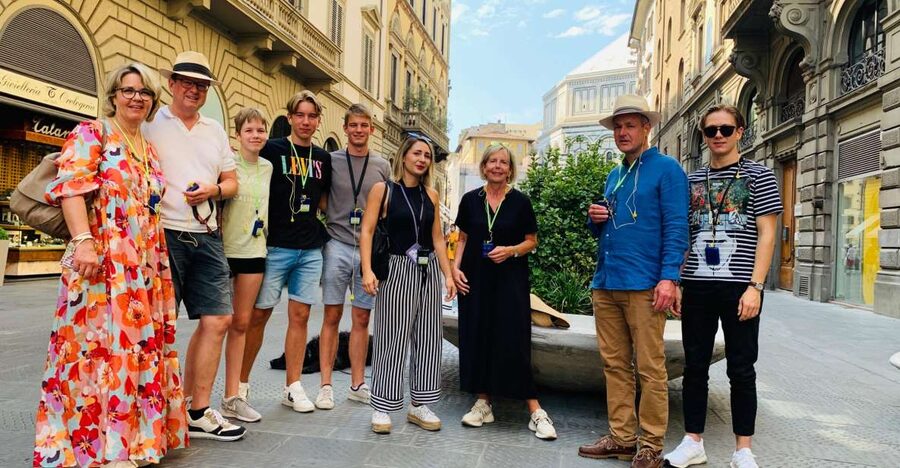
The most consistent strength is the quality of the live commentary. People especially praised guides for making history clear without making it dull. Eduardo was described as an entertaining history teacher, while Julia was repeatedly praised for her energy, storytelling, and practical advice.
Good guides also answer questions rather than reciting a fixed script. Giovanni was appreciated for offering suggestions about other things to do in Florence. Rachel was praised for allowing time for questions and giving useful present-day tips alongside historical information.
The tour may use headsets or radios. One person appreciated that the guide checked the equipment before starting, while another found the newer radios less clear than those used by some other tour companies. This is a minor but real consideration. In a crowded piazza, sound equipment can affect how much you catch.
The experience is available as a private group, which may suit families or friends who want a more personal pace. The standard small-group format appears to provide the best balance of price and interaction, while a private option may be worth considering if your group has specific interests.
Practical advice for a smoother walk
Wear comfortable shoes. That is not a throwaway instruction in Florence. You will move across hard city streets and pause on stone-paved squares, so supportive footwear will make the 90 minutes more pleasant.
The tour operates rain or shine. Bring weather protection when needed, and remember that some of the best explanations take place outdoors. A rainy day does not cancel the experience, but it can make standing in an open piazza less comfortable.
If possible, take the tour early in your stay. You will learn the layout of the center and receive suggestions that can guide the rest of your visit. Several people specifically valued advice about museums, galleries, food, wine, and which sights deserved their time.
The tour is also suitable for a first afternoon or evening. It is short enough to fit around other plans, and the route does not require a full day away from Florence’s museums or restaurants. A late departure may offer softer light, while an earlier one gives you more daylight for taking photographs.
Cancellation is free up to 24 hours before the activity for a full refund, and you can reserve now and pay later. Those terms are useful if your Florence schedule is still changing.
Who should book this Florence walk?
I would recommend it most strongly to first-time visitors who want orientation before tackling the major museums and monuments. It is also a good fit for families, older visitors, and anyone who prefers history explained in short sessions rather than a long, demanding walk.
You should also consider it if you enjoy stories about politics and personalities. The Medici family, Dante, Michelangelo, and other notable Florentines give the tour a human focus. You are not simply looking at stone. You are hearing how ambition, art, religion, and money shaped the city.
You may want something else if your main goal is interior access. This tour covers major outdoor landmarks and offers commentary, but the information provided does not promise extended visits inside the Duomo, San Lorenzo, or museums. Art specialists may prefer a dedicated museum tour, and repeat visitors may find the overview familiar.
At $27, the value is strong if you use the walk as a foundation for the rest of your stay. The price is modest for a live guide, a central route, and advice that can save you from wandering past important sights without understanding them. The 90-minute limit keeps it accessible, but it also means the experience remains an introduction.
Should you book it?
Book this Florence Highlights Walking Tour if you want a clear, lively first look at the city and do not need a long museum visit included. The best guides, including Eduardo, Julia, Rachel, Giovanni, and Raffaello, appear to combine solid history with humor and practical suggestions.
I would choose it near the start of a Florence trip, wear comfortable shoes, and keep the rest of the day open for whichever museum or church catches your interest. If you want a deep art lesson or extensive indoor access, choose a longer specialist tour instead. For a friendly orientation to the Duomo, Medici Florence, Piazza della Signoria, and Ponte Vecchio, this is a sensible buy.
FAQ
How long is the Florence Highlights Walking Tour?
The tour lasts 90 minutes. Check availability for the available starting times.
How much does the walking tour cost?
The listed price is $27 per person.
Which Florence sights are included?
The route includes Palazzo Medici Riccardi, the Basilica of San Lorenzo, the Florence Duomo complex, Piazza della Repubblica, Piazza della Signoria, and Ponte Vecchio.
Is the tour conducted in English?
Yes. An English-speaking guide is included. Other available languages are French, German, Italian, Russian, Spanish, Armenian, and Portuguese.
Is this a private tour?
A standard small-group tour is available, and a private group option is also offered.
What should I bring?
Bring comfortable shoes. The tour takes place outdoors and operates rain or shine, so weather-appropriate clothing is also sensible.
Can I cancel the tour?
You can cancel up to 24 hours in advance for a full refund. The activity also allows you to reserve now and pay later.
Just added around Florence
- Florence: Heart of Florence Guided Walking Tour★ 4.0 · 81 reviews
- Florence: The Medici Family Guided Walking Tour★ 4.7 · 129 reviews
- Florence: Tuscan Food and Wine Guided Walking Tour★ 4.8 · 72 reviews
- Florence Walking Tour & Skip-the-Line David at Accademia★ 4.7 · 159 reviews
- Florence: Walking Tour with David, Duomo & Uffizi Gallery★ 4.7 · 414 reviews
- Florence: Pitti Palace and Boboli Gardens Walking Tour★ 4.6 · 182 reviews
- Florence: Small Group Guided Walking Tour★ 4.7 · 176 reviews
- Florence Street Food Walking Tour with Wine in Duomo Area★ 4.9 · 76 reviews
City Highlights Walking Tours, compared.
Historic Charleston Guided Sightseeing Walking Tour
Read our review →
Dublin Highlights and Hidden Gems Guided Walking Tour
Read our review →
Guided Walking Tour of City Center Highlights
Read our review →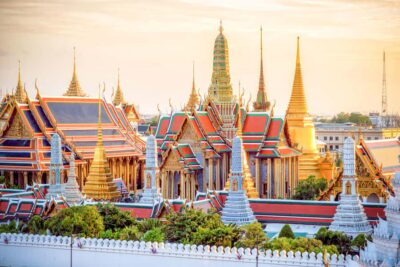
City Highlights Temple and Market Walking Tour
Read our review →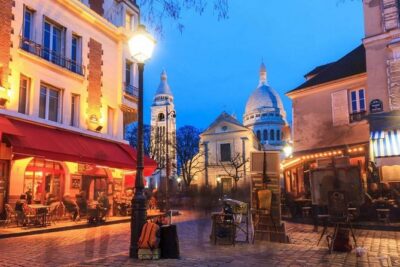
Montmartre Hidden Gems and Scenic Highlights Walking Tour
Read our review →
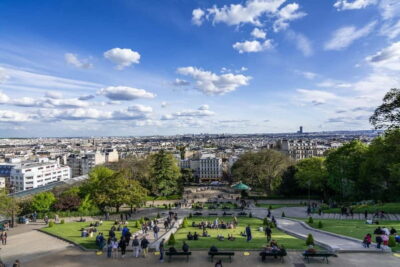
Montmartre Highlights Walking Tour with a Local Guide
Read our review →Browse the lists this tour appears in