

Review · FLORENCE WALKING TOURS
Florence: The Medici Family Guided Walking Tour
Florence’s ruling family left clues everywhere. This 90-minute walk connects Medici palaces, chapels, public squares, and bridges while explaining how banking, politics, religion, and patronage shaped the city. I especially like the small groups of up to 10 people and the way the route gives you useful context for later sightseeing. The $34 price is also fair for a live guide-led introduction to central Florence.
The best guides make the story easy to follow without turning it into a lecture. Francesco, Elizabeth, Lorenzo, Julia, and Iulia have all been praised for clear explanations, humor, and practical tips. One possible drawback is that the tour moves quickly and does not include admission to the buildings, so you will see many sites from the outside or receive only a brief guided explanation.
Key points to know before you book
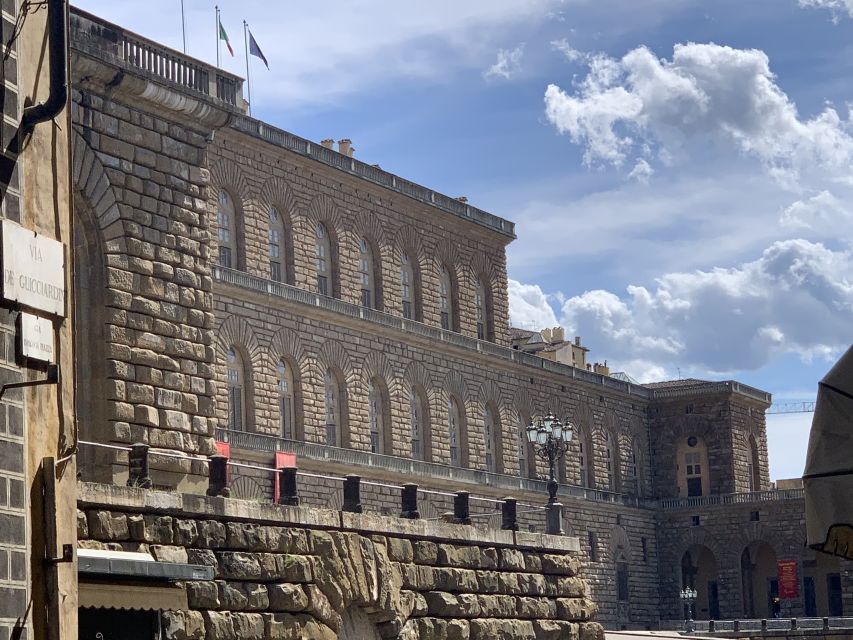
- Follow the Medici trail through central Florence: The route links Palazzo Medici Riccardi, the Medici Chapel, San Lorenzo, Piazza della Signoria, Palazzo Vecchio, the Uffizi area, and Ponte Vecchio.
- Expect a compact 90-minute introduction: You cover a lot of ground on foot, with several short stops rather than long interior visits.
- The guide makes the difference: Past guides including Francesco, Elizabeth, Lorenzo, Julia, and Iulia have been praised for warmth, humor, and strong command of Florentine history.
- Bring comfortable shoes: The tour includes repeated walks between stops and finishes at Ponte Vecchio.
- Admission is not included: Entry tickets for buildings are separate, so plan this as an orientation tour rather than a full museum visit.
- The route has one detail to confirm: The description refers to Palazzo Pitti as a culmination, while the detailed route ends at Ponte Vecchio. Ask the operator about the exact finish when booking.
Why the Medici story works so well on foot
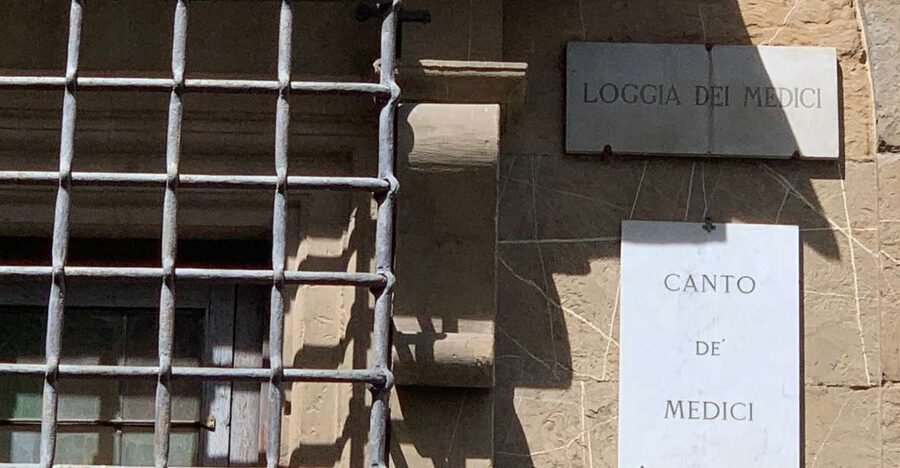
Florence can feel like a museum without walls. A palace becomes a clue to banking power, a chapel reveals family pride, and a coat of arms explains who paid for the work. That is the strength of this tour: it gives you a connecting story instead of presenting famous buildings as unrelated photo stops.
The Medici family influenced Florence through banking, commerce, politics, religion, science, and art. Their money helped support artists and architects, but their reach was not limited to galleries. The family also shaped public spaces and religious buildings, making their presence part of everyday Florentine scenery.
I like this approach for a first day in Florence. You learn to notice Medici symbols, especially the family’s distinctive balls, or palle, on buildings around the city. One visitor said the tour helped them spot Medici crests during the rest of their stay. That is a useful benefit: the lesson continues after the guide has gone.
The pace should suit you if you want a clear overview before visiting museums on your own. It may feel too brief if you want long discussions of individual paintings, detailed interior tours, or time to linger at every monument.
More Guided Walks in Florence:
- Florence: Highlights Walking Tour with Expert Guide
★ 4.6 · 4,662 reviews - Florence: Duomo Complex with Tickets & City Walk Guided Tour
★ 4.7 · 2,057 reviews - David & Accademia Guided Tour with Time Entry Ticket
★ 4.5 · 1,705 reviews
Starting at Via Cavour and Palazzo Medici Riccardi
Meet at Florence Tours and Enjoy Biking on Via Cavour 21 R. The number 21r is next to number 11 in black, a detail worth noting because Florence uses red numbers for many business addresses. Give yourself time to locate the office rather than arriving at the last second.
From the meeting point, the group walks about five minutes to Palazzo Medici Riccardi. This was an important Medici residence and offers a direct opening to the family story. Here, your guide can explain how a banking family turned financial power into social and political influence.
The planned guided stop is short, about five minutes. That tells you what kind of experience this is. You are getting orientation and interpretation, not an extended palace visit. The building is still valuable as an opening chapter because it links the Medici name to domestic power, status, and Florence’s changing public identity.
If you want to explore the palace interiors, ask about separate admission before or after the tour. Entry is not part of the $34 fee.
The Medici Chapel and San Lorenzo
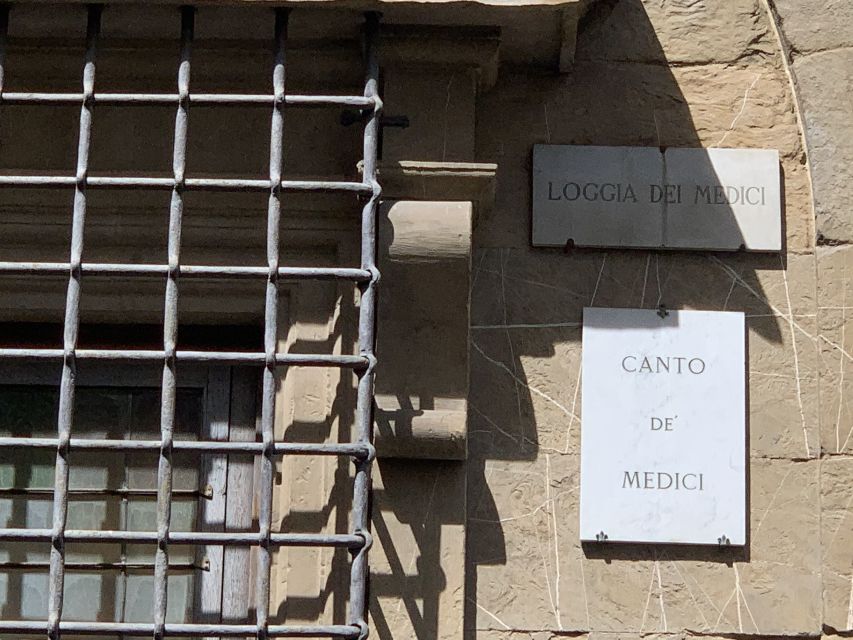
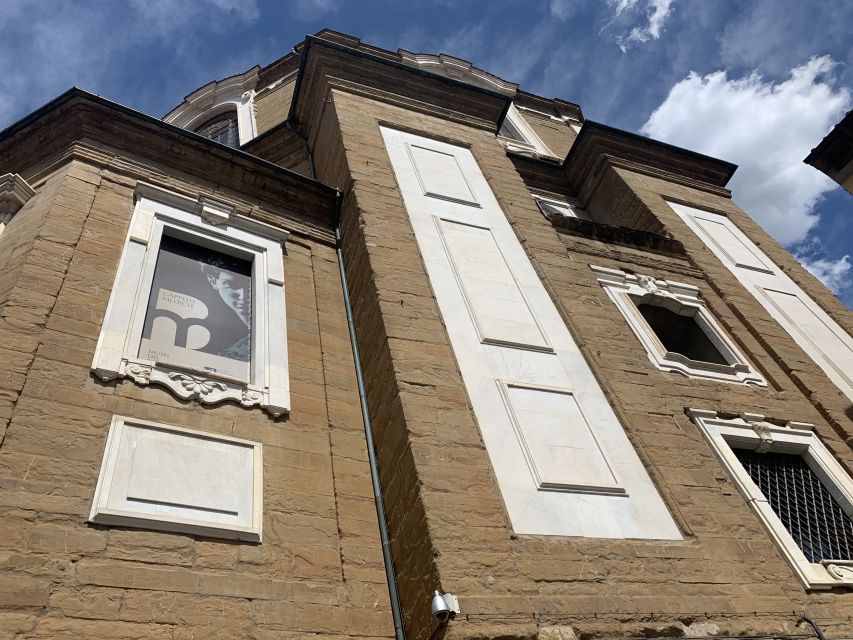
The next walk takes about five minutes to the Medici Chapel. The chapel is one of the clearest places to connect family devotion, dynastic memory, and art. The guided portion is listed at five minutes, so expect a focused explanation rather than a full examination of every work or architectural detail.
The tour then continues to the Basilica of San Lorenzo, with about ten minutes set aside for the guided visit. This stop gives the story a broader religious and civic setting. The Medici were not simply private patrons collecting beautiful objects. Their support affected churches and public life, and San Lorenzo helps show that connection.
The short timing has both strengths and limits. You will gain a useful framework for understanding the church and its Medici ties, but you will not have much time for quiet looking. If San Lorenzo is high on your list, plan a separate visit when you can explore at your own speed.
This part of the walk is especially helpful if you are new to Renaissance Florence. The guide can point out how the family’s name appears in architecture, decoration, and symbols. It is easier to understand those details once you know why the family invested so heavily in religious buildings.
Piazza della Signoria and Palazzo Vecchio
After roughly ten minutes on foot, the group reaches Piazza della Signoria. The square receives about ten minutes of guided attention. This is one of Florence’s main public spaces, and it shifts the Medici story from family residences and churches to political power.
Here, you can expect the guide to explain the square’s role in Florentine civic life and point out how nearby buildings fit into the city’s story. The value is not just the square itself. It is the chance to see how Medici influence operated in public view, among government buildings, statues, and formal spaces.
The next stop is Palazzo Vecchio, also scheduled for around ten minutes. The palace is central to understanding Florence’s government and the family’s relationship with civic authority. It gives the tour a useful contrast: the Medici residence shows private status, while Palazzo Vecchio represents public power.
Again, admission is not included. The tour can explain the building and its importance, but you should not expect an interior visit as part of the standard walk. If you are planning to enter Palazzo Vecchio, keep that as a separate activity and allow enough time for it.
I also like that the guides often add advice about other things to see nearby. Sam, for example, praised a guide for pointing out extra sights and explaining how to use the area well. That kind of practical help makes a short walking tour more useful than a string of dates and names.
A few more walks around Florence worth a look
- Uffizi & Accademia Timed Entry: Small Group Duomo Walking Tour
★ 4.5 · 3,630 reviews - Florence: Guided Walking Tour
★ 4.6 · 1,602 reviews - Florence: Renaissance and Medici Tales Guided Walking Tour
★ 4.8 · 1,549 reviews - Florence: Uffizi & Accademia Small Group Walking Tour
★ 4.7 · 1,380 reviews
The Uffizi area and Medici artistic influence
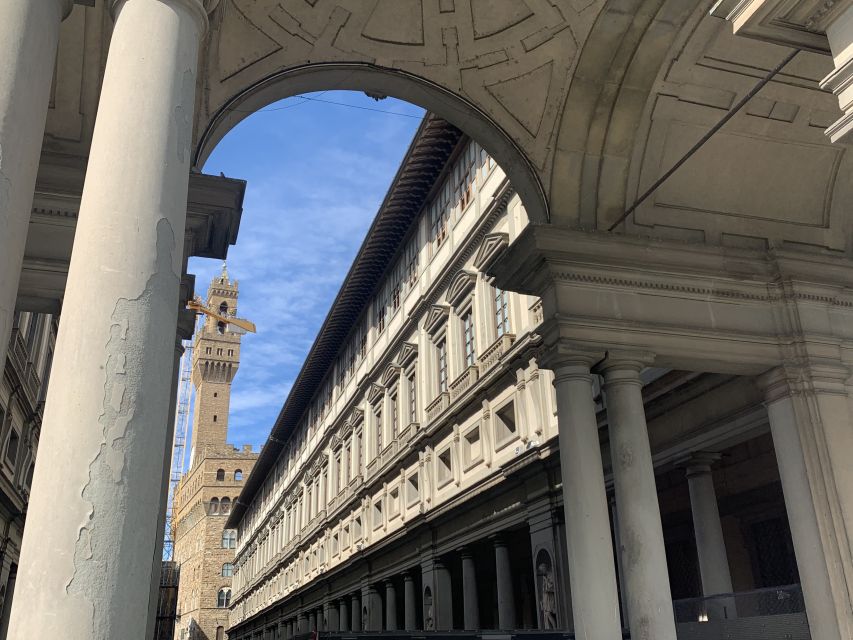
The route continues to the Uffizi Gallery area, with about five minutes of guided explanation. The short stop reflects the tour’s focus. This is not a Uffizi entry tour, and no gallery ticket is included.
Still, the Uffizi is an important point on a Medici walk because it helps explain how the family supported artistic life. The guide can place the gallery within the wider story of patronage, power, and Florence’s cultural identity. You may come away with a better sense of why the Uffizi should be visited as its own major attraction.
Do not confuse a stop at the Uffizi with admission to the museum. If you want to see the collections, book a separate ticket or visit. This tour works best as the historical thread that prepares you for that later experience.
The artistic discussion is also where guide quality matters most. Some guides are gifted storytellers who connect architecture, family rivalries, art, and rumors. Valentina, for example, was praised for bringing together architecture, art history, important figures, and amusing stories about the families of the period.
Ponte Vecchio and the end of the walk
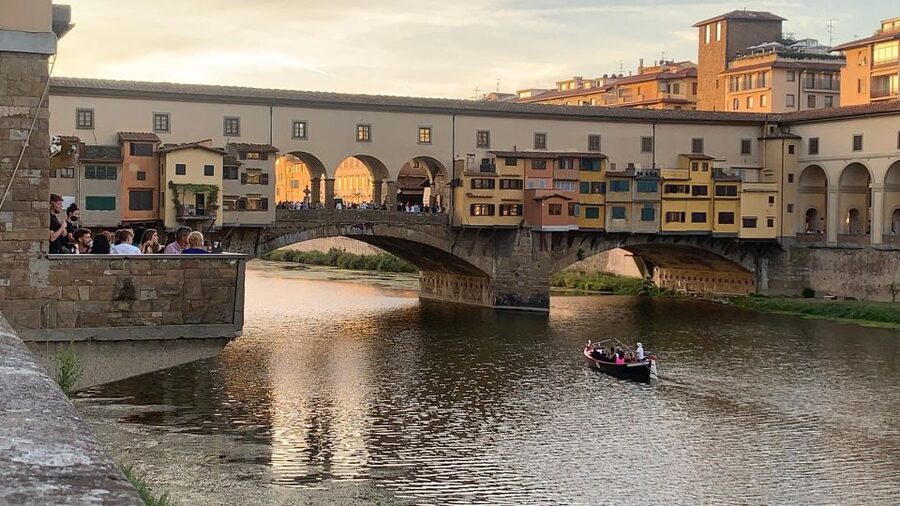
A final five-minute walk brings you to Ponte Vecchio, where the route includes about ten minutes of guided explanation. The bridge is a fitting ending because it connects Florence’s commercial life with its famous city views and Medici associations.
The bridge gives you a chance to see how the city’s working and political worlds met along the river. It is also a practical place to finish because you can continue toward other central sights after the tour. Your guide may also help you understand what you are seeing beyond the postcard view.
There is a slight inconsistency in the supplied tour details. The general description says the walk culminates at Palazzo Pitti, while the detailed stop-by-stop route finishes at Ponte Vecchio. Since Palazzo Pitti does not appear as a scheduled stop in the detailed route, confirm the final meeting point before you go.
That clarification matters if you are arranging lunch, museum reservations, or transport afterward. Either way, the published walking sequence is compact and focused on central Florence.
What the 90-minute format really means
Ninety minutes is enough to introduce the Medici story, but not enough to explore every stop in depth. The itinerary includes several five-minute walks and a series of short guided stops, so you should think of the tour as a moving history lesson.
I like the format for three types of visitors:
- First-time visitors: You get a useful map of central Florence and a basic timeline for its major buildings.
- Art and architecture fans: The Medici connection adds meaning to places you might otherwise view only as beautiful backdrops.
- Families and mixed-age groups: Several guides have kept the material light and engaging, and one family found that children enjoyed Lorenzo’s presentation.
Solo visitors can also fit in comfortably. A past participant described the small group as friendly and personal, with enough room to meet others without feeling lost in a crowd.
The tradeoff is depth. If you already know Medici history well, the tour may cover familiar ground. You might prefer a longer specialist tour or individual museum visits. The listed price of $34 remains reasonable for a live English guide, but its value depends on using the tour as a foundation rather than a replacement for entry tickets.
Guide quality and group size
The strongest part of this experience is the guide. Francesco has received repeated praise for energy, humor, and clear storytelling. Elizabeth has been praised for her command of Medici history and for giving guests individual attention when the group was very small. Julia and Iulia were also described as warm, generous with their time, and passionate about Florence.
Those details matter because a 90-minute history walk can easily become dry. A good guide keeps the story moving, explains unfamiliar names, and points out symbols you might miss. The best feedback also notes flexibility, with guides adjusting explanations to match the group’s interests.
The group is limited to 10 participants. That is a real advantage in Florence, where narrow streets and busy squares can make large tours awkward. A small group also makes it easier to ask questions and stay close to the guide.
There have been occasional practical hiccups. One person had a problem with the audio equipment and was moved to another group, though the guide handled the situation kindly. English is the listed tour language, with an English-speaking guide and English audio support.
Practical details, comfort, and value
The walk is described as wheelchair accessible, but you should still confirm the exact route and conditions if accessibility is important for your visit. Florence’s historic center includes busy public spaces and old buildings, and individual interior access may differ.
Wear comfortable shoes and bring water. Food and drinks are not included, and there is no hotel pickup or drop-off. Since the tour ends in the city center, you can easily continue sightseeing or stop for a meal afterward.
The provider allows free cancellation up to 24 hours in advance, and you can reserve while paying later. Those terms are useful if your Florence schedule is still changing. Starting times vary, so check availability when selecting a date.
At $34 per person, I see this as a good-value orientation. You are paying for a live guide, a carefully connected route, and local explanations across several important sites. You are not paying for museum admission, long interior visits, or transportation.
Who should book this Medici walking tour?
Book it if you want to understand how one family shaped Florence and you prefer stories tied to real buildings. It is particularly useful early in your stay, before you visit the Uffizi, Palazzo Vecchio, San Lorenzo, or other Medici-linked sites on your own.
It also suits families, solo visitors, and anyone who likes a small group. The guides have earned the strongest praise for being friendly, clear, flexible, and entertaining. You can expect a broad introduction rather than an academic lecture.
Think twice if you want guaranteed access inside every building or a long, detailed study of Medici art. The short stops and separate admission costs mean you will need extra time and money for the interiors.
Should you book it?
I would book this tour as a first look at Florence, especially if the Medici story is new to you. The route covers a generous number of landmarks in 90 minutes, and the best guides turn scattered buildings into one understandable story.
Before booking, confirm whether your departure information lists Ponte Vecchio or Palazzo Pitti as the final stop. Then bring good shoes, keep your expectations focused on orientation, and save time for separate visits inside the museums and palaces. At $34, it earns its place as a practical introduction to Medici Florence, with the guide’s skill making the biggest difference.
FAQ
How long is the Florence Medici Family Guided Walking Tour?
The tour lasts 1.5 hours, or approximately 90 minutes.
Where does the tour start?
It starts at Florence Tours and Enjoy Biking, Via Cavour 21 R. The number 21r is next to number 11 in black.
Where does the detailed route finish?
The detailed route finishes at Ponte Vecchio. The general description also mentions Palazzo Pitti, so confirm the final stop when booking.
Are entry tickets included?
No. Entry tickets for buildings are not included in the tour price.
What language is the tour offered in?
The live guide and audio guide are offered in English.
How many people are in the group?
The tour is a small-group experience limited to 10 participants.
Just added around Florence
- Florence: Heart of Florence Guided Walking Tour★ 4.0 · 81 reviews
- Florence: Tuscan Food and Wine Guided Walking Tour★ 4.8 · 72 reviews
- Florence Walking Tour & Skip-the-Line David at Accademia★ 4.7 · 159 reviews
- Florence: Walking Tour with David, Duomo & Uffizi Gallery★ 4.7 · 414 reviews
- Florence: Small Group Guided Walking Tour★ 4.7 · 176 reviews
- Florence Street Food Walking Tour with Wine in Duomo Area★ 4.9 · 76 reviews
- Florence: Pitti Palace and Boboli Gardens Walking Tour★ 4.6 · 182 reviews
- Florence: Private Walking Tour with a Local★ 4.6 · 126 reviews
Florence Walking Tours, compared.
Uffizi & Accademia Timed Entry: Small Group Duomo Walking Tour
Read our review →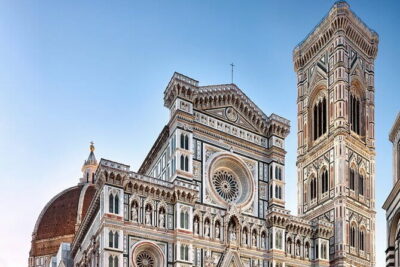
Duomo Complex with Tickets & City Walk Guided Tour
Read our review →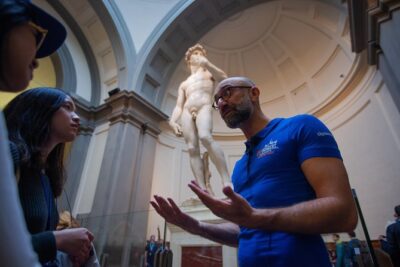
Michelangelo’s David, Accademia & Uffizi Small Group Tour
Read our review →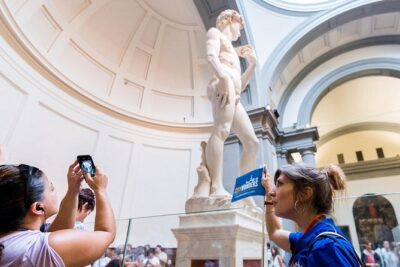
David & Accademia Guided Tour with Time Entry Ticket
Read our review →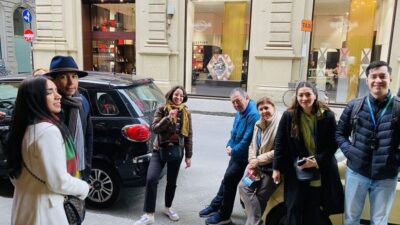
Browse the lists this tour appears in