
Review · ITALY WALKING TOURS
Milan: Guided Walking Tour with Last Supper Skip-the-Line
Milan rewards a good first walk. This three-hour experience pairs a reserved visit to Leonardo’s Last Supper with a guided route through the city center, giving you art, architecture, opera, and medieval Milan in one well-packed outing. I like the smart combination of the painting and the major sights, and I like that the guide adds context instead of simply pointing at buildings. The main drawback is the price: at $106 per person, it is not cheap, especially since the Duomo and La Scala are viewed from outside.
The tour is also less predictable than a simple city walk. Your Last Supper visit may come at the beginning or end, depending on the available timed entry, so you should keep the full three hours free and avoid scheduling a tight lunch or train connection afterward. Still, the reserved ticket solves one of Milan’s trickiest booking problems, and guides such as Cristina, Chiara, Simon, Eddie, and Samantha have earned especially warm praise for making the city easy to understand.
At a glance: what you get for $106
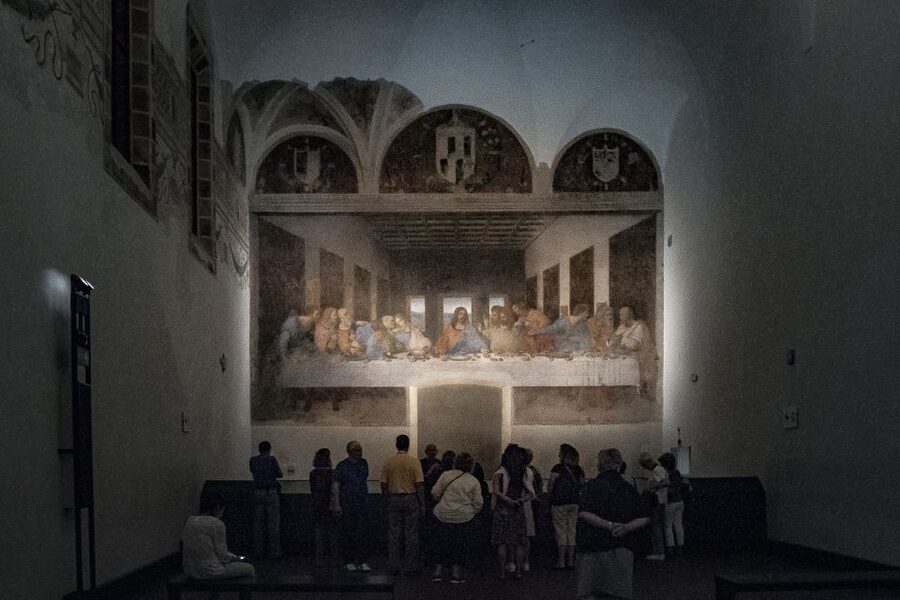
- A reserved Last Supper entry: This is the tour’s most valuable feature, since access to Leonardo’s fresco is strictly limited and must be booked ahead.
- A three-hour introduction to Milan: The route links Santa Maria delle Grazie, Sforza Castle, Piazza dei Mercanti, La Scala, the Galleria, and the Duomo.
- Strong guide-led storytelling: Guides have been praised for clear explanations, humor, local tips, and an ability to connect art with Milanese life.
- A useful first-day activity: The route helps you get your bearings before returning on your own to places you want to explore in greater detail.
- Headsets for the walking tour: You can hear the guide while moving through busy streets and open squares.
- One important limitation: The activity information gives conflicting accessibility details. It says wheelchair accessible in one place but also lists wheelchair users as not suitable, so confirm before booking.
Why The Last Supper Changes The Value
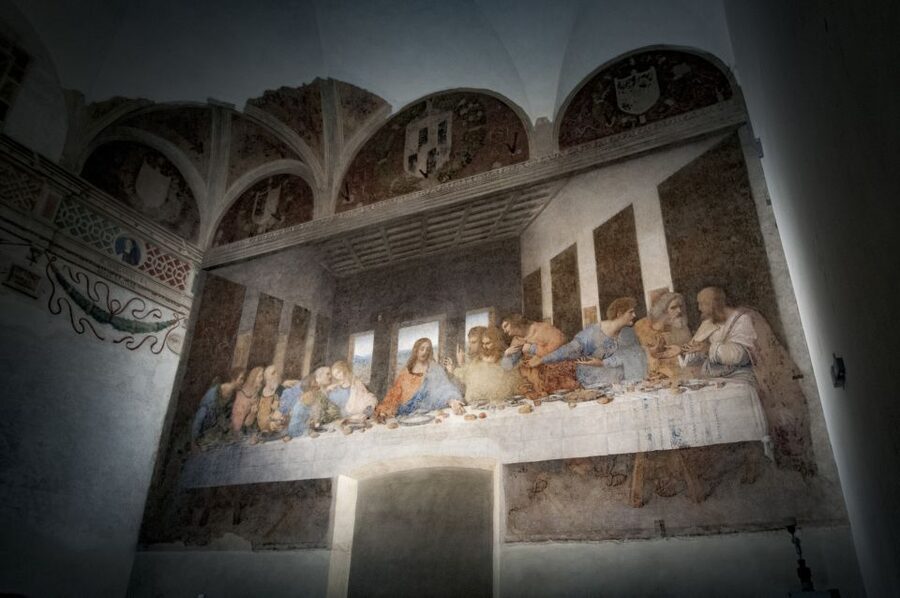
The Last Supper is not a casual stop where you wander in whenever you please. Entry to the room at Santa Maria delle Grazie is limited, timed, and tied to advance reservations. That makes the included ticket much more useful than a standard museum admission.
For many people, this is the reason to book the tour at all. Jennifer from the United States put the value plainly: getting a ticket independently can mean watching for limited releases months ahead. The $106 price includes the painting and a guided city walk, so you are paying not only for access but also for someone to explain what you are seeing.
Your time inside is controlled, as it must be for conservation and crowd management. Do not expect a long, leisurely museum visit. The benefit is focus. Your guide can point out the structure, gestures, figures, and religious ideas that make the fresco more than a famous image on a wall.
Several guides have been singled out for this part of the experience. Cristina was praised for making the painting’s artistic depth and historical setting clear. Carmine’s art-history background added weight to the explanation, while Chiara was noted for discussing the work without overwhelming the group. One particularly useful approach compared The Last Supper with the Crucifixion, giving the painting a wider religious and artistic setting.
That kind of explanation matters because the fresco has suffered damage over the centuries. You are not simply looking at a perfect Renaissance wall painting. You are seeing a fragile work that has survived in altered form, and a good guide helps you understand both its beauty and its limits.
More Skip-the-Line Tickets in Italy:
- Skip-the-Line Florence Highlights and David Walking Tour
★ 5.0 · 1,127 reviews - Siena: Walking Tour and Skip-the-Line Duomo Tickets
★ 4.8 · 1,116 reviews - From Naples: Guided tour of Pompeii skip-the-line and round-trip train
★ 4.5 · 811 reviews
Starting At Santa Maria Delle Grazie
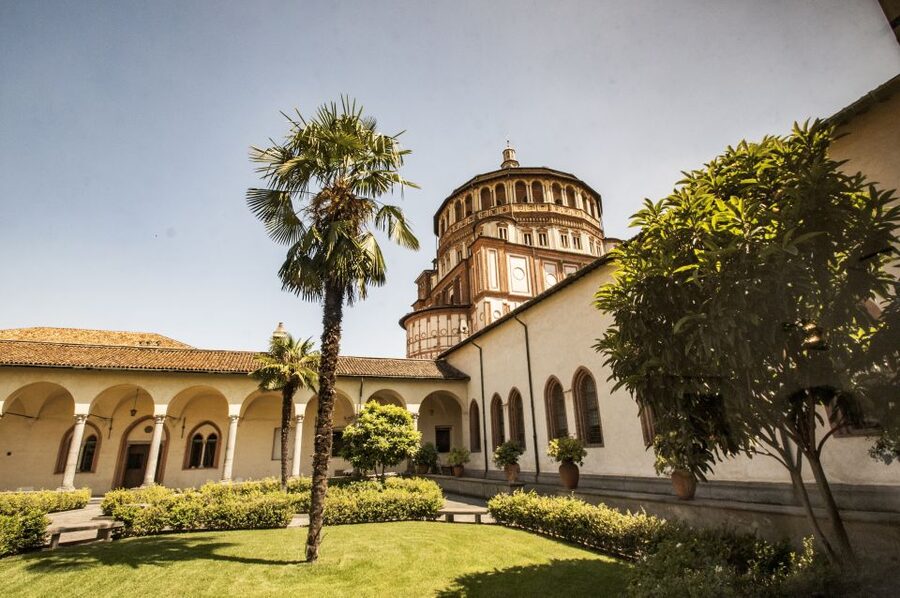
The church of Santa Maria delle Grazie is the setting for the painting, and it gives the visit a suitable sense of place. The church itself is part of Milan’s major artistic story, but the tour’s main purpose here is the refectory where Leonardo’s work is displayed.
The order can change. Your visit to The Last Supper may be at the very beginning or at the very end of the three-hour tour, based on the assigned entry slot. This is not a small detail. If you expect to start at the church and finish near the Duomo, you may find the order reversed.
The stated meeting point is Duomo Square number 4, under the arches next to 12 OZ Coffee Joint. That means you should allow time to find the group before setting off. Since the tour can shift its sequence, listen carefully to the guide’s instructions at the start.
The included headsets are useful here and during the walk. Milan’s central streets can be noisy, and a guide speaking to a group without audio equipment is easy to lose. The headsets let you look at buildings while still following the explanation.
Sforza Castle And The Ducal Past
Sforza Castle gives the tour a change of scale. After the concentrated art experience at Santa Maria delle Grazie, you move toward an imposing fortress associated with Milan’s dukes.
The castle served as the residence of Milan’s ruling family for centuries. Today it contains museums and important art collections, but this experience focuses on the outside and the story of the fortress rather than a full museum visit.
I like this stop because it connects Milan’s political past with the city you see today. It is easy to think of Milan only as a fashion, shopping, and business center. The castle reminds you that the city was once shaped by dukes, military power, court life, and ambitious building projects.
Do not confuse this with a castle museum tour. If you want to see the collections inside, you will need separate time and admission. The walking tour gives you an introduction and helps you decide if a return visit is worthwhile.
Piazza Dei Mercanti, A Quieter Medieval Pause
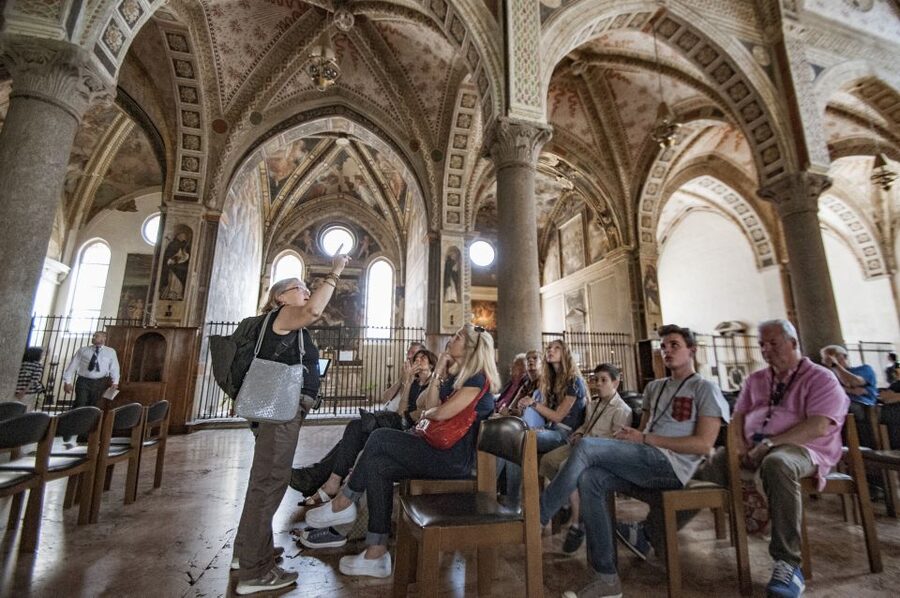
Piazza dei Mercanti is one of the more appealing stops on the route because it feels different from the large ceremonial spaces nearby. It is a small square tucked into the medieval center, close to the Duomo but easy to miss if you are moving quickly.
Your guide explains the square’s medieval role and the Renaissance illusion of space associated with Bramante. The point is not just to photograph an old-looking courtyard. It is to notice how Milan’s urban design changes from grand avenues and open plazas to tighter, older spaces.
This is also where a guided walk earns its keep. On your own, you might pass through without understanding why the square matters. With a guide, architectural details and the relationship between buildings become easier to see.
The square is not a major interior attraction, and you should not expect a long stop. Its value comes from contrast. After the famous names of Leonardo and Sforza Castle, this smaller corner gives you a taste of the medieval city that can be overlooked by a first-time visit.
More Guided Walks in Italy:
- Milan: Guided Walking Tour & Last Supper Visit with Ticket
★ 4.7 · 5,409 reviews - Naples: Street Food Walking Tour with Local Guide
★ 4.9 · 4,976 reviews - Florence: Highlights Walking Tour with Expert Guide
★ 4.6 · 4,662 reviews - Rome: Guided Food Walking Tour with Wine in Trastevere
★ 4.9 · 3,105 reviews
La Scala And Milan’s Opera Tradition
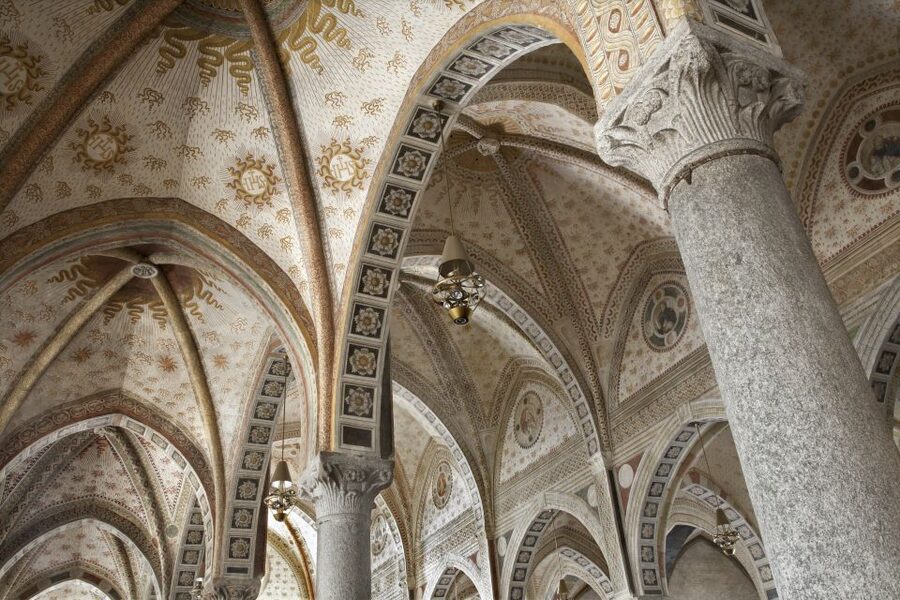
At Piazza della Scala, the route reaches one of the world’s best-known opera houses. La Scala has hosted leading singers and musicians, and its name carries unusual weight in the history of European opera.
The tour views the building from outside. That is important to know if you are hoping to see the auditorium or museum. The guide’s explanation helps you understand why the opera house matters, but this is not an interior performance or backstage visit.
I appreciate the stop because it adds a cultural side of Milan that is not obvious from the city’s streets. The city’s identity is not only about old churches and noble families. Opera, public life, design, and modern Milan all meet around this square.
Guides have also been praised for linking Milan’s past with current subjects, including sports and politics. That broader approach can make the stop feel less like a memorized paragraph and more like a conversation about the city.
Inside The Galleria Vittorio Emanuele II
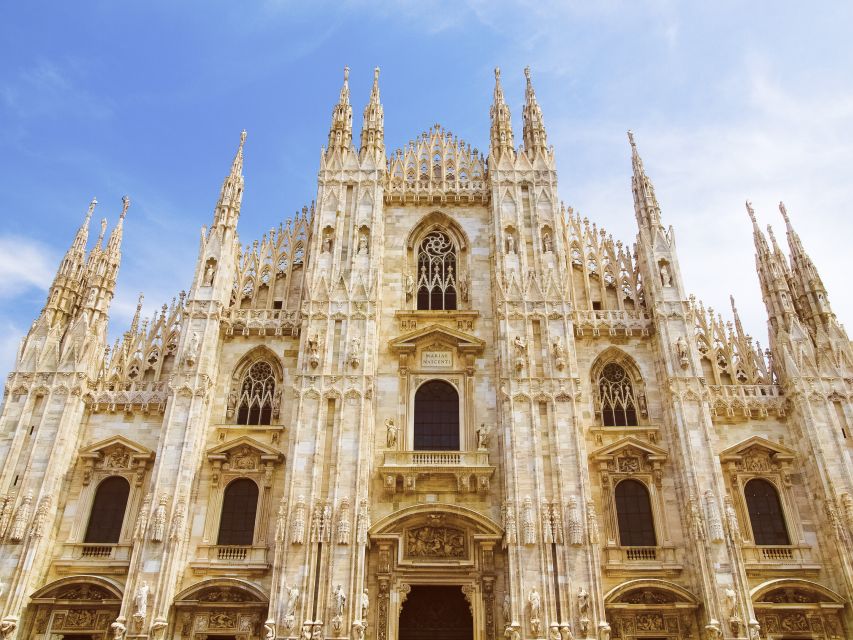
The Galleria Vittorio Emanuele II is one of Milan’s easiest sights to enjoy without an admission ticket. This nineteenth-century shopping arcade is covered by a grand glass vault and lined with elegant facades, cafes, and shops.
Milanese people call it the Salotto di Milano, or Milan’s drawing room. The name makes sense: this has long been a place to meet, stroll, watch the crowd, and be seen.
Your guide can help you notice details that may otherwise blur together, from the glass roof to the arcade’s role in city life. You will also hear how the Galleria connects the opera house area with the Duomo, making it a practical as well as beautiful passage.
The drawback is time. The group will walk through rather than give you a long shopping or cafe break. If you want to browse, return later. The tour is best used as an introduction, not as your only visit.
The Duomo From Milan’s Main Square
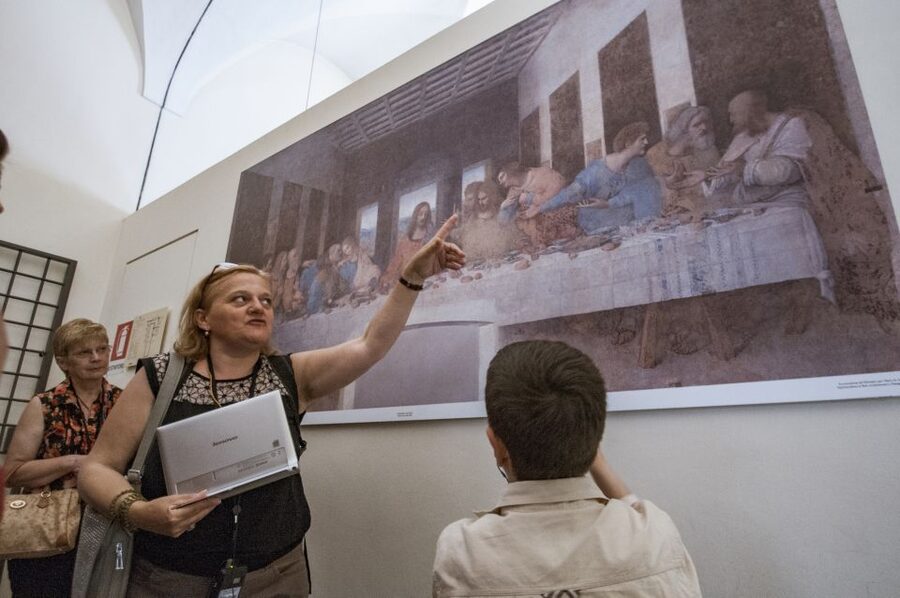
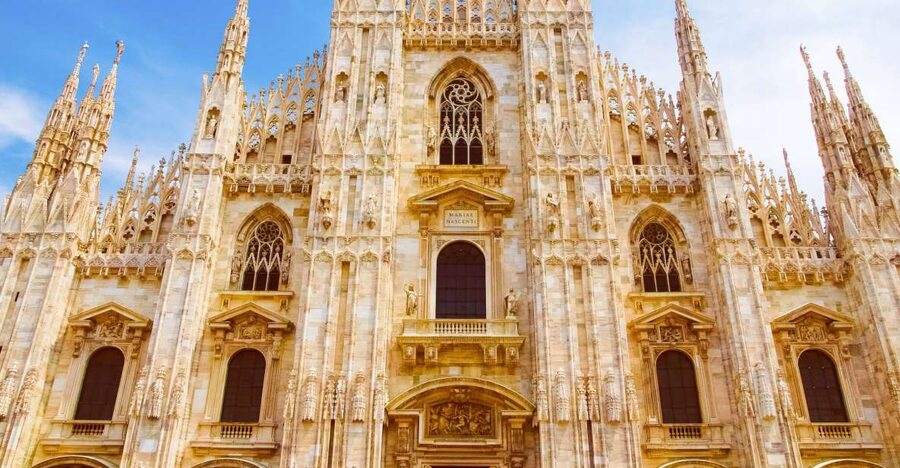
The walk ends at the Duomo, the city’s dominant landmark. Its ornate Gothic exterior fills Piazza del Duomo, and it is often counted among the world’s most beautiful churches.
This tour admires the Duomo from the outside. Admission inside, including access to the rooftop terraces, is not listed among the inclusions. That keeps the three-hour route moving, but it also means you need separate plans if the cathedral interior is a priority.
The outside visit still has real value. After hearing about Milan’s rulers, medieval streets, Renaissance design, opera, and civic life, you reach the building that gathers much of the city’s identity in one place.
The Duomo is also a useful end point. You are in the center of Milan, close to the Galleria and other major sights, with a better sense of where to return. Deborah from the United Kingdom liked taking the tour in the morning because it left the afternoon open for independent visits. That is a sensible way to use it.
What The Guides Do Best
The strongest part of this experience is the human one. The guides are not interchangeable voices in the background. Their delivery shapes how much you take from the walk.
Cristina appears repeatedly in the feedback, with praise for her energy, warmth, storytelling, and explanation of The Last Supper. Chiara is also noted for humor, clear presentation, and personal connection to Milan. One guide, Kyra, was described as having grown up in the city, which added local perspective during the walk.
Simon received praise for a steady pace and clear information. Eddie was described as warm, considerate, and strong on Milanese history, architecture, and culture. Samantha was appreciated for making history relatable, while Flavia even stayed after the scheduled tour to help with directions to a shopping area.
These details tell you what to expect from the best version of the tour: not just dates and names, but stories, useful orientation, and room for questions. The headsets help the guide keep speaking while the group walks, and one family noted that even a ten-year-old stayed attentive for the full three hours.
Guide quality can vary on any scheduled group tour, so I would not assume every outing will feel identical. Still, the pattern here is unusually consistent: clear English, enthusiasm, humor, and strong art explanations.
Pace, Group Size, And Practical Comfort
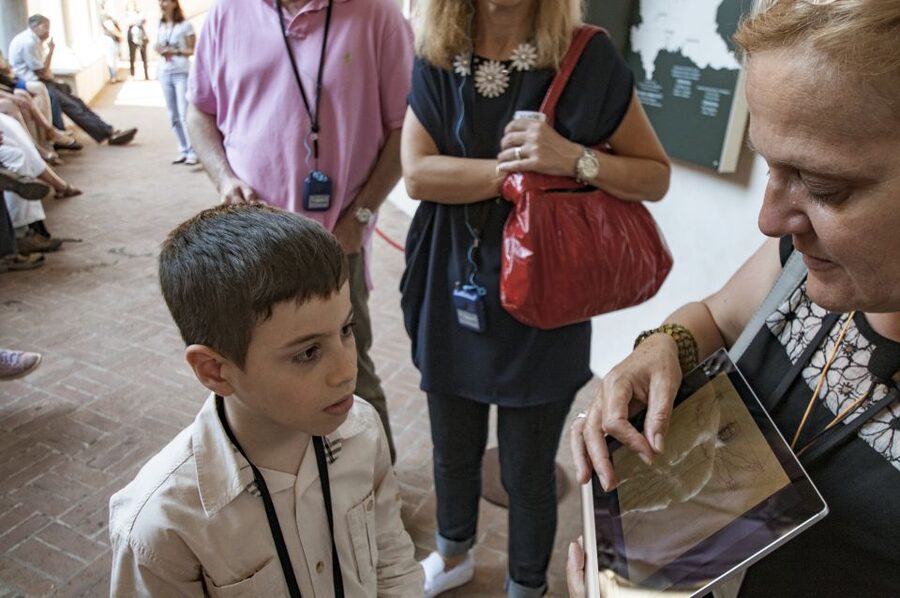
Three hours is enough time to cover the main sights but not enough to linger at each one. You will be walking between stops, listening through headsets, and pausing for explanations. Comfortable shoes are a sensible choice, though the supplied information does not give a precise walking distance.
Group size is not fixed in the details provided. One person described a group of about ten, which allowed plenty of questions, but you should not assume every departure will be that small.
The tour is conducted in English, with an English-speaking live guide and English audio support. If you need another language, this is not the right choice.
The accessibility information needs special care. The booking details describe the activity as wheelchair accessible, but the same information lists wheelchair users under not suitable. Because those statements conflict, contact the provider before reserving if mobility access matters to you.
Free cancellation is available up to 24 hours before the activity for a full refund, and the reserve-now, pay-later option can help if your schedule is still changing. The main planning rule is simple: do not book another fixed activity too close to the end, because the Last Supper time can alter the route order.
Is $106 A Fair Price?
At $106, this is a premium half-day introduction, not a bargain walking tour. If you can obtain a Last Supper ticket independently, you may find a cheaper way to combine the painting with self-guided visits to the center.
But independent access is the hard part. The painting requires advance planning and timed entry, and the tour removes much of that uncertainty. You also receive a licensed guide, headsets, and a route that connects major sights in a logical way.
I think the price makes the most sense for a first visit, a short stay, or anyone who values clear art and city context. It is less appealing if you are staying several days, enjoy researching on your own, and already have a Last Supper reservation.
The city walk adds enough value to keep the experience from being just an expensive ticket. You see the central sights, learn which places deserve a return visit, and get local suggestions for cafes, bakeries, and other stops. Still, remember what is not included: there is no stated interior visit to the Duomo, La Scala, or Sforza Castle.
Who Should Book This Milan Walk?
I would choose this tour if you are visiting Milan for the first time and want an efficient orientation. It is especially useful for a short stay, since it covers the city’s best-known sights while securing the one ticket that can be difficult to arrange.
It also suits you if art history is more interesting when someone explains the details. The Last Supper can be underwhelming if you only snap a picture and leave. A careful guide helps you notice Leonardo’s choices and understand why the painting remains so important.
Families may appreciate the pace, headsets, humor, and variety. The route changes subjects often enough to keep the walk moving: fortress, medieval square, opera, shopping arcade, cathedral, and Renaissance art.
I would skip it if you dislike group tours, want long visits inside each monument, or already have strong plans for The Last Supper. You will pay for convenience and interpretation, not private access or an in-depth museum day.
Final Recommendation
Book this experience if seeing The Last Supper is a priority and you want a smart first look at central Milan. The reserved entry solves a real problem, and the best guides, especially Cristina, Chiara, Simon, Eddie, Samantha, and Flavia, add warmth and useful local detail.
Just plan around the flexible order, expect exterior visits to several landmarks, and verify the accessibility information before booking. For most first-time visitors with only a day or two in Milan, the combination is worth the premium.
FAQ
How long is the Milan guided walking tour?
The experience lasts three hours.
What does the tour include?
It includes a licensed tour guide, a ticket to see The Last Supper, a guided walk through Milan’s medieval center, and headsets.
Where is the meeting point?
The meeting point is Duomo Square number 4, under the arches next to 12 OZ Coffee Joint.
When will I see The Last Supper?
The visit may take place at the beginning or end of the tour, depending on the available timed entry.
Is the tour conducted in English?
Yes. The live guide and audio support are in English.
Does the tour go inside Milan Cathedral?
The experience includes an exterior visit to the Duomo. Admission inside the cathedral is not listed as included.
Does the tour visit the interiors of La Scala or Sforza Castle?
The route includes La Scala and Sforza Castle as sightseeing stops, but interior admission to either one is not listed as included.
Can I cancel the booking?
Yes. You can cancel up to 24 hours in advance for a full refund. You can also reserve now and pay later.
Just added around Italy
- Private Bologna Food & Market Tour with 6 Tastings & Wine★ 5.0 · 102 reviews
- Bologna Walking Tour with Audio and Written Guide★ 4.5 · 132 reviews
- Bologna historical art walking tour with hidden gems and tastings★ 5.0 · 108 reviews
- Bergamo: Digital guide made by a local for your walking tour★ 5.0 · 184 reviews
- The Original Street Food Walking Tour in Bari★ 4.5 · 226 reviews
- Full Day Tour by Car and Walking among the Apulian Beauties★ 4.5 · 182 reviews
- Bari Walking City Tour★ 4.5 · 511 reviews
- Bari: Street Food Walking Tour with a Local Guide★ 5.0 · 160 reviews
Italy Walking Tours, compared.
Doge’s Palace and St Mark’s Basilica Walking Tour
Read our review →
Guided Walking Tour & Last Supper Visit with Ticket
Read our review →
San Marco to Rialto Walk & Spritz Like a Local
Read our review →
Uffizi & Accademia Timed Entry: Small Group Duomo Walking Tour
Read our review →
Browse the lists this tour appears in