Review · TOURS
Nairobi Downtown Walking Tour
Nairobi rewards curious walkers. This 150-minute downtown tour links markets, historic buildings, religious landmarks, government sites, and everyday street life with a local guide at your side. I like the personal scale of the experience, and I like that guides such as David, William, Daniel, Ibrahim, and Eric explain what you are seeing rather than simply pointing at it. The main consideration is that city-center walking can be hot, crowded, and tiring, while the return ride to your hotel is not included.
The tour costs $27 per person, which is fair if you want context and help moving through central Nairobi with confidence. I especially like the included hotel pickup and the visit to McMillan Memorial Library. You will pay an additional $4 if you want to go up KICC, and you will need to arrange or pay for your own ride back.
Key points to know before you book
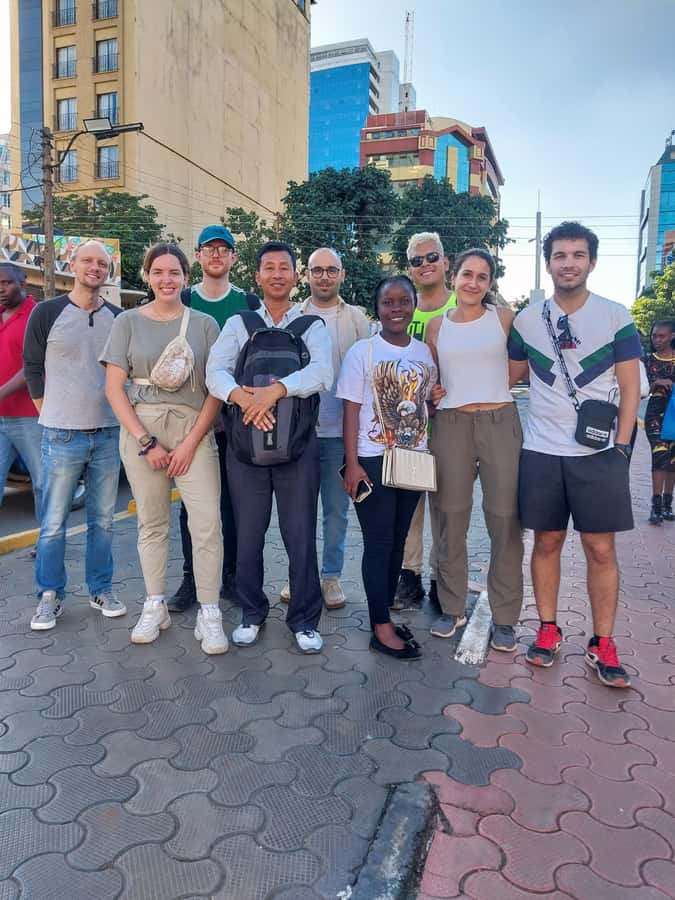
- Local guides make the difference: David, William, Daniel, Ibrahim, Eric, and other guides are praised for explaining Nairobi’s past and present in clear, friendly terms.
- The route shows several sides of downtown: Expect markets, government buildings, religious sites, offices, street scenes, and historic architecture.
- Maasai Market is your shopping stop: You can browse souvenirs and local crafts, but allow time and energy for bargaining and carrying purchases.
- KICC offers the big city view: The rooftop visit is optional in practical terms because entrance costs an extra $4 per person.
- Hotel pickup reduces first-day stress: A car collects you from a Nairobi hotel or apartment, and its details are sent before pickup.
- Wear practical clothing: Comfortable shoes, sunglasses, and a hat help in hot weather. A raincoat is wise during the rainy season.
Why this Nairobi walk is worth your time
Central Nairobi can feel like a lot to take in at once. Cars, pedestrians, office workers, vendors, churches, mosques, government buildings, and matatus all share the same few streets. A guide gives the scene some order and helps you notice details you might otherwise pass without understanding.
This is not a polished sightseeing circuit that keeps you away from ordinary city life. The route includes shopping areas, street vendors, local markets, and the places where Nairobi residents handle daily business. You also hear about matatu culture, city religion, and the working life of people selling goods in the center.
The guides are the strongest part of the experience. David is repeatedly praised for his stories and patience. William is often singled out for clear explanations and careful pacing. Daniel is described as friendly, flexible, and willing to help with shopping or transport after the walk. Ibrahim receives praise for his calm guidance and historical detail.
That consistency matters. Downtown Nairobi is easier to enjoy when someone local explains where you are, why a building matters, and how to move through the streets without worrying about every turn.
A few more walks around the world worth a look
- Magical London: Harry Potter Guided Walking Tour
★ 4.7 · 22,044 reviews - Reykjavik Food Walk – Local Foodie Adventure in Iceland
★ 5.0 · 18,952 reviews - History and Hauntings of Salem Guided Walking Tour
★ 5.0 · 14,564 reviews
Pickup from your hotel and the start on Simba Street
Pickup is included from any hotel or apartment in Nairobi. You receive the vehicle details before the scheduled collection, which is useful if you are new to the city or arriving after a long flight. Some participants also had guides help arrange a taxi or ride-hailing car after the tour, though that return service is not part of the advertised package.
The walk begins in the Nairobi County area, with a safety briefing on Simba Street. This is a sensible opening. You can meet the guide, ask questions, and settle into the pace before the route gets busier.
The guides are praised for taking things pole pole, or slowly. That is good news for anyone who wants photographs and explanations rather than a forced march. One solo woman specifically felt safe throughout the walk, and a family with a nine-year-old found the pace manageable. Still, you should expect a real city walk, not a short stroll between attractions.
Kimathi Street and the working center of Nairobi

From Simba Street, the route moves toward Kimathi Street, with time for photographs and sightseeing. This section helps you understand central Nairobi as an active business district rather than a collection of isolated monuments.
You may pass office workers, shops, street sellers, and people moving between transport connections. The guide can explain how the center functions and how Nairobi’s modern identity grew around these streets. The value here is less about one grand sight and more about learning to read the city around you.
The route passes the Nation Media Group headquarters. You do not appear to enter the building, but it gives the guide a chance to discuss one of Kenya’s major media institutions and the role of news in public life. If architecture is your main interest, this will be a brief exterior stop. If you want a sense of how Nairobi operates today, it fits neatly into the walk.
McMillan Memorial Library and Nairobi’s older buildings
The visit to McMillan Memorial Library is one of the more substantial historic stops. You have time for photographs, sightseeing, and a visit rather than merely passing the doorway.
The library gives the tour a quieter change of pace. Its presence points to Nairobi’s earlier civic and colonial-era development, and the guide can place the building within the wider story of the city. The exact amount of time spent inside may vary, so think of this as a guided visit rather than a long library tour.
I like this stop because it adds depth to a route otherwise filled with movement and street activity. You get a chance to pause, look closely, and connect the city’s old institutions with the present-day center around them.
Same streets, a different way to see them:
- New Orleans Premier Ghost, Voodoo and Vampire Walking Tour
★ 4.5 · 12,856 reviews - Amsterdam Anne Frank: Small-Group Walking Tour & Local Guide
★ 4.8 · 12,789 reviews - Edinburgh: Harry Potter Magical Guided Walking Tour
★ 4.8 · 11,944 reviews - Edinburgh Castle: Guided Walking Tour with Entry Ticket
★ 4.7 · 11,699 reviews
Jamia Mosque and the city’s religious mix
Jamia Mosque is viewed from the outside as the walk continues. The guide also explains Nairobi’s religious life, which gives this stop more meaning than a quick photograph.
The route later passes the Cathedral Basilica of the Holy Family, creating a useful contrast between two important places of worship. Together, these stops show that religion is part of the city’s public identity and daily rhythm.
Neither site is presented as a long interior visit, so dress and expectations should match an exterior sightseeing stop. If you want to go inside either building, you would need to ask the guide about current access and appropriate visiting rules.
Maasai Market, souvenirs, and the art of browsing
Maasai Market is the route’s main shopping stop. Local people and international visitors come here for souvenirs and handmade goods, so this is where you can look for something tangible to take home.
The guide can help you understand the market and may allow time for browsing. Daniel was praised for making room for souvenir stops, and several people appreciated being able to shop without feeling rushed. That flexibility is valuable because market visits are rarely improved by a strict stopwatch.
You should keep your belongings secure and avoid bringing large bags or luggage. The activity specifically advises against jewelry and large bags, practical guidance for a crowded outdoor walk. Comfortable shoes matter here too, since the market visit is part of a longer route rather than a separate shopping excursion.
The market may be the most enjoyable part if you like people-watching and local commerce. It may be less appealing if you dislike bargaining, crowded walkways, or repeated sales pitches. A guide helps, but you should still make your own choices and keep track of what you buy.
Smoking Zone and the less polished side of downtown
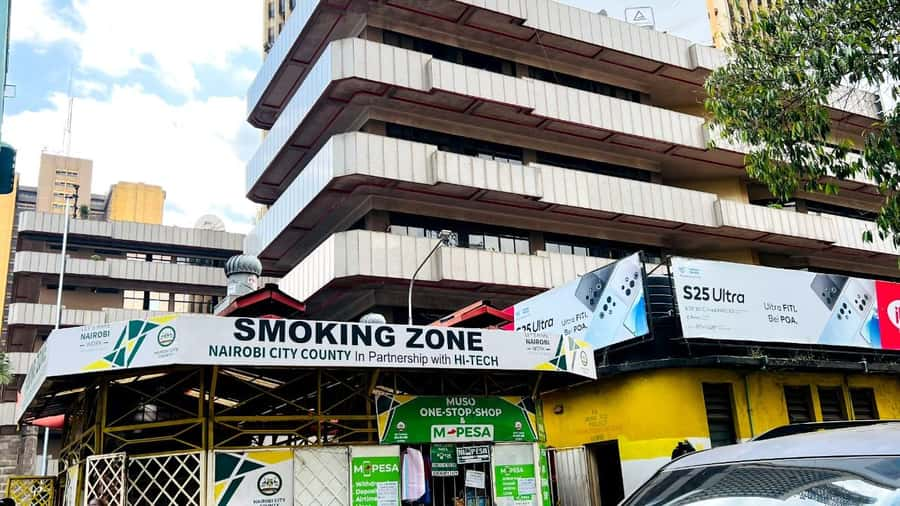
The route includes a stop known as Smoking Zone. You pass through and walk around the area, seeing another part of downtown life that organized sightseeing often skips.
This is where the tour feels most like a city walk rather than a monument tour. You may see street commerce, local movement, and less formal parts of the urban center. The guide’s role is important because context can turn an unfamiliar setting into a useful lesson about how people work and socialize in Nairobi.
Do not expect a quiet or highly organized attraction. This part can feel rough around the edges, and you should follow the guide’s instructions. The tour is not suitable for wheelchair users, and it may be difficult for anyone who needs smooth paths or frequent seating.
Nairobi’s religious and government landmarks
After more city streets and scenic views along the way, the walk passes the Cathedral Basilica of the Holy Family and continues toward the Parliament of Kenya.
The Parliament stop is an exterior sightseeing point. You do not receive a parliamentary tour, but the location gives the guide a chance to discuss Kenya’s government and the civic center of Nairobi. This is useful context because the surrounding streets are not only commercial. They also host national institutions and public decisions.
The mix of markets, offices, churches, mosques, and government buildings is what gives this experience its range. In a short period, you move from shopping and street life to national symbols. That variety is more valuable than trying to spend the entire time at one attraction.
Because this is a walking route through central streets, traffic and city activity can affect the pace. One person had a late start after a protest caused major traffic delays. That is a reminder to leave flexibility in your schedule, especially if you have a flight or another fixed appointment afterward.
KICC rooftop and the $4 view
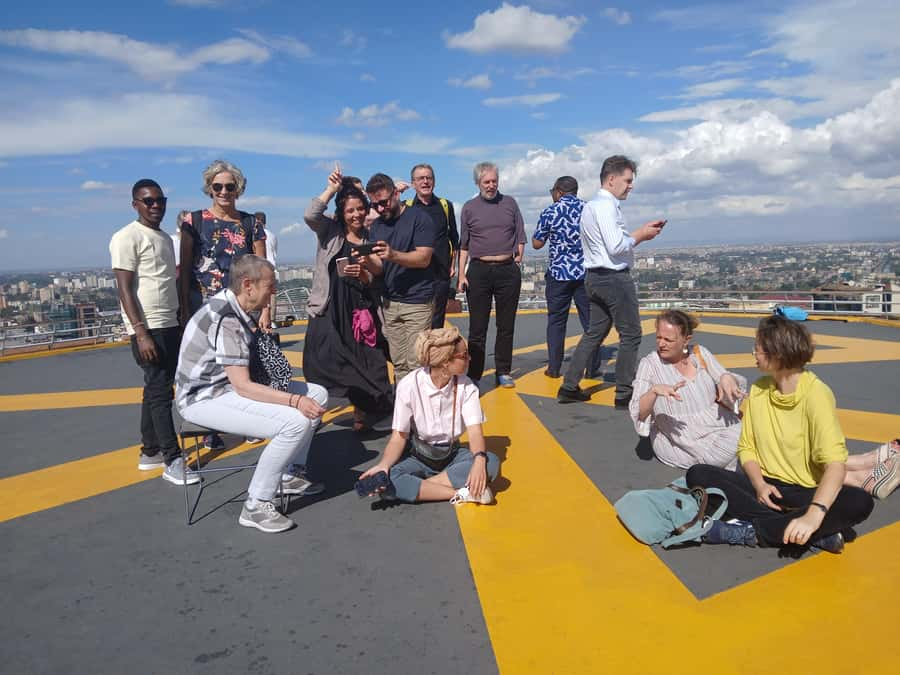
The Kenya International Convention Centre is the major photo stop near the end of the route. The experience includes a visit and sightseeing around KICC, but entrance to the rooftop costs an additional $4 per person.
The rooftop is the clearest payoff for anyone wanting a broad view over Nairobi. One person specifically called the city view a highlight. From above, the streets and buildings you have just walked through make more sense as one central district.
At $4, the extra fee is modest, but you should know about it before booking. If the weather is poor, visibility may reduce the value of the climb. On a clear day, it adds a strong visual finish to the historical and street-level explanations earlier in the walk.
City Market and the final look at local shopping
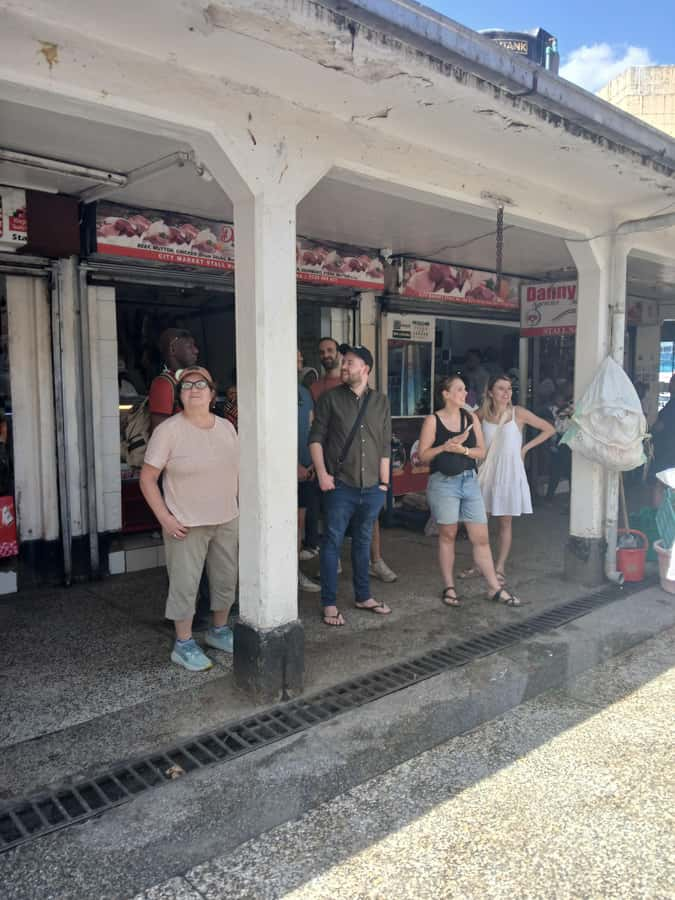
City Market is the final major sightseeing and shopping stop. This market serves local needs, including flowers and meat, so it gives you a different view from Maasai Market’s souvenir focus.
That contrast is useful. Maasai Market shows you a side of Nairobi geared toward gifts and crafts, while City Market is tied more closely to everyday buying. The guide can explain what you are seeing and how the market fits into ordinary city life.
Do not expect a long food tour or a formal tasting session. The listed activity is a visit, shopping, and passing through. If you enjoy markets, this may be one of the most revealing stops. If you prefer museums and quiet interiors, the open-air and commercial nature of the route may test your patience.
Finishing near the Hilton and planning your return
After City Market, you walk for about 10 minutes to City Walk Kenya LTD near the Hilton. The tour ends with a break, giving you time to rest and decide what to do next.
Hotel drop-off is not included. You can arrange a taxi or ride-hailing car, and some guides have helped with this, but you should not rely on it being part of the booking. If you are carrying market purchases, plan your return ride before the final stop.
The ending point is practical because it leaves you near a familiar city landmark and central transport options. Still, ask the operator for the exact meeting and finishing details before the day, especially if you need to reach the airport or another part of Nairobi.
How much value do you get for $27?
At $27 per person, the tour is good value if you want three things: local explanation, hotel pickup, and a guided route through several central districts.
You are not paying only for entrance tickets. Most of the value comes from the guide’s time, city knowledge, safety briefing, transport coordination, and ability to explain places that have little meaning without context. The included McMillan Memorial Library visit adds another useful layer.
The price is less attractive if you only want to see landmarks quickly or prefer exploring alone. You will still pay $4 for KICC, and your return ride is extra. Add those costs when comparing this with a private car tour or a self-guided day.
The excellent overall rating is supported by repeated praise for guide personality, clear history lessons, patient pacing, and help with transport. The experience seems especially strong for first-time visitors, solo participants, and families who want reassurance while walking central Nairobi.
Practical advice for a smoother walk
Wear comfortable shoes with good support. High heels are not allowed, and the route includes markets, streets, and a 10-minute walk at the end.
Bring sunglasses and a hat during hot weather. Carry a raincoat in the rainy season. This is an outdoor activity, so weather affects your comfort more than it would on a museum visit.
Leave large bags, luggage, jewelry, alcohol, and drugs behind. A small day bag is more practical than a heavy pack, and keeping your hands free makes shopping and street walking easier.
English and Spanish are available. The experience is not suitable for wheelchair users or people with hearing impairments, so ask about alternatives if either issue affects you.
Cancellation is free up to 24 hours before the start, and you can reserve now and pay later. Check the available starting times because the exact departure schedule can vary.
Who should book this Nairobi walking tour?
Book it if you want a guided first look at Nairobi’s center, especially if you enjoy markets, city history, architecture, and conversations about ordinary life. It is also a sensible choice for solo visitors who want local support without committing to a full-day private excursion.
Families with older children can enjoy it, provided everyone is comfortable walking outdoors for two and a half hours. The flexible pace and regular stops help, but the city streets are not designed for effortless movement.
You may want a different experience if you need wheelchair access, dislike shopping areas, require a quiet pace with plenty of seating, or have a tight schedule after the tour. The route covers a lot, and city traffic can affect pickup and timing.
Should you book it?
I would book this tour for a first or short stay in Nairobi. The combination of McMillan Memorial Library, Maasai Market, City Market, KICC, religious landmarks, Parliament, and street-level city life gives you a useful introduction in 150 minutes.
The best reason to go is the guide. David, William, Daniel, Ibrahim, Eric, and the other guides are praised for patience, humor, history, and practical help. Just budget for the KICC rooftop, plan your ride home, wear sensible shoes, and leave room in your schedule for Nairobi traffic.
FAQ
How long does the Nairobi Downtown Walking Tour last?
The tour lasts 150 minutes, or two and a half hours.
How much does the tour cost?
The listed price is $27 per person.
Is hotel pickup included?
Yes. Pickup is included from any hotel or apartment in Nairobi. You receive the vehicle details before the pickup time.
Is hotel drop-off included?
No. Return transport to your hotel is not included, though a guide may help you arrange a taxi or ride-hailing car.
Does the tour include the KICC rooftop entrance?
No. Entrance to KICC costs an additional $4 per person.
Which languages are available?
The live tour guide is available in English and Spanish.
What should I wear and bring?
Wear comfortable shoes. Sunglasses and a hat are useful during hot seasons, while a raincoat is recommended during the rainy season.
Can I bring luggage or a large bag?
No. Luggage and large bags are not allowed. Jewelry, alcohol, and drugs are also not allowed.
Is the tour suitable for wheelchair users?
No. The activity is not suitable for wheelchair users or people with hearing impairments.
Just added around the world
- Walking Tour of Boston’s Freedom Trail★ 4.5 · 77 reviews
- Downtown Freedom Trail Walking Tour – History & Architecture★ 4.5 · 194 reviews
- Boston Seafood Lovers Food and History Walking Tour★ 5.0 · 208 reviews
- Boston “Death and Dying” Walking Ghost Tour★ 4.5 · 223 reviews
- Boston Food of the North End Private Walking Tour★ 5.0 · 174 reviews
- Boston Movie Mile Walking Tour★ 4.5 · 119 reviews
- 1 If By Land Walking Tours★ 5.0 · 95 reviews
- Boston History and Freedom Trail Private Walking Tour★ 5.0 · 117 reviews
Tours, compared.

Magical London: Harry Potter Guided Walking Tour
Read our review →
History and Hauntings of Salem Guided Walking Tour
Read our review →
New Orleans Premier Ghost, Voodoo and Vampire Walking Tour
Read our review →
Amsterdam Anne Frank: Small-Group Walking Tour & Local Guide
Read our review →

Edinburgh Castle: Guided Walking Tour with Entry Ticket
Read our review →
Anne Frank’s Story – Guided Walking Tour through Amsterdam
Read our review →