

Review · FOOD WALKING TOURS
“Rotes Bier” and “Blaue Zipfel”. A historical-culinary walk
Small sausages, big stories. This two-hour walk links Nuremberg’s old town with local food traditions, including red beer, Nuremberg bratwurst, gingerbread, and Blaue Zipfel. I like the way the tour turns ordinary snacks into clues about the city’s past, and I especially like that the route stays compact, with short walks between stops. The German-language guide also leaves room for questions, which adds real value if you enjoy history rather than simply collecting tastings.
The main limitation is clear: the tour is held in German, so it is not a good pick if you need English explanations. I would also keep your expectations sensible about the food. You receive several samples, but this is a tasting walk, not a full meal, and one recent assessment found the snacks between the main tastings a little modest. Still, the bratwurst, gingerbread, and beer are the heart of the experience, and those are the strongest reasons to book.
Key points at a glance
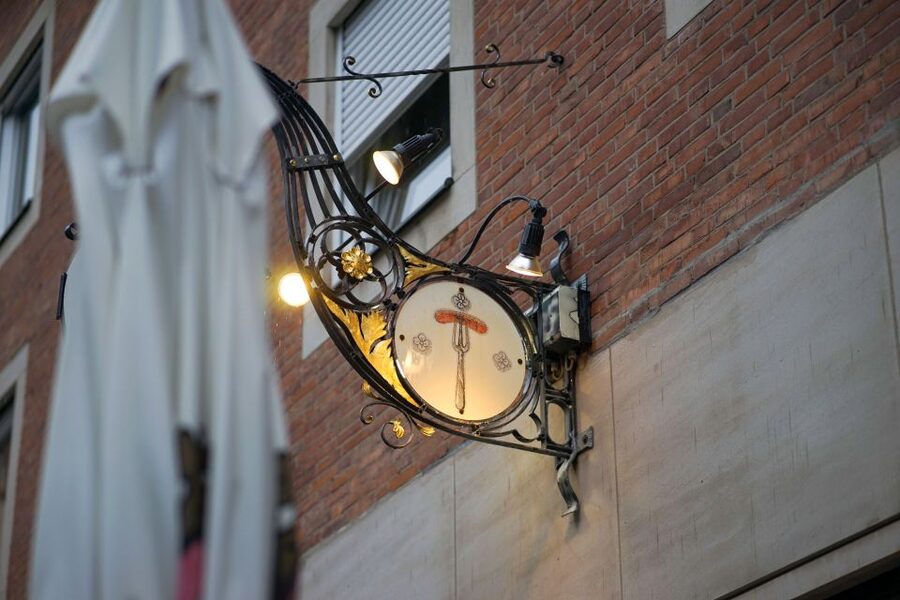
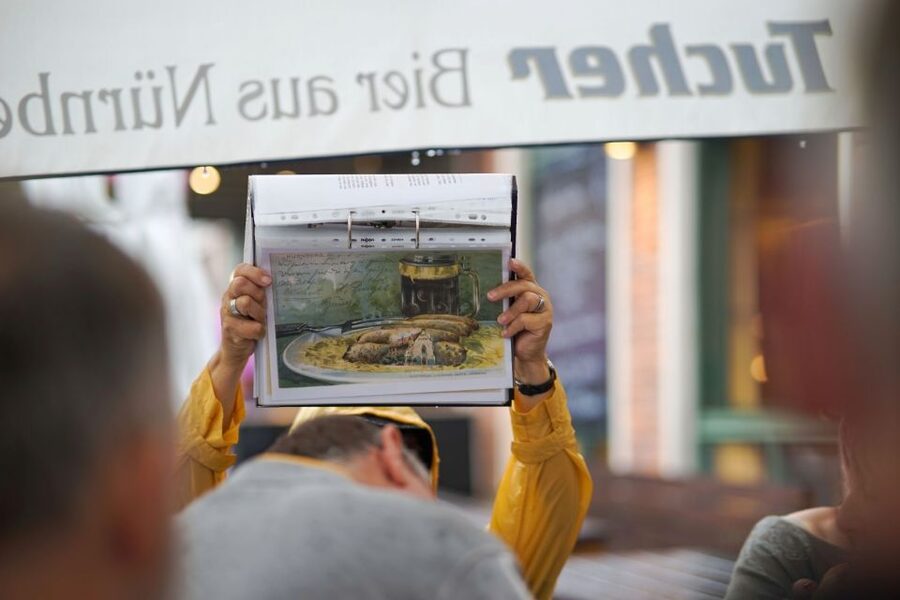
- Start at the Altes Rathaus: Meet by the main entrance with the guide carrying a picture folder and the green Geschichte Für Alle e.V. logo.
- Taste classic Nuremberg foods: The route includes real Nuremberg bratwurst, gingerbread, beer, and other small food samples.
- Learn why the bratwurst is small: Food is used to explain local customs, cooking traditions, and city life.
- Finish with red beer: The tour ends at Hausbrauerei Altstadthof, home of the Rotbierstüberl and a brewery and whisky distillery.
- Short, manageable walking route: The stops are linked by walks of roughly three to ten minutes.
- German language is essential: The tour is led in German, with live explanations throughout.
Why this food walk is more than a snack tour
Nuremberg is easy to admire at street level. You see grand churches, old squares, and handsome civic buildings. This tour asks a more useful question: what did people in this city eat, drink, bake, and preserve?
The answers give you a different way to understand the town. You learn why the local bratwurst is notably small, what makes Nuremberg gingerbread special, and how much meat people in the city once ate. The guide also explores older food customs, including the surprising question of when Nuremberg cooks knew something similar to ravioli.
This approach suits you if you like local history with a practical hook. Instead of a long lecture about dates and rulers, you get stories tied to something you can taste. A sample of beer becomes a reason to discuss brewing. A bite of gingerbread opens the door to baking traditions. A sausage becomes evidence of local habits and rules.
I also like the range of questions built into the tour. You may hear about the meaning of Devil’s Kitchen, the connection between Nuremberg food and the planner of the English Garden, and the history behind the city’s cooking pot. Those details should appeal to curious adults who enjoy the odd, memorable fact more than a standard list of monuments.
More History Walking Tours in Germany
- Leipzig: 1.5-Hour Historical Walking Tour in German
★ 4.7 · 2,217 reviews - Berlin: History of the Third Reich Guided Walking Tour
★ 4.7 · 791 reviews - Trier: Guided Old Town Highlights and History Walking Tour
★ 4.7 · 687 reviews
Meeting at the Altes Rathaus
The tour begins at the Altes Rathaus, or Old Town Hall, at Rathausplatz 5. Look for the guide at the main entrance, carrying a picture folder and displaying the green Geschichte Für Alle e.V. logo.
This is a sensible place to begin. You are already in the old town, and the meeting point puts the group near some of Nuremberg’s key civic and religious sights. Because the tour is on foot, arrive ready to start walking rather than expecting a vehicle or transfer.
The route is designed for a two-hour visit, so punctuality matters. There is no transportation included to or from the meeting point. I would wear comfortable shoes and clothing suited to the weather, since the tour runs rain or shine.
Bratwurst Röslein and the small sausage question
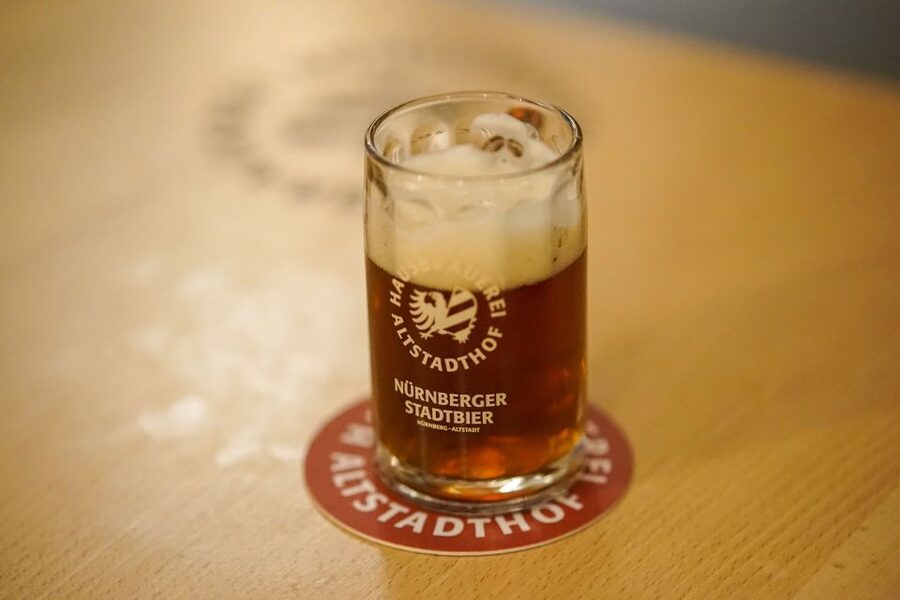
From the Old Town Hall, you walk about five minutes to Bratwurst Röslein. This is where the food theme becomes immediate, with a guided explanation and a bratwurst tasting.
The important point is not simply that you get to eat a sausage. You also learn why Nuremberg bratwurst is so small and why the name bratwurst means what it does. That turns a familiar dish into a piece of local culture.
For many people, this will be the most recognizable tasting of the afternoon. Do not expect a large restaurant plate, though. The tasting is part of a moving tour, so it works best as a sample that supports the explanation rather than as a full lunch.
The stop also gives the guide a chance to connect food with everyday life in Nuremberg. Questions about meat consumption and the role of cooks help show how eating habits changed over time. If you already know the basics of German sausage, the local angle should still give you something new.
Hauptmarkt: food, commerce, and gingerbread
The walk from Bratwurst Röslein to Hauptmarkt takes about three minutes. Hauptmarkt is one of the city’s central public spaces, and here the tour combines a guided stop with another food tasting.
This is a good setting for the tour’s questions about trade, public life, and food. A market square makes it easier to picture how ingredients and finished foods moved through the city. The route does not treat the market as scenery alone. It uses the space to explain how food belonged to the daily life of Nuremberg.
You also get to try Nuremberg gingerbread, one of the experience’s biggest draws. The tour explores what makes this gingerbread special and presents it as more than a sweet souvenir.
I would pay attention to the guide’s wording here. The most useful part is not just finding out that the gingerbread tastes good. It is understanding why it became associated with Nuremberg and how a local baking tradition gained such a strong identity.
A second stop at Hauptmarkt 2 follows after another short walk of around five minutes. This keeps the pace varied. You are not standing in one place for an hour, but you also are not rushing from one bite to the next. The balance should work well for you if you prefer short explanations followed by a new setting.
More Food Walking Tours in Germany:
- Berlin Center Food Tour with 8+ Authentic Local Tastings
★ 5.0 · 1,227 reviews - Trier: Guided City Walk with Wine Tasting
★ 4.8 · 979 reviews - Cologne: Südstadt Guided Foodie Walking Tour
★ 4.6 · 624 reviews - Dresden: Taste of Dresden Food Walk
★ 4.6 · 397 reviews
Trödelmarkt and Unschlitthaus
The route continues on foot to Trödelmarkt 13, roughly five minutes away. You receive another guided explanation and food sample here.
The value of this stop comes from the way the tour keeps shifting between places and ideas. The questions about old cooking practices, meat, and local food culture make the city feel connected to its kitchens, markets, and working life. You are not only hearing about famous dishes. You are learning how food shaped ordinary routines.
After another five-minute walk, the group reaches Unschlitthaus. This stop includes more guided content and another tasting. The name itself gives the guide a chance to discuss older urban food practices and the materials tied to them.
I appreciate this part of the route because it moves away from the city’s most obvious postcard views. The old town is not just a backdrop for photographs. Buildings such as Unschlitthaus help the guide explain how trade, craft, cooking, and civic life fit together.
The samples between the main highlights may be small. That is worth knowing before you book. If you are hungry, have a proper meal earlier or plan one afterward. The tour gives you a series of tastes, but the stronger value lies in the stories that connect them.
St. Sebaldus Church and the city’s food traditions
The next walk takes about ten minutes to St. Sebaldus Church. This is the longest walk on the route, though ten minutes is still easy for most people who are comfortable walking in town.
The church stop combines history, architecture, and another food sample. The setting helps broaden the discussion beyond what was served at the table. Food history is tied to religion, civic institutions, celebrations, and the way a city organized public life.
You may also hear more about the curious food questions raised earlier in the tour, including the early presence of ravioli-like dishes in Nuremberg cooking. That detail is especially useful because it challenges the idea that older European cooking was isolated and unchanging.
The guide’s role matters here. A good explanation can make an architectural stop feel connected to the rest of the walk. Sonja, one of the guides praised for her clear explanations, humor, and command of the subject, is a particularly strong match for this kind of tour. The format also allows time for questions, so you can ask for clarification rather than simply listening and moving on.
Altstadthof Brewery and the red-beer finale
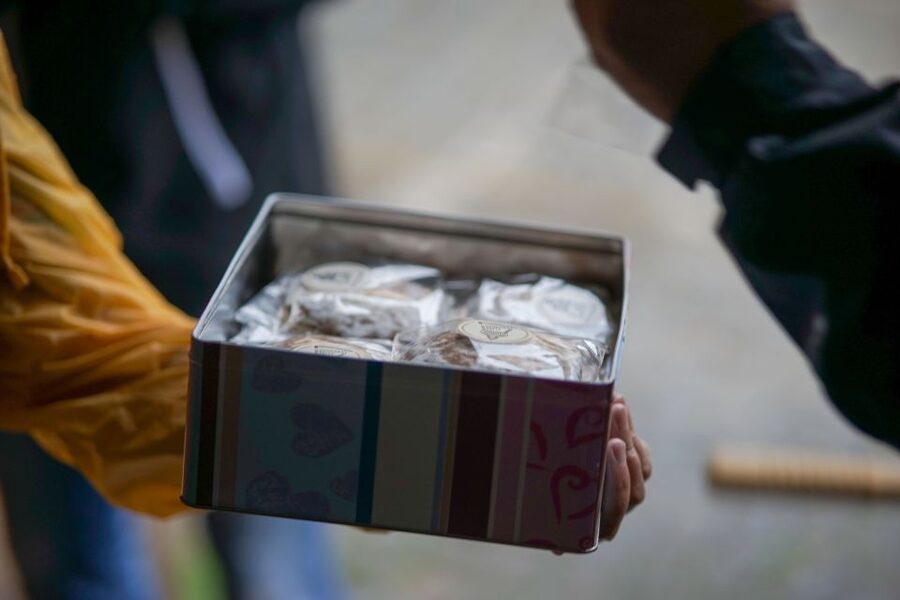
From St. Sebaldus Church, you walk about five minutes to Altstadthof Brewery. The tour ends at Hausbrauerei Altstadthof, specifically the Rotbierstüberl, brewery, and whisky distillery.
This is the logical finish. After discussing Nuremberg’s food traditions, you get to taste the city’s distinctive red beer. The beer is not just a final refreshment. It gives the tour a second signature flavor alongside the bratwurst and gingerbread.
I like the contrast between the earlier tastings and this final stop. Sausage and gingerbread show how food can be portable, festive, or tied to local identity. Beer adds the brewing side of the story and lets you finish in a place devoted to production rather than simply consumption.
The stop includes guided information and beer, and the tour finishes here rather than returning to the Old Town Hall. Plan the rest of your day from the brewery area. Since no return transportation is included, you will need to make your own way onward after the tour.
What the $29 price gets you
At $29 per person, this is priced as a modest guided experience rather than a full dining event. The fee includes the walking tour, live guide, snacks, and beer. Transportation to the meeting point is not included, but that is unlikely to matter if you are already staying or sightseeing in central Nuremberg.
I see the best value in the combination. A standard old town walk might explain the buildings. A food tasting might give you a few bites with little context. This tour joins the two, giving you both a route through the city and a reason to remember what you see.
The price is less attractive if you judge it only by the amount of food. The samples are not intended to replace lunch, and some of the smaller snacks may feel basic. You are paying for the guide’s interpretation, the local tastings, and the structure of the route.
The tour earns more of its price when you ask questions and take an interest in the explanations. One of its strongest features is the chance to pause for follow-up questions. That can make the experience feel personal, especially if you have already seen Nuremberg’s main sights and want a fresh angle.
Pace, comfort, and practical details
The total duration is two hours. The route includes several walks of three to five minutes, one walk of about ten minutes, and multiple standing stops. It should feel manageable for most people who are comfortable walking through an old town.
The tour is listed as wheelchair accessible. Still, the experience takes place outdoors and includes moving between several historic locations, so it is sensible to consider your own comfort with the route and weather.
Wear comfortable shoes. Bring clothing suitable for the forecast. The tour goes ahead in rain or shine, so a light rain layer can be useful on wet days.
The guide speaks German throughout. This is the most important practical issue. If you understand German well enough to follow historical explanations and food vocabulary, the tour offers a fine local perspective. If you do not, the tastings alone will not make up for missing the main content.
You can cancel up to 24 hours before the start for a full refund, and a reserve-now, pay-later option is available. For bookings made through GetYourGuide, the booking confirmation serves as proof of payment because an invoice cannot be issued.
Who should book this Nuremberg walk?
I would recommend it to you if you enjoy local dishes, compact walking tours, and unusual historical questions. It is especially suitable if you have already seen the main sights and want to understand Nuremberg through its kitchens, bakeries, breweries, and markets.
It also works well for visitors who prefer a guided introduction before exploring independently. After two hours, you should have several food leads to follow, along with a better sense of why the city’s bratwurst, gingerbread, and beer matter.
Families may enjoy the tastings, though the value depends on whether everyone in the group can follow German. Food lovers who expect generous portions should choose a restaurant meal instead, or schedule one before or after the tour.
I would skip this experience if you need an English-language guide, dislike walking in poor weather, or want a large meal. I would also avoid booking it as your only food experience in Nuremberg. Think of it as a guided sampler with cultural context.
Should you book Rotes Bier and Blaue Zipfel?
Book it if the idea of learning why Nuremberg’s sausage is small sounds as appealing as eating it. The tour’s strongest qualities are its clear structure, short walks, unusual food questions, and excellent trio of headline tastings: bratwurst, gingerbread, and red beer.
The German-only format is a firm condition, not a minor detail. If you can follow German, the $29 price is fair for two hours of guided history and samples. If you cannot, choose an experience with explanations in a language you understand. For the right audience, this is a friendly and useful way to connect Nuremberg’s old town with what people have put on their plates for centuries.
FAQ
Where does the tour begin?
It begins in front of the main entrance of the Altes Rathaus at Rathausplatz 5 in Nuremberg.
How do I identify the guide?
Look for a guide carrying a picture folder and displaying the green Geschichte Für Alle e.V. logo.
How long does the tour last?
The tour lasts two hours.
What language is the tour held in?
The live tour is held in German.
What food and drink are included?
The experience includes snacks, Nuremberg bratwurst, gingerbread, and beer, including a tasting of local red beer.
Is transportation included?
No. Transportation to and from the meeting point is not included.
Where does the tour finish?
It finishes at Hausbrauerei Altstadthof, at the Rotbierstüberl, brewery, and whisky distillery.
Does the tour operate in bad weather?
Yes. The tour takes place rain or shine, so bring weather-appropriate clothing and wear comfortable shoes.
Can I cancel for a refund?
Yes. You can cancel up to 24 hours in advance for a full refund.
Just added around Germany
- Berlin Walking Tour★ 4.5 · 378 reviews
- Small Group Walking Tour of East Berlin with a French Guide★ 5.0 · 176 reviews
- Berlin Street Art Walking Tour – Off The Grid★ 5.0 · 270 reviews
- Berlin Highlights Private Guided Walking Tour★ 4.5 · 89 reviews
- East Meets West: Berlin Food Culture & Street Art★ 5.0 · 157 reviews
- Private Walking Tour: World War 2 and Cold War Sites in Berlin★ 5.0 · 230 reviews
- Kreuzberg Berlin: Off the Beaten Track PRIVATE Walking Tour★ 5.0 · 128 reviews
- The History of Berlin: WWII PRIVATE Walking Tour With Locals★ 5.0 · 209 reviews
Food Walking Tours, compared.
Reykjavik Food Walk – Local Foodie Adventure in Iceland
Read our review →
New Orleans Food Walking Tour of the French Quarter with Small-Group Option
Read our review →

Authentic Parisian Gourmet Food Tour with 10 Local Dishes & Wines
Read our review →
Tapas Walking Tour with Food, Wine, and History
Read our review →
Browse the lists this tour appears in