
Review · ICELAND WALKING TOURS
Reykjavik City Walking Tour
Reykjavik reveals itself on foot. This 2.5-hour tour links Hallgrímskirkja, Þingholt, Tjörnin pond, City Hall, the parliament area, Old Harbour, and Harpa Concert Hall in one tidy route. I like the mix of famous sights and local stories, especially the stops at the Einar Jónsson sculpture park and City Hall’s giant map of Iceland. I also like that the tour ends where it begins, making it easy to continue exploring on your own.
The main catch is Icelandic weather. Rain, wind, and sudden temperature changes can make a long walk feel longer, and children under six may tire before the finish. At $53 per person, the price is fair if you want history, geology, and orientation from a lively English-speaking guide, but it is less appealing if you only want quick photo stops.
Key points to know before you book
- Hallgrímskirkja is the natural starting point: Meet at the Leifur Eiríksson statue outside this famous church, with a stop that can include the bell tower.
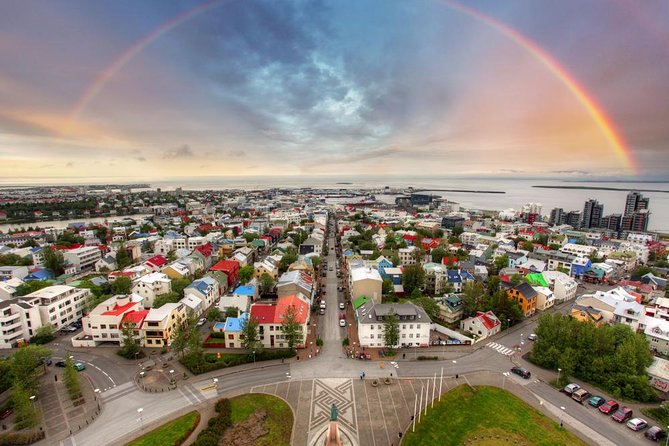
- Þingholt adds local character: The colorful houses and quiet streets offer a gentler look at Reykjavik than the main shopping streets.
- Tjörnin pond brings nature into the center: Geese and swans share the water with the city’s civic buildings.
- City Hall explains Iceland under your feet: A large topographical map helps make sense of the country’s volcanoes and geology.
- Old Harbour finishes with big views: Harpa, the Sólfar sculpture, the bay, and Mount Esja give the walk a strong final stretch.
- The guides are a major strength: Names praised by participants include Sara, Thomas, Lalli, Tomas, Mauricio, Hafþór Óli, and Aðalheiður.
Starting at Hallgrímskirkja and Leifur Eiríksson
Your meeting point is the statue of Leifur Eiríksson in front of Hallgrímskirkja Church. Arrive 10 to 15 minutes early, and no later than 10 minutes before departure. This is a useful starting place because the church is one of Reykjavik’s clearest landmarks, so you will not spend your first minutes hunting for an obscure street corner.
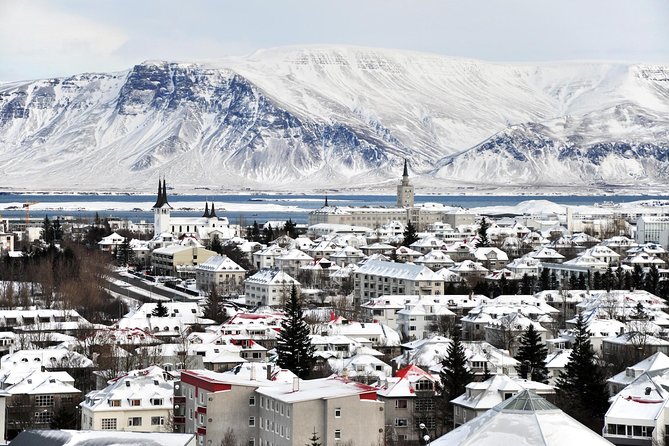
Hallgrímskirkja is hard to miss. Its tall, pale facade rises above the center of town and gives the tour an immediate sense of place. The church stop includes the bell tower, according to the tour details, though the exact time spent inside may vary with the guide and conditions.
This first stop also sets up one of the tour’s recurring themes: Iceland’s unusual mix of nature, belief, and modern city life. You begin with a building that looks distinctly Icelandic, then move into stories about Norse mythology and the people who settled this far-north island.
I would choose this tour early in your Reykjavik stay. Several participants found it useful as a first-day orientation, and that makes sense. The city center is compact, but the key sights are spread across different neighborhoods. A guide helps you see the shape of the city before you set off alone.
A few more walks around the world worth a look
- Magical London: Harry Potter Guided Walking Tour
★ 4.7 · 22,044 reviews - Reykjavik Food Walk – Local Foodie Adventure in Iceland
★ 5.0 · 18,952 reviews - History and Hauntings of Salem Guided Walking Tour
★ 5.0 · 14,564 reviews
Þingholt, colorful houses, and Norse mythology
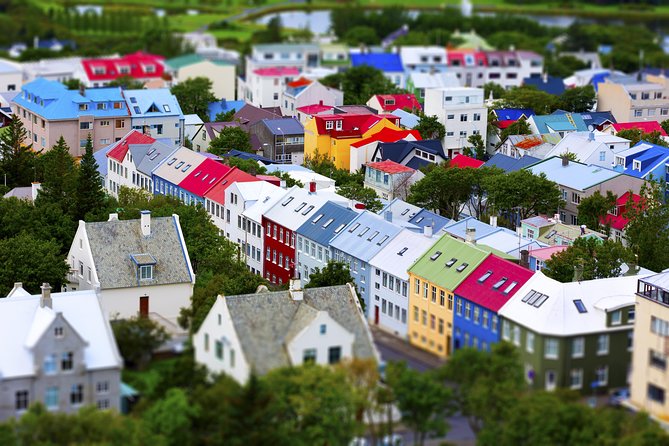
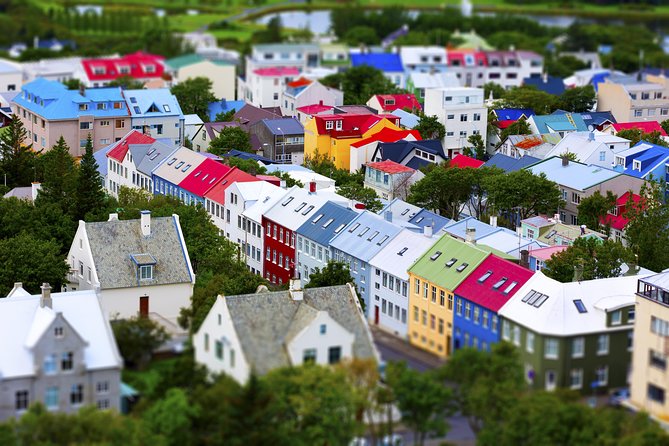
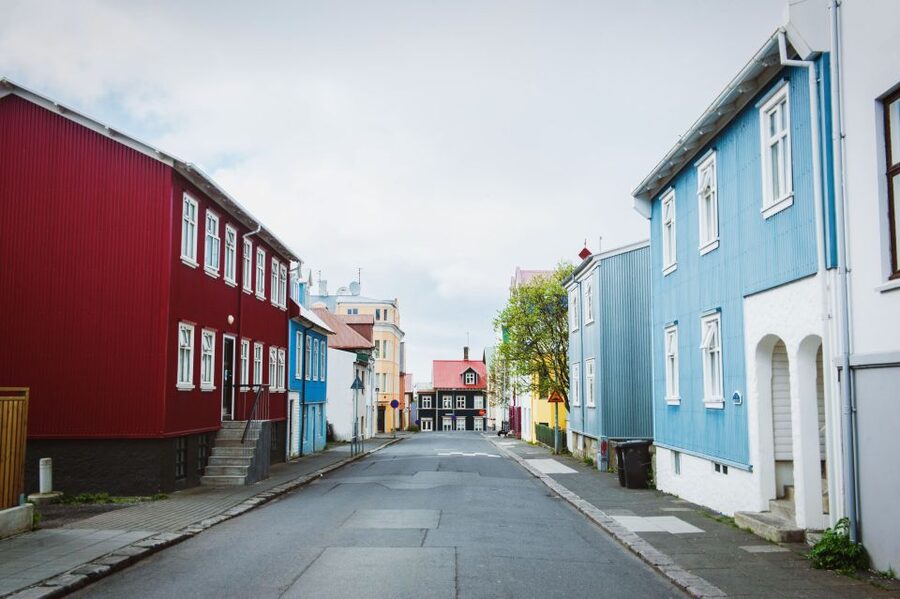
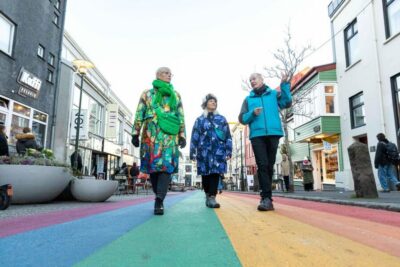
From Hallgrímskirkja, the walk moves through Þingholt, a central neighborhood known for colorful houses and quieter streets. This is one of the most appealing parts of the route because you get a look at everyday Reykjavik, not just its postcard buildings.
The guide explains Norse mythology along the way. That matters because Icelandic culture still carries strong links to old sagas, legends, and Viking-era traditions. You are not simply being shown pretty houses. You are being given a cultural frame for understanding why Icelandic stories and names appear so often around the city.
The walk is described as slow-paced and easy, but it still lasts about two and a half hours. That distinction matters. You do not need to be a serious hiker, yet you will be on your feet for most of the morning or afternoon. Wear shoes with good support, especially if rain makes the pavement slick.
The guides seem to handle different interests well. One local guide adjusted the route to the weather and the group’s questions. Other guides, including Sara and Thomas, were praised for combining facts with humor, warmth, and personal stories. That human touch can turn a standard city walk into something more memorable.
Tjörnin pond and the gentler side of the city
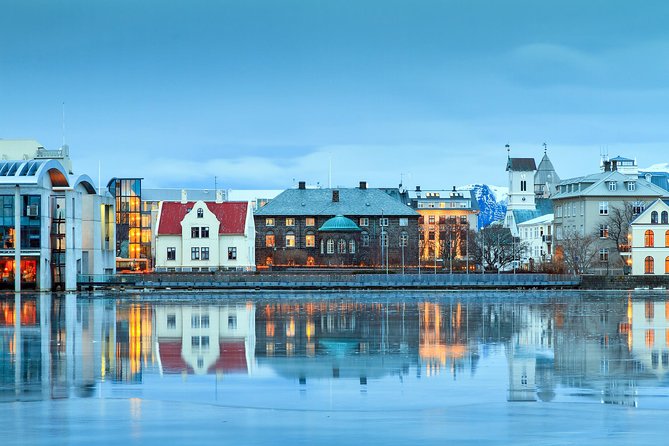
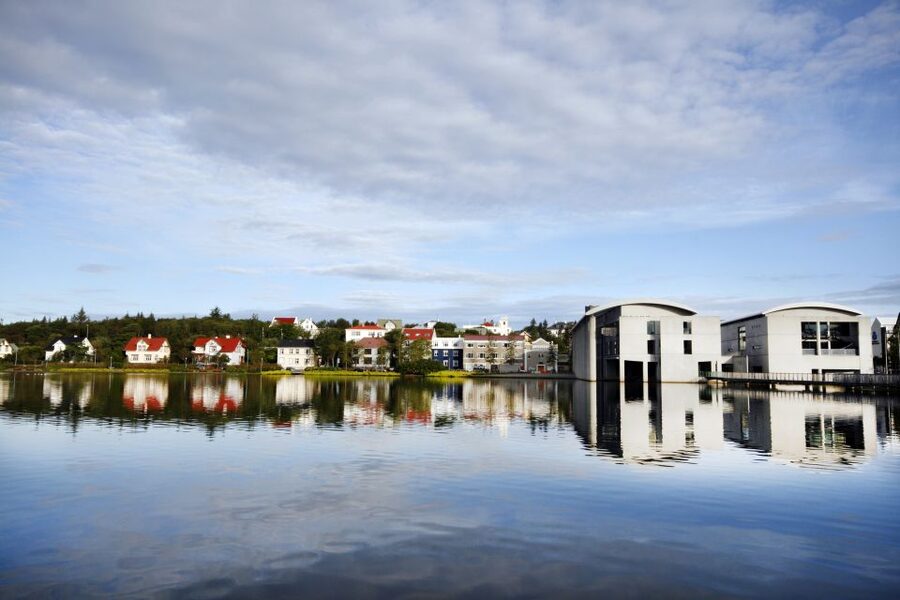
The route continues to Tjörnin, Reykjavik’s city pond. This is a simple stop, but it gives the tour a welcome change of pace. You can see geese and swans on the water while the guide explains how the pond fits into the city.
Tjörnin also helps you understand Reykjavik’s scale. Civic buildings, quiet streets, open water, and birdlife sit close together. The capital may be Iceland’s main urban center, but it does not feel cut off from nature.
This stop is especially good for families, photographers, and anyone who wants a pause between architecture and history. It is also a useful point to judge how you are handling the weather. If your coat is already soaked at Tjörnin, you may want to rethink your plans for the rest of the day.
The tour runs in all seasons, subject to weather and local conditions. Iceland does not promise mild walking weather just because the calendar says summer. Bring a waterproof jacket and trousers, warm layers, a hat, and gloves. Good outdoor shoes are strongly recommended.
City Hall and the giant map of Iceland
At City Hall, the guide uses a large topographical map of Iceland to explain the country’s geology and volcanic past. This is one of the tour’s most useful teaching moments because Iceland can be hard to understand from road signs and isolated sightseeing stops alone.
A map helps connect the parts. You can see how volcanoes, coastlines, highlands, and settlements relate to one another. The guide can then place Reykjavik within the larger story of Iceland, a country shaped by volcanic activity and powerful natural forces.
I like this kind of stop more than a string of quick facts. You leave with a mental picture that can make later excursions easier to follow. If you visit waterfalls, volcanic areas, or coastal sites after the tour, the basic geology explained here may give those places more meaning.
The guide’s delivery matters a lot at City Hall. The strongest guides on this tour are described as clear, funny, patient, and willing to answer questions. Thomas was singled out for offering useful recommendations at the end, while another guide used old photographs to help bring past events to life.
Same streets, a different way to see them:
- New Orleans Premier Ghost, Voodoo and Vampire Walking Tour
★ 4.5 · 12,856 reviews - Amsterdam Anne Frank: Small-Group Walking Tour & Local Guide
★ 4.8 · 12,789 reviews - Edinburgh: Harry Potter Magical Guided Walking Tour
★ 4.8 · 11,944 reviews - Edinburgh Castle: Guided Walking Tour with Entry Ticket
★ 4.7 · 11,699 reviews
Parliament, the cathedral, and Iceland’s first homesteads
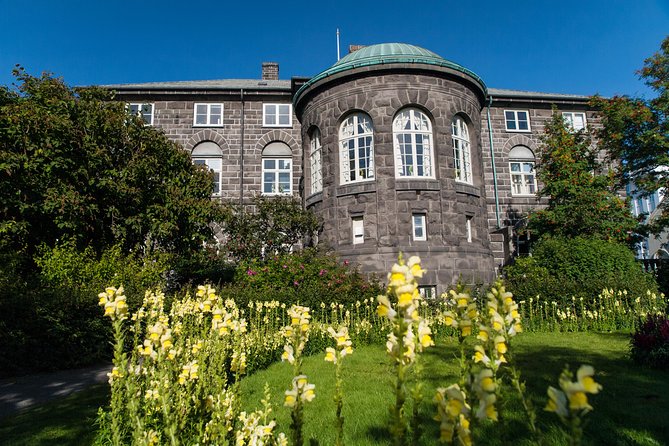
The walk then heads into the historic heart of Reykjavik. You see the parliament building, the modest cathedral, and the area linked with the first Viking homesteads.
This section gives you a grounded look at Icelandic civic life. The parliament building is not presented as a grand imperial monument. Instead, the tour places it within a smaller capital where national decisions take place close to ordinary streets, shops, homes, and public spaces.
The cathedral adds another layer. Its appearance is more restrained than Hallgrímskirkja, and the contrast helps you notice how different buildings serve different parts of Icelandic life. The guide can explain the country’s religious and political past without turning the walk into a lecture.
The Viking homestead site is important because Reykjavik’s modern streets are built over a much older settlement story. You will not be visiting a sprawling archaeological park on this walk. Rather, the value comes from learning how the city grew from early settlement into Iceland’s capital.
This is also where a good guide earns the price of the tour. Dates and names are easy to forget when they are delivered as a list. Personal stories, old images, and clear explanations help the history stay with you. Several guides were praised for making Icelandic history and culture easy to follow in excellent English.
Old Harbour, Harpa, and the view toward Mount Esja
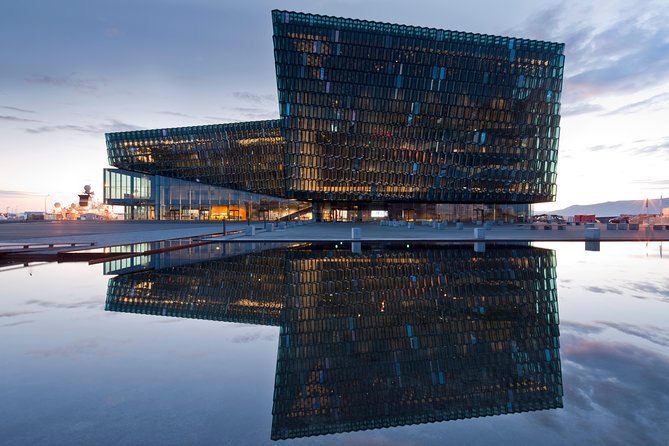
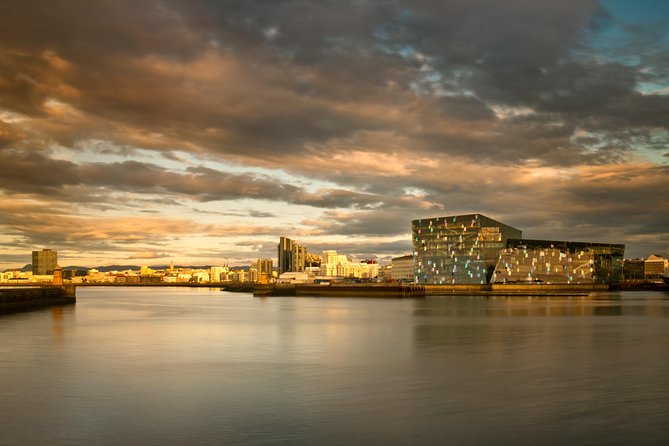
The final part of the route reaches the Old Harbour and Harpa Concert Hall. Harpa’s glass exterior provides a sharp modern contrast to the church, cathedral, and older streets seen earlier.
Nearby, the Sólfar sculpture points toward the bay, with Mount Esja visible across the water when conditions allow. This is the tour’s most scenic stretch, and it gives you a strong sense of Reykjavik’s setting between city and sea.
The harbour area is also a practical place to learn your bearings. After the tour, you can return to this part of town for your own sightseeing, though the activity itself finishes back at the Hallgrímskirkja meeting point. That return makes the tour easy to fit into a day of independent plans.
Do not expect the guide to provide transport between these sights. This is a genuine walking tour, and hotel pickup and drop-off are not included. The route is manageable for most people at an easy pace, but wind near the water can make the last section feel colder than expected.
What the guide adds to the experience
The strongest feature here is not any single building. It is the guide. Names praised for their approach include Sara, Thomas, Lalli, Tomas, Mauricio, Hafþór Óli, and Aðalheiður.
Sara was appreciated for warmth, humor, energy, and thoughtful stories about Reykjavik, Icelandic people, and local culture. Thomas was described as engaging, patient, and good at answering questions. Lalli used historical photographs and created a relaxed mood, while Aðalheiður shared family history alongside the wider story of Iceland.
That variety is worth noting. The tour is delivered by different guides, so the tone will not be identical each time. Some guides may lean more toward mythology, others toward history, geology, or practical advice. The common thread is an English-language tour led by people who can explain the city clearly.
The group may be small, and the tour runs even without a minimum number of participants. That can be a benefit. One couple described receiving a full tour even when only two people attended, rather than getting a shortened walk. A small group also gives you more room to ask questions.
The guide may offer money-saving tips and suggestions for what to do next. Use that chance. Iceland is expensive, and a few practical ideas about food, sights, or timing can add real value beyond the two and a half hours on the street.
Is $53 a fair price?
At $53 per person, this is not the cheapest way to see Reykjavik. You can walk past many of these sights without paying anything. The question is what you want from the visit.
I consider the price reasonable if you are new to the city and want a clear introduction to Icelandic culture, history, geology, and neighborhoods. You are paying for a local English-speaking guide, a planned route, explanations at each stop, and the chance to ask questions in real time.
The value is strongest on your first day. You can learn where the main areas are, get advice for the rest of your stay, and avoid spending half a day wandering without context. If you already know Reykjavik well or prefer to read about each sight alone, the cost may feel harder to justify.
Children aged 12 to 15 receive a 50 percent discount, and children aged 11 and younger can join free. There is no age limit, but children under six may find the walk long. A stroller or plan for carrying a small child may be necessary.
Free cancellation is available up to 24 hours before departure, and you can reserve now and pay later. Those terms help if your Iceland plans depend on weather or changing flight schedules.
Who should book this Reykjavik walk?
I would recommend it to first-time visitors, solo visitors who want company, couples seeking an easy introduction, and families with older children. It also suits anyone interested in the link between Norse mythology, settlement history, volcanic geology, and present-day Iceland.
It is a good choice after arriving the night before. You can get your bearings quickly, then return to the places that interested you most. The route also works well for visitors who have limited time in the capital and want to cover many central sights without arranging several separate visits.
I would be more cautious if you dislike walking in poor weather, have trouble standing for long periods, or want a tour focused only on architecture. The pace is easy, but the duration is not short. And because weather can change quickly, waterproof clothing is not optional equipment in Iceland.
Final verdict: a strong first look at Reykjavik
Book this tour if you want Reykjavik explained, not simply photographed. The route covers the city’s key sights, but its real strength is the connection between them: old settlement stories, Norse mythology, volcanic forces, public life, local neighborhoods, and the sea.
The best plan is to take it early in your stay, arrive dressed for rain and wind, and keep the rest of the day flexible. At $53, it earns its keep when your guide is as warm and capable as Sara, Thomas, Lalli, or the other highly praised leaders. Skip it only if you prefer a self-guided stroll or cannot comfortably spend two and a half hours outdoors.
FAQ
Where does the Reykjavik walking tour begin?
Meet your guide at the statue of Leifur Eiríksson in front of Hallgrímskirkja Church.
Where does the tour end?
The tour ends back at the starting point near Hallgrímskirkja.
How long does the tour last?
The walking tour lasts approximately 2.5 hours.
What language is the tour offered in?
The tour is conducted in English with a live guide.
Is hotel pickup included?
No. Hotel pickup and drop-off are not included, so you must reach the meeting point yourself.
What sights are included?
The route includes Hallgrímskirkja, Þingholt, Tjörnin pond, City Hall, the parliament building, the cathedral, the area of the first Viking homesteads, the Old Harbour, Harpa Concert Hall, the Sólfar sculpture, and views toward Mount Esja.
Can children join the tour?
Yes. Children aged 11 and younger can join free, and teenagers aged 12 to 15 receive a 50 percent discount. There is no age limit, but children under six may find the walk long.
What should I wear?
Wear warm, waterproof clothing, including a waterproof jacket and trousers, headwear, and gloves. Good outdoor shoes are recommended because Icelandic weather can change suddenly.
Just added around the world
- Bern Private Walking Tour with a Local★ 4.5 · 75 reviews
- Bern Walking Tour: Explore Top Sights & Hidden Gems★ 5.0 · 108 reviews
- Berlin Walking Tour★ 4.5 · 378 reviews
- Small Group Walking Tour of East Berlin with a French Guide★ 5.0 · 176 reviews
- Berlin Street Art Walking Tour – Off The Grid★ 5.0 · 270 reviews
- Berlin Highlights Private Guided Walking Tour★ 4.5 · 89 reviews
- Private Walking Tour: World War 2 and Cold War Sites in Berlin★ 5.0 · 230 reviews
- Kreuzberg Berlin: Off the Beaten Track PRIVATE Walking Tour★ 5.0 · 128 reviews
Iceland Walking Tours, compared.

Reykjavik Food Walk – Local Foodie Adventure in Iceland
Read our review →
Reykjavík Small group Walking Tour – by CityWalk
Read our review →
City Walking tour in Small Group with Local Guide
Read our review →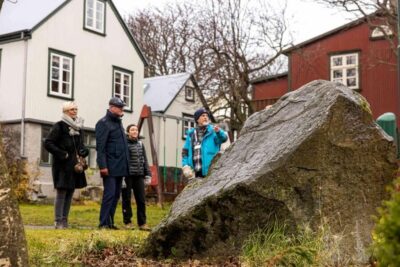
Browse the lists this tour appears in