
Review · FOOD WALKING TOURS
Saint-Émilion: Vineyard Walking Tour and Tasting
Wine makes more sense when you see its roots. I like the family-led welcome from fourth-generation winemakers Marie-Anne and Florent, and I like that the tour begins among the vines rather than jumping straight to the tasting room. The full journey from grape to barrel gives this two-hour visit real substance. The main consideration is location: Château Haute-Nauve is about 3 kilometers from Saint-Émilion, and arriving by car is recommended.
I also like the small-group format, limited to 10 people, which leaves room for questions and conversation. Florent’s easy humor and practical explanations have made a strong impression, especially during the tasting of four wines, including two Grand Cru selections. There is no food included, so plan this as a focused wine visit rather than a full afternoon meal.
Key details at a glance
- Fourth-generation family estate: Marie-Anne and Florent share the story and daily realities of Château Haute-Nauve.
- Four wines at the finish: Taste four estate wines, including two with Grand Cru appellations.
- A real vineyard walk: Learn how frost, soil, weather, harvest timing, and seasonal work affect the vines.
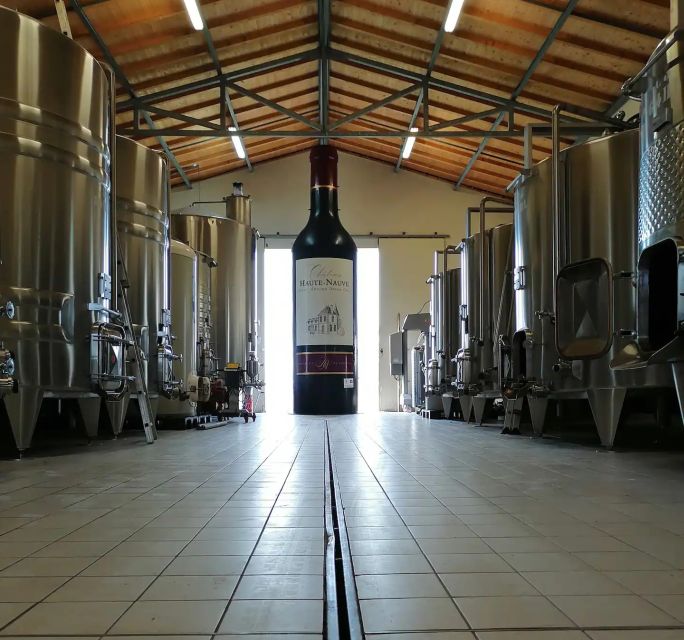
- Unusual estate sights: Look for a wind turbine and a six-meter-tall wine bottle used in the estate’s inventive approach to frost protection.
- From fermentation to barrels: See the equipment used for fermentation, pumping, pressing, and ageing.
- Good value at $29: Two hours, a guided vineyard and cellar visit, and four tastings make this a strong-priced introduction to Saint-Émilion wine.
Why this small family estate feels different
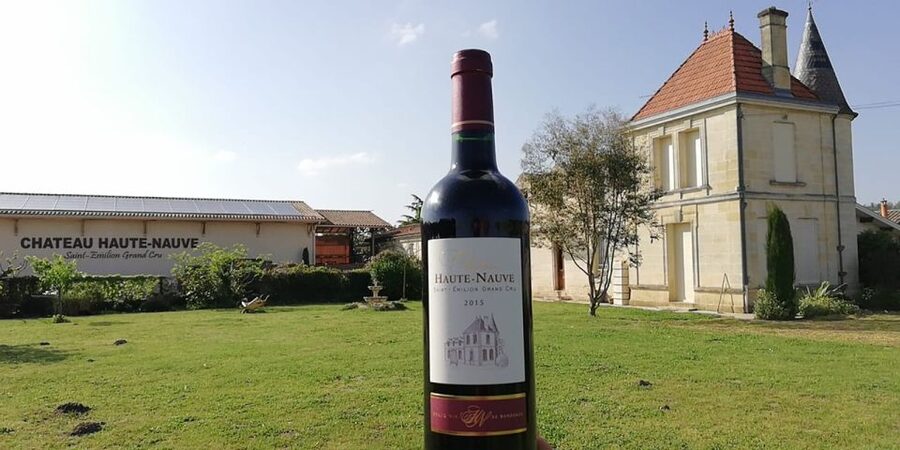
Saint-Émilion offers plenty of grand names and polished tasting rooms. Château Haute-Nauve gives you something more personal: a working family estate where the person explaining the wine is also closely involved in making it.
The family connection matters because the story is not presented as a distant history lesson. You hear how a fourth-generation operation handles modern problems, from frost damage to changing wine styles. Florent, in particular, explains the work with warmth and gentle humor. That keeps the visit friendly rather than overly formal.
The group limit of 10 people is another real advantage. A small group makes it easier to hear explanations outside, ask about a particular grape or machine, and take your time during the tasting. Some bookings may even feel like a private tour when attendance is light, though you should not assume that will happen on your date.
This is best suited to you if you want more than a quick sip and a pretty photograph. The visit covers the vineyard, production area, barrel cellar, and tasting. It is still compact enough to fit around time in the village of Saint-Émilion.
More Food Walking Tours in France
- Authentic Parisian Gourmet Food Tour with 10 Local Dishes & Wines
★ 5.0 · 4,754 reviews - Montmartre Hill French Gourmet Food and Wine Tasting Walking Tour
★ 5.0 · 2,588 reviews - Private Montmartre Food Tour with Wine, Cheese & Pastries
★ 5.0 · 1,027 reviews
Getting to Château Haute-Nauve from Saint-Émilion
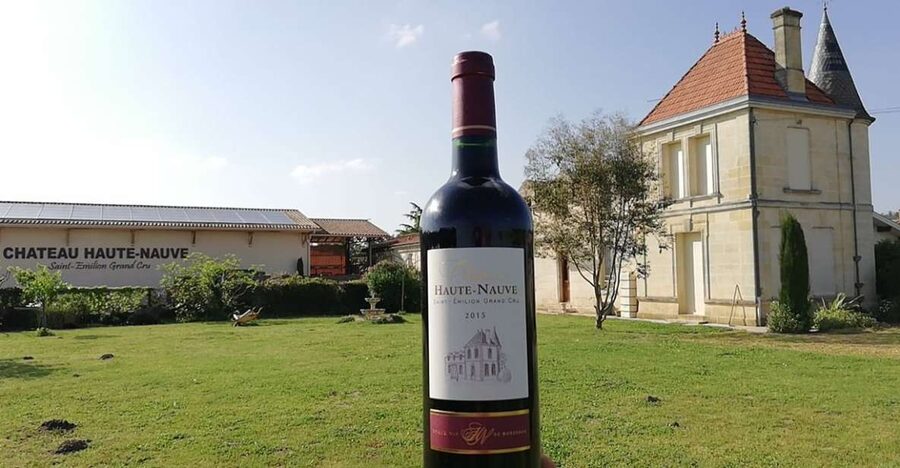
The estate is about 3 kilometers from the village. The meeting point is inside Château Haute-Nauve, with parking near the large building marked by solar panels and the purple Château Haute-Nauve sign.
The practical advice is simple: arrive by car if you can. The experience does not include transport, and the location outside the village means you should plan your route before setting out. One group reached the estate by Uber and found it manageable, while walking may also be possible for some visitors, but the supplied directions specifically recommend driving.
Wear comfortable shoes. The vineyard walk is not a formal indoor presentation, and you will be outside for part of the tour. Weather-appropriate clothing is also wise, since the first section takes place among the vines.
The estate is wheelchair accessible, which is useful information when comparing vineyard visits. Still, the tour includes a walk through the property, so it is sensible to confirm any particular mobility needs before booking.
Walking the vines with Florent or Marie-Anne
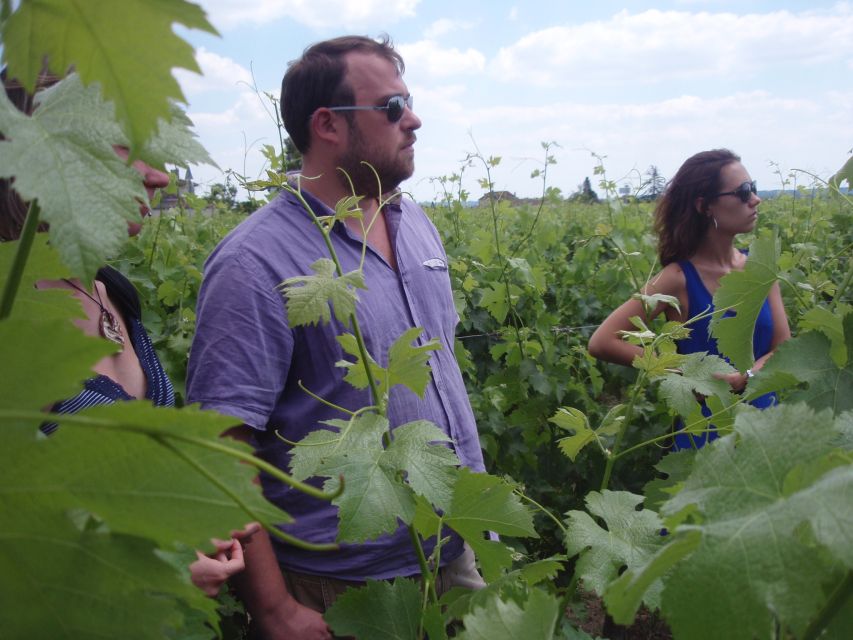
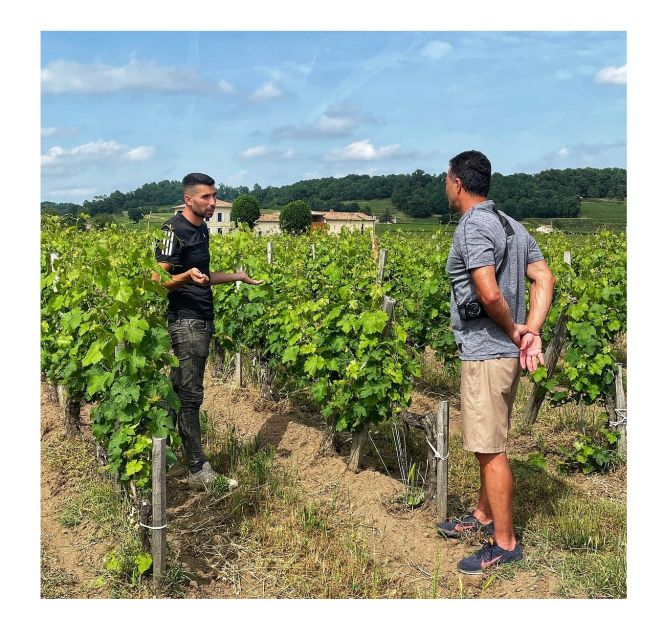
The tour starts outdoors, where you learn about the family and the Saint-Émilion appellation. Marie-Anne or Florent leads the visit, and both are part of the family behind the estate.
This opening section gives you context that a cellar-only tasting cannot provide. You see different plots and hear how vineyard work changes throughout the year. The focus is not just on harvesting. You learn about caring for the vines, the effects of soil and climate, weather risks, and the decisions that shape the final wine.
Frost is a useful example. A cold spell at the wrong time can threaten a crop, so the estate has developed ways to address that risk. The tour includes a wind turbine and a giant wine bottle, six meters high, connected to the estate’s approach to dealing with frost. It is an unusual sight, and it helps turn an abstract farming problem into something you can see.
The family also speaks about sustainability, diversification, and the development of new wine varieties. These subjects add useful balance. You are not being shown a frozen version of traditional Bordeaux, but a family business trying to adapt while keeping its identity.
I would allow yourself time to ask questions here. The vineyard walk is where the experience feels most personal, and it is also where you begin to understand why two bottles from the same broad region can taste different.
Seeing how grapes become wine
After the vines, the tour moves inside to the vinification cellar. This part covers the production process, with attention to fermentation, pumping, and pressing.
For wine newcomers, this is the section that gives shape to terms you may have heard without fully understanding. You can connect the work in the vineyard with the machinery and decisions that follow harvest. The tour also shows the technology used at the estate, so you are not left with the impression that Bordeaux wine is made only through old wooden vats and inherited habits.
The equipment adds a practical angle. You see how the winery moves and manages the wine rather than hearing only broad claims about tradition. Florent’s explanations have been praised for being clear and entertaining, which should help if you are interested in wine but do not speak the language of professional tasting.
This stop may be less visually charming than the vines or barrels. It is a working production space, not a museum built for spectacle. That is also its value. You get a clearer picture of the labor, machinery, and timing behind the bottle in your glass.
Same streets, a different way to see them:
- Paris Top Sights Half Day Walking Tour with a Fun Guide
★ 5.0 · 2,893 reviews - Montmartre Hidden Gems and Scenic Highlights Walking Tour
★ 5.0 · 2,684 reviews - Paris: Montmartre Highlights Walking Tour with a Local Guide
★ 4.9 · 2,318 reviews - Paris Île de la Cité and Notre-Dame Walking Tour With Crypt
★ 5.0 · 2,272 reviews
Barrels, ageing, and the final cellar stop
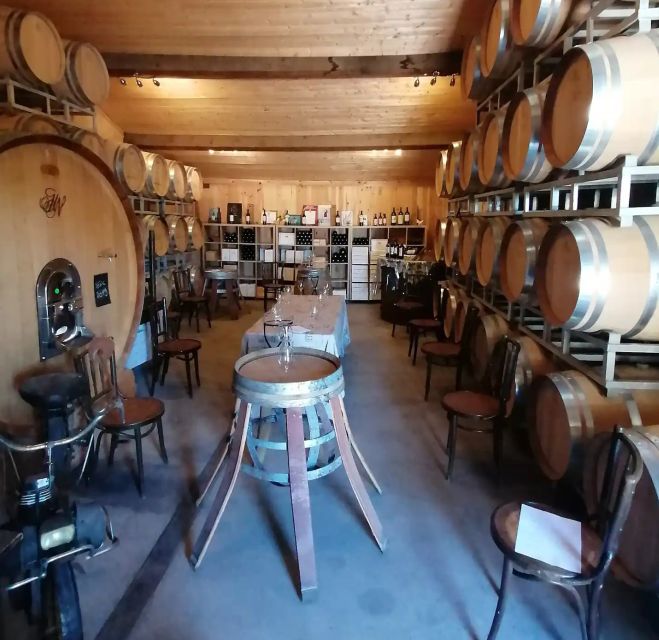
The next stage is the barrel cellar, where the guide explains how the wines are aged. This completes the grape-to-bottle story and helps you see why the tasting includes wines with different grapes, terroirs, and years.
Ageing is often the part of wine production that gets reduced to a single phrase, such as left in oak. Here, you get to see where that process takes place and hear about the methods used. It is a short but important bridge between winemaking and tasting.
Do not expect a grand château interior or a long architectural tour. The attraction is the working cellar and the family explanation. If you want ornate rooms, formal château history, or a large commercial operation, another Saint-Émilion visit may suit you better. If you want to understand what happens after fermentation, this stop does the job.
Tasting four Saint-Émilion wines
The tasting closes the experience with four wines produced at the estate. The selection includes two Grand Cru appellations, giving you a chance to compare different expressions from the property.
The tasting is guided, not simply a row of glasses placed on a table. You receive explanations intended to help you notice differences in style, body, and flavor. The wines include a range from smoother to fuller-bodied examples, and the tasting can include wines linked to different grapes, terroirs, and vintages.
I like this structure because the tasting comes after the vineyard and cellar. You have already seen the vines and equipment, so the wine has a story attached to it. That does not make every bottle your personal favorite, of course, but it gives you a better way to think about what you are drinking.
The Grand Cru wines are likely to be the highlight for many people. They offer a useful comparison with the other estate wines and give the $29 visit extra value. The tasting is also a chance to ask questions while the details are fresh.
You can buy bottles at the estate afterward. Purchases are not included in the price, and there is no pressure to buy. Several people chose bottles to take onward through Bordeaux and the Dordogne, which makes sense if you have room in your luggage and a plan for getting them home safely.
Is $29 good value?
At $29 per person, this is one of the easier Saint-Émilion wine experiences to recommend on price alone. You receive a two-hour guided visit, a vineyard walk, an explanation of production and ageing, and four wine tastings, including two Grand Cru wines.
The value is strongest if you have limited wine knowledge. A short tasting without context can feel like an expensive drink. Here, the vineyard, machinery, family story, and cellar make the fee pay for an actual lesson as well as the samples.
It also works well for experienced wine drinkers who want to see how one family estate operates. The attraction is not a rare or exclusive bottle promised to every participant. It is access to the people and place behind the wines.
Remember to budget separately for transport, food, and any bottles you buy. There is no meal included, so you may want to eat before or after the visit. The tour itself is two hours, which is a fair length for a tasting without making your palate or attention work too hard.
What the strongest praise tells you
The most consistent praise centers on the guides, particularly Florent. His strengths are clear explanations, personal knowledge of the estate, and an ability to keep a mixed group involved. That matters because wine tours can easily become either too technical or too vague.
The family connection is another major strength. You are not simply hearing a rehearsed account of Bordeaux wine. You are hearing about a business passed through four generations, including current choices about sustainability, diversification, frost, and new varieties.
People also appreciate the balance of the two hours. Around 50 minutes may be spent outside in the vineyard, followed by the production area and tasting. That gives you enough time to cover the essentials without turning the visit into a half-day commitment.
The wine itself receives strong praise, especially the Grand Cru selections. Taste is personal, so I would not promise that every bottle will suit you. Still, the chance to compare four estate wines, then purchase the ones you prefer, is a practical ending.
Families can also consider this visit. A child enjoyed one family’s tour, and the route combines outdoor time, machinery, and a tasting rather than requiring two hours of quiet sitting. Adults should remember that the tasting is the central reward, so the experience is still primarily for the wine drinkers in your group.
Small limitations to consider
This is not a full-day vineyard excursion. If you want several estates, a large meal, or transport from Bordeaux, you will need another plan.
The estate is outside the village, so spontaneous arrival on foot may be inconvenient. Driving is the simplest choice, and you should not book without thinking through how everyone in your group will return if you plan to taste wine.
The tasting includes four wines, not unlimited pours. That is a sensible format, but heavy drinkers looking for a long wine crawl may find the experience restrained.
The tour is also dependent on the weather because of the outdoor vineyard section. Comfortable shoes and suitable clothing will make a real difference. Free cancellation up to 24 hours before the activity and a reserve-now, pay-later option add flexibility if your schedule is uncertain.
Who should book this visit?
I would choose this tour if you are staying in or near Saint-Émilion and want one well-priced, personal introduction to the appellation. It suits couples, families with older children, small groups of friends, and curious wine drinkers who prefer a working estate to a formal presentation.
It is especially good for you if you want to ask questions. The small group and owner-led format create more room for conversation than a large coach tour.
You may want to skip it if you need hotel pickup, a meal, or a program built around several wineries. It is also not the best fit if your main goal is grand architecture rather than vineyard work and production.
Final verdict: a smart Saint-Émilion wine stop
I would book Château Haute-Nauve for the combination of personal guidance, real vineyard access, and four well-chosen tastings. Florent’s humor and enthusiasm help, but the structure matters just as much: vines first, production next, barrels after that, and wine in the glass at the end.
The $29 price is fair, the two-hour length fits neatly into a day in Saint-Émilion, and the small group keeps the visit from feeling generic. Plan your transport, wear good shoes, and leave room for a bottle or two if you find a favorite.
FAQ
How long does the Château Haute-Nauve tour last?
The tour lasts two hours.
How many wines are included in the tasting?
The guided tasting includes four wines from Château Haute-Nauve, including two with Grand Cru appellations.
Is the tour conducted in English?
Yes. The live guide speaks French and English.
How large is the group?
The tour is limited to 10 participants.
Where is Château Haute-Nauve located?
The estate is about 3 kilometers from the village of Saint-Émilion, in Nouvelle-Aquitaine, France.
Is transport included?
No. Transport is not included, and arriving by car is recommended. Parking is near the large building with solar panels and the purple Château Haute-Nauve sign.
Can I buy wine after the tasting?
Yes. You can browse the estate’s wine collection and purchase additional bottles. Wine purchases are not included in the tour price.
Just added around France
- Free Walking Bordeaux Tour ENG + 1 glass of wine (Tip based)★ 5.0 · 90 reviews
- Bordeaux Walking Tour with a Local Private Guide★ 5.0 · 97 reviews
- Bordeaux Historic and Gourmet Food Walking Tour★ 4.5 · 82 reviews
- Traditional Gourmet Food & Wine Tour in Bordeaux★ 5.0 · 81 reviews
- 2-Hour Walking Tour of the City’s Iconic Sights and History★ 4.0 · 207 reviews
- Bordeaux City – Private Guided Walking Tour with Local Sophia★ 5.0 · 164 reviews
- Avignon Walking Tour including Pope’s Palace★ 4.5 · 158 reviews
- The Official Emily in Paris Locations Walking Tour★ 4.9 · 383 reviews
Food Walking Tours, compared.
Reykjavik Food Walk – Local Foodie Adventure in Iceland
Read our review →
New Orleans Food Walking Tour of the French Quarter with Small-Group Option
Read our review →
Authentic Parisian Gourmet Food Tour with 10 Local Dishes & Wines
Read our review →
Tapas Walking Tour with Food, Wine, and History
Read our review →
Browse the lists this tour appears in