
Review · OLD TOWN WALKING TOURS
Sarajevo: Old Town Walking Tour with Local Guide
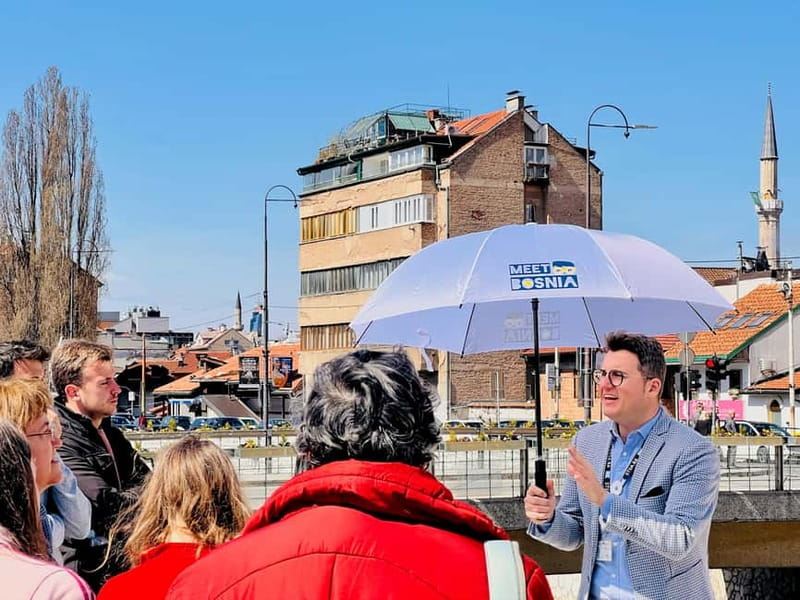
Sarajevo tells four centuries in a few streets. This $20 walking tour makes that story easy to follow, moving from Ottoman courtyards to Austro-Hungarian buildings, religious landmarks, and the spot tied to the start of World War I. I especially like the small groups of up to 10 and the way the guides add local shops, food tips, and personal stories to the formal history.
I also like the excellent route: you see major sights without wasting time on transport. The main consideration is that 150 minutes is a brisk introduction, not a full study of Sarajevo, and the walking includes open streets and market areas where comfortable shoes matter.
Key points at a glance
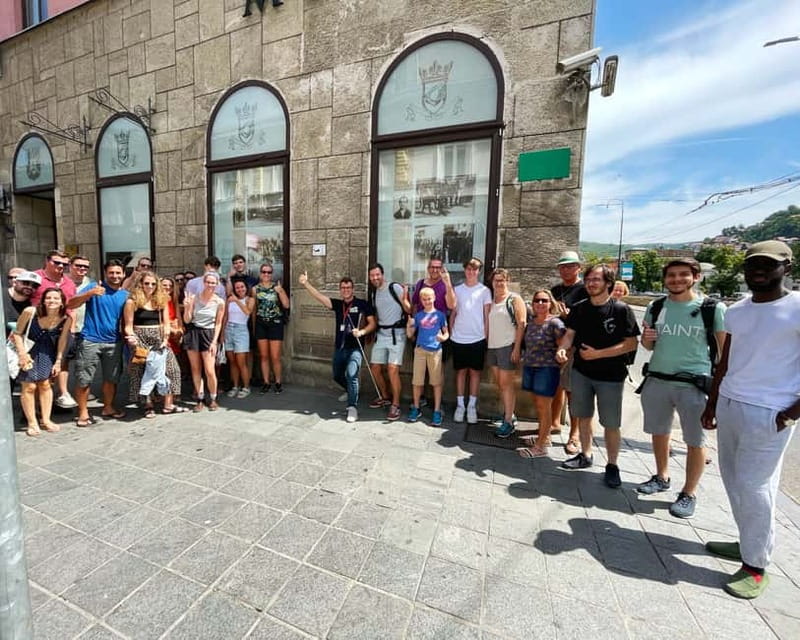
- Four faiths within roughly 100 meters: The route shows how mosque, Orthodox, Catholic, and Jewish traditions have shaped Sarajevo.
- The Ottoman heart of the city: Sebilj, Kazandžiluk, Morića Han, and Gazi Husrev-bey’s foundations explain the city’s eastern character.
- World War I made tangible: Latin Bridge connects Sarajevo’s streets to the assassination of Archduke Franz Ferdinand.
- Guides who add local perspective: Arna, Kiki, Armina, Elma, Benjamin, and others have been praised for clear English, warmth, and thoughtful answers.
- Useful for your first day: The tour gives you a map of the center and ideas for shops, cafés, food, and further sightseeing.
- Good value at $20: A 2.5-hour guided walk costs less than many short city tours and can save you from missing the meaning behind the buildings.
Why Sarajevo works so well on foot
Sarajevo is compact in its central districts, but its story is anything but simple. Ottoman rule shaped the old market and religious foundations. Austria-Hungary added grand civic buildings and European planning. Communist Yugoslavia left its own symbols, while the independent Bosnian state carries the memory of the 1990s war and the challenges of modern life.
You can see the changes within a short walk. The old town has wooden details, copperware, coffee houses, and narrow lanes. A few streets away, you meet broad Austro-Hungarian façades and formal public buildings. The contrast is one of the best reasons to take a guide rather than simply follow a map.
I like the way this route deals with Sarajevo as a living city, not a museum. You hear about architecture, faith, politics, local food, craft work, the 1984 Winter Olympics, and the siege that began only eight years later. Those subjects can be heavy, but the best guides handle them with care and allow room for questions.
The tour is in English and uses a live guide. Past guide names include Arna, Kiki, Armina, Elma, Benjamin, Selma, Emina, Hanan, and Cecilia. Their styles differ, but the consistent strength is clear communication and a willingness to explain more than the basic dates.
More Old Town Walking Tours in the world:
- Underground Vaults Walking Tour in Edinburgh Old Town
★ 4.5 · 8,506 reviews - Prague: 3-Hour Walking Tour of Old Town & Prague Castle
★ 4.7 · 5,696 reviews - Dubrovnik: Old Town Walking Tour
★ 4.8 · 5,174 reviews
Starting at Baščaršija and Sebilj
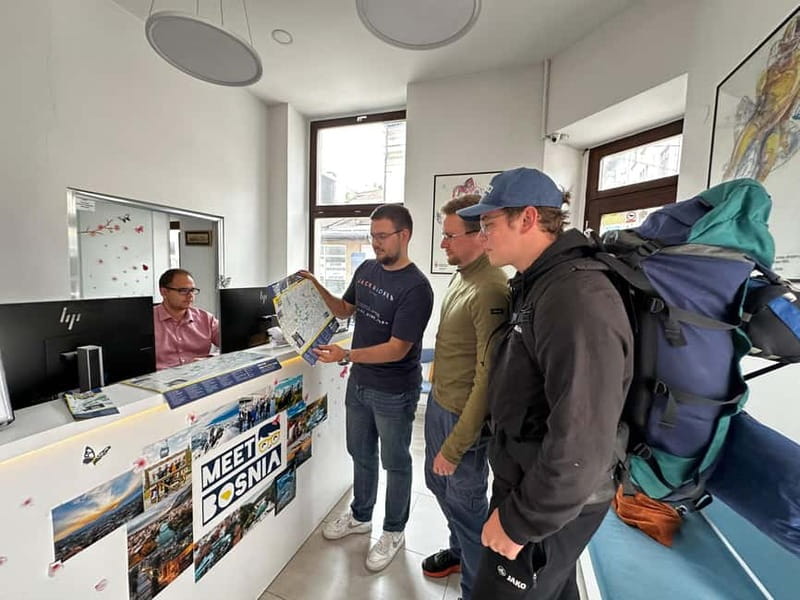
The walk begins at the Meet Bosnia Tours office and heads into the old center. Your first major stop is Baščaršija Square, an outdoor market area dating from the 15th century.
This is the right place to begin because Sarajevo’s Ottoman character is most obvious here. The square is a meeting point, a photo stop, and a practical introduction to the old town’s layout. You will see traditional forms, shops, and the flow of daily city life rather than a polished historic set built only for sightseeing.
The wooden Sebilj fountain is the visual marker of the square. It is one of Sarajevo’s best-known symbols, and the tour gives you time to look at it and hear why it matters to the city. The stop lasts about 10 minutes, so expect an explanation and photos rather than a long pause.
Bring your camera, but do not spend the entire stop looking through it. The useful part is understanding how Baščaršija functions as a public center. Your guide can also help you separate worthwhile local shopping from the shops aimed mainly at passing visitors.
Sarajevo City Hall and the change in style
From Sebilj, the walk continues to Sarajevo City Hall, known locally as Vijećnica. The building introduces a different chapter, with Austro-Hungarian design replacing the more intimate Ottoman market style.
The stop includes about 15 minutes of guided information and scenic views along the way. The city hall was newly renovated, so it offers a useful chance to discuss both Sarajevo’s architectural changes and the damage suffered by the city in more recent times.
Do not expect the whole tour to become an extended interior visit. The supplied schedule calls for a guided stop and views, but the exact access inside the building can depend on the operation of the day. The route still gives you enough context to understand why this building matters.
I find this part especially useful because it prevents a common mistake: treating Sarajevo as only an Ottoman city. The Austro-Hungarian period is just as important to the city center, and the contrast becomes obvious within minutes.
Copper, coffee, and the crafts of Kazandžiluk
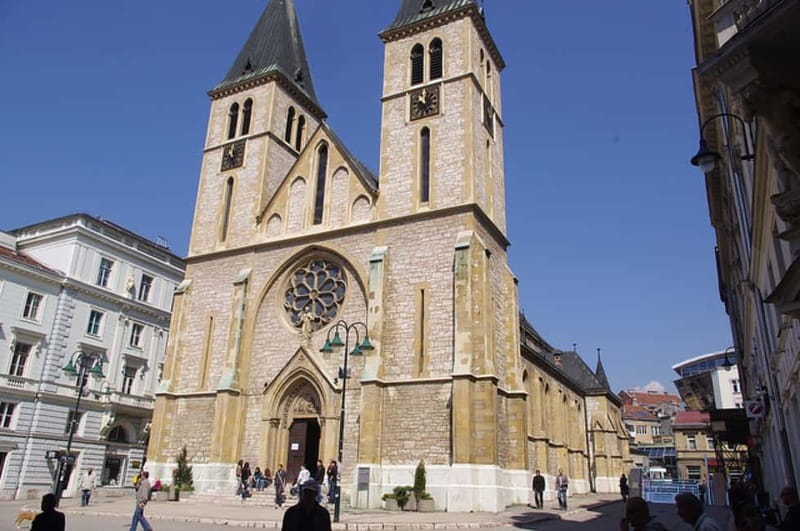
Next comes Kazandžiluk, the traditional copper craft street. You have about 10 minutes to look around the arts and crafts market and hear about the work sold there.
This is one of the route’s more personal touches. Several guides have taken time to introduce local artisans and explain how objects are made, including a traditional brush-making shop. That does not turn the walk into a shopping trip. You are not pressured to buy anything, and the stop helps you understand why certain crafts remain part of Sarajevo’s identity.
You may see copper coffee sets, decorative pieces, and other handmade goods. If you want to purchase something, ask about quality and local production. A guide can often point out the difference between a useful handmade item and a souvenir with little connection to the city.
The coffee connection matters. Bosnian coffee is part of everyday culture, and the old town’s smells and small food businesses help make the history feel close to ordinary life. Meals and drinks are not included, although they can be arranged on request.
More Guided Walks in the world:
- Magical London: Harry Potter Guided Walking Tour
★ 4.7 · 22,044 reviews - History and Hauntings of Salem Guided Walking Tour
★ 5.0 · 14,564 reviews - Amsterdam Anne Frank: Small-Group Walking Tour & Local Guide
★ 4.8 · 12,789 reviews - Edinburgh: Harry Potter Magical Guided Walking Tour
★ 4.8 · 11,944 reviews
Morića Han and the Ottoman commercial world
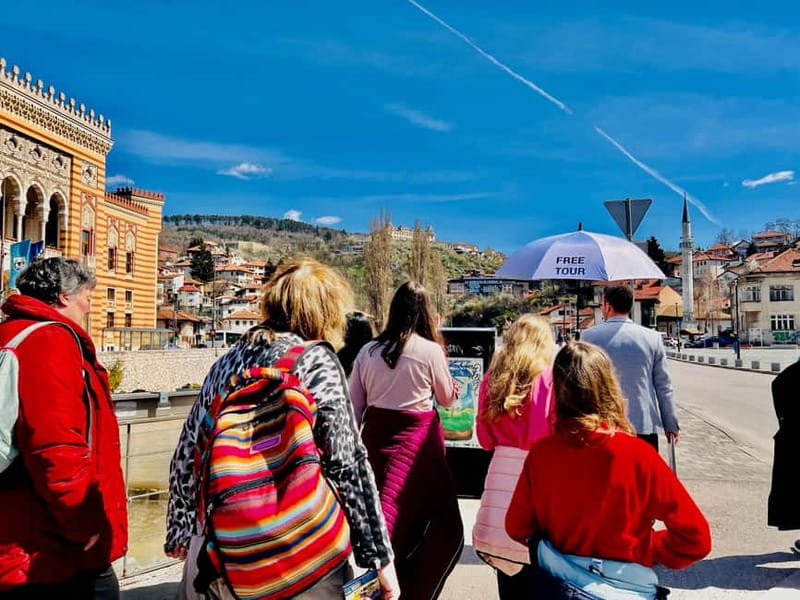
The short walk to Morića Han adds another layer to the Ottoman story. A han was a lodging and trading place for merchants, so this stop helps you picture Sarajevo as a center of movement and business rather than only a religious or residential quarter.
The scheduled walk lasts about 10 minutes. That is enough for an explanation and a look around, but not a long architectural study. If you care about old inns, trade routes, or urban design, tell your guide early. Several guides have been praised for adapting their explanations to interests such as architecture, politics, and religion.
This is also a good point to ask for food suggestions. Guides have offered practical advice on where to eat and shop after the tour. I would save a note on your phone because recommendations given while walking can be easy to forget.
Gazi Husrev-bey’s religious and civic legacy
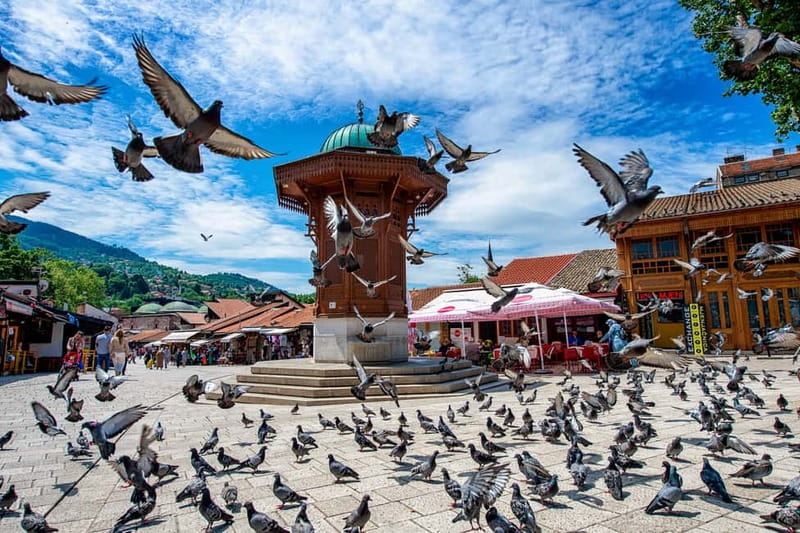
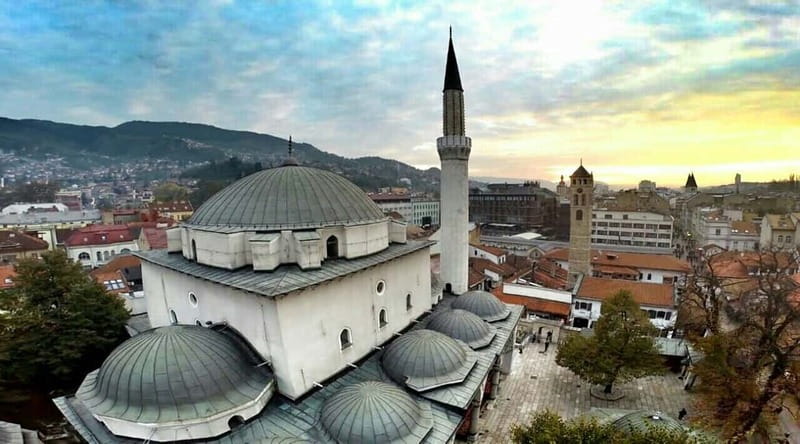
The tour then reaches the Gazi Husrev-bey Mosque, one of the central Ottoman landmarks in Sarajevo. The scheduled guided walk takes about 10 minutes, followed by short stops at the Gazi Husrev-bey Madrasa and the Gazi Husrev-bey Library.
Together, these sites show that Ottoman influence was not limited to decorative buildings. Gazi Husrev-bey supported religious education, scholarship, worship, and public life. The mosque, school, and library form part of a wider foundation that helped shape Sarajevo’s urban center.
The madrasa stop lasts around five minutes and is mainly for a visit, photos, and explanation. The library also receives short photo and guided stops. Because each pause is brief, you will get the main facts and visual context rather than a long academic lecture.
Dress respectfully for the mosque and follow the guide’s instructions about entry. The tour is wheelchair accessible, but historic streets and buildings can still present practical challenges. If mobility is important for you, mention it when arranging the visit so the guide can help with the route.
This is one of the points where a good guide makes a major difference. The mosque is easy to photograph, but its real importance is easier to grasp when someone explains how worship, learning, and public life were linked in the Ottoman city.
Latin Bridge and the spark of World War I
Latin Bridge is one of Sarajevo’s most famous stops. Here, the guide explains the assassination of Archduke Franz Ferdinand and Sophie, Duchess of Hohenberg, an event closely linked with the outbreak of World War I.
You receive about 15 minutes at the bridge for a visit, photos, and discussion. The stop is not simply about standing at a famous address. It gives you a chance to understand how a local event in Sarajevo became part of a European crisis.
The site itself is easy to pass without context. That is why I value the guide’s explanation here. Ask questions if you want to understand the political tensions behind the assassination, since the subject can be reduced to a simple date when you visit alone.
This section also shows the value of a small group. With no more than 10 people, it is easier to hear the guide and ask about complicated events. In a larger group, a short stop at a busy bridge can become a quick photo and little else.
Sarajevo’s Orthodox and Catholic landmarks
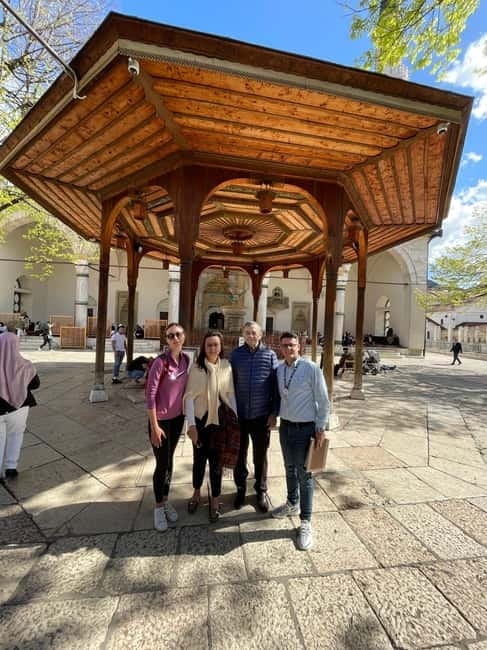
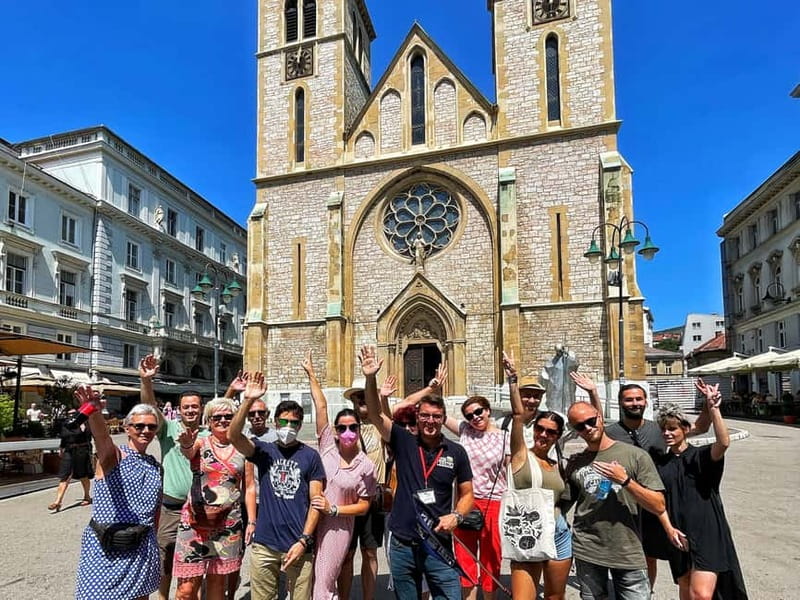
The final part of the route turns toward two major Christian buildings: the Cathedral Church of the Nativity of the Theotokos and the Sacred Heart Cathedral.
The Orthodox cathedral receives about 10 minutes for a photo stop, visit, and guided explanation. The Sacred Heart Cathedral also receives around 10 minutes, with a guided stop and photos. These visits help show Sarajevo as a multi-confessional city rather than a place defined by one tradition.
One of the tour’s strongest ideas is the presence of four religious monuments within roughly 100 meters: Islamic, Orthodox Christian, Catholic, and Jewish places of worship. The close distance is striking. The guide can explain how different communities have shared the city and how religion remains part of Sarajevo’s public identity.
The exact access inside religious buildings can vary, so treat these as guided visits rather than a guarantee of lengthy interior touring. Dress sensibly, keep your voice low, and follow instructions about photography.
This part of the walk gives the earlier Ottoman and Austro-Hungarian stops a wider meaning. Sarajevo’s character comes from contact between communities, not from one architectural style alone.
The Eternal Flame and the city’s 20th-century story
The advertised highlights also include Sarajevo’s Eternal Flame Monument, associated with the Yugoslav People’s Army. Its place in the city center brings the story into the 20th century and the period of Communist Yugoslavia.
This stop helps connect the older districts with the city you see today. Sarajevo was the center of international attention during the 1984 Winter Olympics, then became a war zone only eight years later during the siege, described as the longest siege in modern history.
The tour does not hide those changes behind pleasant market scenes. Guides have shared personal accounts of growing up in Bosnia, life during the siege, family experiences, and the city’s present-day politics. Those stories can make the walk more emotional, but they also provide context that a guidebook cannot easily give you.
If you prefer a light sightseeing tour with little modern history, this may feel serious. If you want to understand Sarajevo beyond its cafés and old streets, this balance is a major strength.
What the guides add to the experience
The guide is the main reason to choose this tour. You are not paying only for directions between landmarks. You are paying for someone who can connect Ottoman foundations, Austro-Hungarian buildings, Yugoslav symbols, religious communities, war memories, and present-day life.
Past guides have been praised for clear English and an open style. Arna has been described as an excellent communicator. Kiki has been praised for practical advice and a friendly manner. Armina has combined historical explanation with personal stories, while Elma has been valued for answering difficult questions with patience.
Benjamin has been singled out for his grasp of Sarajevo, Bosnia, and wider European politics. Other guides, including Cecilia, Selma, Hanan, and Lukman, have been appreciated for adapting the walk to questions about architecture, culture, food, and daily life.
That range matters because Sarajevo raises questions. You may want to ask about faith, ethnic identity, the siege, local politics, or where to eat that evening. The strongest guides do not recite a fixed speech and hurry you along. They explain, listen, and add useful local suggestions.
Price, pace, and who should book
At $20 per person, this is a strong value for 150 minutes with a professional English-speaking guide. The price is especially fair if you are visiting Sarajevo for the first time and want a clear introduction before exploring on your own.
A free walk can appear cheaper, but the paid format gives you a set reservation, a small group, and a guide who may continue even if only one person books. One solo participant received a full walk despite being alone, which shows a useful commitment from the operator.
The pace is moderate but purposeful. You cover many stops, and most visits last between five and 15 minutes. You will not have long at every building, so this works best as an orientation tour rather than a detailed architectural inspection.
Book it early in your stay if you want help planning the rest of your time. Guides can suggest shops, food, and places to return to. You can also ask for more detail in areas that interest you.
The tour is wheelchair accessible, and the small group helps with communication. Still, you should bring comfortable shoes and clothes. A camera is useful, and an umbrella may be provided in wet weather. Free cancellation is available up to 24 hours before the tour, and you can reserve now and pay later, which helps if your schedule is still changing.
Should you book the Sarajevo Old Town Walking Tour?
I would book this tour if you want Sarajevo explained through its buildings, communities, and difficult recent past. It is particularly good for first-time visitors, history fans, and anyone who prefers local conversation to a quick list of dates.
You may want something else if you want a slow photography walk, a food-focused outing, or extended time inside every religious building. The schedule is full, and the serious subjects deserve attention.
For most people, though, $20 buys a useful first look at Sarajevo. You leave with a better sense of where the Ottoman quarter ends, where the European city begins, why Latin Bridge matters, and how four religious traditions can exist so close together. That is a lot of Sarajevo in two and a half hours.
FAQ
How long does the Sarajevo Old Town walking tour last?
The tour lasts 150 minutes, or two and a half hours.
How much does the tour cost?
The listed price is $20 per person.
What language is the tour conducted in?
The live tour guide speaks English.
Is the tour suitable for wheelchair users?
Yes. The activity is listed as wheelchair accessible.
What should I bring?
Bring comfortable shoes, comfortable clothing, and a camera.
What is included in the price?
A professional guide is included. Meals and drinks are not included, though they can be arranged upon request.
Just added around the world
- Bern Private Walking Tour with a Local★ 4.5 · 75 reviews
- Bern Walking Tour: Explore Top Sights & Hidden Gems★ 5.0 · 108 reviews
- Berlin Walking Tour★ 4.5 · 378 reviews
- Small Group Walking Tour of East Berlin with a French Guide★ 5.0 · 176 reviews
- Berlin Street Art Walking Tour – Off The Grid★ 5.0 · 270 reviews
- Berlin Highlights Private Guided Walking Tour★ 4.5 · 89 reviews
- Private Walking Tour: World War 2 and Cold War Sites in Berlin★ 5.0 · 230 reviews
- Kreuzberg Berlin: Off the Beaten Track PRIVATE Walking Tour★ 5.0 · 128 reviews
Old Town Walking Tours, compared.
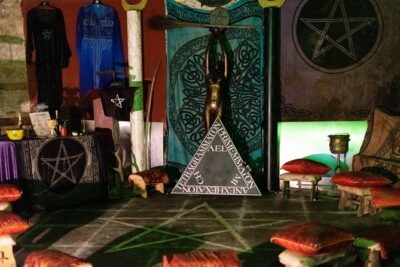
Underground Vaults Walking Tour in Edinburgh Old Town
Read our review →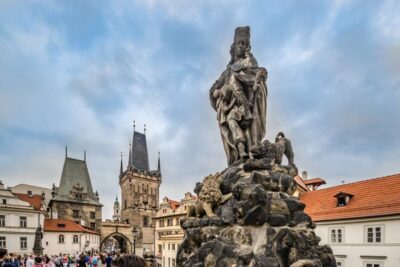
3-Hour Walking Tour of Old Town & Prague Castle
Read our review →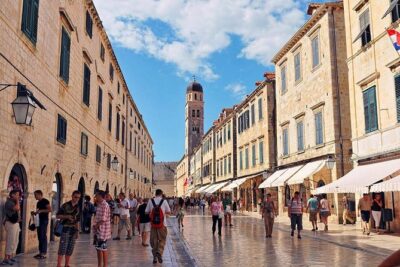
Old Town and Jewish Quarter Guided Walking Tour
Read our review →
Cartagena: Historic Center and Getsemaní Shared Walking Tour
Read our review →Browse the lists this tour appears in