
Review · SINGAPORE WALKING TOURS
Singapore: Chinatown and Little India Guided Walking Tour
Singapore’s best stories are on foot. I love how this three-hour walk links Little India, Kampong Glam, and Chinatown, giving you a clear picture of how Malay, Indian, Chinese, and other communities shaped the city. I also like the practical guidance: your guide points out photo spots, food ideas, street art, old shophouses, and daily details that are easy to miss alone.
The main drawback is simple: this is a proper walking tour, not a gentle sightseeing ride. You may cover a lot of ground in heat or rain, and the three neighborhoods receive more of an introduction than a slow, detailed exploration. Wear good shoes, bring water, and expect the tour to keep moving.
Key points to know before you book
- Three cultural districts in three hours: See Little India, Kampong Glam, and Chinatown in one organized outing.
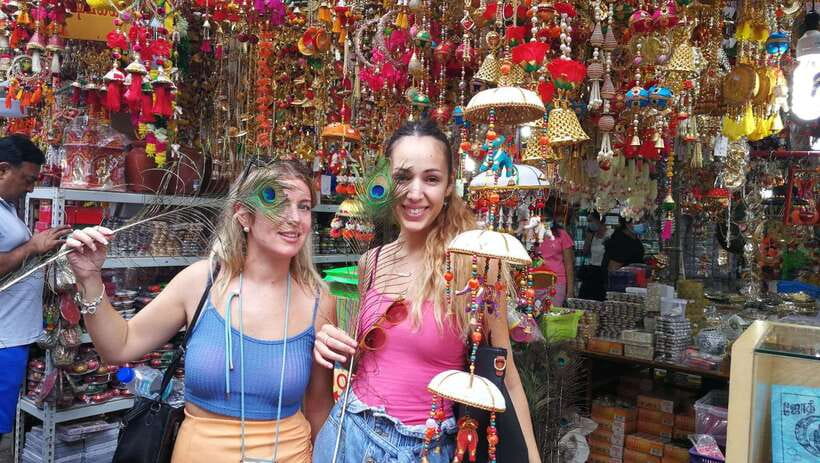
- Little India comes first: Expect temples, mosques, painted shophouses, markets, murals, and useful context about Indian communities in Singapore.
- Kampong Glam adds the Malay and Muslim story: Textile shops, Arab Street surroundings, street art, and 19th-century buildings give this stop a different feel.
- Chinatown is the finish: The tour ends at Chinatown MRT Station, giving you an easy base for lunch or more independent exploring.
- Guides make the difference: Yap, Yong, Cheyenne, Chan, Jackey, Elfie, and others have been praised for humor, history, flexibility, and help with photos.
- Plan for weather and walking: The tour continues in ordinary rain, but thunderstorms can cause rescheduling.
Why this Singapore walk works so well
Singapore can look polished and modern at first glance. Glass towers, spotless streets, and efficient transport often take center stage. This tour shifts your attention to the older neighborhoods where Singapore’s communities, religions, trades, and family life developed.
I like the basic idea because it gives you a framework for the rest of your stay. Instead of seeing a temple, mosque, or shophouse as an isolated attraction, you begin to understand how each area fits into Singapore’s wider story.
The route also helps if you have only a short stay. Three hours is long enough to see the character of several districts without giving up an entire day. You will not master each neighborhood in that time, but you will leave with a useful map in your head and a list of places worth returning to.
The tour costs $78 per person. That is not bargain-priced for a walk, so the value rests on the guide. You are paying for local explanation, route planning, cultural context, photo help, and the chance to ask questions as you go. If you prefer simply wandering with a map, the price may feel high. If you want Singapore’s past and present explained as you walk, it is easier to justify.
More Guided Walks in the world:
- Magical London: Harry Potter Guided Walking Tour
★ 4.7 · 22,044 reviews - History and Hauntings of Salem Guided Walking Tour
★ 5.0 · 14,564 reviews - Amsterdam Anne Frank: Small-Group Walking Tour & Local Guide
★ 4.8 · 12,789 reviews
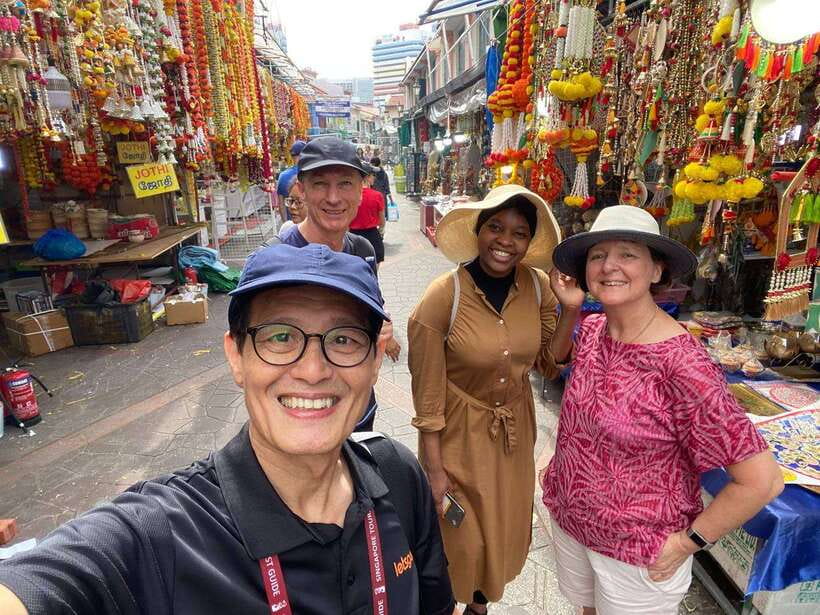
Starting in Little India with temples and painted shophouses
The meeting point is Let’s Go Tour Singapore. Look for a guide wearing a black shirt with the Let’s Go Tour logo on the front. The day begins in Little India, rather than Chinatown, even though Chinatown is in the tour name and serves as the finishing point.
Little India is a strong opening because the area gives you plenty to look at right away. Expect temples and mosques, colorful shophouses, murals, and streets filled with signs and shops linked to Indian culture. The guide’s job here is not just to identify buildings. You will hear how different communities became part of Singapore and how the city changed over time.
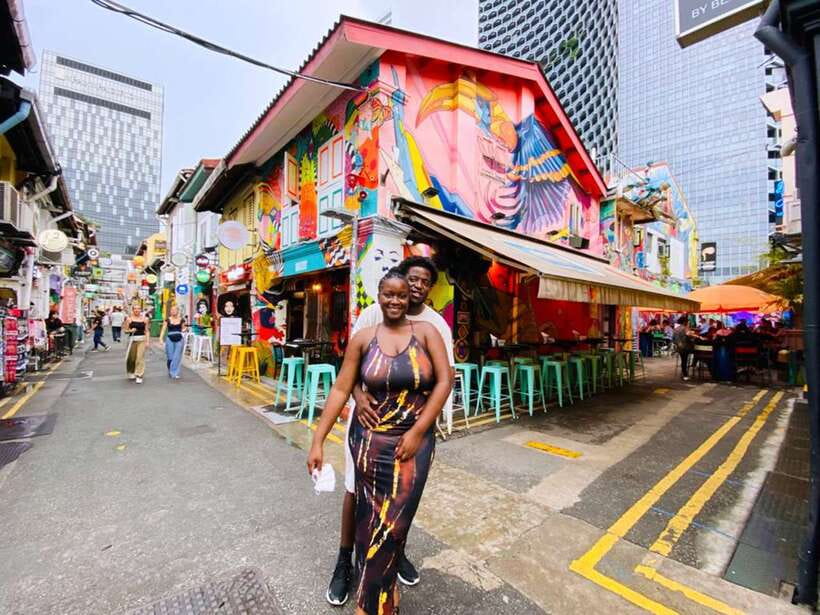
The brightly painted facades make this a good section for photos. Your guide can help you find useful angles and may explain details hidden in the decoration, architecture, or religious symbols. Several guides have also helped with taking pictures, which is a small service that matters when you are traveling as a couple or family.
Little India also gives you a taste of everyday Singapore rather than a string of major monuments. You might see people shopping, eating, working, or moving through the district on ordinary errands. That daily rhythm is part of the appeal.
Do not expect an extended visit inside every temple, shop, or market. The pace has to accommodate two more districts. If you already know you want a long food stop or detailed temple visit, save that for after the tour and ask your guide for suggestions.
Several guide names appear repeatedly in the experience feedback, including Yap, Yong, Cheyenne, Chan, and Elfie. The assigned guide can vary, but the strongest pattern is clear: the best guides adjust their explanations to the group, pause for questions, and avoid burying you under dates and statistics.
Moving through Kampong Glam and the Muslim quarter
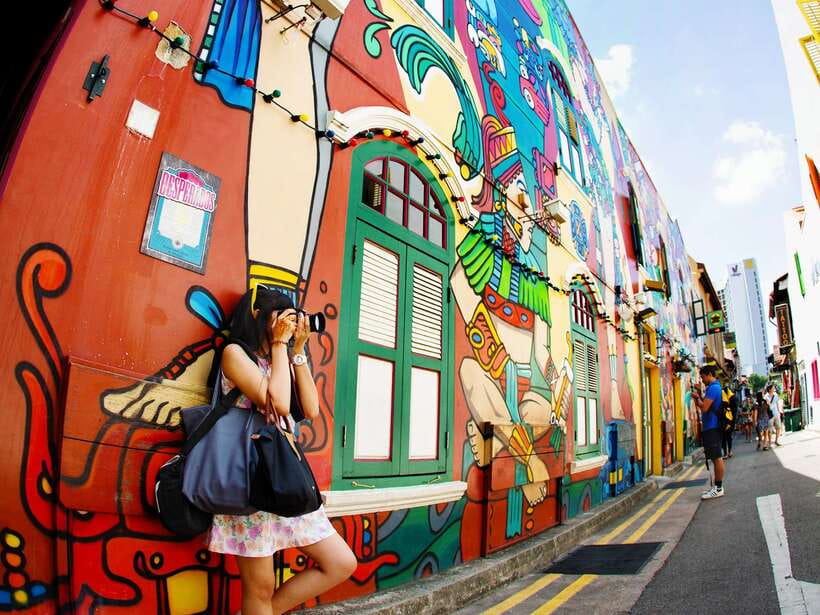
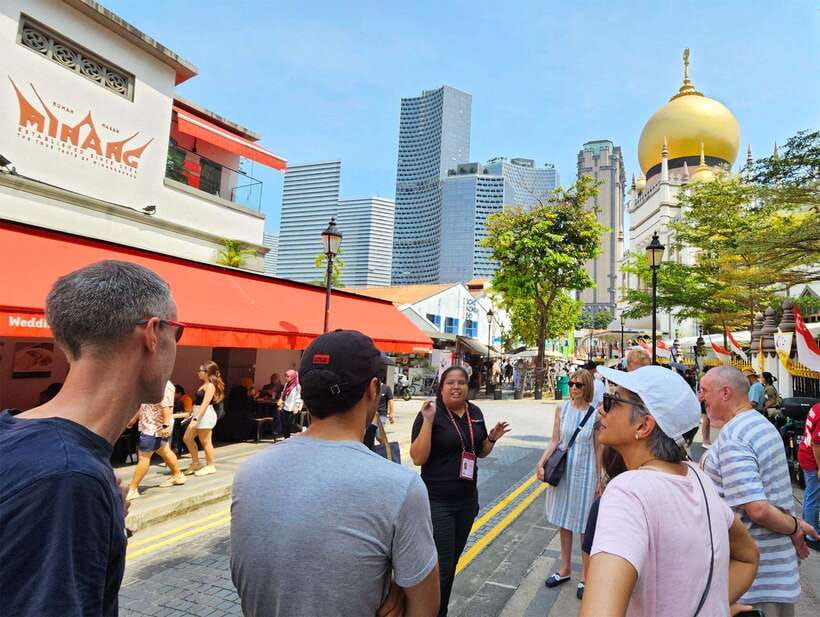
From Little India, the route continues to Kampong Glam, Singapore’s Muslim quarter. This district adds another layer to the city’s story, with textile stores, street art, mosques, and old shophouses dating from the 19th century.
Kampong Glam often feels different from Little India even when the two areas are close together. The shops, colors, religious buildings, and street scenes change quickly. A good guide helps you notice those differences without turning the walk into a dry architecture lesson.
The textile shops are one of the more distinctive parts of this stop. Even if you do not plan to buy fabric or clothing, the stores help explain the district’s commercial character. Street art adds a modern note, while the older shophouses show how the neighborhood developed before Singapore became the high-rise city you see today.
Arab Street and the surrounding area can be especially useful for a return visit. One visitor went back independently after the tour because the guided introduction made the district easier to approach. That is a real benefit of this format: you can test an area with a local guide, then return later for a meal, shopping, or photographs at your own pace.
Some groups have also received food recommendations and advice tailored to dietary needs. The tour does not include food or drinks, so plan to buy anything you want along the way. A guide may point you toward suitable places, but your own purchases are extra.
This section may feel brief if you want a full visit to every major building. The aim is to give you the neighborhood’s character and context, not to provide a complete Kampong Glam sightseeing day. If the district is your priority, return after the tour and explore it without the clock.
Finishing in Chinatown and seeing older Singapore
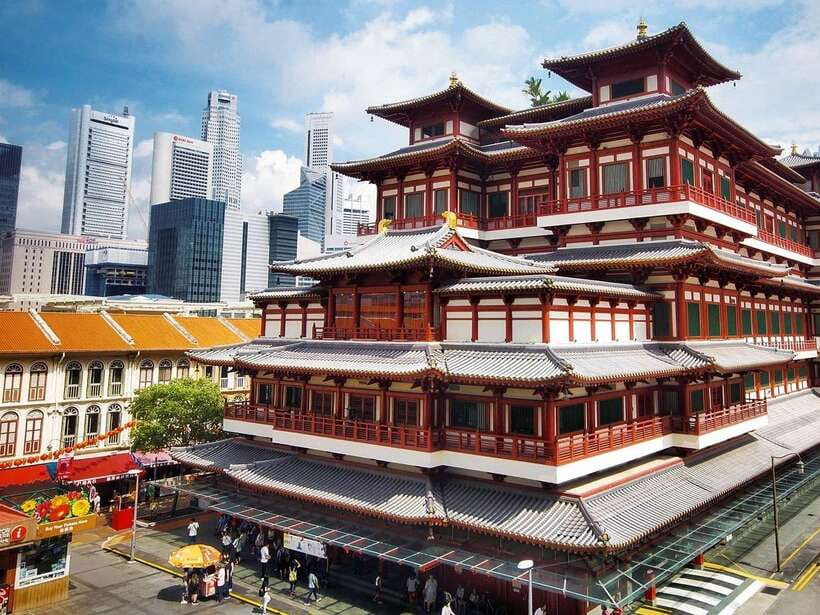
The final neighborhood is Chinatown, where the route ends at Chinatown MRT Station, station DT19. By this point, you have seen how several communities helped shape Singapore, so Chinatown becomes more than a photo stop. It completes the broad story of the city’s Chinese community and its changing urban life.
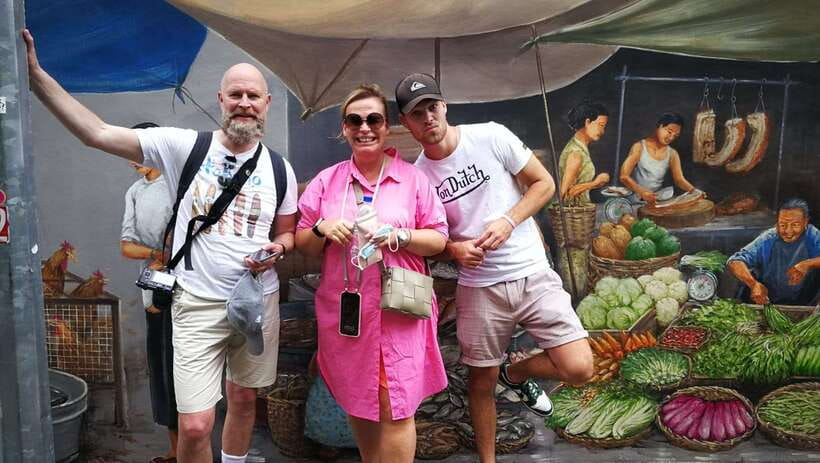
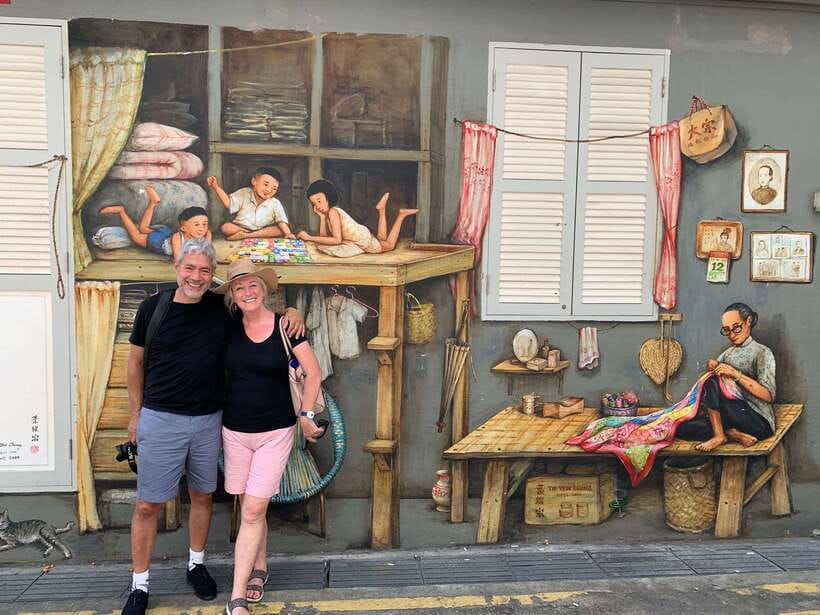
Expect a lively atmosphere, old streets, painted shophouses, and plenty of chances to watch daily activity. Your guide can point out places connected with Singapore’s past, explain how the area has changed, and identify spots that are worth a closer look later.
Chinatown is also the most practical ending point. You can continue exploring, find lunch, or use the MRT to reach another part of the city. The tour does not include hotel drop-off, so finishing at a central station is useful if you are comfortable continuing on your own.
One point worth noting: the amount of time spent in Chinatown may depend on the group and the day. A crowded weekend can make it harder to stop in the most popular spots. One participant felt that a longer stop in the tourist-heavy parts would have been useful, while also recognizing that the area was packed.
If you have already explored Chinatown, tell your guide at the start. A guide may be able to give more attention to Little India and Kampong Glam, as happened for one group. The route has a set shape, but the conversation can still respond to what you have seen.
A few more walks around the world worth a look
- Reykjavik Food Walk – Local Foodie Adventure in Iceland
★ 5.0 · 18,952 reviews - New Orleans Premier Ghost, Voodoo and Vampire Walking Tour
★ 4.5 · 12,856 reviews - Edinburgh: Harry Potter Magical Guided Walking Tour
★ 4.8 · 11,944 reviews - Edinburgh Castle: Guided Walking Tour with Entry Ticket
★ 4.7 · 11,699 reviews
The guides are the heart of the experience
The tour is only as good as the person leading it, and the guide receives the strongest praise. Yap is often described as warm, enthusiastic, and strong on Singapore’s history and current life. Yong has been praised for his local knowledge, humor, energy, and help with photographs.
Cheyenne is another guide who has earned praise for balancing history with practical stops, including water and restroom breaks. Chan has been appreciated for making Singapore’s story clear without piling on too many dates. Jackey and Elfie have also been described as friendly, entertaining, and flexible.
Other named guides include Jaci, Colin, Kyanta, Corliss, Vidhya, Angel, Wadi, Dani, Simon, and Shy. The wide range of names tells you that the guide is assigned rather than selected. You cannot count on one specific person unless the operator confirms it.
The best guides do more than talk. They watch the group, help with street crossings and steps, suggest shaded routes, take photos, answer questions, and adjust the pace. One guide extended a tour by about 30 minutes so the group could finish its questions and see more. That kind of flexibility is valuable, but you should not assume every departure will run long.
Group size can also vary. Some outings have had only two, three, or four people, while others have included families and larger groups. A small group makes it easier to hear, ask questions, and request a change in emphasis. A larger group may feel less personal, especially in crowded streets.
Walking, weather, and using public transport
The three-hour duration may sound modest, but it involves substantial walking. Good footwear is not optional for most people. The route includes streets, stations, steps, and standing stops, and Singapore’s heat can make the distance feel longer.
Bring water and dress for warm, humid weather. Several guides have built in cooling pauses, restroom breaks, and water purchases, but the exact pattern depends on the day and group. If you tire easily, say so early rather than waiting until the final neighborhood.
Rain does not automatically stop the tour. The outing can operate in rainy conditions, although a thunderstorm may lead to rescheduling. A light shower can make the streets more atmospheric, but it also means slippery surfaces and less comfortable photo stops. A compact umbrella or light rain layer is sensible.
Some groups have traveled between districts by MRT, hopping on and off like local residents. This adds a useful lesson in how Singapore functions and can save time between neighborhoods. The experience listing includes the walking tour and licensed guide, but not food, drinks, or hotel transfers. If public transport is used, ask whether you need to pay your own fare.
The MRT introduction has been especially useful for people staying longer in Singapore. A guide can show you how the system connects the districts, making later independent trips less intimidating. That practical knowledge may be worth as much as the sightseeing itself.
Who will get the most from this tour
I would recommend this tour to first-time visitors who want cultural context without spending a full day in a museum. It suits couples, families with older children, and adults who enjoy asking questions while they walk.
It is also a good choice if you are staying in Singapore for only a few days. The tour gives you a broad orientation, then lets you decide which neighborhood deserves more of your free time. The suggestions for food, markets, and future visits can help you plan the rest of your stay.
Families should note the walking time and heat. The tour can work well with children if they are comfortable walking and listening, but it is not built around games or child-focused entertainment.
You may want a different plan if your main goal is shopping, eating, or spending an hour inside each religious building. This experience samples all three districts. It does not replace a dedicated Chinatown food walk, temple visit, or Kampong Glam shopping afternoon.
Small details that improve the day
- Meet at Let’s Go Tour Singapore and look for the black shirt with the company logo.
- Wear supportive shoes and carry water.
- Keep some time free afterward for the neighborhood you like best.
- Tell the guide if you have already seen Chinatown or have specific food needs.
- Bring rain protection, since ordinary rain does not necessarily cancel the walk.
- Do not plan a tight appointment immediately afterward. Weather, questions, crowding, and group pace can affect the finish.
- Use the final stop at Chinatown MRT Station as a launch point for lunch or further exploring.
The cancellation terms are flexible: you can cancel up to 24 hours before the start for a full refund, and you can reserve now and pay later. The tour may be rescheduled if too few people sign up, so check the departure details before arranging a fixed schedule around it.
Should you book the Singapore cultural districts walk?
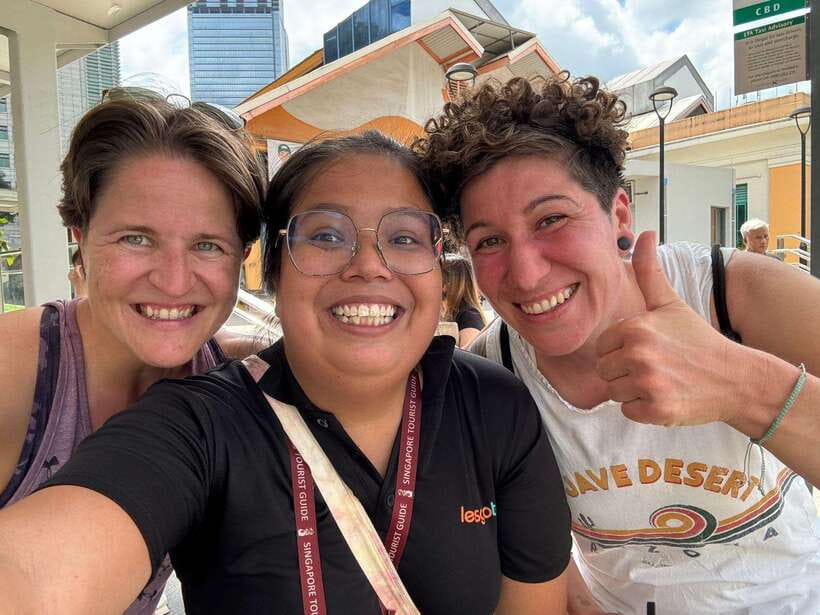
Book it if you want a guided introduction to Singapore’s Chinese, Indian, and Malay communities and prefer stories to a checklist of monuments. The combination of local explanation, street art, shophouses, religious buildings, food advice, and MRT help gives the tour genuine practical value.
Skip it if you dislike long walks, want extensive time in one neighborhood, or feel comfortable researching and navigating independently. At $78, the cost makes most sense when you use the guide actively: ask questions, request food ideas, explain what you have already seen, and take notes on places to revisit.
For many visitors, this is a strong first or second day activity. It gives you context before you explore on your own, and it leaves you with three neighborhoods that feel less like separate attractions and more like connected parts of Singapore.
FAQ
How long is the Singapore Chinatown and Little India walking tour?
The tour lasts three hours.
Which neighborhoods are included?
The route visits Little India, Kampong Glam, and Chinatown.
Where does the tour start?
You meet at Let’s Go Tour Singapore. The guide wears a black shirt with a Let’s Go Tour logo on the front.
Where does the tour finish?
The tour ends at Chinatown MRT Station, station DT19.
What language is the tour conducted in?
The tour is conducted in English with a live English-speaking guide.
Are food and drinks included?
No. Food and drinks are not included in the tour price.
What happens if it rains?
The tour operates in rainy conditions, but it may be rescheduled if there is a thunderstorm.
Just added around the world
- Walking Tour of Boston’s Freedom Trail★ 4.5 · 77 reviews
- Downtown Freedom Trail Walking Tour – History & Architecture★ 4.5 · 194 reviews
- Boston Seafood Lovers Food and History Walking Tour★ 5.0 · 208 reviews
- Boston “Death and Dying” Walking Ghost Tour★ 4.5 · 223 reviews
- Boston Food of the North End Private Walking Tour★ 5.0 · 174 reviews
- Boston Movie Mile Walking Tour★ 4.5 · 119 reviews
- 1 If By Land Walking Tours★ 5.0 · 95 reviews
- Boston History and Freedom Trail Private Walking Tour★ 5.0 · 117 reviews
Singapore Walking Tours, compared.
Chinatown Hawker Market Food Tour with 7 Food Tastings
Read our review →Chinatown, Little India, Arab Street Walking Tour
Read our review →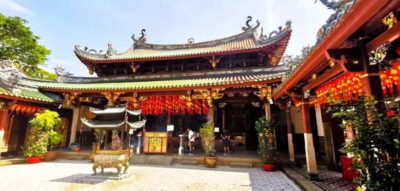
Splendour of Colonial Singapore Walking Tour with Lunch
Read our review →Browse the lists this tour appears in