
Review · SINGAPORE WALKING TOURS
Splendour of Colonial Singapore Walking Tour with Lunch
Colonial Singapore still shapes the skyline. This 3.5-hour walk links grand civic buildings, old bridges, and the Singapore River in a clear story that runs from Raffles’ arrival in 1819 to independence in 1965. I especially like the carefully connected route and the three-course lunch at Boat Quay. The main thing to consider is Singapore’s heat, since much of the tour is outdoors and it runs rain or shine.
Guide Ping receives especially strong praise for her warm manner, personal stories, easy pace, and ability to answer questions. She also makes time for photographs, bathroom stops, and cool indoor breaks when possible. Still, several stops are primarily exterior visits, so this is best for understanding the city’s setting rather than touring every building room by room.
Key points to know before you book
- A 1819 to 1965 history lesson: The route explains Singapore’s shift from British trading post to crown colony and independent nation.
- City Hall is the practical meeting point: Meet at 9:55 a.m. at City Hall MRT Station Exit B, at street level.
- A strong lineup of colonial landmarks: St. Andrew’s Cathedral, the National Gallery, Cavenagh Bridge, Fullerton Hotel, and Old Hill Street Police Station all appear.
- Lunch is part of the experience: You receive a three-course meal at a riverside restaurant in Boat Quay.
- Ping is a major strength: Her humor, personal knowledge, tailored explanations, and thoughtful pacing are frequently praised.
- Bring water and shoes made for walking: A disposable poncho is supplied if rain arrives, but comfort still depends on your preparation.
Why this walk is a useful first look at Singapore
Singapore can feel very new at first glance: polished towers, efficient transport, spotless public spaces, and a fast-moving business center. This tour helps explain what came before that modern image. You follow the civic core built under British rule, then see how those old structures were reused and preserved.
The story begins with Sir Thomas Stamford Bingley Raffles and the British East India Company trading post created in 1819. The tour also covers Singapore’s place in the Straits Settlements from 1826, its move to separate crown colony status in 1867, and the road to independence in 1965.
That timeline gives the buildings more meaning. A cathedral is not just a pretty facade. A courthouse is not just a grand old block. Bridges, police stations, theaters, and government offices all reflect the systems that shaped the city’s growth.
I also like that the experience does not treat colonial rule as a simple story of grandeur. The focus is on the lasting effects of planning, law, education, infrastructure, and architecture, while your guide can connect those subjects to modern Singapore. Ping’s personal stories and willingness to follow questions help keep the past from becoming a string of dates.
More Walks with Lunch in the world:
- Prague Guided Walking Tour and Cruise with Authentic Czech Lunch
★ 5.0 · 3,627 reviews - From Sydney: Blue Mountains Tour with Waterfall Walk & Lunch
★ 4.8 · 2,400 reviews - Florence Walking Tour with Accademia, Uffizi & Lunch
★ 4.0 · 1,033 reviews
City Hall and St. Andrew’s Cathedral set the tone
Meet at City Hall MRT Station Exit B at 9:55 a.m. This is a sensible starting point because you are placed in the middle of Singapore’s Civic District, close to several major landmarks. Hotel pickup is not included, so you need to make your own way there.
The first formal stop is St. Andrew’s Cathedral, where the guided visit lasts about 15 minutes. Its presence gives you an early example of the British influence on religion, public life, and architecture. You should expect a photo stop and exterior-focused explanation rather than a long interior visit.
This is also where the walking format begins to make sense. Instead of seeing isolated monuments by car, you move between them and notice how closely the old civic buildings sit together. That short distance between sites is part of the lesson: the colonial administration concentrated its religious, legal, cultural, and commercial functions in one compact area.
National Gallery Singapore offers the longest stop
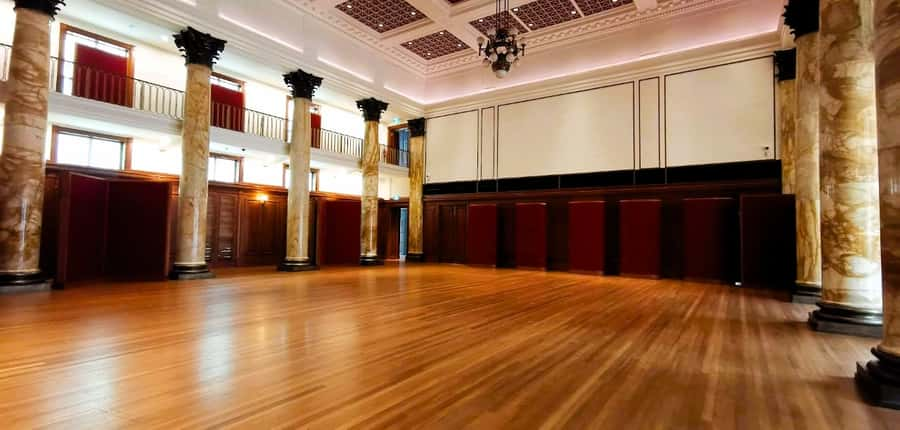
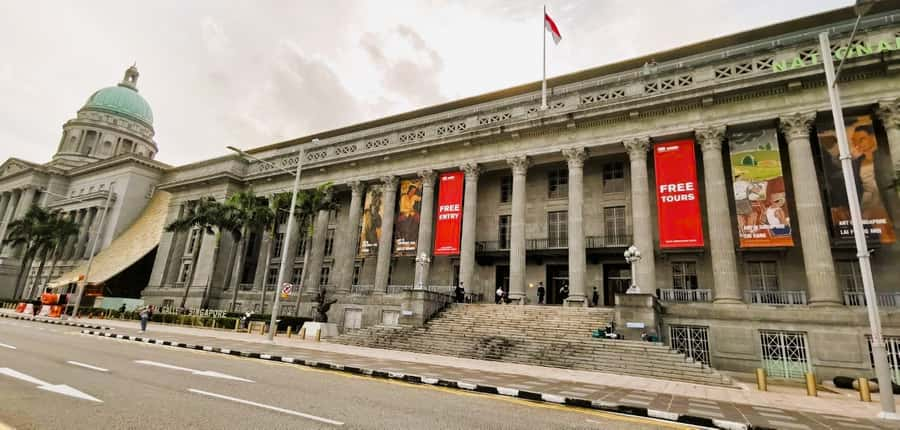
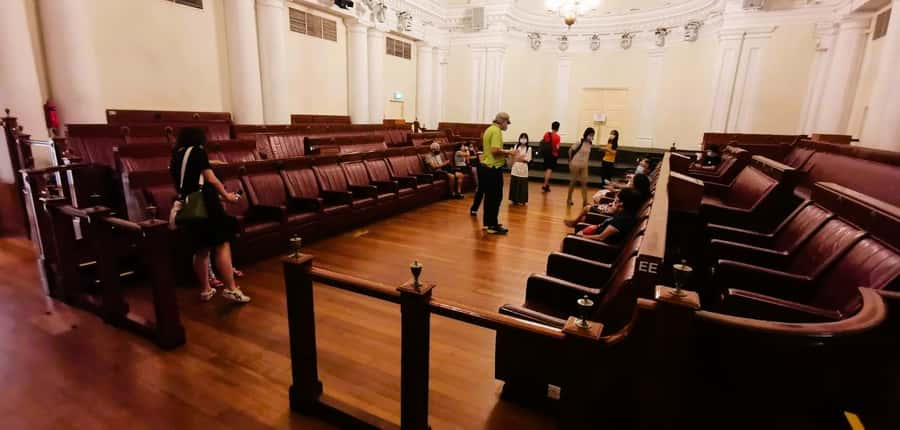
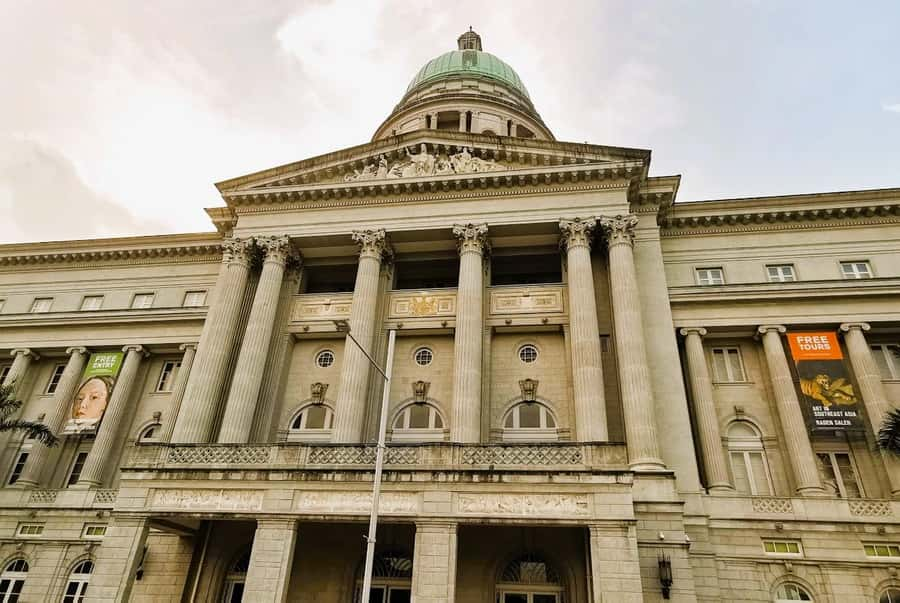
The National Gallery receives about 40 minutes, the longest scheduled stop on the route. The building is especially important because it occupies former civic structures, including spaces associated with Singapore’s old courts and government administration.
That reuse tells you something important about the city. Singapore has not simply knocked down its colonial center to make way for new towers. It has restored major old buildings and given them new public purposes. The result is a place where political, artistic, and architectural history overlap.
You should not expect enough time for a full gallery visit. The tour is built around the building and its role in the Civic District, not a detailed examination of every exhibition. If you love art, you may want to return separately, but the short visit gives you a useful introduction without turning the walking tour into a museum marathon.
Ping’s style suits this stop well. She is praised for explaining a broad subject in plain language, then adjusting her comments to suit the group’s interests. Families and solo guests can both benefit from that flexibility.
The Arts House and Victoria Theatre show the civic district’s public life
The Arts House follows with about 20 minutes. This historic building adds the political and literary side of the story to the route. Its former government role helps you see how colonial administration occupied not only offices and courts, but also public buildings designed to project order and authority.
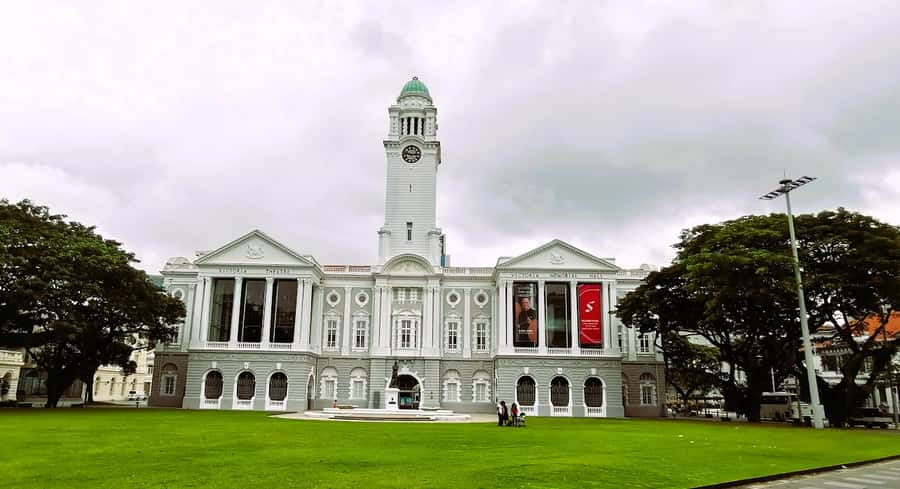
Next comes Victoria Theatre and Concert Hall, with around 10 minutes for photographs and explanation. The pair of buildings represents Singapore’s cultural development during the colonial period. You can expect a quick look rather than an extended tour, but the stop helps balance the route. The day is not only about government power. It also shows how music, performance, and public gatherings became part of civic life.
These two stops are close enough to keep the walk moving, though the schedule is fairly full. If your ideal tour means lingering at every facade, you may find the pace brisk. If you prefer a clear overview with plenty of ground covered, the timing works better.
A few more walks around the world worth a look
- Magical London: Harry Potter Guided Walking Tour
★ 4.7 · 22,044 reviews - Reykjavik Food Walk – Local Foodie Adventure in Iceland
★ 5.0 · 18,952 reviews - History and Hauntings of Salem Guided Walking Tour
★ 5.0 · 14,564 reviews - New Orleans Premier Ghost, Voodoo and Vampire Walking Tour
★ 4.5 · 12,856 reviews
The riverfront connects culture, commerce, and transport
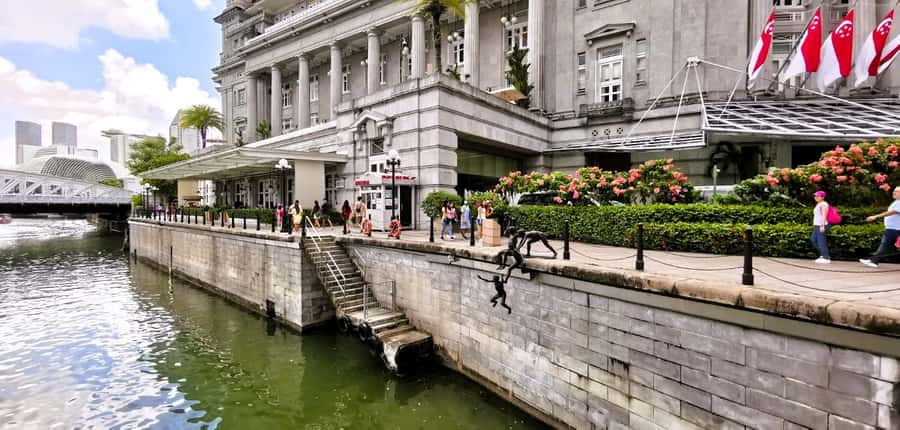
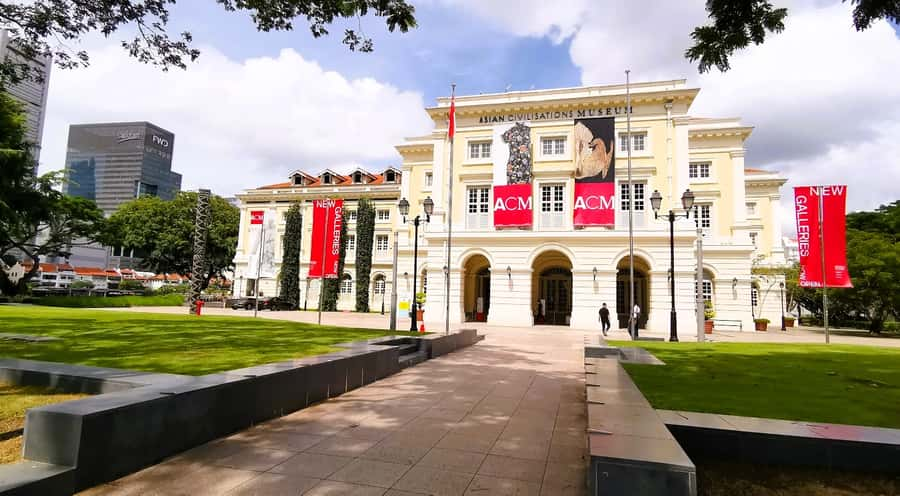
The Asian Civilisations Museum receives only about one minute on the schedule, so treat it as a brief exterior photo stop. Its location beside the Singapore River is more important here than a museum visit. The riverfront helps explain why this area became the commercial heart of early Singapore.
Cavenagh Bridge gets around 10 minutes. This old crossing provides a useful view of the river and the relationship between the civic district and the trading quarter. Bridges are easy to overlook, but they reveal how people, goods, and government moved through the city.
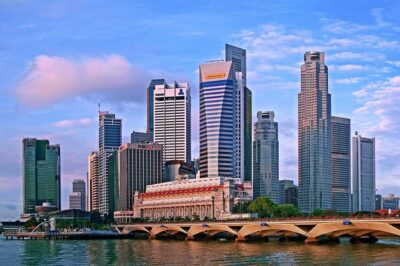
The Fullerton Hotel follows for about 15 minutes. The building’s grand scale and prominent riverfront position make it one of the route’s most memorable architectural stops. Its location also lets you connect the old civic district with Singapore’s commercial waterfront.
For photography, this stretch is likely one of the best parts of the morning. You see historic buildings, the river, and the newer city rising behind them. The contrast is the point: Singapore’s modern skyline does not erase its older core.
Boat Quay lunch is more than a mid-tour break
At about midday, you stop at Boat Quay for lunch. The meal lasts around 40 minutes and includes a three-course lunch at a riverside restaurant. That inclusion matters because food stops can become costly in central Singapore, and a planned meal keeps the group together rather than sending you off to find something quickly.
The lunch also creates a useful pause after several hours of walking. Singapore’s humidity can make a moderate route feel harder than the distance suggests. Sitting by the river gives you time to cool down and reset before the final landmarks.
The supplied details do not specify the restaurant or exact menu, so you should not book this expecting a particular cuisine or dish. The available feedback describes the meal as a solid choice with a good selection of food. Think of it as a convenient, pleasant part of the tour rather than a stand-alone food tasting.
The river setting adds atmosphere. You may see activity along Boat Quay and, as one particularly memorable experience suggests, perhaps even notice river otters nearby. That is not a promised feature, but the waterfront is a lively place to pause.
The final stops move into everyday civic Singapore
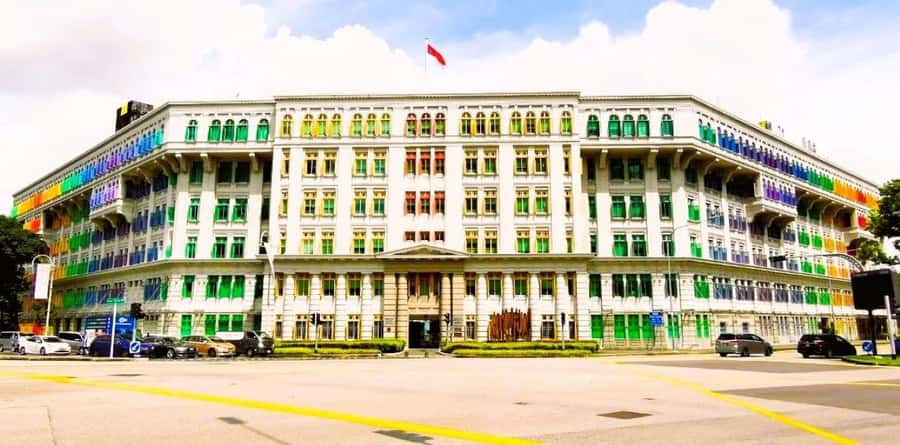
After lunch, the route continues to Old Hill Street Police Station. The scheduled explanation is short, about two minutes, but the colorful historic facade makes it an effective photo stop. It also widens the story beyond grand ceremonial buildings. Police, law, and public administration were practical parts of colonial government.
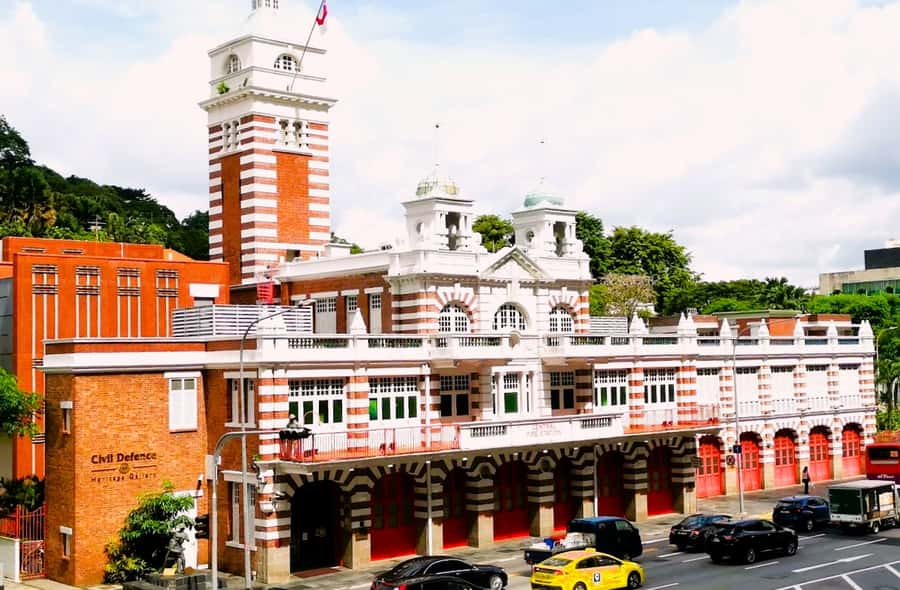
Central Fire Station receives about 20 minutes, enough time for a more useful explanation of public safety and city planning. Its bright exterior and long institutional history give the group another way to understand how Singapore’s infrastructure developed.
The last stop is St. Gregory the Illuminator, with about 15 minutes. This introduces the Armenian community and reminds you that Singapore’s colonial-era population was not made up of only British officials. Traders, religious groups, and migrant communities all helped shape the city.
Ending with this church is a good choice. It rounds out the usual government-and-empire story with a smaller community and a different religious tradition. The tour then returns to the original meeting point.
What Ping adds to the walking tour
A route like this depends heavily on its guide. The buildings are easy enough to photograph on your own, but the connections between them are harder to see without context. Ping is repeatedly praised for her strong command of Singapore’s past, friendly communication, humor, and genuine enthusiasm.
More useful still, she appears to ask what interests you and then adapt the commentary. That can make a difference in a mixed group. You might care about architecture, while someone else wants political history or family stories. A good guide can keep both people involved.
Ping is also noted for remembering names, answering spontaneous questions, and providing photographs after the tour. The photo help is particularly useful if you are traveling alone. It is a small touch, but it lets you appear in the places you came to see.
The pace sounds manageable for someone of average fitness, with restrooms and air-conditioned indoor breaks worked into the day when possible. You still need to be comfortable walking outdoors for several hours. Wear supportive shoes, bring water, and carry sun protection even though it is not specifically listed as required.
Price, pace, and practical value at $49
At $49 per person, the tour is not a bargain-basement walk, but the price includes a licensed English-speaking guide and lunch. It also saves you the work of building a route through the Civic District and figuring out how the buildings connect.
The value is strongest if you are new to Singapore, have limited time, or want a history framework before exploring alone. A free walk may cover some of the same streets, but this experience adds a meal, a licensed guide, and a more sustained focus on the colonial period.
The price is less compelling if you want long interior visits, a museum-heavy day, or complete freedom to stop whenever you like. Several sites are photo stops, and the schedule moves on after short explanations. You are paying for interpretation and organization, not admission to a series of attractions.
The tour lasts 3.5 hours, although the day can run longer if the guide spends extra time answering questions. That flexibility seems to be part of the appeal, but allow some breathing room afterward rather than scheduling an immediate appointment.
Free cancellation up to 24 hours ahead and the reserve-now, pay-later option make planning easier. The walk operates rain or shine, and a disposable poncho is supplied if needed. Still, rain can affect photographs and comfort, so check the forecast and dress sensibly.
Who will enjoy this tour most
I would recommend it to first-time Singapore visitors who want the city’s story explained in one coherent morning. It also suits anyone interested in architecture, civic planning, religious buildings, and the connection between colonial institutions and modern Singapore.
Families can do well here because the route includes changing scenery, short explanations, a meal, and a guide who can make the past feel personal. Solo visitors may especially appreciate the group setting and Ping’s help with photographs.
It is less suitable if you dislike walking in heat, need a slow pace with frequent unscheduled stops, or want to spend hours inside museums. The itinerary covers a lot, and its strength is breadth. You see many important places, but you do not fully tour each one.
FAQ
Where does the tour start?
Meet at 9:55 a.m. at City Hall MRT Station Exit B, at street level.
Where does the tour finish?
The activity ends back at the original meeting point.
How long does the tour last?
The scheduled duration is 3.5 hours. Check availability for the exact starting time.
What language is the tour conducted in?
The live tour guide speaks English.
Is lunch included?
Yes. The price includes a three-course lunch at a riverside restaurant at Boat Quay.
Is hotel pickup included?
No. You must make your own way to City Hall MRT Station, and hotel drop-off is not included.
What should you bring?
Bring comfortable shoes and water. You may also want sun protection because much of the tour takes place outdoors.
What happens if it rains?
The tour runs rain or shine. A disposable poncho is provided if rain occurs.
Can I cancel the booking?
Yes. You can cancel up to 24 hours in advance for a full refund. You can also reserve now and pay later.
Should you book the Splendour of Colonial Singapore tour?
Book it if you want a well-organized historical introduction to Singapore, with a real meal and a guide who adds personality to the buildings. The route is especially useful at the start of a Singapore stay because it gives you a map of the Civic District and explains why the city looks the way it does.
I would be more cautious if your priority is entering every landmark or spending serious time in galleries. For most people, though, the combination of Ping’s engaging guidance, manageable walking pace, riverfront lunch, and wide coverage makes $49 fair value. Bring water, accept that the weather may be hot or wet, and you will get a thoughtful morning that turns a collection of handsome old buildings into a story.
Just added around the world
- Bern Private Walking Tour with a Local★ 4.5 · 75 reviews
- Berlin Walking Tour★ 4.5 · 378 reviews
- Bern Walking Tour: Explore Top Sights & Hidden Gems★ 5.0 · 108 reviews
- Small Group Walking Tour of East Berlin with a French Guide★ 5.0 · 176 reviews
- Berlin Street Art Walking Tour – Off The Grid★ 5.0 · 270 reviews
- Berlin Highlights Private Guided Walking Tour★ 4.5 · 89 reviews
- Private Walking Tour: World War 2 and Cold War Sites in Berlin★ 5.0 · 230 reviews
- Kreuzberg Berlin: Off the Beaten Track PRIVATE Walking Tour★ 5.0 · 128 reviews
Singapore Walking Tours, compared.
Chinatown Hawker Market Food Tour with 7 Food Tastings
Read our review →Chinatown, Little India, Arab Street Walking Tour
Read our review →
Browse the lists this tour appears in