
Review · FOOD WALKING TOURS
Strasbourg: Traditional Food Walking Tour with Tastings
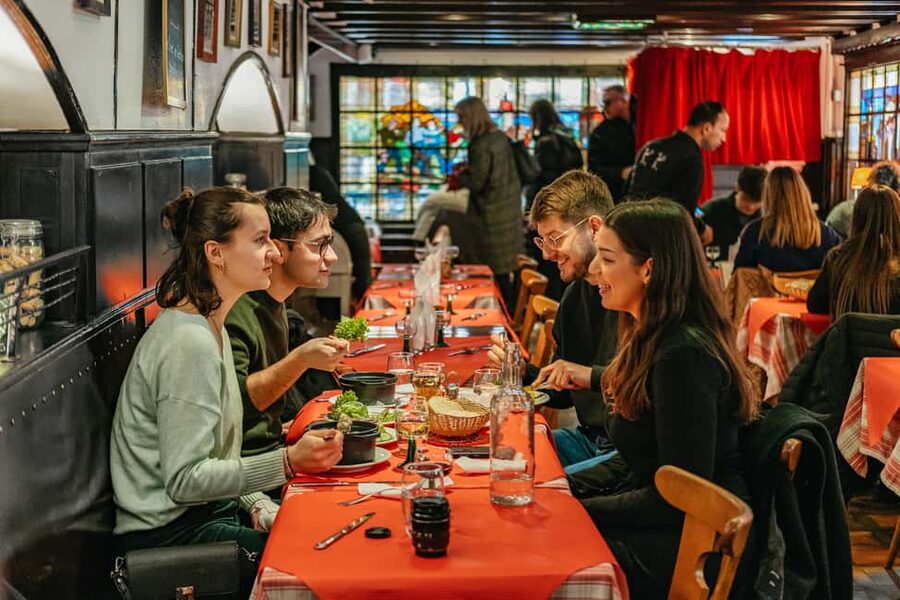
Come hungry, leave happily full. This three-and-a-half-hour food walk brings you through Strasbourg’s old center while serving generous portions of Alsatian favorites, from soft bretzels and cheese to choucroute garnie and local wine. I like the mix of food and city sightseeing, especially the stops around Petite France, Rue des Grandes Arcades, and the cathedral area.
I also like the small-group format, limited to 12 people, and the way guides such as Raphael, JP, Loubna, Christine, and Nahama add local stories between bites. The main drawback is the sheer amount of food. This is not a light tasting tour, and several portions can feel more like lunch than a sample. At $116 per person, the value depends on how much you want to eat and how much you value a guide’s help finding local specialties.
The best parts of the Strasbourg food walk
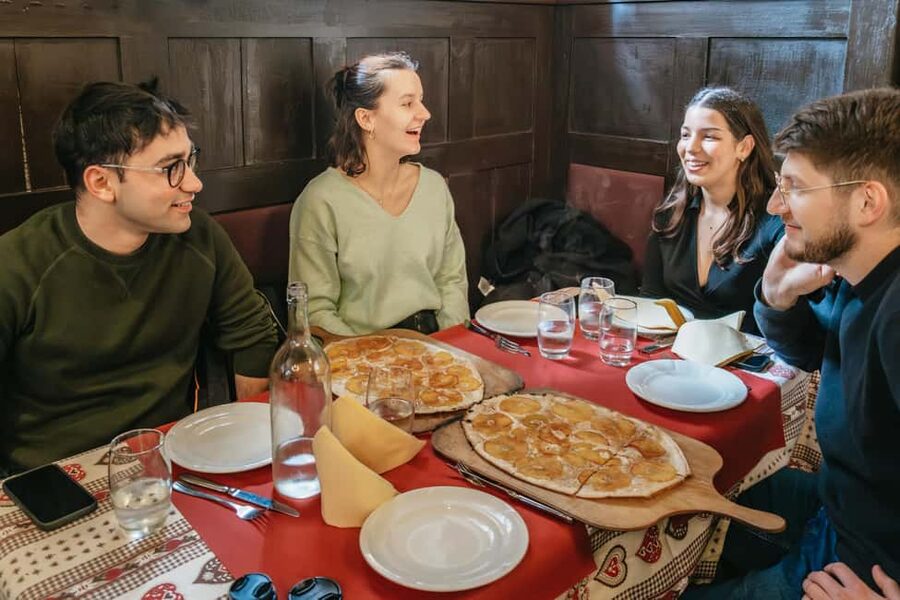
- Four or more tasting stops: Each stop includes at least one serving, with food ranging from charcuterie and cheese to a full Alsatian meal and dessert.
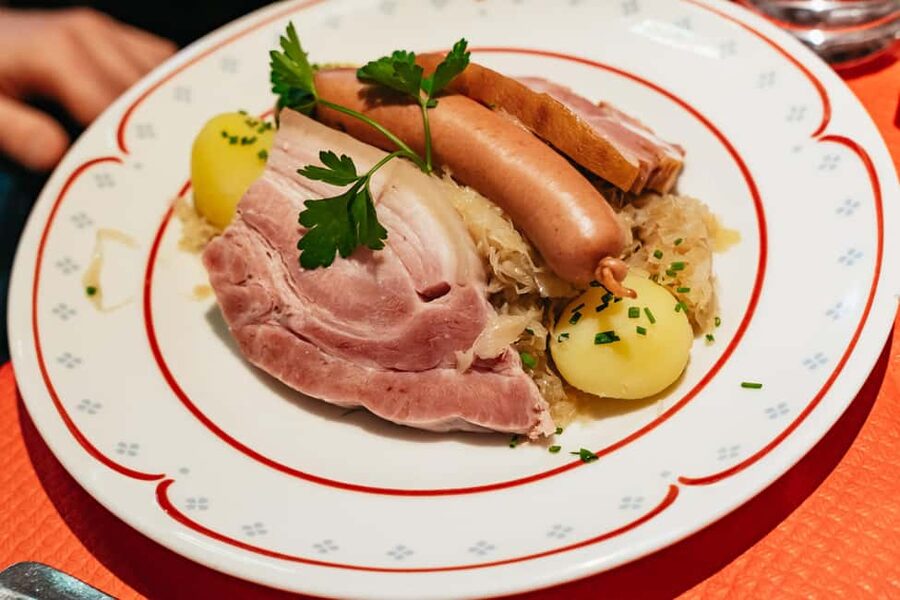
- A generous choucroute lunch: Expect sauerkraut with smoked sausages or another hearty local dish, not just a small forkful.
- A useful old-town route: The walk begins at Place d’Austerlitz, passes the cathedral area and Rue des Grandes Arcades, then ends in Petite France.
- Local drinks included: Water and at least one alcoholic drink are part of the price, with wine or beer depending on the stop and current offerings.
- Guides who shape the experience: Raphael, JP, Loubna, and others are praised for combining food knowledge, city stories, humor, and practical recommendations.
- A social but manageable group: The maximum is 12 people, though some departures are much smaller and may feel almost private.
Starting at Place d’Austerlitz
Your meeting point is Place d’Austerlitz, in front of the miniature model of Strasbourg. The location is near the old center, but do not rush the start. The miniature may not be obvious, and map directions have caused confusion for some people, with one address leading to an unrelated business.
I would arrive early and use the square itself as your reference point. Look for the miniature rather than relying only on a street address. If you cannot find the group, the booking support service has been reported as helpful by phone, but it is better to avoid that scramble by allowing extra time.
The tour requires at least two people to operate and accepts no more than 12. That gives you a fair chance to ask questions without shouting across a crowd. Small departures can be especially pleasant for solo visitors. One solo participant found the group welcoming, and the shared food format makes it easy to talk with people as the afternoon unfolds.
The walk is mostly through the historic center. One particularly useful feature is that the food stops are tied to the city route, so you are not simply sitting in restaurants for three hours. You see major parts of central Strasbourg while learning why certain dishes and drinks belong to Alsace.
More Food Walking Tours in France
- Authentic Parisian Gourmet Food Tour with 10 Local Dishes & Wines
★ 5.0 · 4,754 reviews - Montmartre Hill French Gourmet Food and Wine Tasting Walking Tour
★ 5.0 · 2,588 reviews - Private Montmartre Food Tour with Wine, Cheese & Pastries
★ 5.0 · 1,027 reviews
Bretzels, charcuterie, and cheese near the cathedral
One early stop may be at a popular cheese shop, where you can taste local cheese alongside soft bretzels and a selection of charcuterie. This is a good introduction because it shows the everyday side of Alsatian food: salty cured meats, mild or stronger cheeses, and bread made for sharing.
The bretzel is softer and more substantial than the dry snack you might find elsewhere. It works well with cheese and cured meat, but it can also fill you up quickly. A guide has sensibly warned people not to eat every sausage immediately, and that is advice worth following.
At this point, you may also receive your first drink. Wine or beer can appear depending on the stop and the current arrangement with local businesses. Water is included, which matters when the food arrives in steady waves.
A possible stop at Fortwenger Strasbourg Cathedrale adds a sweet Alsatian note. Fortwenger is associated with regional gingerbread, so you may taste pain d’épices, or another seasonal sweet. Kugelhopf and other traditional pastries may appear as well. The precise selection can change with the season and partner availability.
Do not expect a long baking demonstration every time. One person enjoyed the bakery stop but noted that it involved collecting sweet treats rather than watching a detailed demonstration. The value here is tasting and learning, not a formal cooking class.
Rue des Grandes Arcades and the food of the city center
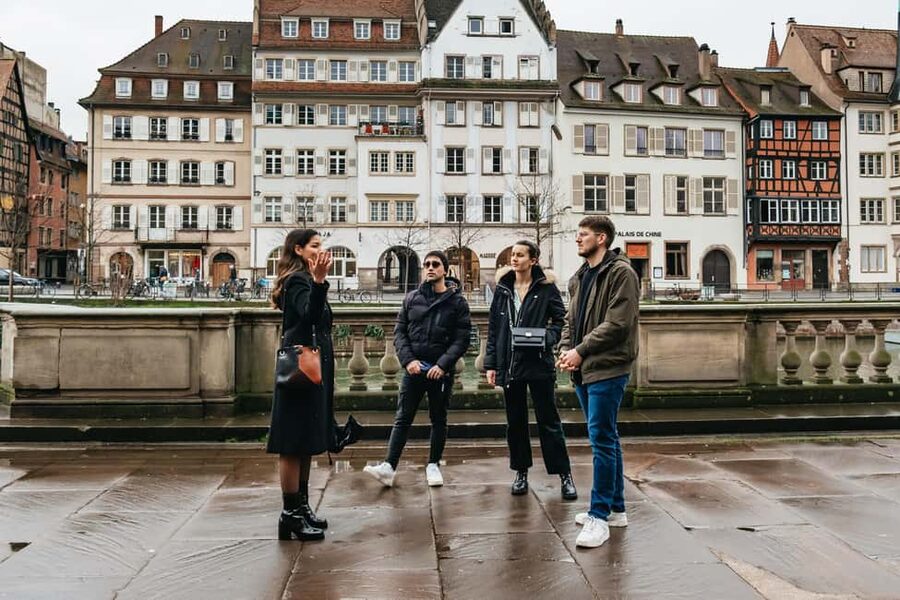
The route continues through Rue des Grandes Arcades, one of the central shopping and walking streets. This section helps connect the food to Strasbourg’s daily life. You are moving between historic eateries, modern cafes, and current restaurant addresses rather than visiting only one traditional dining room.
Your guide may point out architectural details, explain local customs, and describe how Alsace’s food reflects its position between French and German traditions. The city’s cuisine is hearty, with pork, sausages, cabbage, dairy, bread, and pastry appearing again and again. You will also hear about local vineyards and why Alsatian wines are important to the region.
The history portion is not meant to replace a dedicated city tour. That is a strength if you want food first. Guides such as JP and Raphael are repeatedly praised for giving the right amount of background without turning every stop into a lecture. Loubna has also been praised for connecting the dishes with Strasbourg’s past and local culture.
If you want a long, detailed account of every monument, book a separate sightseeing tour. If you want enough context to understand what you are eating and where you are walking, this format works well.
Choucroute garnie, the substantial middle stop
The central meal is usually choucroute garnie, one of Alsace’s best-known dishes. It combines sauerkraut with smoked sausages and other meats, creating a plate that is filling, salty, and designed for a proper meal.
This is where the tour’s generous portions become very clear. Several people found the lunch portion so large that they could not finish it. Another departure served a large bowl of pasta with a strong cheese sauce instead, showing how the menu may change according to the restaurant and available foods.
That flexibility can be useful, but it also means you should not book expecting one fixed menu. The description gives possible tastings, not a guaranteed sequence. You may receive choucroute, pasta, or another local dish, and the wine or beer selection can change too.
The meal stop is a welcome chance to sit indoors, particularly in cold weather. One December participant appreciated having time in a restaurant rather than standing outside at every stop. It also slows the pace and gives you time to ask the guide about Strasbourg restaurants, beer, wine, and local food customs.
The tradeoff is variety. A full bowl or large plate leaves less room for later sweets. A tapas-style meal with several small portions would let you try more dishes, but this tour tends toward generous servings. I would treat the lunch as a real meal and eat lightly beforehand.
Same streets, a different way to see them:
- Paris Top Sights Half Day Walking Tour with a Fun Guide
★ 5.0 · 2,893 reviews - Montmartre Hidden Gems and Scenic Highlights Walking Tour
★ 5.0 · 2,684 reviews - Paris: Montmartre Highlights Walking Tour with a Local Guide
★ 4.9 · 2,318 reviews - Paris Île de la Cité and Notre-Dame Walking Tour With Crypt
★ 5.0 · 2,272 reviews
Sweets, wine, beer, and the final walk to Petite France
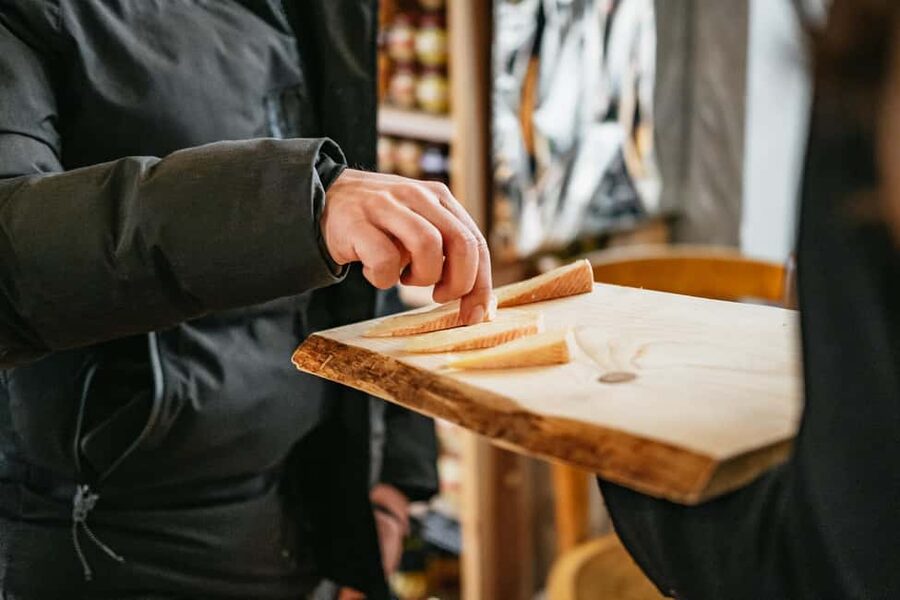
After the savory food, the tour turns toward sweets and the final part of the old center. Possible treats include Alsatian gingerbread, Kugelhopf, other pastries, and sometimes tarte flambée. The menu description groups several possibilities together, so the exact order and selection depend on the season and the shops open that day.
Tarte flambée is usually a savory flatbread rather than a dessert, so do not be surprised if it appears alongside the main dishes instead of at the sweet stop. It is one of the foods that helps explain Alsace’s blend of rustic ingredients and casual dining.
Wine is an important part of the regional story. The guide explains why Alsace is known for vineyards and gives you a chance to taste a local wine. Beer may also be served, especially at the meal stop. One person did not care for the wine offered on a particular departure, but also noted that the selection changes. That is a useful reminder: included does not mean you will receive a style you already like.
The final area is Petite France, one of Strasbourg’s most attractive quarters. The tour ends there, which is practical if you want to continue exploring on foot or find dinner nearby. You also pass several good spots for photographs along the way, including places where guides have stopped to help people frame classic Strasbourg views.
The route is not described as a demanding hike. One participant found it flat with little walking, while the official information says it is not suitable for people with mobility impairments. Those two details can both be true: the route may be easy for a person comfortable walking on city streets, but the combination of standing, moving between stops, and navigating old-town surfaces may still be difficult for someone with limited mobility.
How much food do you actually get?
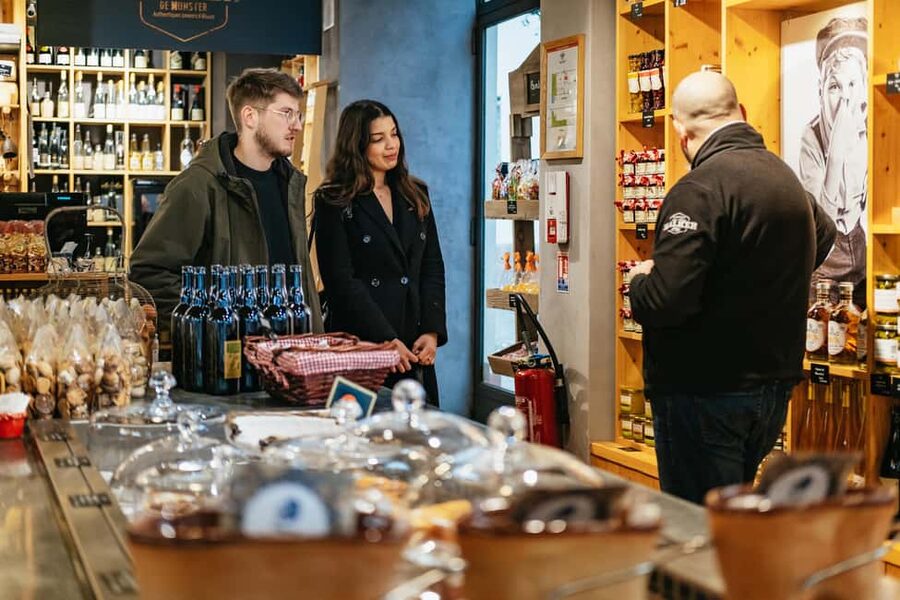
The clearest practical message is simple: do not eat a big breakfast or lunch before this tour. A typical outing can include charcuterie, cheese, bretzels, a substantial savory meal, dessert, and drinks. The food is not limited to tiny chef-sized samples.
This makes the tour good value for people who want a meal as part of the experience. It is less appealing if you prefer small portions or want to keep eating your way through Strasbourg afterward.
The number of stops is at least four, with one serving at each. The food may be split between three savory stops and two sweet stops, depending on the day. You should expect enough to leave full, and perhaps a little sleepy. One person joked about being full, slightly tipsy, and laughing by the end. That is a fair picture of the social mood on a good departure.
Food allergies, dietary restrictions, and substitutions are not explained in the available details, so you should confirm those before booking rather than assume every stop can adapt.
Guide quality and the value of local advice
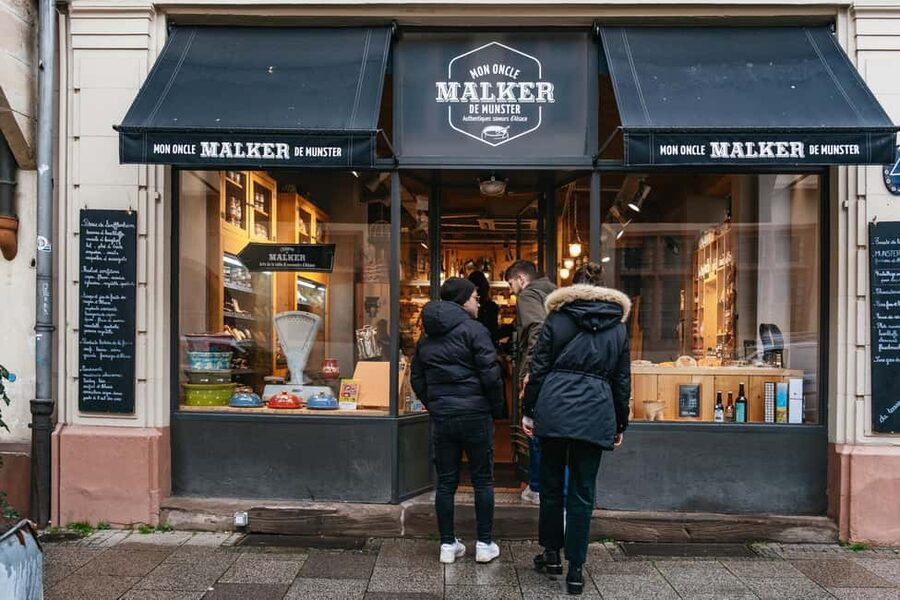
The guide can make or break a food walk, and this experience benefits from strong personalities. Raphael is praised for humor, food suggestions, and city knowledge. JP is often noted for his warmth and ability to balance history with fun. Loubna receives high marks for clear explanations and a friendly manner, while Christine is praised for working well with children.
Other guides named in the feedback include Nahama, Naha, Sabria, and Lou. The languages offered are English and French, and the guide may use both during the same tour. If your French is limited, make sure you are comfortable with some bilingual conversation.
The practical advice at the end may be as useful as the tastings. Raphael has suggested other restaurants and bars, while another guide helped participants understand where to buy foods they had enjoyed. This is one reason to schedule the tour early in your Strasbourg stay. You can use those suggestions for the rest of your visit.
At $116, the price is not cheap for a walking tour. But it includes at least four food servings, one alcoholic drink, water, and a guide for 210 minutes. Since some servings are close to full meals, the cost can make sense if you would otherwise pay for lunch, dessert, and several tastings separately.
Still, price-sensitive visitors should be honest about what they want. If you mainly want a quick introduction to bretzels and gingerbread, you can spend far less at shops on your own. You are paying here for the route, the explanations, access to selected food stops, and the convenience of having the meal organized.
Who should book this Strasbourg food tour?
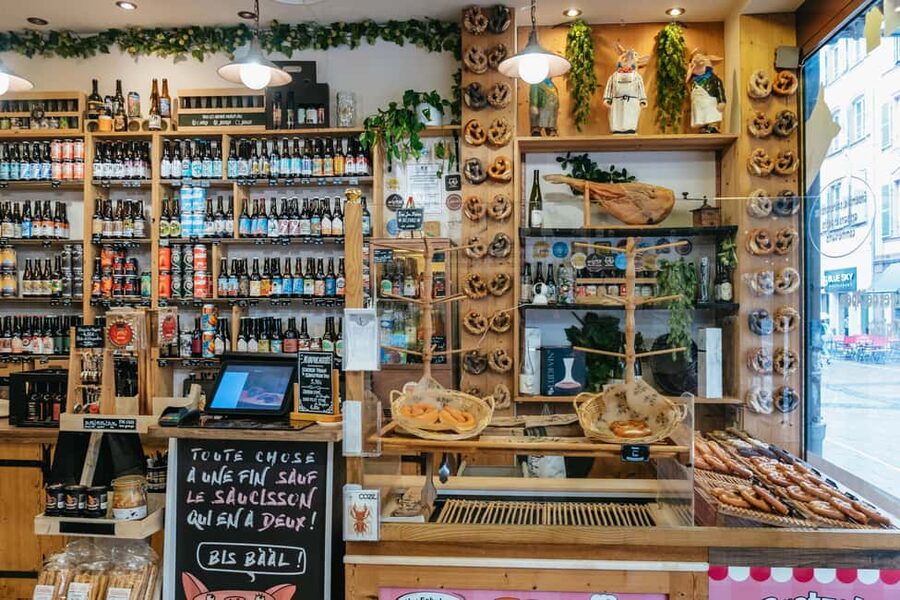
I would recommend it to first-time visitors who want to understand Strasbourg through its food while seeing the old center. It also suits couples, families with older children, solo visitors, and anyone who likes a relaxed group meal with conversation.
It is especially useful if you are unsure what to order in Alsace. Choucroute, local cheese, cured meat, gingerbread, Kugelhopf, beer, and wine can feel like a long list when you are choosing alone. A guide gives you a starting point and explains what makes each item local.
You should think twice if you have limited mobility, dislike large meals, or want a tightly fixed menu. The pace can feel slow at times, and a few people wished the group moved along faster. The menu can also change, so do not book expecting every item listed in the description.
Should you book it?
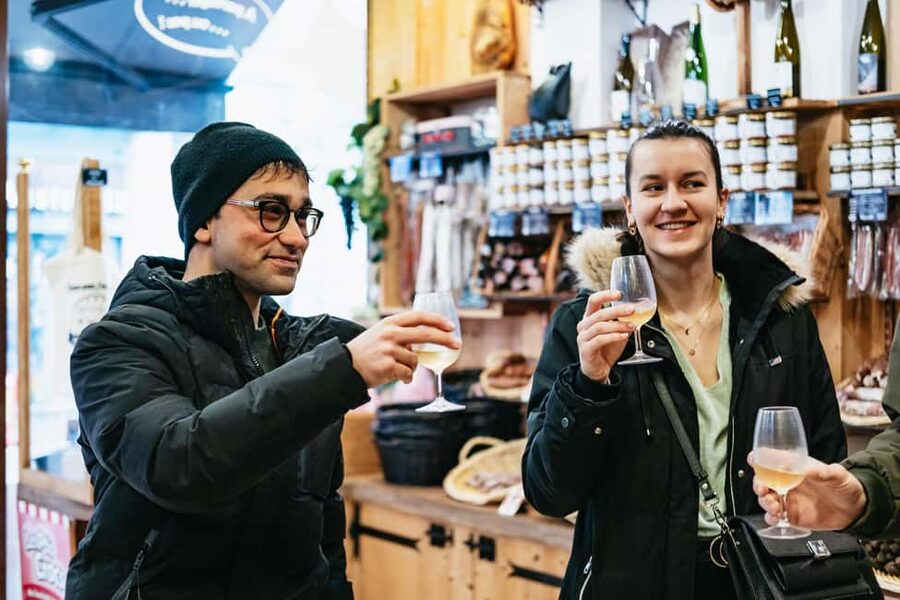
Book this tour if you want a generous, food-centered introduction to Strasbourg and enjoy learning through conversation. The small groups, well-liked guides, central route, and large range of foods give it real value, especially early in a visit.
Skip it if $116 feels high for lunch and tastings, or if you prefer to graze lightly at your own pace. For everyone else, arrive early at Place d’Austerlitz, wear comfortable shoes, bring no large luggage, and save your appetite. The best strategy is to treat the tour as your main meal, not as a few snacks before dinner.
FAQ
Where does the Strasbourg food tour begin?
It begins at Place d’Austerlitz, in front of the miniature of Strasbourg.
Where does the tour finish?
The tour finishes in Petite France, Strasbourg.
How long does the food walk last?
It lasts 210 minutes, or three and a half hours.
How many food stops are included?
At least four food stops are included, with one serving at each stop.
What food might be served?
Possible tastings include soft bretzels, charcuterie, local cheese, choucroute garnie, Alsatian gingerbread, Kugelhopf, tarte flambée, and other seasonal traditional foods.
Are drinks included?
Yes. Water and at least one alcoholic drink are included. The drink may be local wine or beer, depending on the stop and availability.
What languages are available?
The tour is offered in English and French. The guide may speak both languages during the experience.
Is the tour suitable for people with mobility impairments?
No. The experience is listed as unsuitable for people with mobility impairments. Comfortable shoes are recommended, and large bags and luggage are not allowed.
Just added around France
- Bordeaux Walking Tour with a Local Private Guide★ 5.0 · 97 reviews
- Free Walking Bordeaux Tour ENG + 1 glass of wine (Tip based)★ 5.0 · 90 reviews
- Bordeaux Historic and Gourmet Food Walking Tour★ 4.5 · 82 reviews
- Traditional Gourmet Food & Wine Tour in Bordeaux★ 5.0 · 81 reviews
- 2-Hour Walking Tour of the City’s Iconic Sights and History★ 4.0 · 207 reviews
- Bordeaux City – Private Guided Walking Tour with Local Sophia★ 5.0 · 164 reviews
- Avignon Walking Tour including Pope’s Palace★ 4.5 · 158 reviews
- The Official Emily in Paris Locations Walking Tour★ 4.9 · 383 reviews
Food Walking Tours, compared.
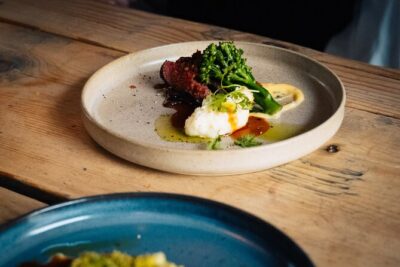
Reykjavik Food Walk – Local Foodie Adventure in Iceland
Read our review →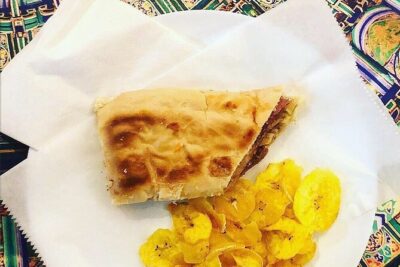
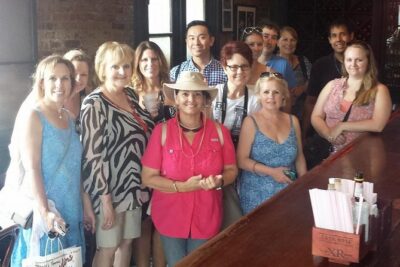
New Orleans Food Walking Tour of the French Quarter with Small-Group Option
Read our review →
Authentic Parisian Gourmet Food Tour with 10 Local Dishes & Wines
Read our review →
Tapas Walking Tour with Food, Wine, and History
Read our review →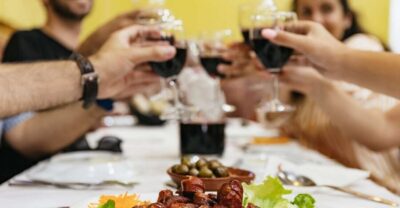
Browse the lists this tour appears in