
Review · PRIVATE WALKING TOURS
Tokyo: Customizable Private Guided Walking Tour
Tokyo rewards a flexible plan. This private four-hour tour lets you shape the day around your priorities, from the Imperial Palace and Tokyo Tower to neighborhood lanes and local food stops. I like the personal guide, especially for first-time visitors, and I like that the experience can teach you how to use Tokyo’s train system. The main drawback is simple: the city is spread out, so part of your four hours may be spent riding trains rather than walking.
The strongest part is the human touch. Guides such as Mika, Brian, Lauren, Niza, Trevor, and Eduardo adjusted routes, walking speed, and food choices to suit each group. You should still expect a full outing, not a gentle stroll. One guide took a guest through several districts; another helped an older visitor avoid crowded areas; others added restaurant stops, shrine visits, or kimono rental help.
Key points at a glance
- A private route built around you: Choose famous sights, food, culture, shopping, temples, gardens, or quieter neighborhoods.
- Subway training included in practice: Several guides help you understand Tokyo’s rail system so you can continue exploring alone.
- Four hours can cover several districts: Trains make this possible, but station transfers can reduce walking and sightseeing time.
- Hotel pickup is on foot: Your guide meets you at your hotel, with no included vehicle transfer.
- Food costs extra, but the choice is yours: You can stop for street food, a traditional restaurant, okonomiyaki, karaage, or unusual sweets.
- Best for first-time visitors and small private groups: The route can also suit solo visitors, families, older visitors, and people who want extra help in a huge city.
Why a private Tokyo tour makes sense
Tokyo can feel easy once you understand it, but the first day often brings a pile of small problems: enormous stations, several train operators, exits that seem to multiply, and districts that look close on a map but take time to reach. A private guide gives you a human compass.
The value is not only seeing landmarks. It is learning how the city works. Angela’s guide, Jack, showed her how to use the subway and explained how to get back to her hotel. Cecilia had a similar experience with Marco, while Shish helped a first-time couple feel comfortable with trains and local customs.
That practical training may be the most useful part of the tour. You get sightseeing now and more freedom for the rest of your trip. Still, do not assume every minute is spent walking. Andy calculated that more than an hour of his four-hour outing went to the tube network because the main sights are far apart.
At $87 per person, the price is fair for a private guide, but it is not a cheap way to simply tick off landmarks. For a solo visitor, the cost buys confidence and personal attention. For two or more people, it becomes easier to justify because the guide fee produces a private experience rather than a large group walk.
More Private Walking Tours in Japan
- Tokyo: Private Custom Walking Tour with Local Guide
★ 4.8 · 533 reviews - Tokyo: Private Walking Tour with a Local Guide
★ 4.9 · 469 reviews - Tokyo: Private Walking Tour with a Local
★ 4.4 · 419 reviews
Meeting your guide at the hotel
The day begins with pickup at your hotel, on foot. This is a useful touch in Tokyo, since you do not need to locate an unfamiliar meeting point in a giant station or busy plaza.
Your guide should shape the route around what you want to see. Several guides contacted guests before the tour to ask about interests. Lauren did this carefully, and then adjusted the pace for a very hot and humid day. Niza also discussed requests before taking a guest to a kimono rental, parks, a shrine, and food stops.
Use this pre-tour conversation well. Tell the guide if you care most about history, shopping, food, photography, anime, temples, gardens, or modern Tokyo. Mention places you have already visited. Colt avoided repeat stops for one guest and suggested Tsukiji Fish Market, Ginza, Shinjuku Gyoen Park, a Buddhist temple, and a shrine instead.
Also tell your guide about your walking ability. Eduardo designed a quieter route for an older guest who wanted to avoid crowds and needed a pace suited to personal physical limits. That kind of adjustment is hard to get on a fixed group tour.
Tokyo’s famous sights, one choice at a time
The tour can include Tokyo Tower, the Imperial Palace, Shibuya Crossing, Meiji Shrine, Harajuku, Shinjuku, Ginza, or other major areas. You will not see all of Tokyo in four hours, so the quality of your choices matters more than the number of stops.
The Imperial Palace area offers a calmer look at central Tokyo, with formal grounds and a strong connection to the country’s modern capital. A guide can add context that a quick photo stop cannot. Trevor included the palace, Meiji Shrine, Takeshita Street, and Shibuya Scramble for one visitor, along with food along the way.
Meiji Shrine gives you a change of mood. After city streets and train platforms, its wooded approach and shrine customs offer a quieter cultural stop. It works well for visitors who want more than neon and department stores.
Shibuya Crossing is the obvious modern symbol of Tokyo. It is exciting, but it is also a quick experience unless you pair it with nearby streets, shops, food, or a view. A guide helps you decide how long to stay instead of allowing one famous intersection to swallow the afternoon.
Tokyo Tower offers a recognizable skyline view, but entry costs are not included. The same applies to observation decks and other paid attractions. If you want to go up a tower, say so early and confirm how much time and money that will require.
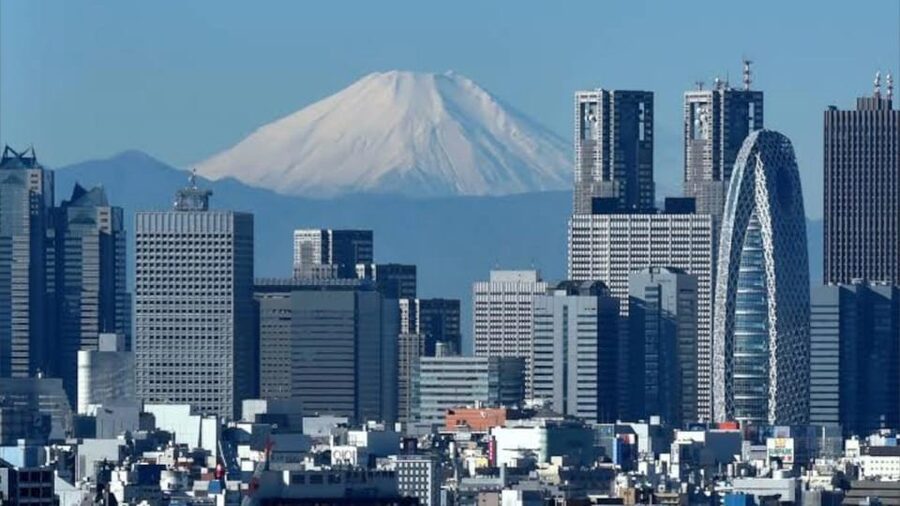
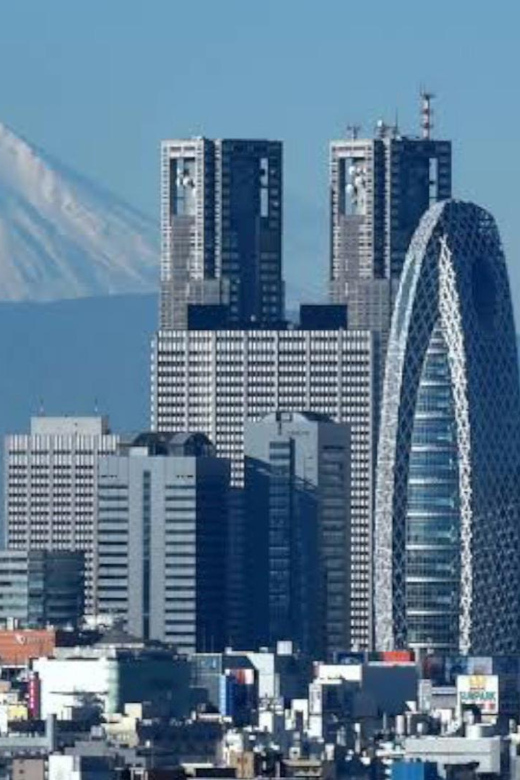
One useful surprise from the tours is the chance to see Tokyo from a less expected viewpoint. Yohan helped a guest reach a government building observation tower, where Mount Fuji was visible. That sort of bonus depends on weather, timing, and the guide’s route, so treat it as a possibility, not a promise.
Alleys, shrines, and the Tokyo between landmarks
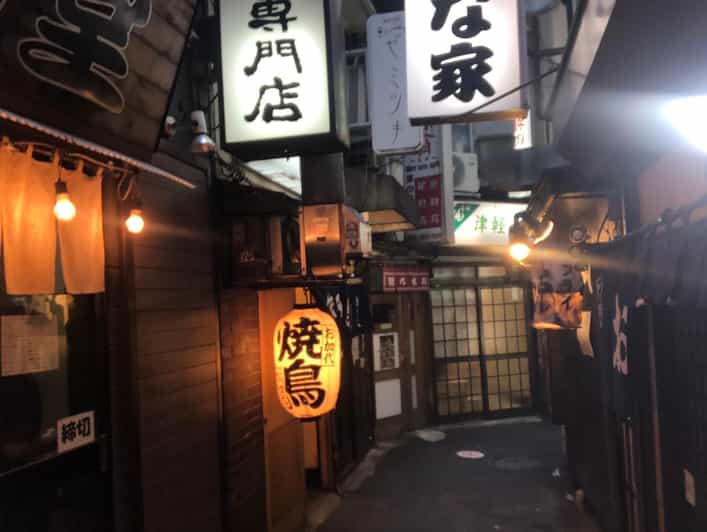
The best part of a customizable route may be the space between the famous sights. Tokyo’s character often appears in small lanes, traditional teahouses, neighborhood shops, modest shrines, and local streets that do not need a ticket.
The exact stops depend on your guide and interests. The experience may include a street performance, a quiet lane, a small religious site, or a neighborhood with a slower rhythm. The point is not to collect secret addresses. It is to see how Tokyo changes from district to district.
This is where a local guide earns the fee. A map can take you to Shibuya Crossing. It cannot easily explain why one side street feels more appealing, where to pause, or how a neighborhood fits into the city’s wider story.
The route can also respond to your energy. On a hot day, Lauren slowed the pace. Eduardo avoided crowded places. Trevor’s outing felt more like time with a well-informed local friend than a formal lecture. That relaxed tone matters on a four-hour walk.
Be ready for stairs, station corridors, and a good amount of walking unless you clearly request otherwise. One four-star assessment gave the practical warning to prepare for plenty of walking. The tour is wheelchair accessible, but you should still discuss the route and transport needs in advance so the guide can plan properly.
More Private Walking Tours in Tokyo
- Akihabara Anime & Game Adventure Walking Tour (Group or Private)
★ 5.0 · 404 reviews - Tokyo: Private Custom Walking Tour with Local Guide
★ 4.9 · 350 reviews
Food stops that turn sightseeing into a meal
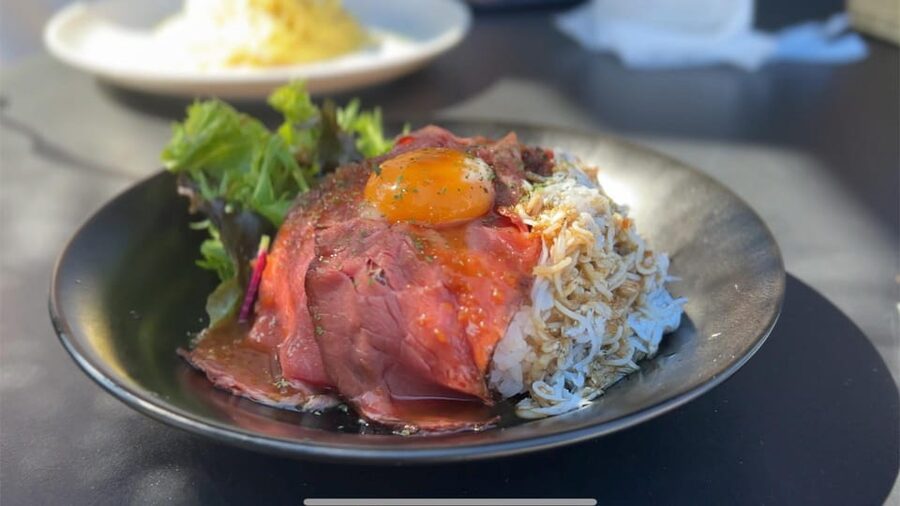
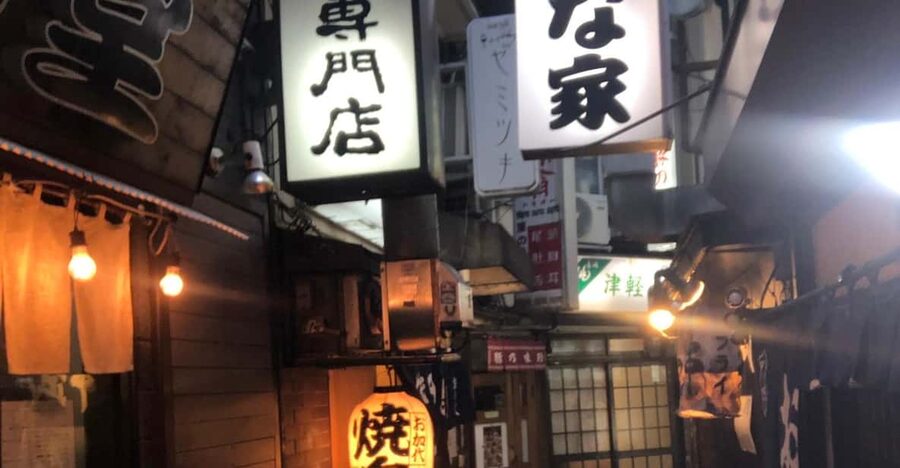
Tokyo food is not an add-on here. You can ask for a food-focused route, and guides have taken visitors to traditional restaurants, street food stalls, okonomiyaki, karaage, unusual desserts, and local shops.
Trevor included okonomiyaki and karaage during a route covering the Imperial Palace, Meiji Shrine, Harajuku, and Shibuya. Lucy took one group to a traditional Japanese restaurant. Other outings focused on trying foods visitors might not choose alone, with the guide helping the group relax and take part.
Food and drinks are not included, so budget separately. This is both a cost and an advantage. You are not forced into a prepaid meal or a fixed menu. You can choose a quick snack, a proper lunch, or no food stop at all.
Tell your guide about allergies, dislikes, and your appetite. The supplied information does not promise dietary arrangements, so do not assume a particular restaurant can handle every need. If you want a serious food tour, make that the main purpose rather than trying to fit it around too many distant landmarks.
For a first day in Tokyo, I like the combination of food and movement. A meal gives you a reason to stop, ask questions, and notice local habits. It also prevents the tour from becoming a parade of photo spots.
Learning Tokyo’s train system along the way
The train system is central to this experience. Transportation is not included in the price, so you pay your own fares, but the guide travels with you and can explain the process.
Many guides made this a major part of the outing. Jack showed a visitor how to use the subway and gave instructions for the return trip. Shish helped a couple gain confidence with the trains. Brian used the rail network to reach several attractions and left one group comfortable enough to get around on its own.
That is a real benefit. A private car might move you faster between sights, but it would not teach you how to return to your hotel or reach another district tomorrow. On the other hand, train travel takes time. Stations can be large, and transfers may eat into your sightseeing window.
Stay close to your guide at stations. One guest learned this the hard way after becoming separated on the subway. It is a small but important rule, especially in a crowded station or when several people are traveling together.
If you want only nearby sights and minimal train travel, say so before the day begins. If your priority is seeing several famous districts, accept that the route will include transport and walking through stations.
What different guides add to the day
Because this is a private guiding service, your experience depends heavily on the person assigned to you. The strongest pattern is adaptability.
Mika arranged a reservation at an important stop, adjusted a limited schedule, and helped make the day efficient. She also took one group to a traditional restaurant. Brian was praised for fitting the route to personal interests, explaining trains, and adding historical context. Lauren asked questions before the tour and adjusted the day to weather and pace.
Niza brought a playful energy to cultural activities. She found a reasonably priced kimono rental, helped with photos during hanami, and suggested unusual food stops such as panda ice cream parfaits and rainbow cheese. These are specific examples of how a flexible tour can become much more personal than a standard city circuit.
Trevor, Juan, Matias, Lucy, and Ana were also praised for clear explanations, friendly company, and adapting routes to questions about Japanese history and daily life. The overall rating is 4.5 from 129 reviews, with many five-star scores, but the four-star comments are useful too: the route can feel expensive, and long train rides can limit the number of stops.
You cannot guarantee a particular guide unless the operator confirms it. If a specific person is available, names such as Mika, Brian, Lauren, Niza, Trevor, and Eduardo have earned especially warm praise. Still, the more important question is whether your assigned guide listens and adjusts the day.
Who will get the most from this tour?
I would choose this for a first visit to Tokyo, especially if you have only a few days or feel uneasy about the rail system. It is also a strong fit for solo visitors, couples, families with teenagers, and small private groups that do not want to follow a fixed schedule.
Solo visitors gain companionship and help with decisions. Julia found the private format useful for seeing preferred sights and trying special foods. A private guide can also make a large city feel less tiring when you are handling everything alone.
Families can ask for a lighter pace or a food-led route. A family with teenagers found the outing fun, informative, and tasty. Older visitors may appreciate the ability to avoid crowded areas and adjust walking speed, as Eduardo did for one guest.
This is less suitable for someone who wants a strict, preplanned checklist with guaranteed entry to every attraction. It is also not ideal if you dislike walking, train travel, or paying separately for food, fares, and admission. People over 95 are listed as unsuitable for the activity.
Price, flexibility, and what you still pay
The $87 per person price includes a private local guide and hotel pickup and drop-off on foot. It does not include food, drinks, admission fees, or transportation.
That means the final cost depends on your choices. A sightseeing route using public trains and free outdoor areas will cost less than a route with observation decks, paid attractions, restaurant meals, and several train rides.
I see the value in the guide rather than the included extras. You are paying for a tailored route, local advice, cultural explanation, and help navigating Tokyo. If the guide saves you from losing an hour at a station or helps you find a restaurant you would not have chosen, the fee can make sense.
The booking terms are useful for uncertain plans. You can cancel up to 24 hours before the tour for a full refund, and you can reserve now and pay later. The tour runs for four hours, with start times depending on availability.
Should you book this private Tokyo walking tour?
Book it if you want a personal introduction rather than a fixed sightseeing march. It is particularly worthwhile on your first day, when learning the trains, choosing neighborhoods, and getting food advice can shape the rest of your Tokyo visit.
Before booking, prepare a short wish list and rank it. Put two or three must-see places first, then add interests such as food, temples, shopping, gardens, anime, or quieter streets. Ask the guide to keep the route geographically sensible, since Tokyo’s size can turn an ambitious plan into a train tour.
I would not book it simply to see every famous landmark in four hours. You will spend too much time moving around. I would book it for the combination of major sights, personal guidance, practical city skills, and the chance to adjust the day as you go.
FAQ
How long is the Tokyo private walking tour?
The tour lasts four hours.
How much does the tour cost?
The listed price is $87 per person.
Is the tour private?
Yes. It is offered for a private group.
Which languages are available?
The live guide service is available in English and Japanese.
Does the guide pick me up at my hotel?
Yes. Hotel pickup and drop-off are included on foot.
Are food and drinks included?
No. You pay separately for food and drinks.
Is transportation included?
No. Transportation costs are not included. The guide may use Tokyo’s train system with you, and several guides help visitors learn how to navigate it.
Can I cancel the tour for a refund?
Yes. You can cancel up to 24 hours in advance for a full refund.
Just added around Tokyo
- Tokyo: Tsukiji Market Walking Tour & Sushi Cooking Class★ 4.6 · 122 reviews
- Tokyo: Dark Side of Tokyo Shinjuku Red Light Walking Tour★ 4.7 · 862 reviews
- Tokyo: Shinjuku Nightlife & Secret Backstreets Walking Tour★ 4.8 · 229 reviews
- Tokyo: Shibuya Highlights Walking Tour & Secret View Spot★ 4.9 · 196 reviews
- Tokyo: Shinjuku Bar Hopping & Night Walking Tour★ 4.6 · 137 reviews
- Tokyo: Shibuya Highlights Walking Tour★ 4.8 · 601 reviews
- Tokyo: Private Custom Walking Tour with Local Guide★ 4.9 · 350 reviews
- Tokyo: Shibuya Crossing & Hidden Streets Walking Tour★ 4.8 · 128 reviews
Private Walking Tours, compared.
Private 3 hrs Venice Tour: St Mark’s, Walking tour & Boat tour
Read our review →
Private Street Food Evening Walking Tour in Ho Chi Minh City
Read our review →
Old Quebec City: Grand Walking Tour with Private Option
Read our review →
Barcelona Helicopter, Sailboat & Old Town Private Walking Tour
Read our review →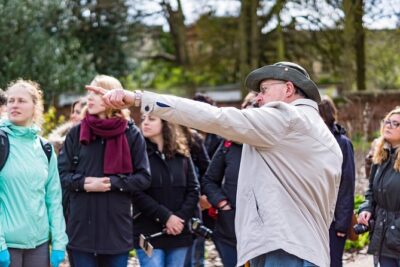
Browse the lists this tour appears in