
Review · TOKYO WALKING TOURS
Tokyo: Shibuya Crossing & Hidden Streets Walking Tour
Shibuya reveals more than bright screens. This two-hour walk works because it pairs famous sights with local corners, moving from the solemn Myth of Tomorrow mural and Shibuya Crossing to Nonbei Yokocho, Miyashita Park, Center Gai, and Maruyama-cho. I especially like the mix of modern Tokyo and older streets, plus the useful food and shopping tips guides such as Loc, Rio, Kumi, Grey, and Daichi have shared with participants.
The main drawback is the meeting point. SABON Shibuya Mark City is inside the building on the third floor, and it can be hard to locate on your first day in Tokyo. You need to arrive early, since the tour moves through busy streets and late arrivals may miss the group.
Key Things to Know Before You Book
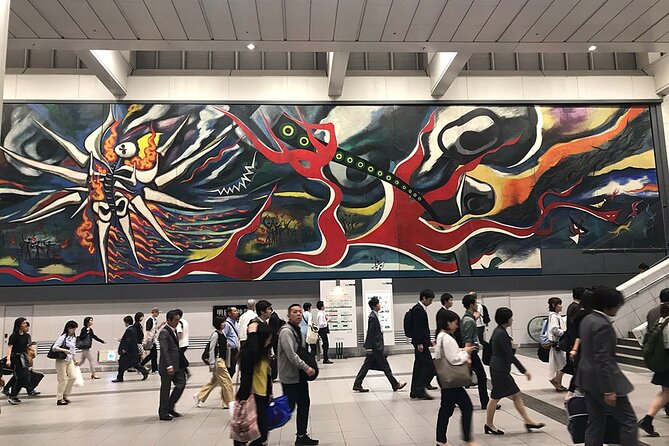
- A serious beginning: Taro Okamoto’s Myth of Tomorrow mural gives the tour a thoughtful start, with its message about nuclear destruction and hope.
- Shibuya beyond the crossing: Nonbei Yokocho and Maruyama-cho show a quieter, older side of the district.
- A useful modern stop: Miyashita Park offers a pause from the crowds and a look at Tokyo’s contemporary urban design.
- English-speaking local guides: Guides including Loc, Rio, Kumi, Grey, Daichi, and Zach have been praised for clear explanations and practical advice.
- A tidy two-hour format: You see the district’s headline sights without giving up an entire morning or afternoon.
- A clear ending point: The walk finishes at the Hachiko Memorial Statue, close to the heart of Shibuya.
Why This Short Shibuya Walk Works
Shibuya can feel like a wall of noise, signs, department stores, music, and people moving in every direction. That energy is part of the appeal, but it can also make the area hard to read. You may cross the famous intersection, take a few pictures, and still have no idea what sits behind the main streets.
This tour gives you a simple framework. You begin with art and memory, pass through a small drinking alley, pause in a renewed public park, then move through shopping and nightlife districts before ending at Hachiko. The route is less about checking off monuments than learning how several versions of Shibuya fit together.
I like that the walk does not spend two hours at the crossing. Shibuya Crossing is famous, but it takes only a few minutes to experience the basic spectacle. The greater value comes from the explanation around it and the side streets you might otherwise pass without noticing.
At $22 per person, the price is modest for a two-hour guided walk in central Tokyo. You are paying mainly for the guide’s local context, not admission tickets, food, or transport. That makes the tour good value if this is your first visit, especially if you want help deciding where to eat, shop, or return later.
A few more walks around Tokyo worth a look
- Tokyo Tsukiji Fish Market Food and Culture Walking Tour
★ 5.0 · 3,184 reviews - Tokyo: Imperial Palace and Shogun Historical Walking Tour
★ 5.0 · 2,251 reviews - Tokyo: Shinjuku Local Bar and Izakaya Guided Walking Tour
★ 4.9 · 1,794 reviews
Meeting at Mark City Without a Stressful Start
The tour begins at SABON Shibuya Mark City, inside Mark City on the third floor. The coordinates provided are 35.6586643, 139.6999525, and the guide will hold a sign.
This sounds simple, but Mark City is a large building and the meeting point can be confusing if you have just arrived in Tokyo. Give yourself extra time to find the correct entrance, get inside, and reach the third floor. Do not treat the meeting point as a place to locate at the last second.
The early warning matters because the walk has a fixed sequence and the guide may not be able to wait. Some guides have been flexible when people were delayed, but you should not count on that. Arriving early also gives you a calmer start before stepping into one of Tokyo’s busiest districts.
The tour is offered in English with a live guide. Group size is not specified, so the feel may vary by departure. Some departures can be small, and one participant described having a private-feeling experience, but you should not book expecting a private tour.
Nonbei Yokocho: Old Tokyo in a Narrow Passage
The first sightseeing stop is Shibuya Nonbei Yokocho, also known as Drunkard’s Alley. The visit lasts about 10 minutes, so this is an introduction rather than a long food stop.
The appeal is the contrast. Shibuya is often pictured as huge video screens and wide streets. Nonbei Yokocho offers a tighter, more intimate setting and a sense of older neighborhood life. Small bars and narrow lanes create a very different mood from the department stores nearby.
Your guide can explain how this pocket fits into Shibuya’s past and present. The value here is not simply taking a picture. It is learning to notice the small-scale streets tucked beside the major station district.
Do not expect a full meal or extended bar visit on this tour. The stop is short, and the purpose is orientation. If you like the atmosphere, ask your guide for practical suggestions about places to return to later. Several guides have offered food recommendations, including advice for vegan diners.
Myth of Tomorrow: A Thoughtful Start Near the Station
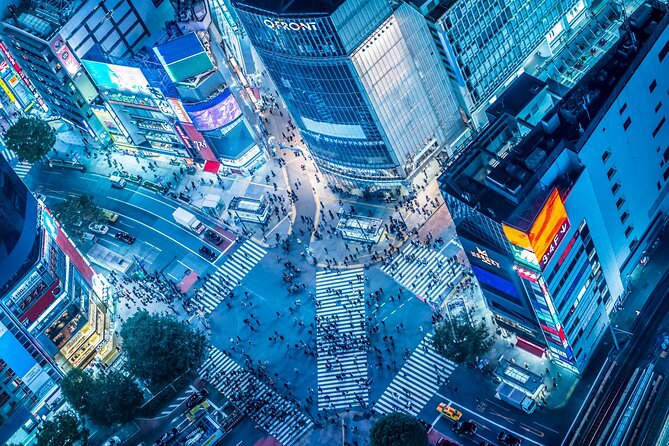
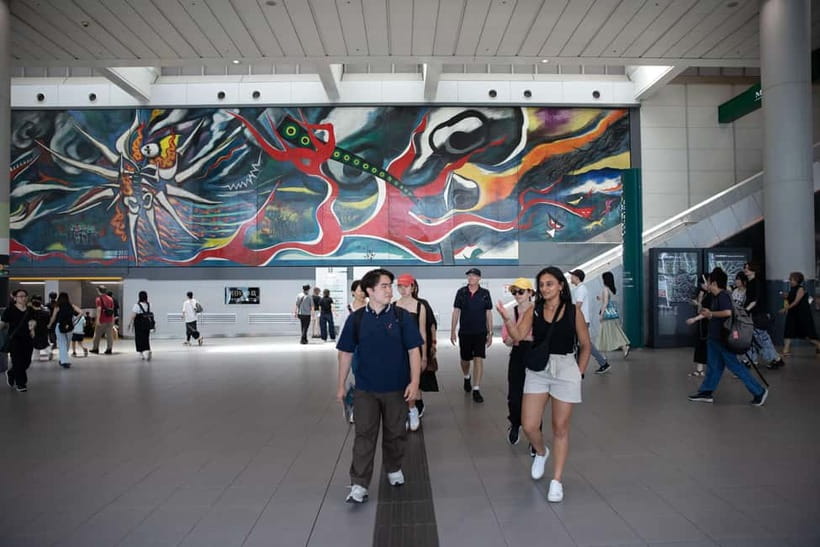
The next stop is Taro Okamoto’s Myth of Tomorrow, with around 10 minutes for a visit, explanation, and photographs. The mural reflects on the effects of nuclear destruction while carrying a message of hope.
This is an unusually weighty stop for a tour centered on Shibuya’s lights and nightlife. It gives you a chance to consider modern Japan through public art before the route turns toward the famous crossing. The mural is not just decoration for a station passage. It adds historical and emotional context to the city.
Your guide’s explanation matters here. Without context, you might walk past the artwork as another large image in an already crowded station area. With a short introduction, you can read it as part of Japan’s wider memory and postwar identity.
The stop is brief, so do not expect a long art lecture. Still, I appreciate the choice. A good city walk needs moments that slow the pace, and this mural does that.
Same streets, a different way to see them:
- Tokyo: Tsukiji Fish Market Food and Walking tour
★ 5.0 · 1,724 reviews - Tokyo: Asakusa Walking Tour with Sensoji Temple Visit
★ 4.8 · 1,583 reviews - Tokyo: Tsukiji Fish Market Guided Walking Tour
★ 4.9 · 1,397 reviews - Tokyo Castle & Imperial PalaceーShogun Walking Tour
★ 4.7 · 1,068 reviews
Shibuya Crossing: Enjoy the Famous Moment, Then Move On
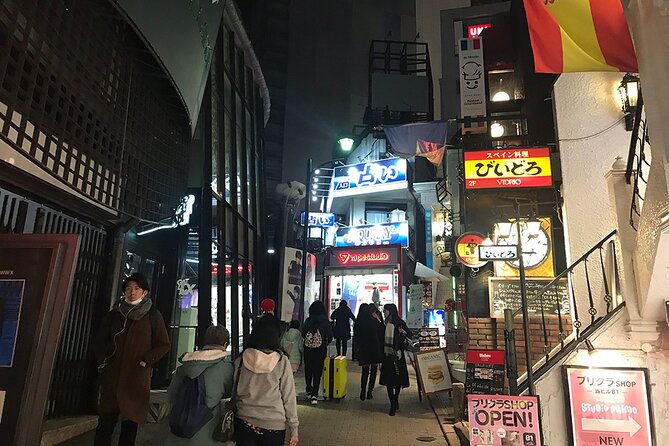
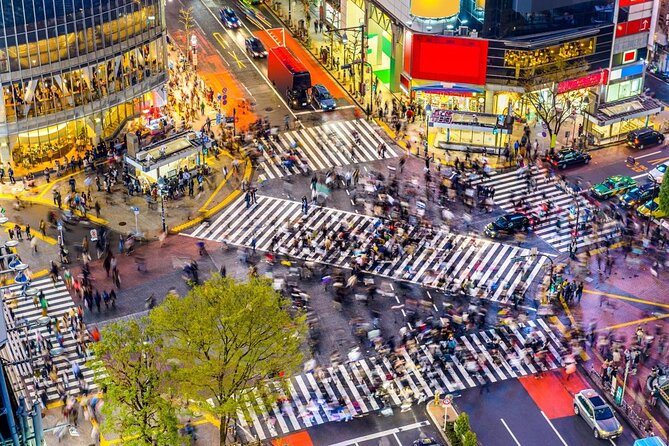
Shibuya Crossing is the tour’s obvious headline. You get about 10 minutes for a visit, guided explanation, and photos at what is widely described as the world’s busiest intersection.
The crossing is powerful because of its scale and rhythm. When the signals change, streams of people move across the road from several directions. From a distance, the scene looks almost choreographed. At street level, it feels more immediate and less tidy, with people carefully navigating around one another.
A guide helps you handle the moment instead of simply pointing toward it. Several participants valued help with photos, especially solo visitors. Loc, in particular, was praised for taking good pictures at the crossing, while other guides adjusted the pace for families and teenagers.
Still, keep expectations sensible. The crossing itself is free, and you can visit it without a tour. The tour’s value comes from placing it within the wider story of Shibuya and helping you see what lies nearby. If all you want is one crossing and a photograph, you do not need to pay $22.
Miyashita Park: A Modern Pause Above the Streets
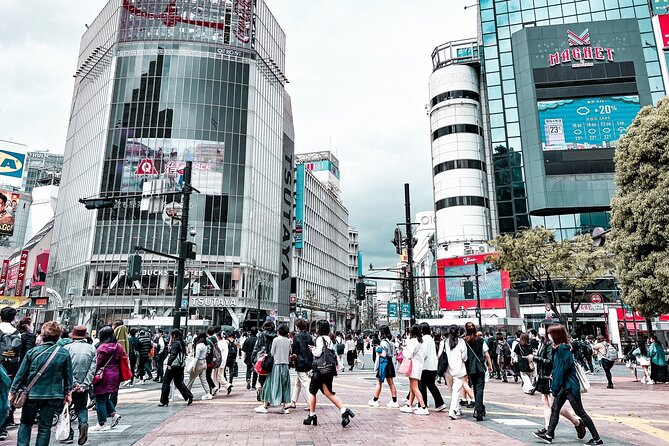
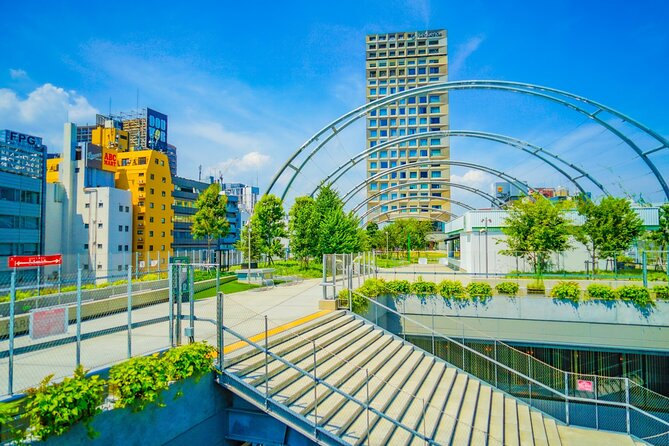
Miyashita Park receives the longest visit, about 20 minutes. That extra time is useful because this is the route’s main pause between the intense station area and the next set of districts.
The park is a multi-level urban space, and it represents a newer version of Tokyo. Instead of treating a park as a broad patch of open ground, the city has built public space into a dense commercial district. You get a place to slow down and look at how Tokyo uses limited room.
This stop also keeps the walk from becoming a nonstop march through signs and crowds. You can catch your breath, listen to the guide, and ask questions about the city. The slower section is especially welcome if you have already spent the day walking around Tokyo.
Miyashita Park is not presented as a wilderness escape. It is an urban oasis in the practical sense, a designed public place surrounded by the city. If you prefer old temples and quiet gardens, this will feel more modern than traditional. If you want to understand present-day Shibuya, it fits the tour well.
Center Gai: Youth Culture and Shibuya Energy
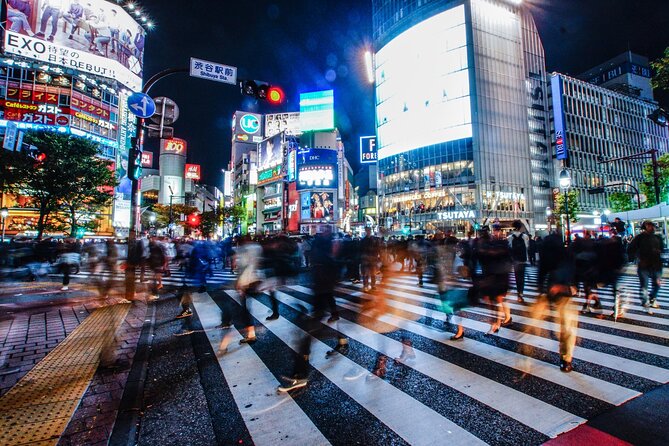
Center Gai is the next 10-minute stop. This is where the tour returns to Shibuya’s youthful side, with its shops, signs, entertainment, and steady foot traffic.
You are likely to get more from this section if you treat it as a lesson in how the district functions rather than as a shopping stop. A guide can point out the character of the area and explain how it connects with Japanese youth culture.
The tour does not appear to include dedicated shopping time, so do not plan to make purchases during the walk. Instead, note places you want to revisit after the tour. Practical recommendations are one of the strongest benefits of having a local guide. Participants have received advice about food, drinks, shopping, and vegan options.
This is also a useful place to ask questions. Guides such as Loc, Rio, Grey, and Daichi have been praised for answering questions clearly and adjusting their explanations to different ages and interests. That can make a crowded district feel easier to understand.
Maruyama-cho: From Older Streets to Nightlife
Maruyama-cho receives another 10-minute guided visit. The area has historical streets but is now linked with modern nightlife, making it one of the route’s best examples of Shibuya’s constant change.
I like this stop because it avoids a simple old-versus-new story. Tokyo does not keep its past in one preserved quarter and its present in another. Older street patterns, businesses, nightlife, and new development often sit close together.
The short visit lets you see the area and get a basic explanation without turning the tour into a long historical walk. If nightlife interests you, ask your guide which parts are worth returning to later. The guide can also help you connect this area with the restaurant and bar suggestions that come up during the walk.
Maruyama-cho may be less immediately recognizable than the crossing, but that is exactly why it is useful. You leave with a better sense of Shibuya as a district rather than a single photo stop.
Hachiko: A Familiar Ending With Local Meaning
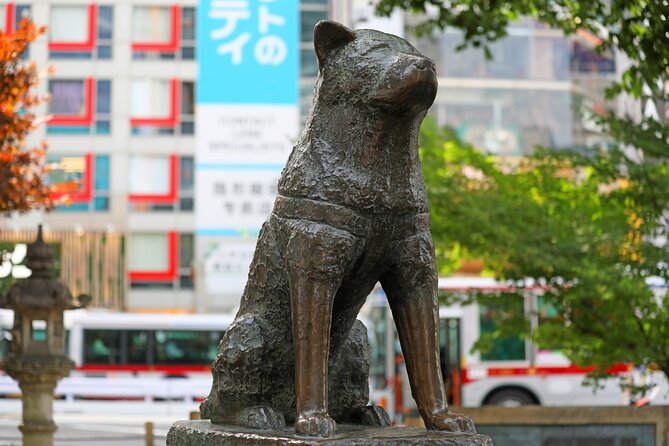
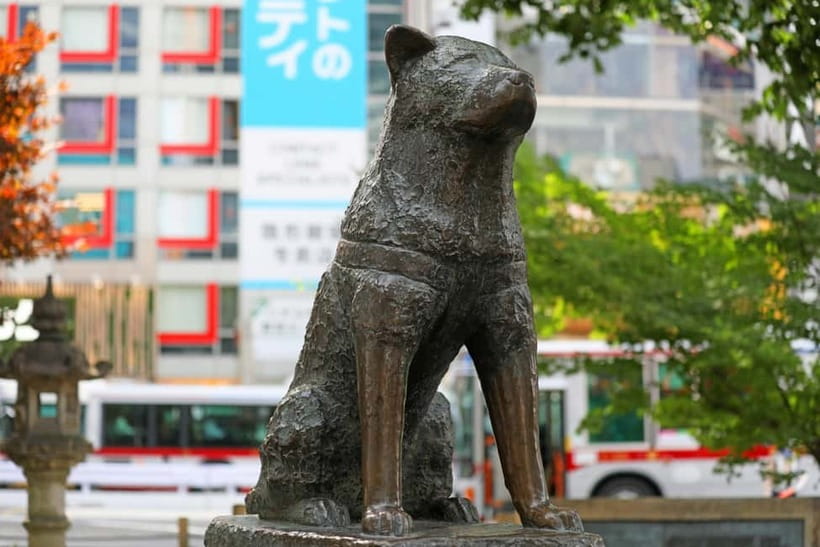
The tour finishes at the Hachiko Memorial Statue. Hachiko is a symbol of loyalty in the center of Shibuya, and the statue is one of Tokyo’s most familiar meeting points.
Ending here makes practical sense. You finish near the station and close to the area’s main signs, shops, and restaurants. After the guide says goodbye, you can continue exploring or use the location as a simple reference point for the rest of your day.
The statue can be crowded, so your time there may be better for a final explanation and quick photo than for a quiet moment. Still, the stop ties the route together. You began with a mural about destruction and hope, then moved through old lanes, modern public space, youth culture, and nightlife before arriving at one of Shibuya’s best-known symbols.
The Guides Are a Major Part of the Value
The strongest part of this experience is the human element. Loc has been praised for his cultural explanations, storytelling, practical advice, and friendly manner. Rio has been described as welcoming and good at adapting the walk for families and teenagers. Kumi, Grey, Zach, and Daichi have also received praise for clear communication, useful local suggestions, and flexible pacing.
That does not mean every guide will deliver the exact same style. Walking tours depend on the person leading them and the questions you bring. The consistent pattern is that the guides explain more than the basic names of the places. They connect Shibuya with Japanese culture and help you make sense of what you are seeing.
Solo visitors may particularly value the photo help. Families may appreciate the short format and the ability to ask questions. First-time visitors can use the tour as an introduction, then return to the areas that caught their interest.
Who Should Book This Two-Hour Tour?
I would choose this walk if you are visiting Tokyo for the first time and want a quick orientation to Shibuya. It is also a good fit if you have only one day in the city and need a compact experience that covers several sides of the district.
The tour suits you if you want:
- A guided introduction rather than a self-guided crossing photo
- Historical and cultural context in plain English
- Suggestions for food, drinks, shopping, or vegan dining
- A short activity that does not take the entire day
- Help with photos at Shibuya Crossing
- A mix of famous places and less obvious streets
You may want something else if you prefer a long food tour, museum visits, or a slow historical walk. No food, transport, or attraction admissions are included, and the stop lengths are fairly short. This is a neighborhood orientation, not an exhaustive study of Shibuya.
Wear comfortable shoes and expect to walk through busy streets. The tour runs for two hours, and the area can be crowded. Rain does not necessarily stop the experience, but bring suitable clothing because the route is outdoors in parts.
You can cancel up to 24 hours before the activity for a full refund, and the reserve-now, pay-later option keeps your plans flexible. Starting times vary, so check availability when you choose your date.
Should You Book It?
Book this tour if you want Shibuya to become more than a famous intersection. At $22, it offers good value for a short English-language introduction led by a local guide, especially when you use the food, shopping, and nightlife advice afterward.
The best reason to go is the balance: Myth of Tomorrow adds substance, Nonbei Yokocho adds character, Miyashita Park adds breathing room, and Hachiko provides a clear finish. Just arrive early at Mark City, keep your expectations focused on orientation rather than a full meal or private tour, and you will get the most from the two hours.
FAQ
How much does the Shibuya walking tour cost?
The tour costs $22 per person.
How long does the tour last?
The walking tour lasts two hours.
What language is the tour offered in?
The tour is offered in English with a live guide.
Where does the tour begin?
The meeting point is SABON Shibuya Mark City, inside Mark City on the third floor. The guide will be holding a sign.
Where does the tour finish?
The tour finishes at the Hachiko Memorial Statue.
What is included in the price?
The local guide fee is included. Food, transport, and attraction admission fees are not listed as included.
Can I cancel for a full refund?
Yes. You can cancel up to 24 hours in advance for a full refund. You can also reserve now and pay later.
Just added around Tokyo
- Tokyo: Tsukiji Market Walking Tour & Sushi Cooking Class★ 4.6 · 122 reviews
- Tokyo: Shinjuku Nightlife & Secret Backstreets Walking Tour★ 4.8 · 229 reviews
- Tokyo: Dark Side of Tokyo Shinjuku Red Light Walking Tour★ 4.7 · 862 reviews
- Tokyo: Shibuya Highlights Walking Tour★ 4.8 · 601 reviews
- Tokyo: Shibuya Highlights Walking Tour & Secret View Spot★ 4.9 · 196 reviews
- Tokyo: Shinjuku Bar Hopping & Night Walking Tour★ 4.6 · 137 reviews
- Tokyo: Private Custom Walking Tour with Local Guide★ 4.9 · 350 reviews
- Tokyo: Meiji Shrine Walking Tour — Shinto & Imperial System★ 4.9 · 266 reviews
Tokyo Walking Tours, compared.
Tokyo Tsukiji Fish Market Food and Culture Walking Tour
Read our review →
Imperial Palace and Shogun Historical Walking Tour
Read our review →
Shinjuku Local Bar and Izakaya Guided Walking Tour
Read our review →
Asakusa Walking Tour with Sensoji Temple Visit
Read our review →
Tokyo Castle & Imperial PalaceーShogun Walking Tour
Read our review →
Shibuya Meltdown Nightlife Tour: All-You-Can-Drink Bar Hopping
Read our review →Browse the lists this tour appears in