
Review · CASTLE AND PALACE WALKING TOURS
Tokyo Castle & Imperial PalaceーShogun Walking Tour
Edo Castle still hides in plain sight. This two-hour walk makes Tokyo’s Imperial Palace grounds easier to understand, linking massive stone defenses and quiet gardens to the samurai era and Japan’s imperial family. I especially like the small groups of no more than 10 and the guides’ friendly storytelling. The main consideration is that much of the tour is outdoors, and $23 is more than you would pay to visit the East Gardens on your own.
The walk gives you useful context instead of a quick photo stop. Guides such as Anju, Fuma, Yuka, Tomo, Keiko, and Kosei have been praised for clear explanations, patient answers, and a talent for pointing out details you could easily miss. Just remember that the tour is English only, with no Japanese-language support.
Key points at a glance
- Edo Castle was once Japan’s largest castle: The remaining moats, gates, stone walls, and foundations help you picture its former scale.
- The group is capped at 10 people: That makes it easier to hear the guide and ask questions.
- The walk connects samurai rule with the modern Imperial Palace: You get both the Edo-period story and a look at Japan’s continuing imperial tradition.
- Ninomaru Garden adds a peaceful change of pace: Koi, seasonal plants, and trees from across Japan replace the military focus of the opening stops.
- The English guides are a major part of the value: Anju, Fuma, Tomo, Kosei, and others are often praised for warmth, clear English, and lively facts.
- Expect outdoor walking and a security check: Leave knives and alcohol behind, and dress for the day’s weather.
Why this Imperial Palace walk is worth your time
Tokyo can feel like a city built from glass, concrete, trains, and neon. Then you reach the Imperial Palace grounds and find broad moats, old stonework, formal gates, gardens, and open sky. The contrast is the point. This tour gives you a way to read those remains rather than simply admire them.
The price is $23 per person, and the walk lasts two hours. The East Gardens can be visited without paying an admission fee, so the guide is what you are buying here. That makes the tour good value if you want the story behind the walls, the layered defenses, the shogun’s authority, and the transition from Edo Castle to the present Imperial Palace.
I would not book it simply for access to grand palace interiors. The route focuses on outdoor grounds, historic structures, gardens, and ruins. The Imperial Palace itself is still an active imperial site, and much of what you see is viewed from the grounds rather than entered as an indoor palace tour.
The small-group format helps. With no more than 10 people, you are less likely to lose the guide at a gate or miss an explanation beside a stone wall. Several guides have also been praised for taking photos, answering personal questions, and adjusting the pace. That human touch matters in a place where many features look beautiful but can seem vague without explanation.
More Castle and Palace Walks in Tokyo:
- Tokyo: Imperial Palace and Shogun Historical Walking Tour
★ 5.0 · 2,251 reviews - Tokyo: Imperial Palace Japanese History Walking Tour
★ 4.9 · 987 reviews - Tokyo: Imperial Palace and Shogun Walking Tour
★ 4.9 · 935 reviews
Meeting at Wadakura Fountain Park
The meeting point is in front of Starbucks Coffee Kōkyo Gaien Wadakura Fountain Park Store, at 3-1 Kōkyo Gaien, Chiyoda City. Look for a guide holding a sign marked Local Guide Stars.
Give yourself enough time to reach the café and identify the guide. The tour returns to the same Starbucks, which is useful if you want to continue around Marunouchi or make your way to another part of central Tokyo afterward.
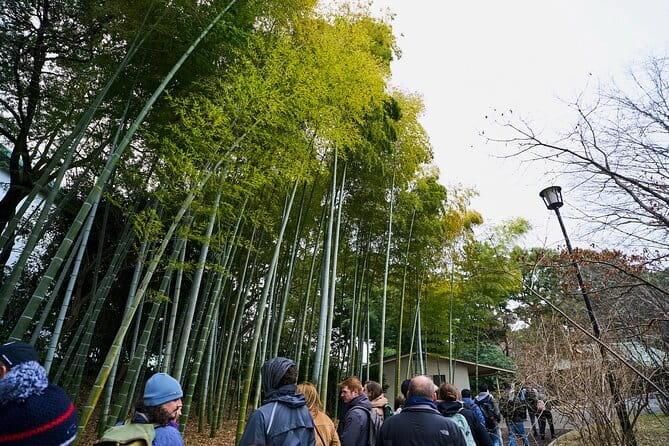
This is a walking tour, not a bus ride with occasional stops. Comfortable shoes are sensible, and you should check the weather before setting out. A large part of the route is exposed, so sun, rain, heat, or cold can shape your enjoyment more than you might expect.
Sakurada Tatsumi Yagura: the first glimpse of the old defenses
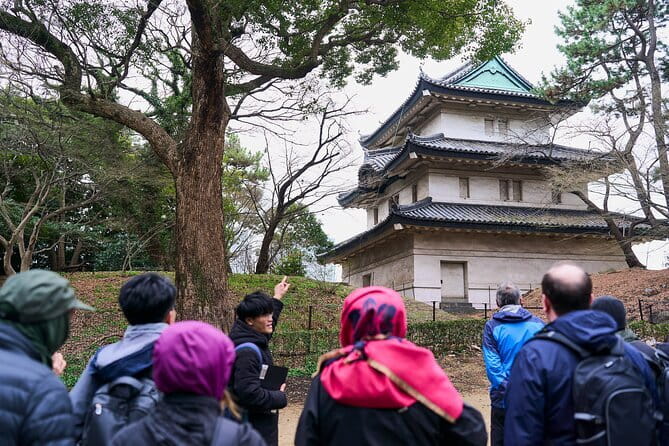
The walk begins at Sakurada Tatsumi Yagura, a historic corner tower and an easy place to start imagining Edo Castle as a working fortress. You get a photo stop and a guided introduction here, lasting about five minutes.
The important idea is scale. Edo Castle was not just a residence with attractive gardens. It was a huge fortified complex, and its moats, gates, towers, and stone walls worked together to protect the shogun and his government.
The guide helps you see the remains as part of a defensive plan. Without that explanation, a tower can look like an isolated old structure. With context, it becomes one piece of a much larger system.
This first stop is brief, so do not expect a long lecture. Its job is to set the scene and give you the basic vocabulary for the rest of the walk.
Ote-Mon Gate: entering the shogun’s world

Ote-Mon Gate receives about 15 minutes, including a visit, photos, and guided sightseeing. It is one of the clearest places to understand how visitors, officials, soldiers, and supplies would have moved through Edo Castle.
The gate is also a good point for learning how layered defenses made the castle difficult to attack. The guide explains how the approach, walls, moats, and controlled entrances worked together. You may find yourself looking at what first seems like a simple gate and noticing how much planning went into its position.
This is where the tour’s samurai theme becomes more concrete. The shogun was not simply a warrior with a private residence. He ruled through a political and military system, and the castle was the center of that power.
The stop is not a reconstruction of daily life, and there are no staged performances. Its strength is the setting itself, paired with a guide who can connect physical remains to the people who used them.
A few more walks around Tokyo worth a look
- Tokyo Tsukiji Fish Market Food and Culture Walking Tour
★ 5.0 · 3,184 reviews - Tokyo: Shinjuku Local Bar and Izakaya Guided Walking Tour
★ 4.9 · 1,794 reviews - Tokyo: Tsukiji Fish Market Food and Walking tour
★ 5.0 · 1,724 reviews - Tokyo: Asakusa Walking Tour with Sensoji Temple Visit
★ 4.8 · 1,583 reviews
The Imperial Palace grounds and the 2,600-year imperial tradition
The central Imperial Palace stop lasts about 20 minutes. Here, the focus shifts from Edo Castle’s military role to the imperial institution that continues in Japan today.
The tour presents Japan’s imperial system as a tradition extending back 2,600 years. That is a large claim in both time and meaning, and the guide’s job is to help you understand how the imperial family’s role has changed across different periods. You hear about the relationship between the emperor, the shogun, and the modern state.
This part works best if you arrive with some curiosity but not a fixed idea that samurai and emperors were the same kind of authority. The walk helps separate those roles. The shogun held practical military and political power during the long Edo period, while the emperor represented a much older line of imperial continuity.
You also get a view of the present-day palace grounds. The experience is less about seeing lavish rooms and more about understanding how a historic seat of power became part of modern Tokyo.
Ninomaru Garden: koi, trees, and a quieter side of Tokyo
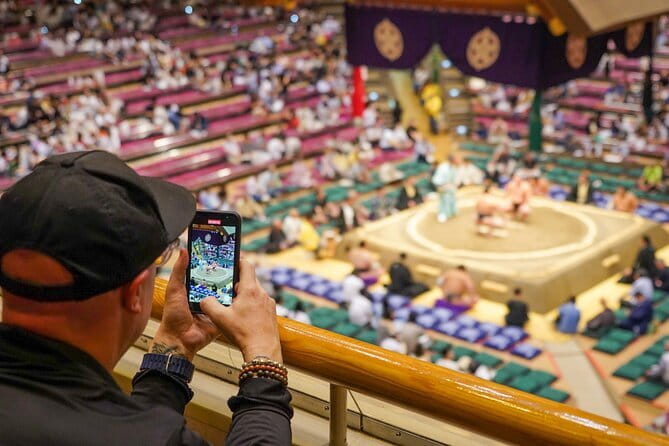
After the gates and defenses, Ninomaru Garden slows the pace. The scheduled visit lasts around 15 minutes, though the garden may feel like a place where you want to linger.
This is one of the tour’s most pleasant changes of mood. Instead of thinking about walls and military control, you can look at seasonal plants, carefully arranged garden features, koi, and trees gathered from different parts of Japan. The garden is admired by the emperor, and the guide explains the cultural meaning behind what you see.
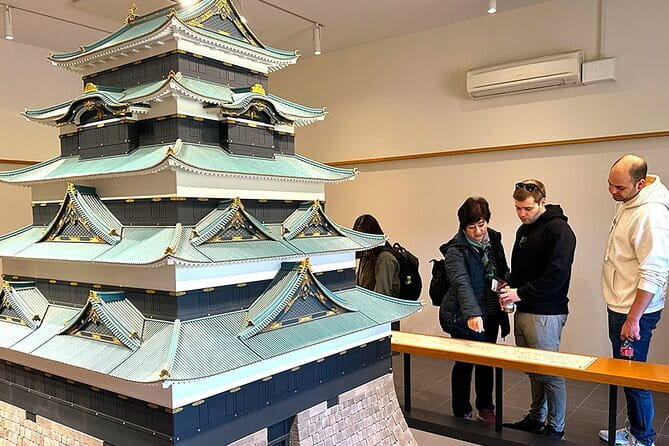
Special koi are among the details highlighted on the walk. You may also see a miniature structure representing the former palace. These smaller details give the tour a more personal and visual quality after the broad discussion of castles and political power.
If you are mainly interested in photographs, this may be your favorite section. The garden offers softer scenery than the moats and stonework, with changing colors through the seasons. The tradeoff is that a short scheduled stop cannot cover every corner in detail.
Edo Castle ruins and the palace’s missing pieces
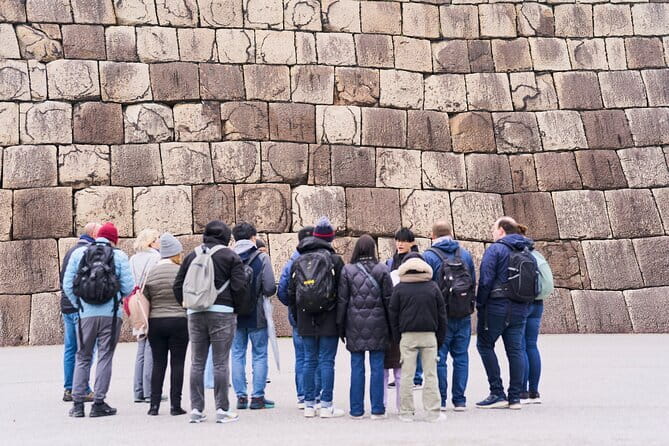
The Edo Castle ruins receive about 10 minutes. The remains do not recreate the full castle, but that absence is part of the lesson. The guide explains how massive the original complex was and helps you picture buildings that no longer survive.
A ruin can be frustrating if you expect a complete castle with furnished rooms and tall towers. Here, the value comes from reconstruction through explanation. Stone foundations, open spaces, and surviving walls give you physical clues, while the guide supplies the scale and purpose.
This stop is especially useful if you have seen television dramas about the Edo period and want to sort entertainment from history. One person who joined after watching Shōgun found the different perspectives on the period especially rewarding. The tour does not recreate a drama. It places samurai culture inside the actual political and architectural setting of Edo.
Imperial Palace East Gardens: the final extended stop
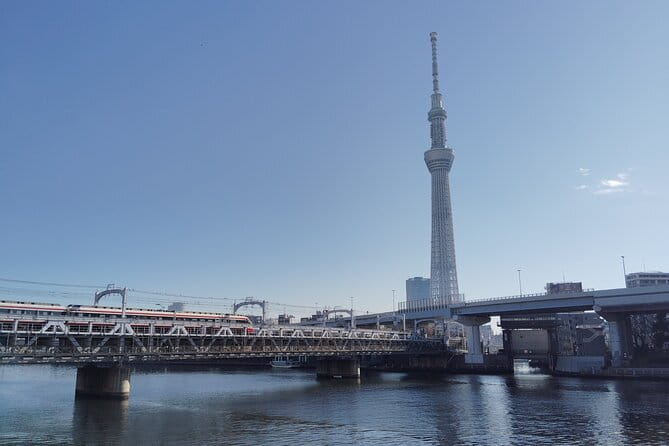
The East Gardens receive about 20 minutes, making them the longest single stop after the main palace grounds. You can expect a final blend of history, horticulture, and views across the palace area.
The gardens show how the former castle site has become a public place where history and daily city life meet. Ancient stone walls and traces of the old castle remain alongside carefully maintained plantings. The result is a calm section of central Tokyo, but the guide keeps the connection to Edo Castle in view.
I like this final stop because it pulls the whole walk together. You have seen the entrance defenses, the imperial grounds, the garden, and the ruins. In the East Gardens, these elements make more sense as parts of one long story rather than unrelated sights.
Photography is encouraged, and you should bring a camera if you enjoy detail shots. The changing garden colors and old masonry offer plenty to photograph, though the best view will depend on the season and weather.
The guides make or break the experience
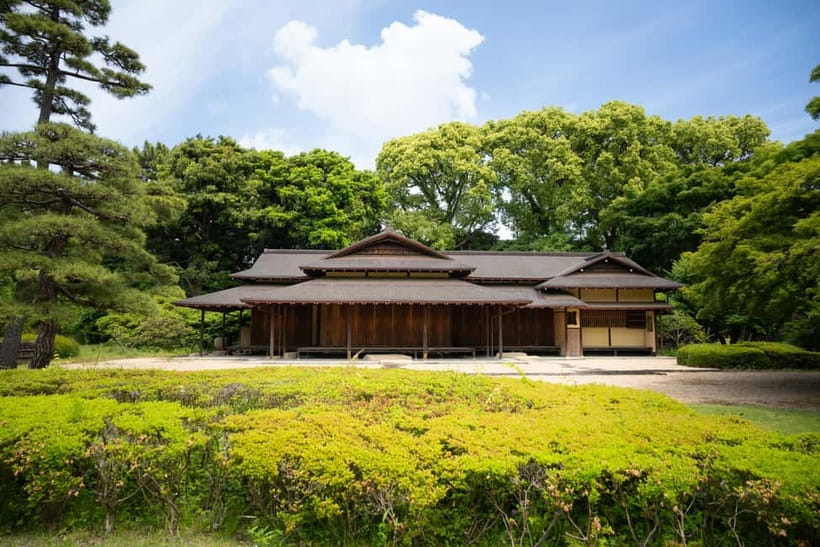
The strongest part of this tour is the people leading it. Anju is repeatedly praised for her clear explanations, cheerful manner, patience, and ability to bring the Edo period up to the present day. Fuma is noted for fun facts, passion, and helpful recommendations for the rest of a Tokyo visit.
Tomo has been appreciated for keeping a good pace while staying interactive. Yuka is described as clear and generous with photos. Kosei brings a useful international perspective, having lived abroad and comparing Japanese customs with other cultures. Keiko has been praised for patiently covering the large palace grounds and adding small details.
Other guides named by participants include Ai, Koyo, Kazuki, Kasuki, Nana, Mai, Xin Yan, Frankie, and Fuma’s fellow guides. That range means your experience will depend partly on who leads your departure, but the repeated pattern is clear: friendly delivery, strong subject knowledge, and willingness to answer questions.
Some guides are university students or young local hosts. That can be an advantage. You may get a more conversational tour, modern comparisons, and an easygoing pace rather than a formal lecture. If you prefer a specialist historian or a highly academic presentation, this may feel lighter than you want.
Pace, access, and practical comfort
Two hours is enough to cover the principal sights without turning the visit into an exhausting half-day commitment. The route includes walking between stops, outdoor explanations, photo pauses, and some slopes.
Wheelchairs are available for use within the Imperial Palace grounds. Still, some slopes and sections require you to walk or go down on foot, so anyone with mobility concerns should assess the route carefully before booking.
A security check takes place when entering the Imperial Palace area. Do not bring knives or alcohol. Dress for the weather, since the tour spends much of its time outside.
English is the only tour language. Japanese support is not available, so you should be comfortable following spoken English for history, directions, and questions.
The cancellation policy is forgiving: you can cancel up to 24 hours before the activity for a full refund. You can also reserve now and pay later, which helps if your Tokyo schedule is still shifting.
Who will get the most from this tour?
I would recommend it to you if you want a clear introduction to Edo Castle, samurai government, and the Imperial Palace without spending a full day at a museum. It also suits first-time visitors who want a calm break from Tokyo’s dense shopping and entertainment districts.
History fans will appreciate the links between architecture and power. Garden lovers will enjoy the transition from moats and gates to koi, trees, and seasonal scenery. Families and mixed-age groups may like the short stops and the guides’ use of questions, anecdotes, and small facts to keep the walk moving.
You may want to skip it if you have already studied Edo Castle in detail, strongly prefer indoor attractions, or want access to palace rooms. The $23 cost is fair for a small-group guide, but less compelling if you only want to stroll through the gardens and take photographs.
Should you book the Tokyo Castle and Imperial Palace Shogun Walking Tour?
Book it if you want the Imperial Palace to make sense, not just look pretty. The remaining walls and gardens are impressive, but the guide explains why they are there and how they relate to the shogun, the samurai order, Edo’s development, and Japan’s continuing imperial system.
For $23, the combination of a two-hour walk, a group limited to 10, English guidance, and access to the Imperial Palace grounds and East Gardens is a solid deal. Go prepared for outdoor weather, modest ruins rather than a fully restored castle, and a tour whose quality depends partly on your assigned guide. If you choose it, arrive ready to ask questions. The guides’ friendly, conversational style is where much of the value lies.
FAQ
How much does the Tokyo Castle and Imperial Palace Shogun Walking Tour cost?
The tour costs $23 per person.
How long does the tour last?
The tour lasts two hours.
How many people can join the group?
The group is limited to 10 participants.
What language is the tour conducted in?
The tour is conducted in English only. Japanese-language support is not available.
Where is the meeting point?
Meet in front of Starbucks Coffee Kōkyo Gaien Wadakura Fountain Park Store at 3-1 Kōkyo Gaien, Chiyoda City, Tokyo. The guide holds a Local Guide Stars sign.
What places does the tour visit?
The walk includes Sakurada Tatsumi Yagura, Ote-Mon Gate, the Tokyo Imperial Palace grounds, Ninomaru Garden, Edo Castle ruins, and the Imperial Palace East Gardens.
Is there a security check?
Yes. There is a security check when entering the Imperial Palace. Do not bring knives or alcohol.
Is the tour suitable for wheelchair users?
Wheelchairs are available within the Imperial Palace grounds. Some slopes and areas require visitors to walk or go down on foot.
Can I cancel the booking?
You can cancel up to 24 hours in advance for a full refund. Reserve now and pay later is also available.
Just added around Tokyo
- Tokyo: Tsukiji Market Walking Tour & Sushi Cooking Class★ 4.6 · 122 reviews
- Tokyo: Shinjuku Nightlife & Secret Backstreets Walking Tour★ 4.8 · 229 reviews
- Tokyo: Dark Side of Tokyo Shinjuku Red Light Walking Tour★ 4.7 · 862 reviews
- Tokyo: Shibuya Highlights Walking Tour★ 4.8 · 601 reviews
- Tokyo: Shibuya Highlights Walking Tour & Secret View Spot★ 4.9 · 196 reviews
- Tokyo: Shinjuku Bar Hopping & Night Walking Tour★ 4.6 · 137 reviews
- Tokyo: Private Custom Walking Tour with Local Guide★ 4.9 · 350 reviews
- Tokyo: Shibuya Crossing & Hidden Streets Walking Tour★ 4.8 · 128 reviews
Castle and Palace Walking Tours, compared.

Edinburgh Castle: Guided Walking Tour with Entry Ticket
Read our review →
Doge’s Palace and St Mark’s Basilica Walking Tour
Read our review →
3-Hour Walking Tour of Old Town & Prague Castle
Read our review →Edinburgh Castle: Guided Walking Tour with Entry Ticket
Read our review →
Edinburgh Castle Guided Walking Tour in English
Read our review →


Walking Tour of Split and Diocletian’s Palace
Read our review →Browse the lists this tour appears in