
Review · MARKET WALKING TOURS
Tokyo: Tsukiji Fish Market Guided Walking Tour
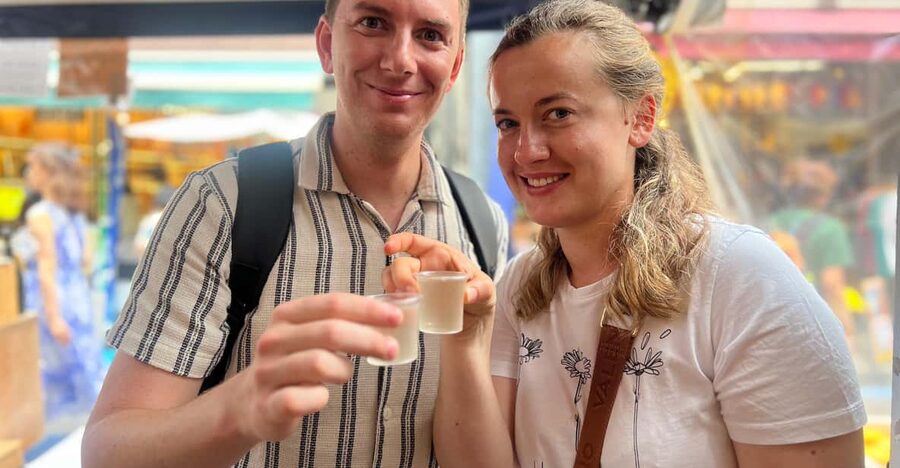
Come hungry, leave better informed. This two-hour Tsukiji tour pairs Japanese street food with a useful introduction to the market’s past, ingredients, and customs. A local English-speaking guide leads a small group of up to 10 people through Tsukiji Hongwanji Temple and the Tsukiji Outer Market, helping you make sense of a place that can feel confusing at first.
I especially like the optional food purchases, since you can choose what suits your appetite, budget, and diet rather than accept a fixed menu. I also like the small group size and the practical help at food stalls. The main catch is that food and drinks cost extra, and some prized items, such as wagyu beef or sea urchin, can be expensive.
The tour begins at the Starbucks in front of Tsukiji Station, with the guide waiting near the bench. Guides including Jim, Rie, Yayoi, Sayaka, Haydn, Minori, and Nicolas have been praised for explaining food customs clearly and leading people to stalls they might otherwise miss. Bring cash, comfortable shoes, and room for snacks.
What makes this Tsukiji tour worth your time
- Start with a temple, not just a market: Tsukiji Hongwanji offers a calm cultural opening before the food stalls.
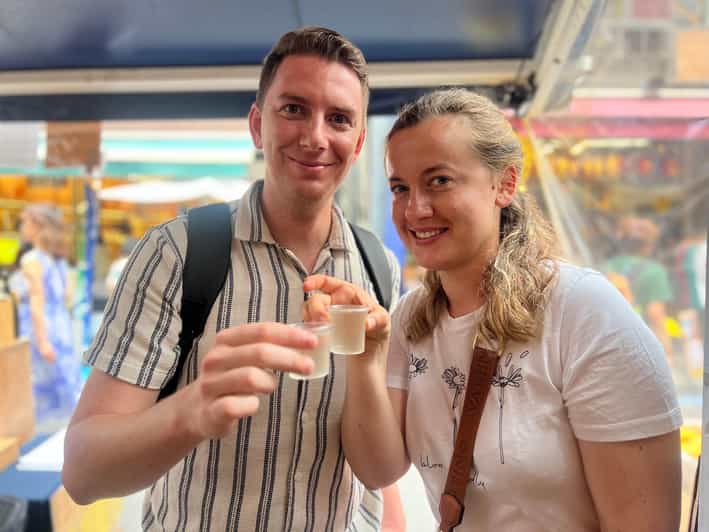
- Taste at your own pace: You pay only for the items you choose, from tamago and sushi to wagyu, eel, sweets, and seafood.
- A manageable group of up to 10: Small numbers make it easier to hear the guide and ask questions.
- Useful help in a crowded market: Your guide can point out good stops and help make the maze less confusing.
- A food lesson with context: You learn how ingredients fit into Japanese cooking, not just what they taste like.
- Good value at $22: The tour fee covers the guide, photos, and free entry, while your food budget remains under your control.
Meeting your guide beside Tsukiji Station
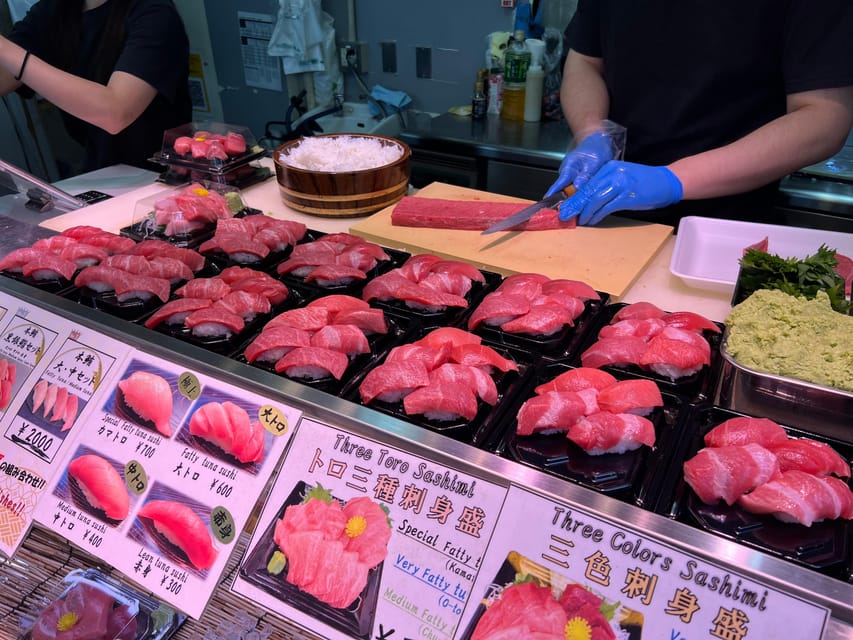
The meeting point is the Starbucks Coffee shop directly in front of Tsukiji Station. Your guide waits near the bench, so this is a simple place to find, even if you are new to the area.
The tour is offered in English and lasts two hours. Since Tsukiji is close to several central Tokyo sights, the location works well as part of a morning or midday plan. You return to the same Starbucks area at the end, giving you an easy base for continuing around Ginza, Hamarikyu Gardens, or other nearby parts of the city, though those onward plans are your own.
The group limit is 10 people. That matters here. Tsukiji has narrow lanes, busy shopfronts, and plenty of visual noise. A smaller group can stay together more easily, and you have a better chance of asking about an unfamiliar fish, spice, sweet, or cooking method.
Wear shoes suited to walking and bring cash. Cash is specifically required, and you will need it for any food or drink you decide to buy. There is no set tasting menu included in the $22 price.
More Market Walking Tours in Japan
- Tokyo Tsukiji Fish Market Food and Culture Walking Tour
★ 5.0 · 3,184 reviews - Tokyo: Tsukiji Fish Market Food and Walking tour
★ 5.0 · 1,724 reviews - Tsukiji Fish Market Small-Group Food Walking Tour
★ 5.0 · 621 reviews
Tsukiji Hongwanji gives the tour a cultural start
After a short walk of about five minutes, you reach Tsukiji Hongwanji. The visit lasts around 15 minutes, so it is not a full temple tour, but it adds useful context before you enter the market.
The temple is known for its carved details and quiet interior. It gives you a chance to see a different side of the Tsukiji area before the food stalls take over your attention. Guides explain the temple’s history and religious setting, helping you understand that Tsukiji is not only a place to eat.
This opening is one of the tour’s strongest choices. A walk through a food market alone can become a list of snacks and photographs. Starting at Hongwanji connects the area to Japanese culture and local tradition. Several guides also include nearby shrines or temples when time allows, although the stated itinerary specifically centers on Hongwanji.
Do not expect a long religious lecture. The temple stop is brief. Its purpose is to give you a calm beginning and a cultural frame for the market that follows.
The Outer Market is easier with a guide
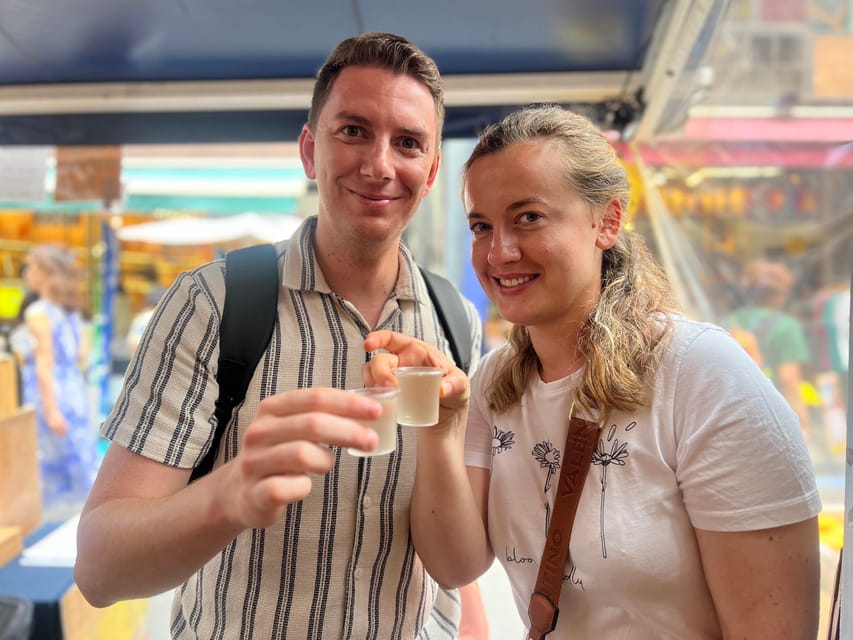
A five-minute walk takes you to Tsukiji Outer Market, where the tour spends most of its time. The market contains stalls selling seafood, fresh produce, dried ingredients, sweets, spices, and other goods used in Japanese cooking.
This is not the famous wholesale auction area often associated with old Tsukiji photographs. The wholesale fish market moved to Toyosu, while Tsukiji’s Outer Market remains a major place for food shops, retail stalls, restaurants, and visitors. The experience here is about browsing, tasting, and learning how ingredients are used.
You will pass displays of fish and other seafood, but the market is not limited to raw ingredients. The food choices mentioned by people taking this tour include tamago, oysters, sushi, tuna, wagyu beef, eel, sea urchin, nuts, dried fish, shrimp, scallops, sweets, and matcha. Availability will depend on the day and the stalls open during your visit.
The guide’s main value is selection. You could walk through Tsukiji alone, but it would be easy to spend your time circling the same lanes or stopping at the first attractive stall. Guides such as Rie, Jim, Yayoi, and Sayaka have been particularly praised for choosing stops, explaining what to order, and helping visitors move through the crowded lanes.
That assistance is useful if you do not read Japanese or are unsure about unfamiliar foods. It can also help you avoid buying more than you want. You may be offered small samples, but do not treat every tasting as included. Food purchases are your responsibility.
Tasting is flexible, but budget for it

The tour does not include food and drinks. At first, that may sound like a drawback, but I think the arrangement works well for Tsukiji.
You are not locked into a fixed selection. If you dislike seafood, you can focus on beef, egg dishes, sweets, or other available foods. If you have dietary limits, you can ask questions and choose carefully. One person who did not enjoy seafood still tried a few items, while another appreciated being able to select food at each stop instead of accepting a large set menu.
The flexible format also lets you control spending. The tour costs $22 per person, which is a modest fee for two hours of guiding, cultural explanation, market navigation, and photos. Your total cost depends on what you eat. A few small purchases may keep the outing inexpensive, while premium wagyu, fatty tuna, sea urchin, or other specialty items can raise the bill quickly.
Some food stops can be surprisingly costly, so ask the price before ordering if you are watching your budget. Sharing small plates with the group can make it easier to sample more without buying a full portion of everything. You can also skip anything that does not appeal to you.
For me, the best part of this payment system is choice. You are paying for access to a guide’s time and judgment, then deciding how much food you want. That is better suited to a market than a rigid tasting package.
More Market Walking Tours in Tokyo
- Tokyo: Guided Walking Tour of Tsukiji Market with Breakfast
★ 4.4 · 134 reviews - Tokyo: Tsukiji Market Walking Tour & Sushi Cooking Class
★ 4.6 · 122 reviews
Expect food lessons, not just food samples
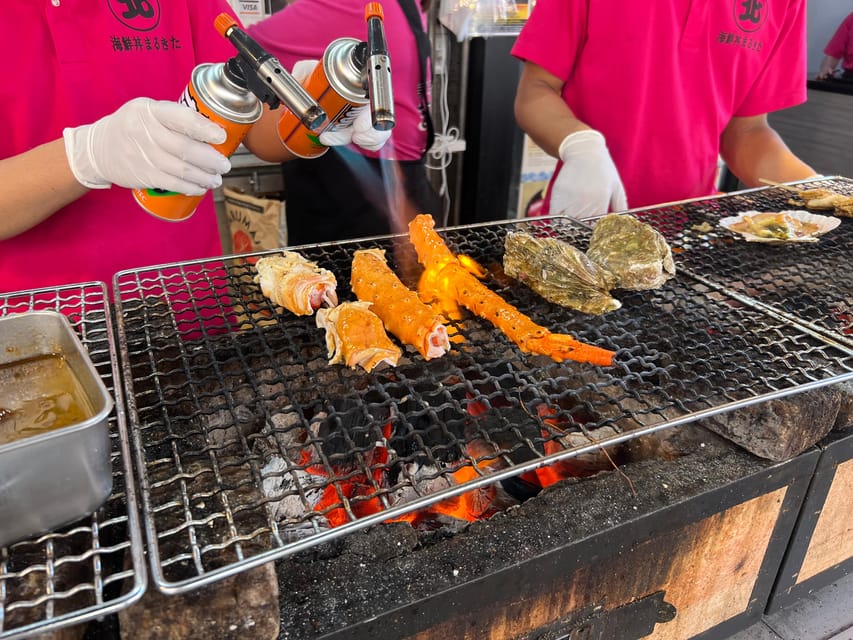
The guide explains how ingredients fit into Japanese cooking. You may learn about seafood types, dried foods, specialty seasonings, sweets, preparation methods, and the customs connected with eating and serving them.
This makes a difference. A piece of eel, a slice of tuna, or a rolled egg can be tasty on its own, but the explanation tells you why it matters. You get more from the market when you understand what you are seeing and why particular ingredients are valued.
Several guides have been praised for making the history of the market part of the walk. That is important because the area has been a central part of Tokyo’s food scene for more than 80 years. Instead of simply moving from one snack to another, you learn how Tsukiji relates to Japanese cuisine and daily food culture.
The strongest guide experiences seem to combine facts with practical advice. Jim has been praised for explaining history, culture, and local life. Haydn has been appreciated for detailed explanations and for finding free samples. Rie has been noted for her friendly manner and knowledge of seafood traditions. Yayoi has led people to favorite stalls for tamago, oysters, sushi, wagyu, and other foods.
Your assigned guide may be someone else. The provider uses several guides, including Nicolas, Minori, Sayaka, Shino, Miko, Joe, and Kiwa. The consistent theme is that the guide helps you understand what you are buying and keeps the walk moving.
The market can be crowded and slightly chaotic
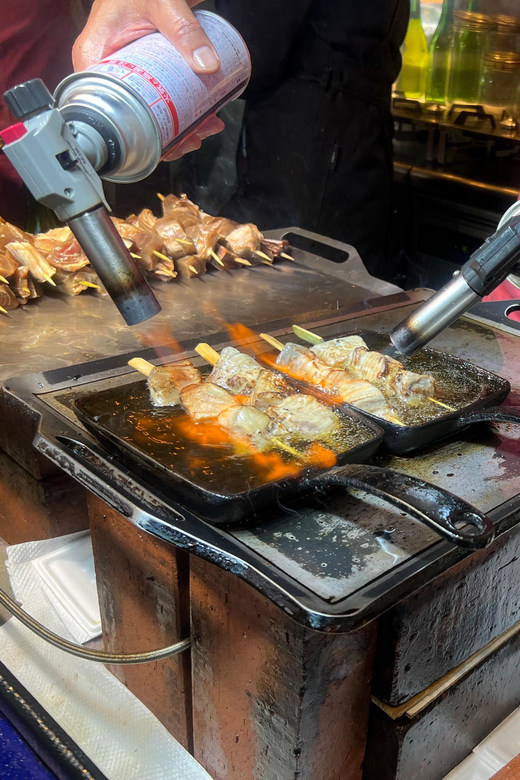
Tsukiji is not a quiet museum. Shopkeepers are working, lanes can feel tight, and a Wednesday morning can still be very busy. You need to stay close to the guide and watch where you step.
That hectic feel is part of the appeal, but it can also test your patience. If you want a slow, private food tasting with plenty of space, this is not the right format. The tour moves at a practical pace because two hours is not long for both a temple and a large market.
The small group helps, but it does not remove the crowds. Keep your belongings secure, follow the guide’s instructions, and avoid blocking shop entrances while you eat or take photographs.
The guide can also help with ordering and payments. This is especially useful when several people want different foods. Some guides have helped participants communicate with vendors or choose among several options. That support lets you spend less time worrying about procedure and more time noticing the food.
Who will get the most from the $22 price?
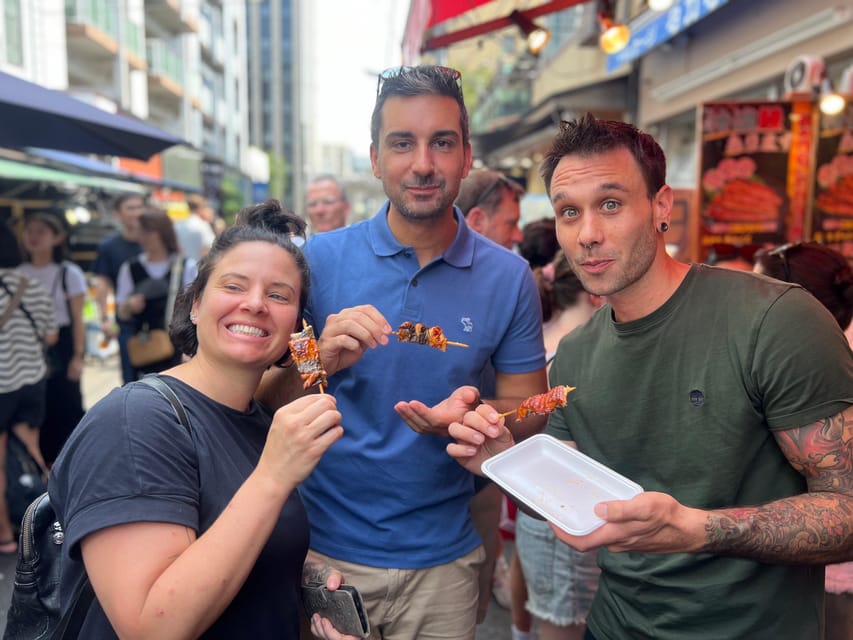
This tour suits a first-time visitor who wants an introduction to Tsukiji without spending hours planning every stop. It is also a good choice if you enjoy trying unfamiliar foods but want someone to explain them before you order.
You will likely get the most from it if you:
- Want to learn about Japanese food customs as you eat
- Prefer a small group to a large bus tour
- Feel unsure about navigating Tsukiji alone
- Like choosing individual foods rather than following a fixed menu
- Have two hours available for a focused local experience
- Are happy to carry cash and pay separately for food
It is less suitable if you want a full market-shopping expedition. The tour offers time for browsing and purchases, but the guide’s priority is showing key food stops and explaining the area. It is also not ideal for anyone expecting all tastings to be covered in the booking price.
Families, couples, solo visitors, and small groups can all fit the format. The optional food makes it easier for people with different tastes to participate together. You should still tell the guide about allergies or strong dislikes before ordering, then confirm each item at the stall.
Timing, cancellation, and practical details
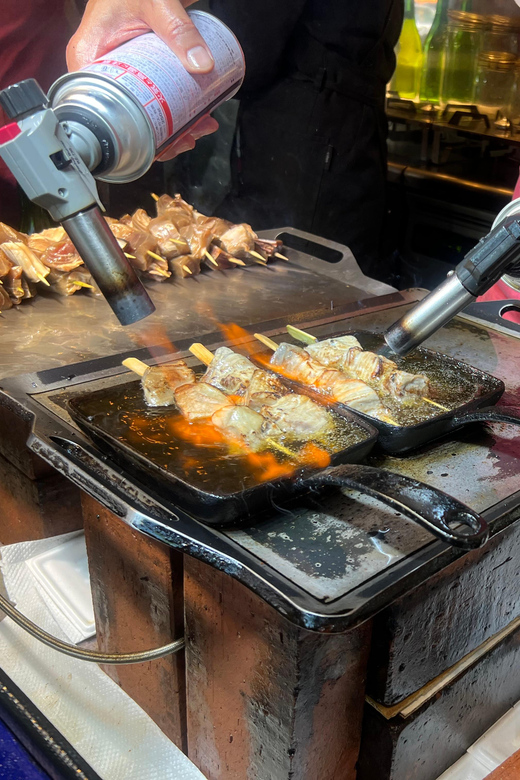
The activity lasts two hours, with the temple taking about 15 minutes and the Outer Market taking the bulk of the walk. The short transfers between stops are on foot, so plan for continuous walking rather than a seated food class.
Entry to Tsukiji Fish Market and Hongwanji Temple is free. The fee covers the guided walking experience and photos taken during the tour. Food and drinks are not included.
You can cancel up to 24 hours before the start for a full refund. You can also reserve now and pay later, which gives you some flexibility while arranging a Tokyo schedule.
The tour is conducted in English. Starting times vary, so check availability when booking. The guide meets you at the Starbucks in front of Tsukiji Station and returns you to the same area.
Should you book this Tsukiji experience?
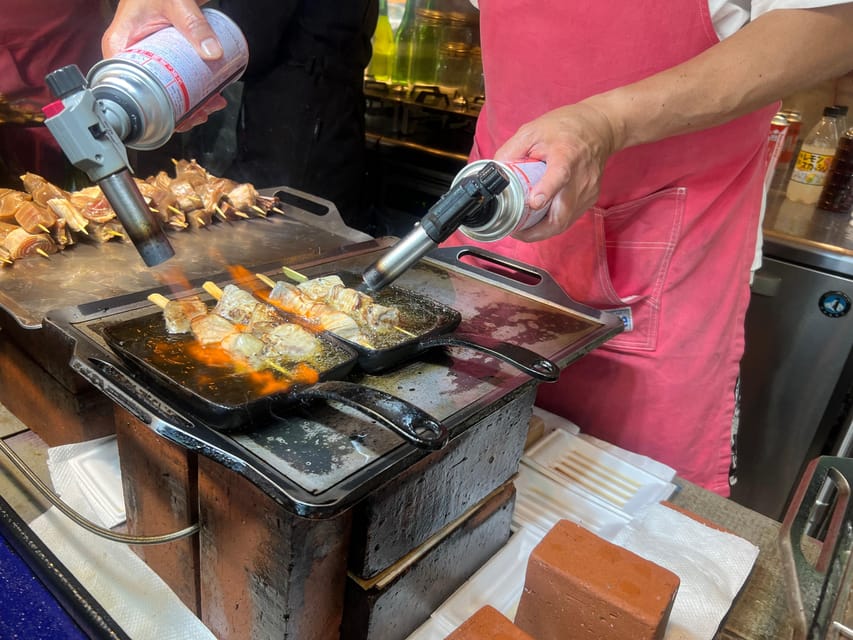
Book it if you want more than a quick walk through food stalls. The best reason to go is the combination of market guidance, cultural explanation, and flexible tasting. At $22, the guiding fee is reasonable, especially if you would otherwise feel lost or unsure about ordering.
Bring enough cash for the foods you want, but do not feel pressure to try everything. Prices can climb at premium stalls, and your meal is not included. If you like seafood, egg dishes, beef, sweets, or Japanese ingredients and want a local guide to point out what matters, this is a strong two-hour introduction to Tsukiji.
FAQ
Where does the Tsukiji tour meet?
You meet your English-speaking guide at the Starbucks located in front of Tsukiji Station. The guide waits near the bench.
How long does the tour last?
The tour lasts two hours.
Is food included in the tour price?
No. Food and drinks are not included. You choose and pay for any items you want to buy at the market.
How much does the tour cost?
The listed price is $22 per person.
What foods might I try at Tsukiji?
Available choices may include tamago, oysters, sushi, tuna, wagyu beef, eel, sea urchin, dried seafood, nuts, sweets, and other local specialties. Exact foods depend on the stalls and the day.
Is the temple visit included?
Yes. The tour includes a guided visit to Tsukiji Hongwanji Temple, with free entry.
What should I bring?
Bring cash, since it is needed for food purchases. Comfortable walking shoes are also sensible for the two-hour route.
Just added around Tokyo
- Tokyo: Tsukiji Market Walking Tour & Sushi Cooking Class★ 4.6 · 122 reviews
- Tokyo: Dark Side of Tokyo Shinjuku Red Light Walking Tour★ 4.7 · 862 reviews
- Tokyo: Shinjuku Nightlife & Secret Backstreets Walking Tour★ 4.8 · 229 reviews
- Tokyo: Shibuya Highlights Walking Tour★ 4.8 · 601 reviews
- Tokyo: Shibuya Highlights Walking Tour & Secret View Spot★ 4.9 · 196 reviews
- Tokyo: Shinjuku Bar Hopping & Night Walking Tour★ 4.6 · 137 reviews
- Tokyo: Private Custom Walking Tour with Local Guide★ 4.9 · 350 reviews
- Tokyo: Shibuya Crossing & Hidden Streets Walking Tour★ 4.8 · 128 reviews
Market Walking Tours, compared.

City Highlights Temple and Market Walking Tour
Read our review →
Tokyo Tsukiji Fish Market Food and Culture Walking Tour
Read our review →
London Bridge & Borough Market Food Tour with 7 Authentic Dishes
Read our review →
Air Raid Shelter + St. Nicholas Market Walking Tour
Read our review →
Nishiki Market Brunch Walking Tour (7 Tastings + Brunch)
Read our review →
Bologna Food & Market Tour with 6 Tastings, Pasta, Wines & More
Read our review →
Vienna for Food Lovers: Cafés, Markets & Austrian Cuisine
Read our review →Browse the lists this tour appears in