
Review · PRIVATE WALKING TOURS
Tokyo: Private Walking Tour with a Local Guide
Tokyo rewards a little planning. This private walking tour gives you two big advantages: a local guide who adapts the day to your interests and a practical introduction to getting around by public transport. You can focus on temples, markets, food, pop culture, shopping, or a mix of old and new Tokyo.
I especially like the personal planning before the tour and the chance to visit less touristy corners between the famous sights. The main caution is distance: Tokyo is enormous, and a packed itinerary can mean long walks and crowded trains. Be clear about your pace, and decide early if you prefer taxis, since those cost extra.
Key points to know before booking
- Your guide contacts you before the tour: You are asked to share interests, preferred sights, and any special requests through WhatsApp before the day.
- The route is genuinely flexible: The advertised stops are examples, not a fixed program. Your final plan is agreed with the guide about 24 hours before departure.
- Public transport is part of the experience: Guides help you use Tokyo’s trains and subway, a useful skill for the rest of your trip.
- The tour can cover a lot of ground: Options run from 2 to 8 hours, with 4, 6, and 8-hour versions noted for the main experience.
- Local guidance is the main value: Guides such as Momo, Miwa, Rika, Hina, and Kanako are praised for clear explanations, warm company, and practical help.
- The $53 price has limits: Meals, train fares, extra attraction tickets, and airport transfers are not included.
Why a private Tokyo tour helps
Tokyo can feel like several cities stitched together. Asakusa has old Buddhist and Shinto traditions, Akihabara runs on electronics and anime, and Shibuya is built around fashion, offices, restaurants, and one famous pedestrian crossing. Seeing all of these in one day is possible, but understanding how they fit together is harder without local help.
That is where this format earns its keep. You are not tied to a large group or a rigid route. If you care more about food than shopping, your guide can shift the balance. If you want shrines and temples, the day can lean traditional. If you need help with train stations, a guide can turn the first day into a practical orientation.
The strongest part of the experience is the human connection. Momo is repeatedly praised for warmth, humor, and a relaxed pace. Miwa is praised for thoughtful answers, careful planning, and help choosing sensible neighborhoods. Rika is often noted for efficient train travel and taking useful group photos. Hina is praised for clear English and her ability to adjust the route to personal interests.
These details matter because a private tour can become either a helpful day with a local or simply an expensive escort service. Here, the guide’s role appears to go beyond pointing at buildings. You can ask about customs, daily life, spiritual practices, food, public transport, and the meaning behind the places you visit.
More Private Walking Tours in Japan
- Tokyo: Private Custom Walking Tour with Local Guide
★ 4.8 · 533 reviews - Tokyo: Private Walking Tour with a Local
★ 4.4 · 419 reviews - Akihabara Anime & Game Adventure Walking Tour (Group or Private)
★ 5.0 · 404 reviews
What happens before you meet your guide
Your guide contacts you on WhatsApp within 24 hours before the tour. You should reply with a short wish list rather than simply saying you want to see everything. Tokyo’s size makes that approach inefficient.
Tell the guide:
- Which sights matter most
- How much walking you can comfortably handle
- If you care about food, shopping, history, pop culture, or local neighborhoods
- If you have dietary restrictions
- If you want time for photos
- If you prefer trains or would rather use taxis when practical
The final route is shared and settled close to the tour date. That flexibility is useful, but it also means you should not treat the sample itinerary as a promise that every listed area will be included.
Hotel pickup and drop-off are included for accommodation in central Tokyo or another agreed meeting point in Tokyo. Airport pickup and drop-off are not included. You also need comfortable shoes, cash, a credit card, and a passport or ID card.
Asakusa and Sensō-ji: Tokyo’s traditional opening
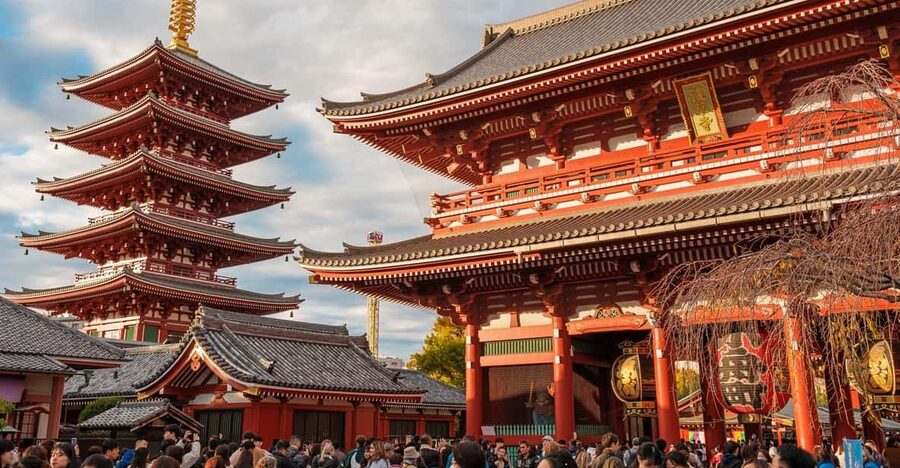
Sensō-ji is one of the best choices for a first look at old Tokyo. The temple gives your guide plenty to explain, from Buddhist customs to the behavior expected at religious sites. The nearby streets also offer a useful introduction to souvenirs, snacks, and the visual style of historic Tokyo.
Asakusa works well early in a trip because it gives you cultural bearings before you tackle the city’s modern districts. You can ask questions here that will help make later temple and shrine visits more meaningful.
The drawback is popularity. Sensō-ji is a major sight, so the approach can be crowded, especially at busy times. If you want a quieter experience, tell your guide that atmosphere matters more to you than checking off every major photo spot.
Ueno and Ameya-Yokocho: markets and everyday Tokyo
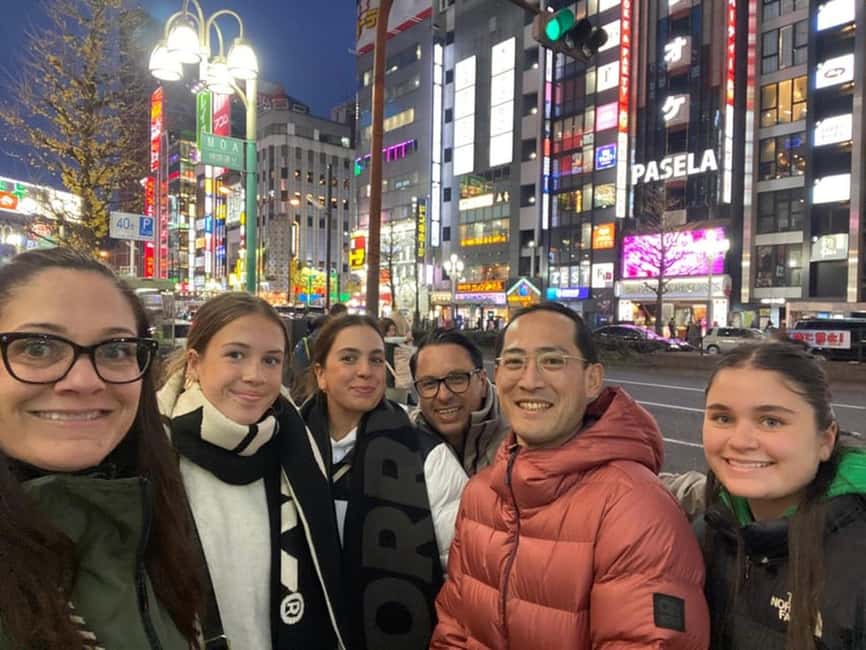
Ueno brings together parks, cultural sites, shopping streets, and food stops. It offers a different feel from polished Ginza or high-rise Shinjuku. Your guide can help you make sense of the area and choose how much time to give it.
Ameya-Yokocho is especially useful if you want a more ordinary market experience. It is a lively shopping and eating district where you might find snacks, seafood, small goods, and free tastings, depending on the route and timing. One guide took a group through Tsukiji Outer Market for grilled seafood and tastings, while another helped visitors explore local alleys and markets around temples and shrines.
Do not expect a quiet stroll here. Market streets can be tight, noisy, and crowded. That is part of their appeal, but families with small children or anyone who dislikes packed spaces may want to keep this section short.
More Private Walking Tours in Tokyo
- Tokyo: Private Custom Walking Tour with Local Guide
★ 4.9 · 350 reviews - Tokyo: Customizable Private Guided Walking Tour
★ 4.5 · 129 reviews
Akihabara: Tokyo’s modern pop culture
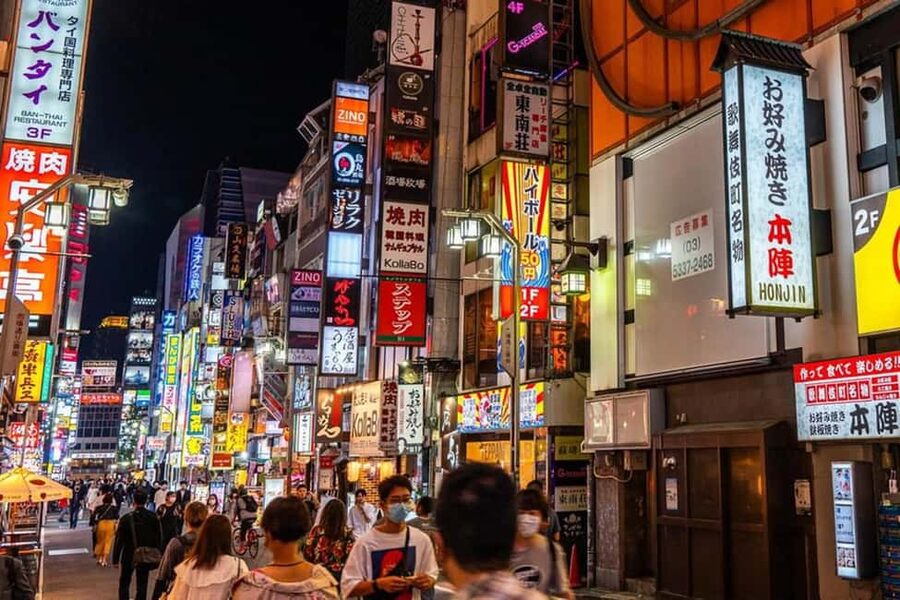
Akihabara is the stop for electronics, anime, games, and Japan’s modern entertainment culture. It makes a sharp contrast with Sensō-ji and helps show why Tokyo cannot be reduced to temples and gardens.
The area is broad in character, and your guide can help you decide whether you want shopping, street-level sightseeing, or a short look at the district’s identity. A private guide is useful if you are curious but do not want to spend hours browsing stores without a plan.
This is also a stop you can skip if your interests lie elsewhere. The tour is strongest when you use the flexibility rather than trying to force every listed neighborhood into the same day.
Shibuya Crossing and Harajuku: famous Tokyo, with limits
Shibuya Crossing is one of Tokyo’s signature sights. It is easy to photograph, easy to reach, and useful for understanding the scale and energy of the city. Yet it can also be overhyped if you expect a full cultural experience from one intersection.
One guest specifically felt Shibuya Crossing was the one stop they would have left out in hindsight. That is useful advice. If you have limited time, you may prefer a local shopping street, a shrine, a market, or a neighborhood where the guide can offer more context.
Harajuku adds youth style, fashion, and shopping. It pairs naturally with Shibuya, but the two districts can make the day feel more commercial. Ask your guide to balance them with a temple, shrine, park, or quieter street if you want more than city spectacle.
Meiji Shrine: a calmer counterpoint
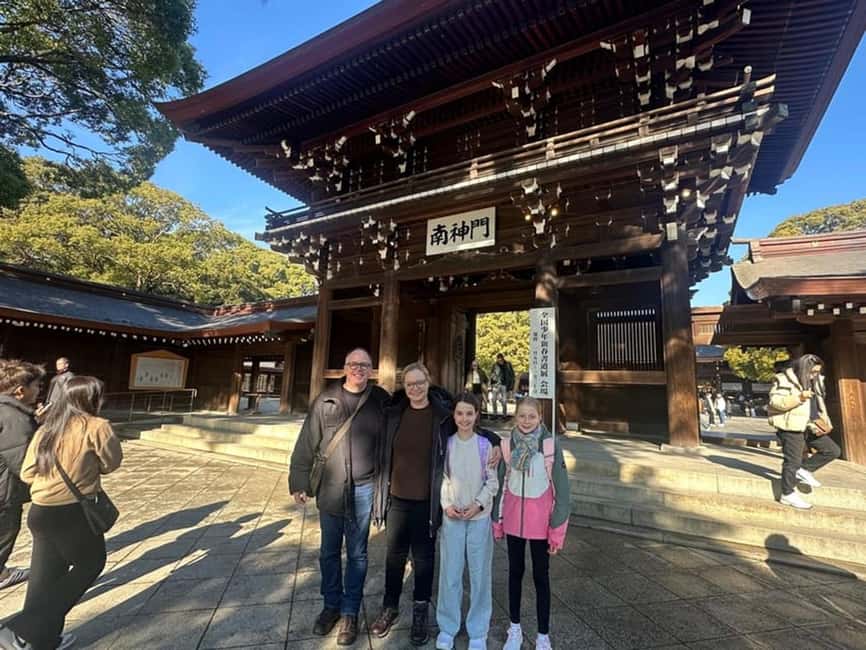
Meiji Shrine offers a different pace after Shibuya and Harajuku. It is a major Shinto site where you can learn about shrine etiquette, purification, offerings, and the role of Shinto customs in Japanese life.
This is one of the best places to ask questions because the guide can explain what you are seeing without turning the visit into a list of dates and facts. Several guides are praised for giving enough context to be interesting without overwhelming their guests.
You should still expect walking. Shrine grounds can require a fair amount of standing and movement, so mention mobility concerns before the tour. The experience is not suitable for wheelchair users or people with mobility impairments according to the booking information.
Tsukiji Outer Market: a strong choice for food lovers
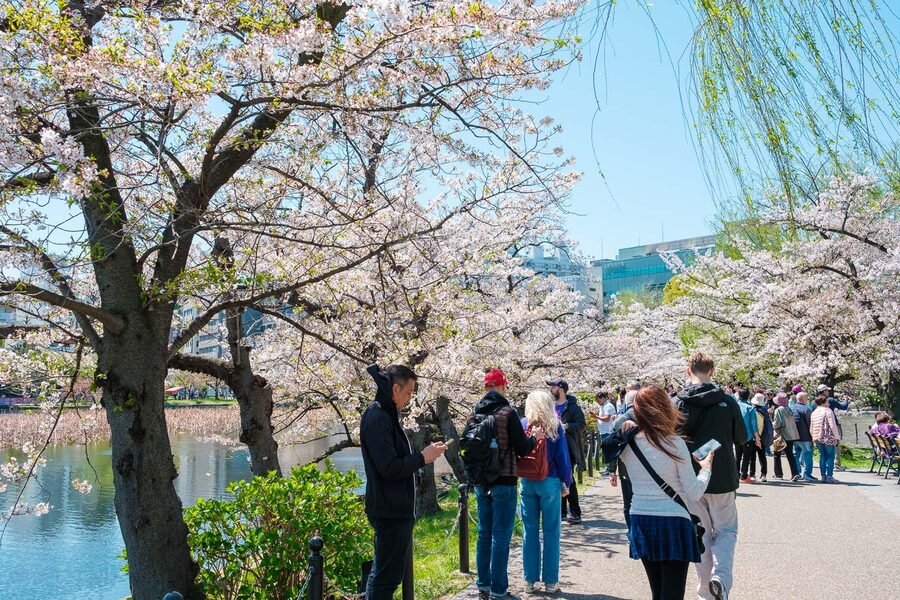
Tsukiji Outer Market is a smart choice if you want to eat your way through part of Tokyo. It is not the old wholesale fish market, but it remains a popular food district with seafood, snacks, and small shops. A guide can help you understand what you are looking at and point you toward foods that fit your interests.
Several itineraries have included grilled seafood, tastings, and nearby religious sites. This combination works well because the market gives you flavor and movement, while a Buddhist temple or Shinto shrine nearby adds cultural context.
Food costs are not included. Bring cash and a card, and tell the guide in advance about dietary restrictions. If you decide to eat a full lunch or dinner during the tour, you are expected to cover the guide’s meal as well. That is worth knowing before you agree to a restaurant stop.
Ginza and the Imperial Palace: polished Tokyo and national history
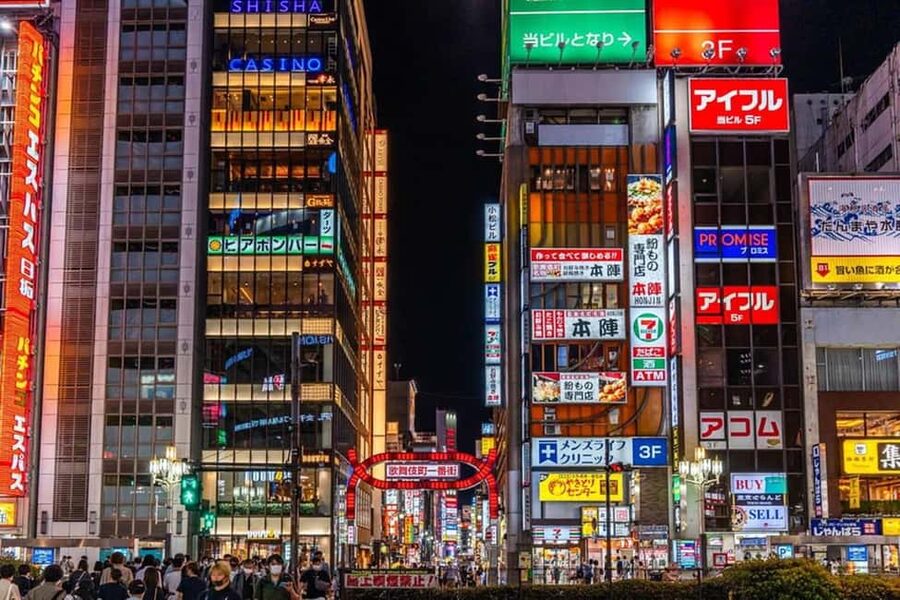
Ginza is the city’s refined shopping district, with department stores, designer shops, restaurants, and carefully planned streets. It is a good fit if you want shopping or a look at Tokyo’s formal side, but it may not be the best use of time for every first-time visitor.
The Imperial Palace offers a change in subject. You can see the area around Japan’s political and imperial center and ask your guide about the city’s development and national history. Do not assume that a standard walking tour includes entry to every palace building or special attraction. Additional admission tickets are not included, and you may need to buy a ticket for yourself and your guide if a paid site is added.
Ginza and the Imperial Palace can work well together, but the area may feel less intimate than Asakusa or Ueno. Tell your guide if you prefer local streets over grand civic spaces.
Shinjuku: bright lights and useful orientation
Shinjuku is a fitting final district for a tour because it shows Tokyo at its most layered. You get major rail connections, tall buildings, shopping, restaurants, nightlife, and busy pedestrian streets. It is also a practical place to learn how Tokyo’s transport network works.
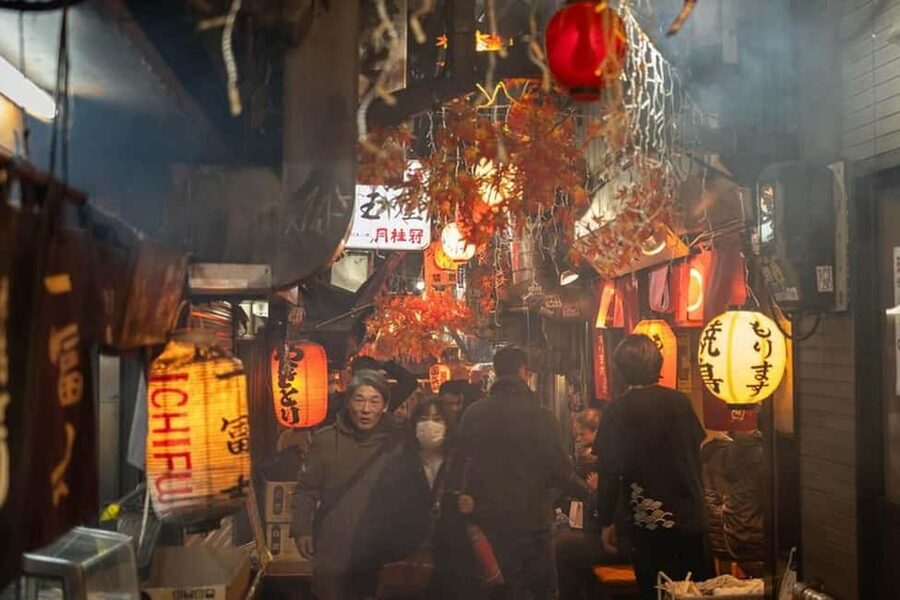
The station area can be confusing, even for people who are comfortable in cities. A guide can show you how to move through the neighborhood and may suggest places to return to later. One guide helped visitors find a restaurant with a city view, while others used Shinjuku as part of a larger route through Tokyo’s major districts.
Shinjuku is not automatically a better choice than quieter neighborhoods. Its scale can be tiring, especially after six or eight hours of walking and train travel. If you want a slower day, ask for fewer districts and longer stops.
How much can you cover in 2, 4, 6, or 8 hours?
A two-hour tour is best treated as a short introduction to one area. Choose Asakusa, Shibuya and Harajuku, Tsukiji, or another compact district rather than asking to cross the whole city.
Four hours can give you a useful first-day orientation. You can combine a few major sights, but you should still choose a clear theme. A four-hour route through Asakusa, Ueno, and a market will feel different from a route through Shibuya, Harajuku, and Meiji Shrine.
Six hours is the most practical option if you want a broad Tokyo overview. It gives you time to combine traditional and modern areas, though the day can still feel active. Eight hours is suited to people who want a full sightseeing day and are comfortable walking, standing, and using crowded trains.
Do not confuse a longer tour with a better tour. One person praised covering many districts in six hours, while another found that too much time went into walking and packed trains. A slower, more selective route may leave you happier than a long checklist.
Trains, taxis, and the real cost
The $53 per person price is attractive for a private tour, especially if you are traveling with several people and want individual attention. The value is strongest when you use the guide for local context, route planning, train help, and practical advice you can use after the tour.
Public transport is included as part of the movement between areas, but your train fares are not listed as included. A Suica card or metro pass can make the day faster. One guest specifically recommended having a Suica card or metro pass ready before the tour.
Taxis are not included and will increase the cost. They may be worthwhile for older visitors, families, hot weather, or anyone who wants to reduce walking. Kanako adapted a final-day tour for visitors in their seventies by using taxis instead of trains, showing that it is worth discussing comfort honestly before the route is fixed.
Meals and drinks are also extra. Temple and shrine entrance fees are covered, but additional paid attractions are not. If your guide enters a paid attraction with you, you are responsible for the guide’s admission too.
Who should book this experience?
I would recommend this tour most strongly to first-time visitors who want a confident start in Tokyo. It is also a good fit for couples, families, solo visitors, and small private groups with different interests.
You will get the most from it if you are willing to communicate clearly before the day. A short list of priorities gives the guide something useful to build around. The tour is less suitable if you want a fixed sightseeing package with guaranteed stops, or if you dislike public transport and walking.
The 4.9 rating from 469 reviews reflects a very consistent pattern: the guides are praised for warmth, clear English, flexibility, and personal attention. Names such as Momo, Miwa, Rika, Hina, Yossy, Nao, and Kanako appear in especially positive experiences, though your assigned guide may be someone else.
Cancellation is free up to 24 hours before the tour, and you can reserve now and pay later. That helps if your Tokyo schedule is still changing, but you should still confirm the final route and transport plan before the day.
Should you book the Tokyo private walking tour?
Book it if you want Tokyo explained by a local rather than simply photographed. The best reason to choose it is not the number of districts you can squeeze into eight hours. It is the chance to shape a day around your interests, learn the train system, ask honest questions, and receive practical suggestions for the rest of your trip.
Choose a shorter tour if you want a gentle introduction. Choose six or eight hours only if you are ready for substantial walking and train travel. Tell your guide to slow down, use taxis, or cut stops if comfort matters more than coverage.
At $53 per person, this is good value when the guide helps you avoid wasted time and gives you a useful start in a complicated city. It is not an all-inclusive sightseeing package, so budget separately for transport, food, and paid attractions.
FAQ
How long is the private Tokyo walking tour?
The tour lasts between 2 and 8 hours. The available choices include 4, 6, and 8-hour options, with starting times based on availability.
Is hotel pickup included?
Yes. The guide can meet you at your hotel in central Tokyo or at another preferred meeting place in Tokyo. Airport pickup and drop-off are not included.
Is the tour private?
Yes. The experience is arranged for a private group rather than a shared group tour.
What language does the guide speak?
The live tour guide language is English.
Are meals and drinks included?
No. Meals and beverages are not included. If you choose to eat with your guide during the tour, you are asked to cover the guide’s meal.
Are train fares and attraction tickets included?
Public transport is used during the tour, but train fares are not listed as included. Temple and shrine entrance fees are covered, while tickets for additional attractions or special requests are extra.
Is the tour suitable for wheelchair users?
No. The experience is listed as unsuitable for wheelchair users and people with mobility impairments. Comfortable shoes are recommended because the route involves walking and public transport.
Just added around Tokyo
- Tokyo: Tsukiji Market Walking Tour & Sushi Cooking Class★ 4.6 · 122 reviews
- Tokyo: Dark Side of Tokyo Shinjuku Red Light Walking Tour★ 4.7 · 862 reviews
- Tokyo: Shinjuku Nightlife & Secret Backstreets Walking Tour★ 4.8 · 229 reviews
- Tokyo: Shibuya Highlights Walking Tour★ 4.8 · 601 reviews
- Tokyo: Shibuya Highlights Walking Tour & Secret View Spot★ 4.9 · 196 reviews
- Tokyo: Shinjuku Bar Hopping & Night Walking Tour★ 4.6 · 137 reviews
- Tokyo: Private Custom Walking Tour with Local Guide★ 4.9 · 350 reviews
- Tokyo: Shibuya Crossing & Hidden Streets Walking Tour★ 4.8 · 128 reviews
Private Walking Tours, compared.
Private 3 hrs Venice Tour: St Mark’s, Walking tour & Boat tour
Read our review →
Private Street Food Evening Walking Tour in Ho Chi Minh City
Read our review →
Old Quebec City: Grand Walking Tour with Private Option
Read our review →
Barcelona Helicopter, Sailboat & Old Town Private Walking Tour
Read our review →
Browse the lists this tour appears in