
Review · PRIVATE WALKING TOURS
Tokyo: Private Custom Walking Tour with Local Guide
Tokyo gets easier with a local beside you. This private walking tour links traditional Tokyo with modern districts, using trains and subways to build a day around your interests. I like the personal planning, and I like that guides such as Fares, Nao, Sumire, and Taka have helped visitors fit major sights into a tight first day.
The price is appealing for a private experience, especially if you want help with Tokyo’s train system. The main drawback is that the $56 price does not cover your transport, meals, or entrance fees, and the tour may involve substantial walking.
Key points to know before booking
- Your route is built around you: Choose from areas such as Asakusa, Shibuya, Meiji Shrine, Takeshita Street, Akihabara, and Ginza, depending on your time and interests.
- Public transport is part of the lesson: Guides help you use Tokyo’s trains and subway, which can make the rest of your trip far less intimidating.
- The tour works well on your first day: A four to six-hour visit can show you how Tokyo fits together and help you plan the rest of your stay.
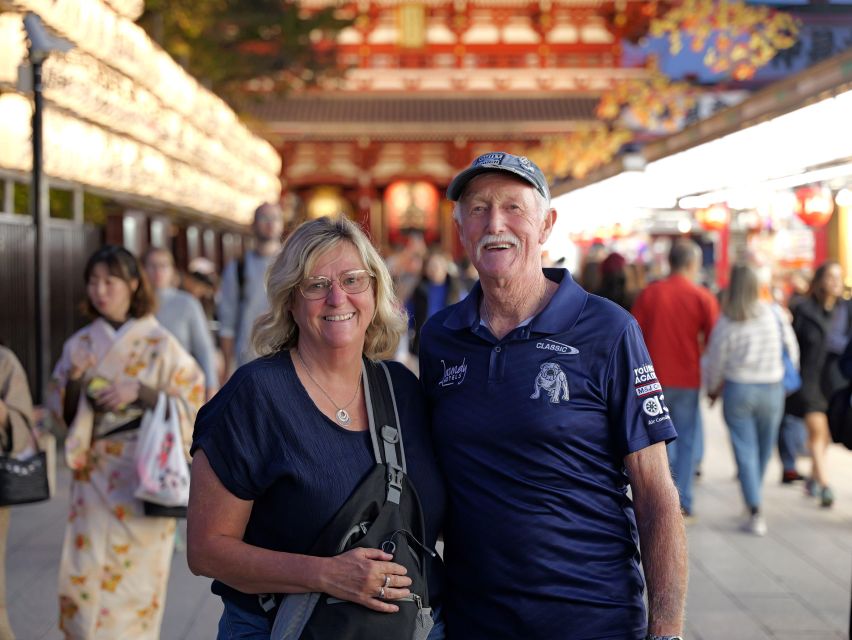
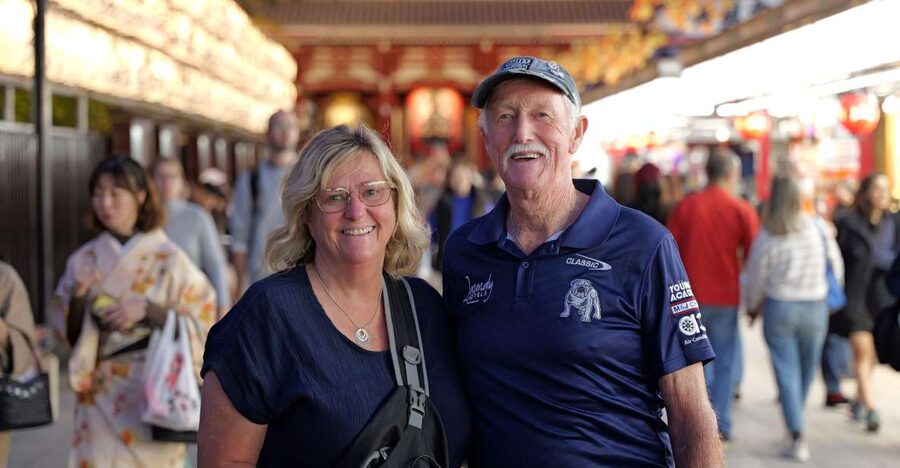
- Photography is a real plus: Several guides, including Fares, have taken polished photos of couples, families, and groups during the day.
- The guide can adjust the pace: Nao waited patiently for photography, while Bagus kept a senior group comfortable during a six-hour outing.
- Budget for extras: You pay separately for train fares, food, and any attraction admissions.
Why a custom Tokyo tour can be a smart first move
Tokyo is not hard because it lacks things to do. It is hard because it has too many things to do, spread across a giant network of neighborhoods and train lines. A private guide gives you a human filter. Instead of trying to understand the entire city map at once, you can say what interests you and let the route take shape around it.
The strongest use of this tour is as an orientation. You might want temples and markets, modern architecture and city views, anime and electronics, or simply a manageable introduction to Tokyo. Your guide can build the day around those priorities rather than forcing you through a fixed program.
I especially like the way this format combines sightseeing with practical help. Guides have assisted with train routes, shown visitors how to use the metro, helped arrange Suica or Welcome Suica cards, and explained how to get from one stop to the next. That support has value beyond the tour itself. You finish with a better chance of finding your way around alone.
You also get a private group rather than a large party. That matters in Tokyo, where crowded stations, narrow streets, and busy crossings can make a rigid schedule tiring. You can pause for photographs, ask more questions, or change direction without waiting for strangers.
More Private Walking Tours in Japan
- Tokyo: Private Custom Walking Tour with Local Guide
★ 4.8 · 533 reviews - Tokyo: Private Walking Tour with a Local Guide
★ 4.9 · 469 reviews - Tokyo: Private Walking Tour with a Local
★ 4.4 · 419 reviews
Building your route before the day begins
The guide contacts you through WhatsApp within the two weeks before the tour, so use a phone number connected to WhatsApp when you book. This planning step is important. Tell the guide how long you have, what you most want to see, your preferred walking pace, and whether you care more about food, culture, shopping, photography, or transport practice.
The duration can range from two to eight hours. A two-hour outing is best treated as a short introduction to one area. It will not give you a full picture of Tokyo, but it can work well if you have a short stopover or want help with one neighborhood.
Four hours gives you more room to connect two nearby areas. Six hours is better for a first full day, though you should expect to walk and use public transport. An eight-hour plan offers the most freedom, but Tokyo’s size and the amount of walking can make a long day demanding.
Do not simply send a list of ten districts and hope they all fit. Tokyo’s train stations can be large, and moving between distant areas takes time. Ask your guide to group nearby stops and identify the sights that matter most.
Asakusa, where Tokyo feels most traditional

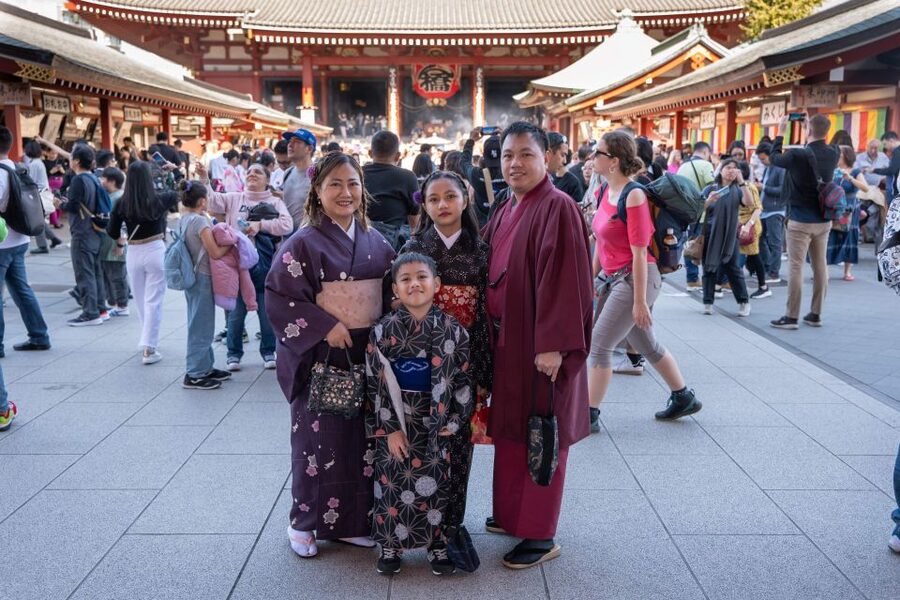
Asakusa is one of the clearest choices for a traditional side of Tokyo. A guide can explain the main sights, help you understand shrine and temple customs, and point out details you might otherwise pass without noticing.
The value here is not just seeing an old-looking district. It is understanding how historic religious sites, markets, food, and everyday city life share the same streets. A guide can give you context while keeping the visit practical, especially if this is your first time seeing a Japanese temple or shrine.
One guest had a full day around Asakusa with Fares, including explanations of the main sights, food suggestions, and ideas for cultural activities beyond the tour. That is the kind of help I would want from this experience: not only a path through the district, but useful suggestions for what to do afterward.
The limitation is time. If Asakusa is your main interest, choose a longer tour and make it the center of the day. If you also want Shibuya, Harajuku, and Ginza, your time in Asakusa will necessarily be shorter.
Meiji Shrine and Takeshita Street, old and new Tokyo together
The Meiji Shrine and Takeshita Street pairing shows the contrast this tour is designed to explain. The shrine offers a quieter, more traditional setting, while Takeshita Street represents a younger, fashion-focused part of Tokyo.
Fares has taken families to Meiji Shrine and Takeshita Street, along with Shibuya Scramble. That route makes sense for first-time visitors who want major sights in western Tokyo without spending the day guessing which train to take next.
Meiji Shrine can be meaningful even if you are not deeply interested in religious sites. A guide can explain what you are seeing and how to behave respectfully. Takeshita Street gives the day a very different rhythm, with shopping and youth culture replacing shrine grounds and ceremony.
Keep in mind that this combination can be lively and tiring. If you want time for photos, shopping, or quiet observation, do not overfill the schedule. The guide can help you decide what to see properly and what to treat as a quick stop.
More Private Walking Tours in Tokyo
- Akihabara Anime & Game Adventure Walking Tour (Group or Private)
★ 5.0 · 404 reviews - Tokyo: Customizable Private Guided Walking Tour
★ 4.5 · 129 reviews
Shibuya Scramble and the energy of modern Tokyo
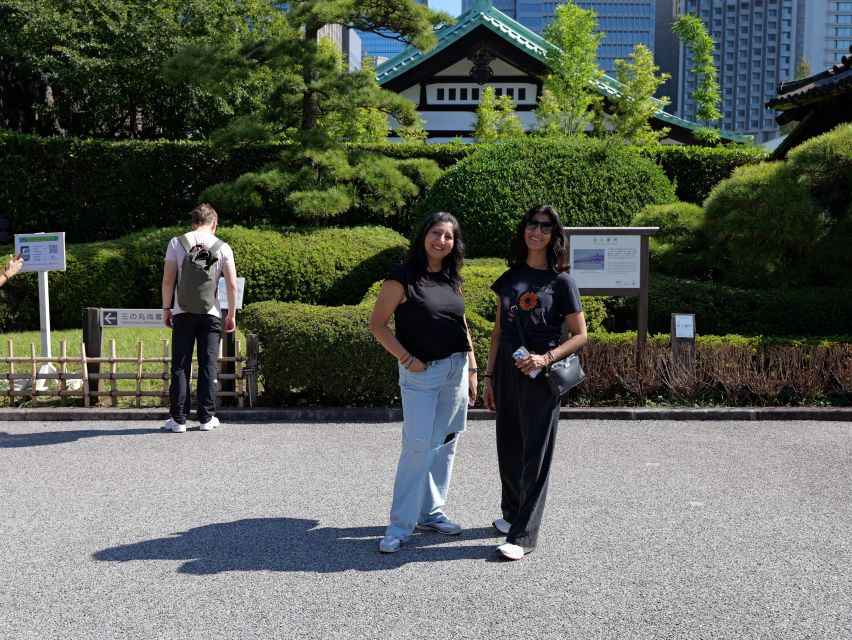
Shibuya Scramble is a natural choice if you want a famous modern Tokyo sight. It is visually striking, but the crossing itself takes only a few minutes. The guide adds value by helping you understand where to go, how to connect it with nearby stops, and how to avoid wasting time in the station.
This is a good example of why a private guide can be more useful than a simple checklist. Seeing the crossing is easy. Building a sensible route around it is harder when you are new to Tokyo.
You might pair Shibuya with Takeshita Street and Meiji Shrine, as one family did during a four-hour outing. You could also ask to focus on photography, since several guides offer to take pictures during the day. Fares was praised for taking group photos, while other visitors appreciated guides who waited patiently while they photographed the city.
The drawback is that modern Tokyo sights can feel brief if you want detailed cultural explanations at every stop. Tell your guide whether you want quick iconic views or slower, more thoughtful visits.
Akihabara and Ginza for two different kinds of city life
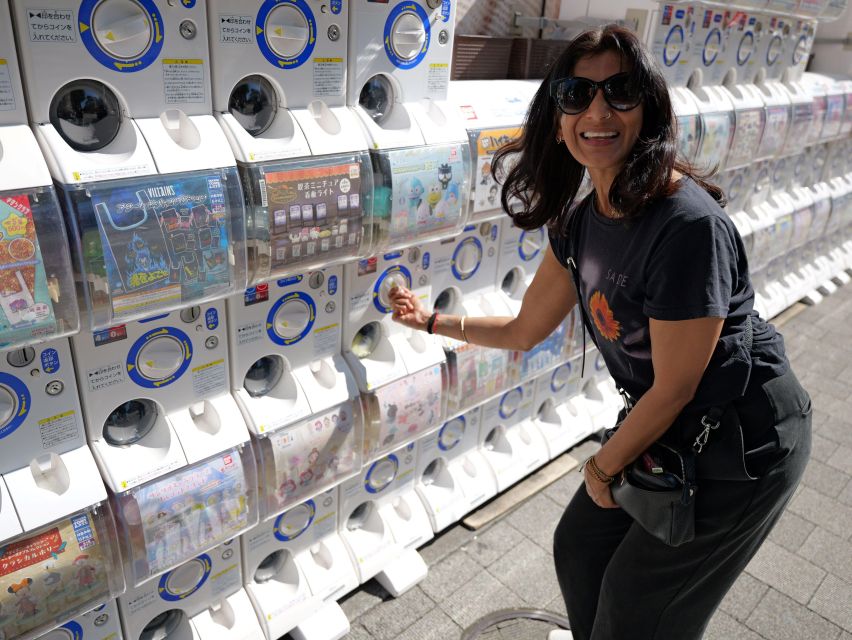
Akihabara and Ginza offer another useful contrast. Akihabara is associated with electronics, games, and popular culture, while Ginza is known for polished shopping streets and a more refined urban feel.
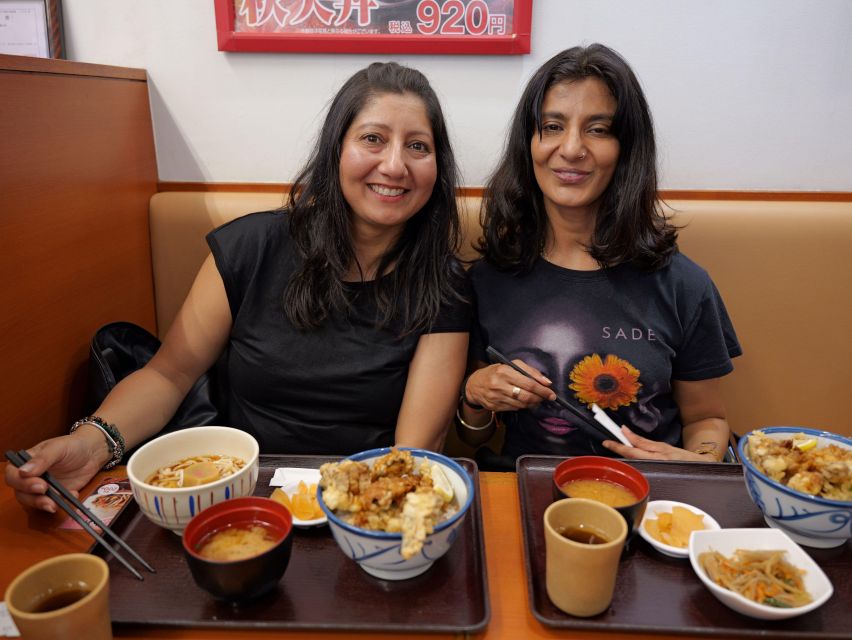
A private route through both can help you compare Tokyo’s different identities without treating the city as one single experience. Sumire has taken visitors through Akihabara and Ginza, along with Meiji Shrine, and helped them manage Welcome Suica cards and a sushi lunch.
These areas are especially suited to you if your interests lean toward shopping, technology, food, or city design. They are less suitable if your main goal is a slow temple-focused day. Make your priorities clear before the tour so the guide does not spend valuable time in districts that do not interest you.
The train connection is part of the experience. Tokyo’s transport system can seem like a puzzle at first, but using it with a guide gives you a practical lesson. You learn not only where to go, but how to move between different parts of the city later.
Professional photos and small personal touches
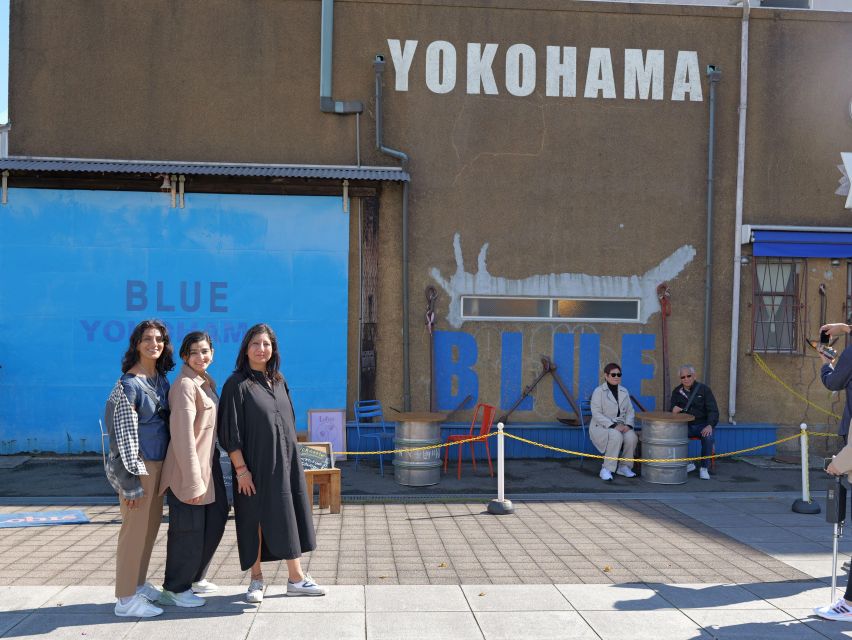
The photo service is not a formal studio session. It is a useful extra built into the walk. Guides may take pictures of your group at suitable points, which is helpful if you are traveling as a family or couple and do not want every image to be a hurried selfie.
Fares has been singled out for taking excellent group photographs, and Nao waited patiently while a visitor took pictures. That suggests a guide who understands that sightseeing is not a race. If photography matters to you, say so during the WhatsApp planning.
The personal touches can also be practical. Fares brought giant stuffed animals for children, helped a family learn the train system, and suggested a sushi lunch. Sami helped arrange a Suica card and included a traditional picnic in a park. These details show how much the experience depends on the individual guide and the information you provide beforehand.
That variation is worth noting. You are booking a style of tour rather than one single person. If you have a strong preference for photography, food, history, family activities, or a slower pace, make that clear when the guide contacts you.
What the guides do best
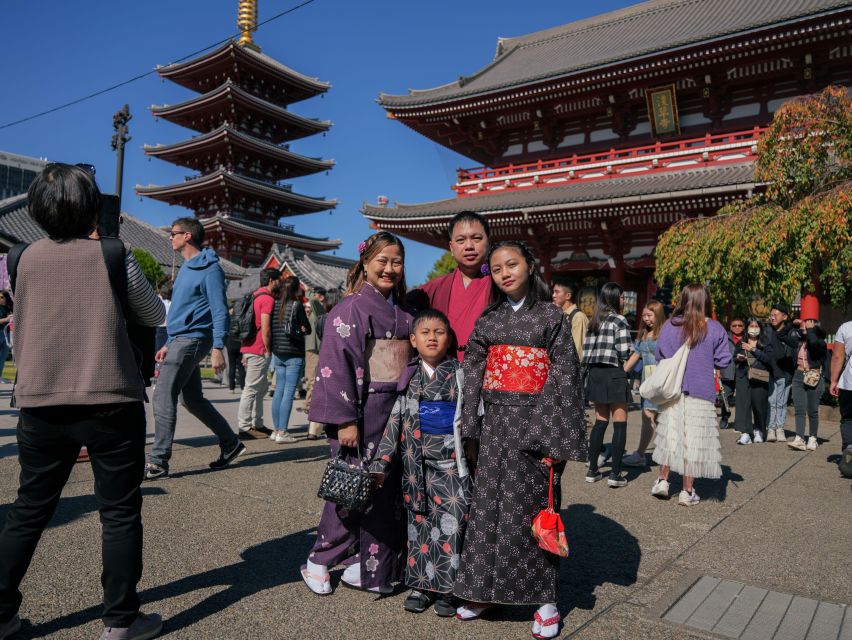
The strongest pattern across the experience is flexibility. Taka adapted a family itinerary to suit the children and the available time. Subaru created a route around specific interests. Daichi communicated in advance, covered a lot without watching the clock, and made sure a visitor returned safely to the hotel.
English ability is another important factor. The tour is offered in English, and several guides are described as speaking excellent English. Satoshi, for example, shared lesser-known stories about Tokyo and Japan, while Nao was praised for clear explanations, professional conduct, and careful attention to walking pace.
The guides also seem particularly useful for families and older visitors. Mihero suggested activities based on children’s ages and helped an inexperienced group gain confidence in Tokyo. Bagus adjusted the day for seniors, although that group still walked about 17.6 kilometers in six hours.
That last detail deserves attention. A guide may be considerate, but a walking tour is still a walking tour. If you have limited stamina, state your needs clearly and ask for a route with fewer long stretches. The experience is not suitable for wheelchair users or people with mobility impairments.
Cost, transport, and what the $56 really buys

At $56 per person, this is a reasonable price for a private English-language guide, especially if two or more people share the experience. The value comes from planning, local explanation, train assistance, and the ability to shape the day around your own interests.
You pay separately for public transport, meals, personal expenses, and entrance fees. Private transportation is not included. That is not a surprise in a walking and public-transport tour, but you should include these costs in your daily budget.
The transport expense is also part of the instruction. Rather than being driven from sight to sight, you learn how Tokyo works. For a first visit, that can be more useful than a private vehicle, especially if you plan to explore on your own afterward.
Hotel pickup is included. The guide meets you in the hotel lobby or at another requested pickup point five minutes before the start. This makes the first morning simple, though you should still allow time to meet the guide and discuss any last-minute changes.
Free cancellation is available up to 24 hours before the tour for a full refund, and you can reserve now and pay later. These policies help if your Tokyo schedule is still shifting.
Who should book this Tokyo walking tour?
I would choose this tour for a first visit, a family that wants help with trains, a couple seeking private photos, or anyone who has a short list of interests but does not know how to connect them efficiently.
It is also a good fit if you want more than facts. The guide can explain local customs, point out cultural details, suggest food, and give advice for the rest of your stay. That practical orientation may be the best part of the experience.
I would be more cautious if you prefer exploring alone, dislike adjusting plans, or want a fixed sightseeing route with guaranteed entry to attractions. Since entrance fees are separate and the itinerary is flexible, this is not a ticket bundle or a formal museum tour.
I would also avoid booking an ambitious full-day route if walking is difficult. Ask for a gentler plan, but remember that the tour is not suitable for wheelchair users or people with mobility impairments.
Should you book it?
Book this Tokyo private custom walking tour if you want to get your bearings quickly, learn the train system, and see the city through a route built around your interests. The best results come when you tell the guide exactly what matters to you and accept that Tokyo cannot be conquered in one day.
For a first morning or first full day, the $56 price offers solid value. You get a private guide, hotel pickup, route planning, cultural explanation, and the chance to see major districts without spending half the day lost in a station. Just budget for transport and food, wear comfortable shoes, and keep your list realistic.
FAQ
How long does the private Tokyo walking tour last?
The tour lasts between two and eight hours. Available starting times depend on the date you select.
Is the itinerary customizable?
Yes. The guide arranges the route around your interests and schedule. You should discuss your preferred sights and pace through WhatsApp before the tour.
Which Tokyo areas can I visit?
Possible areas mentioned include Asakusa, Shibuya, Takeshita Street, Meiji Shrine, Akihabara, and Ginza. The exact route depends on your interests and the time available.
Is transportation included in the price?
No. You pay your own public transportation costs. Private transportation is not included either.
Are meals and entrance fees included?
No. Lunch, personal expenses, and entrance fees are paid separately.
Where does the guide meet me?
The guide meets you in your hotel lobby or at another requested pickup location five minutes before the tour begins.
Just added around Tokyo
- Tokyo: Tsukiji Market Walking Tour & Sushi Cooking Class★ 4.6 · 122 reviews
- Tokyo: Dark Side of Tokyo Shinjuku Red Light Walking Tour★ 4.7 · 862 reviews
- Tokyo: Shinjuku Nightlife & Secret Backstreets Walking Tour★ 4.8 · 229 reviews
- Tokyo: Shinjuku Bar Hopping & Night Walking Tour★ 4.6 · 137 reviews
- Tokyo: Shibuya Highlights Walking Tour★ 4.8 · 601 reviews
- Tokyo: Shibuya Highlights Walking Tour & Secret View Spot★ 4.9 · 196 reviews
- Tokyo: Shibuya Crossing & Hidden Streets Walking Tour★ 4.8 · 128 reviews
- Tokyo: Meiji Shrine Walking Tour — Shinto & Imperial System★ 4.9 · 266 reviews
Private Walking Tours, compared.
Private 3 hrs Venice Tour: St Mark’s, Walking tour & Boat tour
Read our review →
Private Street Food Evening Walking Tour in Ho Chi Minh City
Read our review →
Old Quebec City: Grand Walking Tour with Private Option
Read our review →
Barcelona Helicopter, Sailboat & Old Town Private Walking Tour
Read our review →
Browse the lists this tour appears in