

Review · AUSTRALIA WALKING TOURS
Ultimate Adelaide Walking Tour
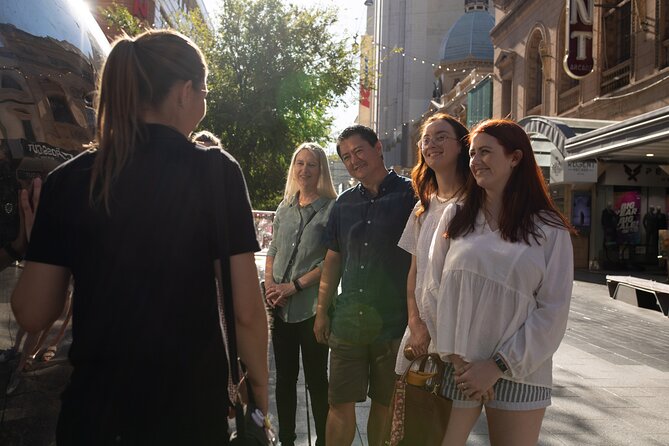
Adelaide reveals itself on foot. This tour links major sights with local stories, from Victoria Square and Rundle Mall to the River Torrens and Central Market. I like the small group of no more than 12 and the way the route mixes architecture, politics, food, Indigenous culture, and odd little facts. I also like the local snack and drink break, which gives the walk a distinctly South Australian flavor.
The main consideration is distance. The route covers about 3 kilometers over roughly two and a half hours, with regular stops and some walking between them. Comfortable shoes matter, and the Central Market is best experienced Tuesday through Saturday, when it is open.
Key points at a glance
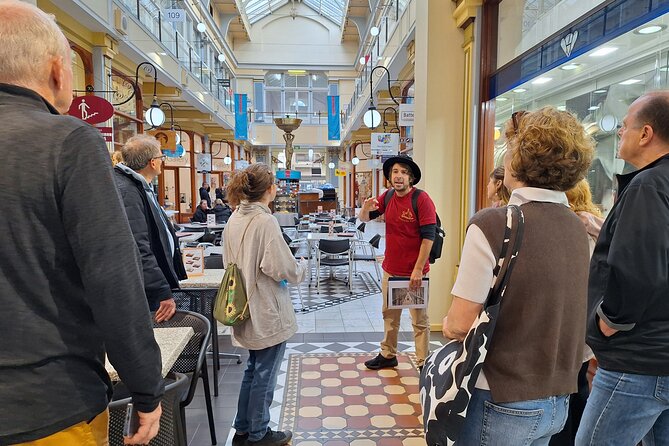
- About 3 kilometers on foot: A useful city orientation, with plenty of pauses and a free tram ride sometimes used to reduce walking.
- A route beyond the postcard sights: You see Rundle Mall, Adelaide Arcade, Parliament House, the River Torrens, and several cultural institutions.
- Local food included: The break can feature South Australian coffee, biscuits, Fruchocs, and other local treats.
- Guides with personality: Dax and Graeme are praised for clear stories, humor, patience, and practical recommendations.
- Morning or afternoon departure: You can fit the tour around flights, sightseeing, or lunch plans.
- A thoughtful social benefit: Five percent of each tour fee goes to local and Indigenous charities.
Why this is a smart first look at Adelaide
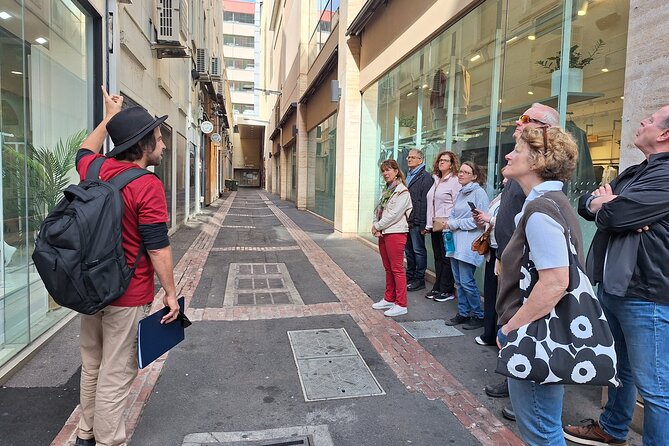
Adelaide can feel easy to understand at first. Its central streets are orderly, the key sights are close together, and the city is friendly to walkers. But that neat surface does not explain the political arguments, social reforms, Indigenous culture, inventions, odd local foods, and colorful characters that shaped South Australia.
This tour is useful because it gives you that background while showing you where everything sits. You begin at 25 Pirie Street and finish near Adelaide Central Market, so you get both a basic map of the center and a list of places worth returning to.
I especially like the balance between formal landmarks and smaller discoveries. You are not simply led past a parliament building while someone recites dates. You hear about the people who shaped Adelaide, the design details inside an arcade, and the local products connected with the city and university.
The guides also seem to adjust the pace and content to the group. Dax is frequently praised for his enthusiasm and entertaining delivery, while Graeme is noted for adapting the route and keeping a comfortable pace for different abilities. That matters on a walking tour. Good guiding is not only about facts. It is about knowing when to pause, when to move on, and when a group needs a lighter story.
A few more walks around Australia worth a look
- Sydney Opera House Official Guided Walking Tour
★ 4.5 · 3,770 reviews - From Sydney: Blue Mountains Tour with Waterfall Walk & Lunch
★ 4.8 · 2,400 reviews - Sydney The Rocks Guided Walking Tour
★ 5.0 · 1,546 reviews
Victoria Square and Beehive Corner set the tone
The opening stop is Victoria Square, also known as Tarntanyangga. You begin with the story of Adelaide and South Australia in a central public space, which is a sensible place to get your bearings before moving into the city streets.
The stop is short, about five minutes, so do not expect a full lecture in the square. Its value is as a starting point. You get the broad context first, then the rest of the walk fills in the details.
At Beehive Corner Building, the focus shifts to people who helped shape modern Adelaide. Constantine Polites and Don Dunstan are among the characters discussed. This is where the tour begins to show its personality. Instead of treating the city as a collection of handsome facades, it connects buildings and public spaces with the people and debates behind them.
That human focus is one of the strongest parts of the experience. You may not remember every date later, but you are more likely to remember a memorable personality or a strange turn in a building’s story.
Rundle Mall mixes city life with public art
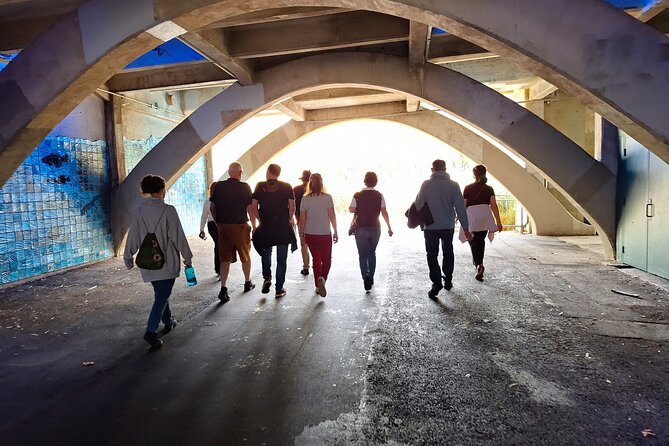
Rundle Mall gives you ten minutes to stroll through Adelaide’s main pedestrian shopping area. The guide points out buildings and artworks along the way, so the stop is less about shopping and more about reading the street.
Look around as you walk. The point is to notice how old and new Adelaide share the same center. The guide’s commentary helps explain details you could easily pass without noticing.
This part also gives the group a change of pace. After the opening history, you are moving through a lively public space rather than standing in one place. If you want time to browse shops or take posed photographs, you should plan to return later. The tour is designed for orientation, not extended shopping.
Adelaide Arcade brings architecture and ghosts
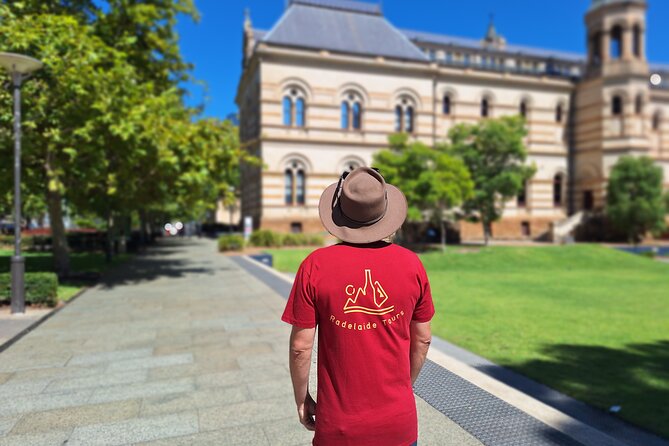
Adelaide Arcade is one of the more appealing stops because it offers a change from open streets. You enter the arcade to look at its architecture, design details, shops, and resident ghosts.
The ghost stories add a little fun without taking over the tour. They provide the sort of local detail that is hard to find in a standard guidebook, especially when paired with the building’s design and commercial history.
You spend around ten minutes here. That is long enough to appreciate the passage and hear the story, but not enough for a slow browse through every shop. If the arcade catches your interest, make a note and come back later.
This is also a good example of why the tour works better than a basic list of landmarks. Adelaide Arcade is not only a passage from one street to another. It becomes a place with character.
Same streets, a different way to see them:
- Ultimate Melbourne Walking Tour: History, Laneways & Culture
★ 5.0 · 1,451 reviews - Sydney: The Rocks 90-Minute History Walking Tour
★ 4.7 · 1,092 reviews - Great Ocean Road Tour Plus Koalas, Forest Walk and Morning Tea
★ 4.5 · 1,068 reviews - Sydney Cricket Ground (SCG) and Museum Walking Tour
★ 4.9 · 616 reviews
Art Gallery and the cultural zone
Near the Art Gallery of South Australia, the guide explains the South Australian businessman whose donations helped fund several important city buildings, including the gallery. This gives you a useful way to understand Adelaide’s grand civic architecture. Wealth, philanthropy, and public ambition all played a part in shaping the city center.
The tour also covers Adelaide’s cultural zone and the city’s record in social reform and women’s rights. The South Australian Museum is part of this wider discussion, including its large collection of Australian Indigenous artifacts.
You should be aware that the tour does not appear to include extended interior visits to the gallery or museum. The focus is on context from outside and on understanding the cultural quarter. If you want to tour the collections, set aside separate time.
That is not a weakness, as long as you know what you are booking. A walking tour can show you how the cultural institutions fit together, then help you decide which one deserves a longer visit.
Adelaide University and the city’s unusual inventions
The University of Adelaide stop is one of the most distinctive parts of the route. The guide connects Adelaide and its university with inventions and local products including WiFi, sunscreen, cask wine, Stobie poles, and the pie floater.
That list gives you a quick lesson in South Australian ingenuity, practicality, and food culture. It also breaks up the formal architecture with stories that are easy to remember.
The mention of Stobie poles is especially useful because you will see them around Adelaide and South Australia. The pie floater, meanwhile, shows how local food traditions can be as revealing as museums and monuments.
You spend about ten minutes here. The stop is not meant to turn you into an expert on the university. It gives you a set of memorable connections that make later sightseeing more interesting.
The River Torrens offers the tour’s best pause
The route then reaches the Karrawirra Parri, also called the River Torrens. You stroll beside the river and take a small picnic break featuring Adelaide food and drink specialties.
This is the tour’s most welcome pause. A walking tour with regular stops is manageable, but a sit-down or relaxed food break gives your feet and attention a rest. The break may include South Australian coffee, biscuits, Fruchocs, and other local treats.
Fruchocs are a particularly useful introduction to the region’s food culture. You may find yourself wanting to buy some later, and the guides can point you toward local ideas for eating and exploring.
The river section also gives you a different view of Adelaide. After streets, arcades, and civic buildings, you get open space and water. The route may also include a look at one of the country’s notably beautiful sporting grounds.
The main limitation is weather. The tour requires good weather, and the food stop is more enjoyable when the conditions are comfortable. Bring practical clothing and shoes rather than treating this as a dress-up outing.
Elder Park and Adelaide’s performing arts story
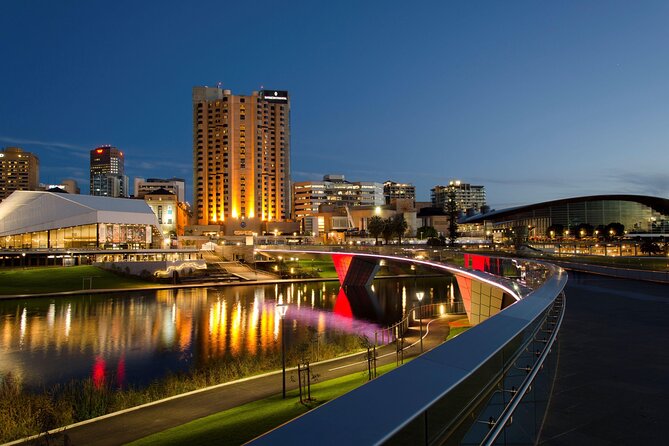
At Elder Park, you have about ten minutes to admire the bandstand and views toward Adelaide’s skyline. It is a short but pleasant stop, especially after the river walk.
The guide also discusses the first multipurpose art center in Australia. This adds a performing arts layer to the cultural story already introduced near the gallery and museum.
Elder Park helps show that Adelaide’s public life is not confined to museums and government buildings. Parks, riverside spaces, music, and performance all form part of the city’s identity.
You will want your camera ready here, but the stop is still mainly about explanation. It is not a long scenic break, so enjoy the view and listen for the context before the route turns back toward the political center.
Parliament House explains a long building story
Parliament House of South Australia is one of the tour’s more substantial stops, with about ten minutes devoted to the story behind the newer building and the older parliament next door.
The interesting point is that the old and new buildings both remain part of the political story. The guide explains the trials and delays involved in creating the newer parliament building and why the older one still stands and remains in use.
This is a good stop for anyone who likes architecture with a little conflict attached. Public buildings often look inevitable once they are finished. The story here reminds you that construction, politics, money, and changing needs can make a civic project anything but simple.
The tour does not promise entry into Parliament House. You should treat this as an exterior stop and an explanation of the surrounding buildings, not as a parliamentary tour.
Finishing near Central Market, with one important tip
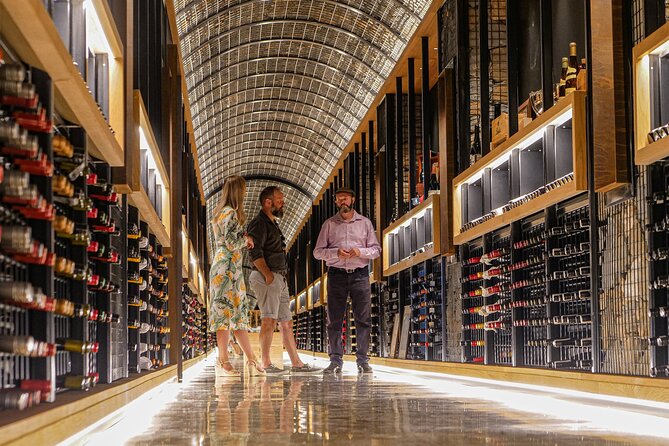
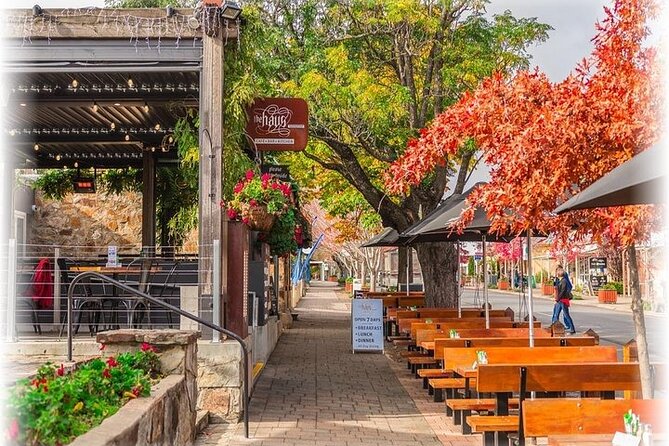
The walk ends near Adelaide Central Market, around Gouger Street, and may finish at a nearby pub or bar. This is a practical ending because you can continue into the market area, find lunch, or use the location to plan the rest of your day.
Here is the key timing tip: Central Market is best visited Tuesday through Saturday, when it is open. If the market is closed on your tour day, you still receive the city orientation, but you will miss the chance to wander through one of Adelaide’s best food destinations immediately afterward.
Finishing near the market also makes the tour easy to use as a first-day activity. You can take the guide’s restaurant and sightseeing suggestions and put them into practice right away.
What the guides add to the experience
Dax and Graeme receive the strongest praise for this experience. Dax is described as warm, enthusiastic, patient, and especially good at bringing Adelaide’s history to life with amusing stories. He also gives practical suggestions about places to eat and things to see after the tour.
Graeme is praised for clear explanations of history and architecture, as well as for adjusting the route and pace to suit the group. One account also notes extra touches such as local treats, a library visit, and a tram ride. The exact details may depend on the day and conditions, so you should see these as possible additions rather than guaranteed inclusions.
The common thread is personal delivery. You are not simply following a guide with a script. The guides appear willing to answer questions, respond to the group, and add local color.
That is important in a small group. With a maximum of 12 people, it is easier to hear the commentary and ask for recommendations than it would be on a large coach tour.
Price, pace, and who gets good value
At €43.92 per person, this is not the cheapest way to walk around Adelaide. You can see several of these places for free on your own. The value comes from the connections: the route, the local stories, the food samples, the guide’s recommendations, and the time saved figuring out the city’s layout.
I think the price is reasonable if you are visiting Adelaide for the first time and want a strong orientation early in your stay. It is less compelling if you already know the city well or prefer to explore silently at your own speed.
The tour lasts about two to three hours, including walking time. The distance is roughly 3 kilometers, or 1.8 miles, with regular stops and possibly a free tram ride to reduce the amount of walking.
You need a basic level of fitness, but this is not a strenuous hike. Wear comfortable shoes. The pace has been praised as manageable for different abilities, though anyone with mobility concerns should remember that this remains a walking tour with outdoor stops.
Service animals are allowed, the route is near public transportation, and most people can take part. The minimum drinking age is 18, relevant if the local drink or finishing stop includes alcohol.
Five percent of each tour fee goes to local and Indigenous charities. That will not decide the booking for everyone, but it gives the price an added social purpose.
My practical advice before you book
Book this near the beginning of your Adelaide stay. The tour gives you a working map of the center and points out places you can revisit at your own speed.
Choose Tuesday through Saturday if Central Market matters to you. Pick the morning option if you want lunch near the market afterward, or the afternoon option if you prefer a slower morning.
Wear comfortable shoes, bring water, and allow room for weather changes. The tour can be canceled in poor weather, with a different date or full refund offered.
You can cancel for a full refund up to 24 hours before the start time. Cancellations and changes inside that 24-hour window are not accepted for a refund, and the tour also depends on a minimum number of bookings.
Should you book the Ultimate Adelaide Walking Tour?
I would book it if you want a friendly, story-filled introduction to Adelaide rather than a simple checklist of buildings. The combination of civic landmarks, Adelaide Arcade, university connections, river views, local snacks, and Central Market access gives you a useful first look at the city.
It suits first-time visitors, couples, solo visitors, and anyone who likes history with a sense of humor. It also suits people who want restaurant and sightseeing advice from a local guide.
Skip it if you dislike walking, want long interior visits at museums, or prefer to set your own route without commentary. Otherwise, the small group, thoughtful pacing, South Australian treats, and guides such as Dax and Graeme make this a practical way to get your Adelaide bearings fast.
FAQ
How long does the Ultimate Adelaide Walking Tour last?
The tour lasts approximately two to three hours, including the walking time between stops.
How far does the tour cover?
The route covers about 3 kilometers, or 1.8 miles, with regular stops. A free tram ride may be used to reduce some walking distance.
What is the maximum group size?
The tour has a maximum of 12 people.
Where does the tour begin?
The meeting point is 25 Pirie Street, Adelaide, South Australia 5000.
Where does the tour finish?
The walk ends near Adelaide Central Market at 44/60 Gouger Street. It may finish at a pub or bar close to the market.
Are food and drinks included?
The tour includes a small picnic or rest break with local Adelaide food and drink specialties. Examples mentioned include South Australian coffee, biscuits, and Fruchocs. The minimum drinking age is 18.
Can I cancel for a full refund?
Yes. You can cancel at least 24 hours before the start time for a full refund. Cancellations or changes made less than 24 hours before the start time are not accepted for a refund.
Just added around Australia
- Welcome to Adelaide Walking Tour★ 5.0 · 119 reviews
- Cultural Caper Adelaide Walking Tour★ 5.0 · 122 reviews
- Melbourne: 3-Hour Foodie Discovery Walking Tour★ 4.9 · 313 reviews
- Sydney: Spirits of the Rock and Dark Past Walking Tour★ 4.0 · 144 reviews
- Sydney: City & The Rocks 3.5-Hour Walking Tour with a Drink★ 4.9 · 234 reviews
- Sydney Cricket Ground (SCG) and Museum Walking Tour★ 4.9 · 616 reviews
- Sydney Convicts, History & The Rocks 2.5-Hour Walking Tour★ 4.9 · 181 reviews
- Best of Uluru – Segway and Walking Tour★ 4.8 · 204 reviews
Australia Walking Tours, compared.
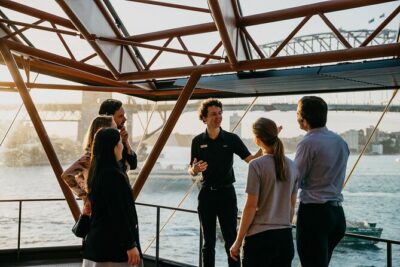
Sydney Opera House Official Guided Walking Tour
Read our review →
Blue Mountains Tour with Waterfall Walk & Lunch
Read our review →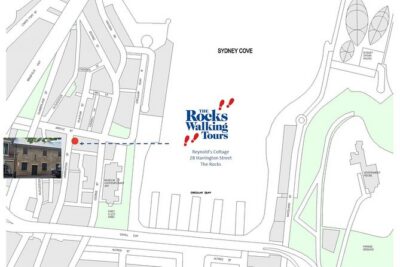
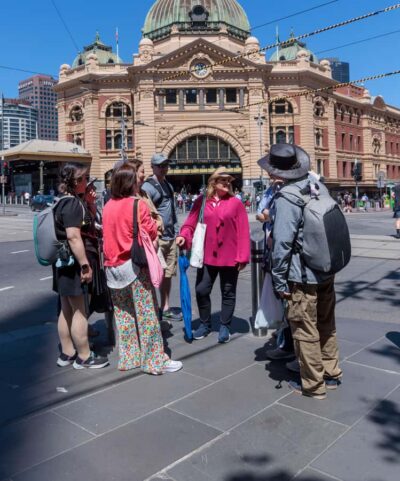
Ultimate Melbourne Walking Tour: History, Laneways & Culture
Read our review →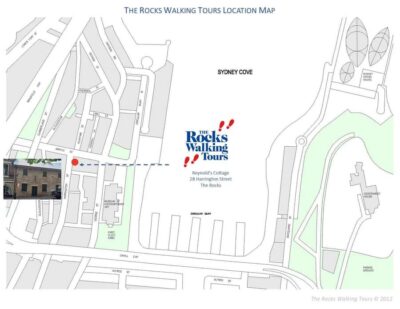

Great Ocean Road Tour Plus Koalas, Forest Walk and Morning Tea
Read our review →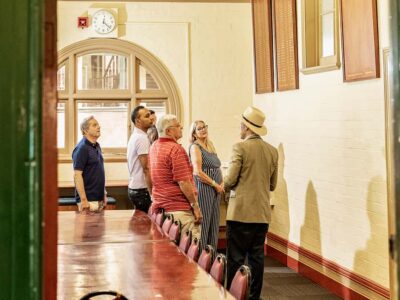
Sydney Cricket Ground (SCG) and Museum Walking Tour
Read our review →
Great Ocean Road 12 Apostles & Rainforest Walk with Morning Tea
Read our review →Browse the lists this tour appears in