
Review · CULTURAL WALKING TOURS
Amsterdam: Cultural Highlights in English/German/Italian
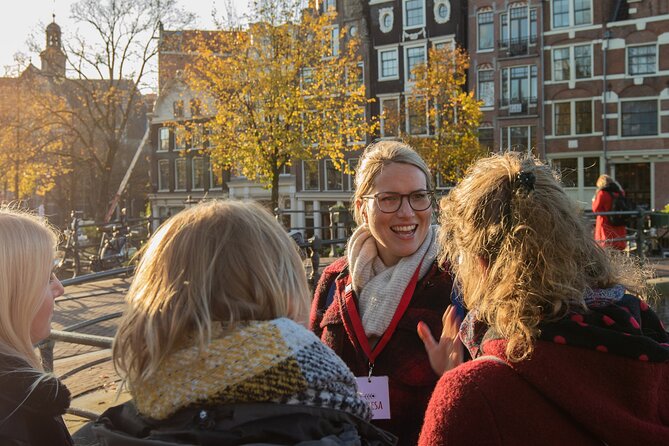
Amsterdam reveals itself best on foot. This two-hour cultural walk links major sights with stories about trade, religion, colonialism, Jewish life, and LGBTQ+ rights. I like the compact route and the small-group limit of 15 people, which should make it easier to hear the guide and ask questions.
I also like that the walk gives you useful advice for the rest of your stay, from food suggestions to shopping around the Nine Streets. The main drawback is that the tour moves quickly through 11 stops, and it does not include the Anne Frank House or the Red Light District itself.
Key points at a glance
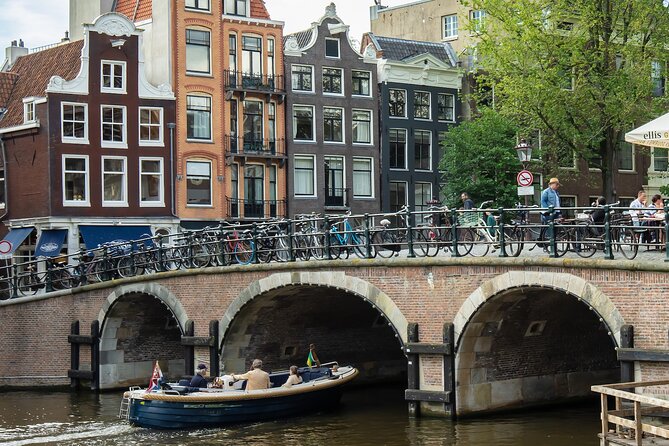
- A 3 to 4 kilometer route: You walk from the National Monument through Dam Square, the Jordaan, the Nine Streets, and Spui.
- Several languages are advertised: The experience is offered in English, German, or Italian, though the booking details also identify German as the tour language, so confirm your choice before paying.
- History beyond postcard sights: The guide covers Amsterdam’s Golden Age, colonial past, Reformation, Jewish community, and LGBTQ+ history.
- A small group of no more than 15: That is a sensible size for narrow streets and a walking tour built around questions.
- No admission fees during the walk: Every stop is free to visit from the outside, keeping the $33.88 price focused on guiding rather than tickets.
- Strong guide feedback: Deborah, Josh, Justin, Stephanie, Marina, Justus, and Noeme are praised for clear explanations, humor, patience, and practical city tips.
Why this two-hour walk works well for a first day

Amsterdam can feel confusing at first. Canals bend your sense of direction, several landmarks look close on the map but take time to reach, and the city’s history is spread across ordinary-looking streets. This route gives you a framework before you set off on your own.
The tour begins at the National Monument on Dam Square and ends back at the same meeting point. That makes it easy to pair with other plans, and you will not need to arrange a taxi or find your way to a distant finish.
I see the main value here in the guide’s interpretation. You are not simply walking past a church, palace, or statue. You are hearing how each place connects to Amsterdam’s growth, its conflicts, and its modern identity.
The small group matters, too. With a maximum of 15 people, you should have a better chance of hearing the guide than on a large coach-style walk. One particularly useful feature is the pace. Justin was praised for walking at the speed of the slowest person, a good sign for anyone who dislikes being rushed through city streets.
The advertised price is $33.88 per person. Since the route lasts about two hours and includes no paid admissions, you are paying mainly for the guide’s time, local context, and recommendations. That is fair if you want an organized introduction. It is less compelling if you are happy to use a guidebook and explore these central sights independently.
More City Highlights Walking Tours in the Netherlands
- Amsterdam: Cultural Highlights Walking Tour
★ 4.9 · 2,629 reviews - Amsterdam Highlights Walking Tour: Small Group Experience
★ 5.0 · 1,132 reviews - Amsterdam: Highlights & History Walking Tour
★ 4.8 · 266 reviews
National Monument and Dam Square: Amsterdam’s starting point
The National Monument is the meeting point, and the opening stop takes about five minutes. This is a practical beginning because Dam Square is one of the easiest places in central Amsterdam to locate.
From there, the group spends about 15 minutes learning how Amsterdam began, how the city developed, and how the old town hall became the Royal Palace. The square can be busy, so listen for the guide’s meeting instructions and arrive with enough time to find the monument.
This part should suit first-time visitors especially well. It gives you the basic story of Amsterdam before the tour moves into more specific subjects. You will also start to see that the city’s most famous buildings are not isolated attractions. They are part of a long sequence of commerce, government, religion, and public life.
Beurs van Berlage and the Golden Age
The walk continues to the Beurs van Berlage, where you spend about 15 minutes learning how Amsterdam became one of the world’s wealthiest cities during its Golden Era.
This is one of the strongest historical stops because it connects Amsterdam’s handsome center with money and trade. The point is not just that the city became wealthy. You get a chance to consider how commerce shaped its streets, institutions, and public buildings.
A good guide can make this stop especially useful by linking broad events to the buildings around you. Josh, for example, was praised for sharing historical details and memorable anecdotes, while Justus received high marks for giving exact, thorough explanations. Those comments suggest that this tour is at its best when you enjoy context rather than a quick list of dates.
Nieuwe Kerk and Magna Plaza: religion beside commerce
The Nieuwe Kerk receives about five minutes. The guide explains its place in Amsterdam’s development and why the church mattered to the city.
The brief timing means you should expect an introduction rather than a long architectural examination. That is not necessarily a weakness. This tour covers a wide range of subjects, so each stop gives you a piece of the city’s story before the group moves on.
Nearby, Magna Plaza takes another five minutes. The former post office is used to explain the importance of the building and its place in the city. For me, this is the kind of stop that makes a walking tour worthwhile. A building that you might otherwise pass becomes part of Amsterdam’s civic and commercial story.
More Cultural Walking Tours in Amsterdam:
- Anne Frank Walking Tour Amsterdam Including Jewish Cultural Quarter
★ 5.0 · 1,879 reviews - Amsterdam: Food and Culture Walking Tour with Tastings
★ 4.9 · 838 reviews - Humans of Amsterdam: Cultural Walking Tour incl. meeting 2 locals
★ 5.0 · 320 reviews - Savannah First Squares Culinary & Cultural Walking Food Tour
★ 5.0 · 3,229 reviews
Multatuli and Amsterdam’s colonial past
At the Statue of Multatuli, the guide spends about 10 minutes discussing Amsterdam’s colonial era and its connection to one of the Netherlands’ most important books.
This is a valuable inclusion because it keeps the tour from presenting Amsterdam as only a pretty canal city or a center of trade. The stop asks you to look at the costs and consequences behind that wealth.
The subject may also give you a more useful way to understand later visits to museums or historic buildings. If you want a tour that avoids difficult parts of the past, this is not the right choice. If you prefer a city introduction that includes uncomfortable subjects, this stop adds needed balance.
Westerkerk and the Jordaan

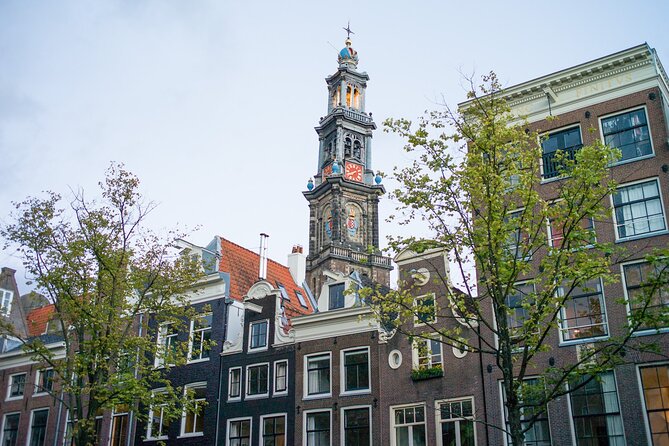
The route then reaches Westerkerk, described as Amsterdam’s largest church. The guide spends about 10 minutes discussing the church and its connection to the Jordaan area.
This is a good point in the walk to connect architecture with neighborhood life. The Jordaan is not presented as a separate photo stop. Instead, you learn how the church relates to the area around it and why this part of central Amsterdam matters.
The walk is roughly 3 to 4 kilometers overall, so comfortable shoes are important. You should also bring water and a hat in hot weather. The route is not a strenuous hike, but standing, crossing streets, and walking on city pavement for two hours can be tiring.
Anne Frank statue and Jewish Amsterdam
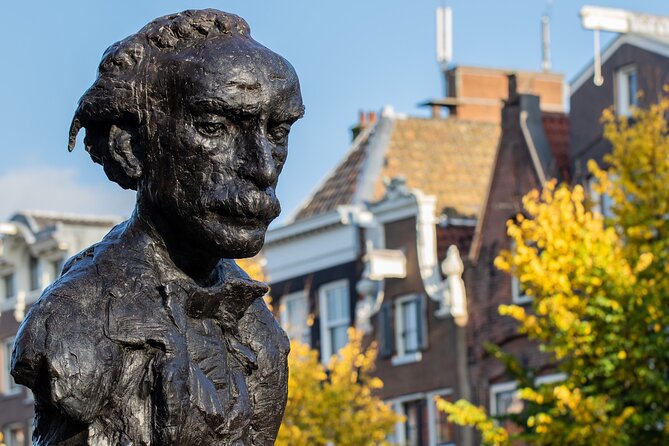
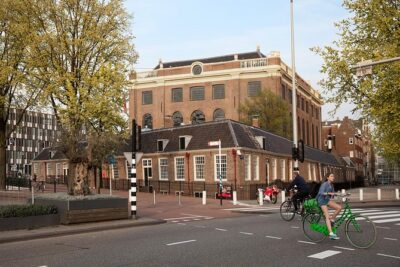
The Anne Frank statue is another 10-minute stop. Here, the guide discusses Amsterdam’s Jewish history and how Anne Frank and her family experienced their time in the city.
Set your expectations correctly. This is a stop at the statue, not a tour of the Anne Frank House. No admission tickets are included, and the itinerary does not promise entry to the house. One experience was especially disappointing because an expected Anne Frank House visit did not happen without a replacement or refund, so I would confirm exactly what your booking includes before you go.
Even without entry, this stop can help place Anne Frank within the wider story of Amsterdam’s Jewish community. It is best viewed as historical orientation, not as a substitute for a museum visit or a reserved Anne Frank House ticket.
The Gay Monument and Amsterdam’s LGBTQ+ story
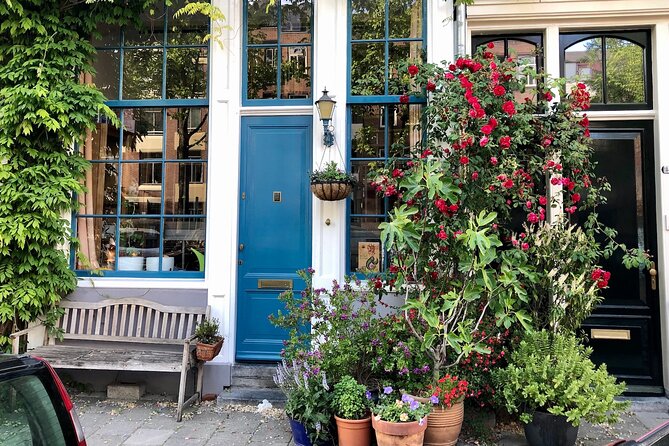
The Gay Monument receives about 10 minutes. The guide introduces the history of Amsterdam’s LGBTQ+ scene and adds another part of the city’s modern identity to the route.
This subject sits naturally alongside the tour’s wider approach. Amsterdam is presented not only through palaces, churches, and trade, but also through social change and the groups that shaped the city.
The stop may be especially useful if you want more than the usual Old Town highlights. It also shows why a guide can add value to a simple walking route. A monument’s meaning is not always obvious from its design, and a short explanation can give you a better reason to return later.
Nine Streets: shopping advice after the tour
At the Nine Streets, or Negen Straatjes, the group spends about five minutes. The guide gives shopping tips for exploring the area after the walk.
Five minutes is not enough for a full shopping visit, and that is not the purpose here. Think of it as a briefing. You learn where to return when you have more time and receive suggestions that may help you avoid wandering without a plan.
The route’s practical advice is one of its strongest features. Stephanie was praised for explaining local customs and giving useful recommendations, while Noeme was noted for pointing out details of the city and offering food tips. If you like to collect ideas for later rather than rush through shops during the tour, this stop should work well.
Spui, Begijnhof, and the hidden church
The final stop is Spui, where the group spends about 15 minutes. The guide visits the historic Begijnhof, explains the Reformation in Amsterdam, and points out the concealed church inside.
This is a fitting finish because it brings several of the tour’s themes together. You see how religious change affected the city, how communities adapted, and how important places can sit quietly behind ordinary entrances.
The longer timing gives the guide room to answer questions and offer suggestions for places to explore afterward. The final stop also leaves you near central attractions, shops, and restaurants, though the activity itself ends back at the National Monument according to the meeting details.
What the guides add to the experience
The strongest praise centers on the guides, not on any single monument. Deborah was described as friendly and clear, with careful explanations at each stop. Josh was praised for historical detail and anecdotes, while Justin took care with the group’s walking speed.
German-speaking guides also received warm feedback. Marina was described as cheerful and engaging, and she shared useful food advice. Justus was credited with detailed historical explanations and a sympathetic manner. Noeme was praised for explaining Amsterdam’s history and economy, pointing out small city details, and giving practical recommendations.
Those comments suggest a tour that depends heavily on the individual guide. That is normal for a walking experience. The route is fixed, but the quality comes from how well the guide handles questions, adjusts the pace, and makes connections between stops.
The listing says English, German, and Italian are available, while another detail identifies the tour as German. Because the language information is not perfectly consistent, check the selected departure and language at booking. This matters more than usual on a history walk, where missing a few explanations can change the whole experience.
Group size, comfort, and practical limits
The group can include up to 15 people. That is small enough for a more personal feel, but it is not a private tour. You may still need to stay close to the guide in crowded areas and listen carefully near traffic.
The walk is suitable for children, and most people can participate. Dogs are also not automatically a problem, since bringing a dog was specifically described as acceptable in one experience. Still, the information does not promise that every departure will handle pets in exactly the same way, so ask ahead if this is important to you.
The tour is near public transportation and includes no admission fees. All listed sights can be visited for free, at least as part of the outdoor walk. You do not need to budget for tickets during the two hours, but you will want separate plans if you hope to enter museums, churches, or the Anne Frank House afterward.
The Red Light District is not included. The route only passes its southern side, and the coffee shop is not visited. That makes this a cultural and historical walk, not a tour of Amsterdam’s nightlife or cannabis scene.
Free cancellation is available up to 24 hours before the start time. A cancellation within 24 hours is not refunded, and poor weather can lead to a new date or a full refund. Since this is an outdoor activity, check the forecast and wear shoes suited to steady city walking.
Is Amsterdam Cultural Highlights worth $33.88?
I think the price is reasonable for a first introduction, especially if you value a live guide and want advice for the rest of your trip. You cover many central subjects in two hours, with no extra entrance fees and a group capped at 15.
The value drops if you want long visits inside buildings. This is an outdoor orientation walk, not a series of museum admissions. You will see the Nieuwe Kerk, Westerkerk, Magna Plaza, and other landmarks, but the tour does not provide extended interior time.
I would also treat the route as a beginning rather than a complete study of Amsterdam. Its strength is range: trade, religion, colonial history, Jewish life, LGBTQ+ history, shopping, and food tips. Its limit is time. Eleven stops in two hours means each subject receives a focused introduction.
Should you book this Amsterdam walking tour?
Book it if you are visiting Amsterdam for the first time, want a sensible central route, and enjoy history explained in plain language. It is also a good choice for families, solo visitors who want an easy orientation, and anyone who likes to ask questions and collect local tips.
Skip it if your main goal is the Anne Frank House, the Red Light District, coffee shops, or long indoor visits. This experience will not replace those plans.
For the best value, schedule it near the beginning of your stay. Bring water, wear comfortable shoes, arrive at the National Monument on time, and confirm your preferred language. If you want a lively overview with serious subjects and practical follow-up advice, this is a well-priced way to get your bearings.
FAQ
How long does the Amsterdam Cultural Highlights tour last?
The walking tour lasts approximately two hours.
What is the price per person?
The listed price is $33.88 per person.
Where does the tour start?
It starts at the National Monument on Dam Square, at Dam, 1012 JS Amsterdam, Netherlands.
Where does the tour end?
The activity ends back at the meeting point at the National Monument.
What languages are available?
The experience is described as being offered in English, German, or Italian. Another booking detail identifies the tour as German, so confirm the language when booking.
How far do you walk?
The route covers about 3 to 4 kilometers.
Is the tour suitable for children?
Yes. The tour is listed as suitable for children.
Does the tour enter the Anne Frank House?
No. The route stops at the Anne Frank statue and discusses Anne Frank and Amsterdam’s Jewish history. Admission to the Anne Frank House is not included.
Does the tour visit the Red Light District or a coffee shop?
No. The Red Light District is only passed on its southern side, and the coffee shop is not visited.
Can I cancel for a full refund?
Yes, if you cancel at least 24 hours before the experience starts. Cancellations within 24 hours are not refunded. If bad weather causes the tour to be canceled, you will be offered another date or a full refund.
More City Highlights Walking Tours in Amsterdam
- Amsterdam Highlights Small-Group Walking Tour
★ 4.5 · 227 reviews - Historic Charleston Guided Sightseeing Walking Tour
★ 5.0 · 6,216 reviews - Dublin Highlights and Hidden Gems Guided Walking Tour
★ 5.0 · 6,020 reviews - Vienna: Guided Walking Tour of City Center Highlights
★ 4.7 · 4,989 reviews
Just added around Amsterdam
- Small Group Walking Tour in Amsterdam with Friendly and Fun Guide★ 5.0 · 281 reviews
- Amsterdam: Private Introduction Walking Tour (TOP RATED)★ 5.0 · 223 reviews
- Humans of Amsterdam: Cultural Walking Tour incl. meeting 2 locals★ 5.0 · 320 reviews
- Private Tour: Amsterdam City Walking Tour and Canal Cruise★ 4.5 · 142 reviews
- Anne Frank and Jewish Quarter Amsterdam Private Walking Tour★ 5.0 · 684 reviews
- Amsterdam Private Historical Walking Tour★ 5.0 · 75 reviews
- Small Group Walking Tour – Hello Amsterdam★ 5.0 · 505 reviews
- Amsterdam: Anne Frank and World War II Walking Tour (TOP RATED)★ 4.5 · 72 reviews
Cultural Walking Tours, compared.

Savannah First Squares Culinary & Cultural Walking Food Tour
Read our review →
Tokyo Tsukiji Fish Market Food and Culture Walking Tour
Read our review →
New Orleans French Quarter, Voodoo and Culture Walking Tour
Read our review →
Anne Frank Walking Tour Amsterdam Including Jewish Cultural Quarter
Read our review →
Southernmost Food & Cultural Walking Tour by Key West Food Tours
Read our review →
Ultimate Melbourne Walking Tour: History, Laneways & Culture
Read our review →
Browse the lists this tour appears in