

Review · USA WALKING TOURS
Chicago: Must See Chicago 90 minute Walking Tour
Chicago’s buildings tell the city’s story. This 90-minute walk is a smart introduction to downtown architecture, linking the Loop, Chicago River, and Millennium Park while explaining why Chicago changed the way cities build upward. I especially like the Chicago Architecture Center-trained guides, who bring both facts and stories, and the included CAC admission, normally $15. The main drawback is simple: this is an architecture-focused tour, not a broad sightseeing tour, and you will not go inside the featured buildings.
You will see an unusually wide range of styles in a short time, from Beaux Arts and Art Deco to Modernist and Post-Modernist towers. I also like the practical pace. The walk covers plenty of ground without feeling rushed, though comfortable shoes are essential and the tour runs rain or shine.
Key Points Before You Book

- Three downtown anchors: The route connects the Chicago Loop, the Chicago River, and Millennium Park.
- Architecture from many eras: You will see classical revival landmarks, Art Deco treasures, modern skyscrapers, and newer towers.
- CAC-trained guides: Guides such as Claudia, Paige, Howard, Lori, and Anna have been praised for clear explanations and personal stories.
- A useful indoor bonus: Your ticket includes Chicago Architecture Center exhibits for up to seven days after the tour.
- No building interiors: Current tour rules keep the experience outside, so expect exterior architecture and street-level interpretation.
- Good value for first-time visitors: The $35 listed price includes the walk, a certified guide, and CAC admission normally priced at $15.
Starting at the Chicago Architecture Center
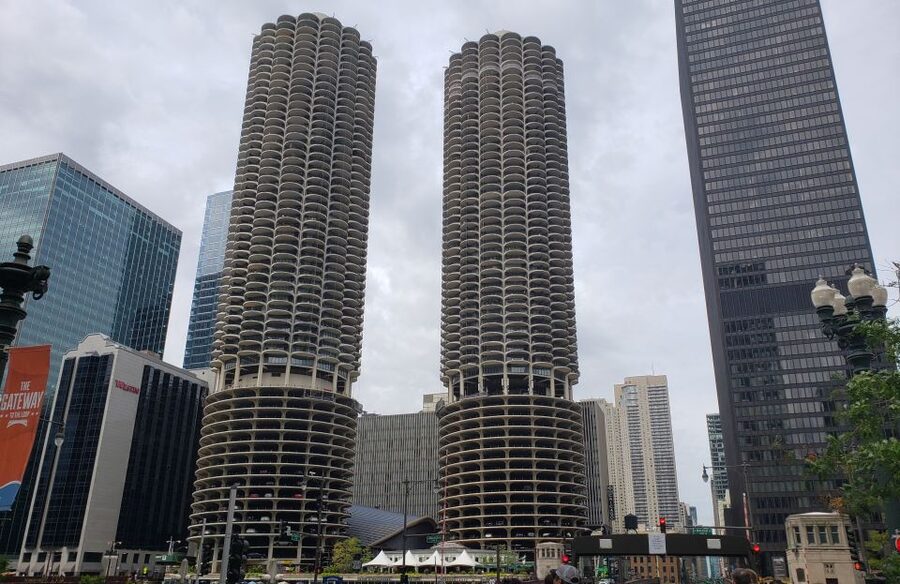
Your tour begins at the Chicago Architecture Center, where you should arrive 15 minutes before departure and show your ticket at the box office. This starting point makes sense. The center provides a quick introduction to Chicago’s built environment before you head outside to see the city at full scale.
The center’s exhibits are included with your ticket and can be visited within seven days of the walk. That flexibility matters. You do not need to squeeze the displays into the same 90 minutes, and you can return when the weather is poor or when you want a slower look.
The centerpiece is a large scale model of Chicago with more than 4,250 miniature buildings. A cinematic backdrop brings key moments in the city’s development to life. You will also find displays about neighborhoods, housing types, major architects, and future projects.
I recommend visiting the center either before the walk, if you like context first, or afterward, if you want to recognize buildings you have just seen. The exhibit area is not huge, but it adds useful background and makes the ticket feel more worthwhile.
A few more walks around Chicago worth a look
- Chicago: Gangsters and Ghosts Walking Tour
★ 5.0 · 7,155 reviews - Chicago Favorites Ultimate Food and Walking Tour
★ 5.0 · 1,962 reviews - Chicago: Gangsters and Ghosts Guided Walking Tour
★ 4.7 · 1,697 reviews
The Chicago Loop: A Crash Course in City Building
The Loop is the historic heart of downtown, and it gives the tour its strongest concentration of landmark architecture. You will learn how different generations of architects used stone, steel, glass, ornament, and new construction methods to shape the city.
The route includes buildings associated with several major styles. That variety is one of the walk’s best features. Instead of seeing a row of similar towers, you can compare the decorative detail of older buildings with the clean lines of later skyscrapers.
The tour’s guide is important here. A street full of tall buildings can blur into a wall of windows if nobody explains what you are seeing. The guide helps separate one design period from another and connects architectural choices to Chicago’s growth.
You may hear stories about changes in downtown and the way buildings and neighborhoods continue to develop. Howard, one of the guides praised for his preparation and storytelling, was especially good at linking past changes with the city’s ongoing transformation. That kind of explanation gives the walk more meaning than a simple list of building names.
Wrigley Building and Tribune Tower: Classical Style in the Modern City
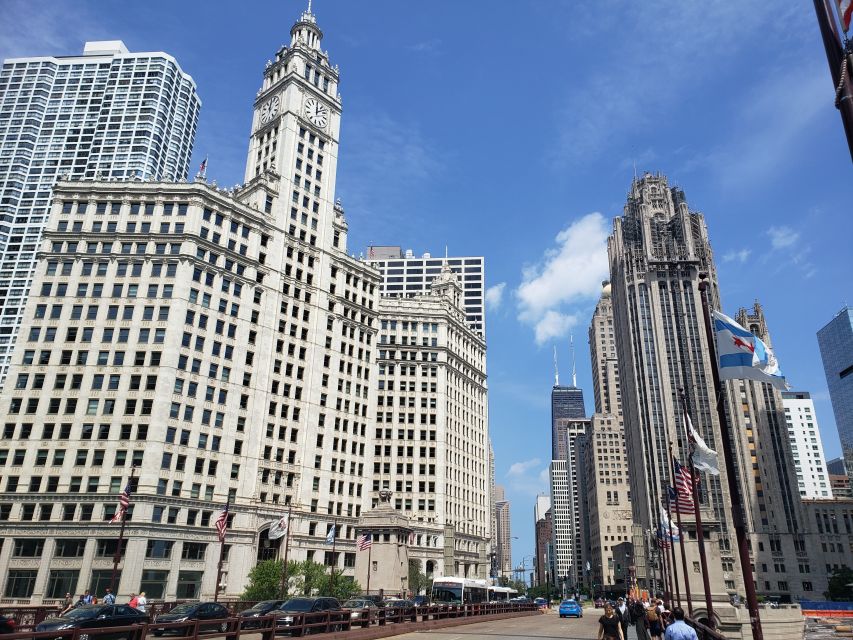
The Wrigley Building and Tribune Building show how Chicago’s older landmarks used classical ideas to project importance. Their decorative treatment offers a sharp contrast with the glass towers nearby.
These buildings are useful teaching stops because you can look at them as more than attractive façades. The guide explains how classical forms, ornament, and careful proportions helped companies present themselves as established and powerful.
You will not enter either building on this tour. That limitation is worth knowing before booking. The reward comes from seeing the façades in their downtown setting, where their older styles are framed by newer towers.
This part of the route also creates good photo opportunities. Bring a camera, but do not spend the entire stop looking through it. The best details are often above eye level, and the guide’s explanation helps you notice what you might otherwise walk past.
The Chicago Theatre and the Art Institute of Chicago
The Chicago Theatre and the Art Institute of Chicago add cultural landmarks to the architectural story. They help show that the tour is not limited to office towers. You will also see buildings designed for entertainment, art, and public life.
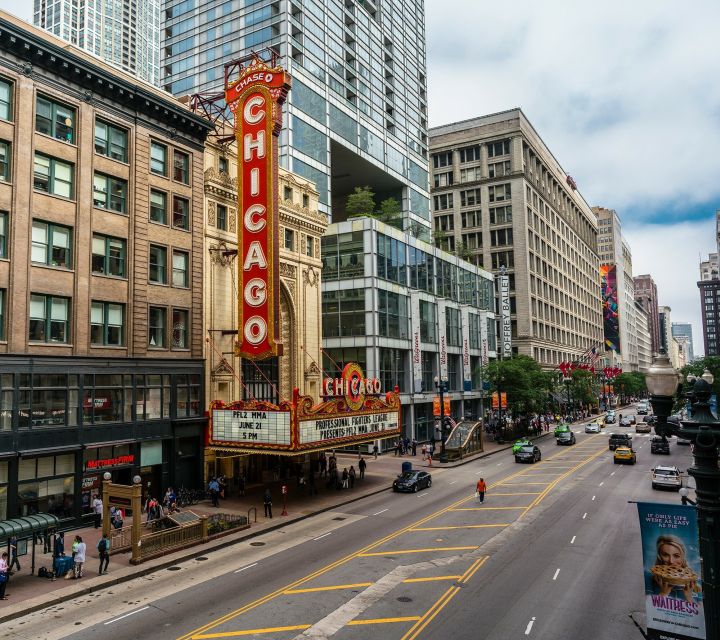
The Chicago Theatre is especially useful for understanding how decorative architecture can create a sense of occasion. Its exterior gives you a strong contrast with the more restrained forms of Modernist buildings.
The Art Institute adds another classical reference point. Its grand exterior helps explain how civic and cultural buildings were designed to communicate permanence. The guide places these structures within the larger development of downtown rather than treating each one as an isolated photo stop.
One visitor described the tour as a strong mix of architecture, art, and Chicago history. That is a fair way to think about this section. You are not taking an art museum tour, but the route helps you see how buildings shape the city’s cultural identity.
Same streets, a different way to see them:
- Chicago Loop District Food Tour with Deep Dish & Beef Sandwich
★ 5.0 · 870 reviews - Chicago: Secret Interiors Architecture Walking Tour
★ 4.9 · 498 reviews - Chicago: Underground Pedway & Downtown Secrets Walking Tour
★ 4.7 · 268 reviews - Chicago: Gangsters and Food Tasting Walking Tour
★ 4.6 · 228 reviews
Art Deco Icons: Carbide & Carbon and the Board of Trade

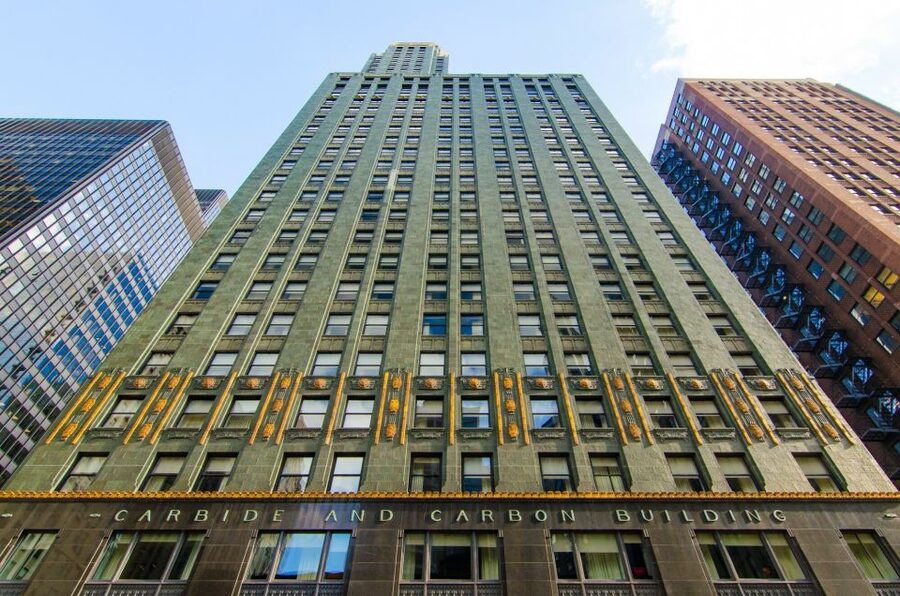
The Carbide & Carbon Building and Chicago Board of Trade Building represent Art Deco, one of the most visually appealing styles on the route. Their strong geometry and decorative surfaces make them easy to appreciate even if you know little about architectural terms.
The guide gives you a way to read the details rather than simply admire them. You will learn how materials and ornament work together, and how these buildings differ from the classical landmarks nearby.
The Board of Trade Building also helps show how commerce shaped Chicago’s identity. The Loop was not just a collection of offices. It was built around trade, business, transportation, and the constant movement of people and goods.
This is one of the best sections for photography. Still, the pace is designed to keep the group moving through a busy downtown route. If you want long periods to compose photos, you may need to return later on your own.
The Chicago River: The City’s Working Lifeline

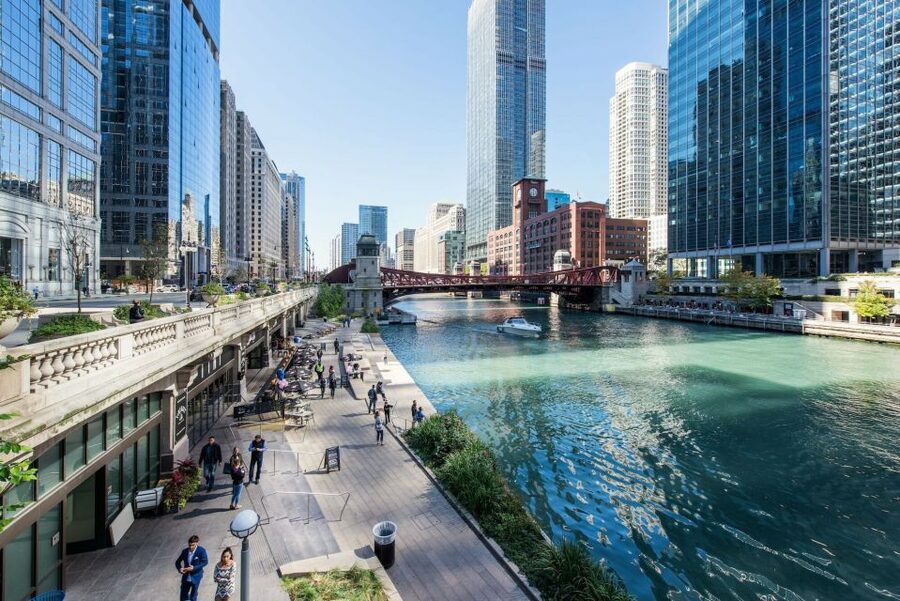
The route includes the Chicago River, described as the lifeblood of the city. This stop shifts your attention from individual façades to the role of infrastructure and water in Chicago’s growth.
From the river, you get a different view of downtown buildings. Towers are easier to compare when you can step back and see their full height, shape, and relationship to one another. The river also gives the walk a change of rhythm after several dense Loop stops.
Your guide connects the river to the city’s development and explains why this corridor matters. The tour does not replace a dedicated architecture river cruise, but it gives you a street-level introduction without requiring a separate boat ticket.
If you are considering the walking tour as a quick first look at Chicago, this river section helps you get your bearings. You see how the central business district fits together instead of viewing landmarks as unrelated stops.
Modernist Towers: Willis Tower, John Hancock Center, and AON
The tour covers three famous Modernist skyscrapers: Willis Tower, the John Hancock Center, and the AON Building. Each gives you a chance to consider how Chicago’s vertical architecture changed as engineering methods and materials developed.
You will see these towers from the outside and learn how their forms respond to structure, height, and function. The guide’s job is not simply to point upward. A good explanation helps you understand why one tower looks different from another and what its design says about its period.
Willis Tower is among the city’s most recognizable buildings, while the John Hancock Center provides another major example of Chicago’s approach to tall construction. The AON Building adds a separate visual note to the skyline.
This section is especially useful if you want more than postcard views. The walk gives you vocabulary for noticing structure and design, even if you have never studied architecture. Guides such as Paige and Claudia received especially strong praise for making the subject clear and engaging.
Millennium Park and the Bean
The final major focus is Millennium Park, home of the famous Bean sculpture. The park gives the tour a more open setting after the narrow streets and tall walls of the Loop.
Here, architecture becomes part of public space. You can look at how buildings, plazas, art, and pedestrian areas work together. The Bean also provides one of the route’s most obvious photo stops, although the tour’s focus remains wider than the sculpture itself.
Millennium Park is a good place to finish because it connects Chicago’s older architectural traditions with newer public projects. Nearby buildings, including modern towers such as Aqua and Trump Tower, help extend the story into the present.
A guide may add extra details or bonus sights depending on the route and group. Lori, for example, was praised for adding features beyond the expected stops and for making the city feel understandable rather than merely impressive.
Aqua and Trump Tower: Chicago Keeps Building
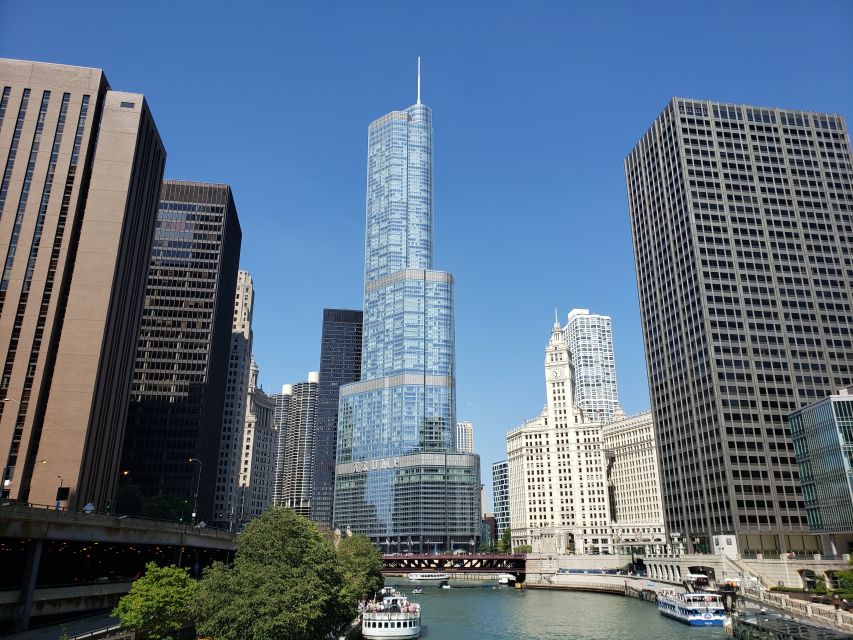
Aqua and Trump Tower represent more recent additions to the downtown skyline. Their inclusion prevents the tour from becoming a walk through old Chicago alone.
These buildings show how contemporary skyscrapers can take different approaches to shape, materials, and the surrounding public realm. You will compare their newer forms with the classical and Art Deco structures seen earlier.
This chronological spread is one of the walk’s strongest teaching tools. In 90 minutes, you move through several chapters of Chicago architecture rather than focusing on a single period.
The tradeoff is that each building receives only a limited amount of time. If you already have a serious interest in one architect or style, you will probably want a longer specialist tour or a return visit to the CAC exhibits.
Guide Quality and Group Experience
The guide can make or break a walking tour, and this experience puts unusual emphasis on guide training. Guides are trained by the Chicago Architecture Center to combine storytelling with instruction.
That balance is reflected in the strongest feedback. Claudia was praised for being accommodating and for covering a great deal of material without rushing. Anna led a particularly personal experience for a small group and created a good blend of architecture, art, and Chicago history. Paige received a simple 10 out of 10, while Howard was praised for arriving prepared and explaining how the city continues to change.
Group size can vary. One outing had only one participant, while another was praised for its ideal group size. You should not assume every departure will be private or tiny, but the guide’s training gives the tour a solid foundation even when the group is larger.
The overall rating is 4.7 from 73 reviews, with repeated praise for the guides, educational value, and sensible pace. The clearest criticism is that the description should make the architecture-only focus even more obvious. That is fair advice. Book this for buildings, design, and city development, not for a broad tour of food, neighborhoods, or interiors.
Is $35 a Good Value?
The listed price is $35 per group of up to one person, and it includes a 90-minute walking tour, a certified guide, and admission to the CAC exhibits, normally $15. The value is strongest if you plan to visit the center as well as take the walk.
You are paying for interpretation, not just access to streets. Chicago’s downtown architecture is free to see, but understanding what you are looking at is the useful part. A trained guide can point out details, explain construction methods, and connect buildings to the city’s development.
The ticket also supports the Chicago Architecture Center’s education and community programs, including Girls Build!, Teen Fellows, the Newhouse Architecture + Design Competition, and free programs such as Open House Chicago. That does not replace the need for a good tour, but it gives the purchase a local civic benefit.
For someone who wants only a quick photo walk, $35 may feel high. For a first visit, an architecture fan, or anyone who wants a clear introduction to the Loop, the price is reasonable, especially with the added exhibit entry.
Practical Details for a Comfortable Walk
Wear comfortable shoes. Ninety minutes on downtown pavement is manageable, but the route includes enough walking that poor footwear can distract from the buildings.
Tours depart rain or shine, so check the forecast and dress for the day. Bring a camera, but also bring a face mask or protective covering if required for your departure.
Do not bring luggage or large bags. The CAC cannot provide secure storage for luggage or strollers, and there is no coat check. Assistance dogs are allowed, but pets are not.
The tour is in English and uses a live guide. Hotel pickup and drop-off are not included, so you need to make your own way to the Chicago Architecture Center.
You can cancel up to 24 hours before departure for a full refund, and the reserve-now, pay-later option lets you hold a place without paying immediately. Check the available start times when booking, since the schedule can vary.
Who Should Book This Chicago Walk?
I would choose this tour for a first visit to Chicago, especially if you want a clear introduction before exploring downtown on your own. It also suits repeat visitors who have seen the famous buildings but never learned why they look the way they do. One person who had already visited Chicago three times still found plenty to learn.
Architecture students, design fans, photographers, and curious walkers should get the most from it. Families with older children may also appreciate the short format and the visual variety, though the tour requires steady walking and attention.
I would not choose it if you mainly want interior access, a food-focused experience, or a broad overview of Chicago neighborhoods. The buildings are viewed from outside, and the subject stays firmly on architecture and the city’s built environment.
Should You Book the Must See Chicago Tour?
Book it if you want a well-paced introduction to Chicago’s landmark buildings, with an expert guide who can turn a wall of skyscrapers into a readable story. The route covers a lot without feeling frantic, and the CAC admission adds real value.
Skip it if you want to enter famous buildings or spend long periods at each photo stop. For most first-time visitors, though, this is a practical way to see the Loop, Chicago River, and Millennium Park while learning how Chicago became one of the world’s great architecture cities.
FAQ
How long is the Chicago Must See Chicago walking tour?
The tour lasts 90 minutes.
Where does the tour begin?
It begins at the Chicago Architecture Center.
How early should I arrive?
Arrive 15 minutes before departure and present your ticket at the Chicago Architecture Center box office.
Is admission to the Chicago Architecture Center included?
Yes. Your ticket includes admission to the CAC exhibits, normally priced at $15.
How long can I use the included CAC admission?
You can enter the Chicago Architecture Center within seven days of taking the tour.
Is the tour conducted in English?
Yes. The tour has a live English-speaking guide.
Does the tour go inside the buildings?
No. Due to current COVID-related rules, the tour does not enter any buildings.
What should I bring?
Bring comfortable shoes, a face mask or protective covering, and a camera if you want to photograph the landmarks.
Can I bring luggage, a stroller, or a pet?
Large bags, luggage, and strollers are not allowed, and secure storage is not provided. Pets are not allowed, but assistance dogs are permitted.
Just added around Chicago
- Chicago: Treasures of the Golden Age Walking Tour★ 4.8 · 206 reviews
- Chicago: The Ultimate Foodie Walking Tour with Tasty Stops★ 4.6 · 92 reviews
- Chicago: Underground Pedway & Downtown Secrets Walking Tour★ 4.7 · 268 reviews
- Chicago: Prohibition Speakeasies Bus Tour or Walking Tour★ 4.8 · 168 reviews
- Chicago: Secret Interiors Architecture Walking Tour★ 4.9 · 498 reviews
- Chicago: Classic Food & Walking Tour with Free Bike or Kayak★ 4.9 · 145 reviews
- Chicago: Gangsters and Food Tasting Walking Tour★ 4.6 · 228 reviews
- Chicago: Taste of Chinatown Food and Cultural Walking Tour★ 4.9 · 97 reviews
USA Walking Tours, compared.

History and Hauntings of Salem Guided Walking Tour
Read our review →
New Orleans Premier Ghost, Voodoo and Vampire Walking Tour
Read our review →
Freedom Trail History Small Group Walking Tour
Read our review →
Historic Charleston Guided Sightseeing Walking Tour
Read our review →
New Orleans Food Walking Tour of the French Quarter with Small-Group Option
Read our review →
St. Louis Cemetery No. 1 Official Walking Tour
Read our review →Browse the lists this tour appears in