
Review · FOOD WALKING TOURS
Singapore: Chinatown Hawker Market Food Tour with 7 Food Tastings
Come hungry, then let Chinatown explain itself. This three-hour walking tour pairs seven planned tastings with local stories, temples, shophouses, and hawker-centre stops. I like the small maximum of 12 people, which keeps questions easy, and I like the broad menu, from kaya toast and chicken rice to chendol and local beer. The main caution is price: at $146 per person, this costs far more than eating independently at Chinatown’s food stalls.
The strongest part is the guide-led context. Guides including Kent, Edwin, Winston, Jag, Natalie, Ronnie, Jeanette, Paul, and others have been praised for explaining Singapore’s food, religions, architecture, and past in a friendly way. Still, you should know what you are buying: this is a walking culture tour with food, not a nonstop eating contest.
Key points at a glance
- Eight listed food experiences: The menu names seven core tastings plus a secret dish, along with local beer and bottled water.
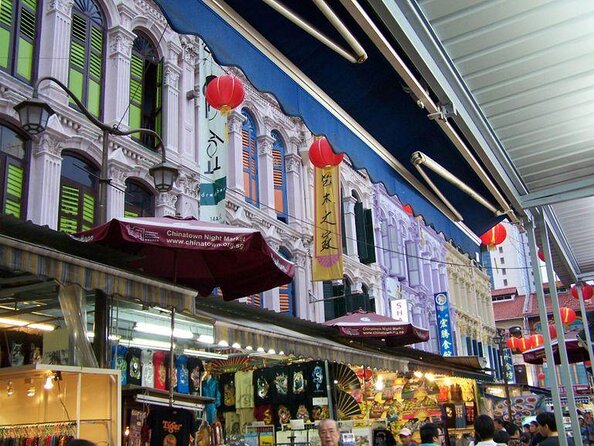
- A proper Chinatown introduction: The route can include the Chinatown Heritage Centre, Sri Mariamman Temple, Buddha Tooth Relic Temple, Maxwell Food Centre, Ann Siang Hill, and the Red Dot Design Museum.
- A filling spread: Chicken rice, chwee kueh, prata or thosai, kaya toast, popiah or oyster cake, bak kwa, chendol, and the secret dish make up a substantial food sampler.
- Small-group format: The group size is capped at 12, with private tour options also available.
- Three hours on foot: Comfortable shoes matter, and the route may change with weather, opening hours, or local availability.
- Mixed value depending on your goal: It is a strong first-day orientation, but expensive if you only want cheap hawker food.
Why this Chinatown food tour works best early in your visit
Singapore can feel easy to navigate until you face a hawker-centre menu packed with unfamiliar names. This tour gives you a useful first pass. You get to try several foods in one morning or afternoon, then use those examples to order more confidently later.
I especially like the balance between familiar dishes and items you might not choose alone. Hainanese chicken rice gives you one of Singapore’s best-known staples. Chwee kueh, popiah, oyster cake, and bak kwa show a wider range of textures and cooking traditions. Prata or thosai adds another side of the food story, while chendol supplies a cold, sweet finish.
The cultural part matters because Singapore’s food did not develop in isolation. The walking route brings Chinese, Hindu, Buddhist, colonial, and modern design influences into the same short outing. That makes the experience more useful than simply being handed a plate at each stop.
The tradeoff is clear. If your main aim is to eat as much inexpensive food as possible, $146 is a steep bill. One person found the portions insufficient, while several others found the food plentiful enough to struggle with the later tastings. Your appetite, portion sizes on the day, and expectations will shape the value.
More Food Walking Tours in the world:
- Reykjavik Food Walk – Local Foodie Adventure in Iceland
★ 5.0 · 18,952 reviews - Little Havana Food and Walking Tour in Miami
★ 5.0 · 8,882 reviews - New Orleans Food Walking Tour of the French Quarter with Small-Group Option
★ 5.0 · 6,118 reviews
Starting on Pagoda Street with bak kwa and Chinatown stories
The meeting point is Bee Cheng Hiang at 69 Pagoda Street. This is a practical place to begin because it puts you in the middle of Chinatown rather than at an outlying transport stop. The tour also ends at the same meeting point, so you do not need to arrange a ride back from an unfamiliar part of the city.
The opening tasting is smoky, tender bak kwa, a barbecued meat delicacy. It is a good first bite because the sweet, savory flavor gives you an immediate taste of Singapore’s snack culture. You may also hear how food businesses and immigrant communities shaped the neighborhood.
From here, the walking portion is part of the meal. Restored shophouses show how early Chinatown settlers lived, worked, and stored their goods. The buildings are not just attractive backdrops. Their narrow fronts and mixed residential-commercial use help explain the crowded, practical character of old urban Singapore.
A guide adds value here by pointing out details that are easy to miss when you are busy taking photographs. The best-rated guides have included Kent, Winston, Edwin, Jag, Natalie, Ronnie, Jeanette, Paul, and others. Their styles differ, but the repeated praise centers on clear explanations, warmth, humor, and the ability to answer questions.
Sri Mariamman Temple adds a different side of Singapore
The route includes Sri Mariamman Temple, built in 1827 and recognized as Singapore’s oldest Hindu temple. Its tower is densely decorated with deities, giving you a striking change from Chinatown’s Chinese religious buildings only a short walk away.
This stop helps prevent the tour from presenting Chinatown as a single-culture district. Singapore’s neighborhoods overlap, and food follows those same lines. The temple visit also gives meaning to the prata or thosai tasting later in the route.
You should treat this as a cultural stop, not simply another photo opportunity. The guide may explain religious traditions, architecture, and the communities connected with the area. Since the itinerary and timing can change, the exact amount of time at the temple is not guaranteed.
The Buddha Tooth Relic Temple brings architecture into the food tour
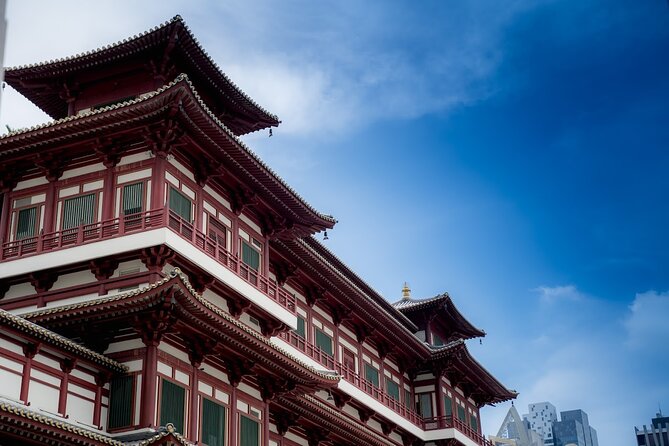
Another planned Chinatown sight is the Tang dynasty-style Buddha Tooth Relic Temple. Its ornate rooms and rooftop garden offer a quieter contrast to the street activity below. The building itself is one of the route’s strongest visual moments.
This is where the tour’s wider purpose becomes clear. You are not only sampling dishes. You are learning how different faiths, migrant communities, and public spaces sit side by side in central Singapore.
The tour may suit you if you enjoy asking questions about culture as much as deciding which noodle dish to order. It may frustrate you if you expect every minute to be spent seated with food. The cultural explanations are a major part of the experience, and that is both its strength and its limitation.
More Market Walking Tours in the world:
- Bangkok: City Highlights Temple and Market Walking Tour
★ 4.5 · 3,990 reviews - Tokyo Tsukiji Fish Market Food and Culture Walking Tour
★ 5.0 · 3,184 reviews - Air Raid Shelter + St. Nicholas Market Walking Tour
★ 5.0 · 1,950 reviews - Tokyo: Tsukiji Fish Market Food and Walking tour
★ 5.0 · 1,724 reviews
Hawker-centre eating at Maxwell Food Centre
Maxwell Food Centre is one of Singapore’s largest food centres and likely the most important food stop on the route. Hawker centres are where the tour feels most connected to ordinary eating habits. You can see how many stalls share one public dining space, rather than moving from one formal restaurant to another.
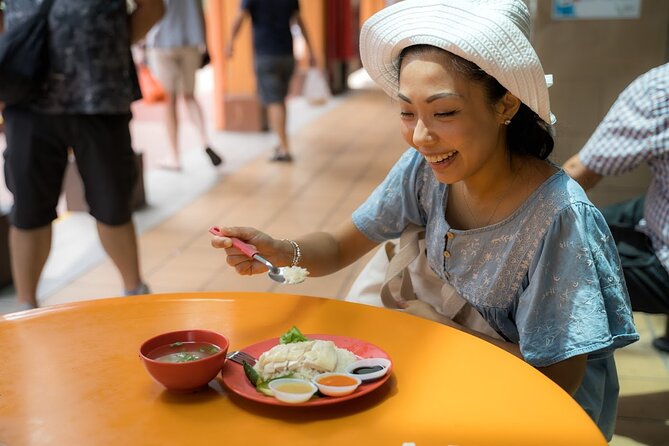
The tasting list includes Hainanese chicken rice, Singapore’s famous combination of tender chicken, seasoned rice, and accompanying sauces. You also get traditional chwee kueh, steamed rice cakes topped with savory preserved radish. These are the kinds of foods that benefit from a guide’s help because the names and serving styles may be new to you.
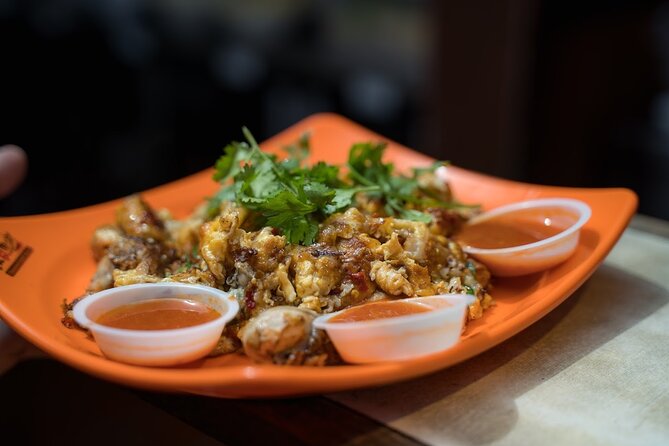
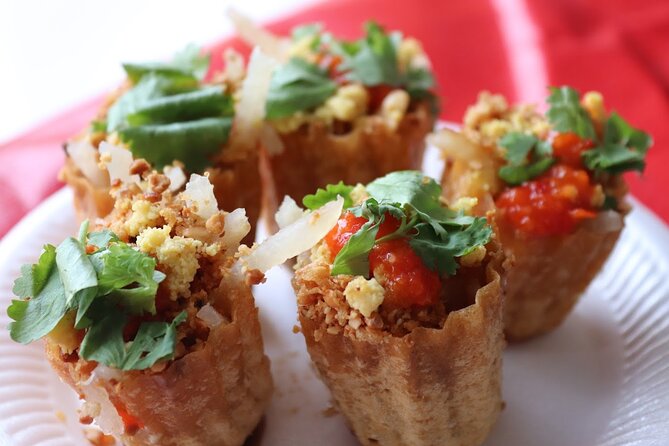
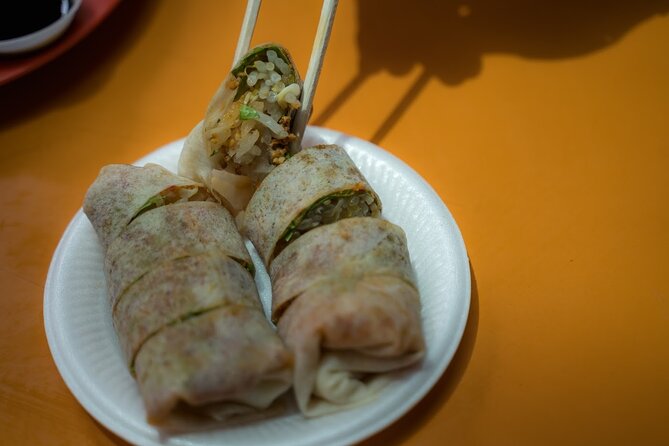
Other savory bites include crispy popiah or a golden oyster cake. The choice may depend on availability. Popiah is a fresh, rolled snack, while oyster cake gives you a crisper, richer option. You should not assume that every person will receive exactly the same item.
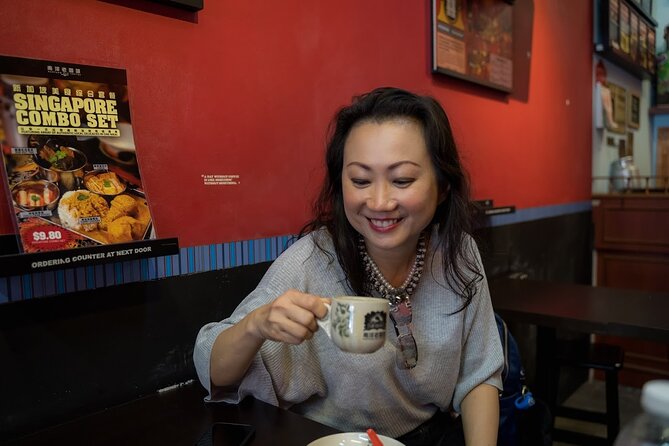
The tour also includes Nanyang coffee with kaya butter toast. This pairing is a classic breakfast-style tasting and a useful reminder that Singaporean food is not limited to lunch dishes. The coffee is fragrant, the toast sweet and buttery, and the kaya adds a coconut and egg-based sweetness.
Come with some room left after the first few tastings. The food can add up quickly, and several people have found the later portions surprisingly generous. One person reported still feeling hungry, so I would not book this as your only planned meal if you have a very large appetite. At the same time, others had trouble finishing everything. The safest approach is to eat lightly beforehand and avoid filling up at the first stop.
Ann Siang Hill changes the pace
Ann Siang Hill is a small rise and the name of a one-way road in Chinatown, named for businessman Chia Ann Siang. It gives the walking route a change of pace after the denser hawker-centre stop.
This section is useful for understanding how Chinatown has changed over time. The area’s older commercial character sits alongside more polished shops and restaurants, creating a different feel from the food-centre setting.
The walking is not extreme, but three hours on foot can feel long in Singapore’s heat and humidity. Wear comfortable shoes and bring the same practical patience you would bring to any city walking tour. Seating is available at some food stops, which helps if you need a break, but the experience is not designed for people who want to remain seated throughout.
The Red Dot Design Museum creates an unusual final stop
The itinerary also lists the Red Dot Design Museum along Marina Bay’s Waterfront Promenade. It is the physical home of the international Red Dot Design Award and focuses on contemporary design.
This stop feels less connected to the traditional Chinatown food route, but it can broaden the day beyond temples and hawker stalls. It introduces modern Singapore and its interest in design, public presentation, and new ideas.
Because the itinerary can change with weather, venue availability, and other conditions, you should not treat every listed stop as guaranteed in a fixed order. The route may be adjusted while preserving the general mix of food, history, and culture.
What you will actually eat during the three hours
The food list is broad enough to make this feel like a meal rather than a few token samples. The listed tastings include:
- Smoky bak kwa
- Nanyang coffee with kaya butter toast
- Popiah or oyster cake
- Hainanese chicken rice
- Prata or thosai
- Chendol with coconut and gula melaka
- Chwee kueh with savory radish
- A secret dish
- Local beer and bottled water
The menu contains seven named food categories plus a secret dish, so the final count can feel like eight food moments depending on how the operator counts them. Since the menu can change, you should think of this as a tasting framework rather than a fixed restaurant menu.
The sweet finish is chendol, usually built around shaved ice, coconut milk, and gula melaka. It gives your palate a break after the savory foods and adds a local dessert that is easy to miss if you only order familiar dishes.
Prata or thosai gives the menu a fresh-off-the-griddle element. The exact choice may depend on the day, and both are connected to the Indian side of Singapore’s food culture. The local beer provides a drink pairing, while bottled water is included.
Dietary needs should be shared before the tour. The operator says it will try to cater for requirements when told in advance, but you should not wait until the first stop to raise the issue.
Guide quality is the biggest factor in value
The food list is appealing, but the guide can make or break the experience. The strongest reports praise guides for making history easy to follow, answering many questions, adjusting tastings to personal interests, and keeping the group moving without making it feel rushed.
Paul, for example, has been praised for tailoring the route to food preferences. Natalie received especially warm praise for combining history, conversation, and food without hurrying the group. Ronnie, Winston, Edwin, Jeanette, Kent, Jag, and Helen have also been singled out for friendly presentation and strong knowledge of Singapore’s culture and food.
That consistency is encouraging, though no tour can guarantee a particular guide unless the booking specifically says so. The group cap of 12 is important. A small group makes it easier to hear explanations, share dishes, and ask about unfamiliar ingredients.
A private option is available if you want more control over the pace or prefer not to share the outing. The price and exact arrangements for that option are not given here, so you would need to confirm them before booking.
Is $146 a fair price?
At $146 per person, this is not a budget hawker meal. You could spend much less by visiting Chinatown alone, choosing a few stalls, and reading about the area independently.
The price makes more sense if you place value on the guide, the range of tastings, the cultural stops, bottled water, local beer, and the time saved planning a route. You are paying for an organized introduction, not just food. For a first visit to Singapore, that can be worthwhile, especially if you want a clear orientation before exploring on your own.
The 4.9 rating from 213 ratings and 97 percent recommendation figure suggest that the experience usually lands well. Still, the lower rating points to the main risk: some people expect a larger meal and less history. I would book it for guidance and variety, not because it is the cheapest way to fill your stomach.
Practical details before you book
The tour lasts about three hours and starts and ends at Bee Cheng Hiang, 69 Pagoda Street. It is near public transportation, but transportation between stops is not included because the route is walked.
Confirmation is issued within 48 hours, subject to availability. Free cancellation applies when you cancel at least 24 hours before the local start time. Cancellations or changes made inside that 24-hour window are not refunded or accepted.
Most people can take part, but you should expect a fair amount of walking. Wear comfortable shoes, leave room in your schedule, and avoid a heavy meal beforehand.
Who should book this Chinatown experience?
I would recommend it to first-time visitors who want a guided introduction to Singapore’s food and cultural mix. It is also a good fit if unfamiliar hawker-centre dishes make you hesitant, or if you want one organized outing that covers temples, old buildings, food stalls, and a modern design stop.
Families and couples may appreciate the variety, while solo participants can benefit from the small-group setting. It also suits people who enjoy conversation and local history alongside eating.
I would hesitate if you have a strict diet that is difficult to accommodate, dislike walking in warm weather, or measure value only by the amount of food on the table. If you already know Chinatown well, the route can still offer new dishes and context, but the price will be harder to justify.
Should you book it?
Book this tour if you want a friendly guide to connect Singapore’s food with its Chinese, Hindu, Buddhist, and modern cultural settings. The mix of bak kwa, kaya toast, chicken rice, chwee kueh, prata or thosai, chendol, and a secret dish gives you a useful tasting map for the rest of your stay.
Skip it if you want the lowest-cost hawker meal or a pure food crawl with little walking and no temple or museum stops. For most first-time visitors, I would schedule it near the start of a Singapore trip, eat a light breakfast, wear good shoes, and use the guide’s suggestions to shape the meals that follow.
FAQ
How long does the Singapore Chinatown food tour last?
The experience lasts approximately three hours.
Where does the tour start and finish?
It starts at Bee Cheng Hiang, 69 Pagoda Street, Singapore 059228, and ends back at the same meeting point.
How many people can join the tour?
The maximum group size is 12 people. A private tour option is also available.
What food is included?
The listed tastings include bak kwa, Nanyang coffee with kaya butter toast, popiah or oyster cake, Hainanese chicken rice, prata or thosai, chendol, chwee kueh, and a secret dish. Local beer and bottled water are also included.
Is transportation included?
No. Transportation is not included, and the experience involves walking between stops.
Can dietary requirements be accommodated?
You should contact the operator in advance with any dietary requirements so it can try to make suitable arrangements. The menu may change based on availability.
What is the cancellation policy?
You can cancel at least 24 hours before the local start time for a full refund. Cancellations or changes made less than 24 hours before the start time are not accepted and are not refunded.
Just added around the world
- Walking Tour of Boston’s Freedom Trail★ 4.5 · 77 reviews
- Downtown Freedom Trail Walking Tour – History & Architecture★ 4.5 · 194 reviews
- Boston Seafood Lovers Food and History Walking Tour★ 5.0 · 208 reviews
- Boston “Death and Dying” Walking Ghost Tour★ 4.5 · 223 reviews
- Boston Food of the North End Private Walking Tour★ 5.0 · 174 reviews
- Boston Movie Mile Walking Tour★ 4.5 · 119 reviews
- 1 If By Land Walking Tours★ 5.0 · 95 reviews
- Boston History and Freedom Trail Private Walking Tour★ 5.0 · 117 reviews
Food Walking Tours, compared.
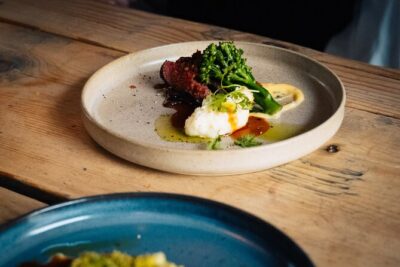
Reykjavik Food Walk – Local Foodie Adventure in Iceland
Read our review →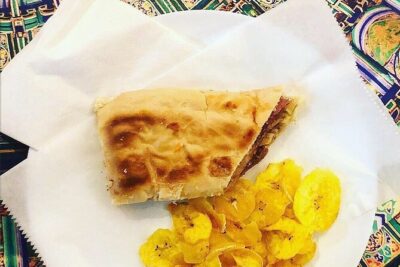
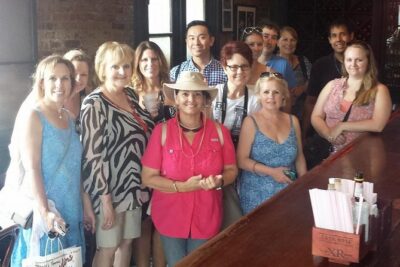
New Orleans Food Walking Tour of the French Quarter with Small-Group Option
Read our review →
Authentic Parisian Gourmet Food Tour with 10 Local Dishes & Wines
Read our review →
Tapas Walking Tour with Food, Wine, and History
Read our review →
Browse the lists this tour appears in