
Review · FOOD WALKING TOURS
Bucharest: Hidden Markets Walking Tour with Tastings
Bucharest tastes better beyond the old center. I like the clever mix of tram travel and neighborhood walking, which shows you Communist-era streets, Armenian architecture, and everyday city life in one outing. I also like the generous food program, especially the Obor Market stop with mici, cheeses, beer, tuica, and a Wallachian doughnut.
The main drawback is simple: you need a serious appetite. Five hours of walking, transit, food, and drink can feel long if you prefer a quick city tour, and three beers plus brandy may not suit everyone. Still, the small group, usually no more than 12 people, gives the experience a friendly and personal feel.
Guides such as Angelica, Alex, Daniel, Michaela, Bogdan, and Elena have earned especially warm praise for their local stories and easygoing manner. If you want to see more than central Bucharest and learn what people actually eat, this is a strong choice.
Key points at a glance
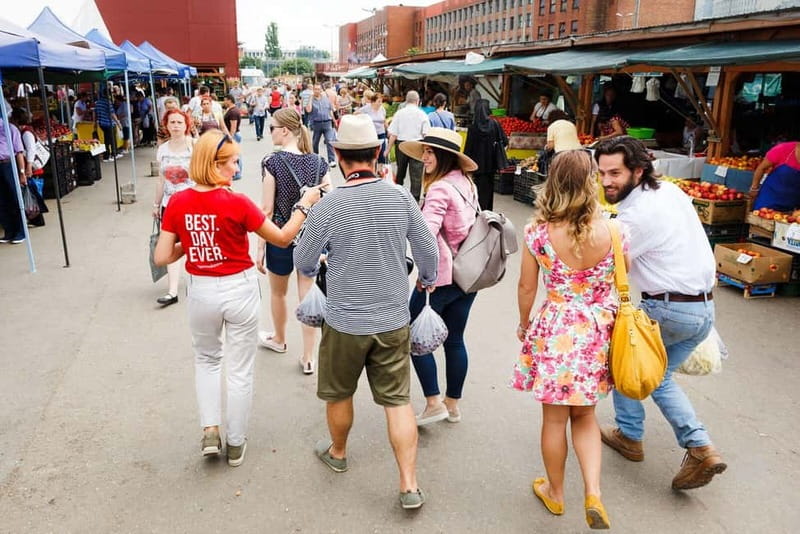
- Obor Market is the food anchor: Bucharest’s largest peasant market supplies the tour with traditional tastes and a look at local shopping.
- The tram ride adds real city context: You travel through Communist Bucharest rather than viewing the city only from a sightseeing bus.
- The food is substantial: Expect a peasant platter, cheeses, seasonal produce, mici, bread, mustard, beer, tuica, and a doughnut.
- The route has architectural variety: Batiștei, the Armenian Quarter, Calea Moșilor, and the market show several sides of Bucharest.
- The group stays small: A maximum of 12 people makes it easier to ask questions and keep up with the guide.
- Plan for a full half-day: The outing lasts about five to five and a half hours and ends at Piața Unirii.
Why this Bucharest food tour is worth your half-day
Bucharest can be hard to read at first. The city center mixes grand buildings, Communist blocks, worn facades, Orthodox churches, cafés, and traffic without always explaining how the pieces fit together. This tour gives you a useful framework.
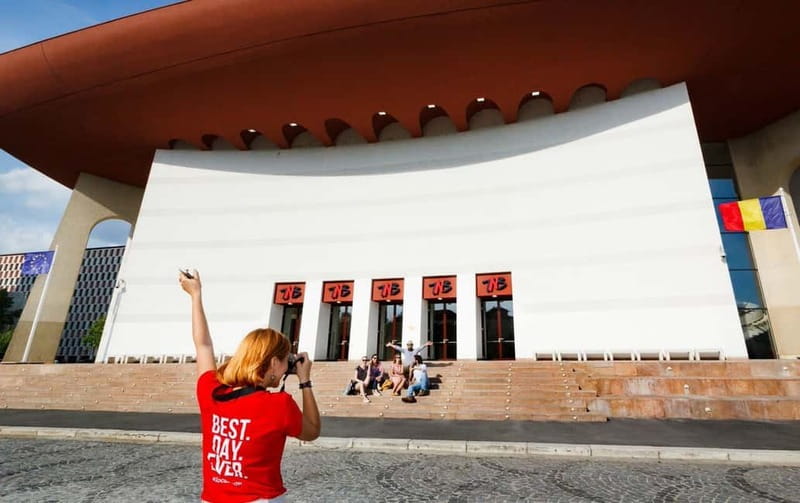
You begin at the National Theatre, then move through streets and districts that are easy to miss if you stay around the main old-town lanes. Food gives the tour its rhythm, but the historical and architectural stops keep it from becoming a series of restaurant visits.
I like that the experience uses ordinary public transport. The tram ride is not a polished sightseeing loop. It is part of daily Bucharest, and that matters. You see the city as a place where people live, shop, commute, and eat, not just as a collection of monuments.
At $100 per person, this is not the cheapest way to eat in Bucharest. The value comes from the amount included: a guide for roughly five hours, tram tickets, several food stops, a generous spread, street food, beer or non-alcoholic drinks, brandy, and dessert. If you would otherwise pay for a separate food tour and a city walk, the price becomes easier to justify.
More Food Walking Tours in the world:
- Reykjavik Food Walk – Local Foodie Adventure in Iceland
★ 5.0 · 18,952 reviews - Little Havana Food and Walking Tour in Miami
★ 5.0 · 8,882 reviews - New Orleans Food Walking Tour of the French Quarter with Small-Group Option
★ 5.0 · 6,118 reviews
Starting at the National Theatre
The meeting point is on the stairs in front of the main entrance to the National Theatre at Nicolae Bălcescu 2. If you use Uber, enter Bd. Nicolae Bălcescu 2 rather than relying only on the theatre name.
The theatre places you in the middle of Bucharest, but the tour does not stay there for long. Your guide begins with background on the city and the surrounding area before leading the group toward Batiștei.
This opening is useful if Bucharest is your first stop in Romania. You get a few basic bearings, then move into streets with more texture and less postcard polish. The guides are expected to speak English, and the strongest guides, including Angelica and Michaela, have been praised for explaining history without turning the morning into a lecture.
The tour is also a good fit for curious question-askers. Several guides have been singled out for answering questions about Romanian politics, culture, food, and daily life. That personal exchange is one reason a small group works better here than a large coach tour.
Batiștei and the forgotten American embassy
The walk to Batiștei introduces an older side of Bucharest. Strada Batiștei was once known as the city’s St. Germain, a reference to its former cultural and social importance. The point is not simply to admire a pretty street. Your guide explains how the area changed and what remains from its earlier role.
One memorable stop is the old American embassy, now a neglected landmark. It is the sort of place you could pass without understanding its importance. A good guide turns an overlooked building into a clue about Bucharest’s international past and the changes that followed.
The nearby Biserica Batiștei adds another layer. Churches in Bucharest often sit among newer buildings, busy roads, and residential streets, so their setting tells you something about how quickly the city has changed. The guided visit here helps you notice details that would be easy to miss on your own.
This section is more about context than grand sights. If you want a nonstop parade of famous monuments, you may find the stops modest. If you enjoy finding meaning in ordinary streets, it is one of the better parts of the route.
Armenian architecture and the Calea Moșilor route
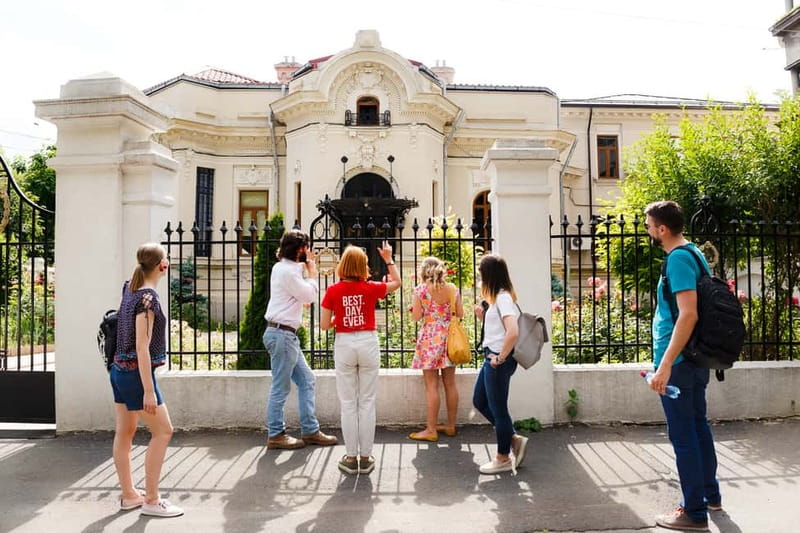
The Armenian Quarter gives the walk a striking change of mood. Here, European and Ottoman influences appear close together, creating an architectural mix that feels distinctly Bucharest. The Armenian Church is the main landmark, and the guide explains the community and the district rather than treating the building as a quick photo stop.
I like this part because it widens your view of Romania. Bucharest is not simply a Romanian capital with one uniform architectural style. Its neighborhoods reflect trade, migration, religion, empire, and modern political change.
The route then continues toward Calea Moșilor. This former commercial road connects the central districts with the market area and helps bridge the historic walking portion with the food portion of the day.
The pace has generally been described as comfortable, with enough time to listen and ask questions without feeling rushed. You should still wear shoes suited to several hours on foot. The route is described as fairly flat, so it is not a strenuous hike, but the length matters more than the difficulty.
More Market Walking Tours in the world:
- Bangkok: City Highlights Temple and Market Walking Tour
★ 4.5 · 3,990 reviews - Tokyo Tsukiji Fish Market Food and Culture Walking Tour
★ 5.0 · 3,184 reviews - Air Raid Shelter + St. Nicholas Market Walking Tour
★ 5.0 · 1,950 reviews - Tokyo: Tsukiji Fish Market Food and Walking tour
★ 5.0 · 1,724 reviews
Riding the tram through Communist Bucharest
The tram ride is one of the tour’s most useful features. It gives you a moving view of Bucharest’s Communist-era city planning and its present-day streets. Rather than isolating you from daily life, public transport puts you beside it.
The trip also gives your feet a break. You are still sightseeing, but from a seat or standing space among local traffic and urban scenery. The experience may be less comfortable than a private vehicle, especially if the tram is busy, yet that is also why it feels genuine.
Transport tickets are included, so you do not need to work out the fare during the tour. The route information also mentions additional public transport on some outings, including subway rides in the wider city experience. The core plan specifically includes tram travel, and the exact flow can vary with the day’s logistics.
I would especially recommend this tour early in your Bucharest stay. The tram ride and neighborhood walk help you understand the city’s layout, while the guide can often point out places you may want to revisit later.
Obor Market: the heart of the food experience
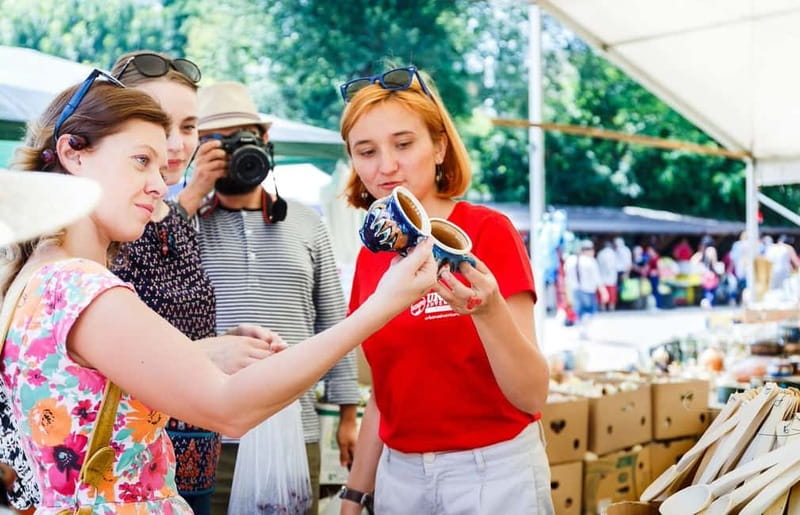
Obor Market is Bucharest’s largest peasant market and the main culinary destination. This is not just a place to grab one snack. You get time to look at produce, cheeses, meats, and the social side of food shopping.
The first tasting includes tuica, the strong Romanian fruit brandy, followed by a peasant platter with dips, sausages, local cheeses, seasonal vegetables, and homemade bread. You can choose a drink, with beer included among the options, or select a non-alcoholic drink, coffee, or tea.
The platter is generous enough that it can function as a real meal. Several people have found the food more filling than expected, so do not plan a large breakfast before meeting the guide. One useful tip is to eat lightly beforehand, not because the first tasting is small, but because more food follows.
Market visits are best when you have room to look around. Your guide can explain unfamiliar ingredients and connect them to Romanian cooking. Seasonal produce may change, and the exact items can depend on what looks good that day. That flexibility is a plus, since it keeps the tasting tied to the actual market rather than a fixed menu.
Mici, cheese, beer, and the Wallachian doughnut
The second food stage centers on mici, Romania’s famous grilled sausage rolls. You receive two mici with bread and mustard, along with cold beer. The sausages are a highlight for many people because they are simple, strongly local, and best eaten fresh.
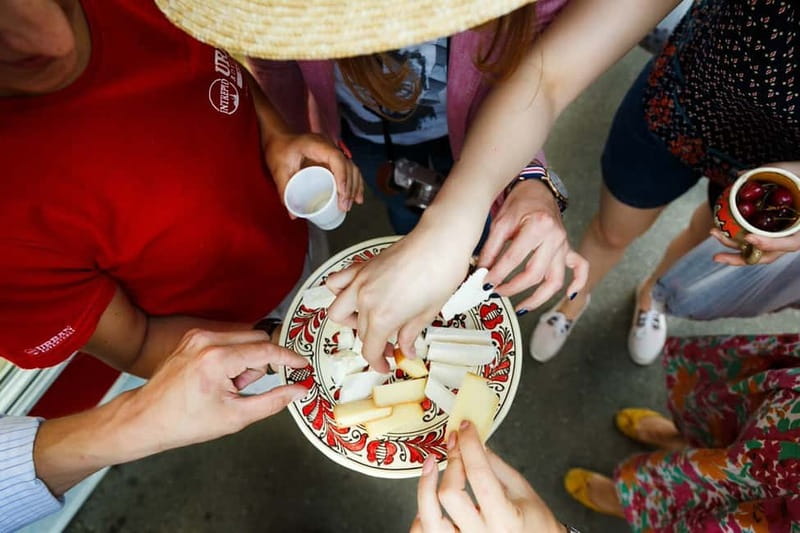
The tour also includes a selection of Romanian cheeses and produce. This gives you a broader taste of the country than a single restaurant dish would. You move from salty and savory foods to a warm Wallachian doughnut at the end.
The doughnut is a smart finish. After the brandy, platter, sausages, cheese, and beer, you may think you are done, then a warm sweet comes along. It is not a token dessert, and several people have singled it out as a favorite.
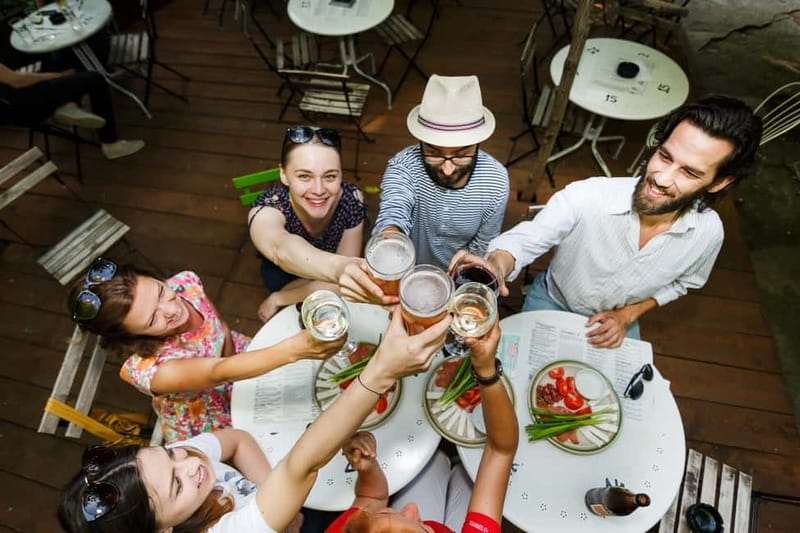
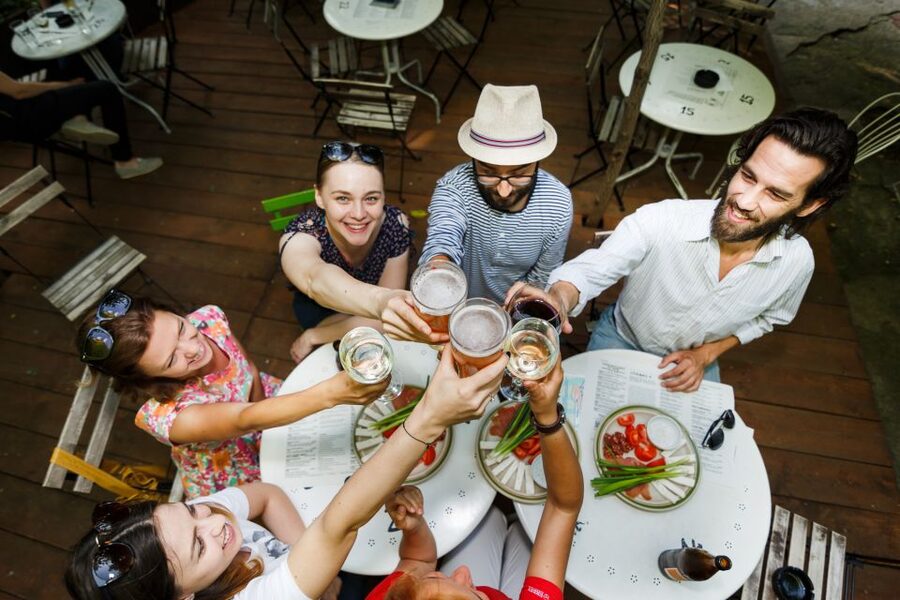
Three beers are included, or you can choose soft drinks, coffee, or tea. The alcohol is part of the traditional food experience, but you do not need to drink it all. Tell the guide if you prefer non-alcoholic choices, and notify the operator at least 24 hours ahead about vegetarian, vegan, gluten-free, or allergy needs.
One small caution: food quality can vary slightly by stop and day. The overall program is strong, but one tasting has received less praise than the others. The tour is at its best when you see it as a broad sampling of Romanian food, not a carefully staged gourmet meal.
What the small group changes
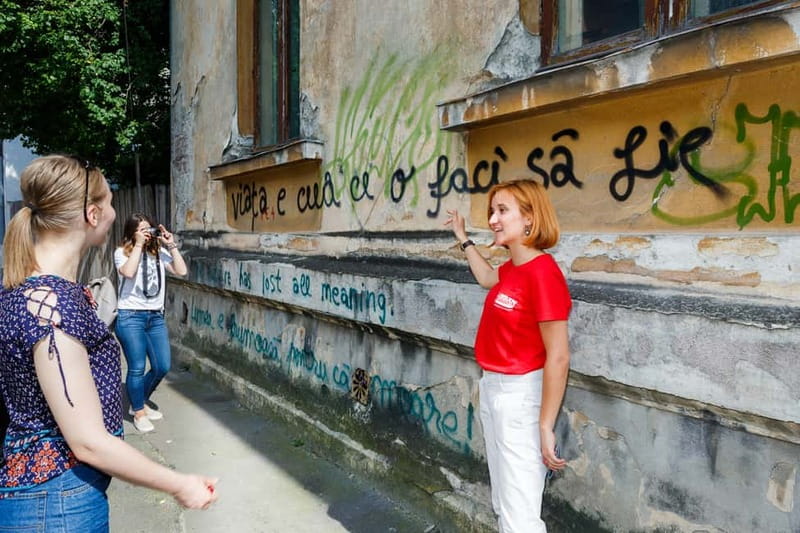
The maximum group size is 12, though the actual number can be much smaller. One outing had only two customers and the guide, while other groups had around six or seven people.
That difference matters. With fewer people, you can ask about a building, request food advice, or pause to clarify a Romanian word without holding up a large crowd. It also makes the market portion less awkward, since the guide can keep everyone together while still allowing time to look.
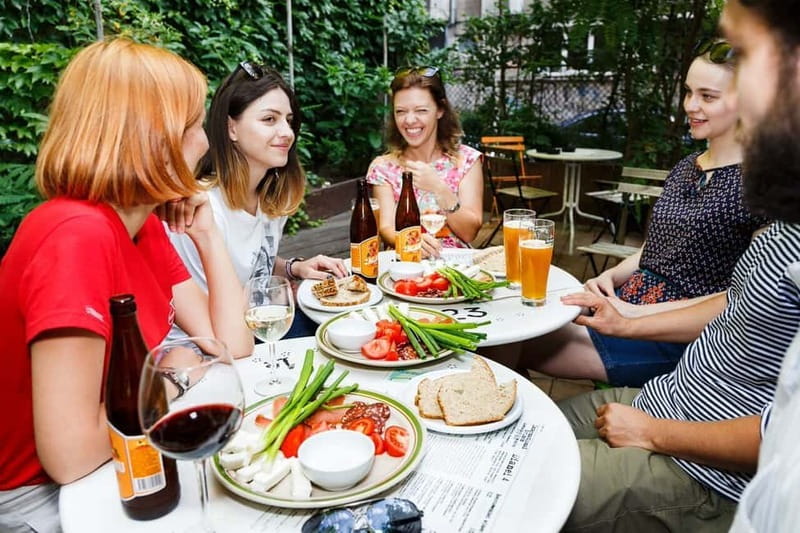
The social side is another bonus. Solo visitors can meet people from several countries, while couples and friends get a relaxed way to talk with others. The best guide reports describe the day becoming friendly and informal without losing its structure.
The guide makes a large difference, as it does on any walking tour. Angelica has been praised for her warmth and strong English, while Alex, Daniel, Michaela, Bogdan, and Elena have each received praise for clear explanations, local stories, and thoughtful answers. Names and guide assignments can change, but the experience depends heavily on that person’s ability to connect history with the street in front of you.
Timing, comfort, and practical planning
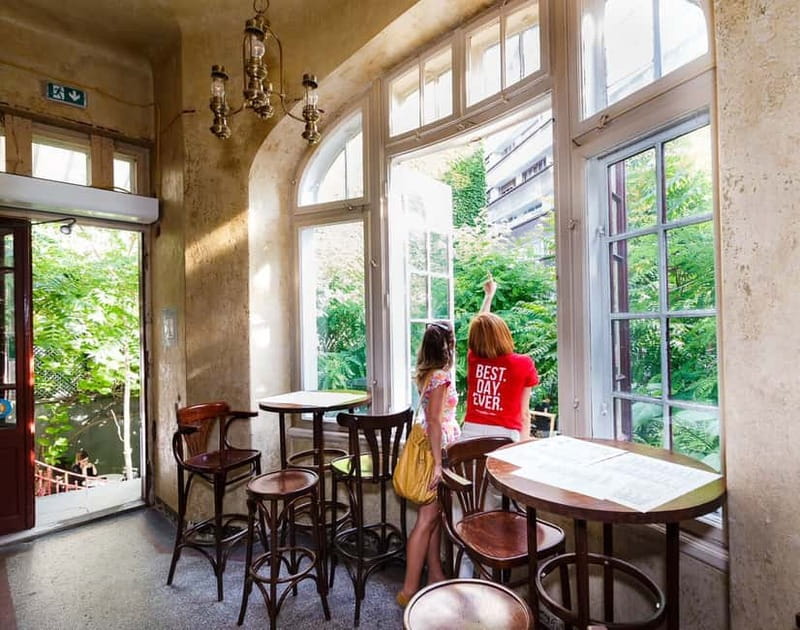
Allow five to five and a half hours. This is a full half-day, not a quick morning sampler. Start with a light breakfast, bring water, and wear comfortable shoes.
The tour runs in English. Children under six are not permitted, and a private group option is available if you want a more personal arrangement. The standard format is a small shared group.
Weather can affect the feel of the day. Much of the experience happens outdoors, and one guide received special praise for keeping the outing enjoyable in poor weather. Still, a sunny day makes the walking sections and market visit more pleasant.
The finish is at Piața Unirii, which gives you a useful central endpoint. From there, you can continue sightseeing, find another meal if you somehow still have room, or return to your accommodation.
Cancellation is flexible up to 24 hours before the tour for a full refund, and you can reserve now and pay later. Those policies are useful if your Bucharest schedule is still changing.
Who should book this Bucharest experience?
I would choose this tour if you want three things at once: local food, neighborhood history, and a look at Bucharest beyond the usual center. It suits first-time visitors especially well because the route helps you get your bearings and gives you practical food ideas for the rest of your stay.
It is also a good match for solo visitors. The small group makes it easy to talk with others, and the guide keeps the day moving without making you feel anonymous.
Food-focused visitors should come hungry, but not overconfident. The portions are substantial, and the combination of beer, tuica, sausage, cheese, and dessert is more than a few token bites.
I would hesitate only if you dislike public transport, prefer a short tour, have difficulty with several hours of walking, or want a tightly controlled restaurant menu. This is a city outing with market conditions, changing seasonal produce, and ordinary transit. That is part of its appeal, but it also means the day is less polished than a private culinary tour.
Should you book it?
Yes, if you want a well-rounded introduction to Bucharest rather than a simple old-town walk. At $100, the price makes sense for the long guided route, included transport, substantial tastings, three beers or non-alcoholic alternatives, and the chance to see Obor Market with someone who can explain what you are looking at.
Book it near the beginning of your stay so the neighborhood tips and food guidance can shape the rest of your visit. Eat a small breakfast, tell the operator about dietary needs at least 24 hours ahead, and choose a day when you are ready for a relaxed five-hour outing.
FAQ
Where does the Bucharest Hidden Markets Walking Tour start?
It starts on the stairs of the National Theatre in front of the main entrance at Nicolae Bălcescu 2, Bucharest. For Uber, use Bd. Nicolae Bălcescu 2.
Where does the tour finish?
The tour finishes at Piața Unirii.
How long does the tour last?
The experience lasts approximately five to five and a half hours.
What food and drinks are included?
The tour includes a platter with local cheeses, meats, seasonal vegetables, dips, and homemade bread, two mici with bread and mustard, additional local cheeses and produce, one Wallachian doughnut, three beers or non-alcoholic drinks, and one shot of tuica.
Are non-alcoholic options available?
Yes. You can choose soft drinks, coffee, or tea instead of alcoholic drinks.
Can dietary requirements be accommodated?
The operator can cater to vegetarian, vegan, and gluten-intolerant diets. You should provide information about allergies or sensitivities at least 24 hours before the tour.
How many people are in the group?
The standard group has a maximum of 12 customers. A private group option is also available.
Just added around the world
- Bern Private Walking Tour with a Local★ 4.5 · 75 reviews
- Berlin Walking Tour★ 4.5 · 378 reviews
- Bern Walking Tour: Explore Top Sights & Hidden Gems★ 5.0 · 108 reviews
- Small Group Walking Tour of East Berlin with a French Guide★ 5.0 · 176 reviews
- Berlin Street Art Walking Tour – Off The Grid★ 5.0 · 270 reviews
- Berlin Highlights Private Guided Walking Tour★ 4.5 · 89 reviews
- Private Walking Tour: World War 2 and Cold War Sites in Berlin★ 5.0 · 230 reviews
- Kreuzberg Berlin: Off the Beaten Track PRIVATE Walking Tour★ 5.0 · 128 reviews
Food Walking Tours, compared.
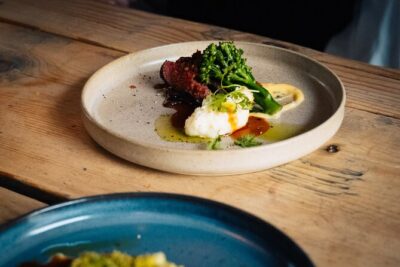
Reykjavik Food Walk – Local Foodie Adventure in Iceland
Read our review →

New Orleans Food Walking Tour of the French Quarter with Small-Group Option
Read our review →

Authentic Parisian Gourmet Food Tour with 10 Local Dishes & Wines
Read our review →
Tapas Walking Tour with Food, Wine, and History
Read our review →
Browse the lists this tour appears in