
Review · ITALY WALKING TOURS
Catania: Heart of the City Guided Walking Tour
Catania reveals itself one street at a time. This two-hour walk links the city’s big sights with the stories that make them matter, from the elephant fountain in Piazza Duomo to the medieval stones of Ursino Castle. I like the way the route mixes churches, markets, squares, and ordinary city life. I also like the practical advice on restaurants, nightlife, shopping, and what to see next. The main consideration is that most attractions are explained from outside, so you will need separate tickets and time if you want a fuller visit inside them.
The tour costs $23 per person, a fair price for a local guide and a tightly packed introduction to central Catania. Guides such as Esther, Maria Luisa, Tiziana, Matteo, and Gordon have been praised for clear storytelling, humor, and useful recommendations. The tour needs at least four participants and can be canceled the day before if that number is not reached, so keep that in mind when planning a short stay.
Key points to know before you book
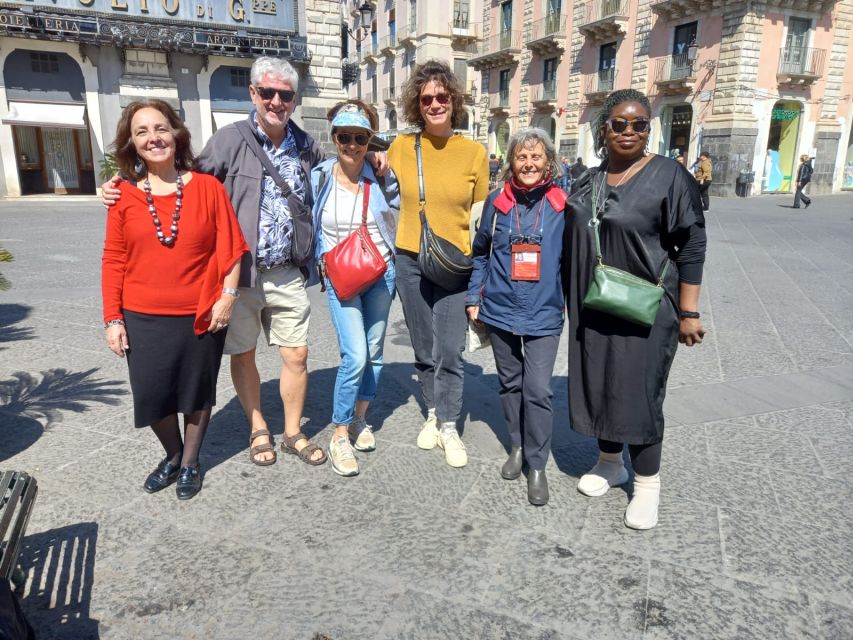
- The route begins beside Piazza Duomo: Meet at the Infopoint Turistico GS Guiding Sicily on Via Erasmo Merletta, at the corner with Piazza Duomo.
- The fish market adds real local life: You get more than a parade of monuments, with time to see food stalls, restaurants, and nearby evening spots.
- Etna shapes the storytelling: Guides connect Catania’s buildings, disasters, traditions, and legends with the volcano looming above the city.
- It is a useful first-day walk: The compact route helps you decide where to eat, shop, and return later.
- The tour is mostly about explanation, not admission: Expect guided commentary at the major sights, with entrance fees and longer interior visits left for you.
- Weather and group size matter: The walk runs in normal rain or shine, but extreme weather can cause cancellation, and four people are required.
Why this short walk works so well in Catania
Catania can feel confusing at first. Its streets mix black volcanic stone, pale Baroque facades, grand churches, market lanes, and busy modern life. The city also carries the marks of earthquakes and eruptions, so a building rarely tells only one story.
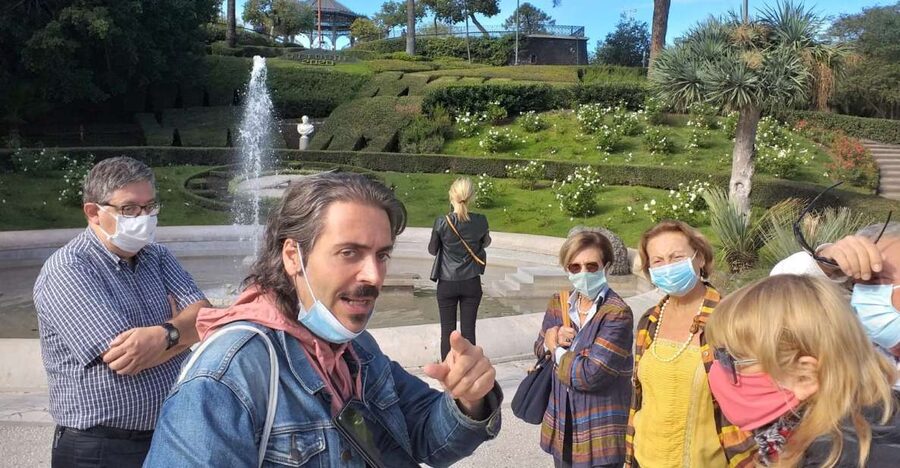
That is where a local guide earns the fee. Instead of simply pointing at a church, the guide can explain how Catania rebuilt itself, how Etna affects daily life, and why certain symbols appear again and again. The best guides on this tour bring in legends, local customs, architecture, and small details about living in the city.
I would schedule this walk on your first morning in Catania. It gives you a useful map in your head without taking half a day. Several guides have also offered specific advice about cafés, restaurants, nightlife, safety, and places worth returning to after the walk.
The pace appears manageable rather than punishing. One especially useful detail is that the major sites sit fairly close together. You cover plenty of ground in two hours, but you are not crossing the whole city on foot. In hot weather, guides have made an effort to pause in shady spots, which can make a real difference in summer.
More Guided Walks in Italy:
- Milan: Guided Walking Tour & Last Supper Visit with Ticket
★ 4.7 · 5,409 reviews - Naples: Street Food Walking Tour with Local Guide
★ 4.9 · 4,976 reviews - Florence: Highlights Walking Tour with Expert Guide
★ 4.6 · 4,662 reviews
Meeting the guide beside the elephant fountain
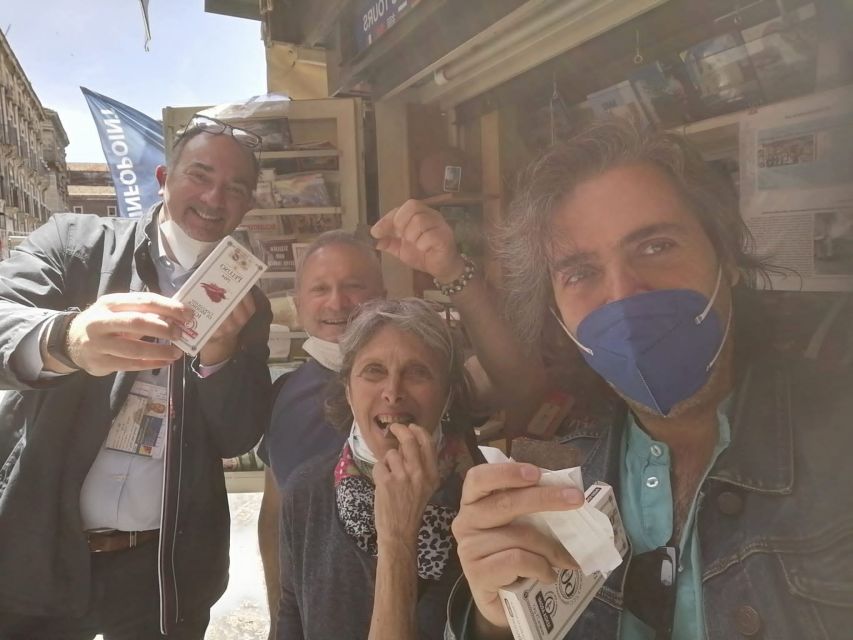
The meeting point is at the tourist information office on Via Erasmo Merletta, at the western corner of Palazzo degli Elefanti beside Piazza Duomo. Look for a blue flag in a large flower pot and the blue Guidingsicily Beauty sign.
Give yourself a few minutes to find it. Piazza Duomo is an easy landmark, but the meeting point is on a corner rather than in the open center of the square. The listed starting address is Via Erasmo Merletta 3, also described as Via Merletta near the square.
The tour begins with Catania’s most recognizable symbol, the stone elephant supporting an obelisk. This is a good first stop because the guide can set up the themes of the walk: civic pride, volcanic stone, religious tradition, and the way Catania has rebuilt after disaster.
Some groups use radio equipment so you can hear the guide while walking. That helps in a larger group, though people with hearing difficulties should tell the guide at the start and remain close. One guide made a point of adjusting her pace and position for a participant who could not use the audio setup.
Catania Cathedral and the stories around Piazza Duomo
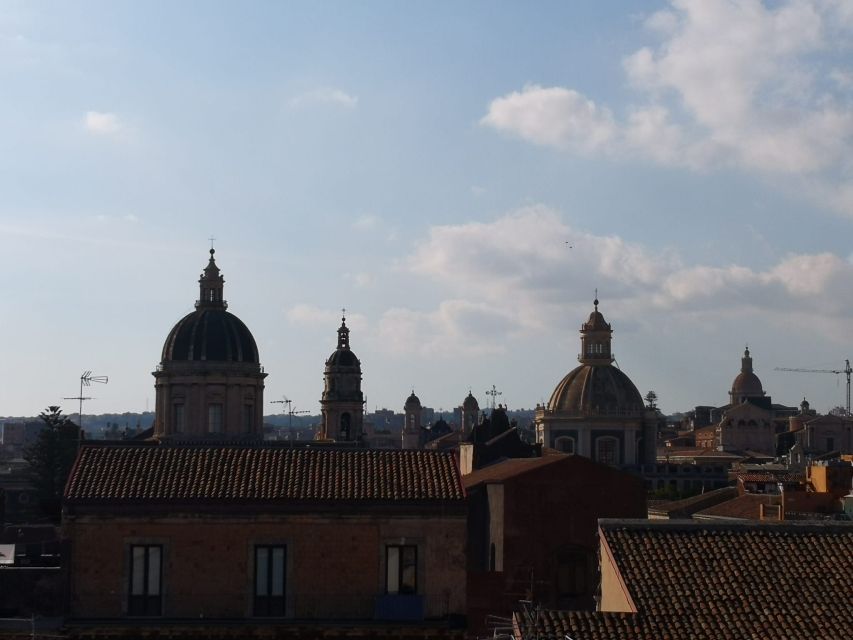
The Cathedral of Catania receives about 30 minutes of attention. It is the seat of the Archbishops of Catania and one of the city center’s main landmarks.
The value here is context. You are not just looking at a handsome facade. You are hearing how the cathedral fits into Catania’s religious life, its rebuilding after catastrophe, and the traditions connected with the city’s patron saint, Saint Agatha. One guide’s account of Saint Agatha was singled out as especially moving, showing how personal and emotional the storytelling can become.
There is one practical point to watch. The experience is designed mainly around exterior commentary, and the important information says there are no attraction entrance fees included. The tour description also refers to taking a look inside the cathedral, so access may depend on the conditions at the time. Treat the cathedral visit as an introduction, then return later if you want a slower interior visit.
Thirty minutes is enough to understand why the cathedral matters, but not enough for a detailed art or architecture visit. That is not a flaw if you see this walk as your orientation. It simply means you should not confuse it with a full guided cathedral tour.
The fish market, where Catania feels most immediate
The fish market is one of the strongest parts of the route. It receives about 15 minutes, but the short stop can leave a lasting impression because it shifts the focus from grand buildings to everyday Catania.
Here you can see the market area, learn about local shopping habits, and get a sense of the food culture. The guide also points out restaurants and places connected with the city’s evening life. This is useful information you can act on immediately, especially if you want to eat somewhere with a local feel rather than choose a restaurant at random near your hotel.
The market may be lively and crowded, so stay close to the guide and keep your belongings secure. The stop is more about atmosphere and orientation than a formal food tasting. Food and drinks are not included, so you pay separately if you decide to eat or stop for a refreshment.
I like this part because it keeps the tour from becoming a procession of stone facades. You see where people shop, where meals begin, and how the historic center functions after the sightseeing crowds move on.
A few more walks around Italy worth a look
- Venice: Doge’s Palace and St Mark’s Basilica Walking Tour
★ 4.4 · 6,291 reviews - Venice: San Marco to Rialto Walk & Spritz Like a Local
★ 4.2 · 3,651 reviews - Uffizi & Accademia Timed Entry: Small Group Duomo Walking Tour
★ 4.5 · 3,630 reviews - Venice Walking Tour and Gondola Ride
★ 3.5 · 3,630 reviews
Ursino Castle and the city’s difficult past
The walk continues to Ursino Castle, with about 15 minutes of guided attention. The castle is presented as the only medieval monument to survive the earthquake that destroyed much of Catania in 1693.
That fact gives the stop real weight. Catania’s Baroque center is beautiful, but it can also look almost too uniform if you do not know why it took shape. Ursino Castle gives you a direct link to the city before the disaster and helps explain how much of the older urban fabric disappeared.
The tour focuses on the outside, so do not expect a museum visit or a long look through the castle’s collections. Still, the stop is valuable for building a timeline. You see the medieval city, hear about the earthquake, and then understand the later churches and palaces with a clearer sense of what came before.
This is also one of the better places to ask questions. The guide can connect the castle with Catania’s wider story, including the role of Etna and the way major geological events have shaped local identity.
Via Crociferi, Catania’s grand Baroque street
The longest stop is Via Crociferi, with roughly 30 minutes of explanation. This famous street is lined with monasteries, churches, and palaces, making it one of the best places in central Catania to appreciate the city’s Baroque style.
The street rewards a guide because its details are easy to miss. A quick solo walk might leave you with a string of pretty buildings. A good explanation helps you notice the religious institutions, the decorative stonework, the planning of the street, and the way Catania rebuilt itself after the 1693 earthquake.
This is where strong storytelling matters most. Guides have explained architecture alongside legends, local habits, and stories about Etna. Matteo, Esther, Maria Luisa, Tiziana, and others have been praised for turning facts into stories rather than reciting dates.
The route does not appear to include formal entry to every church or monastery. One person described entering churches and museums during a particular walk, but the stated conditions emphasize outdoor visits and no included admission fees. Plan on seeing the buildings from the street unless the guide confirms that a particular interior is open.
Via Crociferi also makes a fine return visit later. You may want to come back when you have more time for photographs or to investigate an open church at your own pace.
Piazza Università and useful advice for the rest of your stay
The tour finishes in Piazza Università after about 30 minutes of guided attention. This is one of Catania’s most attractive squares and sits only a short walk from Piazza Duomo, so you finish in a convenient place rather than far from the center.
The final stop works well as a practical wrap-up. You can ask what to see next, which restaurants suit your plans, and where to go for drinks or evening activity. Guides have also offered shopping advice and suggestions for attractions that are easy to overlook if you only follow the main streets.
I would use the end of the tour to make a short list. Choose one church or museum for a return visit, one place to eat, and one area to explore after dark. That turns the walk from a passive history lesson into a useful plan for the rest of your time.
The finish is also handy if you are staying near the central squares. You can stop for lunch, continue sightseeing, or return to the market area without needing a taxi or bus.
The guides make the difference
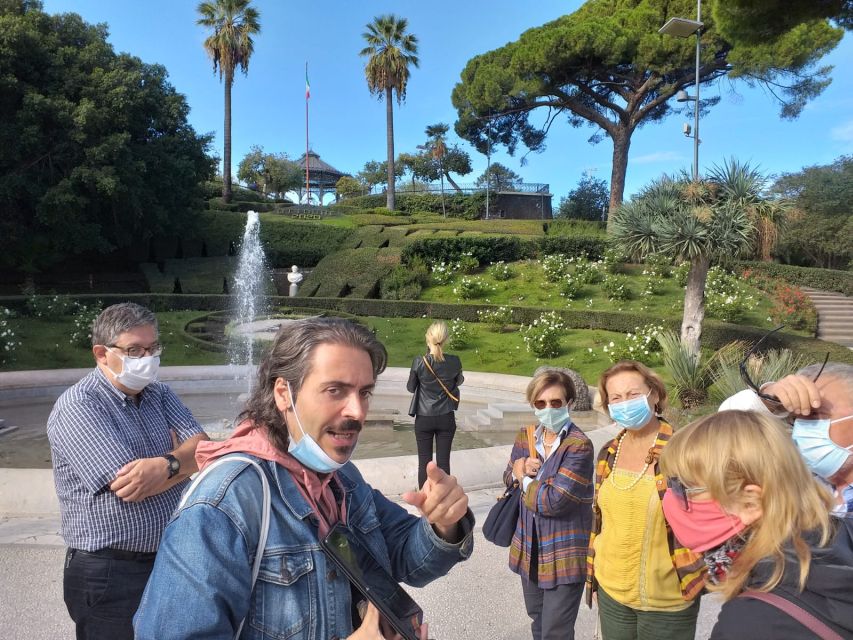
The strongest feature of this experience is the quality of the guiding. The individual guide may vary, but the praise has been consistent for Esther, Maria Luisa, Tiziana, Matteo, Gordon, Emanuella, and others.
The best comments focus on passion, humor, local knowledge, and clear explanations. Esther has been praised for her stories about Catania, Saint Agatha, and Etna. Maria Luisa has received strong marks for her pace, warmth, safety advice, and restaurant tips. Tiziana has been described as giving the walk a friendly, distinctly Sicilian feel.
That variety matters. This is not a recorded route with a fixed script. The personality of your guide will shape the experience, and the guide can answer questions in the moment. One small criticism was that the group did not always get a clear chance to ask questions while walking, so speak up when there is a natural pause.
A larger group can make the opening briefing feel a little slow. Once the walk gets moving, though, the compact route and radio equipment should help you stay connected.
Is $23 a good price?
At $23, this is good value if you want a city introduction rather than a series of paid admissions. You receive two hours with a licensed local guide, a route through several of Catania’s central landmarks, and advice that can save you from wasting a meal or an afternoon.
The price is less compelling if you want long interior visits, a food tasting, or a specialized architecture tour. Those are not the main purpose here. You are paying for explanation, local orientation, and the ability to see how the major sights fit together.
I would also count the timing as part of the value. A short guided walk early in your stay can help you choose where to return, which may make the rest of your visit more efficient.
Who should book this Catania walking tour?
I would recommend it to first-time visitors, solo visitors who want an easy introduction, couples, and anyone staying in Catania for only a day or two. It is also a good choice if you want restaurant and nightlife advice from someone who lives locally.
History fans will appreciate the links between medieval Catania, the 1693 earthquake, Baroque rebuilding, Saint Agatha, and Mount Etna. Food-focused visitors will enjoy the market stop, though they should not expect included tastings.
You may want a different experience if you dislike group walks, need extensive time inside monuments, or prefer a very specialized subject. Also remember that the walk can be canceled if fewer than four people book, and extreme weather may affect departures.
The tour runs in English. It is wheelchair accessible, and it takes place in rain or shine under normal conditions. Wear comfortable shoes, bring water in warm weather, and carry rain protection when the forecast looks uncertain.
My verdict: a smart first morning in Catania
Book this tour if you want to understand Catania before deciding how to spend the rest of your visit. Its best qualities are the local storytelling, the fish market, the links to Etna and the 1693 earthquake, and the practical food and nightlife advice.
Do not book it expecting a full cathedral or castle admission. Think of it as a two-hour orientation with strong human insight. At $23, that is a sensible trade for a first look at a complicated, fascinating city.
FAQ
Where does the Catania walking tour begin?
It begins at the Infopoint Turistico GS Guiding Sicily on Via Erasmo Merletta, near the corner with Piazza Duomo and Palazzo degli Elefanti. Look for a blue flag inside a large flower pot and the blue Guidingsicily Beauty logo.
Where does the tour finish?
The tour finishes in Piazza Università, a short walk from Piazza Duomo.
How long does the tour last?
The walking tour lasts two hours.
What language is the tour conducted in?
This departure is conducted in English. Italian and French options are available through separate bookings on the same platform.
Are entrance fees included?
No. The tour is primarily conducted outside the attractions, and entrance fees are not included. The guide explains the main monuments so you can decide which ones to visit later.
Is the tour wheelchair accessible?
Yes, the activity is listed as wheelchair accessible.
Can the tour be canceled because of weather or group size?
The tour runs in normal rain or shine, but particularly bad weather can cause cancellation. It also requires a minimum of four participants, and it may be canceled the day before if that number is not reached.
Just added around Italy
- Private Bologna Food & Market Tour with 6 Tastings & Wine★ 5.0 · 102 reviews
- Bologna Walking Tour with Audio and Written Guide★ 4.5 · 132 reviews
- Bologna historical art walking tour with hidden gems and tastings★ 5.0 · 108 reviews
- Bergamo: Digital guide made by a local for your walking tour★ 5.0 · 184 reviews
- Full Day Tour by Car and Walking among the Apulian Beauties★ 4.5 · 182 reviews
- The Original Street Food Walking Tour in Bari★ 4.5 · 226 reviews
- Bari Walking Tour with Pasta Experience★ 4.5 · 270 reviews
- Bari Walking City Tour★ 4.5 · 511 reviews
Italy Walking Tours, compared.
Doge’s Palace and St Mark’s Basilica Walking Tour
Read our review →
Guided Walking Tour & Last Supper Visit with Ticket
Read our review →
San Marco to Rialto Walk & Spritz Like a Local
Read our review →
Uffizi & Accademia Timed Entry: Small Group Duomo Walking Tour
Read our review →
Browse the lists this tour appears in