
Review · TANZANIA WALKING TOURS
Dar es Salaam City Center: Walking Tour
Dar es Salaam reveals itself street by street. This two-hour walk links major landmarks with ordinary city life, taking you from Gothic church interiors and colonial-era buildings to the noisy waterfront of Kivukoni Fish Market. I especially like the mix of city history and local activity, plus the chance to adjust the route around your interests. The main drawback is time: two hours is enough for a strong first look, but not enough for a slow visit at every stop.
Guide Derick Lawrence receives especially strong praise for his clear explanations, friendly manner, and flexible timing. I also like that the tour can change direction when needed. One participant avoided the fish market because of a smell allergy and visited Coco Beach instead, while others enjoyed an evening start to escape the midday heat.
Key points to know before booking
- Six important city-center stops: St. Joseph Cathedral, Azania Front Lutheran Church, Askari Monument, Botanical Garden, Kivukoni Fish Market, and the Old Boma.
- A useful first-day introduction: The route helps you get your bearings while explaining Dar es Salaam from the sultanate and colonial periods through modern Tanzania.
- Kivukoni is the liveliest stop: Expect seafood trading, fishermen at work, nets being repaired, and the chance to see a very practical side of city life.
- Timing can be flexible: Derick has moved tours to cooler morning or late-afternoon hours when possible.
- Customization is part of the appeal: You can request changes, including an alternative to the fish market.
- Good value at $30: The price is reasonable if you want a private or small-group introduction with a local guide rather than a quick drive-by city tour.
Why Two Hours Works Well for a First Look
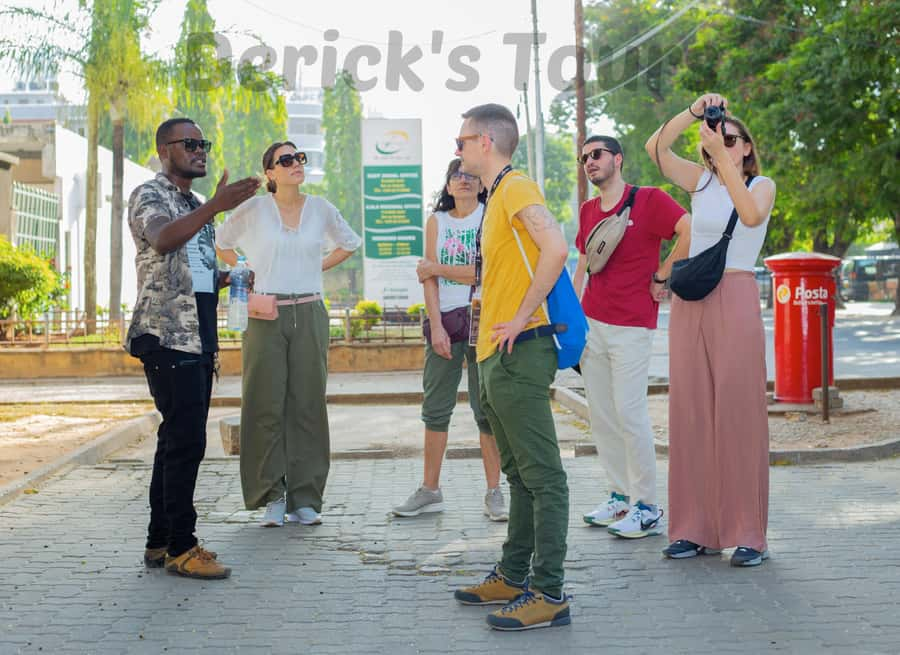
Dar es Salaam is large and spread out, so a short city-center walk cannot cover everything. That is not a flaw if you treat this experience as an orientation rather than a full city tour. In two hours, you get a useful framework for understanding the old center, the harbor area, and the buildings that shaped the city.
I like the pace described by most participants. The route moves often, but it is not designed as a forced march. You stop at major sites, hear the story behind them, and then continue on foot. One person found the pace comfortable, while another felt the guide moved too quickly for photographs. If you enjoy taking many pictures, tell Derick at the beginning so the timing can be adjusted.
The tour works particularly well near the start of a Dar es Salaam stay. You can learn which areas interest you, ask about places to return to, and get a clearer sense of how the historic center fits together. If you have only a few hours between plans, it also gives you more substance than simply driving past the main monuments.
A few more walks around the world worth a look
- Magical London: Harry Potter Guided Walking Tour
★ 4.7 · 22,044 reviews - Reykjavik Food Walk – Local Foodie Adventure in Iceland
★ 5.0 · 18,952 reviews - History and Hauntings of Salem Guided Walking Tour
★ 5.0 · 14,564 reviews
Starting With St. Joseph Cathedral
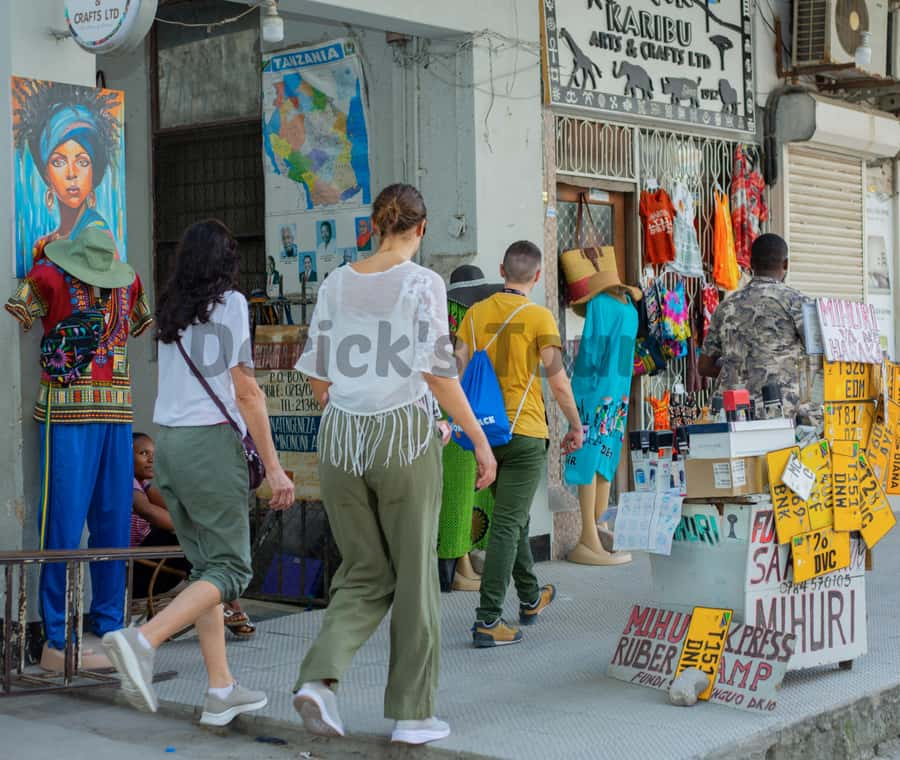
St. Joseph Cathedral provides a strong opening because it immediately shows a formal side of Dar es Salaam’s past. Its Gothic-style design is unusual enough to catch your eye, and the stop gives Derick a chance to explain how religious buildings connect with the city’s changing political and cultural influences.
You should expect an exterior and historical introduction, with the exact amount of time depending on the group and the day. The cathedral is not treated as an isolated attraction. Instead, it helps set up the wider story of Dar es Salaam as a city shaped by African, Arab, German, British, and later Tanzanian influences.
I value this sort of explanation more than a list of dates. A building becomes easier to remember when you understand why it was built and how it fits into the city around it. Derick is praised for answering questions in detail, so this is a good point to ask about architecture, religion, or the city’s early development.
Azania Front Church and the German Colonial Period
From St. Joseph Cathedral, the walk continues to Azania Front Lutheran Church. Its design reflects the German colonial period, giving you a second religious landmark with a different background and visual character.
The pairing is useful. You do not see one church and leave with a vague impression of old architecture. You see two important buildings and begin to notice how different institutions left their mark on the center. Derick’s explanations cover more than the colonial period, including earlier sultanate influence and later British rule.
That wider timeline is one of the tour’s best features. Dar es Salaam’s past is not a single chapter, and the guide’s value comes from connecting the periods rather than presenting them as separate trivia. I would ask questions here if you want to understand how the city changed from a coastal settlement into Tanzania’s economic center.
The drawback is that architecture lovers may want more time inside or around each church than the schedule permits. This is a highlights walk, not a specialist architectural tour.
Askari Monument: A Short Stop With Big Historical Weight
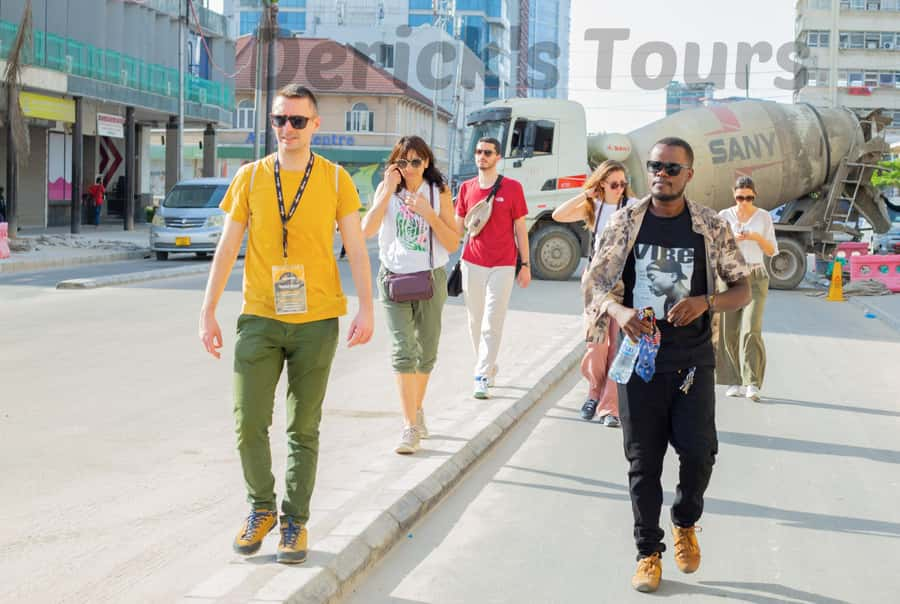
The Askari Monument is dedicated to African soldiers who served during World War I. It is an important pause because it shifts the focus from buildings and institutions to people whose service is often discussed through European military history rather than African experience.
The monument also gives the tour a chance to address the complicated relationship between colonial rule and African participation in global conflicts. You can expect an explanation of what the memorial represents and how it fits into Dar es Salaam’s public spaces.
This stop may be brief, but it adds weight to the walk. The route is not simply a parade of attractive buildings. It asks you to consider who lived, worked, served, and made decisions in the city across different periods.
If you want detailed military history, you should raise that request early. The standard two-hour format has several stops, so the guide must balance depth with movement.
Same streets, a different way to see them:
- New Orleans Premier Ghost, Voodoo and Vampire Walking Tour
★ 4.5 · 12,856 reviews - Amsterdam Anne Frank: Small-Group Walking Tour & Local Guide
★ 4.8 · 12,789 reviews - Edinburgh: Harry Potter Magical Guided Walking Tour
★ 4.8 · 11,944 reviews - Edinburgh Castle: Guided Walking Tour with Entry Ticket
★ 4.7 · 11,699 reviews
A Quiet Pause in the Botanical Garden
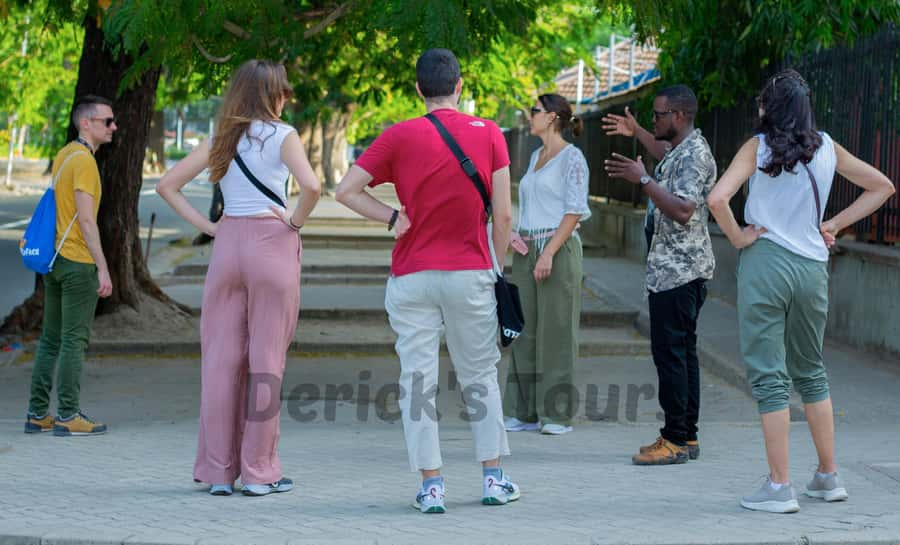
The Botanical Garden provides a welcome change of mood. After streets, traffic, stone buildings, and city noise, you reach a green space with tropical plants and trees.
I like this stop because it prevents the tour from feeling like one long history lecture. You have a chance to slow down, look around, and see how Dar es Salaam’s warm climate shapes its public spaces. The garden also helps you understand the contrast between the formal city center and pockets of shade and vegetation.
Do not expect a major botanical attraction that requires a separate half-day visit. Its value here is as a calm pause within the route. The garden gives you a breather and adds variety, but the time available will be limited.
If you prefer natural spaces to monuments, mention that when arranging the tour. The route can be adjusted, and the guide has shown a willingness to shape the experience around personal interests.
Kivukoni Fish Market Brings the City to Life
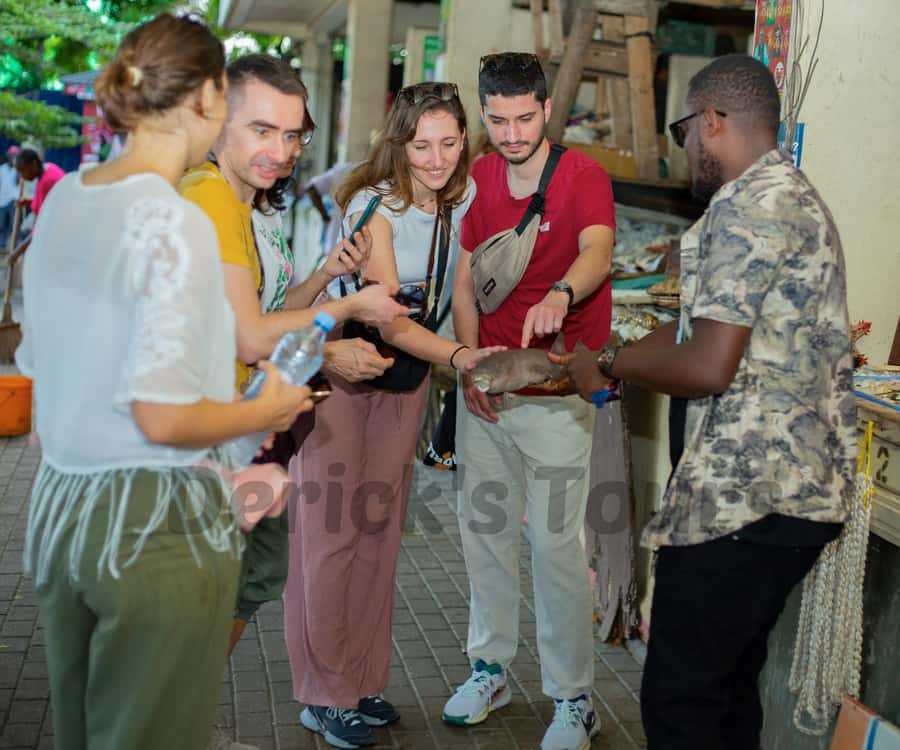
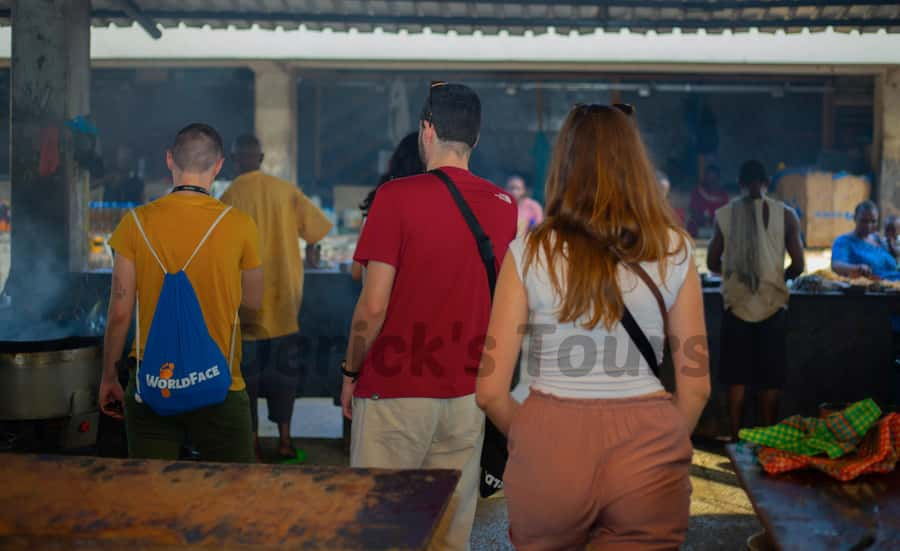
For many people, Kivukoni Fish Market is the high point. This is where the tour moves from historical explanation into present-day work and trade. You can watch seafood being sold, see fishermen handling nets, and observe the fast rhythm of a market tied closely to the ocean.
The market is not polished or staged for sightseeing. That is exactly why it matters. You get a look at the practical side of Dar es Salaam, where fresh fish moves from the waterfront into local commerce and kitchens.
One participant joined Derick for street food at the end of the tour and found it fresh and delicious. Food is not listed as a guaranteed inclusion, so treat that as a possible personal choice rather than part of the $30 package. If you are curious about local food, ask the guide what is suitable before buying anything.
The market also has a clear drawback: seafood smells can be strong. Someone with an allergy or strong sensitivity requested a different stop and visited Coco Beach instead. If that applies to you, say so before the walk begins. A flexible guide can make the route more comfortable.
Photography needs some courtesy here. The market is a workplace, not a set. Ask before photographing people, and allow the guide to explain what is happening around you.
Old Boma Connects the Present With the Past
The Old Boma is one of Dar es Salaam’s oldest surviving buildings. It gives the walk a solid architectural anchor and helps explain the city’s colonial past without turning the entire experience into a colonial sightseeing circuit.
What makes the Old Boma useful is its place in the larger route. By this point, you have seen religious buildings, a war memorial, a garden, and a working market. The Boma brings those pieces back to the question of how Dar es Salaam developed as a port and administrative center.
You should expect a guided explanation rather than a long museum visit. The tour is built around seeing the building and understanding its role. If you want more time for photos or detailed architectural notes, ask for it. One participant specifically felt the route moved too fast for pictures, so this is worth managing at the outset.
The Guide: Derick Lawrence’s Main Strengths
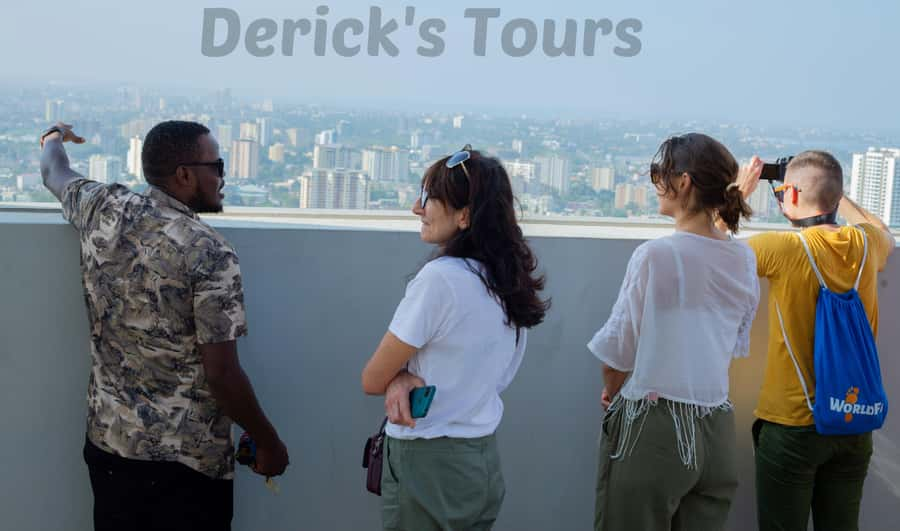
Derick’s greatest asset is his command of the city’s story. He explains Dar es Salaam’s formation and covers periods from the sultanate through German and British rule and into modern Tanzania. Several people valued his ability to answer questions rather than simply recite a prepared route.
His manner also seems to suit different kinds of visitors. Solo participants describe feeling comfortable, and families or small groups found him welcoming and easy to talk with. He has also helped with practical flexibility, including changing a tour from the afternoon to 5 p.m. and rescheduling when a participant could not make the original day.
That flexibility is valuable in Dar es Salaam’s heat. A morning or late-afternoon start may be more pleasant than walking at midday, depending on availability. Ask about timing before you book, especially if you know you prefer cooler hours.
A few unusual variations have occurred. A solo participant toured part of the city by motorbike, and another visited a twin tower for a city view. These are not described as standard inclusions, so do not book expecting them. They show that Derick may adapt the experience when circumstances and interests allow.
Is $30 a Fair Price?
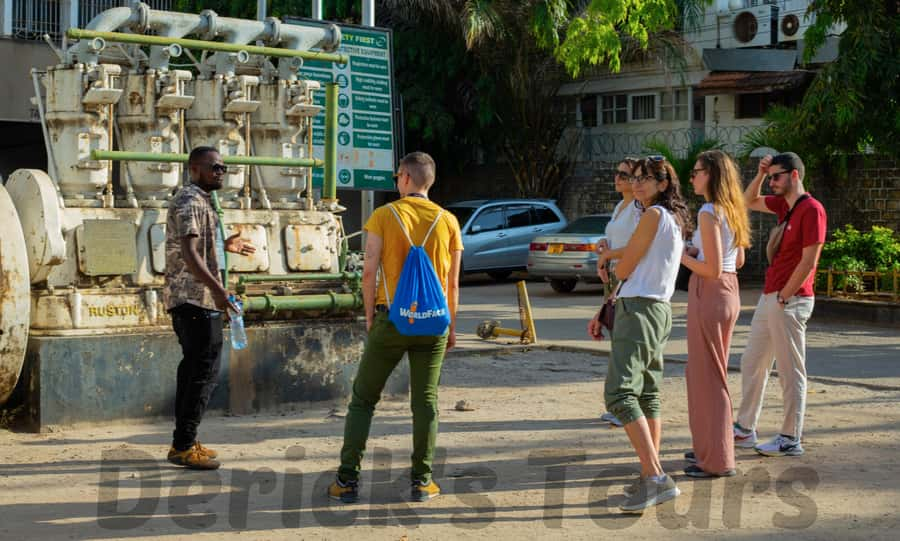
At $30 per person, the tour offers good value if you want context and conversation. You are paying for an English-speaking local guide, a planned route through several important places, and the ability to ask questions as you go.
A self-guided walk would cost less, but it would also leave you to work out the historical connections. You might see St. Joseph Cathedral, the Askari Monument, or the Old Boma, but miss why they matter together. You would also be less likely to find the best way into the city’s everyday waterfront activity.
The value is strongest for first-time visitors, solo visitors, and anyone with limited time. If you already know central Dar es Salaam well, the standard route may feel familiar, but customization can make it worthwhile.
The price does not appear to include food, entry fees for optional sights, or transport beyond the walking tour. Ask if your preferred route includes any extra cost. The guide itself, the mentioned landmarks, and route customization are included.
Timing, Comfort, and Practical Advice
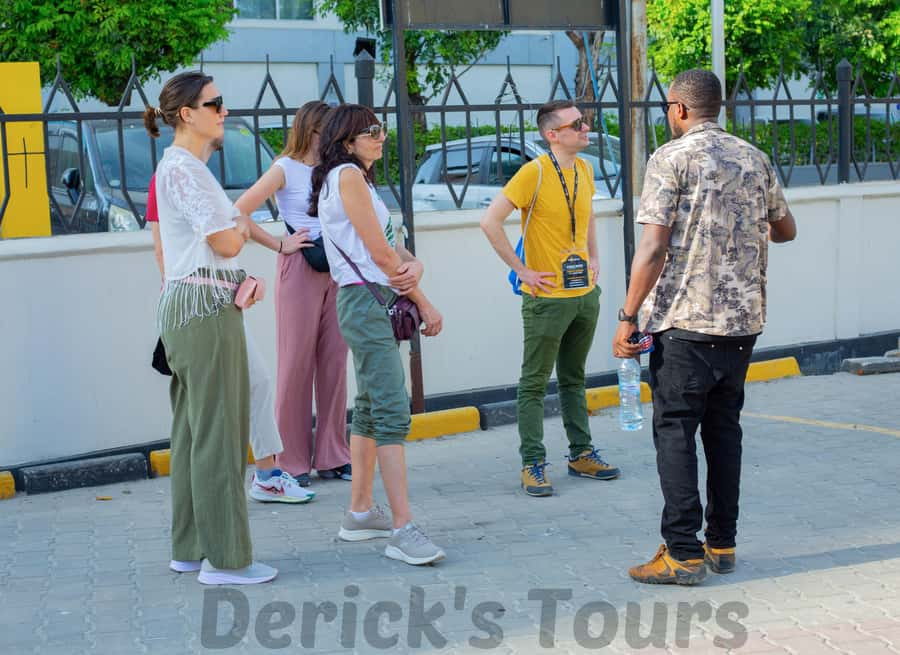
Wear shoes suitable for city walking. The route includes streets, public areas, a market, and garden paths, so comfort matters more than dressing for a formal sightseeing excursion.
Plan around the heat when you can. The ability to request a morning or late-afternoon time is one of the tour’s practical advantages. A 5 p.m. start was praised because it avoided the hottest part of the day and ended at the fish market when activity was still interesting.
Bring water and keep your schedule slightly open. The tour lasts two hours, but a custom route, photo stops, or a change in the final destination may affect the rhythm. If you need to finish at a particular place, agree on that before setting out.
The tour is in English. The guide meets you at a prearranged place, and hotel collection has been arranged for some participants, but you should confirm the meeting point and any collection request directly.
Cancellation is free up to 24 hours before the start, and you can reserve now and pay later. Those policies are useful if your Dar es Salaam plans may shift.
Who Should Book This Walk?
I would choose this tour if I were visiting Dar es Salaam for the first time and wanted a human explanation of the city rather than a fast vehicle circuit. It suits solo visitors, couples, small groups, history fans, and people who want to ask plenty of questions.
It is also a good fit for anyone who wants local daily life included in a city tour. Kivukoni Fish Market gives the route energy and reality, while the churches, monument, garden, and Old Boma provide historical shape.
You may want something else if you prefer long museum visits, extensive photography time, or a slow architectural study. Two hours and several stops require choices. Tell Derick what matters most, and the customization option can improve the fit.
Should You Book the Dar es Salaam City Center Walk?
Yes, if you want a friendly and flexible introduction to the city. The strongest reasons are Derick Lawrence’s clear grasp of Dar es Salaam’s past, the variety of stops, and the chance to see both landmark buildings and working waterfront life.
Book for a cooler time if possible, especially in the late afternoon or morning. Ask for extra photo time, request an alternative to Kivukoni if smells are a problem, and be clear about your interests before the walk begins.
For $30, this is a sensible way to get your bearings, understand the city’s story, and decide what deserves a second visit.
FAQ
How long is the Dar es Salaam City Center Walking Tour?
The tour lasts two hours.
How much does the tour cost?
The price is $30 per person.
Which landmarks are included?
The route includes St. Joseph Cathedral, Azania Front Lutheran Church, the Askari Monument, the Botanical Garden, Kivukoni Fish Market, and the Old Boma.
Is the tour conducted in English?
Yes. The live tour guide speaks English.
Who is the guide?
The experience is provided by Derick Lawrence.
Can the route be customized?
Yes. You can request changes based on your interests, and you should message in advance if you want a tailored route.
Can I avoid the fish market?
Yes. The route can be adjusted. One participant requested an alternative because of a reaction to the fish market smell and visited Coco Beach instead.
Can I choose a different start time?
Starting times depend on availability, but the guide has accommodated changes, including morning and late-afternoon arrangements.
What is the cancellation policy?
You can cancel up to 24 hours in advance for a full refund. You can also reserve now and pay later.
Just added around the world
- Walking Tour of Boston’s Freedom Trail★ 4.5 · 77 reviews
- Downtown Freedom Trail Walking Tour – History & Architecture★ 4.5 · 194 reviews
- Boston “Death and Dying” Walking Ghost Tour★ 4.5 · 223 reviews
- Boston Food of the North End Private Walking Tour★ 5.0 · 174 reviews
- Boston Seafood Lovers Food and History Walking Tour★ 5.0 · 208 reviews
- Boston Movie Mile Walking Tour★ 4.5 · 119 reviews
- 1 If By Land Walking Tours★ 5.0 · 95 reviews
- Boston History and Freedom Trail Private Walking Tour★ 5.0 · 117 reviews
Tanzania Walking Tours, compared.
Zanzibar: Stone Town Historical Cultural Walking Guided Tour
Read our review →
Stonetown: Food Markets and Street Food Walking Tour
Read our review →
Arusha Guided Walking City Tour, Culture, Lifestyle & History
Read our review →
Stone Town’s Hidden History: Private Guided Walking Tour
Read our review →Browse the lists this tour appears in