
Review · OLD TOWN WALKING TOURS
Dubai: Old City Walking Tour with Abra Ride
Dubai’s glass towers are only half the story. This three-hour walking tour takes you through Al Fahidi’s wind-tower houses and narrow lanes, then across Dubai Creek by traditional abra to the spice and gold souks. I like the clear contrast between old trading neighborhoods and modern Dubai, and I like that the $19 price includes the boat ride, tastings, water, and a local guide. The main drawback is the heat: much of the tour is on foot, and some museum or neighborhood stops may be brief or affected by renovation work.
The guides are the heart of the experience. Abdullah has been praised for explaining local customs and city life with patience, while Shahzad, Mazher, Muhammad, Ikram, and others have earned strong marks for answering questions and keeping the pace comfortable. Expect a social outing rather than a quiet private walk, although small groups can sometimes turn the tour into a private experience.
Key points to know before booking
- Three hours on foot: The route covers Al Seef, Al Fahidi, the old textile market, Dubai Creek, the spice souk, and the gold souk.
- A real abra crossing: The short shared water taxi is one of the tour’s most memorable moments and connects the historic districts on both sides of the creek.
- Good value at $19: Your fee includes a licensed guide, abra ride, water, tea or coffee, a small tasting, and entry to the listed neighborhoods and souks.
- Strong guide feedback: Abdullah and Shahzad receive especially warm praise for history, culture, and friendly answers to questions.
- Meet at Sharaf DG Metro Station: Use Exit 4, also known as the old Al Fahidi Metro Station. Hotel pickup is available only with the selected option.
- Bring sensible shoes: The route includes several walking sections, with roughly 5 to 10 minutes between many stops.
Why Old Dubai makes a better walking tour than a photo stop
Dubai is often presented through skyscrapers, shopping malls, and grand hotels. Those sights have their place, but they tell only the newest chapter of the city. In Old Dubai, you get a more useful picture of the place as a desert trading town connected by a creek.
The route helps you connect the pieces. Al Fahidi shows how houses were arranged and cooled before modern air-conditioning. The creek explains why Dubai became a trading center. The souks show how commerce still shapes daily life, even when the goods and sales methods have changed.
I like this format because you are not simply dropped at a market and left to wander. A guide provides the missing context. That matters in Al Fahidi, where a row of restored walls can look pleasant but meaningless without an explanation of wind towers, family homes, and neighborhood design.
The tour also gives you a chance to ask direct questions about Emirati culture, local customs, and the city’s rapid growth. Several guides have been praised for explaining ordinary life, not just famous buildings. That is a strong reason to choose a guided walk instead of covering the same streets alone.
More Old Town Walking Tours in the world:
- Underground Vaults Walking Tour in Edinburgh Old Town
★ 4.5 · 8,506 reviews - Prague: 3-Hour Walking Tour of Old Town & Prague Castle
★ 4.7 · 5,696 reviews - Dubrovnik: Old Town Walking Tour
★ 4.8 · 5,174 reviews
Starting near Sharaf DG and walking into Al Seef
The standard meeting point is Sharaf DG Metro Station, Exit 4, formerly called Al Fahidi Metro Station. If you choose hotel pickup, the driver collects you around 40 minutes to one hour before the activity begins, so allow extra time before the walking portion starts.
From the starting point, you walk toward Al Seef. The first walking section is short, about five minutes, which lets the group get organized without wasting much of the three-hour schedule.
Al Seef provides an introduction to the old and new sides of Dubai. It is included as a visit and guided walk, with about 20 minutes set aside for photographs and orientation. The area gives you a sense of how Dubai presents its waterfront heritage, mixing traditional visual details with a more recently developed visitor district.
This stop is useful, but do not expect the entire tour to feel like an untouched historic quarter. Al Seef is part of Dubai’s modern presentation of its past. The value comes from using it as a starting point before moving into older lanes and houses.
Al Bastakiya and the logic of wind towers
Next comes Al Bastakiya, within the Al Fahidi historical neighborhood. The guided portion is about 15 minutes, with time for photographs and a walk through the district.
The key feature here is the traditional house design, especially the wind towers. These structures helped move air through homes before mechanical cooling. They are more than decorative towers, and a good guide can explain how architecture responded to the heat.
The stop is short, so you will not inspect every lane at length. Still, it gives you the basic visual vocabulary for the rest of the walk: shaded passages, enclosed courtyards, thick walls, and houses built around family life rather than grand public display.
If you want a slow architectural study with lots of time for photographs, this schedule may feel brisk. If you want a readable introduction to the quarter, the pace works well.
Coffee, dates, and a taste of local hospitality
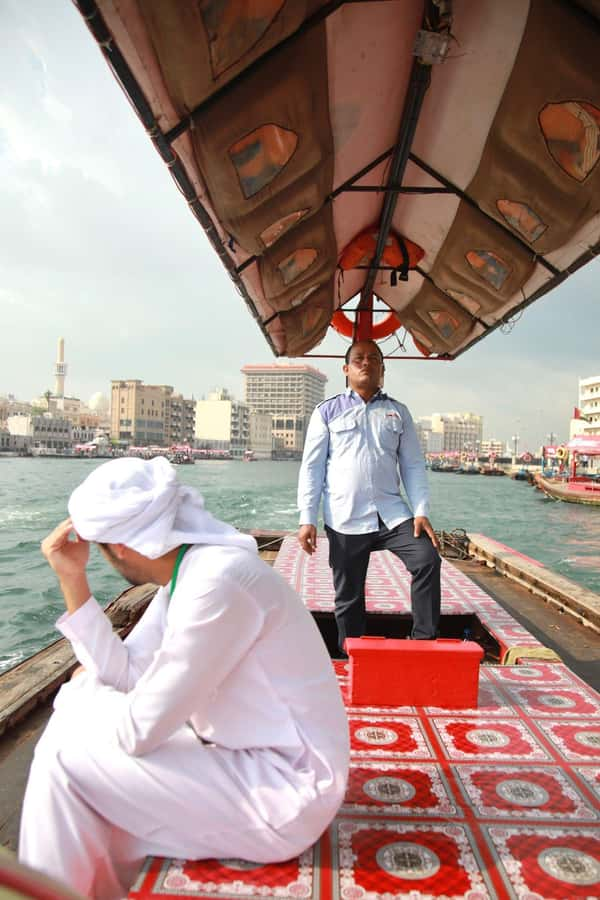
The next stop is Bayt Al Khanyar Museum and Coffee Shop, reached after another short walk. About 15 minutes is planned for the visit, guided explanation, and sightseeing.
This is where the tour becomes more than a street walk. Tea or coffee is included for each person, along with a small tasting. The tasting has been described as including Arabic coffee and dates, a simple pairing that gives you a direct connection to local hospitality.
The coffee museum portion adds context to a drink that is closely tied to welcoming guests across the region. You are not just being handed a beverage while someone points toward the next stop. The guide can use it to explain customs, daily life, and the role of hospitality.
For me, this is one of the best details in the package because it slows the tour down. A short indoor stop also helps on a hot day. Several people have appreciated air-conditioned breaks during the walk, especially when temperatures made the outdoor sections tiring.
A few more walks around the world worth a look
- Magical London: Harry Potter Guided Walking Tour
★ 4.7 · 22,044 reviews - Reykjavik Food Walk – Local Foodie Adventure in Iceland
★ 5.0 · 18,952 reviews - History and Hauntings of Salem Guided Walking Tour
★ 5.0 · 14,564 reviews - New Orleans Premier Ghost, Voodoo and Vampire Walking Tour
★ 4.5 · 12,856 reviews
Al Fahidi Fort and the limits of the museum portion
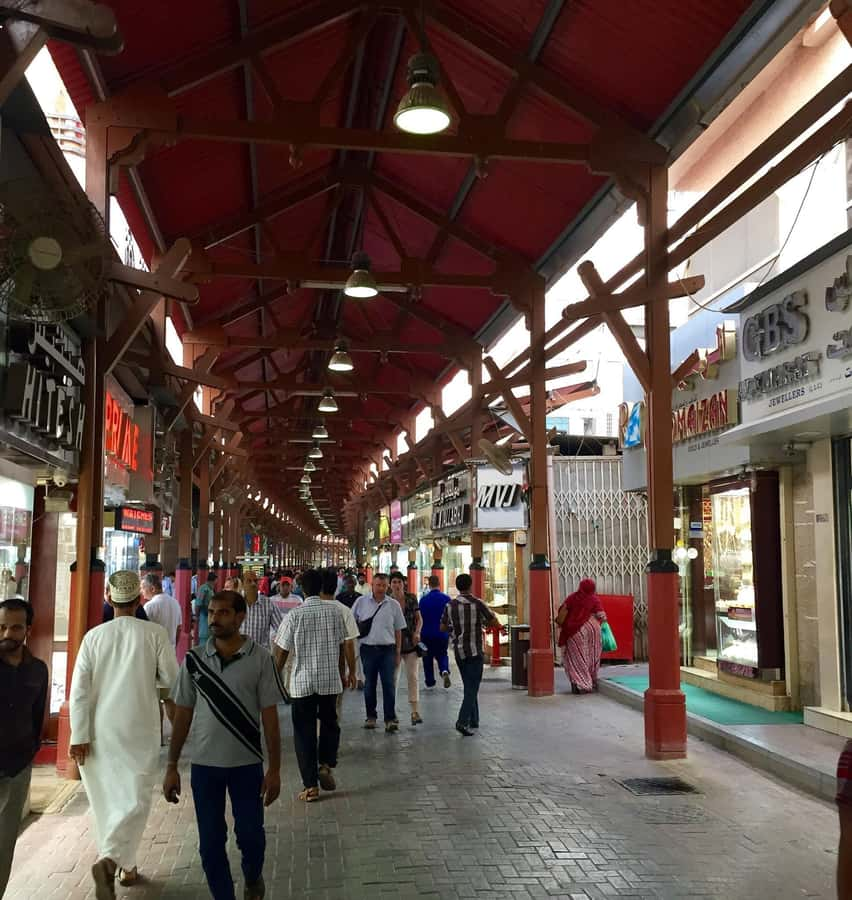
The route then passes Al Fahidi Fort, with about 20 minutes assigned for a guided explanation and photographs. The fort is central to Dubai’s story, and it gives the tour a clear link to the city’s earlier defensive and administrative past.
The schedule describes this section as passing by, even though the general tour description refers to the Dubai Museum. That distinction matters. You should expect an explanation and a look at the site, but do not assume you will receive a full museum visit or extended indoor museum time.
Conditions can change. One booking party noted that some areas were closed for renovation, so portions of the historic district may not always be available. The guide should help you understand what is open and provide context for anything you cannot enter.
This is a good example of why the tour’s value rests partly on the guide. If a building is closed, the history does not have to disappear. A clear explanation can still make the stop worthwhile, but visitors expecting a long museum session should keep expectations modest.
The old textile market and the walk toward the creek
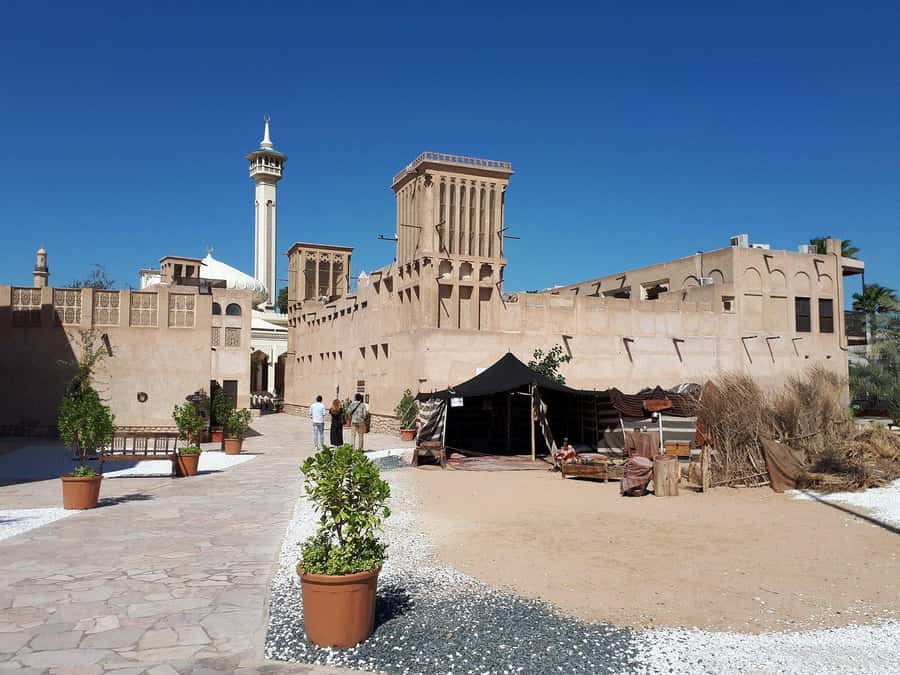
After another brief walk, the group reaches the old textile market. The planned time is about 15 minutes, mainly for photographs, a guided look, and passing through the market area.
This section connects the residential lanes with Dubai’s trading identity. Textiles add color and commercial energy, but the tour is not designed as a long shopping session here. You get an introduction before moving toward the water.
That design keeps the tour moving. You see several types of historic space in one morning or afternoon: restored neighborhood, museum or fort setting, market, creek, and souks. The tradeoff is that none of these stops receives the attention you would get on a dedicated market or architecture tour.
The ten-minute abra ride across Dubai Creek
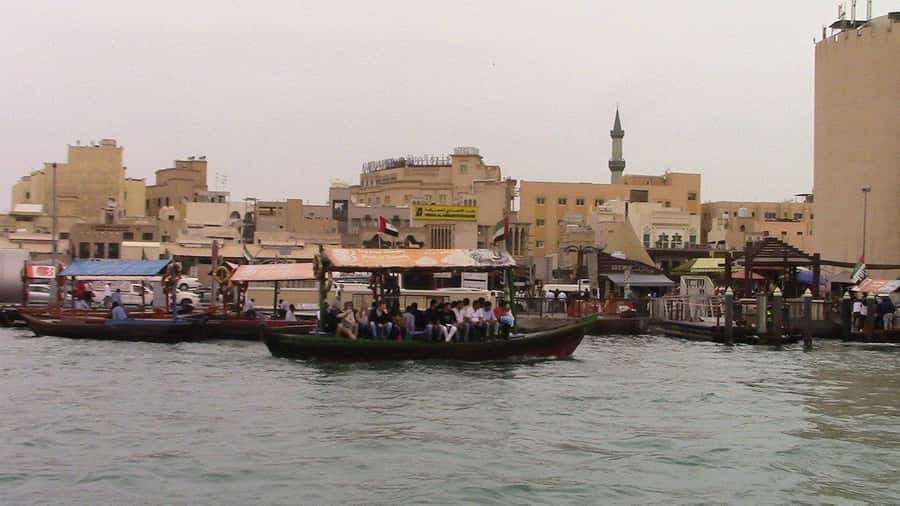
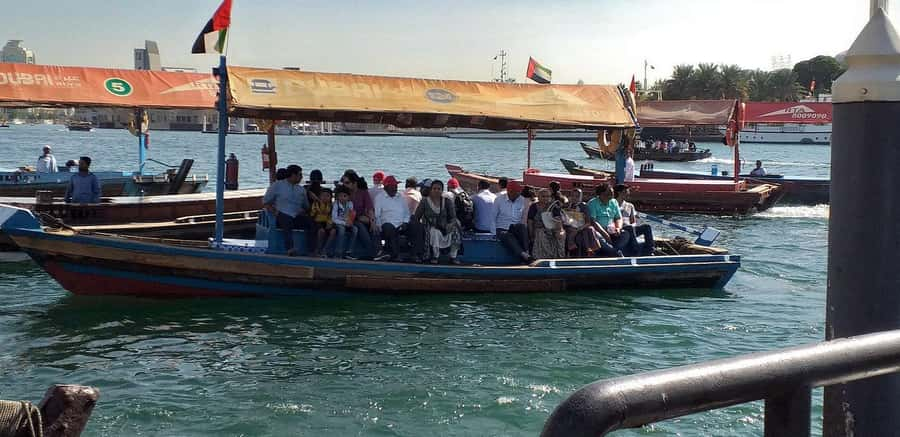
The abra ride is the clearest highlight for many people. The crossing lasts about 10 minutes and uses a shared traditional water taxi.
It is a simple ride, not a luxury cruise. That is exactly why it works. From the water, you see Dubai from the route that made the old city function. The creek is not just scenery. It is the practical link between the Bur Dubai side and Deira, carrying people and goods between the historic districts.
The boat also gives your feet a break. After several walking sections, the breeze and water views provide a welcome change of pace. You will want to keep your camera ready, but stay aware that this is shared public transport rather than a private sightseeing boat.
The experience includes the abra fare, so there is no separate payment to arrange during the tour. The crossing ends on the Deira side, where the commercial focus becomes stronger.
Spice Souk: aromas, samples, and shopping pressure
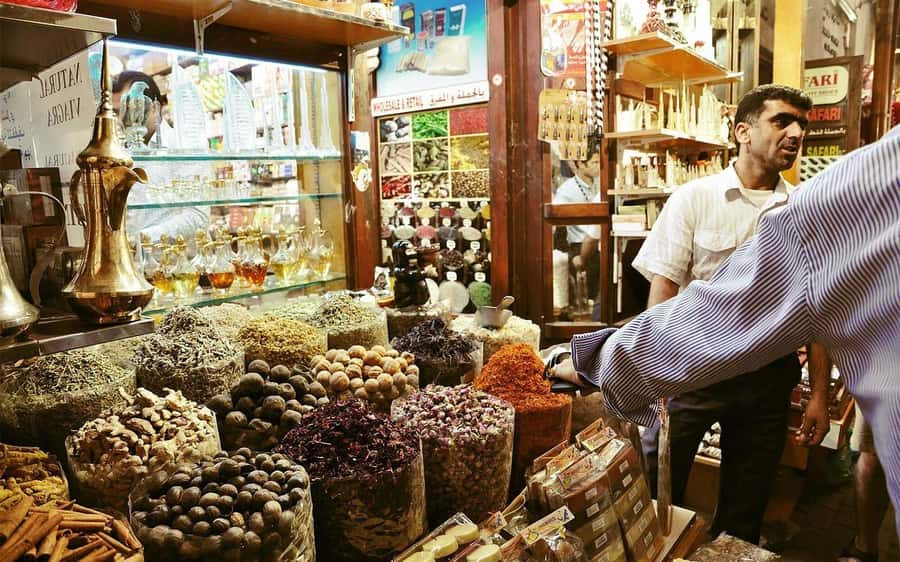
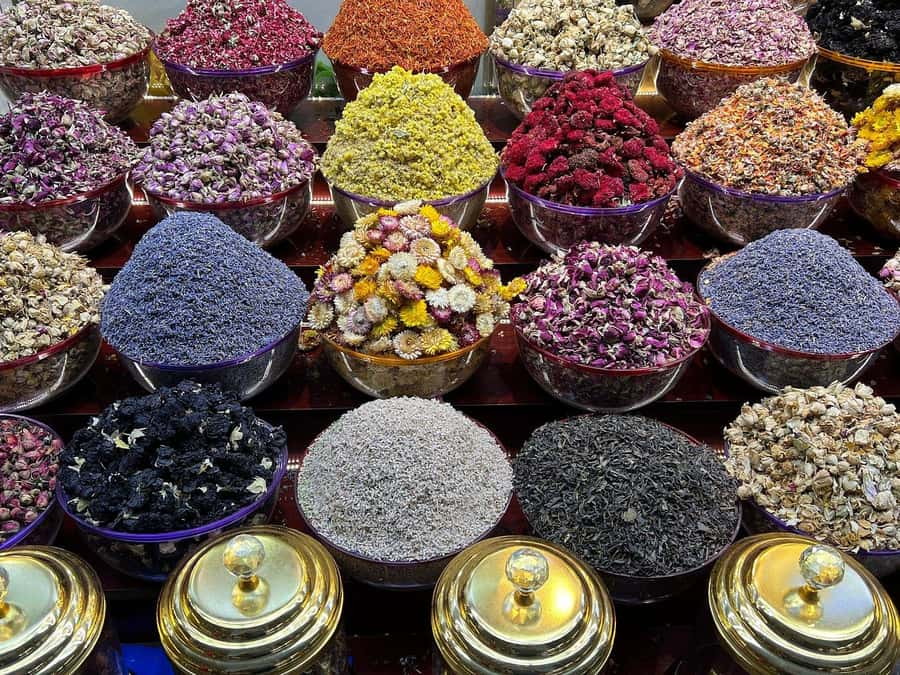
The Dubai Spice Souk receives about 30 minutes, including a guided visit, free time, sightseeing, and shopping. This is enough time to look around and ask questions, but not enough for a leisurely browse through every shop.
The guide helps make sense of the displays. You might see spices, dried goods, sweets, chocolates, and other packaged items, with shop staff offering information and samples. One account described ending at a spice shop where it was possible to taste products and learn about them before deciding what to buy.
Keep your wallet in your pocket until you know what you want. Souk shopping can be enjoyable, but the commercial side is part of the experience. The tour gives you an introduction and a chance to buy a souvenir, not a guarantee of the lowest price or a completely pressure-free browsing session.
This stop suits you if you enjoy food, scents, and small purchases. If shopping makes you uncomfortable, tell the guide politely that you prefer to look rather than buy.
Gold Souk: an impressive final market
The gold souk also receives about 30 minutes. You walk there from the spice market in roughly five minutes, then have time for a guided visit, photographs, shopping, and independent browsing.
Even if you do not intend to purchase jewelry, the displays are worth seeing. The scale and presentation make this a visually strong ending to the tour. You can look at the craftsmanship and ask questions without needing to buy anything.
The tour does not promise that every store or display will be open, and the itinerary leaves room for shopping rather than a formal museum-style explanation. Still, the guide’s presence helps you understand the market as part of Dubai’s long commercial story.
From the gold souk, the group walks for about 10 minutes toward the end point at Al Ras Metro Station. This is convenient if you plan to continue exploring Deira or return by metro.
Price, pace, and what the $19 includes
At $19 per person, this is a strong-value introduction to Old Dubai. You receive three hours with a licensed local guide, access to the listed historic areas and souks, the shared abra crossing, bottled water, tea or coffee, and a small tasting. A private taxi, separate creek crossing, and independent guide would cost more.
The value is strongest if you are visiting Dubai for the first time and want the basic story in one outing. You get transport between the two historic sides, several different settings, and help with local context.
The price is less compelling if you want long museum visits, extended shopping, or a slow photography walk. The schedule is active, and many stops last 15 to 30 minutes. You are buying a broad introduction, not a specialist tour.
Group size is not specified. Some bookings have ended up feeling private, while others appear to have involved a normal shared group. If a private experience matters to you, ask before booking rather than assuming.
Guides, language, and the human side of the tour
The advertised guide languages are English, Hindi, and Urdu. The strongest pattern in the feedback is the guides’ willingness to answer questions and explain Dubai beyond the usual postcard version.
Abdullah receives repeated praise for his friendly manner, clear explanations, local background, and ability to discuss culture and everyday life. Shahzad is also repeatedly praised for history, good humor, and an open approach to questions. Mazher, Muhammad, Ikram, Imran, Asad, and Adeel are also named positively for guiding different departures.
That variety means the tone may depend on who leads your group. The common strength is personal explanation rather than a dry recitation of dates. One guide even recommended a traditional restaurant after the walk, which is the sort of practical local help that can make a short tour more useful.
The one criticism worth noting is that the historical detail may feel lighter than some people want. If you are an architecture or history specialist, ask questions early and make use of the guide’s time.
Heat, clothing, and practical preparation
Wear comfortable shoes. That advice is not filler here. The route includes repeated walks of three to ten minutes, plus extended outdoor sections through markets and historic lanes.
Choose light, comfortable clothing suitable for Dubai’s conditions and remember that the tour includes cultural sites and traditional neighborhoods. Carrying water is sensible even though one bottle per person is included.
The timing matters. Check the available start times and think about the season. A hot day can make the walk tiring, although indoor stops and the coffee shop provide some relief. One party specifically appreciated air-conditioned breaks during a warm outing.
The tour ends at Al Ras Metro Station, not back at the original meeting point, unless your chosen pickup option says otherwise. Plan your next journey from Deira rather than expecting a return transfer.
Who should book this Old Dubai walk?
I would choose this tour if you want a low-cost introduction to Dubai’s older neighborhoods, prefer walking to coach sightseeing, and enjoy learning through conversation. It is especially useful early in your visit, since the guide can help you understand where to return for more time later.
Families can manage the three-hour length, provided children are comfortable walking in the heat. The abra ride and souks add variety, so the experience is not three straight hours of architecture.
I would look elsewhere if you want a private luxury outing, a long museum visit, or a dedicated shopping tour. The route is broad and efficient, with limited time at each stop.
Should you book it?
Yes, if your priority is seeing the creek, Al Fahidi, traditional markets, and both major souks in one affordable outing. The combination of walking, coffee or dates, and the abra crossing gives you a useful picture of Old Dubai for $19.
Book with realistic expectations. Some stops are brief, museum access can vary, and the heat is part of the challenge. But with a good guide such as Abdullah or Shahzad, this tour gives you history, culture, transport, and practical orientation without an expensive price tag.
FAQ
How long does the Dubai Old City walking tour last?
The tour lasts three hours.
Where does the tour meet?
The standard meeting point is Sharaf DG Metro Station, Exit 4. This station was formerly called Al Fahidi Metro Station.
Does the tour include hotel pickup?
Hotel pickup and drop-off are available only if you select that option. The driver collects you about 40 minutes to one hour before the tour begins.
Is the abra ride included?
Yes. The tour includes a shared abra, or traditional water taxi, crossing from the Bur Dubai side to Deira.
What languages are available?
The advertised guide languages are English, Hindi, and Urdu.
Are food and drinks included?
Each person receives bottled water and tea or coffee. The tour also includes a small tasting, with Arabic coffee and dates noted as part of the experience.
Does the tour enter the Dubai Museum?
The route passes Al Fahidi Fort and provides a guided explanation. Museum access may vary, and some areas have been closed for renovation.
Where does the tour end?
The walking route ends at Al Ras Metro Station in Dubai, after the gold souk.
Just added around the world
- Walking Tour of Boston’s Freedom Trail★ 4.5 · 77 reviews
- Downtown Freedom Trail Walking Tour – History & Architecture★ 4.5 · 194 reviews
- Boston Seafood Lovers Food and History Walking Tour★ 5.0 · 208 reviews
- Boston “Death and Dying” Walking Ghost Tour★ 4.5 · 223 reviews
- Boston Food of the North End Private Walking Tour★ 5.0 · 174 reviews
- Boston Movie Mile Walking Tour★ 4.5 · 119 reviews
- 1 If By Land Walking Tours★ 5.0 · 95 reviews
- Boston History and Freedom Trail Private Walking Tour★ 5.0 · 117 reviews
Old Town Walking Tours, compared.
Underground Vaults Walking Tour in Edinburgh Old Town
Read our review →
3-Hour Walking Tour of Old Town & Prague Castle
Read our review →
Old Town and Jewish Quarter Guided Walking Tour
Read our review →
Cartagena: Historic Center and Getsemaní Shared Walking Tour
Read our review →Browse the lists this tour appears in