
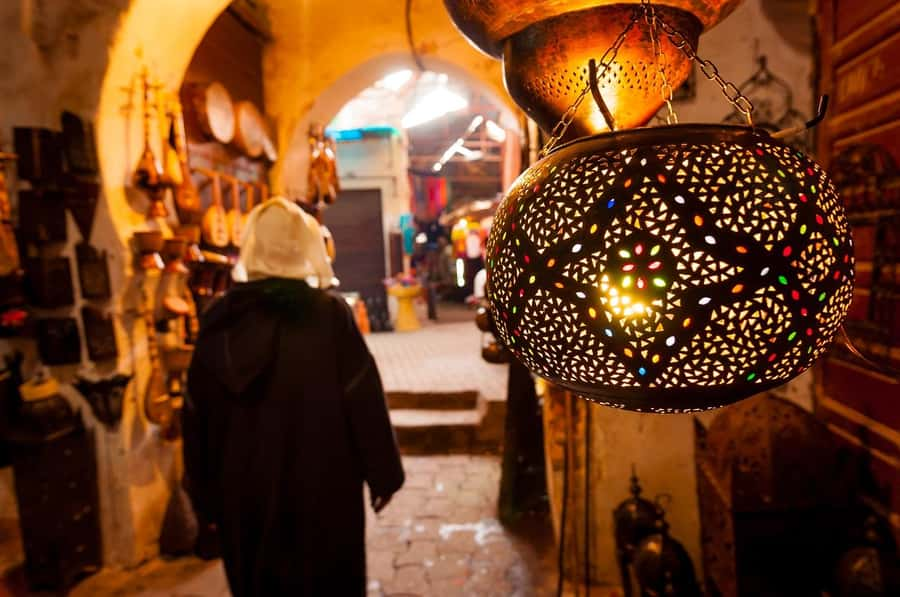
Review · MARRAKECH WALKING TOURS
Marrakech Guided Souks Tour with a Local Insider
The souks reward curious walkers. This three-hour tour takes you beyond the obvious shopping lanes, showing you hidden alleys, old foundouks, and working craft areas that are hard to understand on your own. I like the way the guide explains how each section of the medina works, and I especially like the practical help with bargaining and spotting handmade goods.
The $19 price is excellent value if you want more than a quick wander through the main market. Guides such as Mohammed, Abdel, Charif, Mo, and Atman have helped people find leather, carpets, spices, wood, copper, silver, wool, and clothing. The main caution is that some stops can feel like shopping appointments, especially if you are not planning to buy anything.
What makes this souks tour worth your time
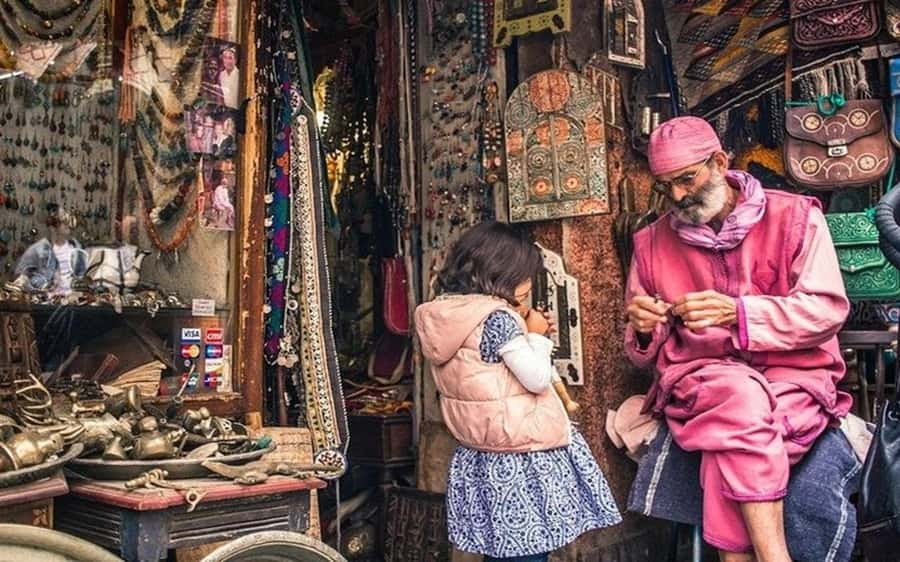
- Old foundouks away from the main lanes: See former merchant inns and learn how traders once stayed in Marrakech.
- Craft areas with a purpose: Understand where leather workers, wool dyers, metalworkers, spice sellers, and textile merchants operate.
- Local shopping advice: Get help with bargaining, prices, customs, and choosing handmade goods.
- Guides with personal ties to the medina: Mohammed grew up inside the old city, while Abdel has also shared firsthand insight into daily life there.
- Flexible private option: A private group lets you ask more questions and shape the walk around the things you want to see.
- A useful first-day orientation: The tour can make the medina easier to explore independently afterward.
Starting at Café de France in Jemaa el-Fnaa
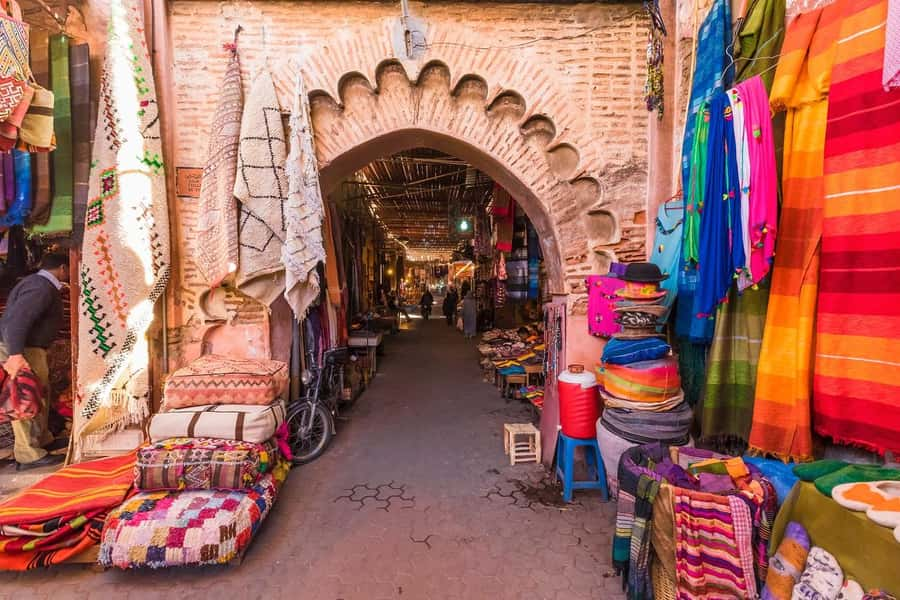
The meeting point is in front of Café de France, on Jemaa el-Fnaa, the large central square at the heart of Marrakech. This is a sensible place to begin because you are starting at a clear landmark before entering the maze of the medina.
Depending on the option you select, hotel pickup may be available. If not, plan to meet at the café rather than expect transportation. The tour is a walking experience, and the route ends in the Marrakech medina with drop-off options listed for Marrakesh and Café de France.
Your guide begins with a short introduction, then leads you away from the open square and into narrower lanes. This first transition matters. Jemaa el-Fnaa is easy to recognize, but the souks quickly become a web of passages where one lane can look much like another. A local guide helps you pay attention to the layout instead of simply following the crowd.
English and French tours are available. Private groups can also be booked, which is worth considering if you want to focus on shopping for one particular item, ask many questions, or move at your own pace.
More Guided Walks in Morocco:
- Marrakech: Colorful Medina Souks Guided Walking Tour
★ 4.7 · 2,470 reviews - Marrakech: Saadian Tombs & Bahia Palace, Medina Guided Tour
★ 4.6 · 1,989 reviews - Explore Fes: Unforgettable Guided Walking Tour of the Medina
★ 4.7 · 1,339 reviews
Reading the layout of Souk Semmarine
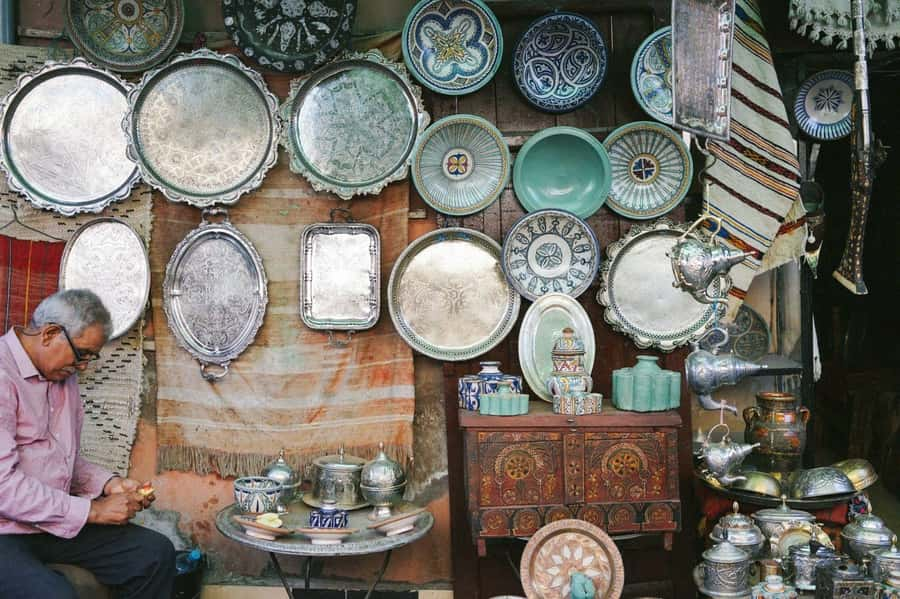
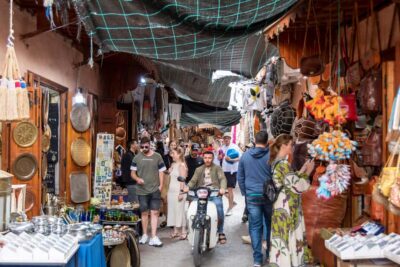
Souk Semmarine is the main shopping spine of the experience. It is a good place to see the famous side of Marrakech’s markets: colorful goods, narrow lanes, sales pitches, and rows of small workshops and shops.
The useful part is not simply being shown where to shop. Your guide explains how the souks are divided by trade. You might move from textiles and clothing toward leather, spices, metalwork, traditional tools, or other handmade goods. Once you understand this system, the medina feels less random.
The tour allows time for photos, guided walking, and shopping. That combination makes the experience practical, but it also creates the main trade-off. If you want to buy a carpet, leather item, copper piece, clothing, or spice, the guide can help you find the right type of shop and understand the buying process. If you only want architecture and history, some of these stops may feel longer than necessary.
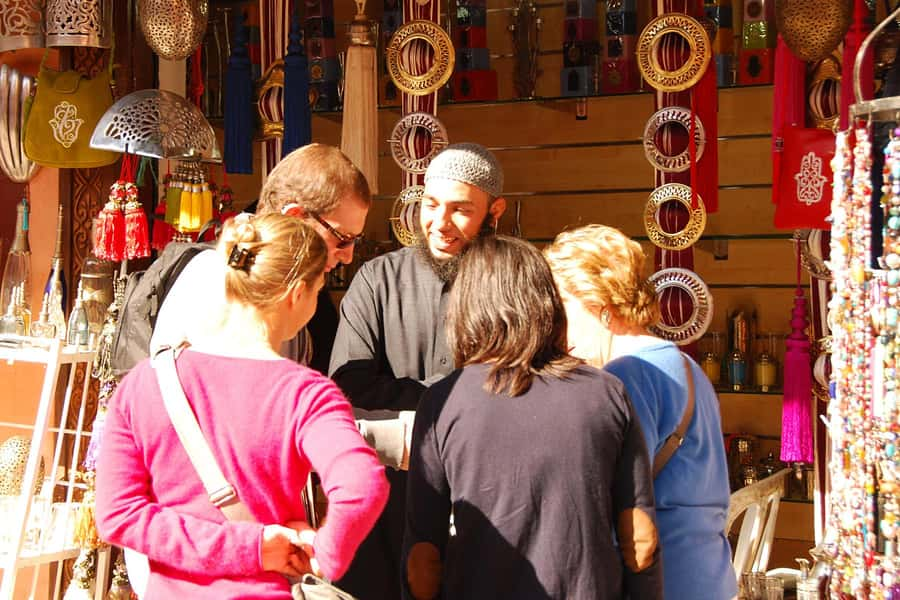
Guides have helped people identify good places for leather, wood, copper, silver, clothes, and spices. One guide also helped a group shop for a carpet. This kind of help can be valuable when you do not know the difference between a handmade product and a mass-produced item, or when you are unsure how to begin bargaining.
Learning how bargaining works
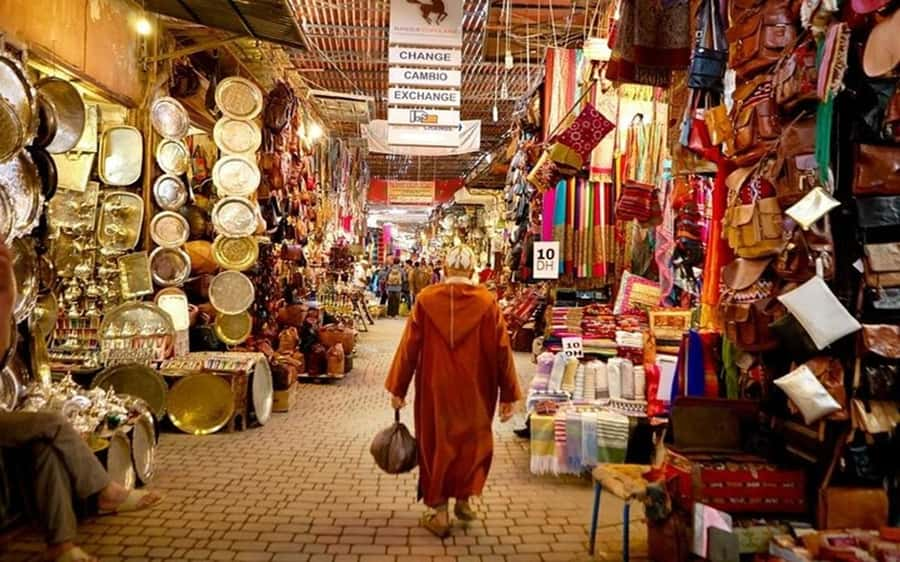
Shopping in the Marrakech souks is easier when you know what to expect. The guide explains local etiquette and helps you approach bargaining with a little less uncertainty.
That does not mean every purchase becomes a bargain, and it does not remove the need for your own judgment. You still need to decide what an item is worth to you, and you should not feel obliged to buy because a guide has introduced you to a merchant.
I like the fact that this advice is presented as part of the wider culture of the market. You learn how merchants work, how products are made, and how to ask questions without turning every exchange into a contest. The best version of this tour leaves you more confident, not simply carrying a shopping bag.
One important point comes from the experience of a guest who felt the tour leaned too much toward personal shopping. There was no strong pressure to buy, but repeated suggestions and sales talks became tiring after the group had already said it was not interested in certain products. If shopping is not part of your plan, say so clearly at the start and ask for more history, architecture, and local life instead.
Finding the quieter corners and old foundouks
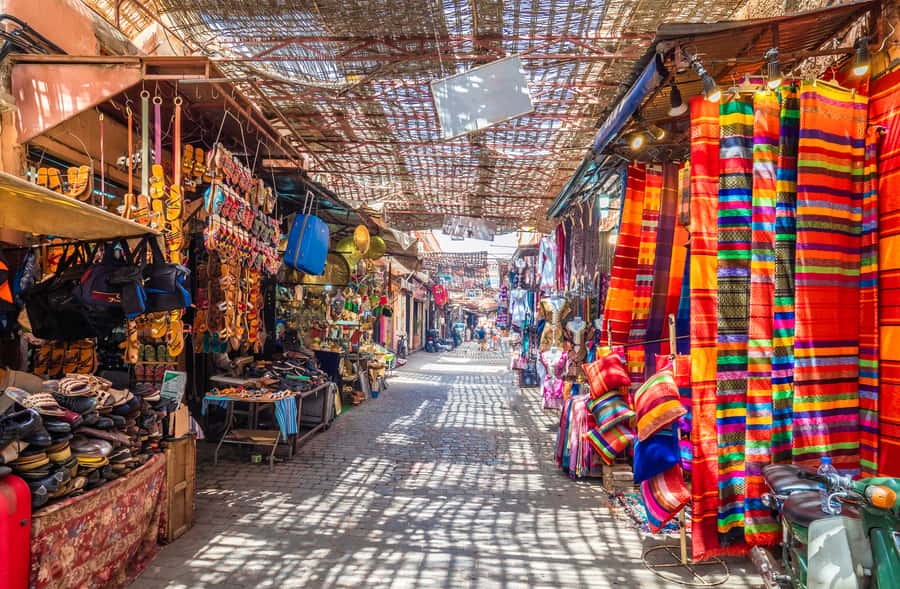
The most valuable part of the walk may come after you leave the main shopping lanes. Your guide takes you through smaller passages and lesser-known parts of the medina, including historic foundouks.
A foundouk was a merchant inn where traders arriving from other regions could stay, store goods, and conduct business. Seeing these spaces adds useful context to the souks. The market was not just a collection of shops aimed at modern shoppers. It formed part of a larger commercial network, with places for trade, storage, lodging, and craft production.
You may also see working areas where traditional trades continue. Guides have shown groups where leather is traded and where wool is dyed. Other stops have included artisans working with wood, copper, silver, and textiles. These moments give the tour more substance than a standard walk through souvenir stalls.
The best guide stories connect the physical setting to daily life. Mohammed, who grew up in the medina, has been praised for explaining what life is like inside the old city. Abdel has also shared details about living in the medina and how to find your way around it. That personal connection can make the narrow lanes easier to understand.
Same streets, a different way to see them:
- Marrakech: Ben Youssef, Secret Garden, & Souks Walking Tour
★ 4.6 · 2,802 reviews - Marrakech: Medina by Night Walking Tour with Moroccan Tea
★ 4.6 · 586 reviews - Fez: Guided Walking Tour of the Historic Medina
★ 5.0 · 359 reviews - Marrakech: Authentic Moroccan Food Walking Tour & Dinner
★ 4.8 · 261 reviews
Souk Cherifia and the craft tradition
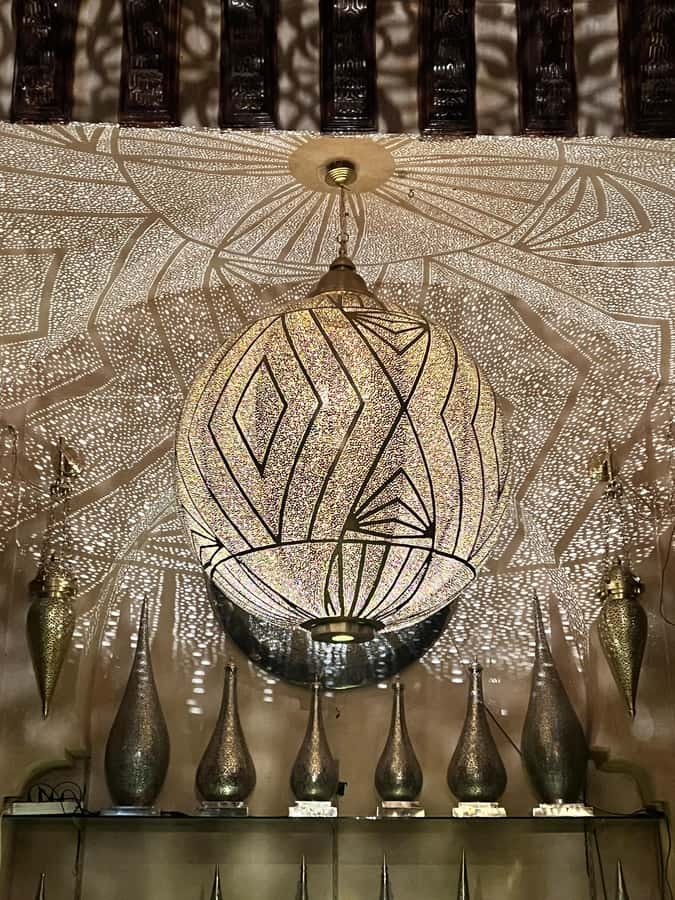
Souk Cherifia is another stop on the route, with guided walking and time to look around. It helps broaden the experience beyond Souk Semmarine and gives you another setting in which to see how goods are displayed and sold.
Your guide may explain the difference between a craft being made locally and an item being sold simply because it looks Moroccan. This is where the tour’s emphasis on authentic craftsmanship becomes useful. You can ask how a product was made, what materials were used, and whether the work is produced by hand.
The information supplied for the tour does not guarantee a particular artisan demonstration at every departure. Still, several guides have taken groups behind the main lanes to watch local craftsmanship. That is one reason a private option can be attractive: you can state clearly that you want to spend more time watching craftspeople and less time browsing stores.
The market is not a museum. It is a place of business, so the balance between cultural explanation and shopping varies with the guide, group, and your own interests. Set your expectations accordingly.
Walking through the Medina with more context
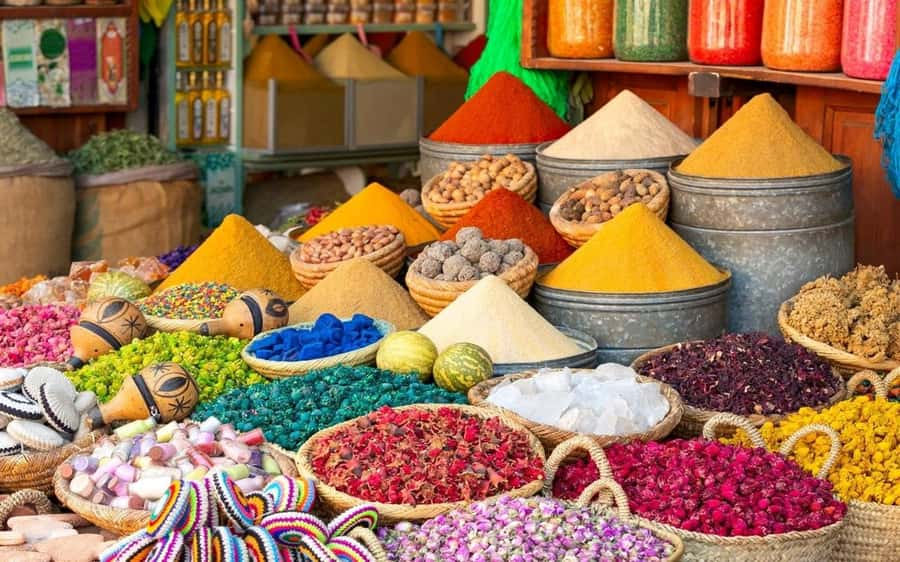
The wider medina section adds history and daily life to the shopping experience. You may hear about Marrakech from the twelfth century onward, local traditions, Berber people, neighborhood organization, architecture, and ongoing refurbishment in the old city.
This part helps answer a common problem: you can walk through a historic quarter without understanding what you are seeing. A good guide points out how the streets function, why certain trades gather in particular areas, and how people live and work among the market lanes.
One group visited Ben Youssef Madrasa with its guide, Atman. The supplied route does not promise that the madrasa is included every time, so treat this as a possible variation rather than a guaranteed stop. If it is a priority, ask when booking or at the beginning of the walk.
The route also includes time for photos and free exploration. That gives you a chance to pause, look up at the architecture, or try to retrace part of the route while the streets are still familiar. The guide’s real value is not only getting you through the alleys. It is helping you understand what you are looking at.
Food, tea, and small local encounters
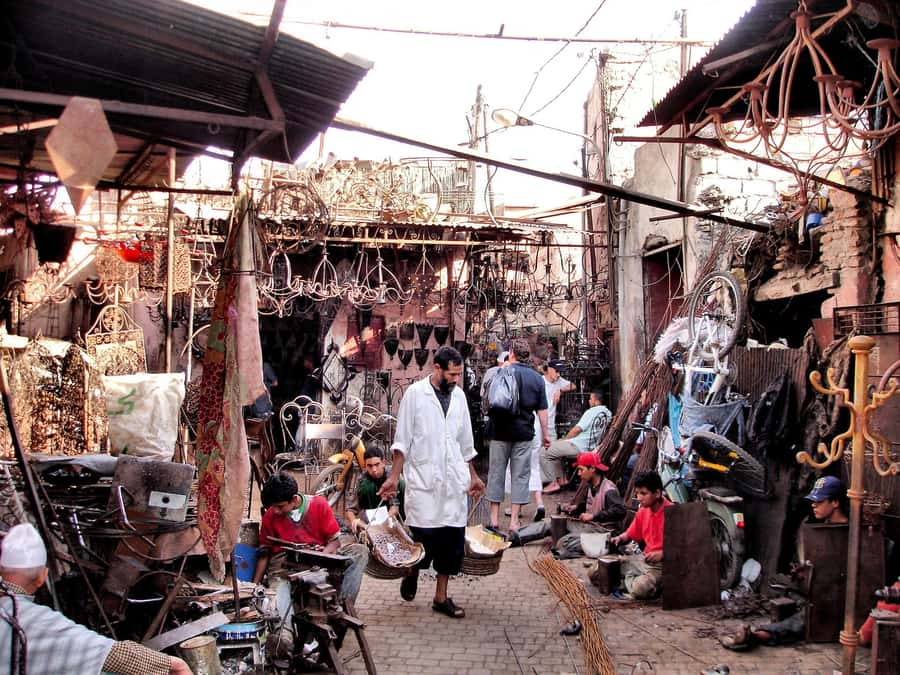
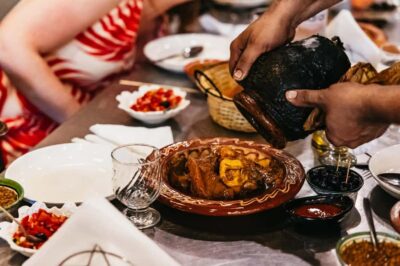
Food and drinks are not included, but some guides have added informal stops along the way. Mohammed has taken groups to food spots, while another group enjoyed lamb kebabs on fresh bread, beans, olives, Moroccan tea, and coffee heated in sand.
These details should not be treated as guaranteed inclusions. They depend on the guide and the group. Still, they show how the experience can become more personal when you explain your interests.
If food is important to you, mention it early. The guide may be able to shape the route around local tastes, but you should budget separately because meals and drinks are not part of the $19 price.
Private or shared group?
The shared tour is likely the better value for solo travelers and couples who want a basic orientation at a low price. You get a local guide, a planned route, and a chance to ask questions without paying the full cost of a private experience.
A private group costs more than the basic $19 per person option may suggest, depending on the selected arrangement, but it can be worthwhile for families or friends with specific goals. Groups have used private tours to look for certain purchases, ask detailed questions, and spend more time in craft areas.
A private walk also gives you more control over the balance between shopping and history. One small group enjoyed having the guide’s full attention and could stop wherever it wanted. Another group noted a downside of having no other shoppers to watch: there was less chance to stand back and observe someone else bargaining.
The guide names most often associated with especially warm feedback include Mohammed, Mo, Abdel, Charif, Atman, Ishmail, Abdul, and Romero. One female guide was singled out as the company’s only female guide at that time, offering a different perspective on the souks. The specific guide is not guaranteed, but the range of comments suggests that personal style can vary.
Is $19 good value?
At $19 per person, this is strong value if you are visiting Marrakech for the first time or feel unsure about entering the souks alone. Three hours with a local guide can save you from spending much of your day lost, repeatedly returning to the same lanes, or accepting the first shop you find.
The value comes from orientation and context, not transport or meals. You are paying for a walking guide, local explanations, access to less obvious corners, and shopping support. If you want a food tour, a vehicle, or entrance tickets to several monuments, this is not that kind of experience.
The tour has a rating of 4.6 from 109 reviews, with particularly strong praise for guide friendliness, local knowledge, humor, and flexibility. The recurring strength is the ability to show areas people would not easily find alone. The recurring weakness is the possibility of too much shopping.
Practical advice before you go
Wear comfortable shoes. The experience lasts three hours and includes narrow lanes, repeated walking, and time on your feet.
Bring a clear idea of what you want to see. You might say that you are interested in leather, spices, textiles, metalwork, foundouks, food, architecture, or local history. The more specific you are, the easier it is for the guide to shape the time well.
If you do not want to buy anything, say that at the start. You can still enjoy the tour, but a direct request for more history and fewer sales stops may prevent disappointment.
Ask questions about materials, production, and price before showing strong interest in an item. Your guide can explain customs and bargaining, but the final decision is yours.
Cancellation is free up to 24 hours before the start, and you can reserve now and pay later. Starting times depend on availability. Those terms make it easier to fit the tour into a short Marrakech stay.
Who should book this tour?
I would choose this tour early in a Marrakech visit if you want to shop but do not yet understand the medina. It is also a good fit if you want an introduction to local crafts, foundouks, and the working life of the old city.
It suits first-time visitors, curious shoppers, and anyone who wants a local guide before exploring independently. Families and friends may prefer the private option, especially if they have a shopping list or different interests.
I would be more cautious if you strongly dislike commercial stops or want a purely historical walking tour. The shopping element is central, not incidental. You can reduce it by explaining your wishes, but you cannot remove it completely from the character of the experience.
Should you book the Marrakech souks tour?
Book it if you want a low-cost introduction to the medina with real help navigating its craft districts and shopping lanes. The strongest reasons are the local guides, the foundouks and backstreets, and the practical advice that makes bargaining less intimidating.
Choose the private option if you want to focus on certain goods, ask many questions, or spend more time with artisans. Choose the shared option if you mainly need orientation and want to keep the price down.
For a first visit, I think the tour is worth the three hours. Just set the tone at the beginning: tell your guide what you want to buy, what you want to learn, and how much shopping you can tolerate.
FAQ
Where does the tour meet?
The meeting point is in front of Café de France in Jemaa el-Fnaa, the main square in Marrakech.
How long does the tour last?
The experience lasts three hours. Starting times depend on availability.
What languages are available?
The live tour guide is available in English and French.
Is hotel pickup included?
Hotel pickup is available only if you select an option that includes it. Hotel pickup and drop-off are otherwise not included.
Are food and drinks included?
No. Food and drinks are not included, although individual guides may sometimes suggest or arrange informal food or drink stops.
Can I book a private tour?
Yes. A private group option is available. You can also choose a shared group tour, depending on the selected option.
Just added around Morocco
- Marrakech 3-Hour Walking Tour★ 4.3 · 120 reviews
- Marrakech: Monuments, Souks and Medina Guided Walking Tour★ 4.8 · 208 reviews
- Marrakech: Souk by Night Medina Guided Walking Tour.★ 4.3 · 166 reviews
- Marrakech: Authentic Moroccan Food Walking Tour & Dinner★ 4.8 · 261 reviews
- Marrakech: Customized Guided Walking Tour★ 4.3 · 82 reviews
- Marrakech: Uncover Hidden Gems on a Half-Day Walking Tour★ 4.2 · 92 reviews
- Marrakech: 3-Hour Monuments, Souks & Old Medina Walking Tour★ 4.7 · 133 reviews
- Fez: Walking Tour in the Ancient City of Fez★ 4.8 · 73 reviews
Marrakech Walking Tours, compared.
Ben Youssef, Secret Garden, & Souks Walking Tour
Read our review →

Saadian Tombs & Bahia Palace, Medina Guided Tour
Read our review →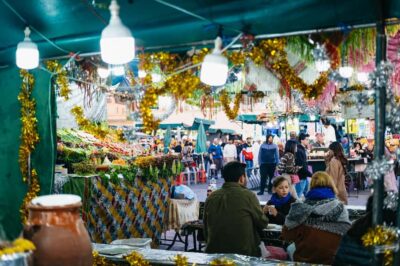
Monuments, Souks and Medina Guided Walking Tour
Read our review →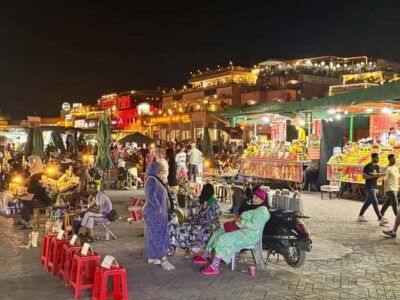
3-Hour Monuments, Souks & Old Medina Walking Tour
Read our review →Browse the lists this tour appears in