
Review · CANADA WALKING TOURS
Quebec City: Old Quebec Classic Walking Tour with Funicular
Old Quebec rewards slow looking. This two-hour walk connects the city’s Lower and Upper Towns, pairing major sights with the stories that give them meaning. I especially like the small-group format and the included funicular ride, which saves your legs for cobblestones and sightseeing. The main drawback is that steep, uneven streets can make this a demanding outing for anyone with limited mobility.
You begin near the Old Port at 112 Rue Saint-Paul, then work through the Lower Town before riding up toward Château Frontenac. I also like that the guides do more than recite dates: Sam, Luis, Diane, Murielle, Anais, Dennis, and others have helped visitors with restaurant ideas, clothing advice, warm-up stops, and practical plans for the rest of their stay. On crowded days, though, the second half may feel a little brisk.
At a glance: what makes this walk useful
- A full Old Quebec introduction: See Place Royale, Petit Champlain, the Quebec City Mural, the fortifications, Château Frontenac, Terrasse Dufferin, the basilica-cathedral, and City Hall in one outing.
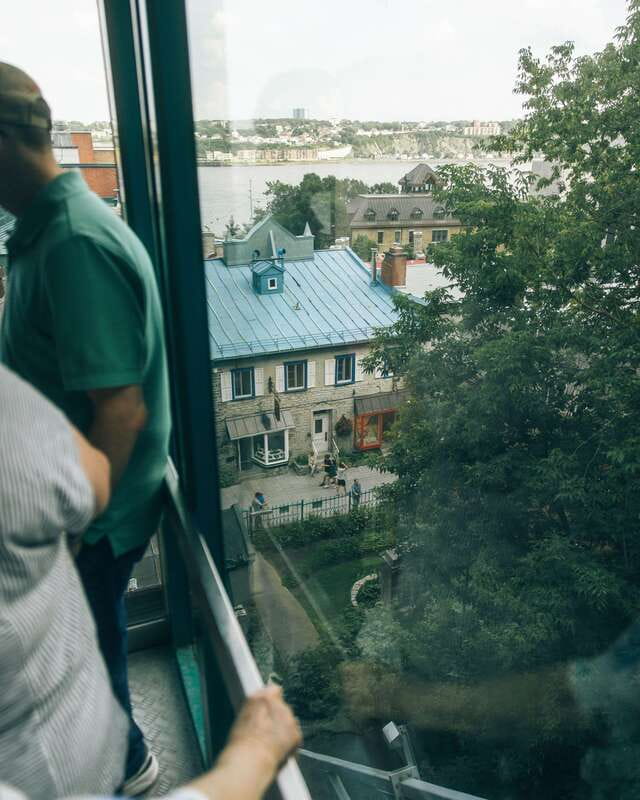
- The funicular saves the steep climb: Your ticket takes you from Lower Town toward Upper Town, with views toward the St. Lawrence River.
- Guides add local judgment: Past guides such as Luis, Sam, Diane, Murielle, Anais, and Dennis have offered food, shopping, weather, and sightseeing suggestions.
- A manageable group size: Groups can reach 12 people, small enough to hear the guide when everyone stays together.
- A strong first-day choice: The route gives you a useful mental map before you explore Old Quebec on your own.
- Plan for real walking: Cobblestones, uneven pavement, slopes, and changing weather call for comfortable shoes and suitable clothing.
Starting at Rue Saint-Paul in the Lower Town
The meeting point is the yellow building at 112 Rue Saint-Paul. This puts you near the Old Port and close to the lower section of Old Quebec, so the tour begins in a part of town where the city’s early commercial and street life comes into focus.
The group heads through the Lower Town first. That order matters. You see the older, lower streets before riding upward, rather than beginning among the postcard views and working downhill. The route gives you a sense of how Quebec City is arranged, with the riverfront district below and the fortified Upper Town above.
The walk lasts about two hours, although the advertised duration allows two to three hours. That difference likely reflects group pace, crowd levels, weather, and how many questions come up. I would keep a little space in your schedule rather than booking a meal or timed attraction immediately afterward.
Groups may include up to 12 people. That is not a private walk, but it is still a reasonable size for a busy historic district. Dennis, one of the guides, was praised for keeping walks between stops short enough that the group could hear and see what mattered. On a crowded Sunday, one group found 12 people worked well, although the later portion moved faster.
A few more walks around Canada worth a look
- Quebec City Walking Tour
★ 5.0 · 4,716 reviews - Old Quebec City: Grand Walking Tour with Private Option
★ 4.8 · 2,609 reviews - The Original Old Montréal Walking Tour by Guidatour
★ 4.5 · 2,217 reviews
Place Royale and the Quebec City Mural
Place Royale is an excellent first major stop because it gives you a compact introduction to Quebec’s French beginnings. Here, your guide can connect the buildings and square to the city’s early development instead of leaving you to admire the architecture without context.
The Quebec City Mural adds a different layer. It is a visual history lesson, and a guide helps you read the people, events, and scenes shown there. This is also a good camera stop, but do not spend the entire moment looking through your phone. The point of having a guide is to understand what you are seeing.
This section of the route is likely to feel lively and photogenic, especially during peak sightseeing hours. If you want quiet photographs, you may need to return later. The tour’s value here is not solitude. It is orientation, explanation, and the chance to ask questions while the city is in front of you.
Petit Champlain, where the walk feels most charming
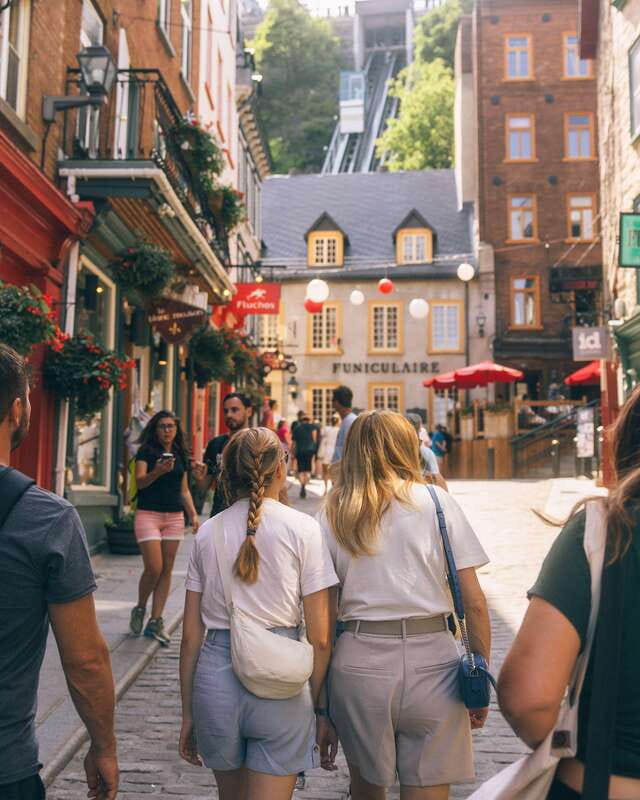
The Quartier Petit Champlain is one of the most appealing parts of the Lower Town route. Its narrow streets and historic character give the tour a pleasant change of pace after the broader historical discussion at Place Royale.
I like this part because it combines atmosphere with practical use. Your guide can point out specialty shops and places to eat, helping you decide where to return after the tour. Jesse specifically appreciated recommendations for specialty shops and restaurants, while several other guides gave suggestions tailored to the rest of a visitor’s stay.
Petit Champlain can also be crowded. The narrow setting means a group needs to stay close, and stopping for long explanations may be harder when foot traffic is heavy. Keep your belongings secure and expect to pause at the edge of the flow rather than blocking the street.
For first-time visitors, this is one of the places where a local guide earns the fee. You can walk through the district alone, but you may not know which details deserve a closer look or how this lower neighborhood fits into the wider city.
Fortifications and the story of a defended city
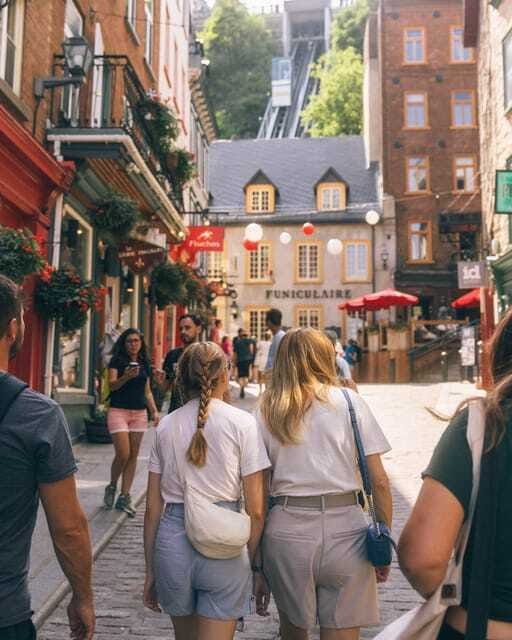
The Fortifications of Quebec help explain why the city does not feel like an ordinary North American downtown. They are part of the physical reason Old Quebec has such a distinct shape, and the guide’s historical explanation gives the walls a purpose beyond being an attractive backdrop.
This is where the tour shifts from picturesque streets to the city’s military and political past. Guides have covered French and English chapters of Quebec’s story, the founding of the city, and the forces that shaped its present character.
The amount of detail depends on your guide and the questions from your group. The descriptions from guests consistently point to guides who enjoy explaining the past and answering questions, rather than rushing through a fixed script. Diane, Dennis, Etienne, Sam, and Murielle were all singled out for making history engaging and easy to follow.
You should not expect an extended museum visit here. The focus is on outdoor landmarks and a broad understanding of the city. If you want to study military history in depth, you will need a separate visit to other attractions.
Same streets, a different way to see them:
- Montreal Mile End Authentic Food Tour with 7 Delicacies Tastings
★ 5.0 · 2,598 reviews - Old Montreal Small-Group Walking Tour | Max 10 | by MTL Detours
★ 5.0 · 2,088 reviews - Gastown Historic Walking Food Tour
★ 5.0 · 1,863 reviews - Old Quebec Classique Walking Tour with Funicular
★ 5.0 · 1,317 reviews
The funicular ride and the climb to Upper Town
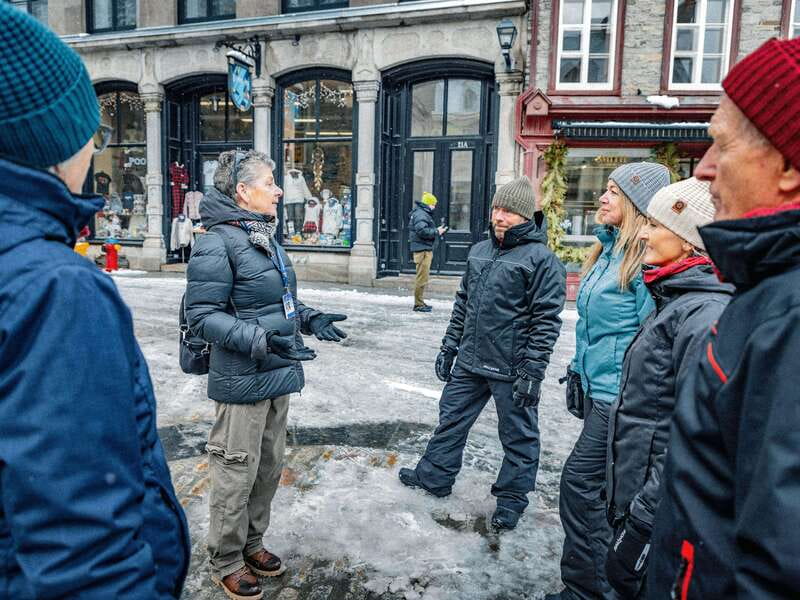
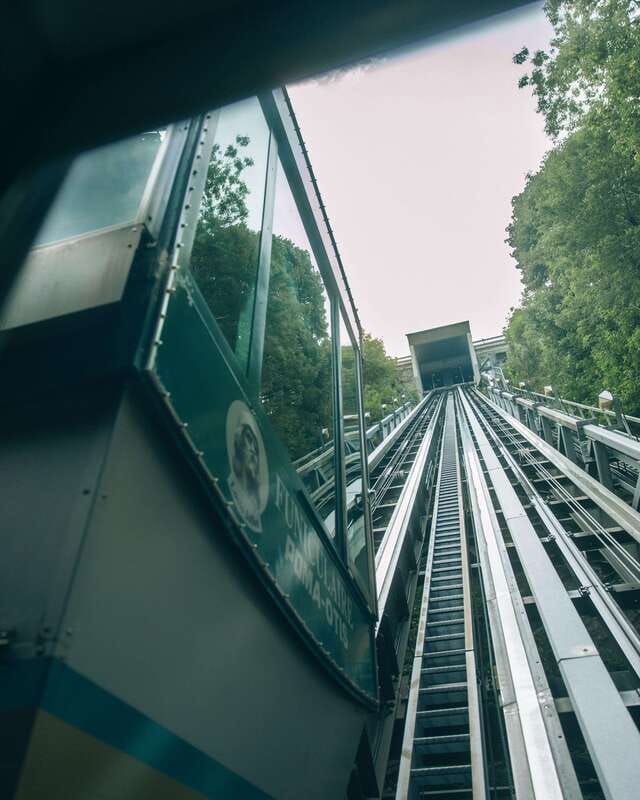
The included funicular entry is the tour’s most practical feature. Instead of walking up the steep route between the Lower and Upper Towns, you ride directly upward and get views toward the St. Lawrence River along the way.
That makes a real difference after walking through Petit Champlain and the lower streets. The ride is short, but it breaks up the route and adds a simple transport experience that fits the geography of Quebec City.
There is one important caveat: the funicular can have a long line or be unavailable. One group chose to walk because the queue was lengthy. Their guide, Sam, took the climb slowly, stopped when needed, and offered to find another solution if anyone could not manage it. If the funicular is closed, the operator can arrange a taxi or provide a ticket for later use, depending on your preference.
Do not treat the funicular as a guarantee of a completely easy walk. You still have uneven streets before and after the ride. If you have mobility limitations or use a wheelchair, this tour is not suitable according to the activity information.
Château Frontenac and Terrasse Dufferin
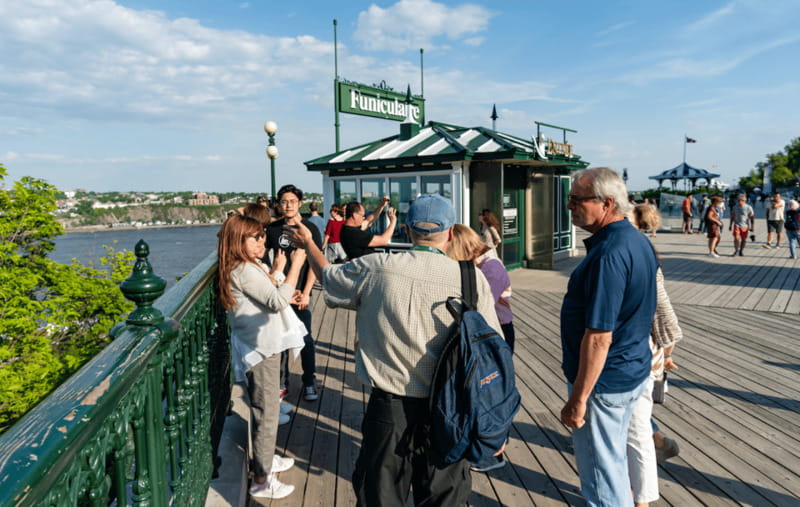
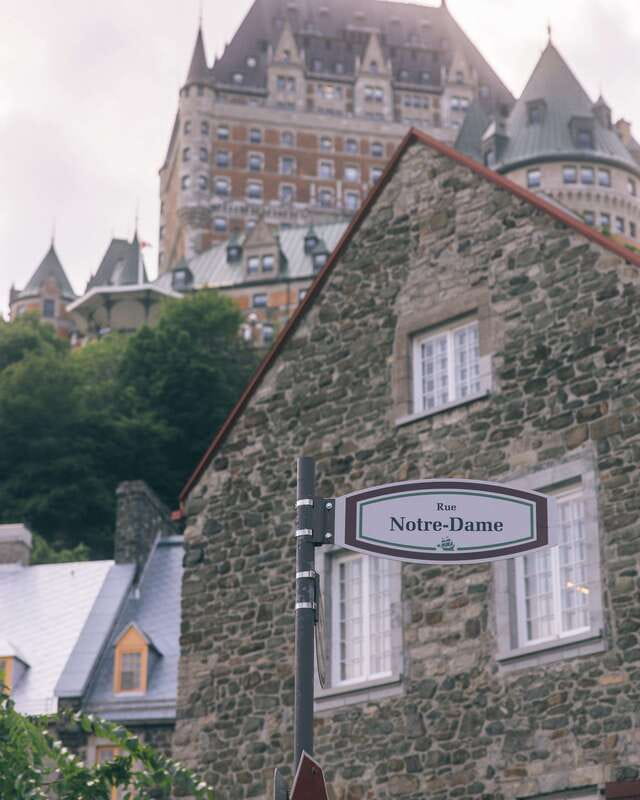
The Upper Town portion begins near Fairmont Le Château Frontenac, Quebec City’s most famous hotel. The tour takes you to the landmark and explains its place in the city, but it does not include a hotel interior visit. One visitor specifically wished for more time inside Château Frontenac and at the Citadel, so set your expectations accordingly.
Terrasse Dufferin is where the views become a major part of the experience. From here, you can look toward the St. Lawrence River and appreciate the sharp change in elevation between the two sections of town. This is an ideal place for photographs, though weather and crowds can affect how long the group stays.
The guide adds value by linking the view to the city’s layout. Instead of seeing the river as a pretty background, you begin to understand why Quebec developed where it did and why the Upper Town and Lower Town feel so different.
The Upper Town can be especially busy in summer and on pleasant weekends. One visitor enjoyed the tour but felt the pace became rushed during a crowded day. If you want long photo stops, plan to revisit Terrasse Dufferin on your own.
The basilica-cathedral and City Hall
Notre-Dame de Québec Basilica-Cathedral and Quebec City Hall round out the Upper Town sightseeing. These stops broaden the tour beyond streets and viewpoints, giving you a look at the city’s religious and civic identity.
The basilica-cathedral provides a chance to discuss Quebec’s Catholic past and the role of religious institutions in the city. City Hall brings the story into the civic present. Together, the two landmarks help you see Old Quebec as more than a preserved district for sightseeing. It is also a place shaped by public life, faith, politics, and local identity.
The tour is primarily an outdoor walk, so do not assume that every building includes a full interior visit. The real benefit is the guide’s explanation of what each place represents and how the landmarks relate to one another.
The guides make or break the experience
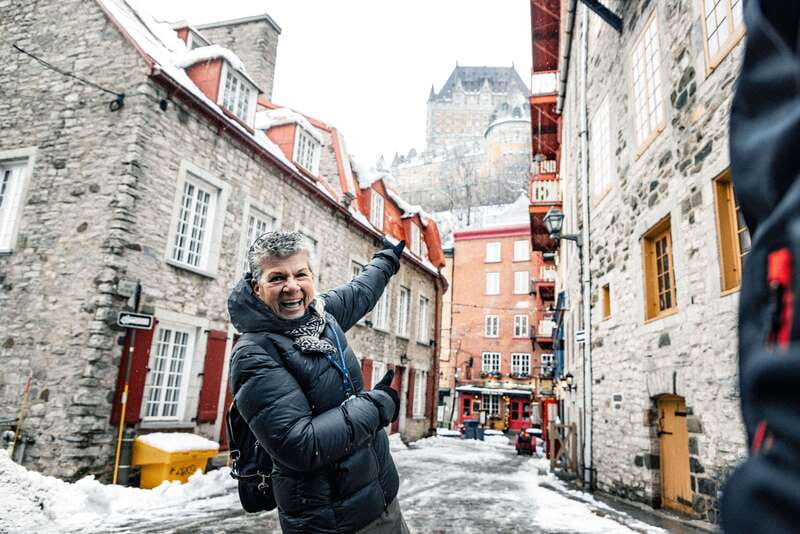
The strongest part of this tour is the human element. The guide names vary, but the feedback points to a consistent pattern: clear historical explanations, warmth, humor, and practical advice.
Luis has been praised for his local suggestions and his ability to make the city’s past enjoyable. Sam has been described as patient and especially helpful when a group faced a long funicular line or a difficult climb. Diane adds humor to her history talks, while Murielle has taken time to answer questions and suggest activities based on personal interests.
Anais has helped people cope with severe cold by finding warm places to stop and offering hand warmers. Peter helped one visitor think through better winter clothing. Those details matter because Quebec City weather can change the comfort of an outdoor walk very quickly.
Languages offered are French, Spanish, and English. If you have a question about food, shops, later sightseeing, or the city’s history, ask it during the walk. Several guides have been praised for giving useful suggestions that improved the rest of the visit.
A 15 to 20 percent tip is strongly recommended at the end. At $37 per person, the price is fair if you want an active introduction with a local guide and a funicular ticket. It is less compelling if you only want a quick list of landmarks you could photograph independently.
Is $37 a fair price?
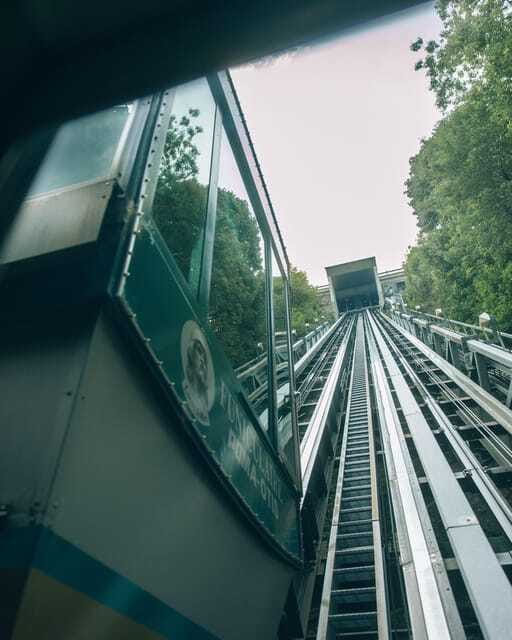
I see this as a good-value orientation tour for a first visit. The cost includes the walking tour, a licensed local guide, and one funicular ride. You are paying mainly for the guide’s interpretation and route planning, not for admission to a series of indoor attractions.
The value rises if you have only a short time in Quebec City, arrive by cruise ship, or want to understand the layout before exploring alone. The Museum of Civilization and 112 Rue Saint-Paul are practical meeting choices for cruise passengers, both only a short walk from the main terminals.
The price also works well for visitors who prefer a small group rather than a large coach. Groups can reach 12 people, so this is not guaranteed to feel private, but it is small enough for questions and direct contact with the guide.
Private options are available, and hotel pickup can be selected with the private option. For a group with specific interests, a private format may be worth considering. For most first-time visitors, the standard small-group version should cover the essential sights at a sensible cost.
How to prepare for the cobblestones and weather
Wear comfortable shoes with good support. The route includes cobblestones, uneven ground, and slopes, and the funicular only removes one major climb.
Dress for the forecast, not for the season printed on your booking confirmation. Winter accounts describe very cold conditions, and guides have sometimes helped people find warmer clothing or indoor warming stops. In warmer months, sun, rain, and crowds can change the experience quickly.
Bring water if you need it, since drinks and snacks are not included. You may want to eat before the tour, especially if your start time falls between meals.
Meet-up and drop-off points are in different parts of town. Read the confirmation carefully so you do not finish the tour and assume you are returning to Rue Saint-Paul. The route is designed as a walk across Old Quebec, not a round trip to the starting point.
Who should book this walk?
I would choose this for a first visit, a short stay, or the opening morning of a longer Quebec City trip. It gives you a working map of Old Quebec and helps you decide which streets, shops, restaurants, and landmarks deserve a second look.
It also suits families and mixed-age groups who can handle steady walking. One group included grandparents, a parent, and a 16-year-old, and the guide kept the experience informative and enjoyable for everyone.
You should think twice if uneven surfaces are difficult for you, if you need wheelchair access, or if you want long interior visits. This is an active outdoor overview, not a museum tour or a slow architectural study.
FAQ
How long does the Quebec City walking tour last?
The activity information gives a duration of about two hours, with the booking details allowing two to three hours depending on availability and conditions.
What language is the tour offered in?
The live tour guide is available in French, Spanish, and English.
Where does the tour meet?
Meet at the yellow building at 112 Rue Saint-Paul, Québec, QC 3V9.
What sights are included?
The route includes Place Royale, the Quebec City Mural, the Fortifications of Quebec, Petit Champlain, Château Frontenac, Terrasse Dufferin, Notre-Dame de Québec Basilica-Cathedral, and Quebec City Hall.
Is the funicular ticket included?
Yes. One funicular entry ticket is included with the walking tour.
What happens if the funicular is closed?
The operator can arrange taxi transport so you do not have to walk up the hill, or provide a ticket for later use if you prefer to walk.
How large can the group be?
Groups can include up to 12 people. Private and small-group options are available.
Is hotel pickup included?
Hotel pickup is included when you select the private option. It is not included with the group option.
Is the tour suitable for wheelchair users?
No. The activity is not suitable for wheelchair users or people with mobility impairments because of cobblestones, uneven ground, and slopes.
Can I cancel the booking?
You can cancel up to 24 hours in advance for a full refund. A reserve-now, pay-later option is also available.
Should you book it?
Book this tour if you want a clear, friendly introduction to Old Quebec rather than a string of unexplained photo stops. The mix of Lower Town streets, historic landmarks, the funicular, Upper Town views, and practical local advice makes it especially useful at the start of your stay.
I would skip it only if you already know Old Quebec well, dislike walking on uneven ground, or want extended access inside the major buildings. For most first-time visitors, $37 is a sensible price for getting oriented, hearing the city’s story from a local guide, and saving one steep climb.
Just added around Canada
- The Banff Stargazing Tour – 2hr Walking Tour★ 5.0 · 189 reviews
- Toronto: Private Walking Tour with a Local★ 4.7 · 150 reviews
- Toronto: Distillery District Historic Walking Tour★ 4.8 · 267 reviews
- Toronto: City Walking Tour★ 4.9 · 185 reviews
- Toronto: Dark History Nighttime Walking Tour★ 4.7 · 273 reviews
- Toronto: 2-Hour Downtown Walking Tour★ 4.4 · 101 reviews
- Quebec City: Christmas Magic Walking Tour in Old Quebec★ 4.7 · 146 reviews
- Ottawa: Haunted Night Walking Tour★ 4.5 · 341 reviews
Canada Walking Tours, compared.
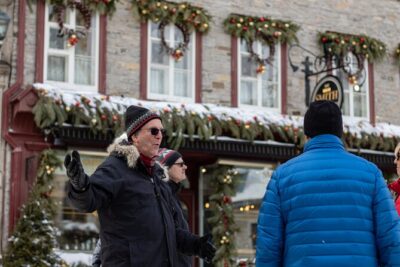
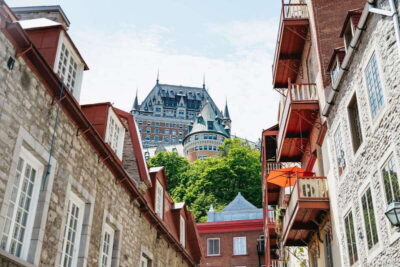
Old Quebec City: Grand Walking Tour with Private Option
Read our review →
Montreal Mile End Authentic Food Tour with 7 Delicacies Tastings
Read our review →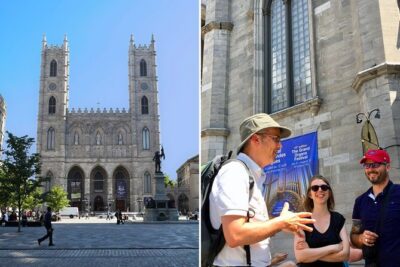
The Original Old Montréal Walking Tour by Guidatour
Read our review →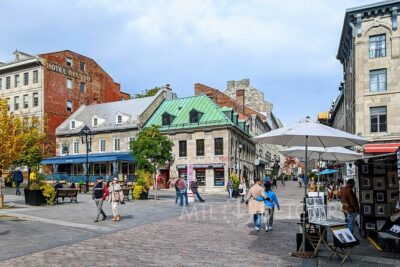
Old Montreal Small-Group Walking Tour | Max 10 | by MTL Detours
Read our review →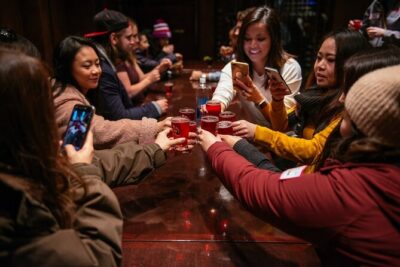
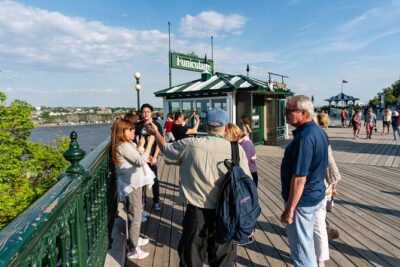
Old Quebec Classique Walking Tour with Funicular
Read our review →
Old Quebec City Food Tour with 10+ Autentic Local Tastings
Read our review →Browse the lists this tour appears in