
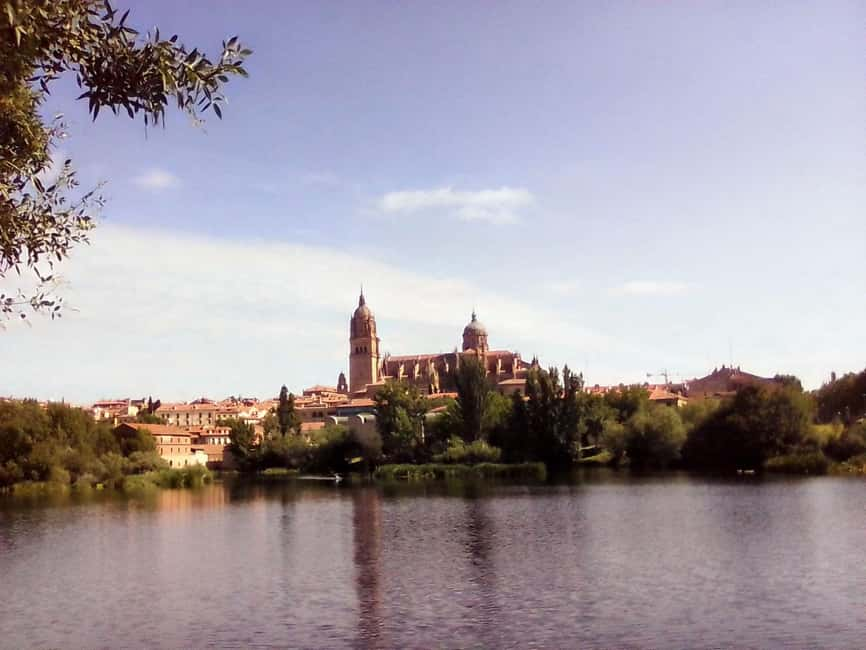
Review · PRIVATE WALKING TOURS
Salamanca: Private Walking Tour with a Local
Salamanca rewards a slower look. This private walk is appealing because your guide shapes the route around your interests, and because the conversation can matter as much as the monuments. You may focus on history, food, photography, student life, street art, or simply get oriented without being tied to a fixed script. The main consideration is that entrance fees, food, drinks, and optional activities cost extra.
The tour lasts from two to six hours, so you can choose a quick introduction or give the city a proper afternoon. I also like the practical local advice: past guides such as Derek, Deborah, Adrián, Tamara, and Joana have helped people find less obvious corners, good restaurants, affordable tapas, and places worth returning to later.
Key points to know before booking
- A genuinely private format: You get a guide for your own party, not a large group following a flag.
- A flexible meeting point: Pickup can be arranged at your hotel, a landmark, or a café near Salamanca’s center.
- A route built around you: Ask for major sights, local food, photographs, Spanish practice, or quieter places.
- Strong guide feedback: Derek, Deborah, Tamara, Joana, Adrián, and others are repeatedly praised for warmth, clear English, and flexibility.
- Good first-day timing: A two-hour walk gives orientation, while three hours or more allows for stories, detours, and questions.
- Useful practical limits: Attraction tickets, meals, drinks, and optional activities are not included, and you may need to pay your guide’s admission too.
Why a private Salamanca walk can be worth the money
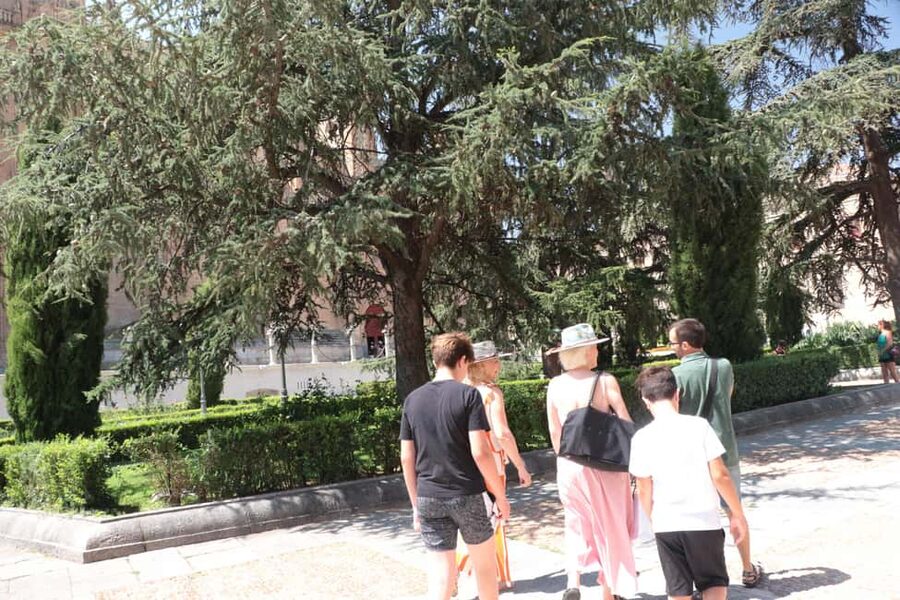
Salamanca is easy to walk around, but easy to misunderstand if you only collect photographs. Its old center contains grand buildings, university traditions, religious sites, lively student corners, and quiet passages that make more sense when someone explains how the city fits together.
At $56 per person, the price is most attractive for a couple, family, or small group that wants personal attention. A private tour costs more than joining a standard group walk, but you are paying for flexibility, conversation, and the ability to change direction. If four people book together, the per-person cost is especially reasonable for a three-hour introduction.
I would not book it simply to hear a list of dates and architectural labels. Salamanca has plenty of standard sightseeing tours for that. I would book this option if you want to ask questions, pause for photographs, adjust the pace, or get advice that fits the rest of your visit.
The two-hour version should work well if you arrive with limited time or want a quick orientation before exploring alone. Three hours seems like the best middle ground for most people. The six-hour maximum suits visitors who want a much fuller day, though you should clarify in advance how much walking, sightseeing, and paid admission you want included.
More Private Walking Tours in Spain
- Barcelona Helicopter, Sailboat & Old Town Private Walking Tour
★ 5.0 · 1,395 reviews - Barcelona: Sagrada Familia, Park Guell & Tapas Private Tour
★ 5.0 · 903 reviews - Bilbao: Private Walking Tour with a Local
★ 4.7 · 332 reviews
Meeting at Puerta de Zamora, 5 or another central point
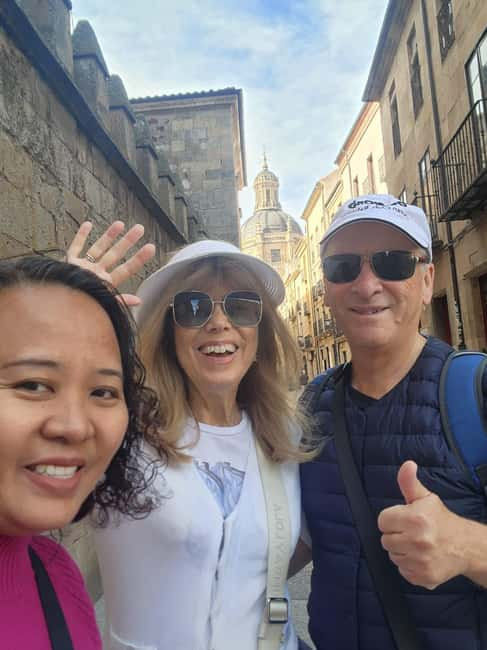
The listed starting point is Puerta de Zamora, 5, but the guide can meet you at a preferred location in or near the city center. That may be your hotel, an iconic landmark, or a quiet café.
This flexibility is useful after a train arrival, on a first morning in town, or when someone in your party has limited mobility. It also removes the small but annoying task of finding a tour office. Confirm the exact meeting place and time before setting out, especially if you choose a hotel or café rather than the listed point.
The activity is wheelchair accessible, but it remains a walking tour. Salamanca’s historic streets and sightseeing areas can require steady movement and occasional pauses. Tell the guide what pace and route work for you so the walk can be adjusted from the start.
Wear comfortable shoes. That sounds obvious, but a private walk often becomes longer than planned because you keep stopping for views, stories, or photographs. The option to request a specific time is helpful, particularly in hot weather or during a busy day of sightseeing.
How the opening conversation shapes the route
The strongest feature is the planning conversation at the beginning. You can arrive with a clear request, such as major sights only, or with no plan at all. The guide then works out what kind of Salamanca experience will suit you.
One especially useful example came from a three-hour walk with Derek. The visit began with coffee and a discussion of what the group wanted. From there, he connected Salamanca’s development from pre-Roman times through the Renaissance and later periods to the places along the route.
That approach gives you context without forcing a lecture. If a particular period interests you, say so. If you are more curious about daily life, food, shopping, street art, or photographs, say that instead. The more specific you are, the more useful the walk is likely to become.
This format also suits repeat visitors. Mary returned to Salamanca and asked Noemi to show her places she had missed before. The route was adjusted rather than repeating a standard first-time itinerary. That is a real benefit if you have already seen the most famous buildings.
What you may see during the Salamanca walk
The exact route is not fixed, so no honest description can promise a set list of stops. The experience includes sightseeing, a guided walk, photo stops, and scenic views along the way. Your guide may take you to major points of interest, less familiar corners, cafés, or streets connected to local culture.
Several guides have been praised for showing the main sights while adding places that are easy to miss. Tamara, for example, adjusted her usual route for specific requests and offered suggestions for things to do after the tour. Joana also helped connect history and culture with practical restaurant advice.
The value is in the link between places. A monument is more memorable when you understand why it matters, how the city changed around it, or how residents use the area today. You are not just moving from one photo stop to the next.
Some people used the walk as a preview of independent sightseeing. One guide showed the main sights in about two hours, then the group returned later to visit museums and go up a tower on its own. That is a sensible strategy: use the private walk for orientation, then spend your own money and time only on places that appeal to you.
Same streets, a different way to see them:
- Barcelona Tapas and Wine Experience Small-Group Walking Tour
★ 5.0 · 5,804 reviews - Barcelona: Tapas Walking Tour with Food, Wine, and History
★ 4.8 · 4,261 reviews - Madrid Tapas & Wine Tasting Walking Tour – Small Group Local Bars
★ 5.0 · 3,644 reviews - Granada: Albaicín and Sacromonte Guided Sunset Walking Tour
★ 4.9 · 2,962 reviews
Local food advice, cafés, and the newer town
Food is not included, but it can become part of the conversation or route if you request it. One evening walk with Jack included stops in both the newer and older parts of town for pinxtos and wine. Since spelling and local usage can vary, ask your guide exactly what kind of food stop you want and what you will pay separately.
Kirsten’s walk with Maria included an old university café said to have some of the least expensive tapas in town. That sort of tip can quickly repay the cost of a private guide, especially if you are staying several days and want to avoid eating only in the most obvious tourist spots.
Do not assume that every tour includes a tasting. Meals and drinks are excluded, and the route depends on your interests and the guide’s availability. If food is a priority, make that clear before the walk begins.
The chance to compare Salamanca’s old and newer areas is also useful. A standard monument-focused route can make the city feel like a preserved museum. A local guide may help you see how the historic center connects with ordinary cafés, shops, student life, and the newer streets beyond it.
The guides make or break the experience
A private tour is only as good as the person leading it. The feedback here is unusually consistent about the guides’ warmth, preparation, and ability to adjust.
Derek is praised for clear historical explanations, strong English, patience, and a friendly manner. He is also described as having a master’s degree in English and a broad grasp of Spanish culture. That combination may suit you if you want serious context without a stiff classroom tone.
Deborah receives similar praise for being charming, easy to understand, and willing to take people to places they might not find alone. Adrián is a local Salamancan who brings personal affection for the city and its past. Marcia is praised for showing much of the city and finding attractive places for photographs.
Tamara appears especially well suited to travelers with a detailed wish list. She contacted one guest before the tour, noted specific points of focus, and adjusted her route even in poor weather. Maria worked comfortably with Spanish students who wanted slow Spanish, while Joseph is praised for quickly understanding what interested one person and what did not.
There is one useful qualification. Not every guide is necessarily from Salamanca. Some guides have learned the city thoroughly without being born there. That need not be a problem, but if having a lifelong local is important to you, ask about your assigned guide before the tour.
How much history and conversation should you expect?
You can ask for a history-heavy walk, but the format is not designed as a formal academic lecture. The strongest descriptions point to clear explanations mixed with personal stories, local observations, and plenty of questions.
Derek connected the city’s past from pre-Roman times through the Renaissance and beyond. Other guides explained historic sights in an organized way without overloading the walk with dates. That balance matters: Salamanca has enough history to fill a book, but your feet may not want a six-hour seminar.
You should also feel free to ask for less history. If architecture is not your main interest, request a route focused on photography, food, local customs, shopping, or neighborhoods. The tour is intended to respond to that kind of preference.
Language is another strength. The advertised language is English, and many guides are praised for clear, easy-to-understand speech. Maria also adapted to slow Spanish for language students. If you want to practice Spanish, ask for it when arranging the tour.
What is not included and why it matters
The $56 price covers a local guide and a customized private walking tour. It does not cover attraction tickets, personal purchases, optional activities, meals, or drinks.
If you ask to enter an attraction, you also need to pay the guide’s entrance fee. This can affect the final cost, especially on a longer route with several paid sites. Ask the guide to separate free outdoor sightseeing from ticketed visits if you are trying to control your budget.
The private format may also encourage extra stops. A café, wine tasting, museum, or tower can sound appealing once you are in town, but these are additional expenses. That is not a flaw, as long as you know the advertised price is for guiding rather than an all-inclusive day out.
Children under three can join free of charge. The tour is listed as accessible for wheelchair users, and the private setting gives you a better chance to request a suitable pace and route than a large scheduled group would.
Free cancellation is available up to 24 hours before the tour for a full refund. You can request a specific start time, and the usual duration range is two to six hours.
Who will get the most from this tour?
I would recommend it most strongly to first-time visitors who want to get their bearings fast, couples who prefer conversation to a large group, and families who need a flexible pace. It is also a good fit for solo visitors who value company while learning how the city works.
Repeat visitors may get even better value if they arrive with a focused request. Ask for places you missed, local food, a particular historical period, photography, or help planning the rest of your stay.
Students of Spanish should consider requesting slow Spanish, as one guide successfully accommodated that preference. Food-focused visitors should ask for tapas and wine advice, while photographers should say so before the route begins.
You may want a different tour if you prefer a fixed list of monuments, guaranteed attraction entry, or a specialist guide with a formal academic focus. The route is flexible by design, which means you need to participate in shaping it.
Should you book the private Salamanca walk?
Book it if you want Salamanca to feel personal rather than prepackaged. The best value comes from using the guide as a local sounding board: ask questions, name your interests, request restaurant suggestions, and leave room for a few unscripted discoveries.
For most people, I would choose three hours and request a mix of major sights, local stories, and practical food advice. If you are short on time, two hours can provide a useful introduction. If you want museums, towers, food stops, or a wide route, budget for a longer visit and extra admission costs.
The $56 per-person price is fair for a private experience, especially for two or more people who want a custom route. Just remember that the quality depends on the guide assigned and that not every guide is necessarily a lifelong resident. Ask about your interests early, wear good shoes, and treat the walk as a conversation rather than a fixed performance.
FAQ
Where does the Salamanca private walking tour begin?
The listed meeting point is Puerta de Zamora, 5. The guide can also meet you at a preferred location in or near Salamanca’s city center, such as your hotel, an iconic landmark, or a quiet café.
How long does the tour last?
The tour can last from two to six hours. You can check available start times and request a specific time.
Is the tour private?
Yes. It is a private group experience with a customized walking route and no fixed group itinerary.
What language does the guide speak?
The advertised tour language is English. Some guides also speak other languages, and Maria accommodated guests who wanted to practice slow Spanish.
Can I choose what the tour focuses on?
Yes. You can bring specific questions or interests, or arrive without a plan. The guide can shape the walk around history, food, photographs, local culture, or other preferences.
Are attraction entrance fees included?
No. Entrance fees are not included. If you ask to visit an attraction, you also need to cover the guide’s entrance cost.
Are food and drinks included?
No. Meals and drinks are not included. If you request food or wine stops, you should expect to pay those costs separately.
Is the tour wheelchair accessible?
Yes, the activity is listed as wheelchair accessible. It is still a walking tour, so discuss the route and preferred pace with the guide in advance.
Just added around Spain
- Barcelona Private Food Tour: Tapas, Paella & 8+ Food Tastings★ 5.0 · 164 reviews
- Barcelona Gothic Quarter Walking Tour with Tapas★ 5.0 · 248 reviews
- Picasso Museum and Walking Tour Plus Optional Wine & Food Tasting★ 5.0 · 596 reviews
- Private Barcelona Old Town and Gothic Quarter Walking Tour★ 5.0 · 134 reviews
- Barcelona Architecture Walking Tour With Casa Batlló Upgrade★ 5.0 · 137 reviews
- Montjuïc Walking Tour With Optional Flamenco Show★ 5.0 · 196 reviews
- Semi-Private Montserrat Monastery, Funicular & Scenic Nature Walk★ 5.0 · 172 reviews
- Gothic Quarter Donation-Based Walking Tour in English★ 5.0 · 72 reviews
Private Walking Tours, compared.

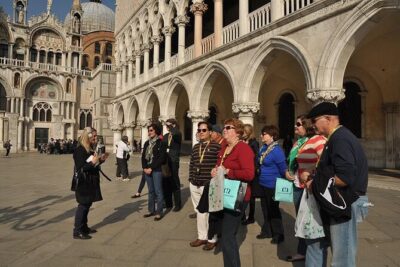
Private 3 hrs Venice Tour: St Mark’s, Walking tour & Boat tour
Read our review →
Private Street Food Evening Walking Tour in Ho Chi Minh City
Read our review →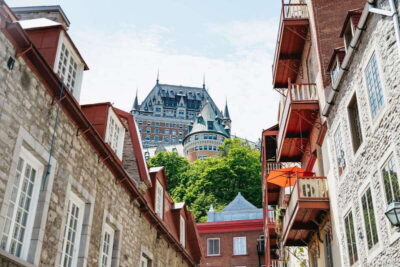
Old Quebec City: Grand Walking Tour with Private Option
Read our review →
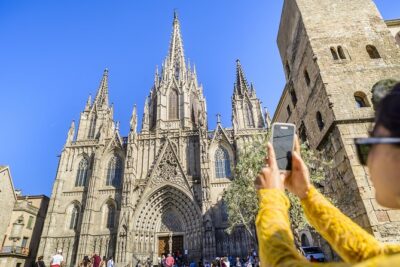
Barcelona Helicopter, Sailboat & Old Town Private Walking Tour
Read our review →
Browse the lists this tour appears in