
Review · NEW YORK CITY WALKING TOURS
SoHo, Little Italy, and Chinatown Walking Tour in New York
Three neighborhoods, one compact New York walk. This two-hour tour links SoHo’s cast-iron streets with Little Italy’s immigrant and mob stories, then heads into Chinatown for a close look at daily life, food, and culture. I like the smart route and the chance to hear from guides such as George, Angela, Steve, Felipe, and Joseph, who have earned praise for making the city’s past easy to follow. I also like the $39 price, especially if you want orientation without spending half a day on a tour.
The trade-off is pace. You cover about two to three miles, and there is no built-in time for shopping or a sit-down meal. A short break may be included, which some people appreciate and others find costly in a two-hour tour. If you want long photo stops or a slow look inside shops, you may prefer to explore these neighborhoods on your own afterward.
Key points to know before you book
- SoHo’s cast-iron district: See roughly 26 blocks and about 500 buildings shaped by 19th-century architecture.
- Three neighborhoods in two hours: The route gives you a useful first look, but it moves at a moderate pace.
- Little Italy’s darker stories: Expect discussion of Italian immigration, mob figures such as John Gotti, and the neighborhood’s changing streets.
- Chinatown finish: The tour ends at Columbus Park, giving you a good starting point for more food and exploring.
- Small-to-medium group size: Groups can reach 25 people, so audio equipment may matter when streets are noisy.
- Bring comfortable shoes: The walk covers two to three miles and runs in rain or shine.
Why this Lower Manhattan route works
SoHo, Little Italy, and Chinatown sit close together, but they feel like separate chapters of New York. That makes this route useful for a first visit. You do not have to spend time sorting out subway stops, street grids, or the best order for seeing the neighborhoods.
The tour begins at 161 Sixth Avenue in SoHo and ends at Columbus Park in Chinatown. That one-way design makes sense. You start among broad streets, old commercial buildings, and fashionable storefronts, then move south and east into districts with stronger immigrant ties and a more local street scene.
I would think of this as an orientation walk rather than a full study of any one neighborhood. Two hours is enough to understand the basic shape of the area and hear useful stories. It is not enough to stop often, browse shops, eat a full meal, and examine every building.
The group can include up to 25 people. That is not a private walk, but it is still more manageable than a large coach outing. Several guides use a voice amplifier, including one guide praised for wearing a small speaker in a belt pack. That detail matters on noisy streets, where even an entertaining guide is of little use if you cannot hear.
A few more walks around New York City worth a look
- Secrets of Grand Central Station Walking Tour New York City
★ 5.0 · 1,796 reviews - Greenwich Village Walking and Food Tasting Tour
★ 5.0 · 1,572 reviews - Artistic, Alternative Greenwich Village Walking Tour
★ 5.0 · 971 reviews
SoHo and the cast-iron streets
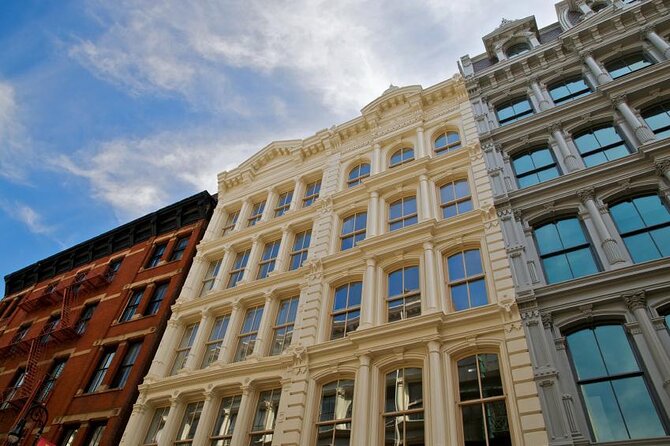
The first stop lasts about 30 minutes in SoHo’s Cast Iron Historic District. This is the most architecture-focused part of the walk. Look upward as you go. Many buildings use cast iron for columns, decorative fronts, and other details that helped shape SoHo’s distinct appearance.
The district includes about 26 blocks and roughly 500 buildings. That is a lot to take in during half an hour, so your guide will point out selected examples rather than provide a building-by-building survey. The value here is learning to recognize the features yourself as you continue down the street.
SoHo also gives you the clearest sense of the neighborhood’s modern identity. Cobblestone streets, trendy stores, galleries, and carefully restored façades share the same space. You may spot a celebrity, since the area is popular with movie stars and models, but the architecture is the real reason to pay attention.
I like beginning here because it gives you a visual key for the rest of the tour. Instead of seeing old buildings as background scenery, you learn why the façades look unusual and how the district connects to New York’s 19th-century growth.
The limitation is that SoHo can feel more like a quick introduction than a complete visit. There is no shopping time built into the tour, and you will mainly window-shop while walking. If a particular store or gallery catches your eye, note it and return after the tour.
Little Italy and stories of arrival and crime
The walk then moves into Little Italy for about 45 minutes. This is likely the strongest section if you enjoy social history and storytelling. Your guide discusses the difficulties Italian immigrants faced when they first arrived in New York, then connects those experiences with the neighborhood’s later reputation for organized crime.
Stories may include mob figures such as John Gotti and sites linked with New York’s mafia past. That subject can be entertaining, but it works best when placed beside the immigrant story. Little Italy was not simply a backdrop for gang tales. It was also a place where newcomers built families, businesses, churches, and a shared community.
This section is partly about what has changed. The restaurants and Italian signs remain important to the area’s identity, but the neighborhood is smaller than it once was. A guide can help you understand the difference between the Little Italy presented to visitors and the wider story of Italian New York.
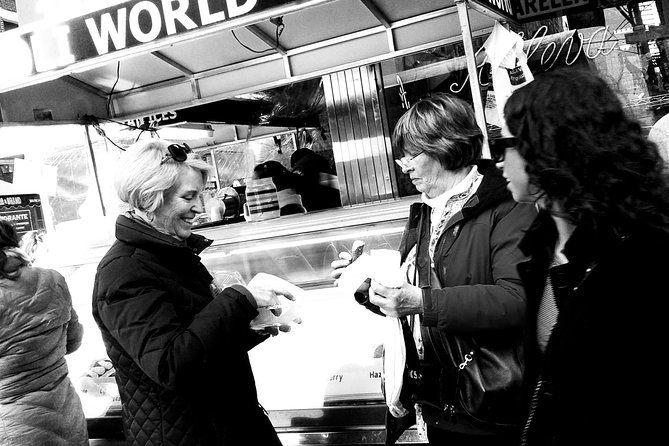
You should expect several stops for stories, but not a meal. There may be a short opportunity to buy a snack, perhaps at an Italian bakery or food shop, yet there is no time to sit down and eat. Some tours include a break of around 15 to 20 minutes. That can be handy if you need water or a quick bite, but it also takes up a noticeable share of a two-hour outing.
One useful tip: plan your main meal before or after the walk. Do not arrive hungry expecting a food tour. You will hear about food and may receive restaurant suggestions, but the focus is the neighborhood’s past and present.
Chinatown and the final walk to Columbus Park
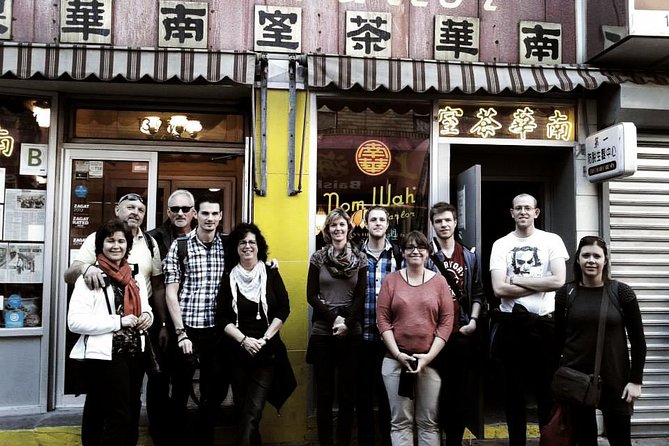
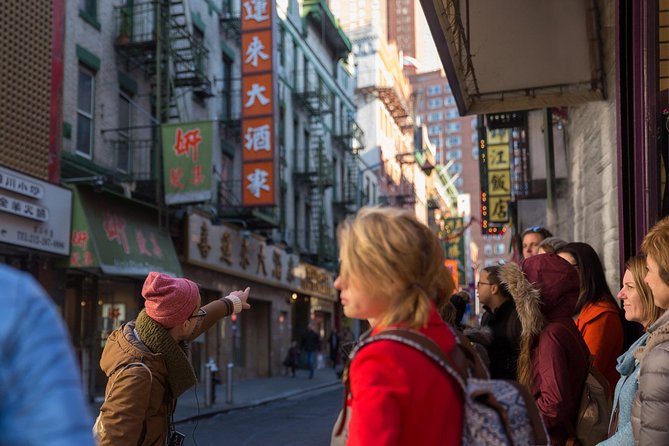
The last 45 minutes take you through Chinatown and end at Columbus Park. This is the most sensory part of the route. You will see shop signs, hear street activity, and pass places where food and daily business spill into the sidewalk.
Chinatown is described as one of Manhattan’s oldest neighborhoods and one of the largest concentrations of Chinese people in the Western Hemisphere. The guide helps put the streets into context, rather than leaving you to simply wander through them. That is especially useful if this is your first visit and you are unsure which blocks to explore.
Still, this portion is not a food crawl. Short stops to purchase or sample ethnic food may happen, but they are not guaranteed, and there is no sit-down meal. You get an introduction to the neighborhood’s sights, smells, and sounds, then finish near Columbus Park.
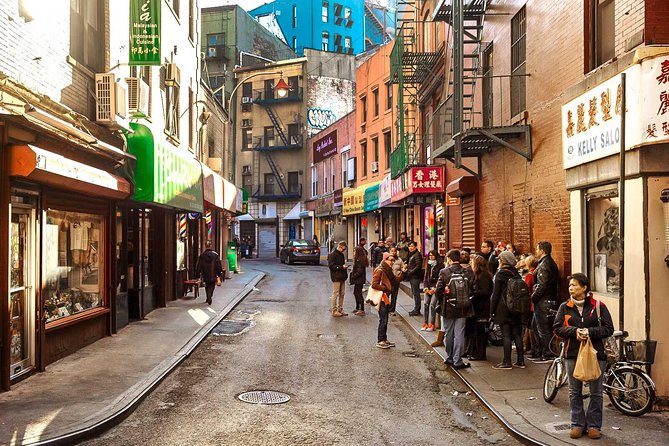
The ending is practical. Columbus Park is on Mulberry Street and Baxter Street, close to the center of Chinatown. Once the tour ends, you can stay for lunch, continue toward other parts of Lower Manhattan, or return to Little Italy, which is only a few blocks away.
I would save your restaurant research for this point. The guides often offer suggestions, and the end location gives you freedom to choose based on what you actually feel like eating. You may want dim sum, noodles, pastries, or Italian food, and you are not locked into the guide’s timetable.
Same streets, a different way to see them:
- True Crime NYC: Mafia Walk w/Ret. NYPD Detective and Local Food
★ 5.0 · 848 reviews - New York City: Private Walking Tour with a Local
★ 4.6 · 771 reviews - NYC Lower East Side Walking and Food Tour
★ 5.0 · 646 reviews - NYC Greenwich Village Italian Food Guided Walking Tour
★ 5.0 · 627 reviews
The guides shape the experience
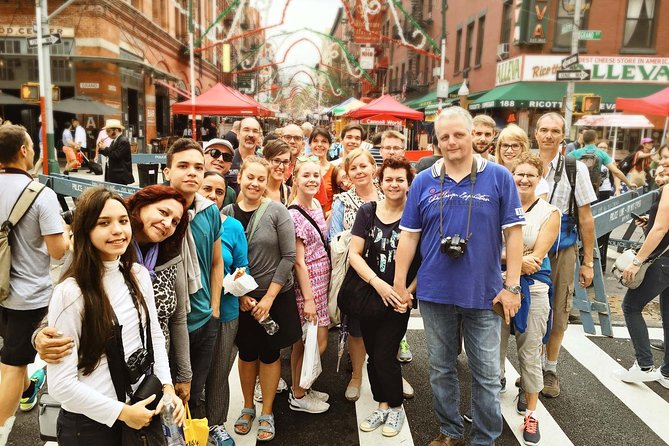
The route is fixed, but the personality of the guide can change the balance of the tour. George receives praise for keeping the group engaged and answering questions. Angela is described as warm, thoughtful, and accommodating. Felipe is praised for friendly delivery and a good pace.
Steve appears to favor personal stories and long experience in New York. That can make the streets feel more immediate, especially when he explains changes he has seen over the years. Joseph is noted for mixing neighborhood history with architectural details and practical restaurant suggestions. Other guides, including Mindy, Meri, Peter Sullivan, Tim, and Jacob, have also been praised for making the walk friendly and informative.
That range is worth keeping in mind. Some guides may lean toward architecture and facts. Others may tell more personal stories or spend more time on food and local recommendations. If you prefer a tightly structured history lesson, the experience may feel uneven depending on who leads your group.
You can help by asking questions. Ask about a building you are looking at, how the neighborhood changed, or which streets are best for exploring afterward. A good question can turn a general walk into something more useful for your interests.
Pace, breaks, and what to wear
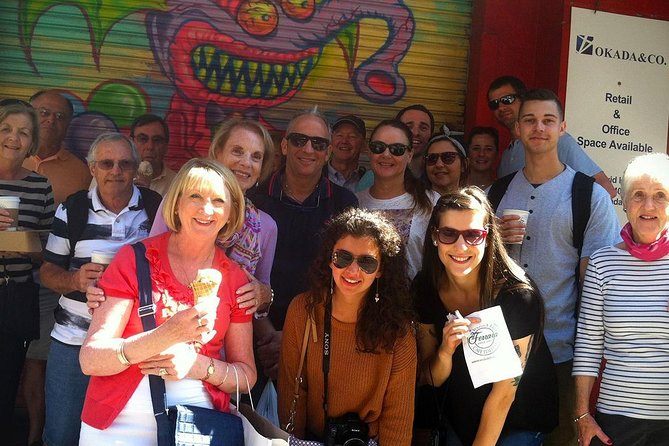
The tour covers two to three miles at a moderate pace. You are not racing, but you are moving steadily between stops. Comfortable shoes are essential. Cobblestones and hard sidewalks are not kind to flimsy footwear, and there is enough walking that your feet will notice poor planning.
The tour operates in all weather. Bring clothing suited to the forecast, and remember that rain will not automatically stop the walk. In rare cases of extreme weather, the operator may cancel and offer a new date or a full refund.
The main pacing issue is the lack of free time. You may pause for explanations, photos, or a short snack stop, but you are not given a long stretch to browse. One person may want more time for pictures, while another may prefer to keep moving and hear more stories.
I suggest taking photos when the group stops rather than trying to photograph every storefront while walking. If you see a shop or restaurant you want to revisit, make a note of the address. The tour’s job is to show you the area, not give you a full afternoon in each district.
Is $39 a fair price?
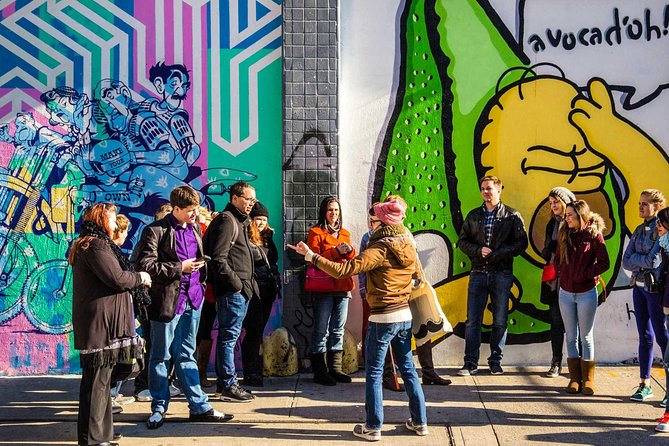
At $39 per person, this is a reasonable price for a two-hour guided walk in central Manhattan. You are paying for a local English-speaking guide, route planning, neighborhood context, and the convenience of connecting three districts without getting lost.
The value is strongest if you are new to New York or have limited time. A guide can point out details you might pass without noticing, explain why SoHo looks the way it does, and give Little Italy and Chinatown a broader context. Restaurant tips at the end can also help you spend your next dollars wisely.
The value is weaker if you already know these neighborhoods well or want a food-focused outing. Food costs are not included, shopping is not included, and the tour does not offer admission to attractions. You are buying interpretation and a well-planned walk, not tickets or a meal.
With a maximum of 25 people, the price is also more appealing than a private tour, though you should not expect constant one-on-one attention. The strongest guides keep everyone involved, but the size means you may need to move closer during outdoor explanations.
Who should take this walk?
I would recommend it to first-time visitors, solo travelers, couples, and families who want a quick introduction to Lower Manhattan. It is also useful early in a New York trip, when you can use the guide’s suggestions for later meals and independent walks.
Families should know that the route includes crime stories and the hardships faced by immigrants. The guide can make these subjects accessible, but this is not a purely light sightseeing stroll.
It also suits people who like a mix of architecture, local history, food culture, and street life. You get a little of each rather than a specialist tour in one subject.
I would hesitate if you dislike group walks, need frequent long rests, or want plenty of time for shopping and photos. The route is manageable for most participants, but it is still a two-hour walk with limited downtime.
You can cancel for a full refund if you do so at least 24 hours before the start time. Cancellations or changes inside that window are not refunded, so check your schedule before booking.
Should you book the SoHo, Little Italy, and Chinatown walk?
Book it if you want a well-priced introduction to three very different neighborhoods and enjoy learning through stories while walking. The route is efficient, the ending at Columbus Park is useful, and the best guides add both city history and practical food advice.
Skip it if your main goal is shopping, a long meal, or close architectural study. In that case, use the route as a self-guided outline and spend a full morning or afternoon in one district.
For most first-time New York visitors, I think the tour earns its $39 price, especially when led by a strong guide such as George, Angela, Steve, Felipe, or Joseph. Just wear good shoes, carry water, and save time after the tour to eat and explore Chinatown at your own pace.
FAQ
How long is the SoHo, Little Italy, and Chinatown walking tour?
The tour lasts approximately two hours.
How much walking is involved?
You will walk about two to three miles at a moderate pace.
Where does the tour begin?
The tour begins at 161 Sixth Avenue, New York, NY 10013, in SoHo.
Where does the tour end?
It ends at Columbus Park, at Mulberry Street and Baxter Street in Chinatown.
Is the tour offered in English?
Yes. A professional local guide leads the tour in English.
Is food included in the price?
No. The cost of food is not included.
Can I buy or sample food during the walk?
There may be short stops where you can purchase different types of ethnic food, but there is no time for a sit-down meal.
Is there time for shopping?
There is no scheduled shopping time, although you can window-shop while walking. The guide can suggest shopping areas after the tour ends.
What happens if it rains?
The tour operates in all weather, so you should dress for the forecast. In rare cases of extreme weather, the operator may offer a rescheduled tour or a full refund.
How large can the group be?
The tour can have a maximum of 25 participants.
Just added around New York City
- New York City: Superheroes of NYC Guided Walking Tour★ 4.5 · 271 reviews
- West Harlem: Gospel Church Service and Sunday Walking Tour★ 4.3 · 411 reviews
- SoHo, Little Italy, and Chinatown 2-Hour Guided Walk★ 4.6 · 566 reviews
- New York City: Food Walking Tour of Chinatown & Little Italy★ 4.8 · 195 reviews
- NYC: Brooklyn Graffiti & Street Art Walking Tour in Bushwick★ 4.8 · 492 reviews
- NYC: Brooklyn Bridge and Dumbo Guided Walking Tour★ 4.5 · 186 reviews
- NYC: Walking Tour with Local Guide and 30+ Top NYC Sights★ 4.5 · 248 reviews
- New York City’s Hell’s Kitchen: Walking Food Tour★ 4.8 · 200 reviews
New York City Walking Tours, compared.
Secrets of Grand Central Station Walking Tour New York City
Read our review →
Greenwich Village Walking and Food Tasting Tour
Read our review →
Artistic, Alternative Greenwich Village Walking Tour
Read our review →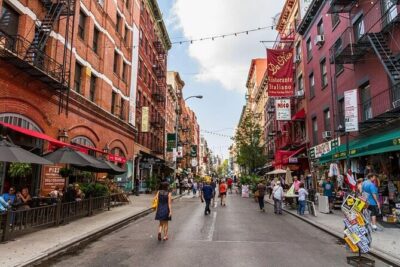
True Crime NYC: Mafia Walk w/Ret. NYPD Detective and Local Food
Read our review →
NYC Greenwich Village Italian Food Guided Walking Tour
Read our review →
NYC Professional Photoshoot and Walking Tour with Private Guide
Read our review →Browse the lists this tour appears in