
Review · NEW YORK CITY WALKING TOURS
SoHo, Little Italy, and Chinatown 2-Hour Guided Walk
Three neighborhoods, one compact walk. This two-hour New York tour links SoHo’s cast-iron facades with Little Italy’s immigrant stories and Chinatown’s crime lore, giving you a useful first look at districts that can feel confusing on your own. I like the mix of architecture and human stories, especially the stops tied to the Manhattan Well murder, John Gotti, Joe Gallo, and Doyers Street’s Bloody Angle.
I also like the guides’ strong personal touch. Steve has lived in the area for decades, while guides such as Angela, George, Felipe, Alex, and Ari have been praised for humor, clear explanations, and good food suggestions. The main drawback is the pace: you cover three neighborhoods in only 120 minutes, so this is an overview rather than a slow, detailed visit. The walk is also not suitable for people with mobility impairments.
What makes this walk worth your time
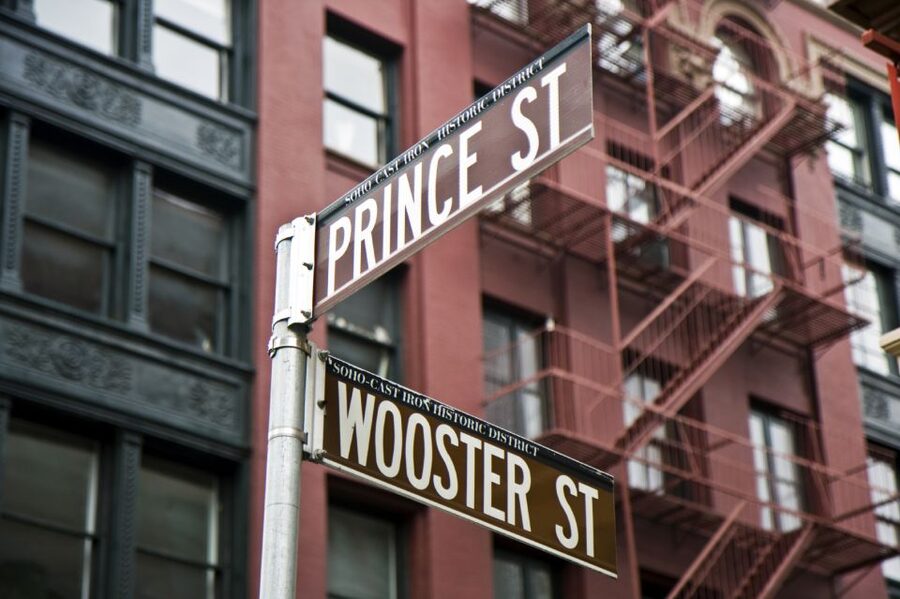
- SoHo’s cast-iron architecture: See the historic district, the E.V. Haughwout Building, and streets now linked with fashion, expensive apartments, and celebrity sightings.
- New York crime stories: Hear about the Manhattan Well murder, John Gotti’s Ravenite Club, the Joe Gallo mob hit, Chinatown gang violence, and Doyers Street.
- Three immigrant neighborhoods in one route: Follow how Italian and Chinese communities shaped Little Italy and Chinatown.
- A guide-led introduction: Guides including Steve, Angela, George, Felipe, Alex, and Ari have been praised for humor, local insight, and friendly answers.
- Food advice without a food-tour price: Food is not included, but you may get suggestions for pizza, cannoli, cheese, and other local bites.
- A practical $39 overview: The price is fair if you want context before exploring these neighborhoods on your own.
Starting in SoHo among cast iron and movie locations
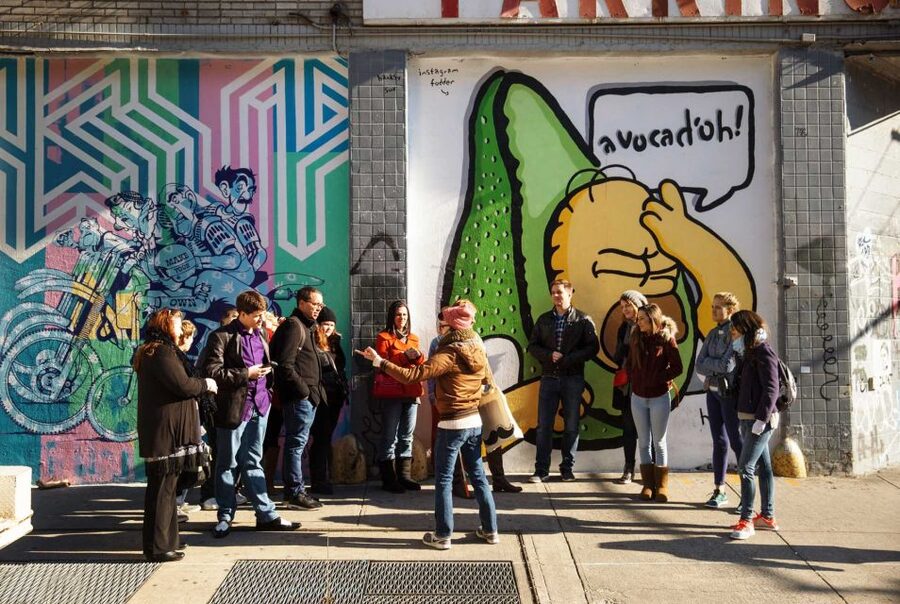
The walk begins at Spring Street Park, although the exact meeting point can vary with the option you book. From there, you enter SoHo, where the first forty minutes focus on the district’s cast-iron buildings and the dramatic changes that shaped this part of Lower Manhattan.
SoHo is often reduced to shopping, galleries, and polished loft buildings. A guide helps you see the older layers. The cast-iron facades are the real star here, with decorative fronts that give the streets a distinctive look. You will also hear how the area became associated with fashion, high-end homes, and famous residents.
The E.V. Haughwout Building is one of the most useful stops because it connects architecture with technology. It was home to the first safety elevator, a detail that helps explain why upper-floor buildings became more practical and desirable. That small piece of engineering changed how New Yorkers used tall buildings.
The tour also points out 421 Broome Street, associated with Heath Ledger’s death in Mary-Kate Olsen’s apartment. This is a sensitive subject, and the value of the stop depends heavily on the guide’s tone. It is part of the neighborhood’s recent public story, but it should not overshadow the wider history of SoHo.
If celebrity spotting interests you, keep an eye out as you walk. The tour presents SoHo as a place where movie stars, fashion figures, and other familiar faces may appear among the historic streets. That is a bit of fun rather than a promise, so do not book this as a celebrity tour.
The first section is also a good reminder that New York’s famous streets are working neighborhoods, not just photo backdrops. You get architecture, local gossip, and social change in a short stretch. I would bring a phone or small camera, but keep it put away when the guide is telling a story. The buildings are worth photographing after you have heard why they matter.
A few more walks around New York City worth a look
- Ghosts of Greenwich Village: 2-Hour Private Walking Tour
★ 5.0 · 178 reviews - Berlin’s Best: 2 Hour Walking Tour Third Reich and the Cold War
★ 5.0 · 5,486 reviews - Budapest City Landmarks Walking Tour in 2 Hours
★ 5.0 · 2,048 reviews
Spring Street and the Manhattan Well murder
Greene and Spring streets mark one of the tour’s darker historical stops: the site of the Manhattan Well murder, described as the first recorded murder case in New York City. It is a sharp change from SoHo’s polished facades and helps set the tone for the rest of the walk.
This is where the tour’s format works well. Instead of offering a general lecture about New York, the guide connects major events to a particular corner. You can look around at ordinary buildings while hearing about a crime that took place there long before today’s restaurants and boutiques arrived.
The story also shows why a guided walk can add value in Lower Manhattan. Many sites have little to identify them on the street. Without an explanation, you might pass the spot without knowing anything happened there. The guide supplies the missing context, then moves the group onward before the tour becomes too heavy.
Little Italy and the stories behind Mulberry Street
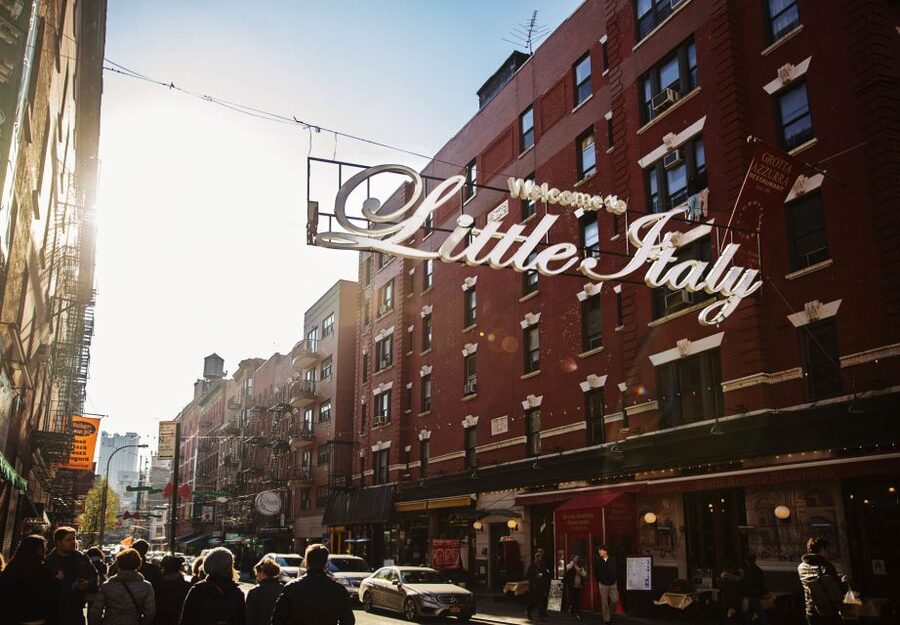
The Little Italy section lasts about forty minutes and centers on Mulberry Street, the neighborhood’s best-known thoroughfare. Here the focus shifts toward Italian immigration, family businesses, religious life, food, organized crime, and the hard choices faced by new arrivals.
Old St. Patrick’s is one of the important landmarks on this part of the route. The Italian American Museum is another key stop, including its connection with the Triangle Shirtwaist Factory fire. Together, these places help you see immigration as more than a cheerful restaurant district. The neighborhood grew from work, family networks, crowded housing, faith, and serious hardship.
The tour also visits the National Shrine Church of San Gennaro. Its story includes the liquefaction of the saint’s blood, a religious tradition that gives the area a connection to Naples and Italian Catholic customs. Even if you are not religious, this stop adds a useful cultural layer to the street scenes.
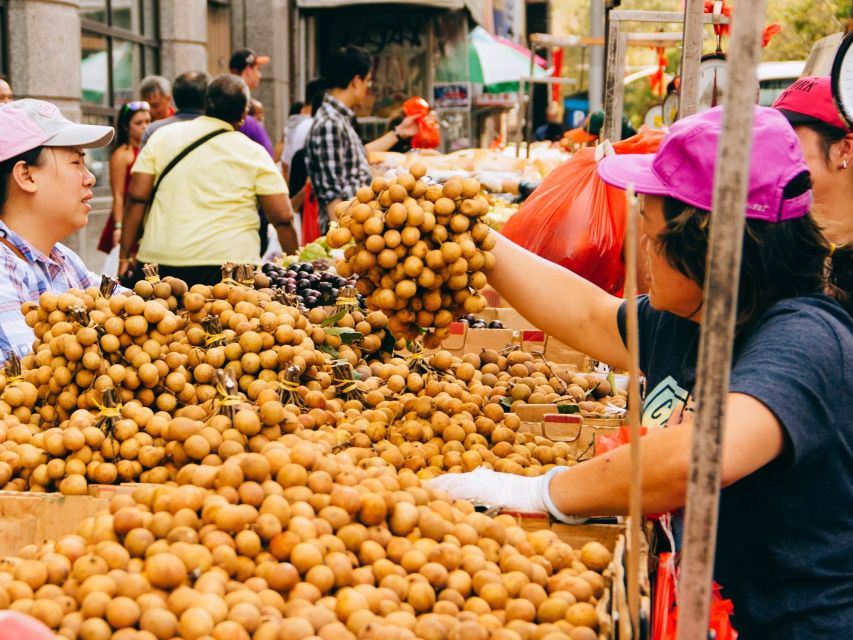
Food is part of the appeal, though you need to budget separately. Alleva Dairy is associated with a century of cheese-making, and Umberto’s is tied to the mob hit on Joe Gallo. You may also receive suggestions for pizza, cannoli, and other places to eat. The provided price does not include food, so treat any stop as a chance to buy something rather than part of the ticket.
Little Italy is now smaller and more commercial than it once was. That makes the guide’s explanation especially useful. You can see the restaurants and decorations, but the stories explain how the district changed and why so much of its old identity remains concentrated around a few blocks.
The tour may include a short pause for a bite or time to look around, as described in several accounts of the experience. Do not count on a meal or included tasting. If you want to eat, use the guide’s suggestions and pay directly.
The Ravenite Club and New York’s Mafia past
The Ravenite Club is one of the most recognizable crime-history stops. The guide tells the story of John Gotti and the role the club played in the public image of the Mafia in Little Italy.
This section will appeal to anyone who enjoys true crime, but the better part is the connection to the street itself. You are not hearing an abstract story from a distant city. You are standing in the neighborhood where power, intimidation, family ties, and public reputation once mixed in plain view.
The tour also visits Umberto’s, linked with the killing of Joe Gallo. These stories can attract attention, but they are only one part of Little Italy’s past. The walk is strongest when it sets organized crime beside immigrant work, religion, food, and ordinary family life.
Guides vary, and their style matters here. Reviews praise Angela for energy and humor, Steve for personal local stories, and George for answering questions with an easy manner. Felipe has also been singled out for combining crime tales with practical food tips. The same stops can feel sensational or thoughtful depending on how they are presented, so an engaging guide makes a real difference.
More Guided Walks in New York City:
- NYC Greenwich Village Italian Food Guided Walking Tour
★ 5.0 · 627 reviews - NYC Professional Photoshoot and Walking Tour with Private Guide
★ 5.0 · 608 reviews - New York City: Greenwich Village Guided Walking Tour
★ 4.8 · 300 reviews - New York City: Superheroes of NYC Guided Walking Tour
★ 4.5 · 271 reviews
Chinatown, the Opium den, and Doyers Street
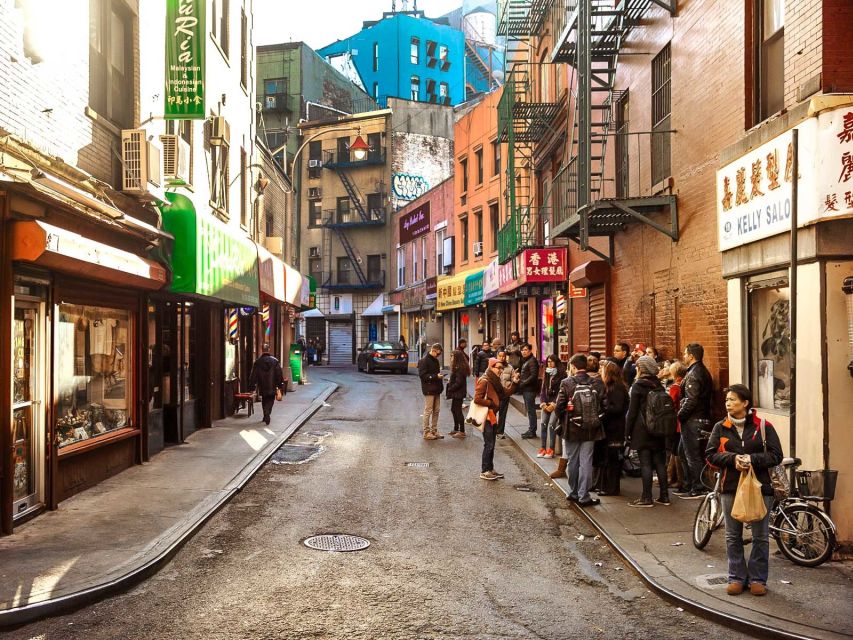
The final forty minutes move into Chinatown and end at Columbus Park. This section covers immigrant communities, Chinese gang violence, an old Opium den, and Doyers Street, known in the tour as the Bloody Angle.
Doyers Street is a particularly effective place to hear about the area’s violent past. Its shape helped create a setting for conflict, and the nickname gives the stop an immediate sense of place. You will also hear about the gangs of old New York and the Chinatown stories that later fed popular culture, including the world associated with Gangs of New York.
The Opium den stop adds another layer to the neighborhood’s past. As with the Mafia stories in Little Italy, the useful question is not only what happened, but who lived here and what pressures shaped the community. Immigration, work, discrimination, and crime sit alongside one another in the tour’s account of Chinatown.
The walk ends at Columbus Park, a practical finish because you can continue exploring from there. The park is also tied to the movie Gangs of New York, giving the route a final pop-culture connection. You may want to stay in the area afterward, but the tour itself finishes at the park rather than returning you to the starting point.
Because Chinatown is busy and its streets can be crowded, stay close to the guide when crossing roads and turning corners. One past account praised a guide for taking care with traffic, an important detail on any walking tour in Lower Manhattan.
The guides make the difference
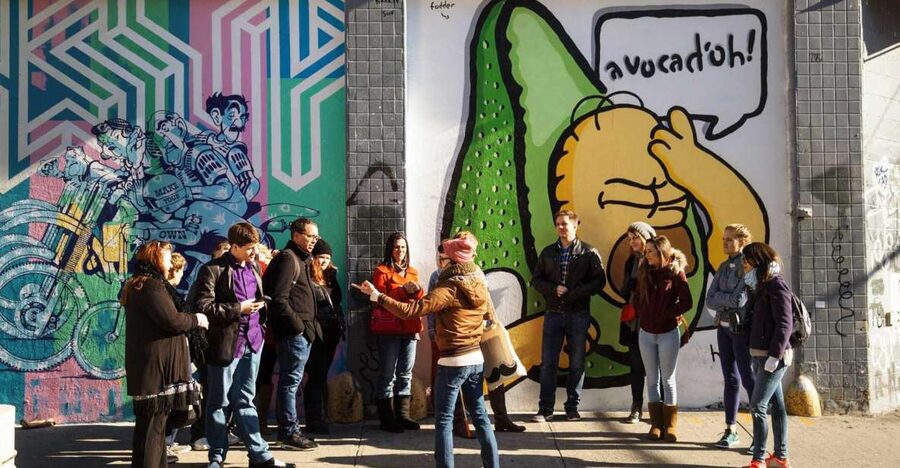
The strongest common thread in the feedback is the guides. Names that appear repeatedly include Angela, Steve, George, Felipe, Alex, Ari, Jacob, Peter, and others. Their personalities differ, but the praised qualities are consistent: clear speech, humor, energy, local stories, and patience with questions.
Steve is a particularly appealing choice if you value neighborhood perspective. He has lived in the area for about fifty years and has been praised for connecting personal memories with the city’s wider past. Angela is often described as funny, lively, and generous with historical detail. Felipe is known for a friendly style and practical food advice.
You cannot choose your guide from the information provided, so book this for the route and format rather than one particular person. Still, the strong guide feedback matters because this walk depends on storytelling. The buildings and streets are free to see. You are paying for someone to explain what you are looking at and keep the three sections connected.
The reviews also suggest the walk can work for families and mixed-age groups. One private group with three children appreciated that the guide engaged with everyone. Another account described an easy pace suitable even for people who are not experienced walkers, though the official information says the tour is not suitable for people with mobility impairments.
Is $39 a fair price?
At $39 per person, I consider this a reasonable price for a live, English-speaking guide and two hours of focused sightseeing. You could walk through all three areas for free, but you would miss many of the details that give the streets meaning.
The value is highest if you are new to Lower Manhattan or want a quick introduction before returning to your favorite neighborhood. You get architecture in SoHo, immigrant stories in Little Italy, and Chinatown history in one compact outing. That saves planning time and gives you ideas for where to eat or explore afterward.
The value is lower if you already know these districts well or prefer to linger inside churches, museums, restaurants, and shops. Two hours is enough for a strong overview, not enough for a full cultural study. Food is extra, and any shopping or museum entry would also be your responsibility.
The tour includes free cancellation up to 24 hours before the start and allows you to reserve without paying immediately. Those policies are useful for a changing New York schedule, but the main decision is still whether you want a guided introduction rather than an independent walk.
How to prepare for the walk
Wear comfortable shoes. This is a city walk over streets and sidewalks, and you will get more from it if you are not worrying about sore feet.
Dress for the weather. Summer heat can be intense, and one guide earned praise for finding shade and adjusting the group’s comfort on a hot day. In cooler or wet weather, appropriate layers and rain protection will make the two hours easier.
Keep a little time free after the tour. The route ends at Columbus Park, not at the starting point, and the guide’s food suggestions may tempt you to stay in Chinatown or return to Little Italy. Since food is not included, bring a separate budget if you want cheese, pizza, cannoli, or another snack.
This walk suits first-time New York visitors, history fans, true-crime followers, food-minded sightseers, and anyone who wants a quick orientation to Lower Manhattan. It is less suited to people seeking a quiet museum visit, a long meal, or a fully accessible route.
Should you book this SoHo, Little Italy, and Chinatown walk?
I would book it if you want three neighborhoods explained by a lively guide, rather than simply photographed. The route covers a lot in two hours, and the mix of cast iron, immigration, religion, food, Mafia stories, Chinese gang history, and pop culture gives you plenty to remember.
I would skip it if you already know SoHo, Little Italy, and Chinatown well or need frequent stops and a slower pace. For everyone else, $39 is a sensible way to get your bearings, collect food ideas, and understand why these nearby neighborhoods feel so different.
FAQ
How long does the walking tour last?
The tour lasts two hours. The planned sections are about forty minutes each in SoHo, Little Italy, and Chinatown.
Where does the tour start?
The listed starting location is Spring Street Park in SoHo. The exact meeting point may vary depending on the option booked.
Where does the tour finish?
The tour ends at Columbus Park in Chinatown.
What language is the tour conducted in?
The live tour guide speaks English.
Is food included in the ticket?
No. Food costs are not included. You may receive food suggestions and have opportunities to buy items in Little Italy or Chinatown.
What should I bring?
Bring comfortable shoes and clothing suited to the weather.
Is the tour suitable for people with mobility impairments?
No. The activity is listed as unsuitable for people with mobility impairments.
How much does the tour cost?
The listed price is $39 per person.
Can I cancel for a refund?
Yes. You can cancel up to 24 hours in advance for a full refund. You can also reserve now and pay later.
Just added around New York City
- New York City: Superheroes of NYC Guided Walking Tour★ 4.5 · 271 reviews
- West Harlem: Gospel Church Service and Sunday Walking Tour★ 4.3 · 411 reviews
- New York City: Food Walking Tour of Chinatown & Little Italy★ 4.8 · 195 reviews
- NYC: Brooklyn Graffiti & Street Art Walking Tour in Bushwick★ 4.8 · 492 reviews
- NYC: Brooklyn Bridge and Dumbo Guided Walking Tour★ 4.5 · 186 reviews
- NYC: Walking Tour with Local Guide and 30+ Top NYC Sights★ 4.5 · 248 reviews
- New York City’s Hell’s Kitchen: Walking Food Tour★ 4.8 · 200 reviews
- New York City: Central Park Walking Tour★ 4.7 · 82 reviews
New York City Walking Tours, compared.
SoHo, Little Italy, and Chinatown Walking Tour in New York
Read our review →
Secrets of Grand Central Station Walking Tour New York City
Read our review →
Greenwich Village Walking and Food Tasting Tour
Read our review →
Artistic, Alternative Greenwich Village Walking Tour
Read our review →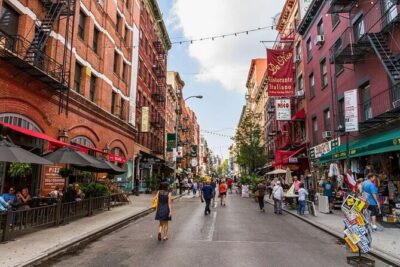
True Crime NYC: Mafia Walk w/Ret. NYPD Detective and Local Food
Read our review →
NYC Greenwich Village Italian Food Guided Walking Tour
Read our review →Browse the lists this tour appears in