
Review · FRANCE WALKING TOURS
Strasbourg: Guided Walking Tour
Strasbourg tells two national stories at once. This walking tour makes that contrast easy to see, pairing French and German influences with the city’s canals, churches, defensive works, and handsome central squares. I like the route’s broad reach, especially the walk from Kléber Square through Petite France to the cathedral, and I like the guides’ practical help with food, shopping, museums, and photo spots. The main drawback is pace: 125 minutes is a short time for so many stops, and the advertised tasting may feel modest if you expect a full food tour.
The strongest part is the guide. Carlos, Fabrizio, Fabry, Erick, and Gidda are praised for clear storytelling, humor, local suggestions, and an easygoing manner. You get a useful first look at Strasbourg, but some visits are brief, the cathedral is viewed from outside, and the wine and cheese stop may vary.
Key points at a glance
- A two-country story in one city: Learn how French and German rule shaped Strasbourg’s buildings, defenses, food, and identity.
- A smart central route: Walk from Place Kléber through Petite France, the Covered Bridges, Saint Thomas Church, Gutenberg Square, and the cathedral.
- The best photo stop: Barrage Vauban gives you a fine view toward Petite France and the old defensive structures.
- Helpful local advice: Guides often point out restaurants, cheese shops, cafés, museums, shopping streets, and quieter ways around crowded areas.
- A light tasting, not a food crawl: Expect a small local taste and a wine stop, but do not book this primarily for eating.
- Good value at $30: The price is fair if you want history, orientation, and many central sights in one guided walk.
Why Strasbourg works so well as a walking city
Strasbourg’s center packs a lot into a small area. Grand squares open into narrow streets, canals pass old houses, and major churches sit only a short walk from defensive walls and bridges. You do not need a bus or tram to see the core sights on this route.
The city’s location near the French-German border gives the walk its main theme. Here, national identity is not an abstract history lesson. You see it in architecture, place names, food traditions, and the way the city has been defended and governed over the centuries.
I especially like that the tour does not stop with the obvious postcard view. The guide connects Place Kléber, Petite France, Vauban’s defenses, Saint Thomas Church, and the cathedral into one story. That helps you understand the city instead of simply collecting photographs.
The route also gives you a useful first orientation. After the walk, you will know where to return for a meal, where the major museums are, and how the old center fits together. Several people singled out the guides’ restaurant and shopping advice, including suggestions for baeckeoffe, cheese, cafés, and local products.
More Guided Walks in France:
- Paris Top Sights Half Day Walking Tour with a Fun Guide
★ 5.0 · 2,893 reviews - Paris: Montmartre Highlights Walking Tour with a Local Guide
★ 4.9 · 2,318 reviews - Paris: Montmartre Cheese, Wine & Pastry Guided Walking Tour
★ 4.8 · 2,255 reviews
Starting at Place Kléber and the central streets
The meeting point is at Place Kléber or Hôtel Strasbourg Le Kléber, depending on the option you book. Confirm the exact point before setting out, since the square can have several groups meeting at once. One person had trouble finding the correct guide among the other tours, though the tour company answered quickly when contacted.
Place Kléber is a sensible starting point. It puts you in the middle of modern Strasbourg and close to several older streets. From here, the route takes in La Aubette, the Homme de Fer area, and Rue du Jeu des Enfants before heading toward the older quarters.
The guide uses these early stops to explain how the city changed over time. You get a mix of modern urban life and older architecture rather than a staged walk through one preserved district. That contrast is useful because Strasbourg is not just a medieval set piece. It is a working European city with layers from different periods.
Expect the first section to move at a steady pace. You will stop for explanations and photographs, but the tour is not designed for long interior visits. Comfortable shoes matter, especially if you want to keep up while taking pictures.
From modern art to the Barrage Vauban
The route passes the Museum of Modern and Contemporary Art, where there is time for a photo stop and a short explanation. The museum itself is not included, so you will not go inside during this experience. Still, the stop helps widen the picture of Strasbourg beyond old churches and half-timbered buildings.
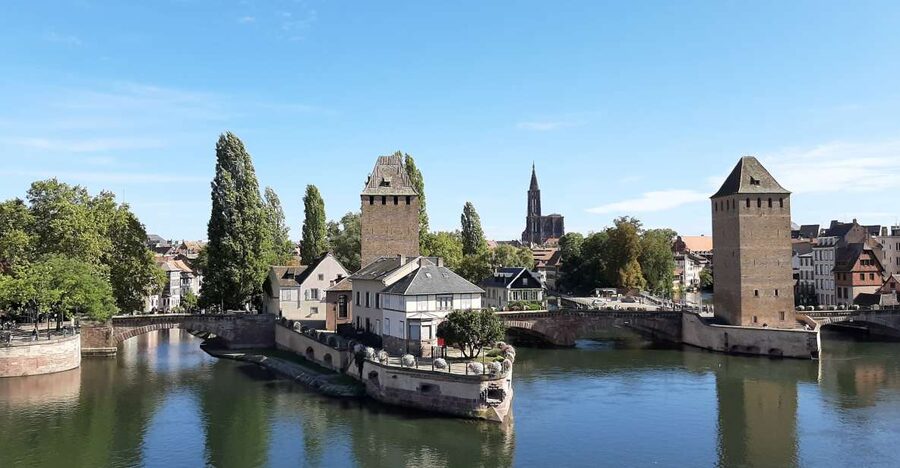
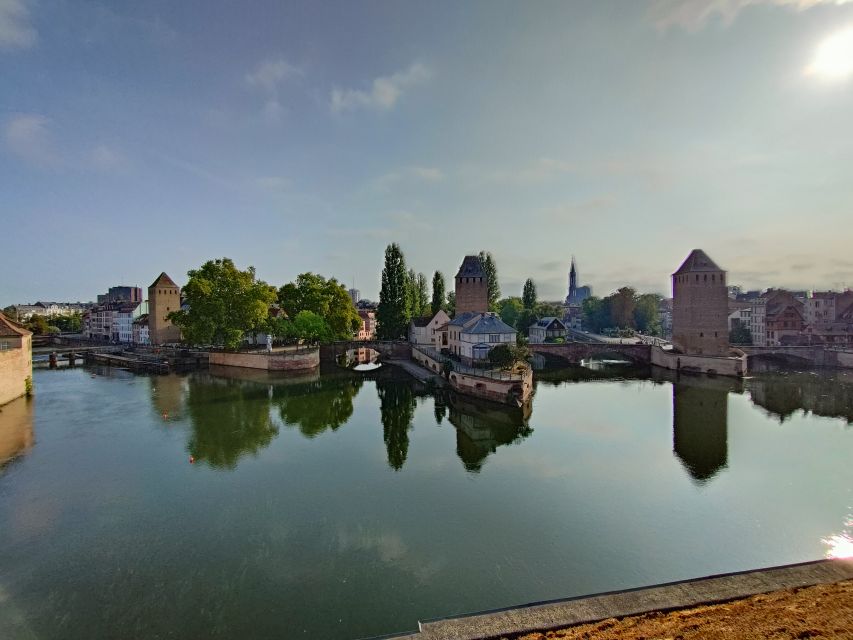
The next major point is Barrage Vauban, one of the most useful places on the walk. This defensive structure is tied to the city’s fortifications and gives you a good view toward Petite France and the Covered Bridges. The elevated outlook is the closest thing this tour has to a formal panorama.
Bring your camera here. The guide may suggest angles that show the canals, bridge towers, rooftops, and defensive works together. One particularly useful feature is the way the stop explains both the first and second defensive barriers of the city. You are not simply looking at old masonry. You are seeing how water and walls once protected Strasbourg.
The area can also include a food market visit, depending on the timing and conditions. That adds a local feel, but it should not be treated as a guaranteed market tour. The core value here is the view and the explanation of the fortifications.
Petite France, swing bridges, and changing water levels
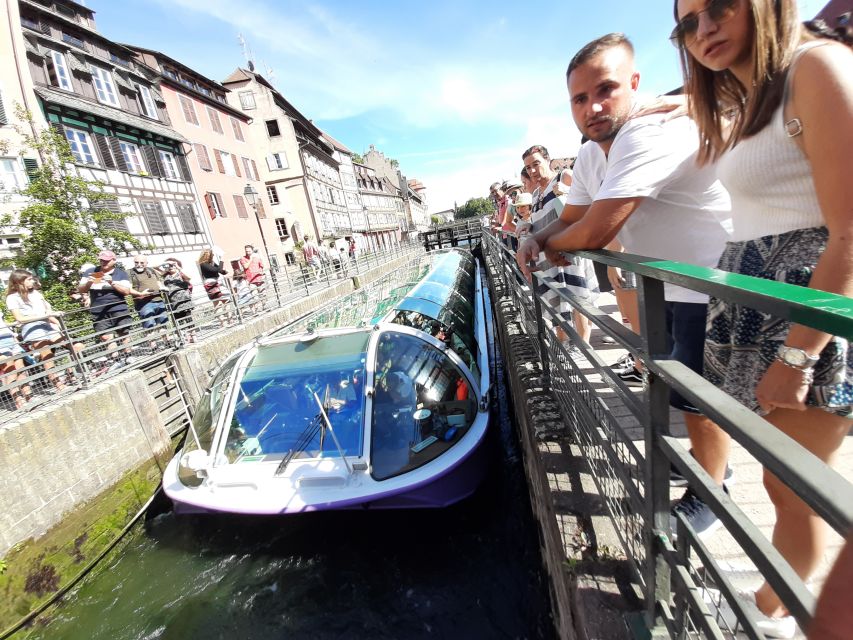
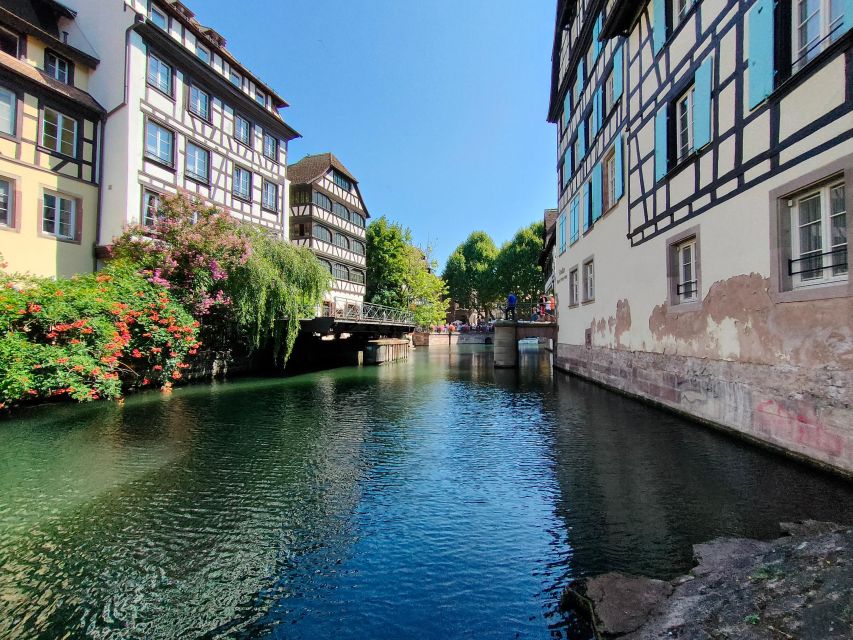
Petite France is the most photogenic section of the walk. Canals, old façades, bridges, and narrow streets give the district its familiar postcard appearance. You have time for photographs and some free time, though the schedule remains fairly tight.
A particularly interesting detail is the swing bridge and the gate system that helps boats manage the change in water level. This is easy to miss if you walk through Petite France on your own without knowing what to look for. The guide turns an attractive canal scene into a working piece of city engineering.
You may also get a short safety briefing here because the route passes near water and bridges. Keep your group together and watch your footing while taking photographs. The district is popular, so the guide’s knowledge of alternate routes can be useful when the main lanes feel crowded.
Petite France is also where the tour can feel rushed. The district deserves a slow wander, a café stop, and time to browse. On this experience, you get a guided introduction rather than a leisurely afternoon. I would return later if you want quiet photographs or a longer look at the shops.
A few more walks around France worth a look
- Montmartre Hidden Gems and Scenic Highlights Walking Tour
★ 5.0 · 2,684 reviews - Montmartre Hill French Gourmet Food and Wine Tasting Walking Tour
★ 5.0 · 2,588 reviews - Paris Île de la Cité and Notre-Dame Walking Tour With Crypt
★ 5.0 · 2,272 reviews - Paris in a Day: Louvre or Orsay, Eiffel Tower, City Walk & Cruise
★ 5.0 · 1,956 reviews
Covered Bridges and Strasbourg’s defensive past
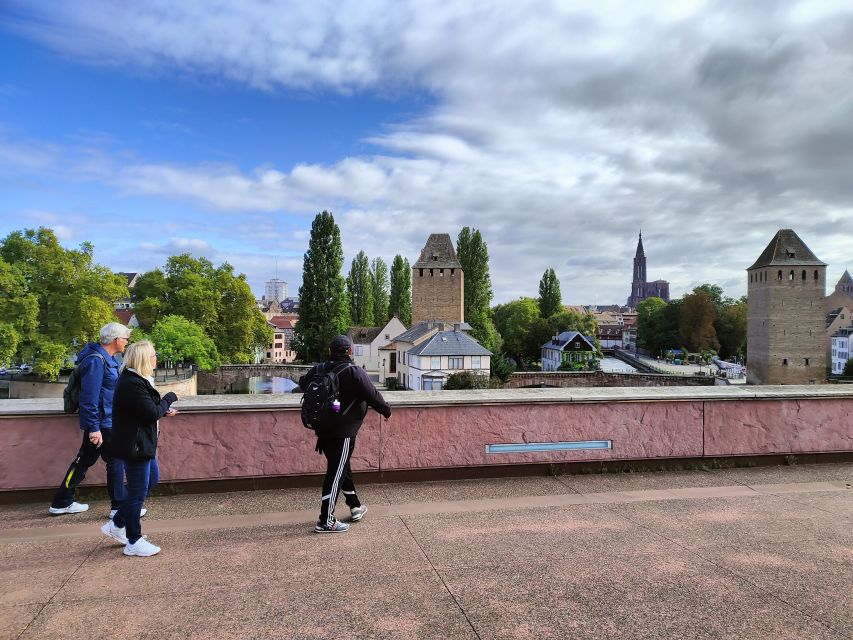
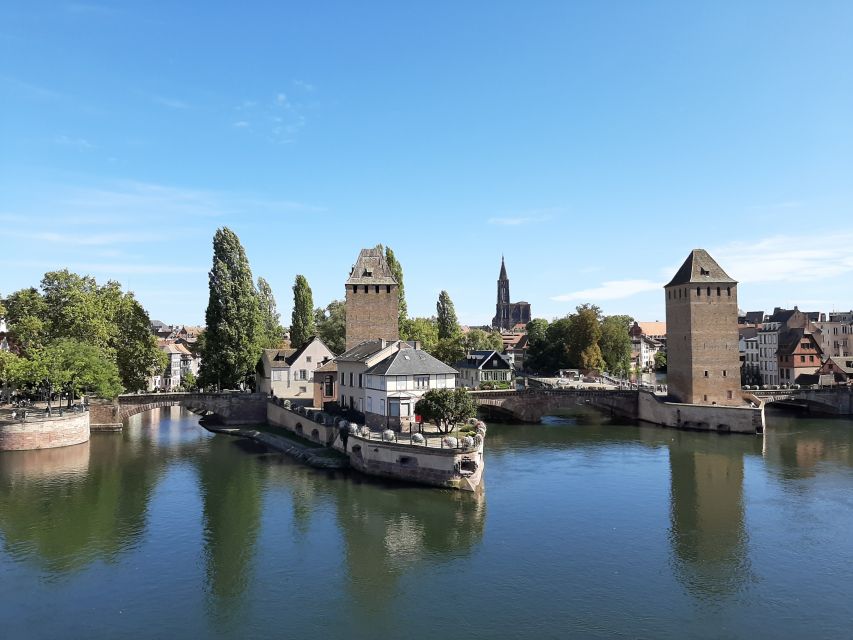
The Covered Bridges follow naturally from Barrage Vauban. Despite the name, the current bridges do not retain their original full roofing, but the fortified towers and connected waterways still show how the city controlled movement and protected its approaches.
This is one of the better history stops because the guide can point out how the bridges, river channels, and Barrage Vauban worked together. The military story becomes easier to grasp when you are standing among the structures instead of hearing about them from a distant viewpoint.
The stop is mainly for photographs and a short visit. Do not expect a museum-style presentation or a long break. If you enjoy military architecture, listen closely here. If your main interest is decorative buildings, the canal views and towers still make the stop worthwhile.
Saint Thomas Church and Rue des Serruriers
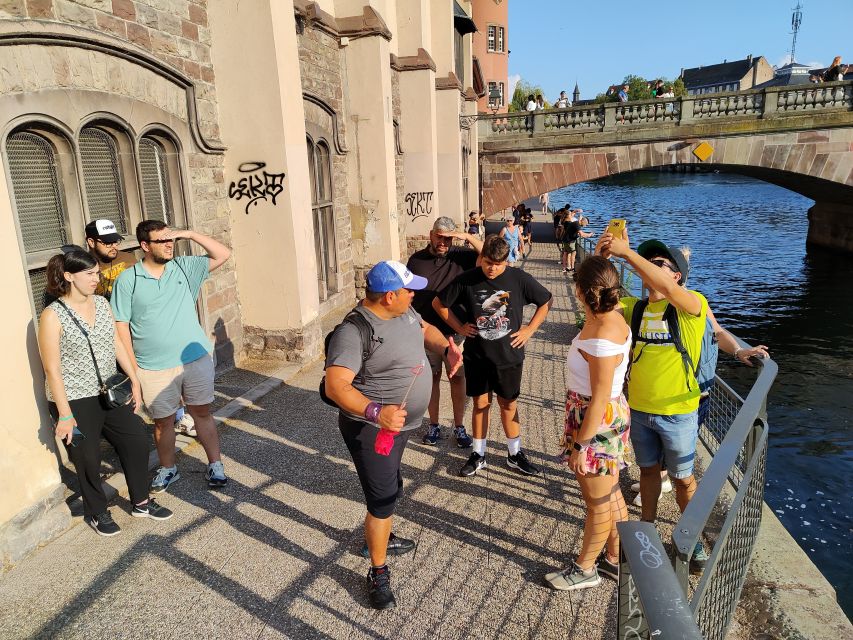
Église Saint-Thomas adds another layer to the city’s religious and cultural story. The church is visited from the outside as part of the walk, and the guide explains its place among Strasbourg’s important historic buildings.
Afterward, the route reaches Rue des Serruriers for a tasting. The advertised food includes a typical German shepherd dessert, while the wider route also includes wine and cheese tasting. In practice, you should think of this as a small local sample, not a meal or a dedicated culinary tour.
That distinction matters. Some people enjoyed the local products and the stop at a shop such as Chez Lucienne, while others felt the tasting was less substantial than expected. One person specifically wished the wine and cheese tasting had happened as advertised. The safest approach is to eat beforehand or plan a meal afterward.
The tasting can still be useful because the guide may explain local foods and suggest places to buy them. If you want to take home regional products, ask for specific shop advice. This is one area where the guide’s local recommendations may be more valuable than the amount of food served.
Wine, local advice, and the social side of the walk
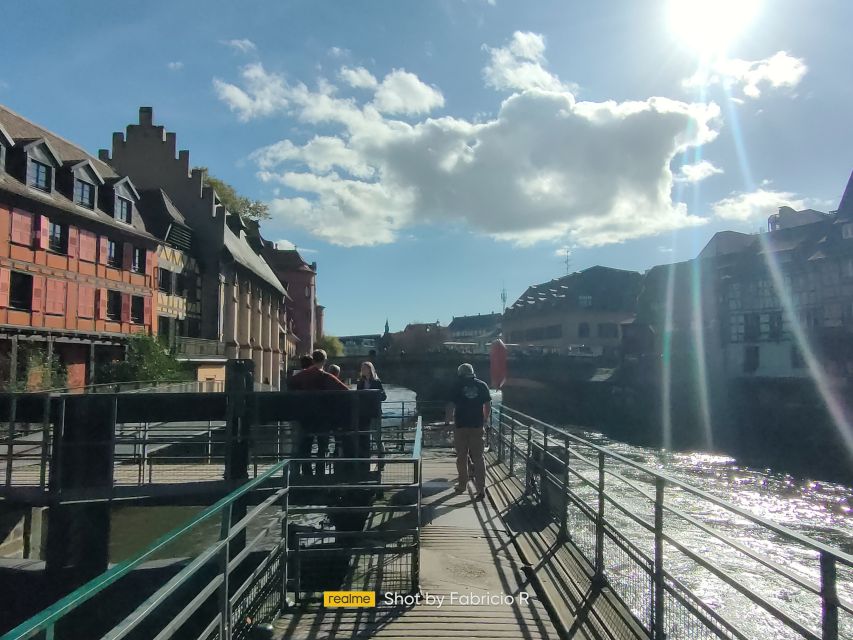
The route includes a winery visit and wine tasting, listed as one of the longer portions of the experience. The exact balance between wine, cheese, dessert, and other local products may depend on the day and the provider. Do not assume that every tasting will be equally generous.
For many people, this pause adds welcome variety after the streets and fortifications. It gives you a chance to ask about Alsace food, nearby restaurants, and what to order later. The guides are often praised for practical suggestions, including where to find baeckeoffe, good cheese, cafés, and local shopping.
The guides also seem to shape the tone of the experience. Fabrizio is described as passionate, approachable, and good at explaining the city without making the information feel stiff. Carlos receives praise for humor, follow-up suggestions, and clear explanations. Erick is noted for strong presentation, while Gidda is described as fun and well informed.
Names can vary with the date, so check the booking details if a particular guide matters to you. The common thread is an engaging guide who can answer questions and adjust the conversation to the group.
Gutenberg Square, the cathedral, and the final views
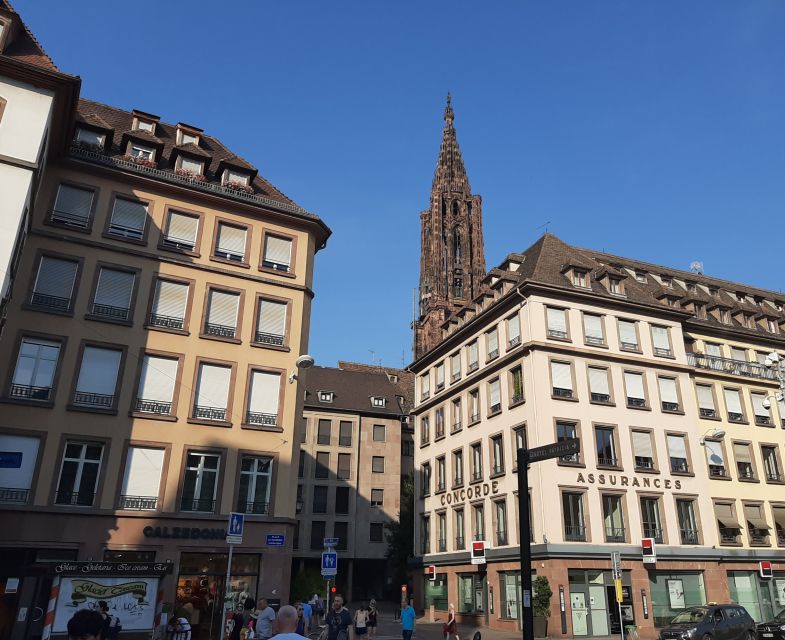
The walk continues to Place Gutenberg, a brief photo stop named for Johannes Gutenberg, who lived and worked in Strasbourg. From here, the route heads toward the cathedral and Maison Kammerzell, one of the city center’s most recognizable historic buildings.
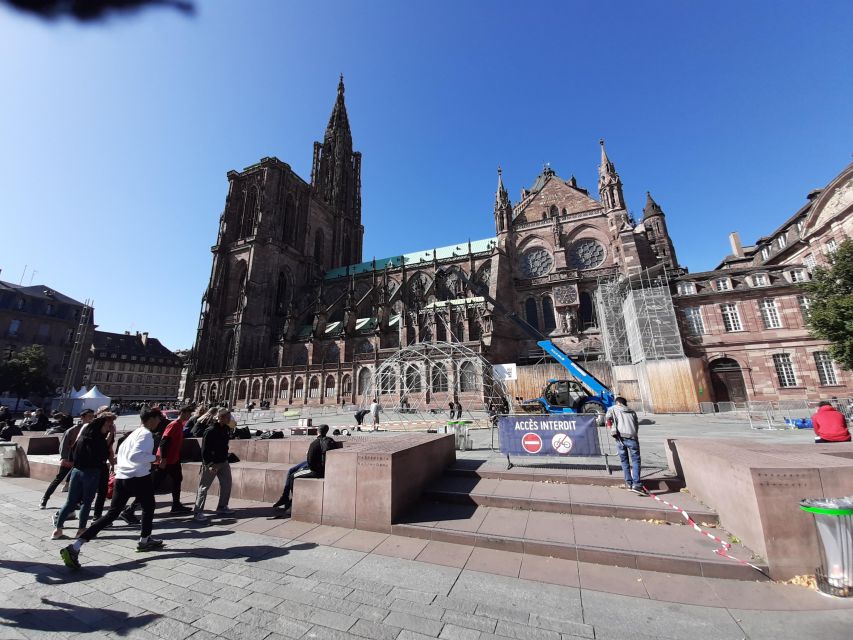
Strasbourg Cathedral is viewed from outside. That is an important limitation. The cathedral exterior is impressive and worth seeing, but you will not receive an interior visit or museum-style tour as part of the $30 experience. If the interior is a priority, plan a separate visit.
The walk ends near Palais Rohan or Place de la Cathédrale. Both are useful finishing points because they leave you in the heart of the old center. You can continue sightseeing, find lunch, visit a museum on your own, or return to the cathedral area for more photographs.
The ending is practical rather than ceremonial. You finish with a clear sense of where the main sights are, plus a list of places to eat and shop. That makes the tour a good first activity on a short stay.
What $30 gets you
At $30 per person, the value is strong if you want a guided introduction to central Strasbourg. You are paying for about 125 minutes with a live English or Spanish-speaking guide, a wide route, history at major landmarks, photo advice, and some local tasting.
The price is less compelling if you want long visits inside buildings, a full meal, or a formal wine education. Museum entry, tram tickets, extra food, and drinks are not included. Hotel pickup and drop-off are also not included.
I would compare this with the cost of spending half a day finding the same sights alone. You can certainly walk the center without a guide, but you may miss the defensive logic of the canals, the importance of the bridges, and the small details that connect the French and German sides of the city.
The tour also has a private-group option. That may suit families or small groups that want more control over pace and questions, though the supplied price is listed per person and the private-group cost is not specified.
Pace, comfort, and practical planning
The route is listed at 125 minutes, but it covers a lot: central squares, Petite France, the Museum of Modern and Contemporary Art area, Barrage Vauban, the Covered Bridges, Saint Thomas Church, Rue des Serruriers, a winery, Gutenberg Square, the cathedral, and Palais Rohan.
That is an ambitious schedule. You should expect short explanations at several stops rather than a long lecture at each one. The upside is variety. The downside is that you may want more time in Petite France, at the cathedral, or around the fortifications.
Wear comfortable shoes and bring a camera. Large bags and luggage are not allowed, so do not arrive with a suitcase. The tour is wheelchair accessible, but the route includes bridges, streets, and canal-side areas, so confirm practical details with the provider if you need specific assistance.
Weather can shape the experience. Much of the tour is outdoors, and the best photo stops are less enjoyable in heavy rain. Check the forecast on the day, and confirm the meeting instructions if a local market changes the meeting point.
Free cancellation is available up to 24 hours before the start, and you can reserve now and pay later. Those terms are helpful if your Strasbourg plans may shift.
Who should book this Strasbourg walk?
I would choose this tour if you are visiting Strasbourg for the first time, want a quick orientation, or enjoy history explained through buildings and streets. It also suits you if you want help finding restaurants, local foods, shopping areas, and photo angles without spending hours planning a route.
Families may appreciate the variety. The walk changes scenery often, and the bridges, canals, defenses, churches, and food stops keep it from feeling like one long architecture lecture. A private group may be worth considering if you need a slower pace.
I would look elsewhere if your main goal is a full food tour, extensive wine tasting, or detailed interior access. The cathedral is outside only, museums are not included, and the food portion can be lighter than expected.
Should you book it?
Book it if you want a friendly, history-led introduction to Strasbourg for $30, especially early in your stay. The best guides turn the city’s French-German past, canal defenses, and local food traditions into a clear story, while the route covers many major sights in a short time.
Skip it if you prefer to wander slowly or need substantial tastings and long interior visits. For most first-time visitors, though, the combination of Petite France, Barrage Vauban, the Covered Bridges, Saint Thomas Church, and the cathedral makes this a useful and fairly priced start to Strasbourg.
FAQ
How long does the Strasbourg walking tour last?
The tour lasts 125 minutes, or just over two hours.
What languages are available?
The live guide is available in English and Spanish.
Where does the tour start?
There are two listed starting options: Place Kléber and Hôtel Strasbourg Le Kléber. The exact meeting point may depend on the option you book.
Where does the tour finish?
The listed drop-off points are Palais Rohan and Place de la Cathédrale.
Is the Strasbourg Cathedral visited inside?
No. The cathedral is viewed from outside as a photo stop. Museum entrances are not included.
Is food and wine included?
The experience includes a tasting of a typical German shepherd dessert and lists wine, cheese, and local food tasting. Additional food and drinks are not included, and the tasting may be modest rather than a full meal.
What should I bring?
Bring comfortable shoes and a camera. Large bags and luggage are not allowed.
Just added around France
- Avignon Walking Tour including Pope’s Palace★ 4.5 · 158 reviews
- The Official Emily in Paris Locations Walking Tour★ 4.9 · 383 reviews
- Strasbourg: Private Walking Tour of the Historical Center★ 4.2 · 107 reviews
- Strasbourg: Historic Center Walking Tour★ 4.7 · 88 reviews
- Strasbourg : European District Walking Tour★ 5.0 · 95 reviews
- Paris: Montmartre Food Tasting Walking Tour with Secret Dish★ 4.8 · 107 reviews
- Paris: Emily Inspired Walking Tour★ 4.9 · 312 reviews
- Saint-Germain: Gourmet Chocolate & Pastry Walking Food Tour★ 4.8 · 495 reviews
France Walking Tours, compared.

Authentic Parisian Gourmet Food Tour with 10 Local Dishes & Wines
Read our review →
Paris Top Sights Half Day Walking Tour with a Fun Guide
Read our review →
Montmartre Hidden Gems and Scenic Highlights Walking Tour
Read our review →
Montmartre Hill French Gourmet Food and Wine Tasting Walking Tour
Read our review →
Montmartre Highlights Walking Tour with a Local Guide
Read our review →
Paris Île de la Cité and Notre-Dame Walking Tour With Crypt
Read our review →
Montmartre Cheese, Wine & Pastry Guided Walking Tour
Read our review →
Paris in a Day: Louvre or Orsay, Eiffel Tower, City Walk & Cruise
Read our review →Browse the lists this tour appears in