
Review · FRANCE WALKING TOURS
Strasbourg: Walking Tour with Local Guide
Strasbourg reveals itself one street at a time. This two-hour walk gives you a smart first look at the city, from the bridges of Petite France to the cathedral and the broad squares of modern Strasbourg. I especially like the small group of up to six, which makes it easy to ask questions, and the local food advice Nicolas sends after the walk. The main limitation is simple: cathedral entry is not included, and the route is not suited to people with mobility impairments.
You will cover a lot of ground for $41, but this is not a speed march between monuments. Nicolas mixes Alsatian family stories with the city’s complicated French and German past, then adjusts his explanations to the group. If you want a quick orientation before exploring on your own, this is a strong choice. If you prefer museums, long interior visits, or a slow photo stop at every building, you may want more time elsewhere.
Five useful things to know before you book
- The group stays small: With no more than six participants, you can hear Nicolas clearly and ask plenty of questions.
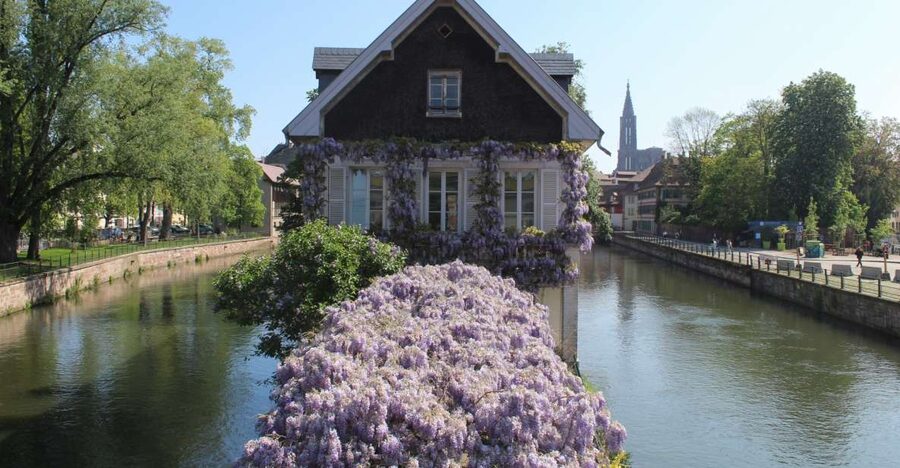
- The route crosses several sides of Strasbourg: You see Ponts Couverts, Petite France, the cathedral, Saint-Étienne, and Place de la République.
- Local stories add flavor: Nicolas explains Alsatian customs, family connections, revolutionary history, and present-day city life.
- You finish with practical advice: Expect suggestions for restaurants, bakeries, markets, local products, shopping, and nearby places to visit.
- The tour runs in English or French: The guide has also handled mixed-language groups by explaining in both languages.
- Bring proper shoes: This is a continuous walking tour, and the activity is not suitable for people with mobility impairments.
Why this is a good first walk in Strasbourg
Strasbourg can feel confusing at first. It has a medieval island core, waterways, French civic squares, German imperial architecture, and neighborhoods where the history changes from one block to the next. A map shows the pieces, but it does not explain why they fit together.
This walk gives you that basic framework in two hours. You move through the Grande Île and downtown, see the main landmarks, and hear how Strasbourg’s position near the Rhine shaped its culture and architecture. That context matters. Without it, the cathedral is simply an impressive church and Place de la République is just a large park-like square. With it, both places tell a much bigger story.
I like the balance between famous sights and ordinary streets. You do not spend the whole time standing in front of postcard views. The route also passes through the Tonneliers district, with its bars and restaurants, giving you a look at the parts of central Strasbourg where people eat, meet, and go about daily life.
The strongest feature is Nicolas himself. He has a close connection to Strasbourg and Alsace, and he uses personal family stories to make the region’s past easier to grasp. His style comes across as friendly and relaxed, with room for questions, humor, and changes of pace.
More Guided Walks in France:
- Paris Top Sights Half Day Walking Tour with a Fun Guide
★ 5.0 · 2,893 reviews - Paris: Montmartre Highlights Walking Tour with a Local Guide
★ 4.9 · 2,318 reviews - Paris: Montmartre Cheese, Wine & Pastry Guided Walking Tour
★ 4.8 · 2,255 reviews
Starting near Place d’Austerlitz and the covered bridges
The listed starting point is Place d’Austerlitz, though the exact meeting place can depend on the option you choose. Pay attention to the instructions sent before the walk. Nicolas has been praised for clear meeting details, including a description of what he is wearing and a photo of the meeting location.
From there, the route reaches the Ponts Couverts, or Covered Bridges. These old bridges and defensive structures introduce one of Strasbourg’s most important features: water. The Ill River wraps around the historic center, and the waterways helped shape both the city’s defenses and its neighborhoods.
You get about ten minutes here, so expect an explanation and a chance for photographs rather than a long stop. The bridges are especially useful as an opening lesson because they show how medieval Strasbourg protected itself. If you like architectural detail, listen closely for the way the fortifications connect the river to the old city.
The photo advice is another nice touch. Nicolas does not simply point out a view and move on. He can suggest angles and locations for more appealing pictures, which helps when the famous sights are crowded or the weather is dull.
Petite France and the Tonneliers district
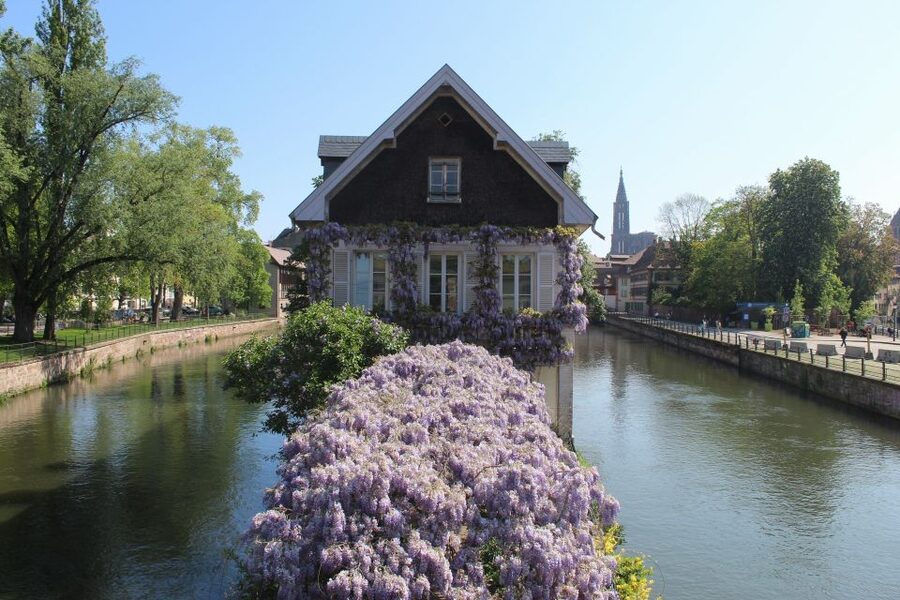
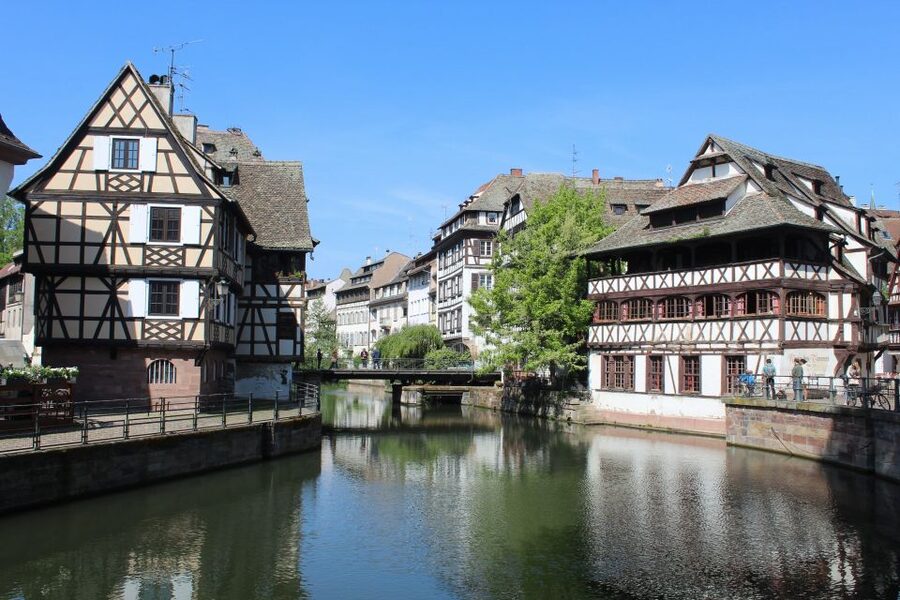
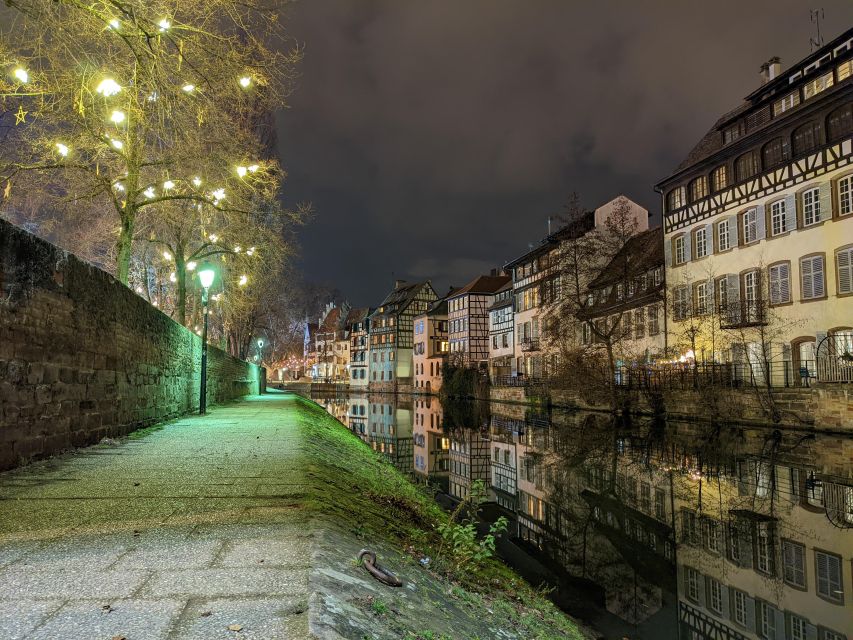
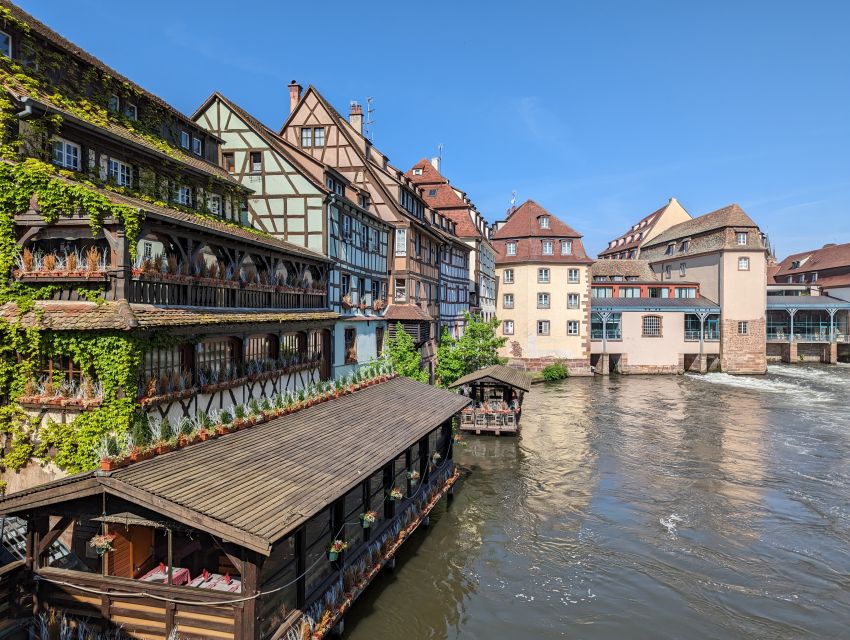
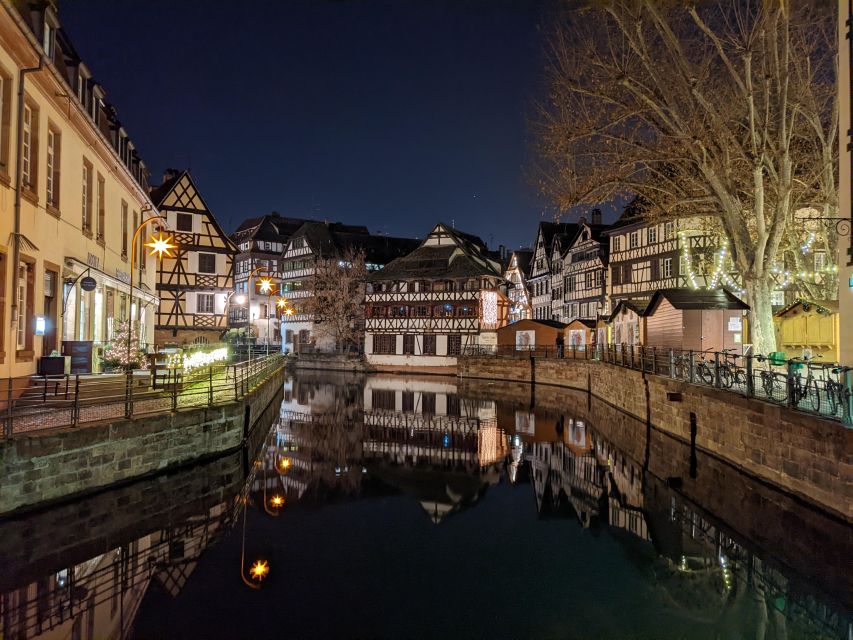
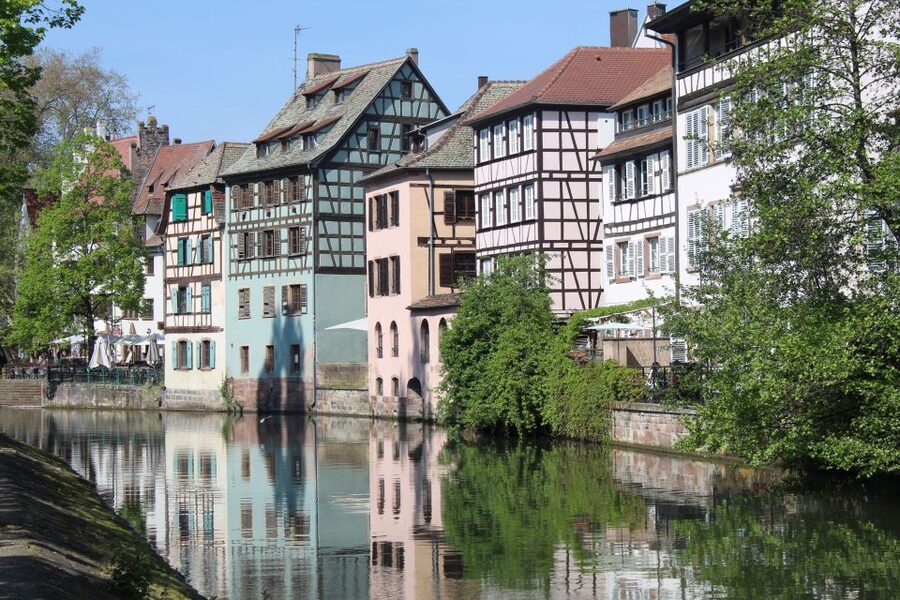
The walk continues into Petite France, one of Strasbourg’s best-known quarters. The planned stop lasts around twenty minutes, enough to see the canals, old streets, and traditional buildings without turning the tour into a full neighborhood study.
Petite France is the kind of place that can look almost too polished in photographs. A guide helps you notice what sits behind the pretty façades. The district’s waterways, narrow streets, and former working character give it more meaning than a collection of attractive houses.
This is also where the walk starts to feel less like a checklist. You are not only seeing Strasbourg’s grand monuments. You are learning how the historic center connects to small streets, restaurants, and everyday city life.
The nearby Tonneliers district adds a more local, social side of the route. Its bars and restaurants make it a useful place to ask for dinner ideas. Nicolas’s recommendations are a practical part of the experience, especially if you are unsure where to try Alsatian food, find a good bakery, or choose a market stall.
You might also ask about tarte flambée, the thin Alsatian specialty mentioned by several participants as a worthwhile local choice. The guide’s advice is most useful when you explain what you want, such as a traditional meal, a bakery, drinks, or a less formal place.
Saint-Thomas Church and Strasbourg’s layered past
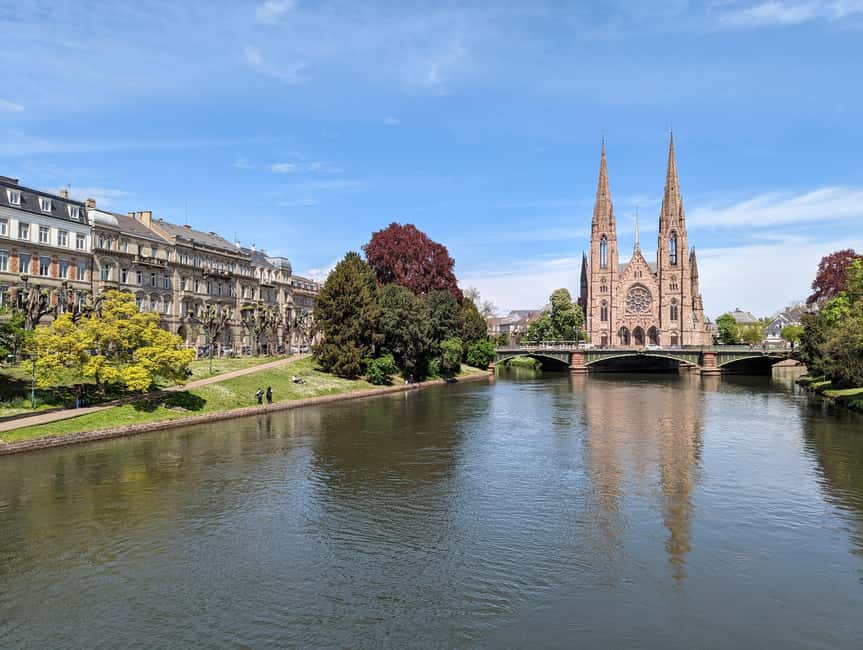
The itinerary includes about ten minutes at Église Saint-Thomas. This stop gives the route a religious and historical counterpoint to the outdoor views of Petite France.
The tour is designed to explain Strasbourg’s past across several periods, including the 18th century and France’s revolutionary wars. That period can be hard to follow because Strasbourg’s identity has shifted with changing borders and governments. Nicolas’s local perspective helps connect the dates to the people who lived through them.
Do not expect a full church visit or a detailed architectural lecture in ten minutes. The value here is the setting and the wider explanation. Saint-Thomas helps you see that the city’s history is not limited to one famous cathedral. Several churches and public buildings carry different parts of the story.
The small group makes this kind of stop work well. You can ask a question without interrupting a large crowd, and the guide can clarify a point if the political history becomes complicated.
A few more walks around France worth a look
- Montmartre Hidden Gems and Scenic Highlights Walking Tour
★ 5.0 · 2,684 reviews - Montmartre Hill French Gourmet Food and Wine Tasting Walking Tour
★ 5.0 · 2,588 reviews - Paris Île de la Cité and Notre-Dame Walking Tour With Crypt
★ 5.0 · 2,272 reviews - Paris in a Day: Louvre or Orsay, Eiffel Tower, City Walk & Cruise
★ 5.0 · 1,956 reviews
Strasbourg Cathedral and the Grande Île
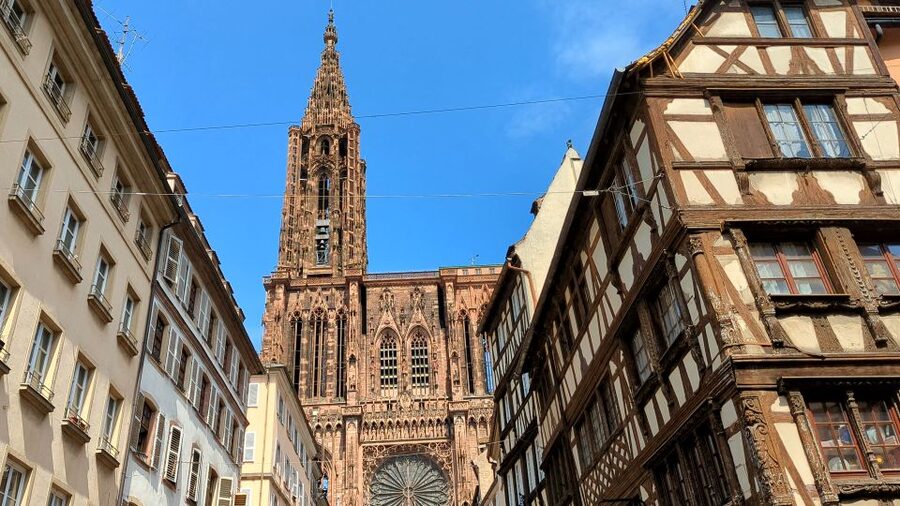
The cathedral is the tour’s major landmark. You have about fifteen minutes to admire the exterior, hear its legends, and take photographs in front of one of Strasbourg’s defining buildings.
The cathedral’s Romanesque and Rayonnant Gothic elements give Nicolas plenty to explain. You will hear about its architecture, its place in the city, and the stories that have gathered around it over the centuries. The building is located on the UNESCO-listed Grande Île, the historic center that gives Strasbourg much of its visual character.
The time limit is both useful and restrictive. It keeps the walk moving, but fifteen minutes is not enough for a full examination of the interior, the astronomical clock, or every detail of the façade. Since entry is not included, you should plan a separate visit if you want to go inside.
That is the main cost consideration. The $41 fee pays for the guide and the interpretation, not for an attraction ticket. I would book this walk early in your stay, then return to the cathedral later when you can enter at your own pace.
For photographs, listen to the guide’s advice rather than stopping only at the obvious front view. The cathedral can be difficult to frame from close by. Tips about angles and nearby streets may help you produce better images than a rushed snapshot from the busiest square.
Place Saint-Étienne and the quieter side of the center
Place Saint-Étienne receives about ten minutes. Compared with the cathedral area, this stop can feel more intimate and gives the route another change of scale.
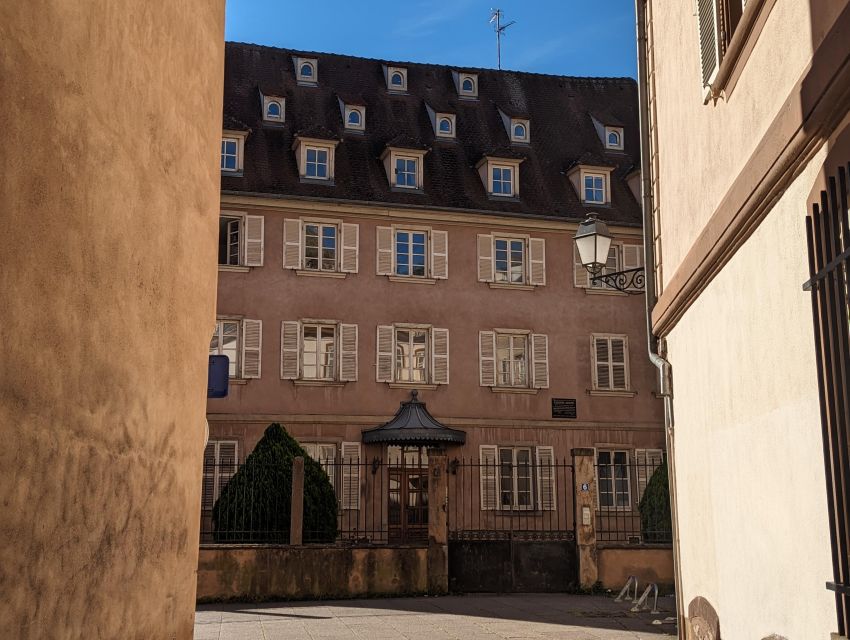
Small squares are important on a walking tour because they let you see how Strasbourg works beyond its headline sights. You get a sense of the city’s rhythms, street layout, and residential character. The guide can also point out details you would probably pass without noticing alone.
This is where the group size has a real effect. In a large tour, a small square can become a brief announcement followed by a head count. With six people or fewer, you can pause, look around, and ask about the buildings or local life.
The tour is still moving at a steady pace, so wear shoes that can handle uneven streets and two hours on foot. There is no indication of a scheduled rest stop, so anyone who tires easily should consider that before booking.
Place de la République and the modern city
The route finishes at Place de la République after a fifteen-minute guided stop. This area helps explain Strasbourg beyond the medieval core, with a broader urban setting and a different architectural mood.
A walk that begins with medieval defenses and historic quarters ending here gives you a useful contrast. Strasbourg is not an open-air museum frozen in the past. It is also a working city with later buildings, public spaces, and daily routines.
This final stop is a good place to ask what to do next. Nicolas regularly provides suggestions for meals, bakeries, markets, shopping, local products, and other places in Strasbourg. He has also offered advice for trips to nearby Alsatian towns and even across the border into Germany.
That after-tour guidance may be worth as much as the route itself. A two-hour walk gives you orientation, but the personal list of places helps you use the rest of your stay well. Keep your phone ready to save recommendations, since the guide may send a longer list after the tour.
What Nicolas does particularly well
The guide’s greatest strength is his command of local context. He can explain major historical events, but he also talks about Alsatian people, customs, geography, and contemporary life. That combination keeps the walk from becoming a string of dates.
His communication before the tour also deserves attention. Clear meeting instructions matter in a city where similar squares and bridges can cause confusion. A description of the guide and a picture of the meeting spot can make the start less stressful.
The tour can become very personal when fewer people book. One participant described having a solo walk when nobody else joined, while another group appreciated the intimate six-person format. That means the exact feel may vary, but the limited size gives you a better chance to interact with Nicolas.
He also appears comfortable with families. One parent said the stories held two children’s attention through the final stop. That does not mean every child will enjoy two hours of walking, but the storytelling and question-friendly format are more family-friendly than a rigid lecture.
Is $41 a fair price?
At $41 per person, this is not the cheapest way to look at Strasbourg. You could walk through Petite France, see the cathedral exterior, and cross the main squares without paying a guide.
The value comes from what you would miss on your own: historical connections, local stories, photo suggestions, and practical food advice. A small group also changes the experience. You can hear clearly, ask questions, and adjust the conversation to your interests.
I consider the price fair if you use the tour as an orientation at the start of your visit. It is less compelling if you already know Strasbourg well or only want a quick set of photographs. Remember to budget separately for cathedral entry if you want to go inside.
The booking terms are flexible. You can cancel up to 24 hours before the activity for a full refund, and the reserve-now, pay-later option lets you keep your plans open. Starting times depend on availability.
Who should book this walk?
I would choose this tour for a first visit, especially if you have one or two days in Strasbourg and want to understand the city quickly. It also suits solo visitors and couples who prefer conversation over a large group with a flag.
It is a good fit if you enjoy local food advice, photography, architecture, and history told through personal stories. Families may like the lively explanations, though you should judge your children’s comfort with two hours of walking.
I would look elsewhere if you need a wheelchair-accessible route, want extensive time inside the cathedral, or prefer a tour focused on one subject only. This is a broad introduction, not a specialist architecture seminar or a food tasting.
Should you book the Strasbourg walking tour?
Yes, I would book it for the beginning of a Strasbourg stay. Nicolas offers the rare combination of local pride, strong historical background, easy conversation, and useful advice for the hours after the tour ends.
The best plan is to take the walk early, save the restaurant and bakery suggestions, then revisit the cathedral and the neighborhoods that interest you most. At $41, you are paying for a clear introduction and a local point of view. Just bring comfortable shoes, confirm the meeting point, and remember that cathedral admission is extra.
FAQ
How long is the Strasbourg walking tour?
The tour lasts two hours.
How much does the walking tour cost?
The listed price is $41 per person.
What languages are available?
The live guide speaks French and English. The guide has also handled groups containing both languages.
How large is the group?
The tour is limited to six participants, though it may sometimes operate with fewer people or even as a solo booking.
Is cathedral admission included?
No. The walking tour includes the guide and the walking experience, but not entry to the cathedral.
Where does the tour start and finish?
The listed starting option is Place d’Austerlitz. The exact meeting point can vary with the option booked. The route finishes at Place de la République.
What should I bring, and can people with mobility impairments join?
Bring comfortable shoes. The activity is not suitable for people with mobility impairments.
Just added around France
- Bordeaux Walking Tour with a Local Private Guide★ 5.0 · 97 reviews
- Free Walking Bordeaux Tour ENG + 1 glass of wine (Tip based)★ 5.0 · 90 reviews
- Bordeaux Historic and Gourmet Food Walking Tour★ 4.5 · 82 reviews
- Traditional Gourmet Food & Wine Tour in Bordeaux★ 5.0 · 81 reviews
- 2-Hour Walking Tour of the City’s Iconic Sights and History★ 4.0 · 207 reviews
- Bordeaux City – Private Guided Walking Tour with Local Sophia★ 5.0 · 164 reviews
- Avignon Walking Tour including Pope’s Palace★ 4.5 · 158 reviews
- The Official Emily in Paris Locations Walking Tour★ 4.9 · 383 reviews
France Walking Tours, compared.

Authentic Parisian Gourmet Food Tour with 10 Local Dishes & Wines
Read our review →
Paris Top Sights Half Day Walking Tour with a Fun Guide
Read our review →
Montmartre Hidden Gems and Scenic Highlights Walking Tour
Read our review →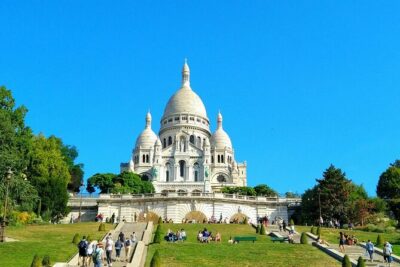
Montmartre Hill French Gourmet Food and Wine Tasting Walking Tour
Read our review →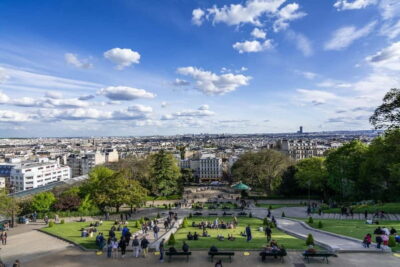
Montmartre Highlights Walking Tour with a Local Guide
Read our review →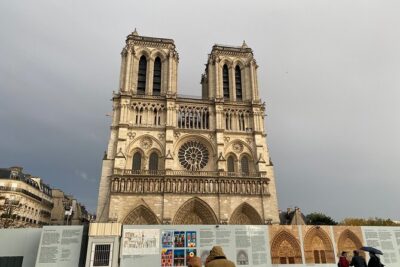
Paris Île de la Cité and Notre-Dame Walking Tour With Crypt
Read our review →
Montmartre Cheese, Wine & Pastry Guided Walking Tour
Read our review →
Paris in a Day: Louvre or Orsay, Eiffel Tower, City Walk & Cruise
Read our review →Browse the lists this tour appears in