
Review · SPAIN WALKING TOURS
Valencia: Fallas Festival Walking Tour with Entry Ticket
Fire, art, and noise take over Valencia each March. This three-hour walking tour gives you a clear way into the Fallas Festival, with an official local guide, city-center stops, and explanations of the giant monuments, fireworks, music, and customs that can otherwise feel like beautiful chaos. I especially like the chance to visit a Falla from inside between March 16 and 19, and the practical advice about what to see and do during the festival.
The $46 price is reasonable if you want context along with your sightseeing. I also like that the tour works in several languages and includes a special Fallas souvenir, though one guest did not receive theirs. A more serious consideration is the guide audio: one person had trouble hearing because of feedback and city noise, so a small group or a position close to the guide may make a real difference.
Key points to know before booking
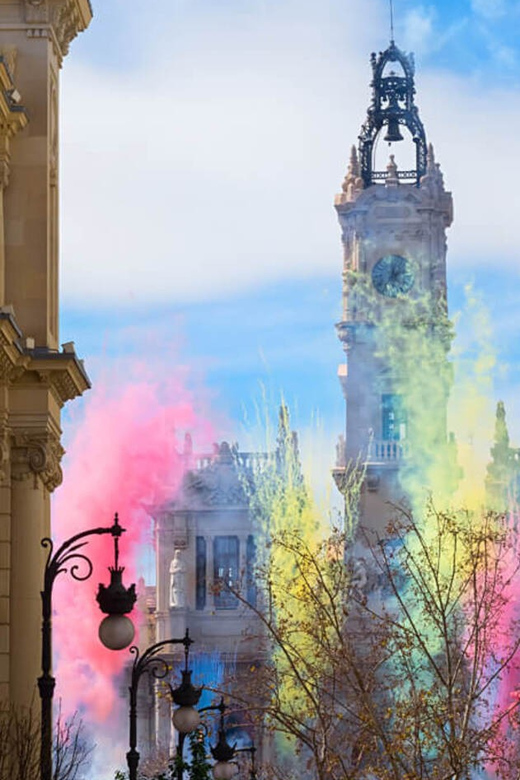
- See Valencia during its most dramatic celebration: The tour takes place among the music, fireworks, gunpowder, costumes, and huge satirical sculptures of Fallas.
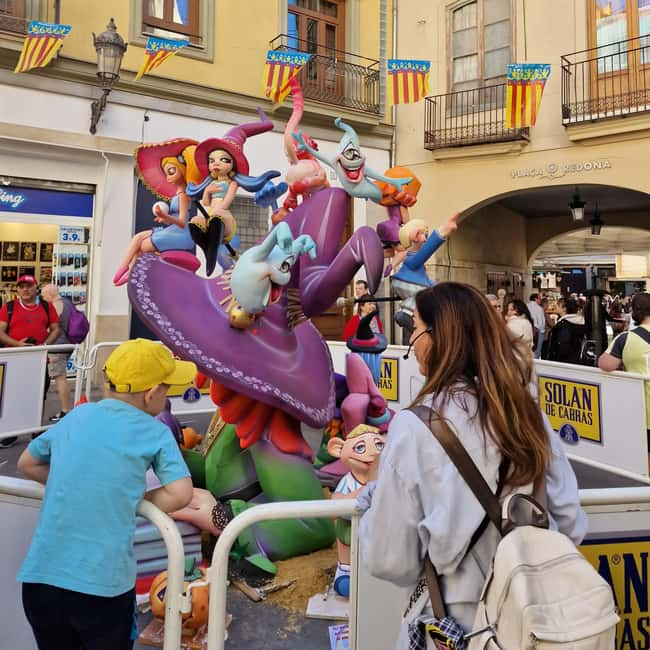
- Understand the Ninots: Your guide explains how these detailed figures are made, what they represent, how much they cost, and why they are burned on March 19.
- The date changes the tour: On March 13, 14, and 15, you see the main Fallas from outside and receive chocolate with churros. From March 16 to 19, you can enter one from the inside.
- The route begins in different places: Morning tours usually start at Plaza del Ayuntamiento, while afternoon tours start at Mercado de Colón.
- Local advice is part of the value: You get help choosing events, understanding the fireworks, and finding your way through the crowded festival period.
- Guide quality matters: Wojtek received especially warm praise for clear explanations, answering questions, and extending the tour beyond three hours.
Why a guided Fallas walk helps
Fallas can be hard to read at first. You see towering sculptures, cartoon-like figures, crowds, bands, and streets filled with the smell of gunpowder. Without context, it is easy to take photographs and miss the jokes, social criticism, and yearlong work behind each monument.
This tour gives you that context while you walk through Valencia’s old town and festival center. You learn why the celebration is held with such force, how local neighborhoods organize their Fallas, and why burning the monuments is not an act of destruction alone. The final fire is part of a cycle of creation, judgment, celebration, and renewal.
I like this format because you are not kept inside a museum for three hours. You move through the city where Fallas actually happens. Streets, plazas, music, fireworks, and crowds become part of the lesson.
The group also receives practical tips about what to visit and which events to attend. That matters because Fallas fills Valencia with activity, and you can easily waste time walking toward a location without knowing what is happening there.
More Tickets and Entries in Spain:
- Madrid Old Town & Royal Palace Walking Tour Skip the Line Ticket
★ 4.5 · 1,829 reviews - Málaga: 3-Hour Complete Walking Tour with Tickets
★ 4.5 · 976 reviews - Picasso Small Group Walking Tour with Museum Skip the Line Ticket
★ 4.0 · 548 reviews
Starting at Plaza del Ayuntamiento or Mercado de Colón
The meeting point depends on your departure time. Morning tours usually begin at Plaza del Ayuntamiento, next to the Tourist Office and the main entrance to City Hall. This is a useful starting point because the square is one of the central places connected with Fallas activity.
There is one important exception. On March 17, the morning route starts at the Torres de Serranos and finishes at Plaza del Ayuntamiento because a morning event restricts access near the usual starting point. Check your exact meeting details before setting out, especially if you are visiting on that date.
Afternoon tours begin at the main entrance of Mercado de Colón on Jorge Juan Street. This gives the route a different feel from the morning walk and may suit you if you prefer a later start after breakfast or a quiet first part of the day.
The route is on foot, and the city center can become very crowded during Fallas. Comfortable shoes matter. So does staying close to the guide. One participant had difficulty hearing through the audio system because of feedback and general street noise. In a festival this loud, that is not a minor detail.
Learning to read the giant Fallas monuments
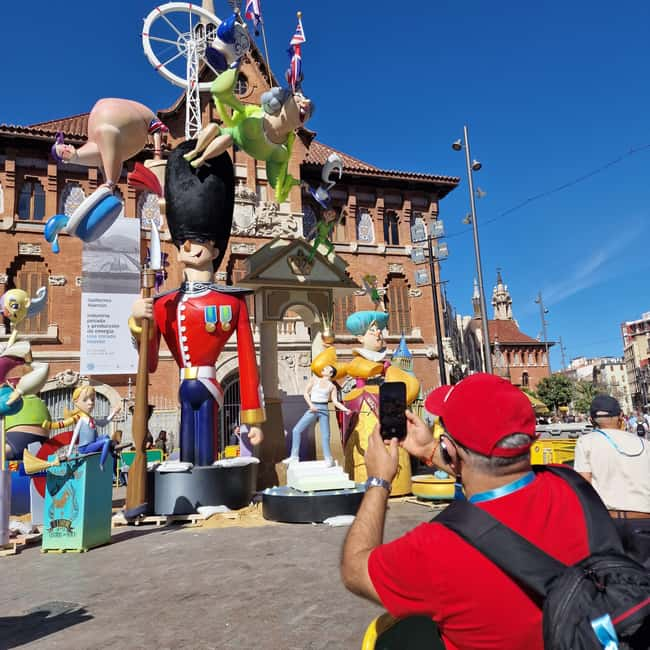
The main attraction is not simply seeing the Fallas. It is learning how to look at them.
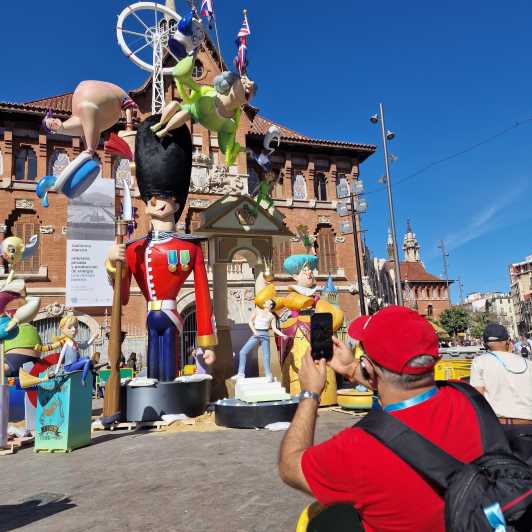
These monuments can be enormous and highly detailed. They are filled with Ninots, the individual figures that make up the larger scene. Your guide explains the ideas behind them, including the humor and commentary directed at public life, local issues, and society.
The information also covers cost and construction. Each Falla represents a year of work by artists and neighborhood groups, and the price of building one can be surprisingly high. Hearing about the money, labor, and competition changes the way you see the sculptures. They are not just temporary decorations. They are major community projects designed to be admired, judged, and eventually burned.
The tour focuses on some of the most important and award-winning Fallas. One guest received a particularly good look at three prize-winning monuments and found the background useful. That is a strong reason to choose a guided visit instead of wandering alone. You may see the same sculptures independently, but you will not necessarily know which details matter or why a particular Falla earned attention.
The guide also explains the plantà, the act of putting the monuments in place. Around 800 Fallas are installed in roughly 400 locations throughout the city. That number gives you a sense of the festival’s scale. This is not one parade route with a few displays. Valencia itself becomes the setting.
Outside views from March 13 to 15
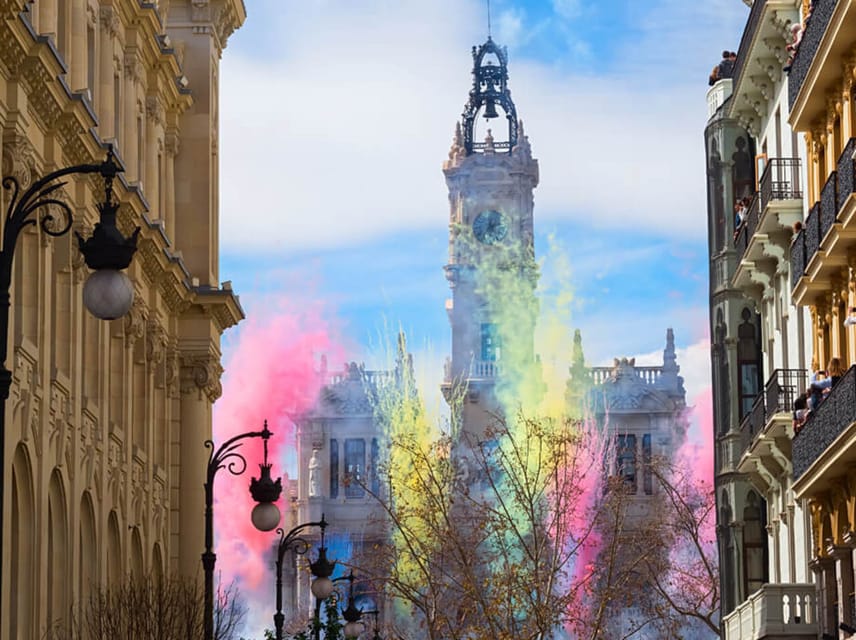
The first three days offer a different version of the tour. On March 13, 14, and 15, artists are still adding final details, so access to the Falla sites is restricted. You see the principal monuments from the outside instead of entering them.
That limitation is balanced by a traditional treat: hot chocolate with churros. It is included only on these three dates. The combination of a sweet snack and a walk through the festival gives the early period its own appeal.
You should book these dates if you want to see the preparation stage and enjoy the food tradition. You should not book them expecting the inside access advertised for the later festival days. The tour information is clear on this point, but it is worth repeating because the difference affects the value for you.
The early dates may also suit anyone who prefers to see the city before the festival reaches its final stretch. You still get the guide’s explanation of the monuments, the meaning of the Ninots, and advice about the upcoming events.
A few more walks around Spain worth a look
- Barcelona Tapas and Wine Experience Small-Group Walking Tour
★ 5.0 · 5,804 reviews - Barcelona: Tapas Walking Tour with Food, Wine, and History
★ 4.8 · 4,261 reviews - Madrid Tapas & Wine Tasting Walking Tour – Small Group Local Bars
★ 5.0 · 3,644 reviews - Granada: Albaicín and Sacromonte Guided Sunset Walking Tour
★ 4.9 · 2,962 reviews
Inside a Falla from March 16 to 19
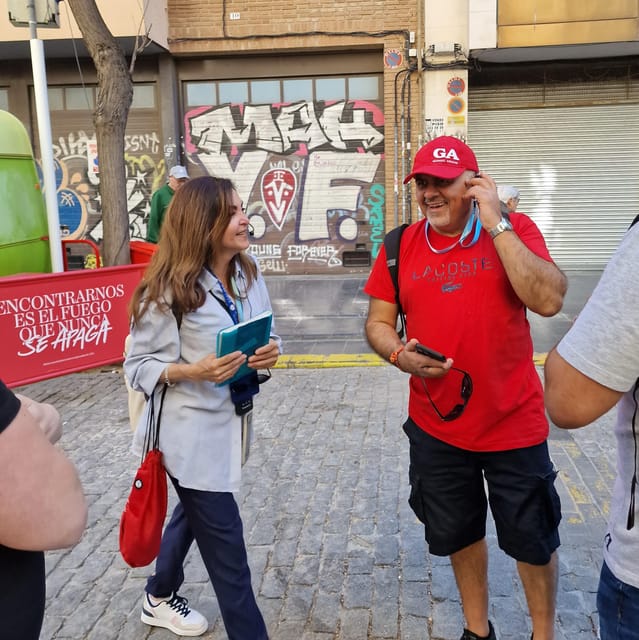
From March 16 through March 19, admission is included so you can enter a selected Falla. This is not an enclosed museum. It is an open-air setting that lets you move closer to the figures and see areas hidden from the street.
That close view is one of the strongest parts of the experience. From outside, a Falla can look like one massive sculpture. Inside, you can better appreciate the arrangement, smaller figures, and detail that make the whole scene work.
The timing is important. If entering a Falla is your main reason for booking, choose a date from March 16 to 19 and confirm that you have selected the right tour option. On these days, the festival is also at full force, so expect more people and more difficulty moving quickly.
The crowds are not a reason to avoid the tour, but they do change the pace. One guide, Wojtek, was praised for keeping the group moving, answering questions, and extending the tour beyond the planned three hours. That kind of flexibility is useful when streets are packed and every short walk takes longer than expected.
Why the fire on March 19 matters
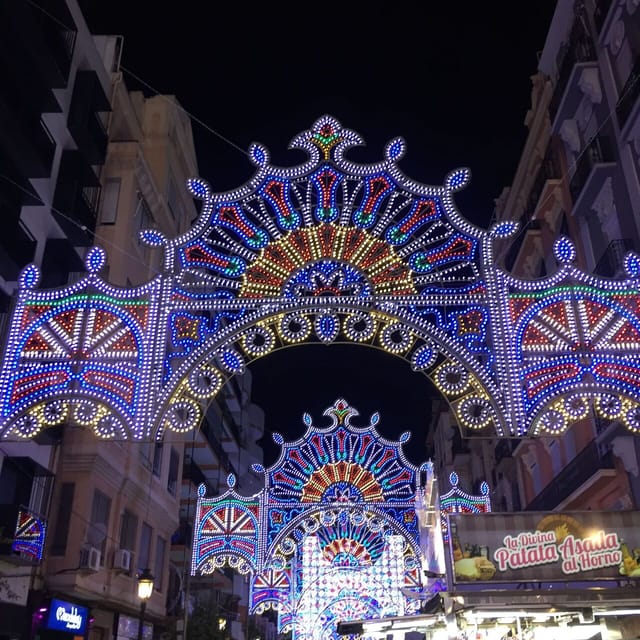
The Fallas burn on the night of March 19. At first, that may seem wasteful. The tour explains why the burning is the emotional center of the celebration rather than a final accident.
The monuments are designed as temporary art. Their short life gives the festival its urgency. Artists work for a year, the city admires the result for a few days, and then the sculptures disappear in fire. The cycle makes room for another year of ideas and new monuments.
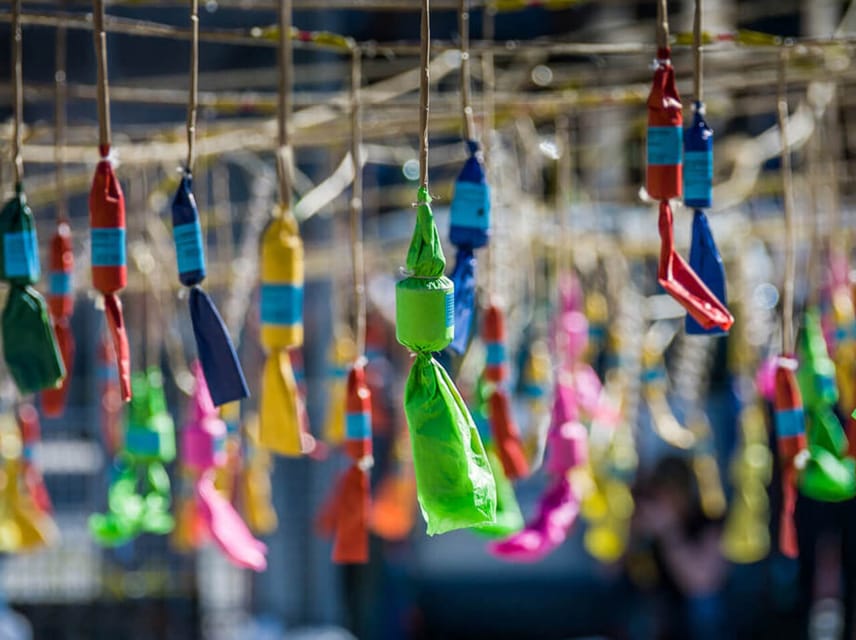
You also learn why gunpowder plays such a large role. Fireworks and explosive sounds are not background decoration here. They are part of the identity of Fallas, along with marching bands, colorful costumes, and street celebrations.
The festival is recognized as a UNESCO World Heritage Site. That recognition makes more sense after you understand that Fallas is not only a display of sculpture. It brings together craft, neighborhood organization, music, public humor, ritual, food, and fire.
Getting useful advice from the local guide
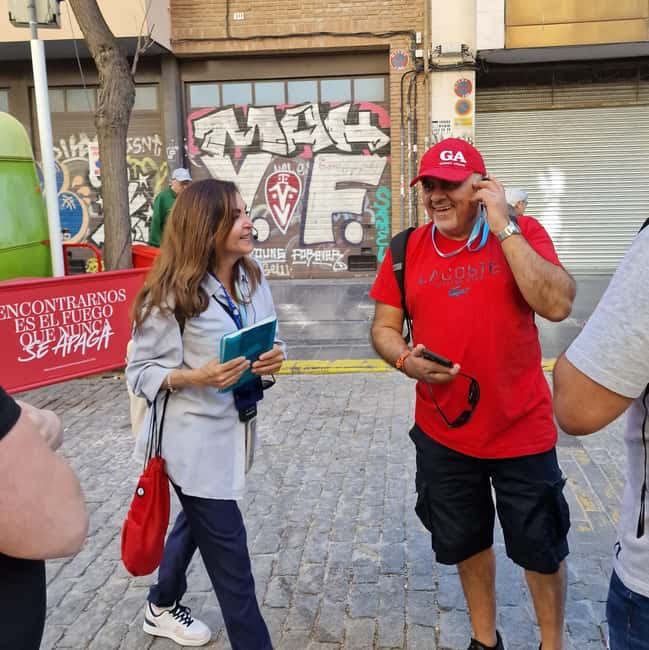
A good Fallas tour should help you enjoy the rest of your stay, not just occupy three hours. This one aims to answer practical questions about what is happening, where to go, and how to make sense of the schedule.
The guide can also explain current issues affecting Valencia and its residents. One highly praised tour included discussion of the city’s present concerns as well as its past. That gives the walk a local focus instead of turning it into a basic sightseeing circuit.
Wojtek received especially strong praise for his friendly manner and ability to answer questions. A 17-year-old in one group even found the tour interesting rather than dull, which is useful evidence for families with older children or teenagers. Another guide answered questions about the Fallas and offered extra advice while the group worked through heavy crowds.
Guide quality can vary, as it does on any scheduled walk. The listed languages are English, French, German, Italian, Polish, and Spanish. If you have hearing concerns, stay near the guide and ask questions when the group reaches a quieter place.
Is $46 a fair price?
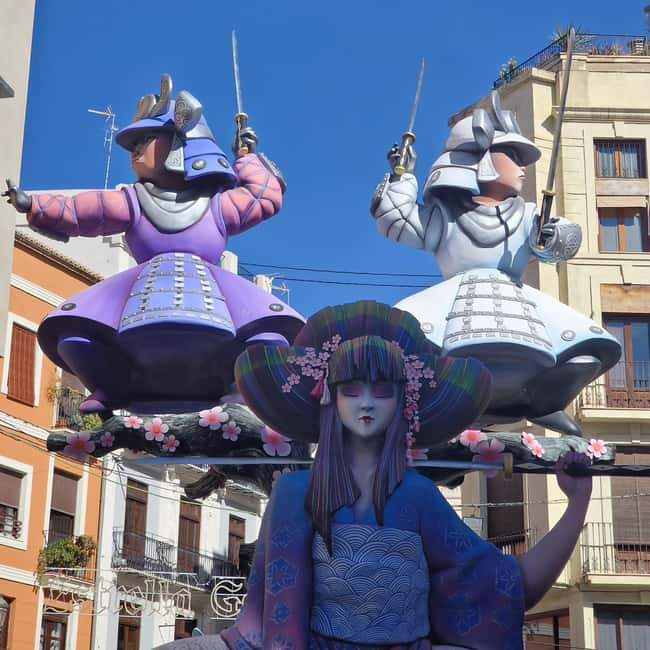
At $46 per person, the tour is not the cheapest way to see Fallas. You can walk through Valencia on your own and view many monuments from public streets without paying for a guide.
The price becomes easier to justify if you value explanation and planning help. You receive a three-hour old-town walking tour, a local guide, access inside a Falla from March 16 to 19, and a special Fallas souvenir. On March 13 to 15, the included chocolate and churros add a small but fitting local touch.
The real value is the interpretation. You learn how the monuments are made, what the Ninots mean, what they cost, why prize-winning Fallas matter, and how the burning fits into the tradition. You also get advice for the rest of your festival visit.
There are two qualifications. Inside access is not available during the first three days, and one person reported missing the promised souvenir. If the souvenir matters to you, ask the guide about it during the tour. Also, a noisy group or weak audio connection could reduce the value if you cannot hear the explanations.
Free cancellation up to 24 hours before the start and the option to reserve now and pay later make it easier to fit the walk into a changing schedule. The tour is wheelchair accessible, though the crowds and street conditions may still affect how comfortably you move through the route.
Who will enjoy this Fallas tour most?
I would choose this tour if you are visiting Valencia during the festival for the first time. It gives you the basic story quickly and helps you decide how to spend the rest of your time.
It is also a good match for families with older children, couples who want more than photographs, and anyone curious about Spanish festivals but unsure where to begin. The Polish-language option and the range of other languages make it useful for international groups.
You may want to skip it if you already know Fallas well, prefer exploring alone, or mainly want to see the monuments without commentary. The tour is also less suitable if you dislike crowds, loud fireworks, or a walking route that may take longer to navigate during the busiest dates.
Book according to your priority. Choose March 13 to 15 for exterior views plus chocolate and churros. Choose March 16 to 19 for inside access and the fullest festival atmosphere.
Should you book the Valencia Fallas walking tour?
Yes, if you want the festival explained rather than simply observed. The combination of city walking, local guidance, Falla access, practical advice, and festival treats offers good value at $46, especially on a first visit.
I would book it early for March 16 to 19 if inside access matters to you. If you choose a busy afternoon, stay close to the guide and confirm the meeting point at Mercado de Colón. The tour is not perfect, particularly if the audio system struggles or the promised souvenir is overlooked, but its strongest features are clear: useful explanations, friendly guides, and a direct look at Valencia’s most unusual celebration.
FAQ
How long does the Fallas walking tour last?
The tour lasts three hours. One guide, Wojtek, extended the walk slightly beyond the planned time for his group.
Where does the morning tour begin?
Morning tours usually begin at Plaza del Ayuntamiento, next to the Tourist Office and the main entrance to City Hall. On March 17, the morning tour starts at the Torres de Serranos and ends at Plaza del Ayuntamiento.
Where does the afternoon tour begin?
Afternoon tours begin at the main entrance of Mercado de Colón on Jorge Juan Street.
Can I enter a Falla during the tour?
Yes, inside admission is included from March 16 through March 19. From March 13 through March 15, you visit the main Fallas from outside because artists are still completing them.
Are chocolate and churros included?
Hot chocolate with churros is included only on March 13, 14, and 15. These are the first three days of the Fallas period covered by the tour.
What languages are available?
The tour is offered in English, French, German, Italian, Polish, and Spanish.
Just added around Spain
- Barcelona Private Food Tour: Tapas, Paella & 8+ Food Tastings★ 5.0 · 164 reviews
- Barcelona Gothic Quarter Walking Tour with Tapas★ 5.0 · 248 reviews
- Picasso Museum and Walking Tour Plus Optional Wine & Food Tasting★ 5.0 · 596 reviews
- Private Barcelona Old Town and Gothic Quarter Walking Tour★ 5.0 · 134 reviews
- Barcelona Architecture Walking Tour With Casa Batlló Upgrade★ 5.0 · 137 reviews
- Montjuïc Walking Tour With Optional Flamenco Show★ 5.0 · 196 reviews
- Semi-Private Montserrat Monastery, Funicular & Scenic Nature Walk★ 5.0 · 172 reviews
- Gothic Quarter Donation-Based Walking Tour in English★ 5.0 · 72 reviews
Spain Walking Tours, compared.

Barcelona Tapas and Wine Experience Small-Group Walking Tour
Read our review →
Tapas Walking Tour with Food, Wine, and History
Read our review →
Madrid Tapas & Wine Tasting Walking Tour – Small Group Local Bars
Read our review →
Albaicín and Sacromonte Guided Sunset Walking Tour
Read our review →
Toledo Tour & Vineyard Walk with Wine Tasting from Madrid
Read our review →

Browse the lists this tour appears in