
Review · SMALL-GROUP WALKING TOURS
Valletta: City Walking Tour in a Small Group
Valletta rewards slow looking. This 2.5-hour walk brings the Maltese capital into focus through its grand streets, side lanes, knight-built palaces, and fine harbour views. I especially like the small-group format and the way the tour mixes major sights with quieter corners. The guides, including Karl, Chris, Lorraine, Leila, and others, are repeatedly praised for clear storytelling, humour, and an easy pace. The one drawback is simple: you will see many exteriors, but this is not a museum-heavy tour with long interior visits.
The price is $24 per person, which is strong value if you are new to Valletta and want a useful orientation before exploring alone. Come ready for a real city walk, not a gentle bus sightseeing trip. You will need comfortable shoes, water, and clothing suited to the weather, since the tour runs rain or shine.
Key points at a glance
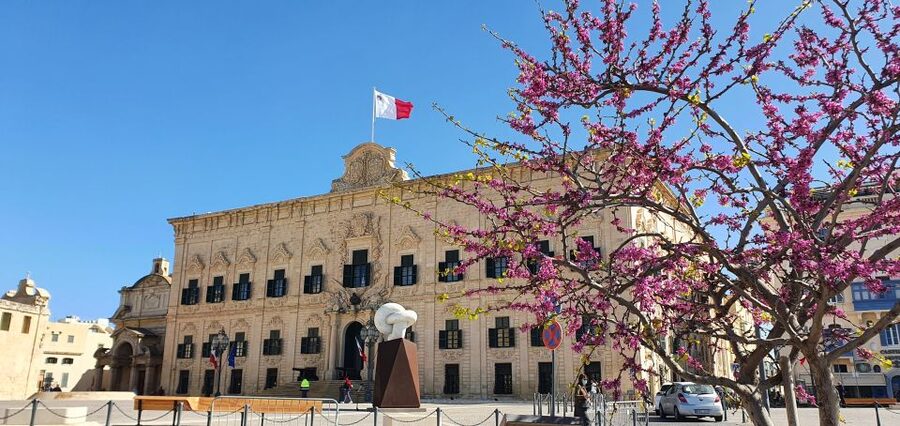
- A smart first look at Valletta: The route links the City Gate, Parliament, Republic Street, the main squares, St. Paul’s Cathedral, and the Barrakka Gardens.
- Small groups make a difference: Recent groups have sometimes been as small as eight, making it easier to hear the guide and ask questions.
- Guides are the main strength: Karl, Chris, Lorraine, Leila, Christian, Ros, and others are praised for humour, local insight, clear delivery, and passion for Malta.
- The harbour view is saved for last: Upper Barrakka Gardens provides a memorable finish above the Grand Harbour.
- Good for cruise passengers and first-time visitors: The route gives you a quick sense of Valletta without taking a full day.
- Plan for outdoor sightseeing: Most of the experience is walking and looking at buildings, squares, streets, and views rather than entering attractions.
Why this Valletta walk is worth your morning
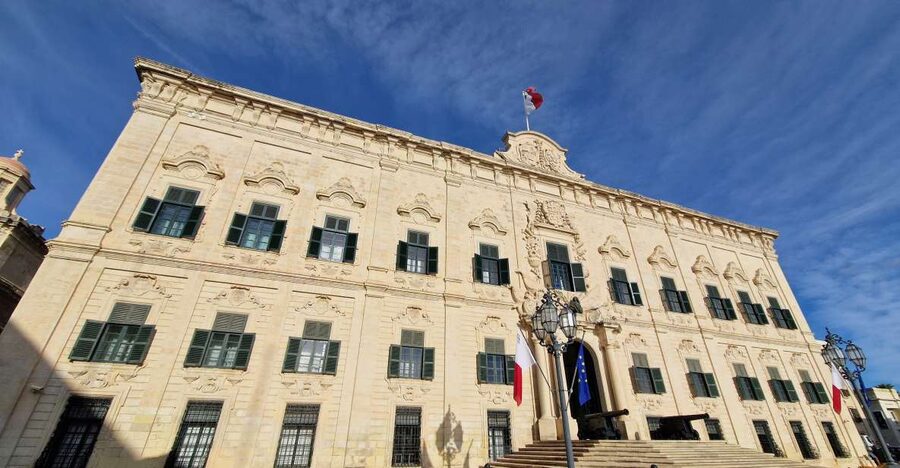
Valletta can feel compact on a map, yet its streets are packed with layers. You can turn one corner and find a formal palace, a church facade, a narrow lane, or a view down toward the water. A guide helps you notice the details instead of simply ticking off Republic Street and the main squares.
I like this tour because it gives you both the postcard Valletta and the less polished parts. You follow the main road, then move into side streets where the city feels more lived-in and less arranged for sightseeing. That balance matters. A tour made only of grand buildings can feel stiff. A walk made only of obscure lanes can leave you unsure what you have seen. This route gives you the framework first, then adds smaller observations along the way.
The tour also provides historical context for Malta as a meeting point of cultures. The guide explains major events in the city and the arrival of people who helped shape its character. The aim is not just to tell you when a building was made, but to help you understand why Valletta looks the way it does.
The strongest part of the experience is the guiding. Karl is repeatedly praised for storytelling, humour, and attention to detail. Chris is described as warm, funny, and easy to follow. Lorraine brings decades of guiding experience and adjusts the walk when weather conditions make things uncomfortable. Other guides, including Leila, Christian, Ros, and Daz, receive similar praise for keeping the pace comfortable and the talk lively.
Guide assignments can change, of course. Still, the pattern is clear: this tour depends heavily on the person leading it, and the available feedback points to a strong team.
More Small-Group Walking Tours in the world:
- Amsterdam Anne Frank: Small-Group Walking Tour & Local Guide
★ 4.8 · 12,789 reviews - Boston: Freedom Trail History Small Group Walking Tour
★ 5.0 · 6,450 reviews - New Orleans Food Walking Tour of the French Quarter with Small-Group Option
★ 5.0 · 6,118 reviews
Meeting at the City Gate and Triton Fountain
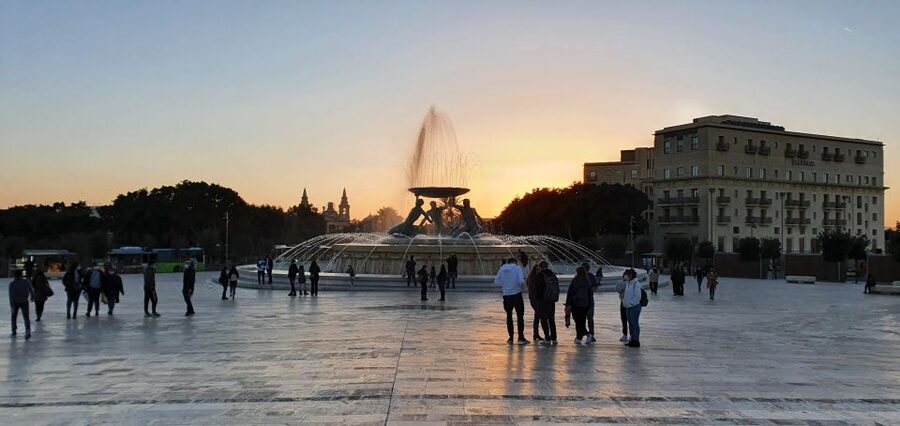
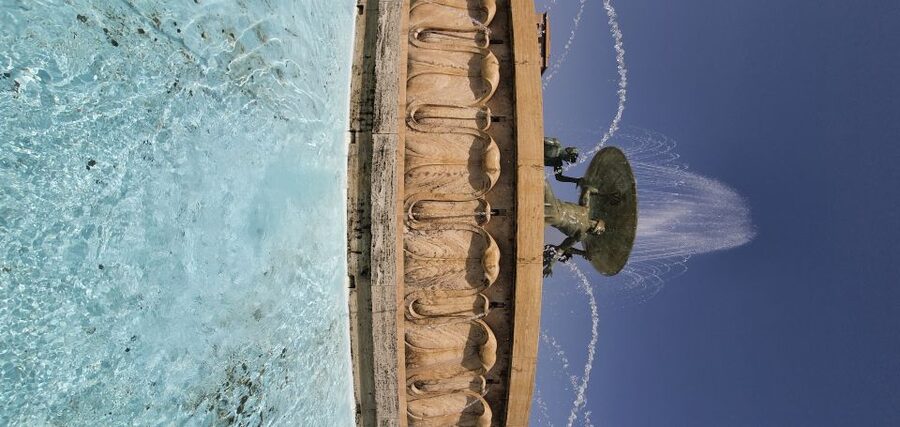
You meet just outside Valletta, beside the bus terminal. Look to the left of the Triton Fountain as you face the city. The guide waits under the shady trees in front of the Tourist Information Office.
This is a practical meeting point if you arrive by bus. It is also a useful place to begin because you can see Valletta’s modern entrance before walking into its older core. Give yourself enough time to find the exact spot. The City Gate area can be busy, and the meeting point is outside the gates rather than inside the historic centre.
The tour starts with the City Gate, part of a modern project by Italian architect Renzo Piano. You also see the Parliament building, another Piano design. This opening gives the tour a useful contrast: Valletta is not a city frozen in the age of the Knights. Modern Malta has added its own architectural layer beside the old stone city.
That contrast is one of the better choices in the route. You begin with a reminder that cities change, then move into streets shaped by earlier rulers and builders.
Parliament and the modern face of Valletta
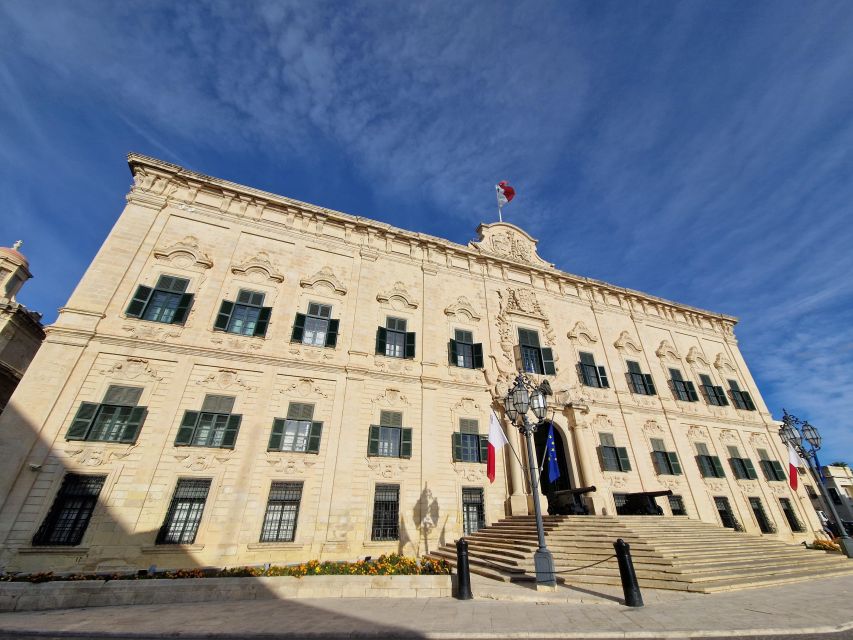
The Parliament stop is short, about 10 minutes with the guide. You should think of it as an introduction rather than a full architectural visit.
The building helps explain the modern City Gate project and gives you a clear example of how contemporary design has been placed beside Valletta’s traditional limestone structures. Some visitors may prefer a longer stop inside a historic building, but this brief visit keeps the walk moving.
This is also where the tour begins to show its focus. You are not signing up for extended interior access or a detailed study of one monument. You are getting a broad, connected view of the city, with the guide explaining how the pieces fit together.
Republic Street, palaces, churches, and daily life
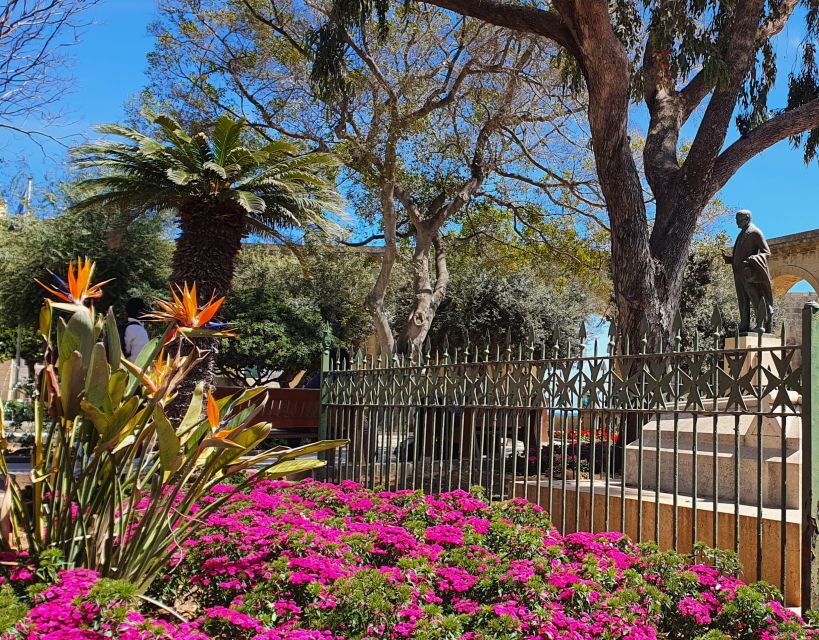
Republic Street is the main spine of Valletta. The walk along it takes about 30 minutes and passes shops, museums, churches, and palaces. It is the part of the route where the city’s grand scale becomes easiest to appreciate.
The guide points out buildings linked to the old Knights of Malta and explains the different architectural styles you encounter. Rather than rushing from one photo stop to another, you get time to look upward, compare facades, and notice how the street changes as you move along it.
This section can be busy, so group management matters. Several guides are praised for keeping everyone together, making sure people could hear, and moving smoothly through crowded streets. That is not a minor detail. A brilliant explanation is useless if you are at the back of a group and miss half of it.
Small groups also help here. One guide led a group of eight, and another group appreciated being able to visit places that would have been awkward for a large crowd. The tour is not advertised with a fixed maximum group size in the information provided, so you should not assume an intimate private walk. Still, the recent experience described in the feedback suggests that groups are often manageable.
A few more walks around the world worth a look
- Magical London: Harry Potter Guided Walking Tour
★ 4.7 · 22,044 reviews - Reykjavik Food Walk – Local Foodie Adventure in Iceland
★ 5.0 · 18,952 reviews - History and Hauntings of Salem Guided Walking Tour
★ 5.0 · 14,564 reviews - New Orleans Premier Ghost, Voodoo and Vampire Walking Tour
★ 4.5 · 12,856 reviews
Republic Square and Queen Victoria
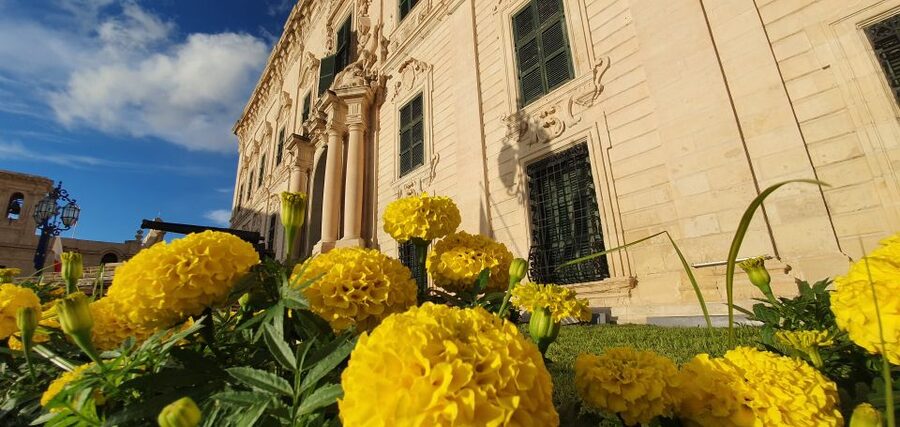
Republic Square is a short photo stop of about 10 minutes. At its centre, Queen Victoria sits among the Maltese people, a detail that gives the square a more human feel than a formal statue set apart from daily life.
This stop is useful for orientation. Republic Street leads you directly into one of the city’s key public spaces, and the guide can connect the square to the political and social story of Valletta. You have time for photographs, but the stop is short enough that you should listen first and take pictures second.
If you want detailed interior visits to the surrounding buildings, plan to return on your own. The tour gives you the setting and the story, not a long stay inside every attraction.
Lower Barrakka Gardens and a pause by the water
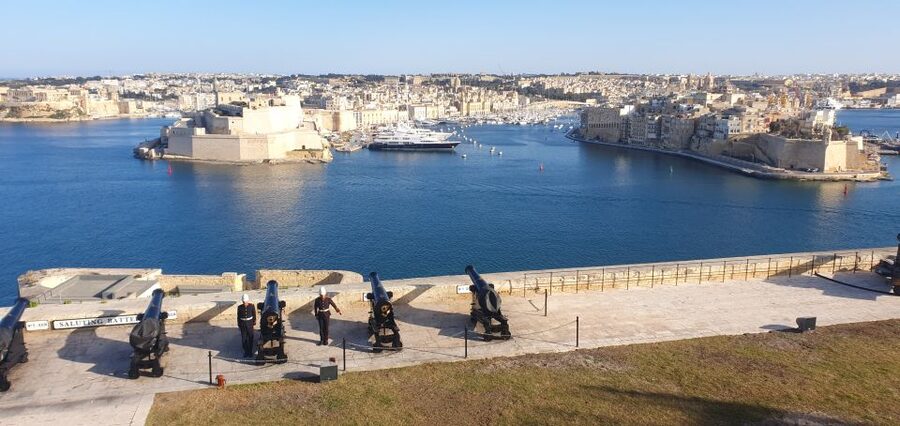
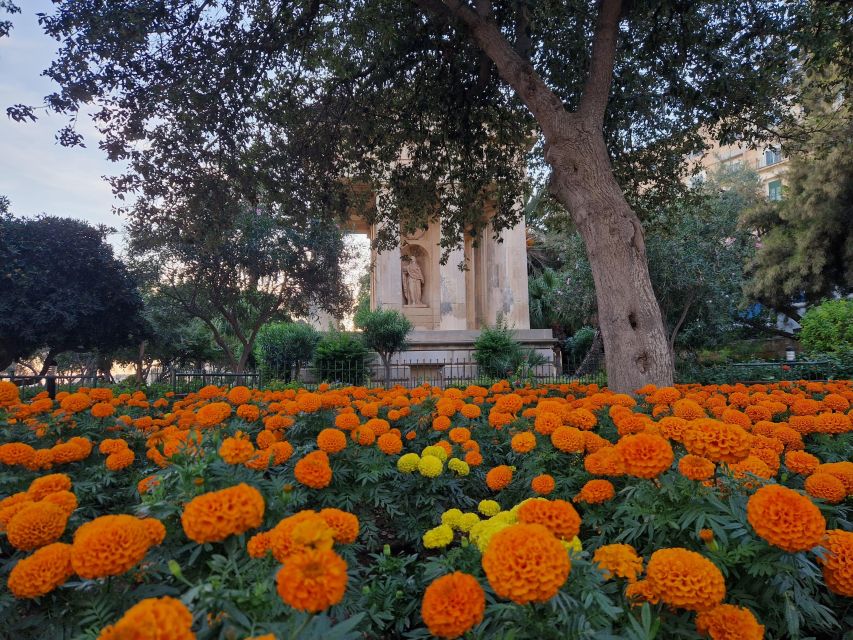
The route includes about 20 minutes at Lower Barrakka Gardens for a break, photographs, and guided sightseeing. This is a welcome change after the busier streets.
The gardens offer a different view of Valletta. Instead of looking at palaces from street level, you get open space and a chance to consider the city’s position above the harbour. The stop also gives the group time to catch its breath, which helps keep the overall pace comfortable.
The tour information highlights Upper Barrakka Gardens as the final viewpoint, while the detailed route also includes Lower Barrakka Gardens earlier in the walk. Together, the two garden stops give you more than one angle on the harbour area.
Weather can shape this part of the walk. The tour operates rain or shine, and one guide adjusted the experience during wet weather to keep the group as comfortable as possible. Bring a light layer or rain protection when needed. The organisers do not promise perfect conditions, so your preparation matters.
St. Paul’s Cathedral and Valletta’s church architecture
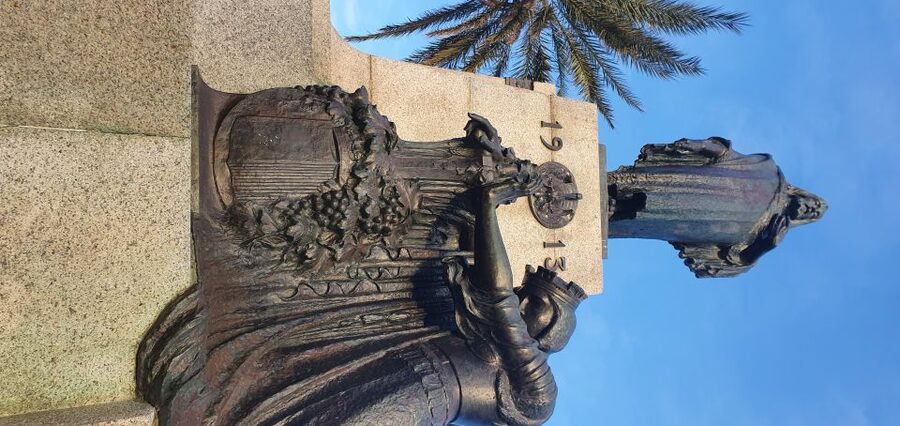
The St. Paul’s Cathedral stop lasts about 15 minutes. The guide uses it to explain another important part of Valletta’s religious and architectural character.
You should not expect a long guided visit inside the cathedral based on the information provided. Instead, this is a short stop within a wider walking route. That suits you if you want context and variety. It may disappoint you if your main goal is detailed church interiors.
The route also passes St. John’s Co-Cathedral, one of Valletta’s major landmarks. The walk gives you the setting and historical explanation, but the tour does not list entry to the co-cathedral as an included feature. If you want to see its interior, set aside separate time and check opening arrangements for your date.
Independence Square and the Anglican Cathedral
Independence Square adds another architectural and cultural note to the walk. Here you see the Anglican Cathedral and a beautiful jacaranda tree, a small detail that makes the stop more memorable than another formal square.
This is a good example of how the guide adds value. On your own, you might notice the cathedral or tree but miss the wider point about Valletta’s mixture of traditions. The tour presents the city as a place shaped by more than one community and period.
The route moves between grand public spaces and less prominent streets, so you are not stuck in a single polished corridor. That variety keeps the experience from feeling like a procession of identical facades.
Upper Barrakka Gardens and the Grand Harbour finale
The tour finishes at Upper Barrakka Gardens, above the Grand Harbour. This is the payoff for the walking route.
The view gives you a chance to connect the streets and buildings you have just seen with Valletta’s wider setting. After several hours of architecture and stories, the open harbour panorama provides a natural pause. It is also a useful place to continue exploring on your own, since you finish in a scenic part of the city rather than being returned to the starting point.
The ending is one of the tour’s best practical features. You can take photographs, linger in the gardens, or use the location as a base for your next stop. The tour does not include transport back to the meeting point, but you finish inside Valletta rather than far away.
How the pace and group size affect the experience
The walk lasts 2.5 hours. That is long enough to cover the main historic centre without taking over your entire day.
Several guides are praised for judging the pace well, including one who adjusted the walk for a mixed group and another who kept the rhythm comfortable for everyone. One person felt the experience was closer to 2.5 hours than three, which is worth noting if you expect a longer excursion.
You will spend the time on foot, moving between streets, squares, gardens, and viewpoints. Comfortable shoes are essential. Bring water and dress for the weather. Since the activity is listed as wheelchair accessible, it may suit visitors who need accessible arrangements, though you should confirm any personal mobility requirements before booking.
The small-group approach is a real advantage when it is delivered as described. You can hear the commentary, ask questions, and move through narrower streets more easily than a large crowd. It also makes the tour feel more like a conversation than a lecture.
The guides: storytelling matters here
The comments about the guides are unusually consistent. Karl is often singled out for his storytelling, local knowledge, enthusiasm, and humour. Chris receives praise for making history easy to follow and connecting it to modern life. Lorraine is noted for clear explanations, patience, wit, and sensitivity to changing weather.
Christian is praised for offering just the right amount of information with some humour, while Ros is described as providing a thorough overview at a comfortable pace. Leila and Daz are also praised for their friendly, informative delivery.
This matters because Valletta’s history can become a long list of names, battles, rulers, and dates. A good guide turns those facts into a sequence you can remember. The best moments are likely to come from small observations, transitions between topics, and answers to questions rather than from a fixed script alone.
Is $24 good value?
At $24, I consider this a good-value introduction to Valletta. You receive 2.5 hours with a live English-speaking guide, a broad route through the main centre, several viewpoints, and an explanation of the city’s architecture and past.
The value is strongest if this is your first visit, if you have limited time, or if you are arriving from a cruise ship and want something more focused than a large organised excursion. One person who had taken many cruise tours considered this walk better than most of them, largely because the group was small and the guide pointed out details easily missed alone.
You are paying for interpretation rather than admission tickets. The guide is included, but the information does not list entry to St. John’s Co-Cathedral, museums, palaces, or other interiors. If you want to see those sites inside, budget extra time and possible entrance fees.
Free cancellation up to 24 hours before the start and the option to reserve now and pay later make the booking less rigid. Those terms are useful if your Malta plans may shift.
Who should book this Valletta tour?
I would recommend it to first-time visitors, cruise passengers, couples, families with older children, and anyone who wants the city explained rather than simply photographed. It also suits repeat visitors who have seen Valletta before but want help noticing architectural details and understanding the city’s wider story.
Families may appreciate the friendly guides and relaxed pacing. The walk can also work well for people who prefer questions and conversation over a formal lecture.
I would be more cautious if you dislike walking, want a private tour, or care mainly about entering major monuments. This is an outdoor overview with short guided stops. It is not a substitute for a full day of museums and interiors.
Final verdict: a strong first walk through Valletta
I would book this tour if I had one morning or afternoon to get oriented in Valletta. The route covers the city’s essential public spaces, adds both Barrakka Gardens, includes modern architecture as well as knight-era buildings, and finishes with one of Malta’s best urban views.
The main reason to book is the guide quality. Names such as Karl, Chris, Lorraine, Christian, Ros, and Leila appear again and again in strong feedback for good humour, clear delivery, local pride, and a comfortable pace. The main limitation is the sightseeing format: you see many important places from outside and will need to return independently for longer interior visits.
At $24, that is a fair trade. You get a clear map of Valletta in your head, a set of useful stories, and a better idea of where to spend the rest of your time.
FAQ
Where does the Valletta walking tour meet?
Meet your guide just outside Valletta, beside the bus terminal. The meeting point is to the left of the Triton Fountain when you look toward Valletta, under the shady trees in front of the Tourist Information Office.
How long does the tour last?
The tour lasts 2.5 hours. Starting times vary, so check availability for the date you want.
What language is the tour conducted in?
The tour is conducted in English with a live guide.
Does the tour include the Upper Barrakka Gardens?
Yes. The tour finishes at Upper Barrakka Gardens, where you can enjoy views over the Grand Harbour.
What should I bring?
Bring comfortable shoes, water, comfortable clothing, and clothing suitable for the weather. The tour runs rain or shine.
Is the tour wheelchair accessible?
Yes, the activity is listed as wheelchair accessible. If you have specific mobility needs, confirm the arrangements before booking.
Just added around the world
- Walking Tour of Boston’s Freedom Trail★ 4.5 · 77 reviews
- Downtown Freedom Trail Walking Tour – History & Architecture★ 4.5 · 194 reviews
- Boston Seafood Lovers Food and History Walking Tour★ 5.0 · 208 reviews
- Boston “Death and Dying” Walking Ghost Tour★ 4.5 · 223 reviews
- Boston Food of the North End Private Walking Tour★ 5.0 · 174 reviews
- Boston Movie Mile Walking Tour★ 4.5 · 119 reviews
- 1 If By Land Walking Tours★ 5.0 · 95 reviews
- Boston History and Freedom Trail Private Walking Tour★ 5.0 · 117 reviews
Small-Group Walking Tours, compared.

Amsterdam Anne Frank: Small-Group Walking Tour & Local Guide
Read our review →
Freedom Trail History Small Group Walking Tour
Read our review →
New Orleans Food Walking Tour of the French Quarter with Small-Group Option
Read our review →
Barcelona Tapas and Wine Experience Small-Group Walking Tour
Read our review →
Reykjavík Small group Walking Tour – by CityWalk
Read our review →
Best of Lisbon Small-Group Guided Walking Tour
Read our review →
Small Group Boat Cruise and Guided Walking Tour
Read our review →
Browse the lists this tour appears in