
Review · FOOD WALKING TOURS
Granada: Walking Food Tour
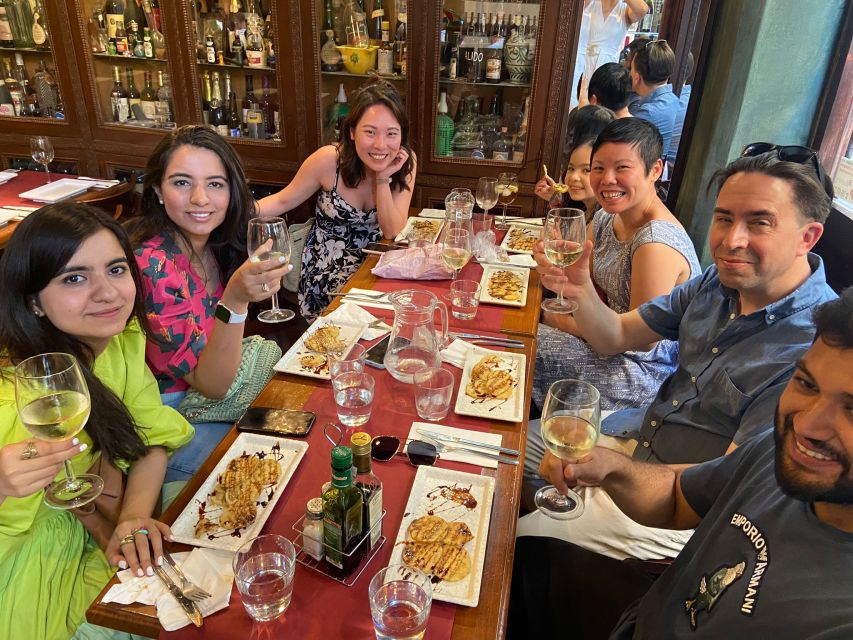
Granada tastes better after dark. This 3.5-hour walk brings you to family-run shops, old taverns, tapas bars, and Chikito, a restaurant tied to the city’s artistic past. I like the generous food and drink and the way guides such as Katia, Laura, Bruce, and Marcel connect every bite to Granada’s past. The main drawback is that it is not designed for wheelchair users, and the walking between stops may feel modest if you want a long city walk.
I also like the small-group limit of 10, which makes questions easy and gives the guide room to adjust the pace. You should tell the operator about dietary needs when booking, and remember that the Saturday evening version does not include the Iberian ham tasting.
What makes this Granada food walk worth your time
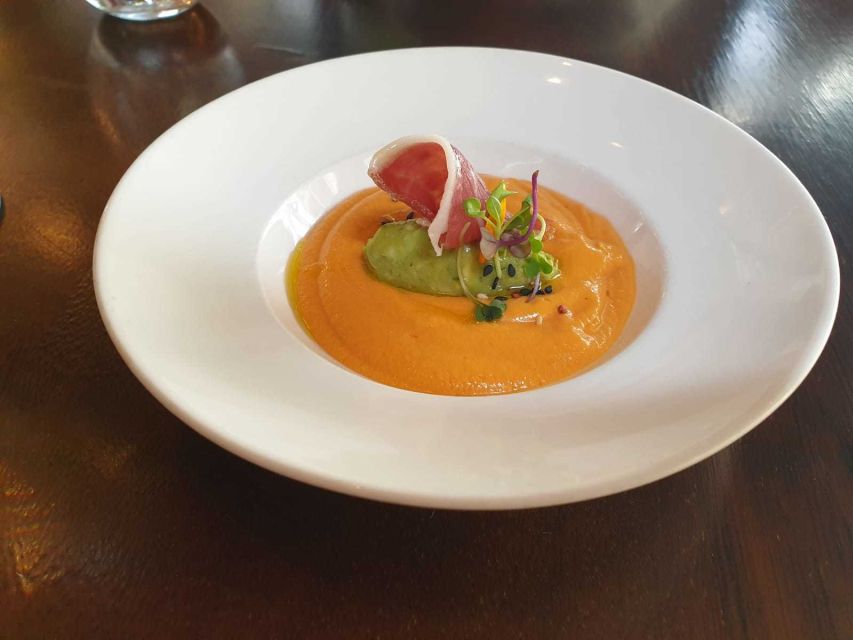
- Ham with a mountain story: Taste Serrano from Granada and Andalusian Iberian ham while learning how Alpujarra villages cure it with cool Sierra Nevada air.
- Three and a half hours of dinner: The included food and drinks are intended to replace a full lunch or dinner, not just provide a few nibbles.
- Chikito’s literary connection: Eat traditional local recipes at a restaurant where artists, writers, and poets gathered in the early 1900s.
- Food shaped by many cultures: The guide explains Sephardic, Berber, Nasrid, and Roman influences in Granada’s cooking.
- A practical first-night activity: The central meeting point near Puerta Real helps you get your bearings, while the guide can suggest places to eat later in your stay.
Start near Puerta Real, then let Granada set the pace
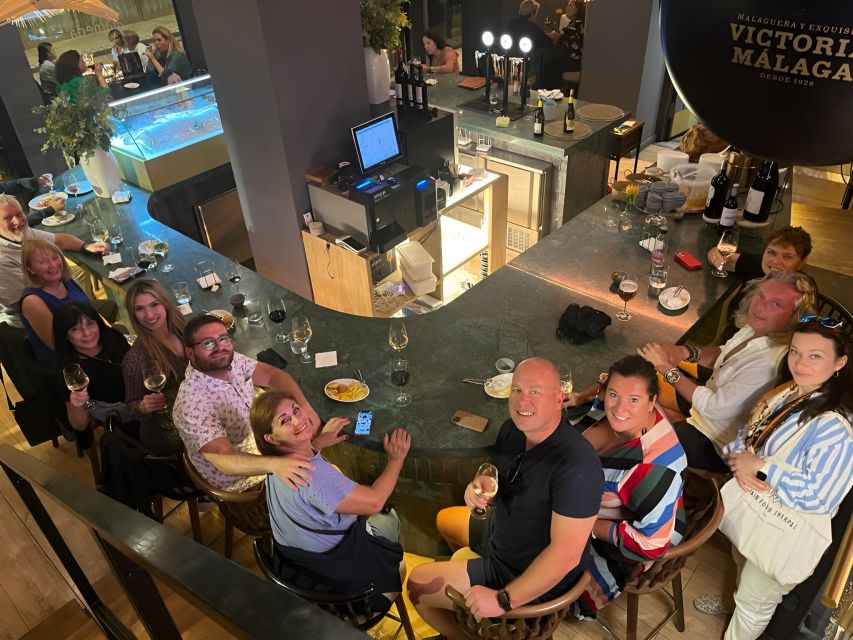
The meeting point is the kiosk beside Teatro Isabel La Católica, on the Casino sidewalk near Puerta Real. Arrive five minutes early. The operator allows only 15 minutes after the start time, so this is not the moment to test Granada’s famously relaxed approach to clocks.
From there, you walk through central Granada with an English-speaking food guide. The route is not presented as a formal monument tour with long stops at every landmark. Instead, the city becomes the setting for a meal that moves between shops, bars, restaurants, and food-focused stops.
That format works well because Granada’s food culture is not confined to one market or one famous dish. You get a sense of how people buy ingredients, order drinks, share small plates, and treat eating as part of daily life.
The group can include up to 10 people. That is small enough for a personal feel without requiring the price of a private tour. Several guides have been praised for creating a relaxed atmosphere, answering questions clearly, and making room for different interests, including families with children and visitors who do not drink wine.
More Food Walking Tours in Spain
- Barcelona: Tapas Walking Tour with Food, Wine, and History
★ 4.8 · 4,261 reviews - Madrid Tapas & Wine Tasting Walking Tour – Small Group Local Bars
★ 5.0 · 3,644 reviews - Toledo Tour & Vineyard Walk with Wine Tasting from Madrid
★ 5.0 · 2,546 reviews
Ham, cheese, and the air of the Alpujarras
One of the strongest parts of the experience is the attention given to local ham. You taste more than one style, including Serrano ham from Granada and Iberian ham produced in Andalusia. The guide explains how ham is cured in mountain villages in the Alpujarras, where the dry air from the Sierra Nevada helps the process.
This is useful context because jamón can look like a simple plate of thin slices when you first encounter it. The tour gives you a way to notice differences in curing, texture, and flavor rather than treating all Spanish ham as one thing.
You may also try local cheeses and pork dishes. Specific stops and plates can vary, but the food may include items such as queso de cerdo, Iberian pork, croquettes, and regional recipes served with wine. One particularly praised pairing included oxtail croquettes and pork with saffron. Another meal featured presa ibérica, a prized cut from the Iberian pig.
The portions are substantial. Many people describe the food as enough for a full dinner, so avoid booking a large meal beforehand. This is not a tour where you nibble one olive and then search for supper.
Regional drinks beyond ordinary sangria
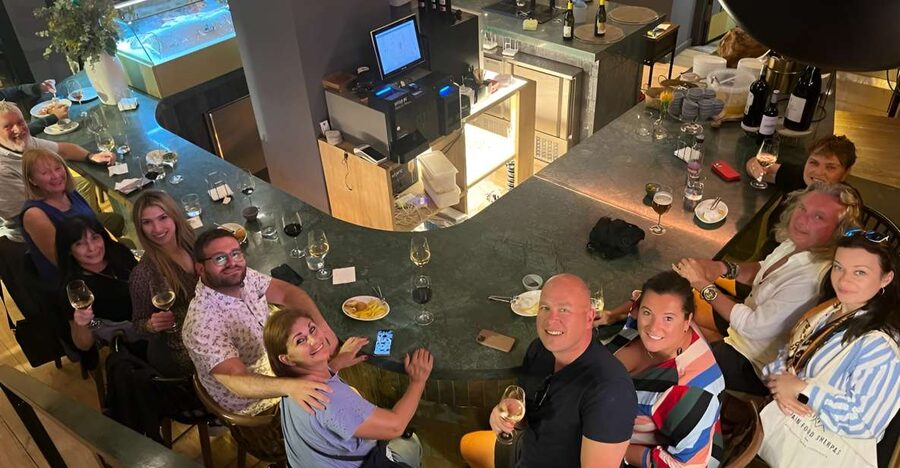
The drinks are a major part of the price. You can taste wines from the Granada region, along with Tinto de Verano and vermouth. The guide explains how the drinks fit with the dishes, which is more useful than simply handing you a glass and naming the grape.
Tinto de Verano is a simple Spanish mixture, usually wine and a fizzy mixer, made for easy drinking in warm weather. Vermouth gives you another side of Spanish aperitif culture. The regional wines help show that Andalusia is not only about sherry from farther west.
You do not need to be a wine expert. The guides are used to explaining things in plain language, and the tour can still work if you do not drink alcohol. One family with children enjoyed the food, olive oil, and cultural information despite not drinking wine.
Additional drinks are not included, so keep that in mind if you plan to continue ordering after the included tastings. The package is generous, but it is not an open bar.
Olive oil, spices, sweets, and useful shopping stops
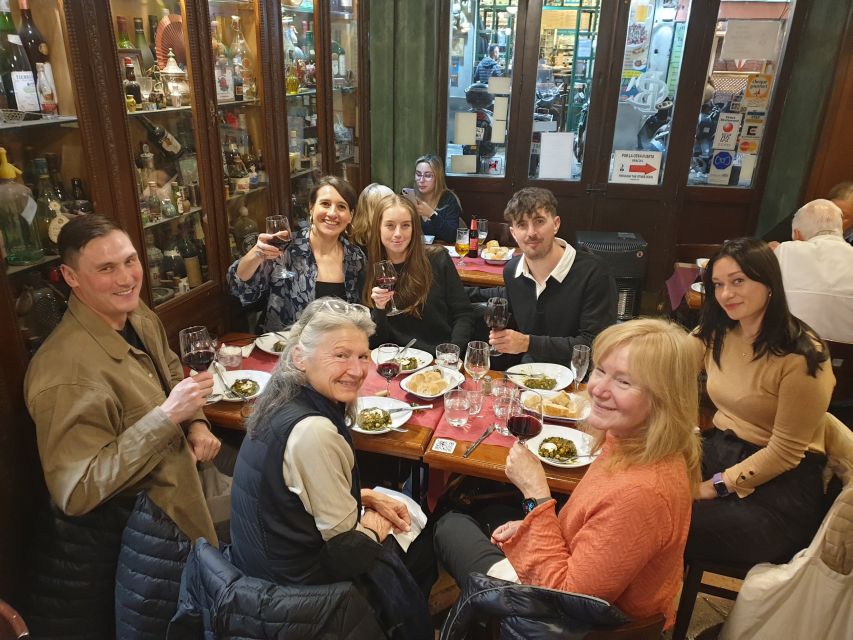
Food tours are often strongest when they show you products you can recognize later. This one may include a stop at a local olive oil shop, where you learn how olive oil is made and taste different types.
That tasting has practical value. Spain produces a great deal of olive oil, and Granada province is part of that food economy. After trying several oils, you will have a better idea of what you like before buying a bottle to take home. One family returned to the shop the next day for more oil.
The route can also include spice shops, sweet shops, the souk area, and a stop for turrón. These pauses broaden the tour beyond restaurant food. You see ingredients and sweets as products that belong to Granada’s shopping life, not merely as samples handed over for tourists.
The exact balance depends on the guide and the day. Some groups spend more time at three restaurants, while others get extra shopping stops. That variation is a benefit if you enjoy a human-led tour, but it means you should not expect an identical set of dishes every time.
Same streets, a different way to see them:
- Barcelona Tapas and Wine Experience Small-Group Walking Tour
★ 5.0 · 5,804 reviews - Granada: Albaicín and Sacromonte Guided Sunset Walking Tour
★ 4.9 · 2,962 reviews - Madrid Walking Tour from Puerta del Sol to Retiro Park
★ 5.0 · 2,285 reviews - Barcelona: Food Walking Tour with Tapas and Wine
★ 4.9 · 2,180 reviews
Chikito and the food of Granada’s artists
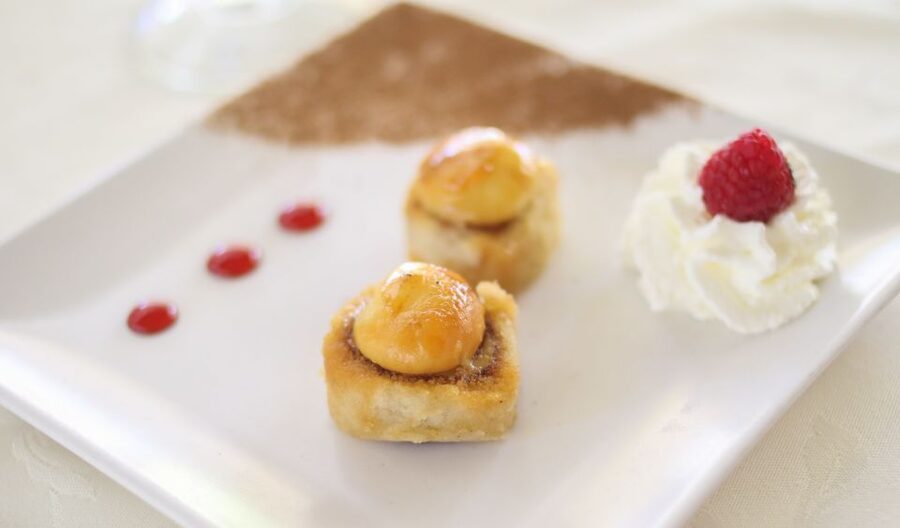
Chikito is the signature restaurant stop. The restaurant is linked to the artists, writers, and poets who met there in the early 1900s, giving the meal a cultural setting beyond the plate.
You are served local recipes, often with a wine pairing. Previous dishes have included presa ibérica, pork with saffron, and oxtail croquettes. The point is not simply that the food tastes good. The guide helps explain why particular meats, spices, and cooking methods belong to Granada.
Chikito also gives the tour a sense of place. You are not only walking into a generic restaurant selected for convenience. You are eating in a venue connected with the city’s creative life and learning how food, conversation, and local identity overlap.
Restaurant access and dishes may change, so think of Chikito as an important part of the experience rather than a guarantee of a fixed menu. If a particular dish matters to you, ask when you book or at the start of the tour.
Granada’s cuisine carries several cultural layers
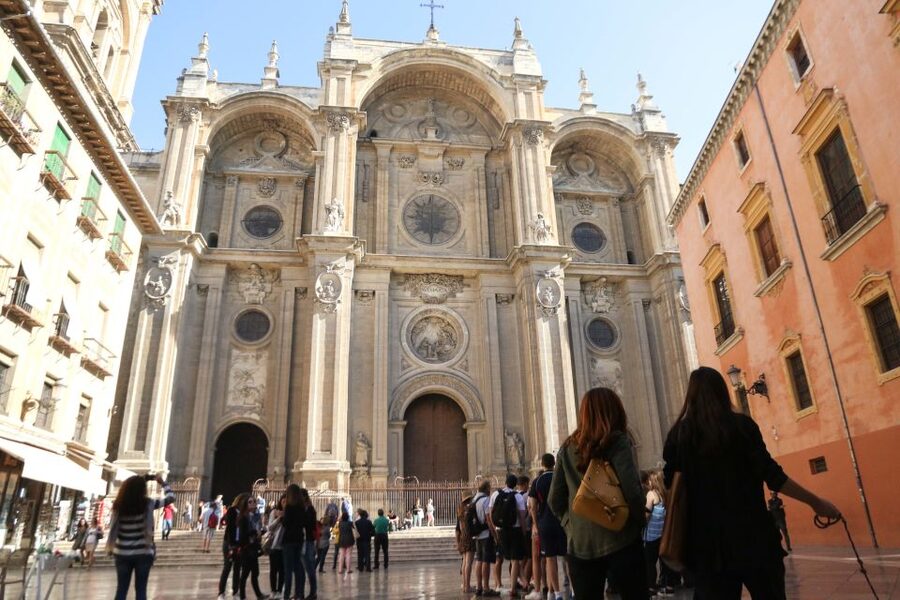
The food talk reaches back beyond modern tapas. Your guide discusses Sephardic, Berber, Nasrid, and Roman influences on Granada’s cooking.
That range matters in Granada, where the city’s food cannot be separated from centuries of contact among different peoples. You might hear about ingredients, techniques, and habits that survived in altered form. The guide may also connect food to Spain’s political and social development.
Several guides bring professional experience to the subject. Katia previously ran a restaurant in Granada, and her restaurant background helps her explain how dishes are made and why certain local products matter. Other guides, including Laura, Bruce, Marcel, Molly, Emma, and Kate, have been praised for pairing food information with stories about Granada and Spain.
The personalities vary. Marcel is described as especially theatrical and funny, while Bruce is appreciated for clear explanations and a calm manner. Laura is often noted for her local ties and cheerful style. This is a guide-led experience, so the person leading your group will shape the evening as much as the menu does.
Is the walking demanding?
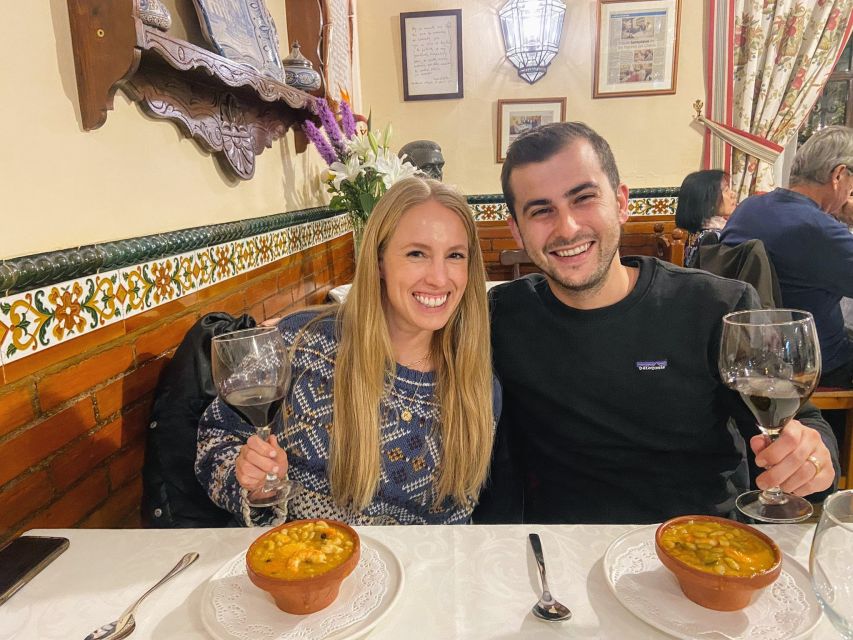
The tour lasts 3.5 hours and includes movement between businesses, bars, and restaurants. It is not a bus tour, and you should wear shoes suitable for city pavements.
The walking is part of the value. You see how the stops fit into central Granada instead of moving from one isolated dining room to another. It can also help you understand the city’s layout early in your stay.
At the same time, do not book this if you need a fully accessible route. The activity is listed as unsuitable for wheelchair users. The exact walking distance is not provided, and the combination of streets, entrances, and restaurant seating may be difficult for anyone with serious mobility limits.
The route may feel too short for visitors hoping to spend most of the evening walking. One person wished for more walking and four smaller stops instead of three larger ones. If your priority is food, conversation, and tastings, the balance should suit you. If your priority is a long architectural walk, choose a dedicated city tour instead.
What the $82 price really covers
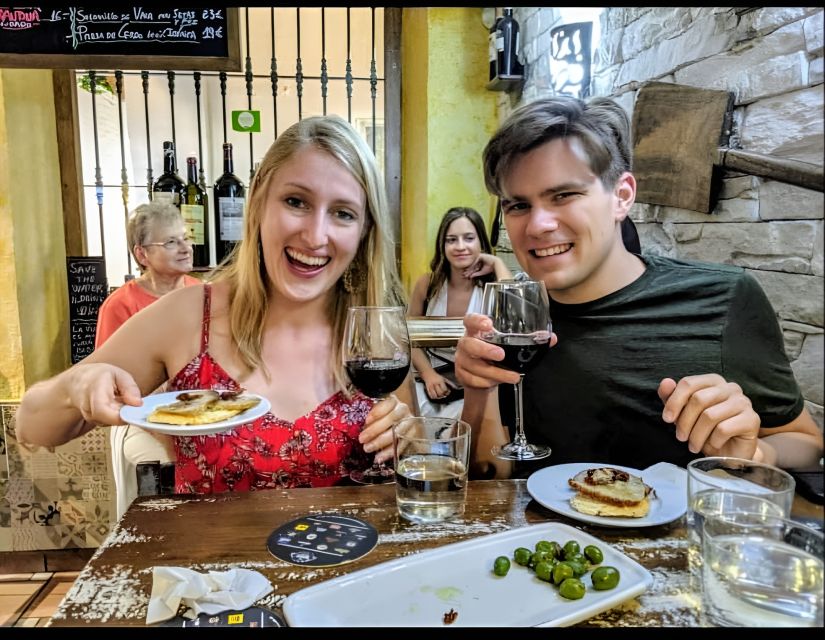
At $82 per person, this is not a cheap way to grab tapas. It is a full evening built around several stops, a guide, explanations of local products, and enough food and drinks for a full lunch or dinner.
The value improves if you would otherwise pay separately for a meal, wine, ham tasting, olive oil tasting, and a few small purchases or samples. You also pay for access to a guide who can explain what you are eating and recommend places for the rest of your stay.
The price is less compelling if you rarely eat much, do not drink, or prefer to choose every dish yourself. Additional drinks cost extra, and the Iberian ham tasting is not included on Saturday evenings. Check the available session before you book if that tasting is a priority.
For many people, the best value is not only the amount of food. It is the guidance you receive for later meals. Several guides give restaurant and bar suggestions at the end, and visitors have used those tips during the rest of their Granada stay.
The best time to take the tour
I would book this near the start of your Granada visit. The meeting point is central, the walk helps you understand the city, and the food advice can improve the rest of your trip.
An evening departure turns the tour into dinner. A daytime departure works as a late lunch. Either way, plan to arrive hungry, but not starved. You will be moving between stops, and eating too quickly at the first one may leave you uncomfortable later.
The small group suits solo visitors, couples, and families who want conversation without a large crowd. Children can enjoy the food side, though the wine-centered explanations may be less important to them. If your party has allergies or dietary restrictions, state them at booking rather than relying on a last-minute explanation.
The tour is conducted in English. That makes it a practical choice for visitors who want detailed explanations without needing to follow a Spanish-language food discussion.
Who should book this Granada food tour?
I would choose it for anyone who wants to understand what is on a Granada menu before ordering alone. It is especially useful for food lovers, wine drinkers, curious first-time visitors, and people who enjoy hearing how history affects everyday dishes.
It also suits you if you like a friendly guide more than a rigid script. The strongest experiences depend on the guide’s ability to explain, joke, answer questions, and adjust the conversation. Katia’s restaurant background, Laura’s local knowledge, Bruce’s clear delivery, and Marcel’s larger personality each give the walk a different flavor.
I would think twice if you need wheelchair access, dislike group meals, or want a fixed menu confirmed in advance. The exact stops and dishes may vary, and the walk is designed around shared tastes and conversation.
Should you book it?
Yes, if you want a substantial introduction to Granada through food rather than a quick tapas crawl. The mix of ham, regional wine, olive oil, traditional recipes, shopping stops, and Chikito gives you more context than a simple bar-to-bar outing.
Book it early in your stay, arrive five minutes ahead, and tell the operator about dietary needs. At $82, it is worthwhile when you value a full meal, several tastings, and practical local advice. Skip it only if accessibility, strict menu control, or a longer walking route matters more to you than the food and the guide’s stories.
FAQ
How long does the Granada food tour last?
The tour lasts 3.5 hours.
How much does the walking food tour cost?
The listed price is $82 per person.
What food is included?
The tour includes enough food for a full lunch or dinner. Tastings can include Granada ham, Serrano ham, Andalusian Iberian ham, local recipes, cheese, and tapas-style dishes.
What drinks are included?
Included drinks can include Granada-region wines, Tinto de Verano, and vermouth. Additional drinks are not included.
Is Iberian ham included on every tour?
No. The Iberian ham tasting is not included on Saturday evening tours.
Where does the tour meet?
The meeting point is the kiosk at Teatro Isabel La Católica, on the Casino sidewalk near Puerta Real.
How early should I arrive?
Arrive five minutes before the scheduled start. The operator cannot wait more than 15 minutes after the start time.
Is the tour conducted in English?
Yes. The tour has a live English-speaking food guide.
How many people can join the group?
The tour is limited to a maximum of 10 participants.
Can wheelchair users join the tour?
No. The activity is listed as unsuitable for wheelchair users.
Just added around Spain
- Barcelona Private Food Tour: Tapas, Paella & 8+ Food Tastings★ 5.0 · 164 reviews
- Barcelona Gothic Quarter Walking Tour with Tapas★ 5.0 · 248 reviews
- Picasso Museum and Walking Tour Plus Optional Wine & Food Tasting★ 5.0 · 596 reviews
- Private Barcelona Old Town and Gothic Quarter Walking Tour★ 5.0 · 134 reviews
- Barcelona Architecture Walking Tour With Casa Batlló Upgrade★ 5.0 · 137 reviews
- Montjuïc Walking Tour With Optional Flamenco Show★ 5.0 · 196 reviews
- Semi-Private Montserrat Monastery, Funicular & Scenic Nature Walk★ 5.0 · 172 reviews
- Private Tour Spanish Civil War & Franco’s Dictatorship★ 5.0 · 116 reviews
Food Walking Tours, compared.
Reykjavik Food Walk – Local Foodie Adventure in Iceland
Read our review →
New Orleans Food Walking Tour of the French Quarter with Small-Group Option
Read our review →

Authentic Parisian Gourmet Food Tour with 10 Local Dishes & Wines
Read our review →
Tapas Walking Tour with Food, Wine, and History
Read our review →
Browse the lists this tour appears in