
Review · USA WALKING TOURS
Salem: 1692 Witchcraft Trials Walk
Salem’s darkest hour begins with a walk. This 1.5-hour tour turns the 1692 witch trials from a spooky legend into a human story of fear, politics, family rivalry, and terrible mistakes. I like the personal stories of the accused and the way the route connects them to real buildings. I also like the friendly, often funny guides, including guides named Christine, Bob, Mark, James, and Stache in recent tour feedback.
The main drawback is that this is an outdoor history lesson, not a museum visit. You will see important locations from the street, but you should not expect to enter every jail, courthouse, or home. The tour also operates rain or shine, so Salem weather matters.
Key points to know before you book
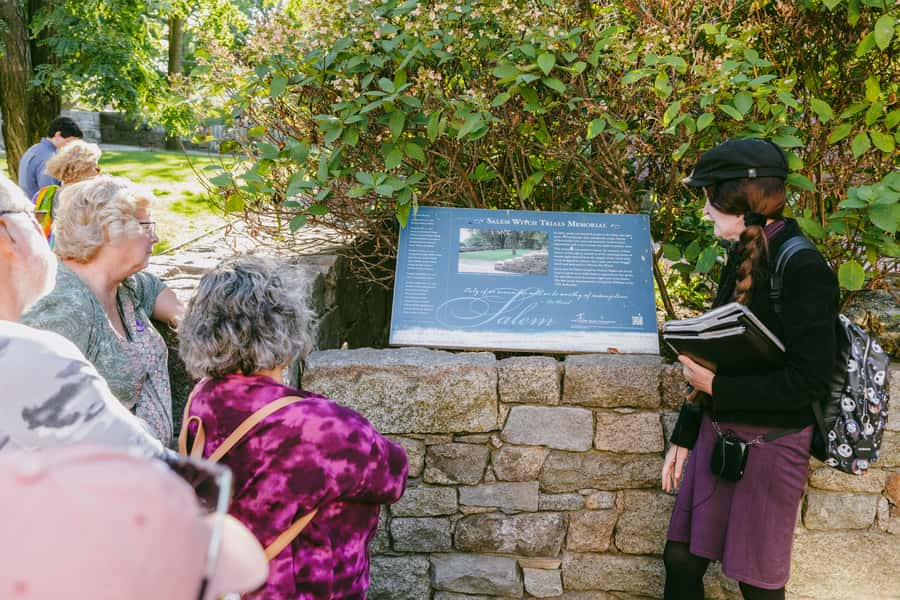
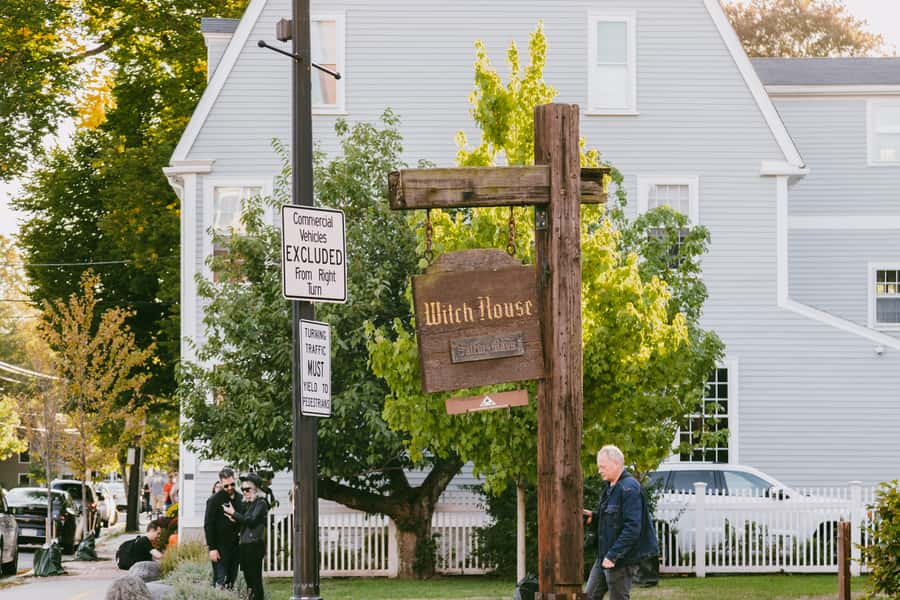
- Eight to ten stops: The route covers a little over one mile and returns to the starting point.
- A human story, not just a ghost tale: The tour explains how fear, politics, and family disputes helped fuel the crisis.
- Important Salem locations: You visit sites connected with the accused, the judges, the jails, and the court.
- Strong guide-led storytelling: Guides use humor, questions, character, and local detail to keep the group involved.
- Flat and wheelchair accessible: The route is fairly level, though comfortable shoes still matter.
- Good value at $25: For 90 minutes of focused local history, the price is reasonable, especially as an introduction to Salem.
Why the Salem witch trials still matter
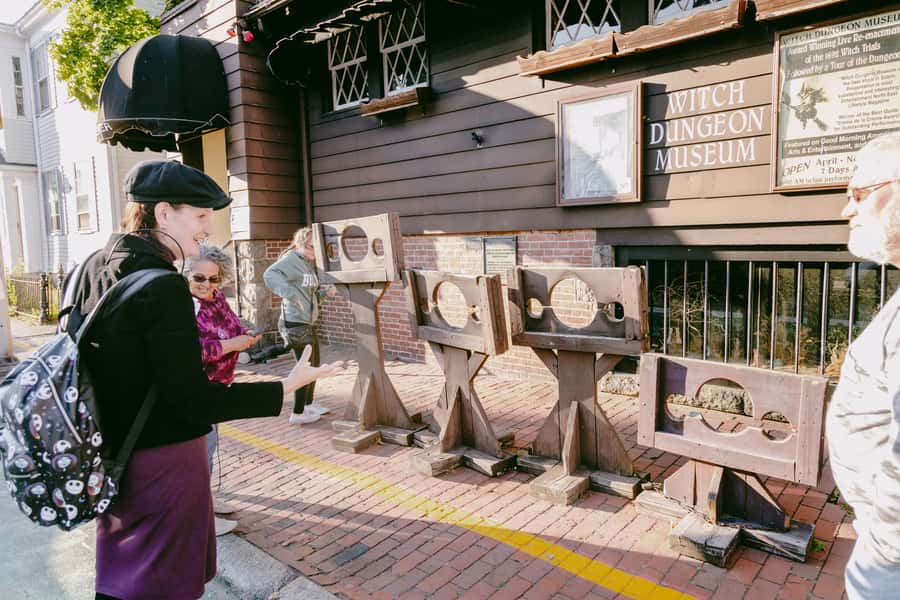
The events of 1692 are often reduced to pointy hats, ghosts, and Halloween decorations. This walk gives you a better starting point. It focuses on how ordinary people became caught in a crisis that moved faster than facts.
Two girls began suffering fits. In a community already strained by fear and disagreement, their behavior led to accusations of witchcraft. Suspicion spread. Neighbor testified against neighbor. Families turned against one another. Courts accepted claims that would never meet modern standards of proof.
The result was deadly. Twenty people were executed for witchcraft, and five more died in jail. The tour treats those numbers as individual lives rather than a grim statistic. That change in focus is one of its greatest strengths.
You hear about the accused, but you also learn about the judges and the people who helped push the proceedings forward. That wider view matters. The tour asks you to consider how power, reputation, religion, and local disputes shaped the accusations.
A few more walks around the USA worth a look
- History and Hauntings of Salem Guided Walking Tour
★ 5.0 · 14,564 reviews - New Orleans Premier Ghost, Voodoo and Vampire Walking Tour
★ 4.5 · 12,856 reviews - Little Havana Food and Walking Tour in Miami
★ 5.0 · 8,882 reviews
Starting at Central Street
The meeting point is at 8 Central Street. Look for the large brick building at the corner of Essex and Central Streets, marked by purple signs.
This is a useful central starting point for a day in Salem. Arrive a little early so you can find the building without rushing. The tour begins and ends at the same place, which makes the walk easy to fit into a larger visit.
The route covers a little over a mile, with eight to ten stops. That is enough distance to see several parts of central Salem without turning the outing into a tiring march. You will spend much of the tour standing while the guide talks, so shoes with good support are a wise choice.
Groups can vary in size. For larger groups, the guide uses an amplifier. That detail is practical and important because good historical information is useless if you cannot hear it.
The opening story: how fear took hold
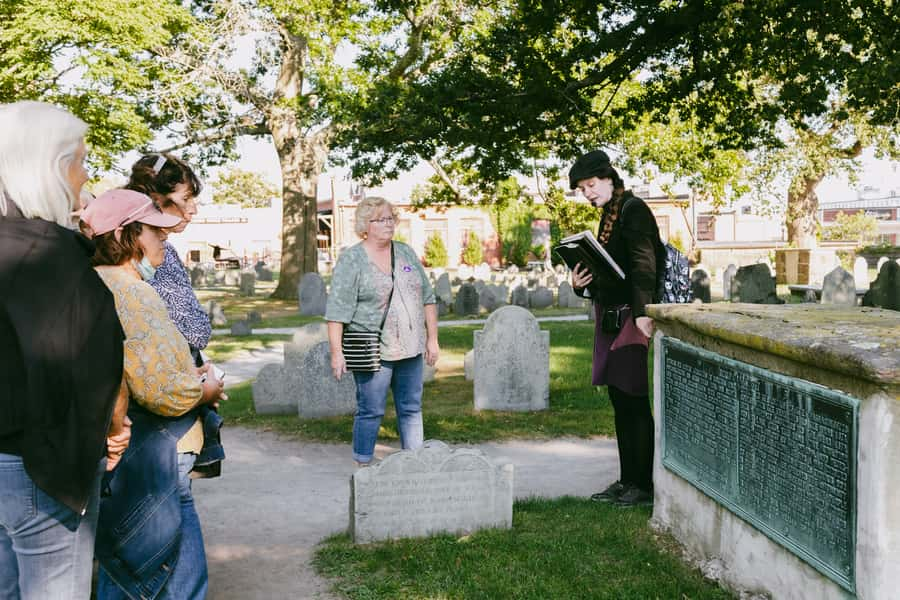
The first part of the walk sets up the crisis. You learn how two girls having fits helped trigger a frantic search for the Devil.
That opening is valuable because it shows how quickly rumor can become official action. The tour does not treat the girls as a simple cause. Instead, it explains the conditions around them, including fear, political tension, family rivalry, and pressure within the small community.
I like this approach because it avoids the easy answer. Salem was not simply a town full of foolish people. It was a tense place where accusations could affect land, status, family relationships, and religious authority.
Your guide may ask questions or draw the group into the story. That interactive style has been a frequent strength of the tour. Guides have been praised for holding attention, using humor carefully, and making the subject work for different ages.
That does not make the events lighthearted. It gives the story breathing room. A little humor from the guide can help you stay focused during a serious account without making fun of the victims.
Jails and the cost of an accusation
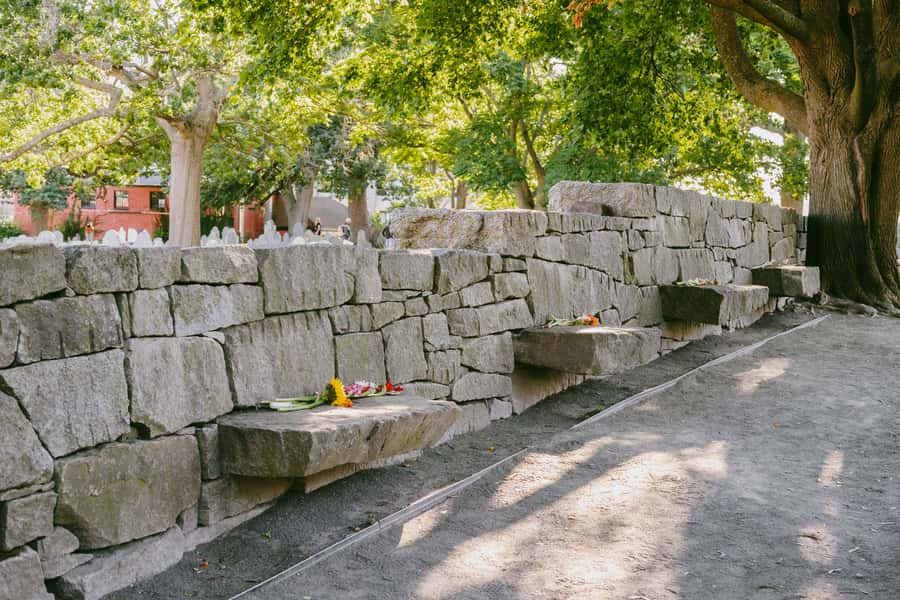
One of the tour’s important themes is imprisonment. You visit locations connected with the jails where suspected witches were held.
The jail stops help make the story physical. Accusations were not just words exchanged in a meeting room. They led to confinement, illness, fear, and death.
The tour explains that five people died in jail, in addition to the twenty who were executed. That detail is easy to overlook when Salem is treated only as a collection of famous names. Here, imprisonment becomes part of the larger tragedy.
Do not expect an interior prison visit based on the information provided. The tour is a walking tour through the city, so the emphasis is on location and explanation. The guide supplies the context that the modern streets alone cannot provide.
This is also one reason to choose the tour early in your Salem visit. Once you understand where imprisonment, judgment, and accusation fit into the story, other Salem attractions become easier to place.
Same streets, a different way to see them:
- Chicago: Gangsters and Ghosts Walking Tour
★ 5.0 · 7,155 reviews - Boston: Freedom Trail History Small Group Walking Tour
★ 5.0 · 6,450 reviews - Historic Charleston Guided Sightseeing Walking Tour
★ 5.0 · 6,216 reviews - New Orleans Food Walking Tour of the French Quarter with Small-Group Option
★ 5.0 · 6,118 reviews
The courthouse and the machinery of judgment
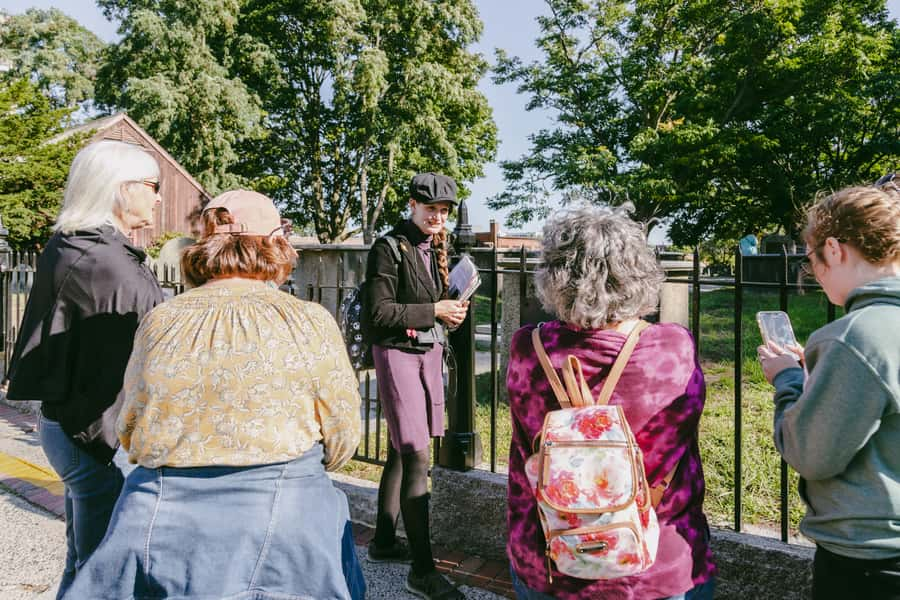
The courthouse stop shifts the focus from rumor to authority. This is where accusations became formal proceedings and where the crisis gained the appearance of law.
The guide explains the court system and the people who directed it. You also hear about the judges and the pressures surrounding their decisions. That is an important part of the tour because the witch trials were not only a burst of public panic. They were also a failure of institutions.
The courthouse portion should appeal to anyone who wants more than a ghost story. It shows how legal language and official power can give credibility to claims that are unsupported or impossible to test.
You will likely spend time outside, looking at the location while the guide explains what happened there. The modern building or street may not look dramatic. That is part of the lesson. Horrible events can happen in ordinary places, and a quiet modern setting can make the story feel even more unsettling.
Homes of the judges and accused
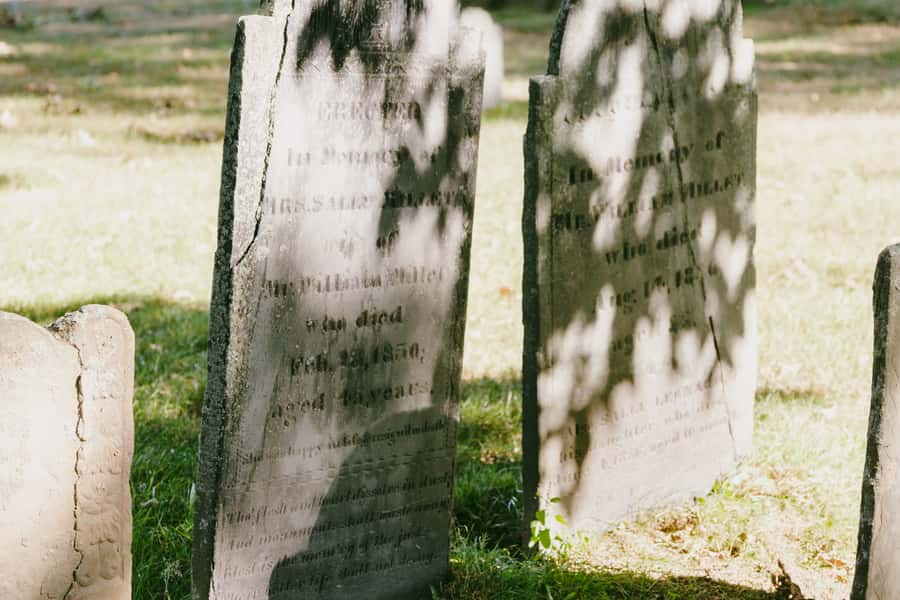
The route also includes homes connected with judges and accused people. These stops bring the story back to daily life.
A home can tell you something a court document cannot. It suggests the scale of the community and the fact that accusations moved through neighborhoods, family networks, and familiar streets.
The homes of the judges help you consider the people who held authority. The homes connected with the accused help you picture the personal cost. The tour’s strongest moments come from placing both sides in the same small community.
You should keep your expectations realistic. The tour may point out historic houses or locations from the street, but the details provided do not promise entry into private homes. The value comes from the story and the setting together.
The guide’s storytelling makes a real difference here. Christine has been singled out for making the tour interactive and helpful for younger visitors, while other guides have been praised for local family connections and strong command of the material. Your assigned guide will vary, but the best guides use these locations to keep the focus on people rather than buildings alone.
Guides who make a serious subject approachable
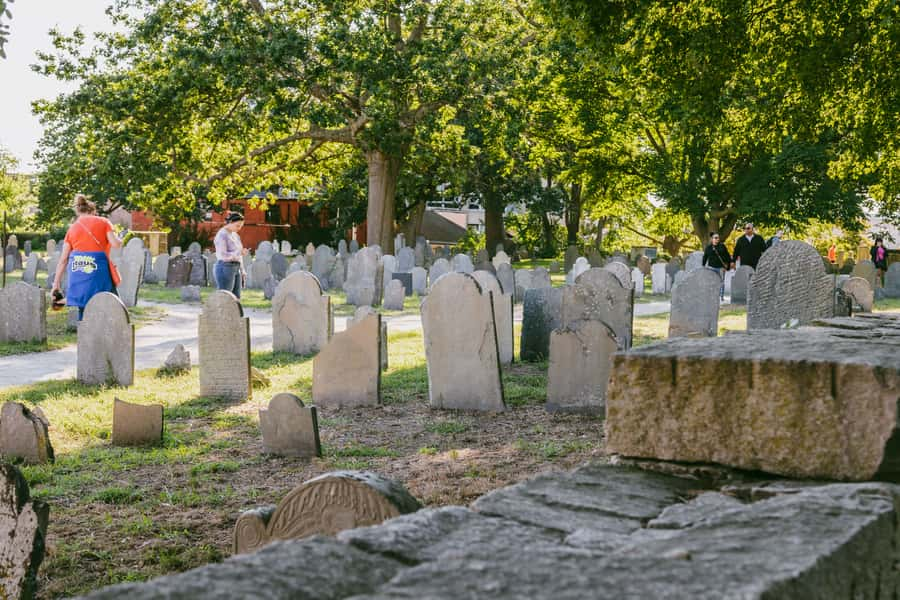
A walking tour succeeds or fails with its guide. On this route, the guide is responsible for explaining a complicated sequence of accusations, court actions, imprisonment, and executions in only 90 minutes.
The strongest guide style is clear, energetic, and conversational. Past guide names associated with this experience include Christine, Bob, Mark, James, and Stache. Christine has been praised for her interaction and warmth. Bob has been described as local and closely connected to the area. Mark and James have also been noted for friendly, informative presentations.
Some guides use character or a touch of performance while explaining the past. That can make the information easier to remember. It may not suit someone who prefers a quiet academic lecture, but most people will appreciate a guide who keeps the group alert.
The tour seems particularly good for families and mixed-age groups. One young visitor using the tour for a school project received extra attention and encouragement. That suggests the guide can adjust to questions rather than delivering a fixed speech and moving on.
Still, the guide you receive is not guaranteed. If you care most about a certain presentation style, book with the understanding that personalities differ. The subject matter remains the same, but delivery can range from animated to slightly awkward.
A flat route with practical weather concerns
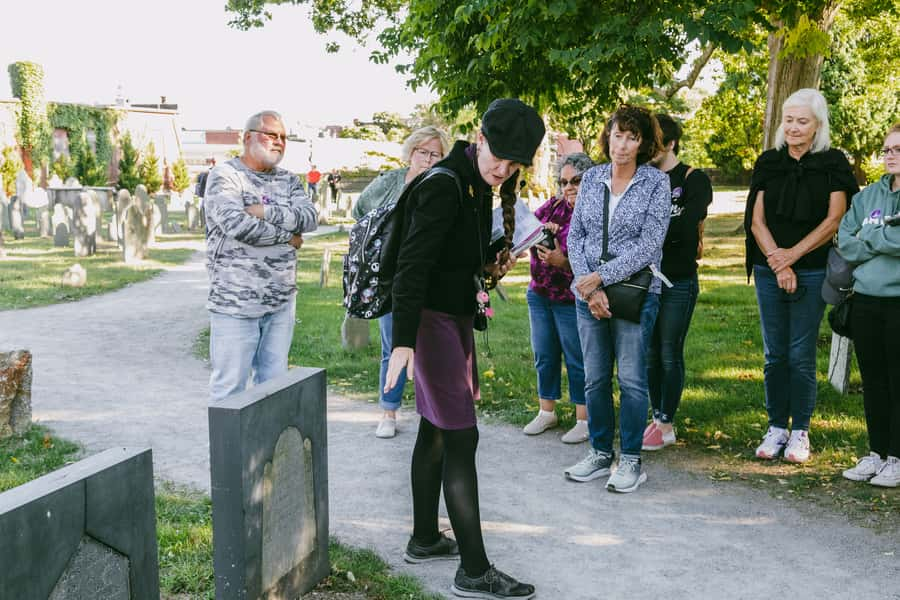
The total distance is a little over one mile, spread across eight to ten stops. The route is fairly flat and wheelchair accessible, which makes this a good choice for many people who want a walking tour without steep streets or a strenuous pace.
You should still allow for standing and outdoor exposure. Bring comfortable shoes and clothing suited to the forecast. Tours operate rain or shine, so a wet day will not automatically cancel the walk.
No special equipment is listed for participants. The guide supplies the narration, and an amplifier is used for larger groups. If you have trouble hearing in a crowd, staying near the guide is sensible.
Smoking, video recording, and audio recording are not allowed. Take notes if you like, but plan to listen rather than record the presentation.
Is $25 a fair price?
At $25 per person, this is a fair price for a focused 90-minute introduction to Salem’s witch trials.
You are paying for a live guide, a planned route, and the work of connecting scattered locations into one clear story. Walking past a jail site or courthouse on your own will not tell you why it mattered. The guide provides the sequence and the human details.
The value is strongest if this is your first serious look at the 1692 events. You get a useful framework without committing half a day or paying for a large attraction. It also gives you a better sense of what you want to explore afterward.
The value is lower if you already know Salem’s trial history in detail or want a tour built around interior visits. This outing is about streets, sites, and storytelling. It does not promise access to every historic building.
Discount categories are available at the same price as standard student, senior, and military tickets, with discounts for veterans, police, firefighters, teachers, EMTs, nurses, and Salem residents when valid identification is provided. Check the current booking details for the exact discount terms.
Timing, cancellation, and who should take it
The walk lasts 1.5 hours, but starting times vary. Check availability when choosing your date, especially if you are building a full day around Salem’s other sights.
Free cancellation is available up to 24 hours before the tour for a full refund. You can also reserve now and pay later, which helps if your plans depend on weather or transport.
I would recommend this tour to:
- First-time Salem visitors who want historical context
- Families with older children interested in the witch trials
- People who prefer local storytelling to a large indoor attraction
- Visitors who want a moderately priced activity of manageable length
- Anyone interested in how fear and official power can shape a community
I would be more cautious if you dislike outdoor tours, need frequent seating, or want to enter every building connected with the trials. The tour is accessible and fairly flat, but the information provided does not promise seating at every stop.
Should you book the 1692 Witchcraft Trials Walk?
Yes, if you want Salem’s witch trials explained through real people and real places rather than Halloween folklore.
The best reason to book is the combination of clear storytelling and personal detail. You move from the initial fits and accusations to the jails, courthouse, judges, and accused families. The walk gives Salem’s most famous story a human scale.
Book it early in your visit if possible. The route can help you understand the city before you explore on your own. At $25, with a short duration, a flat route, flexible cancellation, and strong guide-led presentation, it offers solid value.
Skip it only if you already know the subject thoroughly or prefer indoor exhibits. For most visitors, this is a practical and engaging way to begin understanding what happened in Salem in 1692.
FAQ
How long is the Salem Witchcraft Trials Walk?
The tour lasts 1.5 hours.
How much does the tour cost?
The listed price is $25 per person.
Where does the tour start?
Meet at 8 Central Street. Look for the large brick building at the corner of Essex and Central Streets with purple signs.
Where does the tour finish?
The tour ends back at the meeting point on Central Street.
How far do you walk?
The total walking distance is a little over one mile.
How many stops are included?
The route includes eight to ten stops.
Is the tour wheelchair accessible?
Yes. The tour is wheelchair accessible, and the route is fairly flat.
Does the tour operate in bad weather?
Yes. Tours operate rain or shine, so bring weather-appropriate clothing.
What language is the tour offered in?
The live guided tour is offered in English.
Can I cancel for a refund?
Yes. You can cancel up to 24 hours in advance for a full refund. You can also reserve now and pay later.
Just added around the USA
- Savor Bar Harbor Culinary Walking Tour in Maine★ 5.0 · 169 reviews
- Savor Bar Harbor Culinary Walking Tour★ 4.5 · 75 reviews
- 90-minute Ghost Walking Tour in Bar Harbor★ 4.5 · 161 reviews
- Baltimore Walking Foodie Tour in Fells Point★ 5.0 · 182 reviews
- The Original Fells Point Ghost Walk by Baltimore Ghost Tours★ 4.5 · 73 reviews
- The Story of Austin: Downtown History Walking Tour★ 5.0 · 216 reviews
- Austin Small Group Morning Walk★ 5.0 · 412 reviews
- The Madam’s Curse Walking Ghost Tour★ 4.5 · 103 reviews
USA Walking Tours, compared.
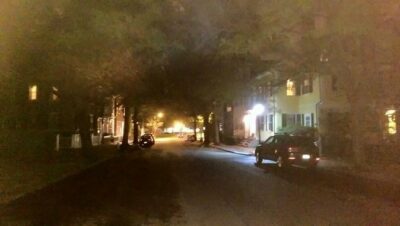
History and Hauntings of Salem Guided Walking Tour
Read our review →
New Orleans Premier Ghost, Voodoo and Vampire Walking Tour
Read our review →

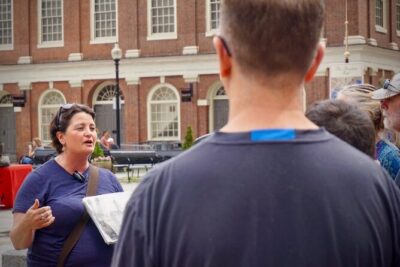
Freedom Trail History Small Group Walking Tour
Read our review →
Historic Charleston Guided Sightseeing Walking Tour
Read our review →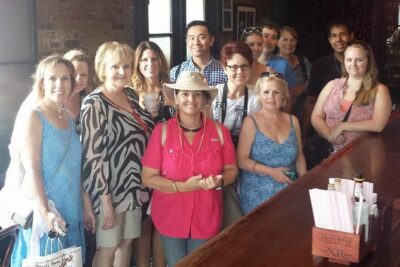
New Orleans Food Walking Tour of the French Quarter with Small-Group Option
Read our review →
St. Louis Cemetery No. 1 Official Walking Tour
Read our review →Browse the lists this tour appears in